




Curved Shape LiPo Battery Manufacturer for Smart Ring Applications
Quick Answer:
What Is a Curved Shape LiPo Battery?
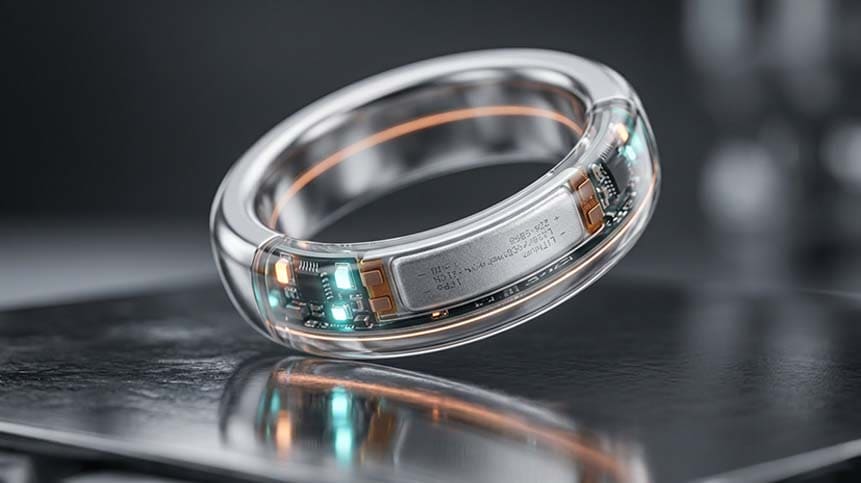
A curved shape LiPo battery is a custom lithium polymer battery designed with a bent, arc-shaped, semi-circular, or ring-conforming structure that follows the internal geometry of a wearable device.
Unlike traditional rectangular batteries, curved batteries can:
- Fit circular product designs
- Increase available battery capacity
- Improve internal space utilization
- Reduce product thickness
- Enhance wearing comfort
- Enable innovative industrial designs
For smart rings, curved batteries are often the only practical solution for achieving an acceptable balance between size and operating time.
The smart wearable industry is rapidly evolving, and smart rings have emerged as one of the fastest-growing categories in personal health monitoring and connected devices. Compared with smartwatches and fitness bands, smart rings offer a more discreet, lightweight, and comfortable user experience.
However, the compact design of a smart ring creates one significant engineering challenge:
How do you fit a reliable rechargeable battery into an extremely small circular space?
The answer often lies in custom-designed curved shape lithium polymer batteries.
As a custom lithium battery manufacturer, we have seen increasing demand from wearable technology companies seeking curved LiPo batteries specifically designed for smart ring applications. These batteries maximize internal space utilization while maintaining safety, energy density, and long-term reliability.
This guide explains everything product developers, hardware engineers, and sourcing teams need to know about curved shape LiPo batteries for smart rings.
Why Smart Rings Need Curved Batteries
Smart rings typically include:
- Optical sensors
- Bluetooth module
- MCU
- Temperature sensor
- Heart rate sensor
- SpO2 sensor
- Charging circuitry
- Antenna system
All of these components compete for extremely limited internal space.
Traditional Battery Challenge
A conventional rectangular battery creates unused dead space inside a circular housing.
This results in:
- Reduced battery capacity
- Shorter runtime
- Larger product dimensions
- Lower design efficiency
Curved Battery Solution
A curved LiPo battery follows the ring geometry and utilizes space that would otherwise be wasted.
This enables manufacturers to:
- Increase energy density
- Improve battery life
- Maintain compact dimensions
- Enhance product ergonomics
Market Growth of Smart Rings
According to industry reports from IDC and Counterpoint Research, wearable technology continues to expand globally.
Wearable Device Market Trends
| Category | Growth Trend |
|---|---|
| Smart Watches | Mature Market |
| Fitness Bands | Moderate Growth |
| Smart Rings | Fast Growing |
| Medical Wearables | Rapid Growth |
| Health Monitoring Devices | Strong Growth |
Key drivers include:
- Health tracking
- Sleep monitoring
- Contactless payments
- Fitness analytics
- AI-powered wellness applications
As smart ring adoption increases, demand for specialized battery solutions also rises.
Types of Curved Batteries Used in Smart Rings
Arc-Shaped LiPo Battery
Designed with a curved profile matching part of the ring circumference.
Advantages:
- Easier manufacturing
- Lower tooling cost
- Good energy density
Applications:
- Entry-level smart rings
- Fitness tracking rings
Semi-Circular LiPo Battery
Occupies approximately half of the ring's internal circumference.
Advantages:
- Higher capacity
- Better space utilization
Applications:
- Health monitoring devices
Custom Ring Segment Battery
Engineered according to the exact dimensions of a customer's product.
Advantages:
- Maximum customization
- Optimal internal fit
- Best industrial design flexibility
Applications:
- Premium smart rings
- Medical wearables
- Luxury wearable electronics
Critical Design Factors for Smart Ring Batteries
Battery Capacity
Typical smart ring battery capacities range from:
| Battery Capacity | Typical Runtime |
|---|---|
| 15 mAh | 1–2 Days |
| 20 mAh | 2–4 Days |
| 30 mAh | 4–6 Days |
| 40 mAh | 5–7 Days |
| 50 mAh+ | 7+ Days |
Actual performance depends on:
- Sensor activity
- Bluetooth usage
- Firmware optimization
- Charging efficiency
Battery Thickness
Thickness directly affects:
- User comfort
- Ring profile
- Product aesthetics
Typical thickness range:
| Type | Thickness |
|---|---|
| Ultra Thin | 2–3 mm |
| Standard | 3–5 mm |
| High Capacity | 5–7 mm |
Safety Performance
For wearable products, battery safety is essential because the device remains in direct contact with the user's skin.
Manufacturers should ensure compliance with:
Manufacturing Process of Curved Shape LiPo Batteries
Producing a curved battery is considerably more complex than manufacturing standard rectangular cells.
Step 1
Cell Design Evaluation
Engineers analyze:
- Ring dimensions
- PCB layout
- Sensor placement
- Available battery volume
Step 2
3D Structural Verification
Mechanical engineers verify:
- Curvature radius
- Housing compatibility
- Mechanical stress points
Step 3
Prototype Development
Prototype samples are produced for:
- Functional testing
- Cycle testing
- Safety verification
Step 4
Certification Preparation
Documentation and testing are prepared for:
- UL
- IEC
- UN38.3
- Transportation compliance
Step 5
Mass Production
After validation, production moves to automated manufacturing.
Challenges in Curved Battery Manufacturing
Not every battery factory can successfully manufacture curved LiPo batteries.
Key challenges include:
Electrode Design
Maintaining consistent current distribution throughout curved structures.
Mechanical Stress
Improper bending may damage internal layers.
Capacity Retention
Energy density must remain competitive despite non-standard shapes.
Production Yield
Custom geometries often reduce manufacturing yield rates.
This is why choosing an experienced custom battery manufacturer is critical.
How to Select a Curved Shape LiPo Battery Manufacturer
When evaluating suppliers, consider the following criteria.
| Evaluation Item | Importance |
|---|---|
| Custom Design Capability | High |
| Safety Certifications | High |
| Engineering Support | High |
| Sample Development Speed | Medium |
| Production Capacity | High |
| Quality Control System | High |
| International Shipping Experience | High |
Ask suppliers:
- Can you provide custom battery drawings?
- Do you support OEM projects?
- What certifications are available?
- Can you produce low-volume prototypes?
- What is your lead time?
Why OEM Smart Ring Brands Choose Custom Battery Manufacturers
Many startups initially attempt to source standard batteries.
However, custom batteries provide:
Better Capacity
More efficient use of internal space.
Better Product Design
Greater industrial design flexibility.
Better User Experience
Longer operating time.
Faster Product Commercialization
Battery and hardware developed simultaneously.
Future Trends in Smart Ring Batteries
Several emerging technologies are shaping the future.
Higher Energy Density Materials
More capacity within the same footprint.
Advanced Battery Management
Smarter charging algorithms.
Flexible Battery Technologies
Enhanced design freedom.
Medical-Grade Wearables
Growing demand for certified battery solutions.
AI-Driven Health Monitoring
Increased power requirements for continuous sensing.
Why Work With A&S Power for Smart Ring Battery Projects
At A&S Power, we specialize in custom lithium battery solutions for wearable electronics.
Our capabilities include:
- Custom curved LiPo battery design
- Ultra-small battery development
- Smart ring battery engineering support
- Medical wearable battery solutions
- OEM and ODM manufacturing
- International certification support
Available certifications include:
We work closely with device manufacturers from concept development through mass production.
Looking for a custom lithium battery solution? Contact A&S Power to discuss your project requirements and receive a tailored battery design recommendation.
Conclusion
The success of a smart ring product depends heavily on efficient power management and intelligent space utilization. Because smart rings operate within one of the smallest form factors in consumer electronics, standard battery solutions rarely deliver optimal results.
Custom curved shape LiPo batteries enable manufacturers to maximize capacity, improve comfort, extend runtime, and maintain sleek industrial designs.
As smart ring adoption accelerates across health monitoring, fitness tracking, contactless payment, and medical wearable markets, partnering with an experienced curved shape LiPo battery manufacturer becomes increasingly important for achieving product differentiation and long-term commercial success.
FAQ
Q1: What battery is used in a smart ring?
Most smart rings use custom lithium polymer batteries due to their high energy density and flexible form factor.
Q2: Can a LiPo battery be curved?
Yes. Curved LiPo batteries can be engineered to fit circular or irregular product designs while maintaining safety and performance.
Q3: How long does a smart ring battery last?
Depending on battery capacity and device power consumption, runtime typically ranges from 2 to 7 days between charges.
Q4: What certifications are required for smart ring batteries?
Common certifications include UL1642, UL2054, IEC62133, UN38.3, CE, and RoHS.
Q5: Can I order a custom curved battery for my product?
Yes. Most professional battery manufacturers can develop custom curved batteries based on CAD drawings, 3D models, or prototype samples.
Q6: What is the minimum order quantity for custom smart ring batteries?
MOQ varies by manufacturer. Prototype quantities are usually available before mass production begins.
-

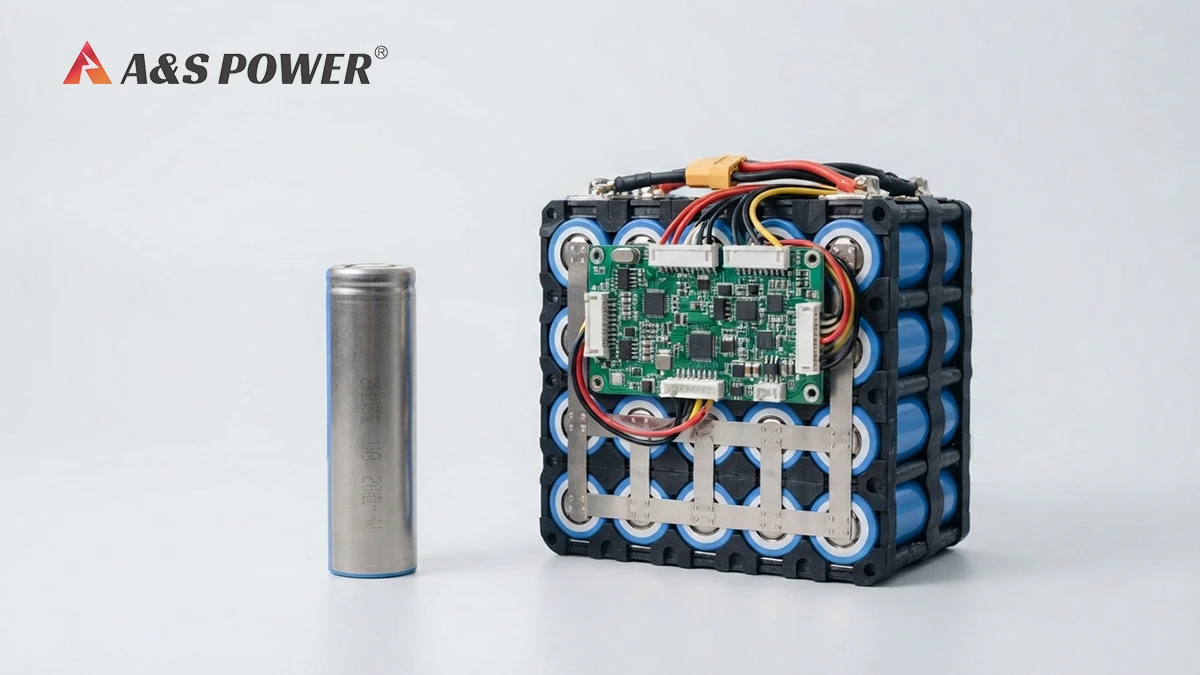 May.2026.08.0521700 Battery Pack with BMS: Design, Safety and Custom SolutionsLearn More
 -
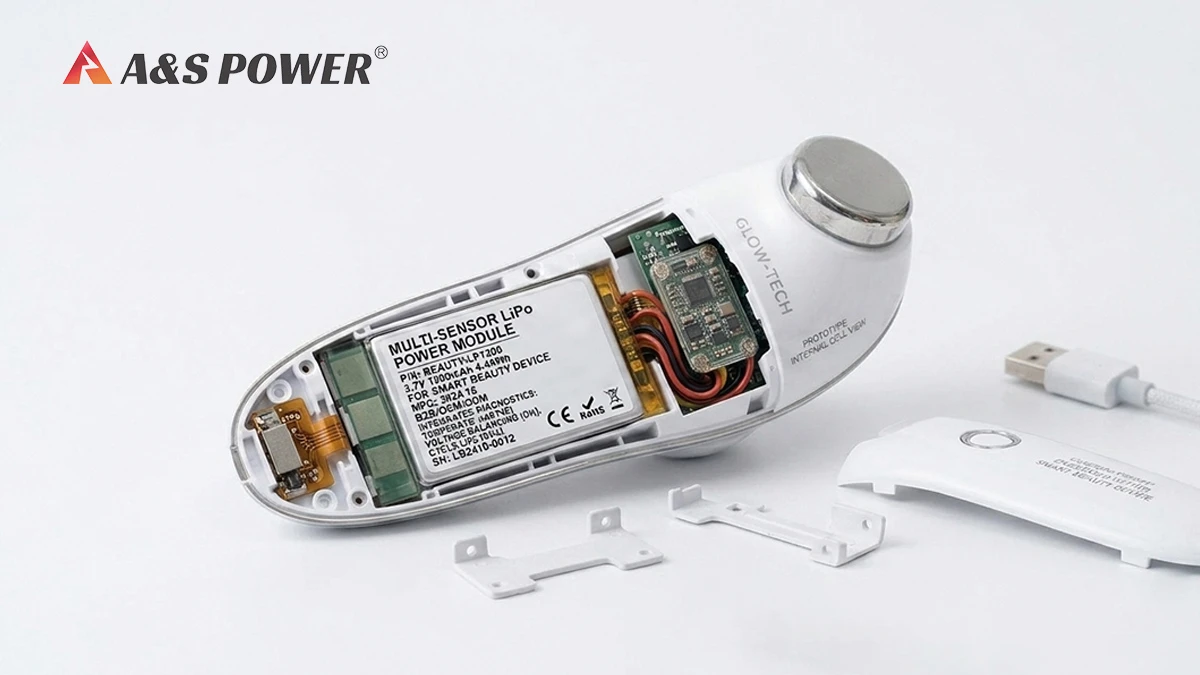 May.2026.08.04Smart Beauty Equipment Battery Pack ManufacturerLearn More
 -
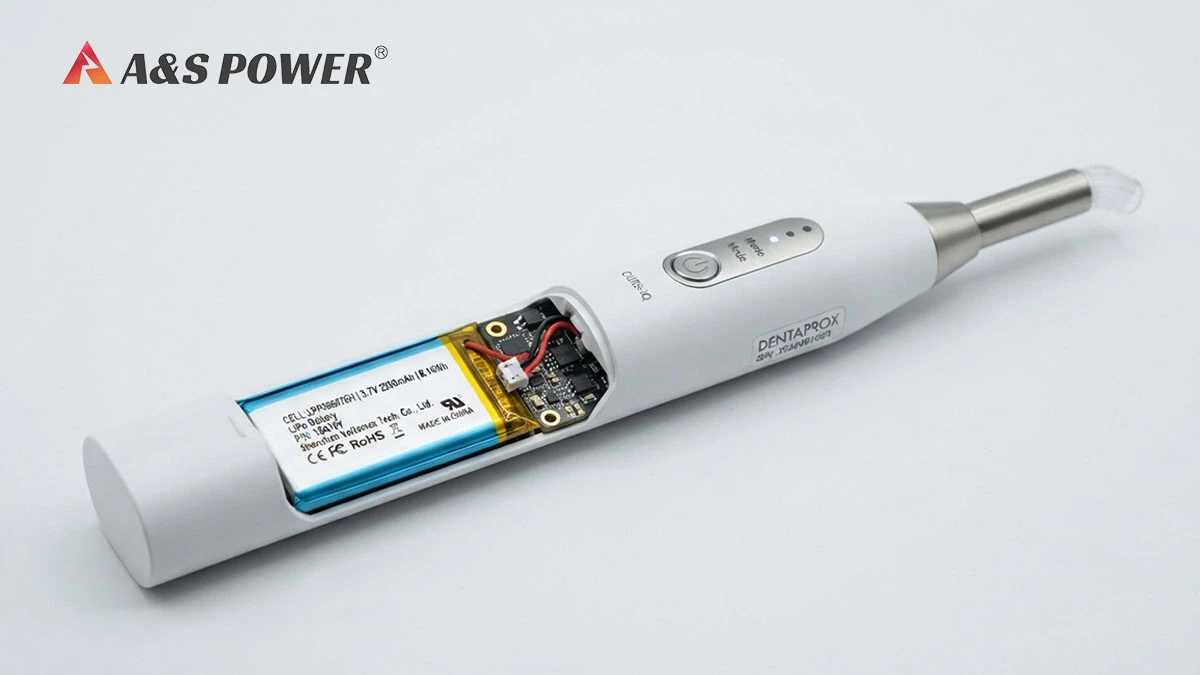 May.2026.08.04High Reliability Polymer Battery for Handheld Dental DevicesLearn More
 -
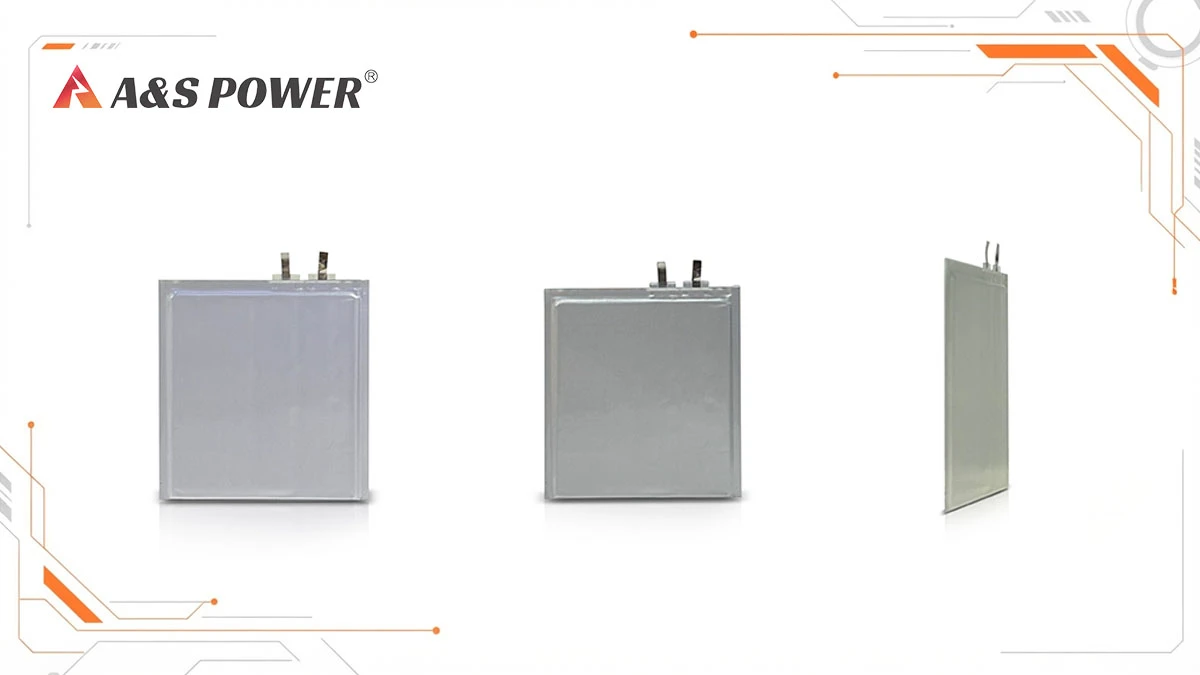 May.2026.08.04Ultra Thin Lithium Polymer Battery 0.4mm 0.5mm Custom GuideLearn More
 -
 May.2026.07.30Smoke Detector Battery Guide: Choosing the Right Battery for Reliable Fire ProtectionLearn More