




Rechargeable Li Polymer Battery Pack for POS Terminal: The Complete OEM Battery Guide
Quick Answer:
What battery is commonly used in POS terminals?
Most modern POS terminals use rechargeable lithium polymer batteries due to their high energy density, lightweight structure, and customizable form factor.
How long does a POS terminal battery last?
Depending on capacity and device power consumption, a POS terminal battery typically provides 8 to 16 hours of operation per charge.
What voltage do POS terminal batteries use?
The most common voltage is 3.7V for single-cell LiPo batteries, though some devices utilize 7.4V multi-cell battery packs.
Are POS terminal batteries rechargeable?
Yes. Modern POS terminals generally use rechargeable lithium-ion or lithium polymer battery packs.
What certifications are required?
Common certifications include UL2054, UL1642, IEC62133, UN38.3, CE, and RoHS.
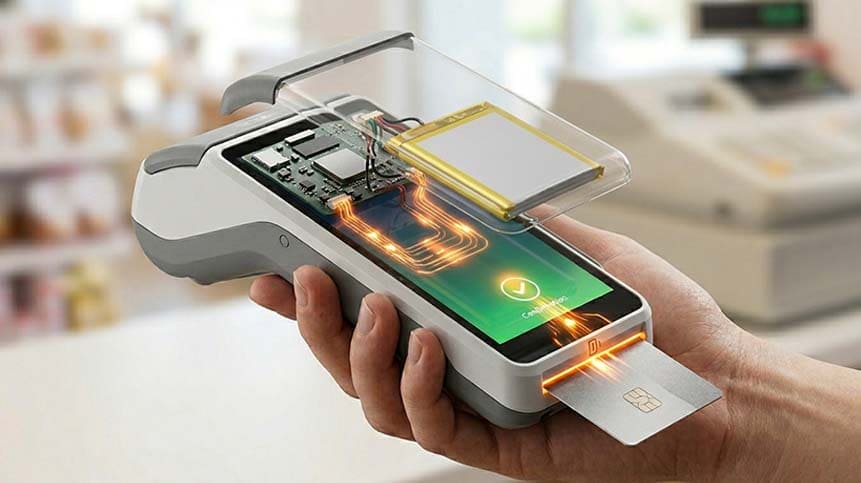
The global shift toward cashless payments has dramatically increased demand for reliable, portable, and long-lasting POS terminals. Whether used in retail stores, restaurants, logistics operations, parking systems, or mobile payment environments, modern POS terminals depend heavily on rechargeable lithium polymer battery packs.
As a custom lithium battery manufacturer, we regularly work with POS device developers who face challenges such as limited internal space, insufficient battery life, slow charging performance, and safety compliance requirements.
In this guide, we explain how rechargeable Li polymer battery packs are used in POS terminals, what specifications matter most, and how OEMs can select the optimal battery solution for their products.
What Is a Rechargeable Li Polymer Battery Pack for a POS Terminal?
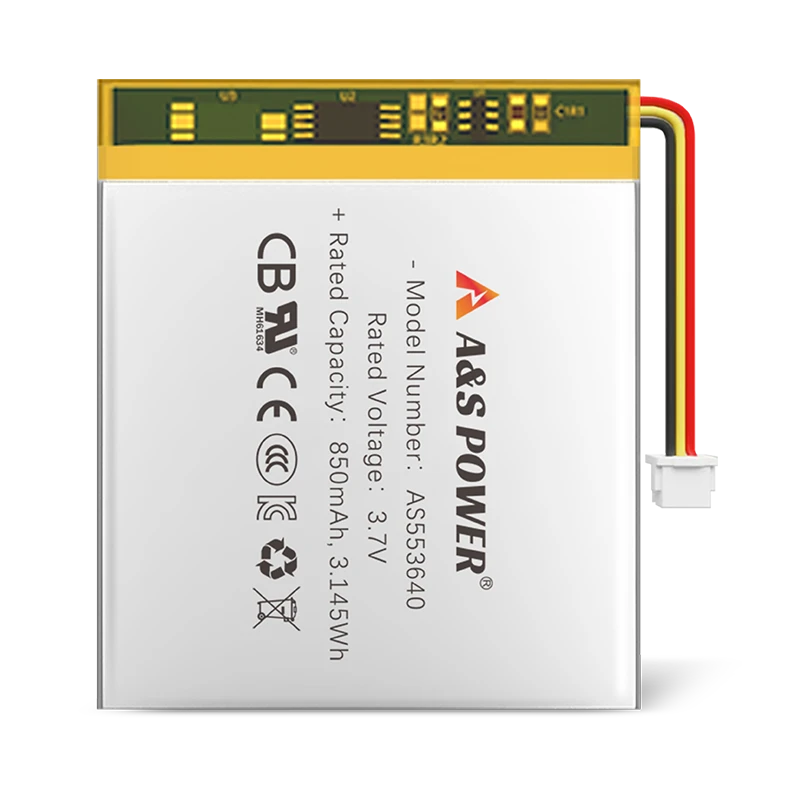
A rechargeable Li polymer battery pack is a lithium-ion battery utilizing a polymer electrolyte structure and pouch-cell design. Compared with traditional cylindrical batteries, LiPo batteries offer:
- Higher energy density
- Slim and lightweight construction
- Flexible shape customization
- Better space utilization
- Lower overall device weight
For POS terminals, battery performance directly affects:
- Operating time
- Transaction reliability
- User satisfaction
- Device portability
- Maintenance costs
A POS terminal battery pack typically includes:
- LiPo cells
- Protection Circuit Module (PCM)
- Battery Management System (BMS)
- NTC temperature sensor
- Wire harness and connectors
- Protective wrapping or housing
Why Li Polymer Batteries Are Ideal for Modern POS Terminals
Modern payment terminals require mobility and uninterrupted operation.
Compared with older battery technologies, Li polymer batteries provide significant advantages.
Lightweight Design
Retail staff often carry handheld POS devices throughout the day.
LiPo batteries reduce overall device weight while maintaining high capacity.
Long Runtime
High-capacity LiPo batteries allow POS terminals to operate for an entire business day without recharging.
Many devices achieve:
- 8–16 hours continuous operation
- Hundreds of transactions per charge
Fast Charging Capability
Modern POS terminals increasingly support:
- USB-C charging
- Fast charging protocols
- Dock charging stations
LiPo batteries can accommodate these charging requirements when properly designed.
Flexible Battery Shapes
POS manufacturers frequently face limited internal space.
Unlike cylindrical cells, LiPo batteries can be customized into:
- Thin rectangular designs
- Curved structures
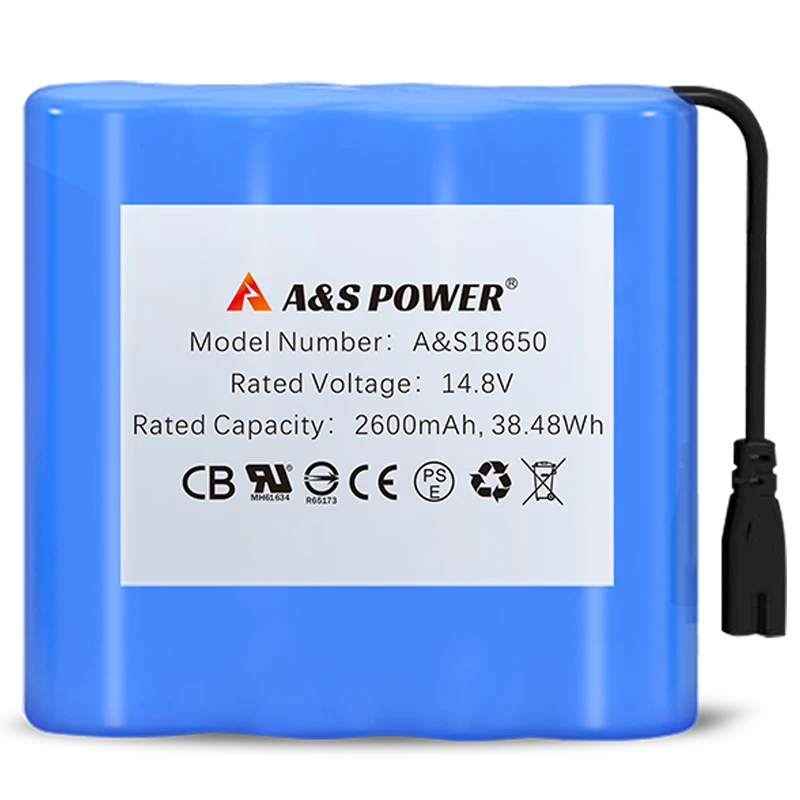
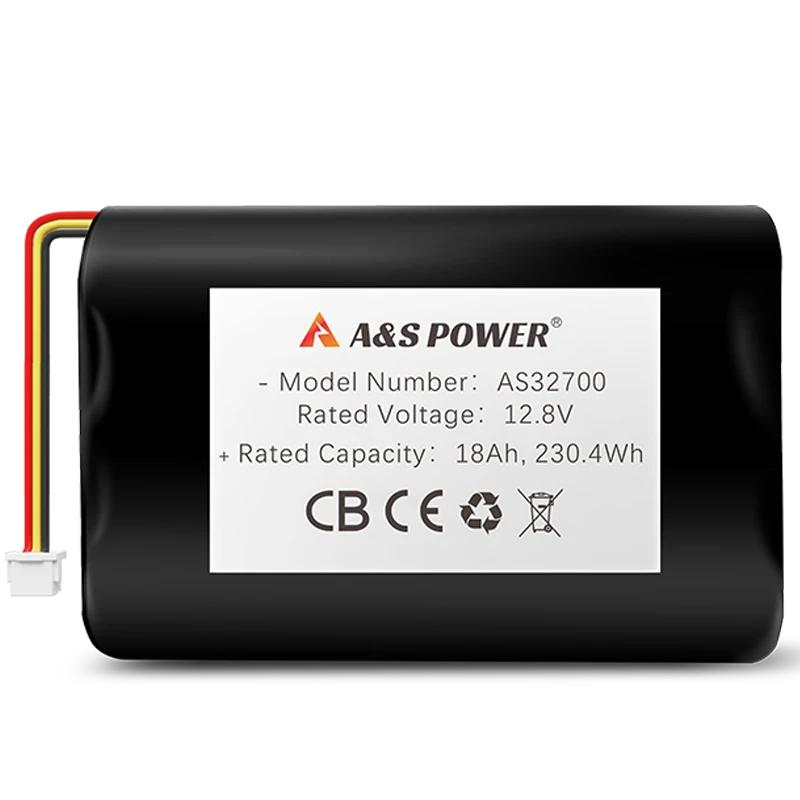
- Multi-cell configurations
- Compact high-capacity packs
Key Battery Specifications for POS Terminal Applications
When selecting a battery pack, engineers should evaluate several critical parameters.
Nominal Voltage
Most POS terminals use:
| Configuration | Voltage |
|---|---|
| Single Cell | 3.7V |
| Fully Charged | 4.2V |
| Two-Cell Pack | 7.4V |
| Three-Cell Pack | 11.1V |
The correct voltage depends on system architecture.
Battery Capacity
Common capacities include:
| Capacity | Typical Runtime |
|---|---|
| 2000mAh | 6-8 Hours |
| 3000mAh | 8-12 Hours |
| 5000mAh | 12-16 Hours |
| 8000mAh+ | Extended Operation |
Actual runtime depends on:
- Display brightness
- Wireless communication
- CPU power consumption
- Thermal conditions
Cycle Life
Quality LiPo batteries typically deliver:
| Battery Grade | Cycle Life |
|---|---|
| Standard | 300-500 Cycles |
| Premium | 500-800 Cycles |
| Industrial Grade | 800-1000+ Cycles |
A longer cycle life reduces maintenance costs and improves product reliability.
Charge Rate
Most POS battery packs support:
- Standard charging (0.5C)
- Fast charging (1C)
- Customized charging profiles
Proper charging management helps extend battery lifespan.
Typical Battery Requirements for Different POS Terminal Types
Retail POS Systems
Requirements:
- Full-day operation
- Lightweight design
- Reliable wireless communication
Typical Battery:
- 3.7V
- 3000–5000mAh
Android Smart POS Terminals
Requirements:
- Large touchscreen
- 4G/5G connectivity
- QR code scanning
Typical Battery:
- 5000–8000mAh
- High energy density design
Mobile Payment Terminals
Requirements:
- Compact size
- Frequent mobility
- Fast charging
Typical Battery:
- Ultra-thin LiPo pack
- 2500–4000mAh
Industrial POS Devices
Requirements:
- Rugged operation
- Long runtime
- Wide temperature range
Typical Battery:
- High-cycle-life LiPo battery
- Reinforced protection circuitry
Safety Requirements for POS Terminal Battery Packs
Battery safety remains a critical requirement for payment device manufacturers.
A qualified battery pack should incorporate:
Electrical Protection
- Overcharge protection
- Over-discharge protection
- Overcurrent protection
- Short-circuit protection
Thermal Protection
- NTC temperature monitoring
- Thermal shutdown functionality
Mechanical Protection
- Impact resistance
- Vibration resistance
- Puncture prevention
Important Certifications for POS Terminal Batteries
Many global markets require battery compliance certifications.
| Certification | Purpose |
|---|---|
| UL2054 | Battery Pack Safety |
| UL1642 | Lithium Cell Safety |
| IEC62133 | International Safety Standard |
| CB Scheme | Global Certification Acceptance |
| UN38.3 | Transportation Safety |
| CE | European Market Compliance |
| RoHS | Hazardous Substance Restriction |
| KC | South Korea Compliance |
| PSE | Japan Compliance |
Manufacturers should verify certification requirements before product launch.
How Battery Capacity Influences POS Terminal Performance
Battery capacity directly impacts user experience.
For example:
| Device Load | 3000mAh Battery | 5000mAh Battery |
|---|---|---|
| Light Usage | 10 Hours | 16 Hours |
| Moderate Usage | 8 Hours | 13 Hours |
| Heavy Usage | 5 Hours | 9 Hours |
These figures vary according to processor efficiency, wireless modules, and display size.
The trend in modern POS devices is toward higher-capacity batteries without increasing device thickness.
OEM Custom Battery Solutions for POS Terminal Manufacturers
Standard batteries rarely fit every POS terminal design.
OEM customization offers advantages such as:
Customized Dimensions
Optimized space utilization inside the device.
Connector Customization
Compatible with specific terminal PCB designs.
Capacity Optimization
Balancing runtime and weight requirements.
Smart Battery Features
Including:
- Fuel gauge IC
- SMBus communication
- Remaining capacity indication
- Health monitoring
Customized Housing
Improved durability and assembly efficiency.
How to Choose a Reliable POS Terminal Battery Supplier
Battery quality directly impacts device reliability and brand reputation.
When evaluating suppliers, consider:
Engineering Support
A capable supplier should provide:
- Battery design consultation
- Prototype support
- Testing assistance
Manufacturing Experience
Look for suppliers with experience serving:
- Payment terminals
- Handheld devices
- Medical electronics
- Industrial equipment
Quality Control
Evaluate:
- Incoming material inspection
- Production testing
- Aging tests
- Reliability validation
Certifications
Ensure batteries comply with target-market regulations.
Long-Term Supply Stability
Consistent supply is essential for large-scale POS deployments.
Why Rechargeable Li Polymer Batteries Continue to Dominate POS Terminal Design
Several technology trends are driving adoption:
- Cashless payments
- Mobile commerce
- Android smart terminals
- Wireless payment ecosystems
- Self-service retail solutions
As devices become thinner and more powerful, Li polymer batteries remain the preferred energy source due to their balance of energy density, flexibility, and safety.
Industry analysts consistently identify rechargeable lithium battery technology as a foundational component of next-generation payment hardware ecosystems.
Why Work With A&S Power for POS Terminal Battery Projects?
At A&S Power, we specialize in custom rechargeable lithium battery solutions for portable electronic devices, including POS terminals, handheld scanners, payment devices, GPS trackers, medical electronics, and IoT equipment.
Our capabilities include:
- Custom LiPo battery design
- Battery pack assembly
- PCM/BMS integration
- Connector customization
- Fuel gauge solutions
- UL1642 certified cells
- IEC62133 compliant battery packs
- UN38.3 transportation certification support
- OEM and ODM manufacturing
Whether you are developing a compact mobile POS terminal or a high-capacity Android payment device, our engineering team can help optimize battery performance, safety, and lifecycle reliability.
Partner with A&S Power
Our goal is not simply to supply batteries—we help customers create reliable power systems that enhance product performance, user experience, and long-term market success.
Need a custom POS Terminal battery solution? Contact A&S Power to discuss your project requirements, battery specifications, certification needs, and production goals.
FAQ
How many charging cycles can a POS terminal battery provide?
High-quality Li polymer batteries generally provide between 500 and 1000 charge cycles depending on operating conditions and charging practices.
Can a POS terminal use a custom-shaped battery?
Yes. Li polymer batteries can be manufactured in customized dimensions and shapes to fit specific device designs.
Is fast charging safe for POS terminal batteries?
Fast charging is safe when supported by proper battery management circuitry and validated charging profiles.
What battery capacity is recommended for Android POS terminals?
Most Android POS devices use battery capacities between 5000mAh and 8000mAh because of larger displays and continuous wireless connectivity.
How can battery lifespan be extended?
Battery lifespan can be improved by avoiding extreme temperatures, using qualified chargers, and implementing proper charging management.
-

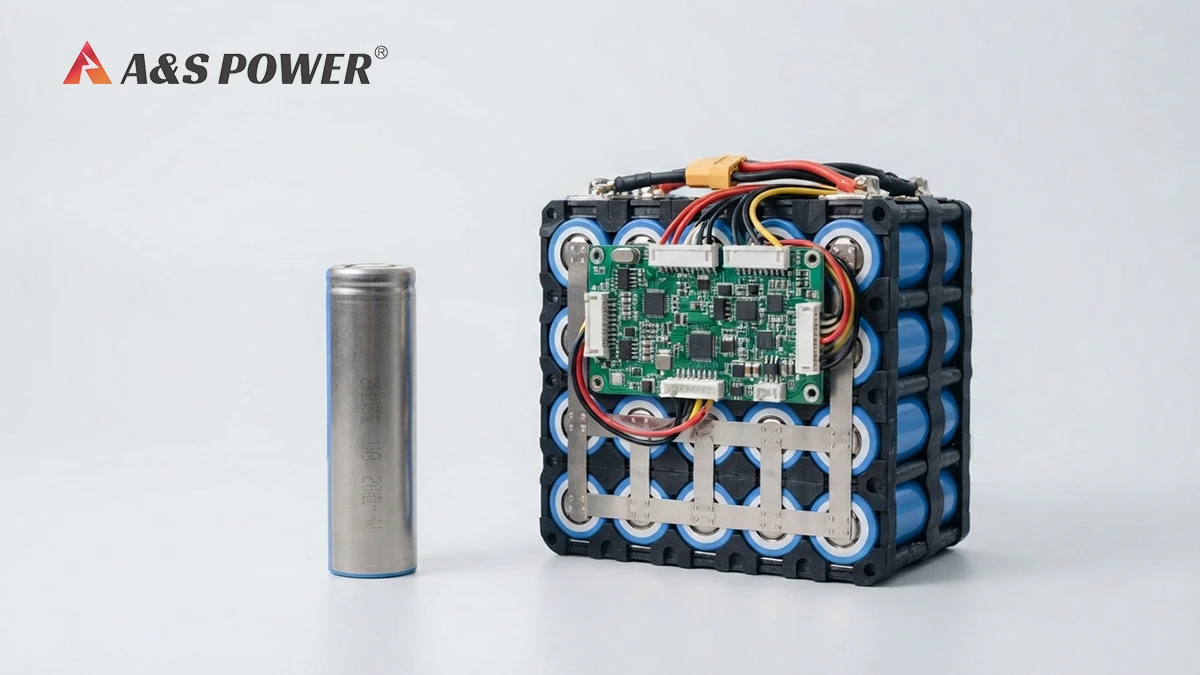 May.2026.08.0521700 Battery Pack with BMS: Design, Safety and Custom SolutionsLearn More
 -
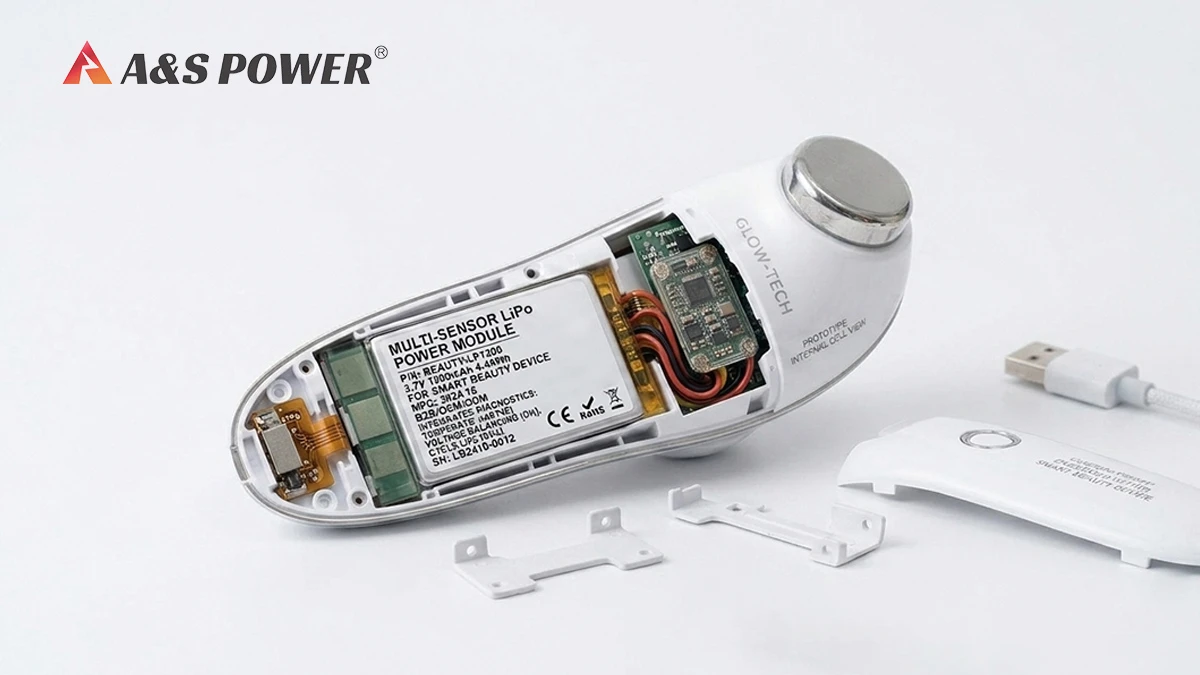 May.2026.08.04Smart Beauty Equipment Battery Pack ManufacturerLearn More
 -
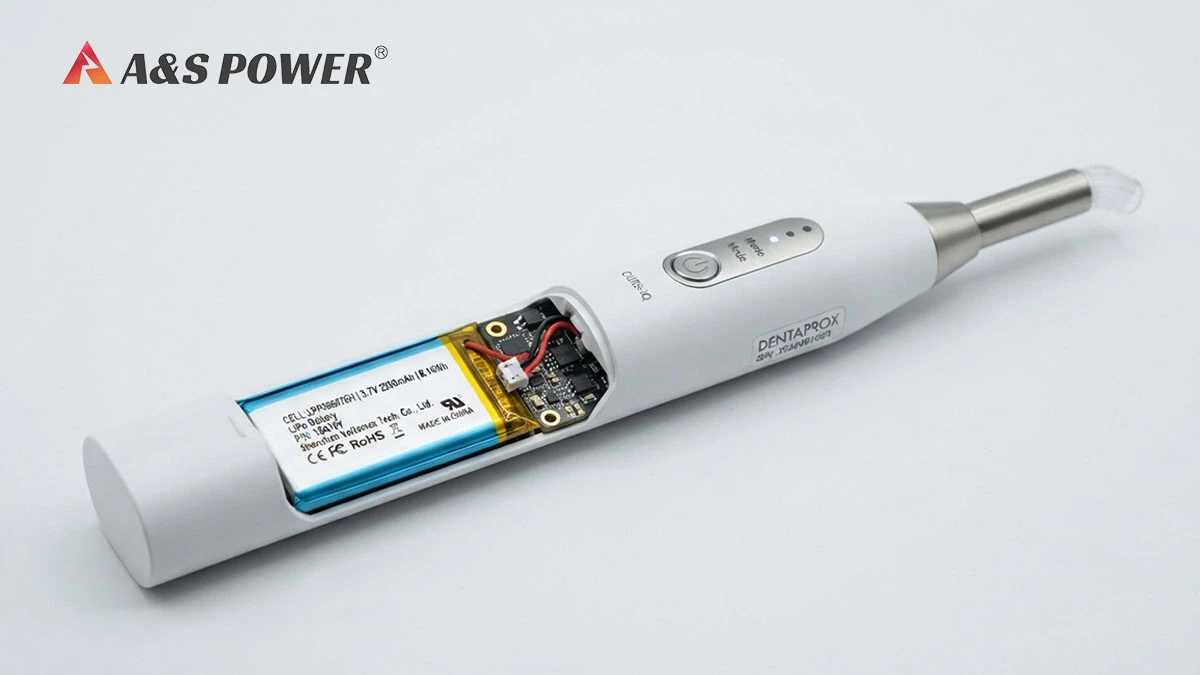 May.2026.08.04High Reliability Polymer Battery for Handheld Dental DevicesLearn More
 -
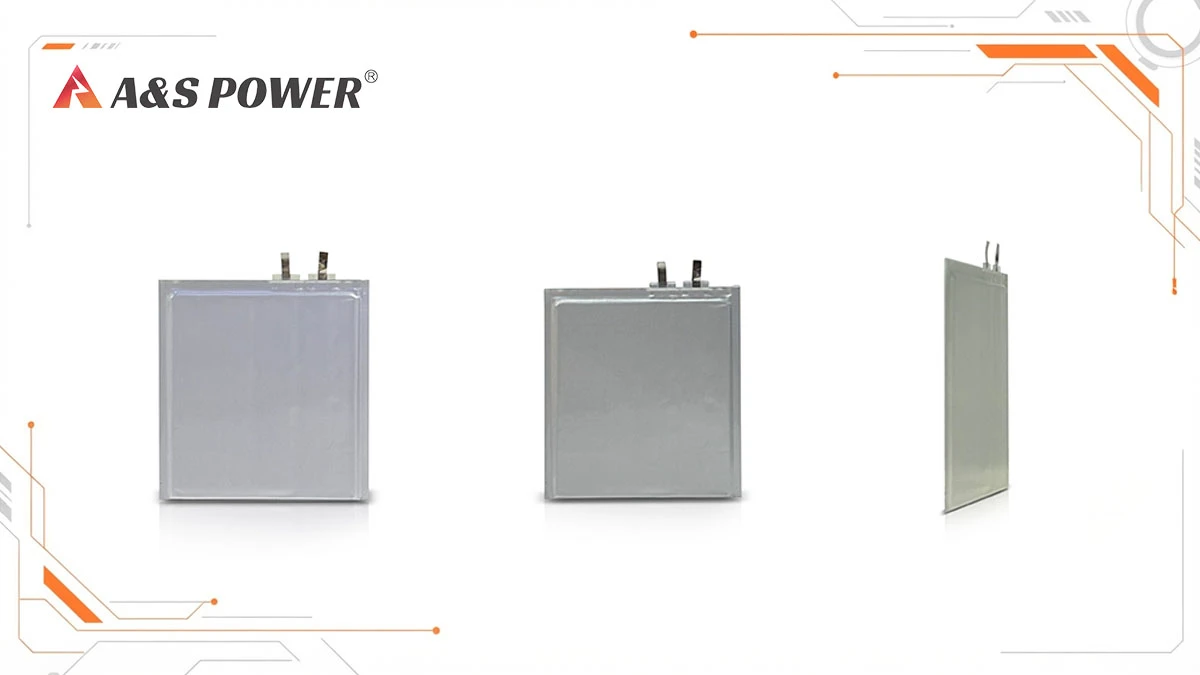 May.2026.08.04Ultra Thin Lithium Polymer Battery 0.4mm 0.5mm Custom GuideLearn More
 -
 May.2026.07.30Smoke Detector Battery Guide: Choosing the Right Battery for Reliable Fire ProtectionLearn More