




Ultra Thin Rechargeable Lithium Polymer Battery 3.7V: Complete Technical Guide
Quick Answer:
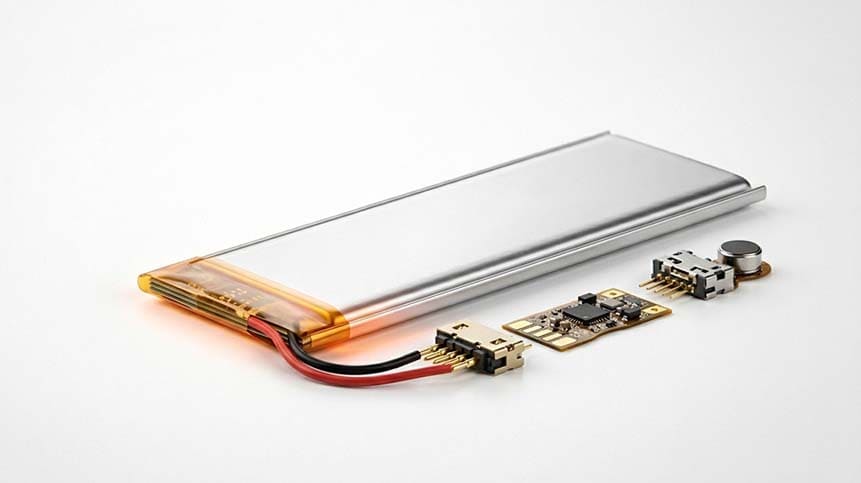
An ultra thin rechargeable lithium polymer battery 3.7V is a rechargeable lithium-ion battery built with pouch-cell technology and polymer electrolytes. Compared with cylindrical batteries such as 18650 cells, ultra-thin LiPo batteries can be manufactured in thicknesses below 5 mm—and in some custom designs even below 1 mm—making them ideal for wearable electronics, medical devices, smart cards, GPS trackers, and compact IoT products.
Their key advantages include:
- Extremely thin profile
- Lightweight construction
- Flexible custom dimensions
- High energy density
- Low self-discharge
- Rechargeability
- Wide application compatibility
For modern electronic product designers, ultra-thin LiPo batteries have become one of the most important power solutions when space constraints are critical.
Why Ultra Thin 3.7V Lithium Polymer Batteries Are Growing in Demand
The global trend toward miniaturization is reshaping battery requirements.
Today’s electronic products are becoming:
- Thinner
- Lighter
- More portable
- More intelligent
As product designers reduce device thickness, traditional cylindrical batteries often become impractical.
A lithium polymer battery solves this challenge because its pouch-cell structure eliminates the rigid metal can used in cylindrical batteries.
This design enables:
| Feature | Traditional Li-ion | Ultra Thin LiPo |
|---|---|---|
| Shape Flexibility | Low | Very High |
| Weight | Higher | Lower |
| Thickness Options | Limited | Highly Customizable |
| Energy Density | High | High |
| Design Freedom | Limited | Excellent |
| Space Utilization | Moderate | Excellent |
Because of these advantages, LiPo batteries now dominate many compact electronic product categories.
What Is an Ultra Thin Rechargeable Lithium Polymer Battery?
An ultra-thin lithium polymer battery is a rechargeable lithium-ion battery that uses:
- Lithium cobalt oxide or similar cathode materials
- Graphite anode materials
- Polymer separator
- Flexible aluminum-plastic laminate pouch
Unlike traditional batteries enclosed in steel or aluminum cans, pouch cells use laminated packaging.
The structure typically consists of:
- Cathode layer
- Separator
- Anode layer
- Electrolyte
- Aluminum-plastic pouch
This packaging significantly reduces weight and thickness while maximizing energy density.
Why Most Ultra Thin Batteries Use 3.7V
The nominal voltage of most lithium polymer cells is 3.7V.
Actual operating voltage ranges:
| Battery State | Voltage |
|---|---|
| Fully Charged | 4.20V |
| Nominal Voltage | 3.70V |
| Recommended Cutoff | 3.00V |
| Deep Discharge Region | Below 2.75V |
Manufacturers widely adopt 3.7V because it provides an ideal balance between:
- Energy density
- Safety
- Cycle life
- Electronic compatibility
Many portable electronic products are specifically designed around 3.7V battery systems.
Main Applications of Ultra Thin Lithium Polymer Batteries
Smart Watches
Smart watches require:
- Lightweight construction
- Long runtime
- Small footprint
Ultra-thin batteries allow manufacturers to maintain slim industrial designs while providing all-day operation.
Fitness Trackers
Wearable devices often have limited internal space.
Custom LiPo batteries can be shaped to fit:
- Curved enclosures
- Narrow housings
- Compact wearable products
Medical Devices
Medical electronics frequently utilize thin lithium batteries in:
- Portable ECG monitors
- Hearing aids
- Pulse oximeters
- Drug delivery systems
- Remote patient monitoring devices
Benefits include:
- Stable output voltage
- Lightweight design
- Long cycle life
- Reliable performance
GPS Trackers
GPS tracking devices depend heavily on battery size optimization.
Ultra-thin batteries help reduce:
- Device thickness
- Product weight
- Shipping costs
while maintaining extended operating time.
IoT Devices
Internet of Things products increasingly require:
- Compact battery footprints
- Long standby time
- Flexible battery dimensions
Ultra-thin LiPo batteries meet all three requirements.
Benefits of Ultra Thin Rechargeable Lithium Polymer Batteries
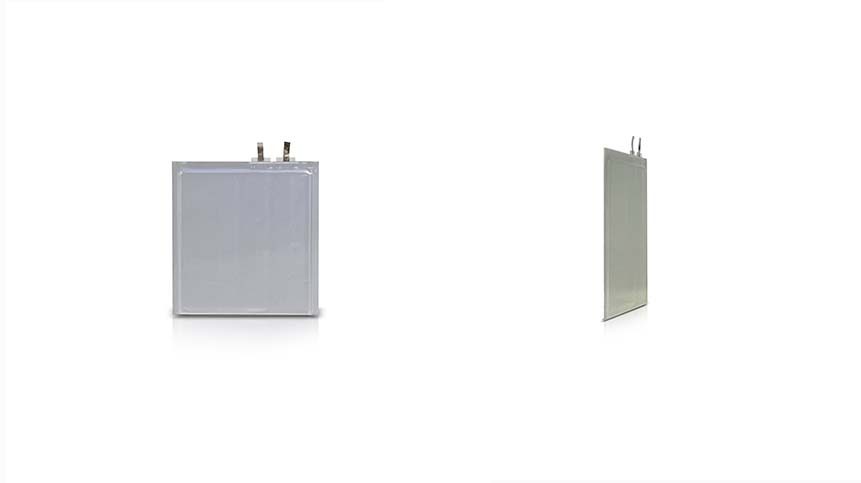
Ultra Thin Rechargeable Lithium Polymer Cell
Extremely Thin Profiles
Modern custom manufacturing enables thicknesses such as:
| Thickness | Typical Application |
|---|---|
| 0.4 mm | Smart Cards |
| 1 mm | RFID Products |
| 2 mm | Medical Sensors |
| 3 mm | Smart Watches |
| 4-5 mm | GPS Devices |
| 6-8 mm | Portable Electronics |
High Energy Density
Lithium polymer batteries typically deliver significantly higher energy density than:
- NiMH batteries
- NiCd batteries
- Lead-acid batteries
This allows longer runtime within smaller dimensions.
Custom Shapes and Sizes
One major advantage is design flexibility.
Manufacturers can customize:
- Length
- Width
- Thickness
- Capacity
- Wire length
- Connector type
- Protection circuit
This makes LiPo batteries ideal for OEM and ODM projects.
Lightweight Construction
The pouch design eliminates heavy metal casing.
Benefits include:
- Better portability
- Reduced device weight
- Improved user experience
Key Technical Specifications
When selecting a battery, engineers evaluate:
| Parameter | Importance |
|---|---|
| Voltage | Device Compatibility |
| Capacity | Runtime |
| Thickness | Mechanical Design |
| Cycle Life | Product Longevity |
| Discharge Rate | Power Capability |
| Internal Resistance | Efficiency |
| Certification | Compliance |
| Operating Temperature | Reliability |
Safety Considerations
Safety remains one of the most important factors in battery selection.
Quality manufacturers implement:
- Overcharge protection
- Over-discharge protection
- Short-circuit protection
- Over-current protection
- Temperature protection
Battery management systems (BMS) help ensure safe operation throughout the battery lifecycle.
Important Certifications for Ultra Thin Lithium Polymer Batteries
International buyers often require the following certifications:
| Certification | Purpose |
|---|---|
| UL1642 | Cell Safety |
| UL2054 | Battery Pack Safety |
| IEC62133 | International Safety Standard |
| UN38.3 | Transportation Compliance |
| CE | European Market |
| RoHS | Environmental Compliance |
| CB | Global Certification Scheme |
| KC | Korean Market Access |
For export-oriented OEM projects, UN38.3 and IEC62133 are among the most commonly requested certifications.
How to Choose the Right Ultra Thin 3.7V Battery
Before selecting a battery, answer the following questions:
Device Thickness Requirement
What is the maximum battery thickness allowed?
Runtime Requirement
How many hours must the device operate?
Charging Method
Will charging occur via:
- USB
- Wireless charging
- Docking station
Operating Environment
Will the device operate in:
- Indoor conditions
- Outdoor conditions
- Medical environments
Certification Requirements
Will products be sold in:
- North America
- Europe
- Asia
Certification requirements vary by market.
Common Design Challenges
Engineers frequently encounter:
Limited Internal Space
Battery dimensions must fit within increasingly compact products.
Heat Management
Thin devices provide less space for thermal dissipation.
Balancing Runtime and Size
Larger capacity increases battery thickness.
Designers must optimize the tradeoff between:
- Device size
- Battery life
- Product weight
Future Trends in Ultra Thin Battery Technology
Several developments are driving future innovation:
Higher Energy Density Materials
Research continues into:
- Silicon anodes
- Advanced cathode materials
- Solid-state technologies
Flexible Batteries
Flexible and bendable batteries are gaining interest in wearable electronics.
Faster Charging
Manufacturers continue improving charging speed while maintaining safety and battery lifespan.
AI-Powered Battery Management
Advanced battery management algorithms are improving efficiency and predictive maintenance capabilities.
Why We Focus on Custom Ultra Thin Lithium Polymer Battery Solutions
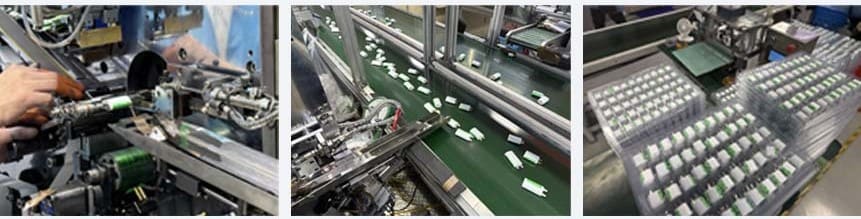
At A&S Power, we work closely with OEM and product development teams to design custom rechargeable lithium polymer batteries for:
- Smart watches
- Medical devices
- GPS trackers
- IoT products
- Consumer electronics
Our engineering process focuses on:
- Space optimization
- Certification compliance
- Reliable production quality
- Long-term supply stability
The goal is not simply to supply a battery, but to help customers achieve the best balance between size, runtime, safety, and manufacturing efficiency.
Looking for a custom lithium polymer battery solution? Contact A&S Power to discuss your project requirements and receive a tailored battery design recommendation.
FAQ
What is the thinnest rechargeable lithium polymer battery available?
Commercial ultra-thin LiPo batteries can be manufactured below 1 mm thickness for specialized applications such as smart cards, RFID devices, and compact electronics.
How long does a 3.7V lithium polymer battery last?
Most quality LiPo batteries achieve 300–800 charge cycles depending on operating conditions, charging practices, and temperature.
Are ultra-thin lithium batteries safe?
Yes. When designed with proper protection circuits and certified according to standards such as UL1642, IEC62133, and UN38.3, they are considered safe for commercial applications.
Can I customize battery dimensions?
Yes. One of the biggest advantages of lithium polymer technology is the ability to customize battery length, width, thickness, capacity, connectors, and protection circuits.
-

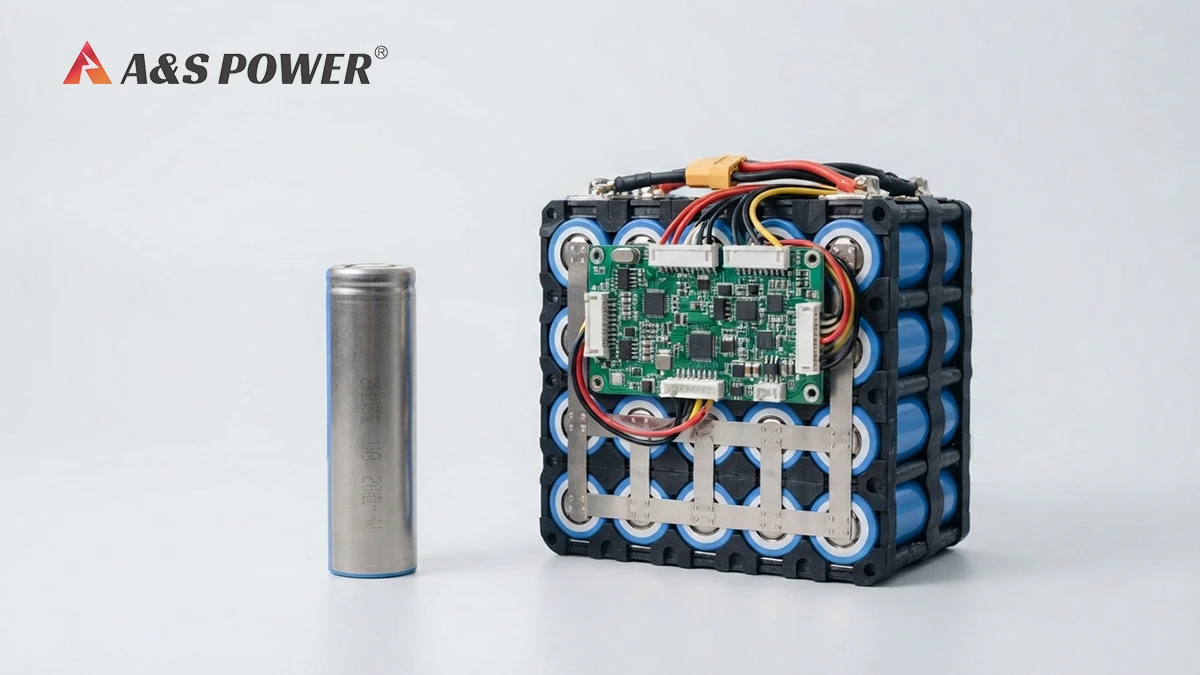 May.2026.08.0521700 Battery Pack with BMS: Design, Safety and Custom SolutionsLearn More
 -
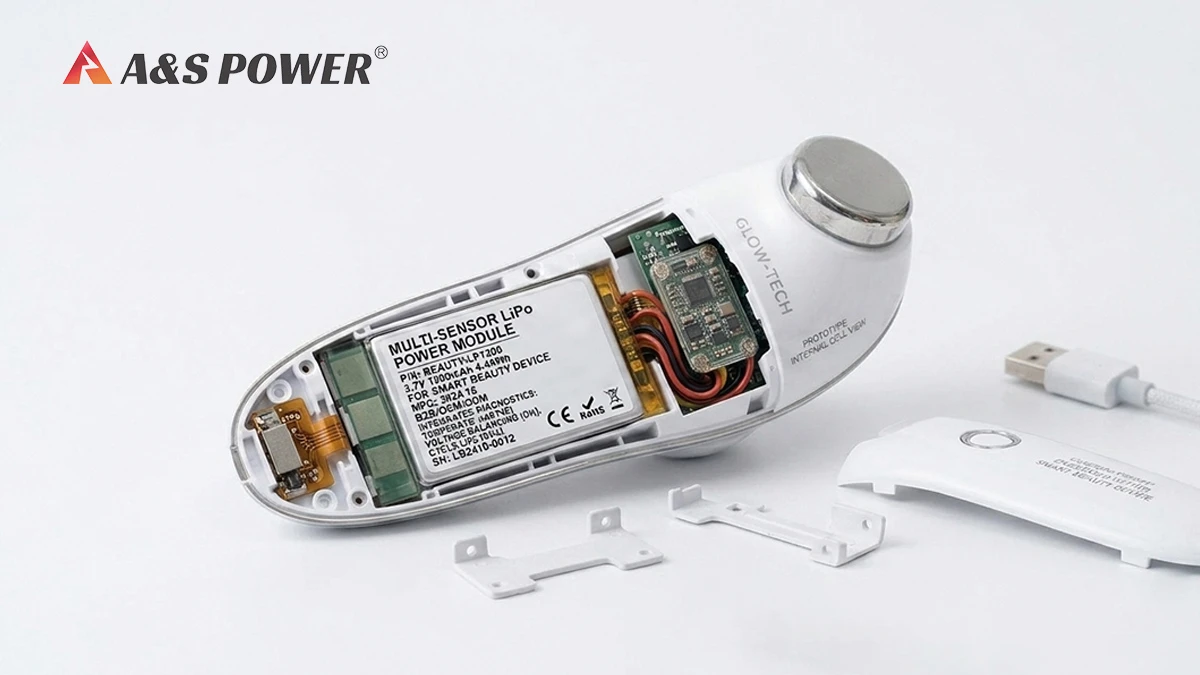 May.2026.08.04Smart Beauty Equipment Battery Pack ManufacturerLearn More
 -
 May.2026.08.04High Reliability Polymer Battery for Handheld Dental DevicesLearn More
 -
 May.2026.08.04Ultra Thin Lithium Polymer Battery 0.4mm 0.5mm Custom GuideLearn More
 -
 May.2026.07.30Smoke Detector Battery Guide: Choosing the Right Battery for Reliable Fire ProtectionLearn More