




UN38.3 Certified GPS Tracker LiPo Battery Wholesale Guide 2026
Introduction
In my experience working with lithium battery manufacturing and OEM customization for GPS tracking devices, I have seen one consistent trend: buyers are no longer only focused on price or capacity. Instead, compliance, safety certification, and global shipping readiness have become the real decision-making factors.
Among all certifications, UN38.3 has become the baseline requirement for lithium battery transportation worldwide. Without it, even a high-performance LiPo battery pack cannot be legally shipped by air, sea, or express logistics in most countries.
For GPS tracker devices—widely used in logistics, fleet management, personal tracking, and asset monitoring—the battery is not just a power source. It is a regulated energy product that must pass strict safety tests before entering the global supply chain.
In this guide, I will break down everything you need to know about UN38.3 certified GPS tracker LiPo battery wholesale, including technical standards, testing processes, procurement strategies, and supplier evaluation frameworks. The goal is to help OEM buyers, importers, and distributors make informed, compliant, and cost-effective decisions.
What Is UN38.3 Certification for Lithium Batteries?
UN38.3 is a globally recognized safety standard defined by the United Nations for the transport of lithium batteries.
It is officially part of the UN Manual of Tests and Criteria, Section 38.3, which ensures lithium cells and battery packs can safely withstand environmental and mechanical stresses during transportation.
Official reference:
UNECE Transport of Dangerous Goods
Key Purpose of UN38.3:
- Prevent fire or explosion during transport
- Ensure structural integrity under extreme conditions
- Standardize global logistics compliance
- Reduce shipping risk for lithium-ion and lithium-polymer batteries
UN38.3 applies to:
- Lithium-ion batteries
- Lithium polymer (LiPo) batteries
- Battery packs used in GPS trackers, wearables, and IoT devices
From a manufacturer’s perspective, UN38.3 is not optional—it is a passport for global battery logistics.
Why GPS Tracker Devices Require Specialized LiPo Batteries
GPS trackers are compact IoT devices that operate under unique conditions:
- Continuous low-power discharge
- Long standby time requirements
- High reliability in remote environments
- Temperature variation exposure
- Miniaturized enclosure constraints
Therefore, lithium polymer batteries are widely used due to their:
- Thin and flexible form factor
- High energy density
- Stable discharge curve
- Lightweight structure
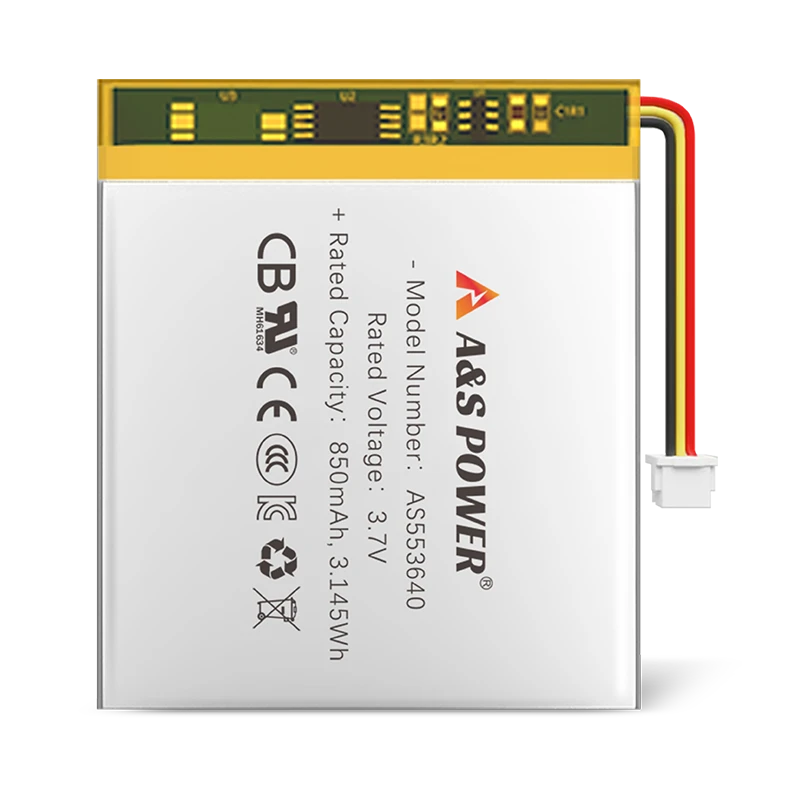
In wholesale production, GPS tracker batteries are typically designed in the range of:
- 3.7V nominal voltage
- 200mAh to 5000mAh capacity
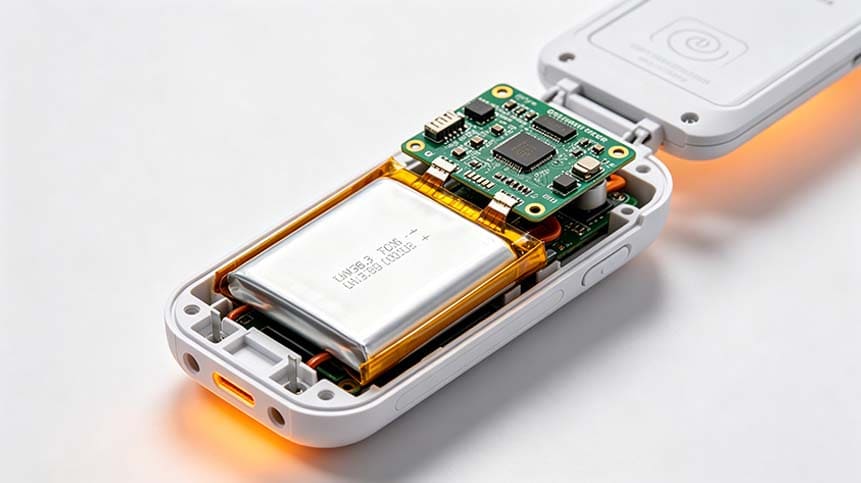
- PCM/BMS protection integration
- Customized connector (JST, Molex, etc.)
Why UN38.3 Certification Is Critical for Wholesale Buyers
From a wholesale and OEM perspective, UN38.3 is more than compliance—it directly affects business operations.
1. Global Shipping Approval
Without UN38.3, batteries cannot be shipped via:
- Air cargo (IATA restriction)
- Sea freight classification approval
- Express carriers (DHL, FedEx, UPS)
2. Customs Clearance Efficiency
Certified batteries:
- Reduce inspection delays
- Lower rejection risk
- Improve import approval success rate
3. Brand Trust & OEM Qualification
Many European and US buyers require:
- UN38.3 test report
- MSDS documentation
- Transport certificate
4. Insurance & Liability Protection
Non-certified batteries increase:
- Cargo insurance rejection risk
- Legal liability exposure
- Product recall risks
UN38.3 Testing Items Explained (Technical Breakdown)
UN38.3 includes eight mandatory test categories:
Mechanical & Environmental Stress Tests
| Test Item | Purpose | Stress Condition |
|---|---|---|
| Altitude Simulation | Low pressure transport safety | 11.6 kPa |
| Thermal Test | Temperature cycling | -40°C to +75°C |
| Vibration | Transport vibration resistance | 7–200 Hz |
| Shock | Impact resistance | 150g force |
Electrical Safety Tests
| Test Item | Purpose | Risk Simulated |
|---|---|---|
| External Short Circuit | Prevent fire hazard | Short wiring failure |
| Overcharge Test | Charging abuse scenario | Charger malfunction |
| Forced Discharge | Reverse current safety | Misuse condition |
| Impact Crush (optional for some packs) | Structural integrity | Mechanical damage |
These tests simulate real-world logistics conditions such as:
- Air freight pressure changes
- Truck vibration
- Warehouse stacking pressure
- Accidental drops
Technical Specifications of GPS Tracker LiPo Batteries (Wholesale Standard)
Below is a typical specification reference used in OEM manufacturing:
| Parameter | Range / Standard |
|---|---|
| Nominal Voltage | 3.7V |
| Capacity Range | 200mAh – 5000mAh |
| Cell Type | LiPo pouch cell |
| Cycle Life | 300–800 cycles |
| Protection Board | PCM / BMS integrated |
| Operating Temperature | -20°C to 60°C |
| Storage Temperature | -10°C to 45°C |
| Certification | UN38.3, MSDS (standard), CE optional |
These values may vary depending on:
- GPS tracking device size
- Battery runtime requirements
- OEM enclosure design
Manufacturing Process for UN38.3 Certified Battery Packs
In my production experience, achieving UN38.3 compliance is not a single step—it is a full engineering process.
Step 1: Cell Selection
- High stability lithium polymer chemistry
- Low internal resistance design
- Batch consistency testing
Step 2: Pack Design
- Structural engineering for vibration resistance
- Thermal management design
- Connector and wiring configuration
Step 3: PCM/BMS Integration
- Overcharge protection
- Short circuit protection
- Temperature cutoff
Step 4: Pre-Testing Quality Control
- Voltage consistency check
- Capacity grading
- Internal resistance measurement
Step 5: UN38.3 Certification Testing
Conducted in accredited laboratories.
Step 6: Documentation & Shipping Approval
- UN38.3 test report
- MSDS sheet
- Packaging instruction compliance
How to Choose a Reliable GPS Tracker Battery Supplier
Experience
- Do they have OEM battery production experience?
- Have they supplied GPS tracker manufacturers before?
Expertise
- Do they understand LiPo chemistry and BMS design?
- Can they customize battery dimensions?
Authority
- Do they provide third-party certified UN38.3 reports?
- Are they compliant with ISO 9001 or similar systems?
Trust
- Transparent test reports
- Stable production capacity
- Clear warranty policies
Red Flags to Avoid:
- No verifiable UN38.3 report
- Extremely low pricing without documentation
- No engineering customization ability
Cost Factors in UN38.3 Certified Battery Wholesale
Pricing is influenced by multiple technical and commercial factors:
| Factor | Impact on Cost |
|---|---|
| Battery capacity | Higher capacity = higher cost |
| PCM/BMS complexity | Advanced protection increases price |
| Certification cost | UN38.3 testing amortization |
| Order volume | Larger orders reduce unit cost |
| Custom design | Custom molds increase cost |
Applications of GPS Tracker LiPo Batteries
These batteries are widely used in:
- Fleet management GPS trackers
- Personal safety tracking devices
- Pet tracking systems
- Asset monitoring IoT devices
- Logistics container tracking
- Anti-theft devices
Risks of Using Non-Certified Batteries
In real-world supply chain cases, non-certified batteries can cause:
- Air freight rejection
- Battery overheating incidents
- Device malfunction in field conditions
- Import customs seizure
- Legal compliance penalties
For B2B buyers, these risks are far more expensive than certification costs.
Conclusion
From an OEM manufacturing perspective, selecting the right UN38.3 certified GPS tracker LiPo battery is not just a purchasing decision—it directly affects product safety, logistics compliance, and long-term device performance.
As global IoT demand continues to grow, especially in asset tracking and smart logistics, suppliers who can provide certified, customizable, and scalable battery solutions will remain at the center of the supply chain.
If you are developing GPS tracking devices and need reliable OEM battery support, working with a certified manufacturer ensures your product is globally compliant and commercially scalable.
FAQ – UN38.3 GPS Tracker LiPo Battery Wholesale
1. What is UN38.3 certification for lithium batteries?
It is a UN safety standard ensuring lithium batteries can safely be transported under extreme conditions.
2. Is UN38.3 mandatory for GPS tracker batteries?
Yes. Without UN38.3, most international shipping methods will reject the battery shipment.
3. What is the typical capacity of GPS tracker LiPo batteries?
Most range from 200mAh to 5000mAh depending on device design.
4. How long does UN38.3 certification take?
Typically 1–3 weeks depending on lab scheduling and sample preparation.
5. Can I customize GPS tracker battery packs?
Yes. OEM customization includes size, capacity, connectors, and protection circuits.
6. What documents are required for shipping?
UN38.3 report, MSDS, and shipping test summary are commonly required.
7. Are LiPo batteries safe for GPS tracking devices?
Yes, when properly designed with PCM/BMS protection and certified under UN38.3.
-

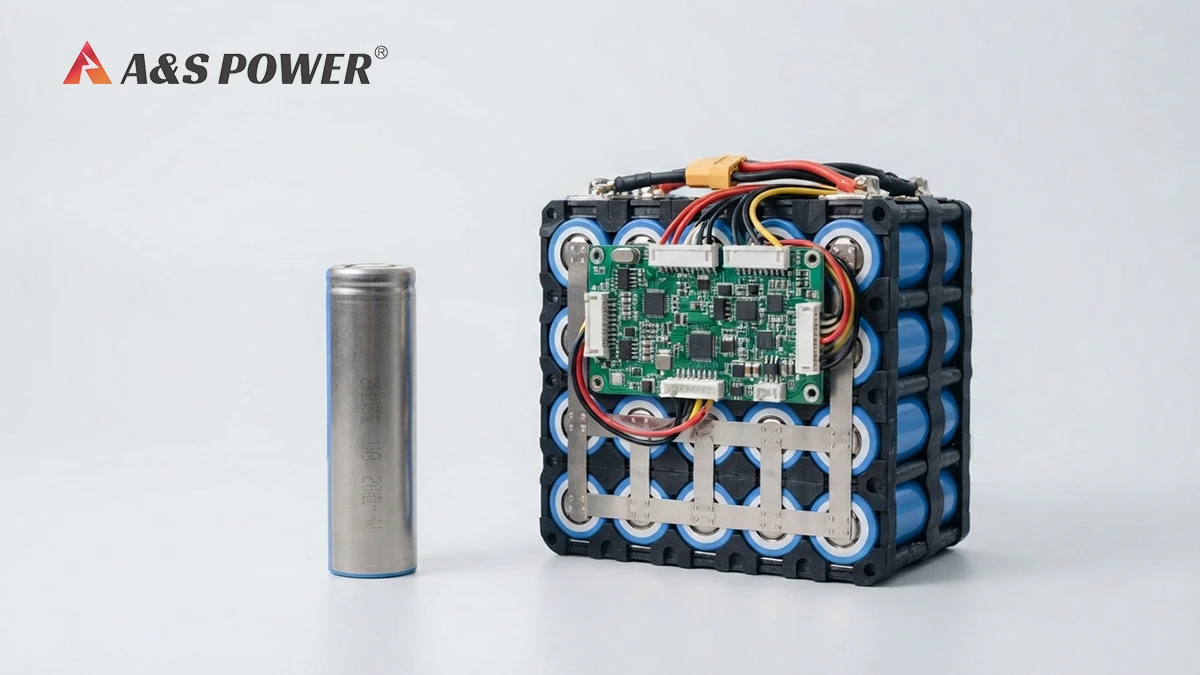 May.2026.08.0521700 Battery Pack with BMS: Design, Safety and Custom SolutionsLearn More
 -
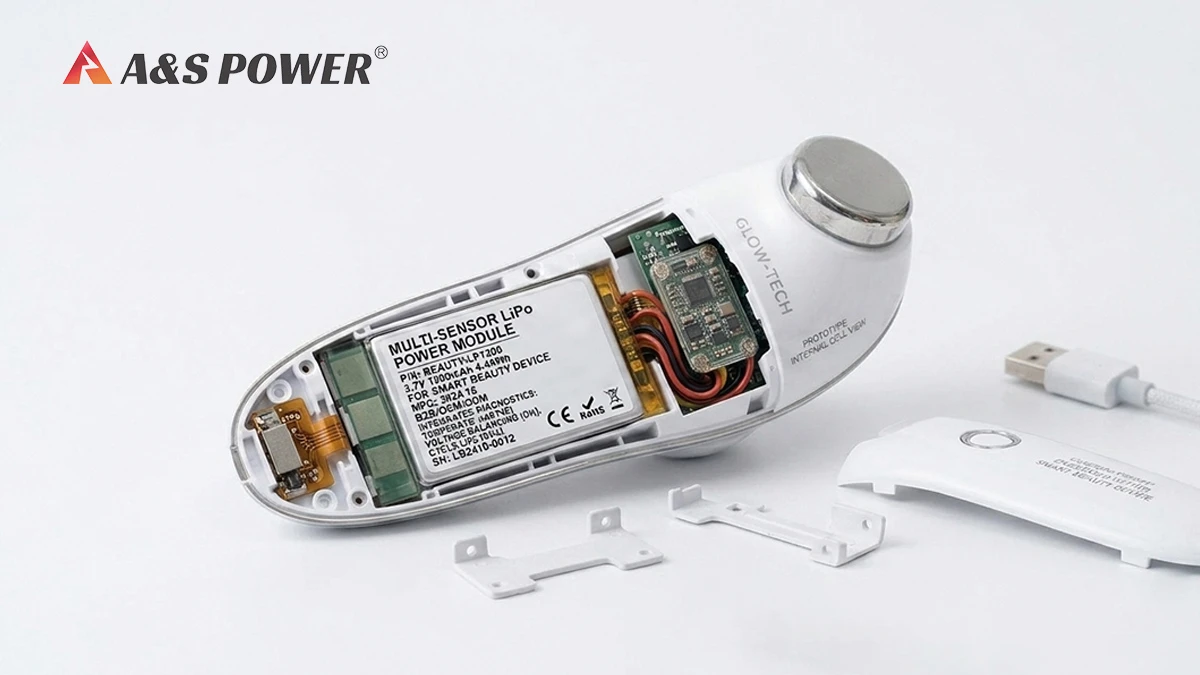 May.2026.08.04Smart Beauty Equipment Battery Pack ManufacturerLearn More
 -
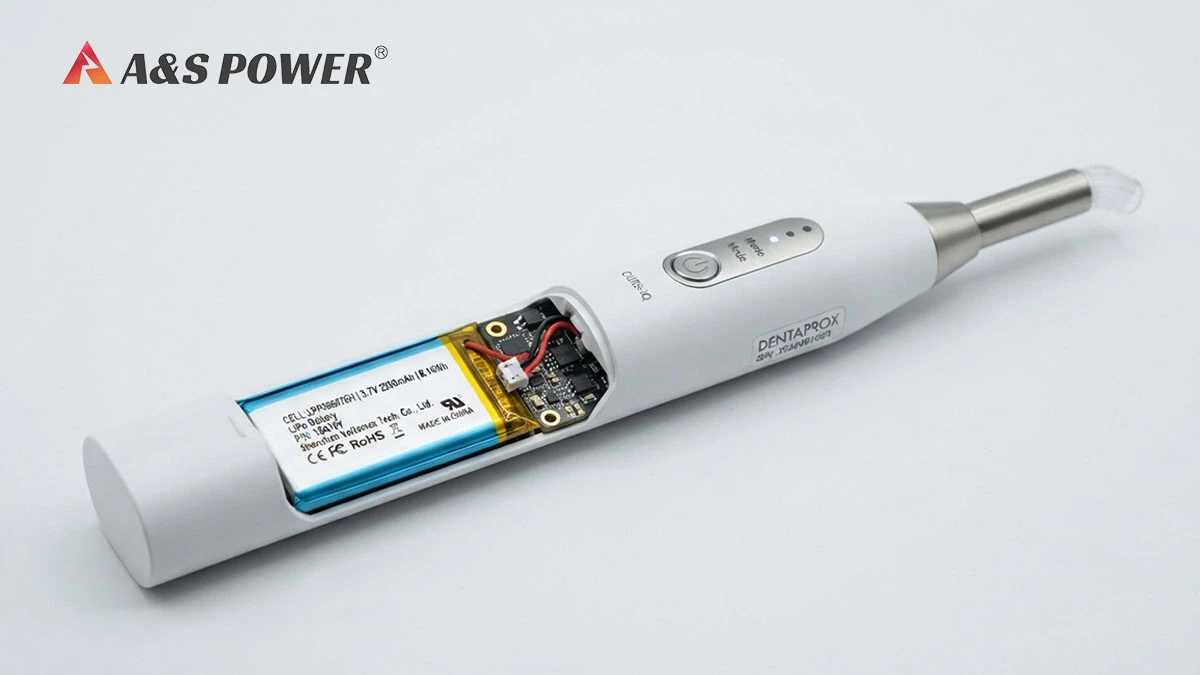 May.2026.08.04High Reliability Polymer Battery for Handheld Dental DevicesLearn More
 -
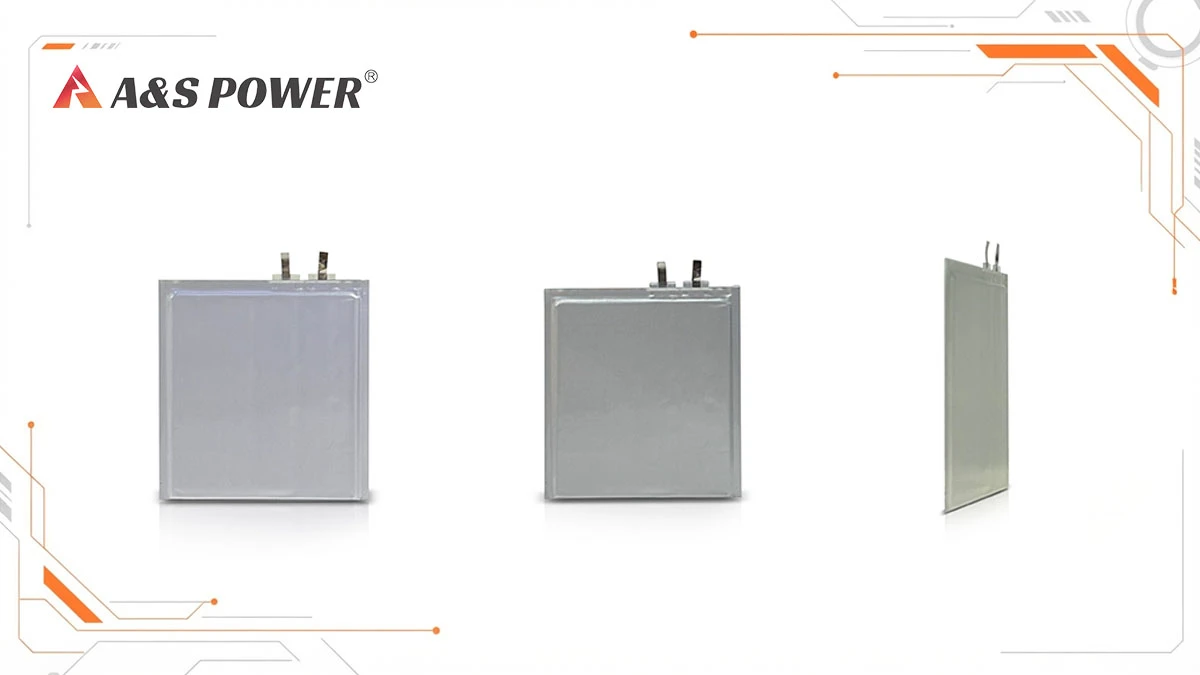 May.2026.08.04Ultra Thin Lithium Polymer Battery 0.4mm 0.5mm Custom GuideLearn More
 -
 May.2026.07.30Smoke Detector Battery Guide: Choosing the Right Battery for Reliable Fire ProtectionLearn More