




Best Custom Lithium Battery Manufacturer for Medical Devices (2026 Guide)
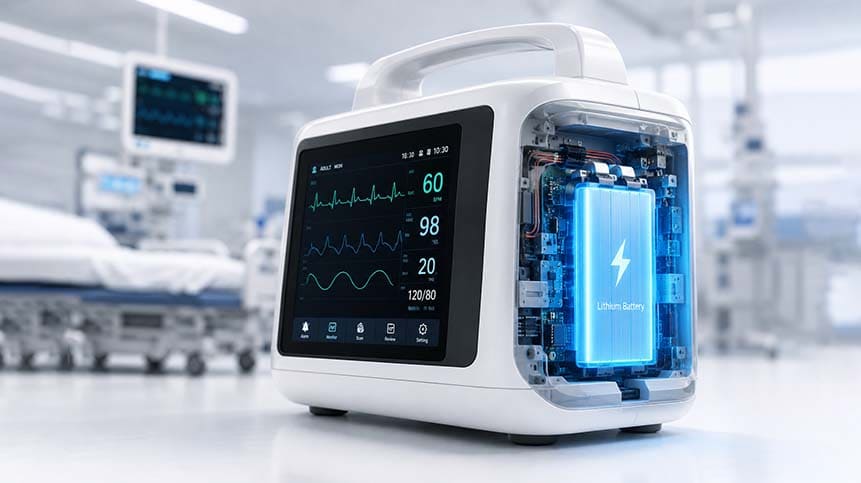
Selecting the right custom lithium battery manufacturer for medical devices is not just a sourcing decision—it is a critical engineering and regulatory choice that directly impacts patient safety, device performance, and global compliance.
Unlike consumer electronics, medical devices demand:
- Uncompromising safety standards
- Long-term reliability
- Strict certification compliance
- Highly customized battery design
In this guide, we break down:
- Top manufacturers (realistic industry categories)
- Key selection criteria
- Certification requirements
- How to choose the right OEM partner
Why Medical Devices Require Custom Lithium Batteries
Standard off-the-shelf batteries rarely meet the requirements of medical applications.
Key challenges:
1. Space Constraints
Medical devices often have compact or irregular designs.
Requires:
- Custom Size
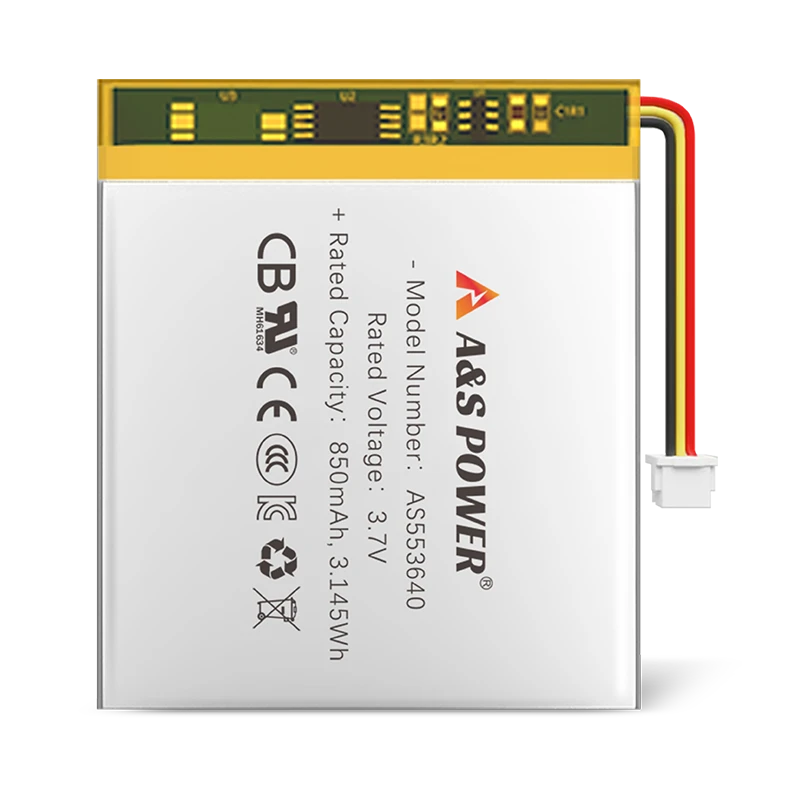
- Flexible LiPo pouch cells
- High energy density
2. Safety & Reliability
Devices such as infusion pumps or monitoring systems must operate without failure.
Requires:
- Advanced BMS (Battery Management System)
- Overcharge / over-discharge protection
- Thermal management
3. Regulatory Compliance
Medical markets (US, EU) require strict certifications.
Non-compliance = cannot sell
Best Custom Lithium Battery Manufacturers for Medical Devices
1. A&S Power — Best for OEM Medical Battery Customization
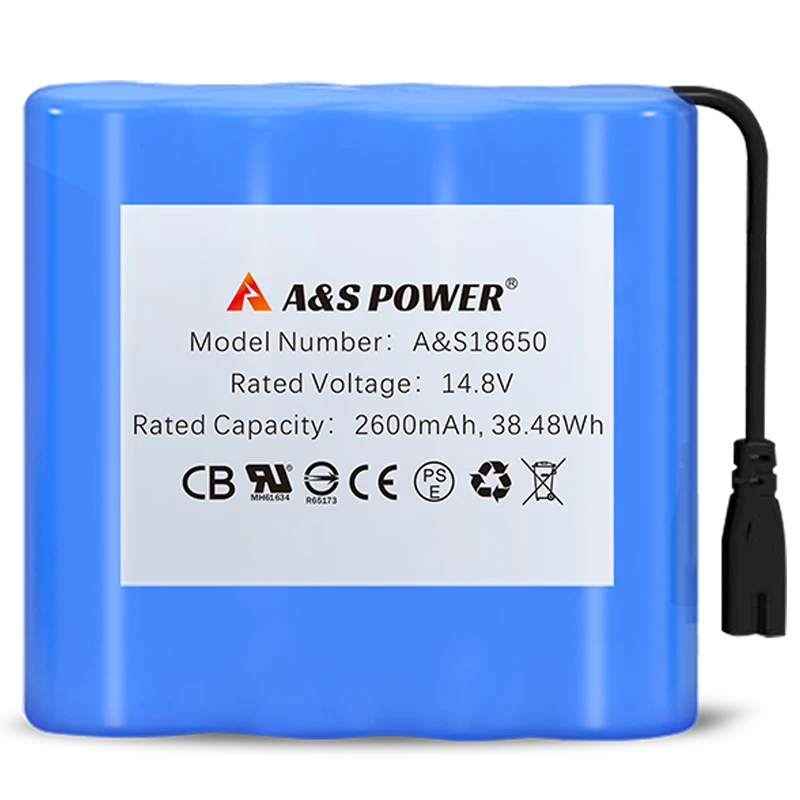
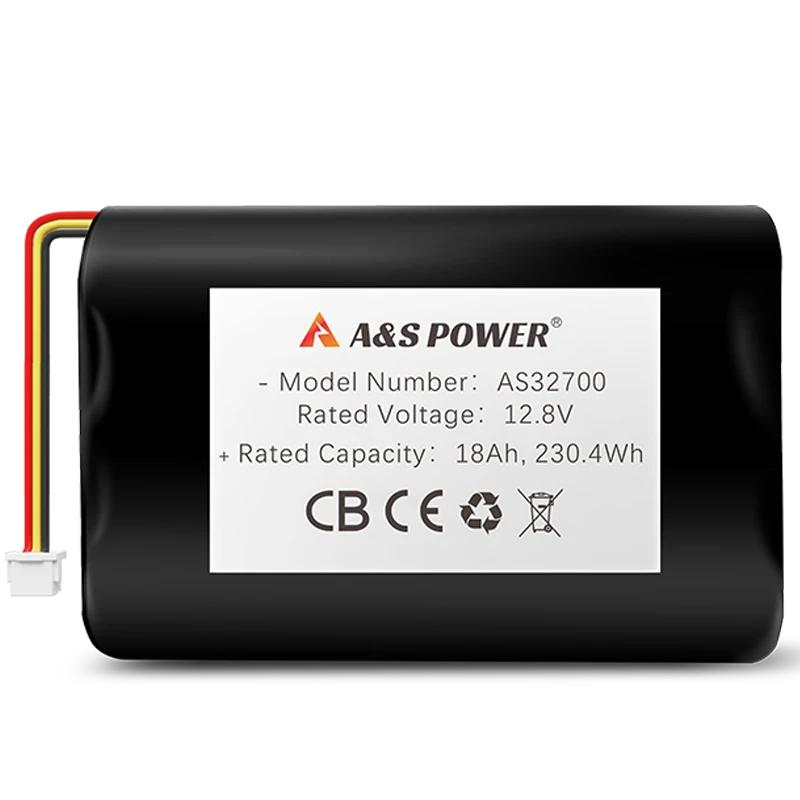
A&S Power specializes in custom lithium-ion and LiPo battery solutions tailored for medical device manufacturers.
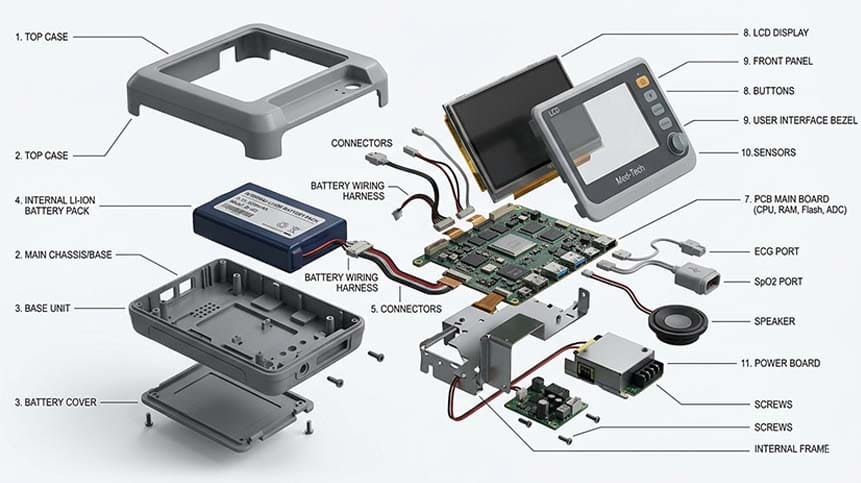
Key strengths:
- Full customization (voltage, capacity, size)
- Integrated BMS/PCM design
- Support for:
- IEC62133
- UN38.3
- CB / CE certifications
- Experience in:
- Medical devices
- Wearable healthcare
- Portable diagnostic equipment
Ideal for:
- Medical OEM manufacturers
- Startups developing new devices
- Projects requiring fast prototyping
2. Panasonic — Best for High-End Cell Reliability
Panasonic is known for producing high-quality lithium-ion cells used in critical applications.
Pros:
- Extremely stable performance
- Long lifecycle
Limitations:
- Limited customization for small OEM projects
- High cost
3. Samsung SDI — Advanced Battery Technology
Samsung SDI offers advanced lithium battery technologies with strong R&D capabilities.
Pros:
- High energy density
- Proven industrial reliability
Limitations:
- Focus on large-scale clients
4. Specialized Medical Battery OEM Suppliers
Some mid-sized manufacturers focus on:
- Custom battery packs
- Medical-grade compliance
- Flexible production
These are often the best fit for OEM projects
Key Certifications for Medical Battery Compliance
Choosing a manufacturer without proper certification is a major risk.
Essential certifications:
- IEC 62133 – Battery safety standard
- UN38.3 – Transport safety
- UL 2054 – North America compliance
- CE / RoHS – EU compliance
Optional but important:
- ISO 9001 (quality management)
- ISO 13485 (medical devices)
How to Choose the Right Manufacturer
1. Customization Capability
Ask:
- Can they design battery packs from scratch?
- Do they support BMS integration?
- Can they meet size constraints?
2. Engineering Support
Look for:
- R&D team involvement
- Design validation
- Prototype testing
3. Certification Experience
Critical questions:
- Have they passed IEC62133 before?
- Can they support documentation?
4. Production Scalability
Ensure:
- Small batch → mass production capability
- Stable supply chain
Li-ion vs LiPo for Medical Devices
|
Feature
|
Li-ion
|
LiPo
|
|---|---|---|
|
Shape
|
Cylindrical
|
Flexible
|
|
Energy Density
|
High
|
Very high
|
|
Customization
|
Medium
|
High
|
|
Best For
|
Fixed designs
|
Compact devices
|
Most modern medical devices prefer LiPo batteries due to flexibility.
Why Custom Battery Design Matters
Custom battery solutions allow:
- Optimized device performance
- Extended lifespan
- Improved safety
- Better user experience
In medical applications, this is not optional—it is essential.
FAQ
Q1: What is the best battery type for medical devices?
LiPo batteries are often preferred due to their flexibility, compact size, and high energy density.
Q2: Do medical batteries require certification?
Yes. IEC62133 and UN38.3 are mandatory for most international markets.
Q3: Can I use standard batteries in medical devices?
In most cases, no. Custom battery solutions are required for safety, performance, and compliance.
Q4: How long does custom battery development take?
Typically 2–6 weeks for prototyping, depending on complexity.
Get a Custom Medical Battery Solution
If you are developing a medical device and need a reliable, certified, and customizable battery solution, working with an experienced manufacturer is critical.
A&S Power provides:
- Custom Li-ion & LiPo battery design
- Certified solutions for global markets
- Fast prototyping and engineering support
Contact us today to discuss your project.
-

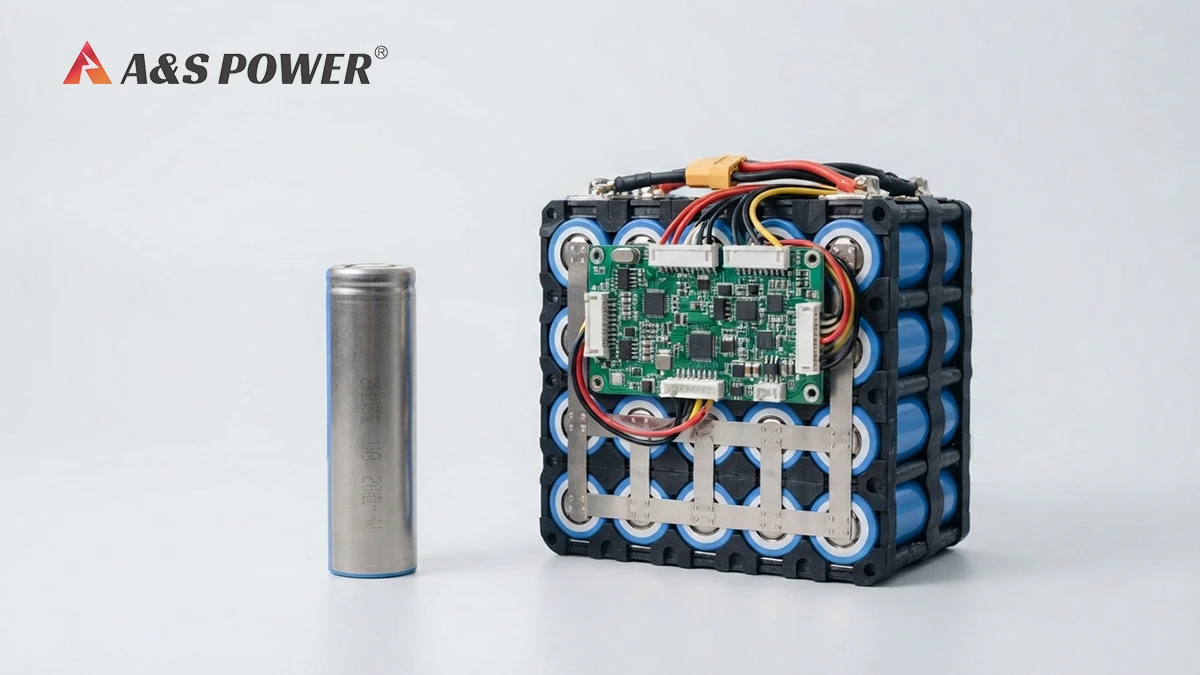 May.2026.08.0521700 Battery Pack with BMS: Design, Safety and Custom SolutionsLearn More
 -
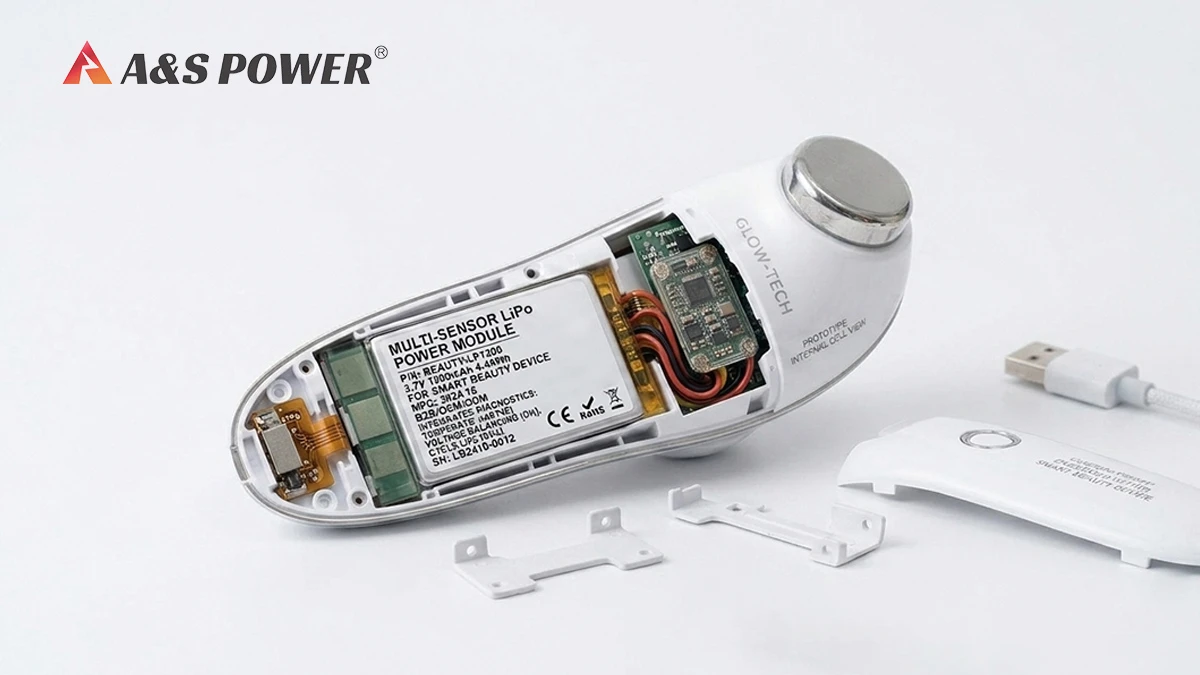 May.2026.08.04Smart Beauty Equipment Battery Pack ManufacturerLearn More
 -
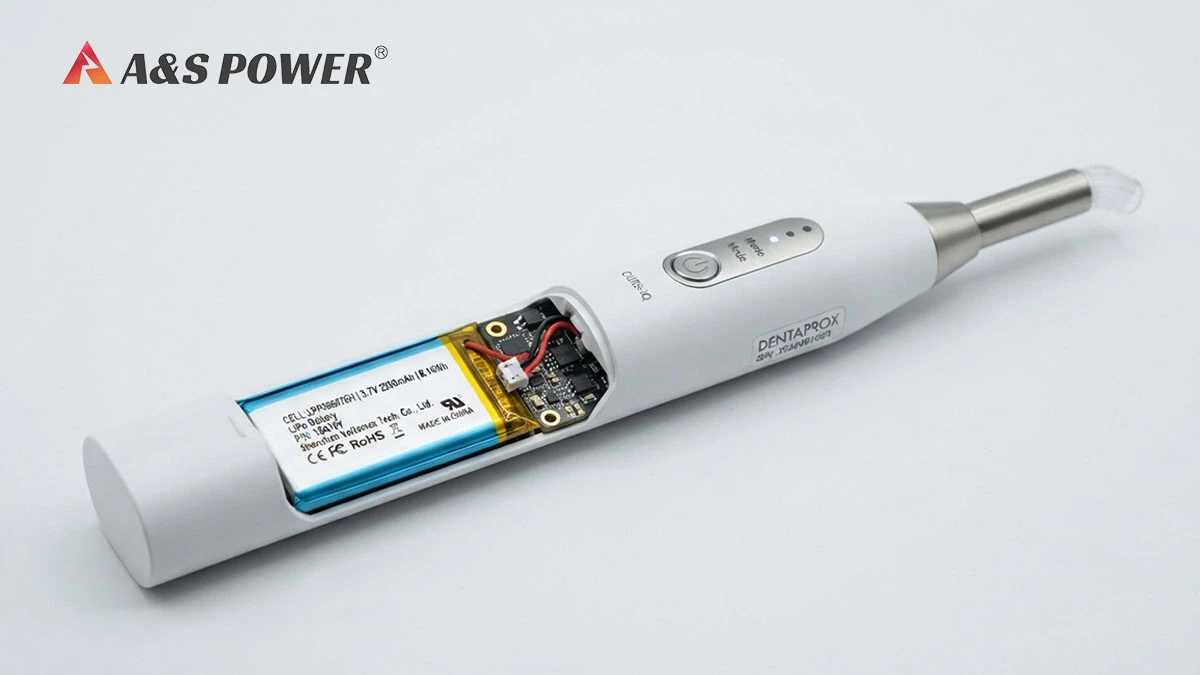 May.2026.08.04High Reliability Polymer Battery for Handheld Dental DevicesLearn More
 -
 May.2026.08.04Ultra Thin Lithium Polymer Battery 0.4mm 0.5mm Custom GuideLearn More
 -
 May.2026.07.30Smoke Detector Battery Guide: Choosing the Right Battery for Reliable Fire ProtectionLearn More