




18650 7.2V 7000mAh 2S2P Li-ion Battery Pack: Complete Technical and OEM Guide
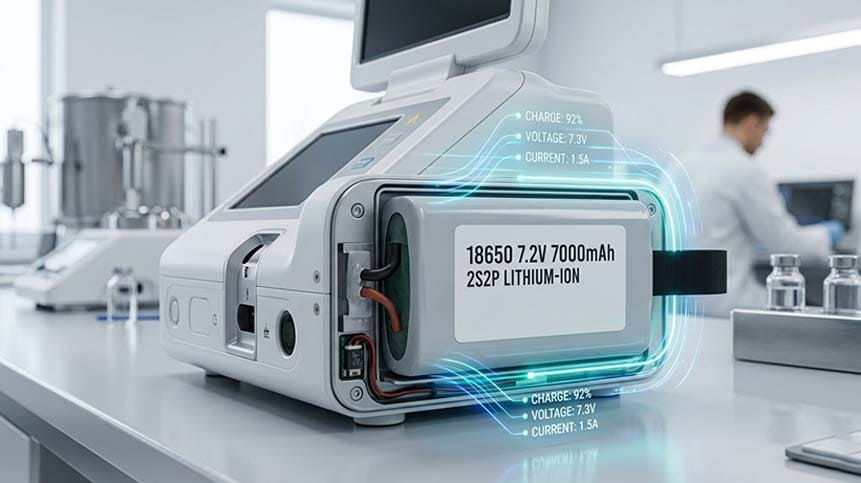
The 18650 7.2V 7000mAh 2S2P Li-ion battery pack has become one of the most widely adopted rechargeable power solutions across medical equipment, portable electronics, industrial devices, GPS systems, smart instruments, and backup power applications.
As a lithium battery manufacturer deeply involved in custom OEM and ODM battery projects, we have seen growing demand for high-capacity 2S2P battery packs that combine long runtime, compact structure, stable discharge performance, and international safety certifications.
In this guide, I will explain everything buyers, engineers, sourcing managers, and product developers need to know about 18650 7.2V 7000mAh 2S2P Li-ion battery packs — including structure, technical specifications, design logic, certifications, charging methods, protection systems, lifecycle expectations, and OEM customization strategies.
What Is a 18650 7.2V 7000mAh 2S2P Li-ion Battery Pack?
A 18650 7.2V 7000mAh 2S2P Lithium ion battery pack is a rechargeable lithium-ion battery system made from four cylindrical 18650 cells arranged in a 2S2P configuration.
The term “2S2P” means:
- 2 cells connected in series (2S)
- 2 groups connected in parallel (2P)
This structure increases both voltage and capacity.
Understanding the 2S2P Configuration
A single 18650 Li-ion cell typically provides:
| Parameter | Typical Value |
|---|---|
| Nominal Voltage | 3.6V–3.7V |
| Full Charge Voltage | 4.2V |
| Capacity | 3000mAh–3500mAh |
When two cells are connected in series:
- Voltage doubles
- Capacity remains unchanged
When two series groups are connected in parallel:
- Capacity doubles
- Voltage remains unchanged
The final battery pack specification becomes:
| Specification | Value |
|---|---|
| Configuration | 2S2P |
| Nominal Voltage | 7.2V–7.4V |
| Capacity | 7000mAh |
| Energy | Approximately 50.4Wh |
| Cell Quantity | 4 pcs 18650 cells |
Why 18650 Cells Are Still Dominating the Market
Despite the rise of pouch cells and prismatic batteries, 18650 lithium-ion cells continue to dominate many industrial applications.
Mature Manufacturing Ecosystem
18650 cells have been mass-produced for decades. This creates:
- Better consistency
- Lower defect rates
- Stable supply chains
- Competitive pricing
Manufacturers can source cells from globally recognized brands such as:
- Samsung SDI
- Panasonic
- LG Energy Solution
- Murata
- Molicel
This stability is particularly important for OEM battery pack projects requiring long-term production continuity.
Excellent Energy Density
Modern 18650 cells can achieve energy densities exceeding 240Wh/kg, making them suitable for portable equipment where compact size matters.
Better Thermal Stability
Compared with some ultra-high-density pouch cells, cylindrical 18650 cells often provide:
- Improved heat dissipation
- Stronger mechanical structure
- Better vibration resistance
This is especially valuable for:
- Medical devices
- Industrial handheld equipment
- Portable testing instruments
- Smart monitoring systems
Key Technical Specifications of a 18650 7.2V 7000mAh Battery Pack
Below is a typical specification reference for a professional OEM-grade battery pack.
| Item | Typical Specification |
|---|---|
| Cell Type | 18650 Lithium-ion |
| Configuration | 2S2P |
| Nominal Voltage | 7.2V / 7.4V |
| Rated Capacity | 7000mAh |
| Energy | 50.4Wh–51.8Wh |
| Charging Voltage | 8.4V |
| Standard Charge Current | 0.2C–0.5C |
| Max Charge Current | Depends on BMS |
| Continuous Discharge Current | 5A–10A |
| Peak Discharge Current | 10A–15A |
| Cycle Life | 500–1000 cycles |
| Protection Board | PCM/BMS included |
| Operating Temperature | -20°C to 60°C |
| Certifications | UN38.3, IEC62133, CE, RoHS |
Main Applications of 7.2V 7000mAh 2S2P Battery Packs
The 18650 7.2V battery pack is highly versatile because it balances runtime, safety, and manageable voltage output.
Medical Devices
Many portable medical systems require stable and certified battery solutions.
Common applications include:
- Portable ultrasound equipment
- Infusion pumps
- Patient monitoring devices
- Diagnostic instruments
- Portable oxygen systems
Medical customers usually prioritize:
- IEC62133 compliance
- Long cycle life
- Stable discharge curve
- Low self-discharge
- Traceability systems
Industrial Equipment
Industrial devices frequently use 2S2P battery packs because they deliver reliable power under demanding environments.
Examples include:
- Barcode scanners
- Industrial sensors
- GPS tracking systems
- Inspection equipment
- Portable printers
Consumer Electronics
Consumer products using 7.2V lithium packs include:
- Smart speakers
- Portable lighting
- Backup battery modules
- DIY electronics
- Security cameras
Advantages of 18650 2S2P Battery Packs
Long Runtime
A 7000mAh capacity provides extended operation time for portable equipment.
For example:
| Device | Average Power Consumption | Estimated Runtime |
|---|---|---|
| Portable GPS | 5W | 9–10 hours |
| Medical Monitor | 8W | 6 hours |
| LED Lighting System | 10W | 5 hours |
| Industrial Scanner | 4W | 12 hours |
Actual runtime depends on:
- Device efficiency
- Temperature
- Discharge rate
- Battery aging
Flexible Customization
OEM battery pack manufacturers can customize:
- Wire length
- Connectors
- Housing
- PCM/BMS
- NTC temperature sensors
- Communication protocols
- Waterproof design
Global Transportation Compliance
Professionally designed packs can pass:
- UN38.3
- MSDS
- IEC62133
- CE
- RoHS
These certifications are essential for global shipping and regulatory compliance.
Understanding Battery Protection Systems (PCM/BMS)
Safety is one of the most important aspects of lithium-ion battery design.
A professional 18650 2S2P battery pack always includes a protection circuit module (PCM) or battery management system (BMS).
Main Protection Functions
| Protection Function | Purpose |
|---|---|
| Overcharge Protection | Prevents voltage exceeding safe limits |
| Over-discharge Protection | Avoids deep discharge damage |
| Overcurrent Protection | Protects against excessive current |
| Short Circuit Protection | Prevents catastrophic failure |
| Temperature Protection | Monitors thermal conditions |
| Cell Balancing | Maintains voltage consistency |
Without proper BMS integration, lithium-ion cells may become unstable or unsafe.
Charging Requirements for 7.2V Li-ion Battery Packs
Charging lithium-ion batteries correctly directly impacts performance and lifespan.
H3: Recommended Charging Method
Most 2S Li-ion battery packs use:
- CC/CV charging method
- Constant Current + Constant Voltage
The charging process generally follows:
- Constant current charging
- Voltage reaches 8.4V
- Constant voltage phase begins
- Current gradually decreases
- Charging terminates automatically
Recommended Charger Specifications
| Parameter | Recommendation |
|---|---|
| Output Voltage | 8.4V. |
| Charging Current | 1A–3A |
| Connector Type | Customizable |
| Safety Features | Over-voltage, short-circuit protection |
Using an incorrect charger may reduce battery lifespan or create safety risks.
Cycle Life and Battery Longevity
Cycle life is a major concern for OEM buyers.
Typical Lifecycle Expectations
High-quality 18650 battery packs generally achieve:
| Discharge Depth | Expected Cycles |
|---|---|
| 100% DOD | 500 cycles |
| 80% DOD | 700 cycles |
| 50% DOD | 1000+ cycles |
Battery lifespan depends on:
- Cell quality
- Charge/discharge rates
- Thermal management
- Storage conditions
- BMS quality
How to Extend Battery Life
We usually recommend the following practices:
- Avoid full discharge
- Store at 40–60% charge
- Avoid extreme temperatures
- Use certified chargers
- Reduce continuous high-current discharge
Safety Certifications Required for Global Markets
International buyers should always verify certification requirements before importing lithium battery packs.
UN38.3
UN38.3 is mandatory for air and sea transportation of lithium batteries.
Testing includes:
- Altitude simulation
- Thermal testing
- Vibration
- Shock
- Short circuit
- Overcharge
IEC62133
IEC62133 is one of the most recognized safety standards for portable rechargeable batteries.
It is widely required in:
- Europe
- Asia
- Medical applications
- Consumer electronics
CE and RoHS
These certifications support compliance within European markets.
| Certification | Purpose |
|---|---|
| CE | European conformity |
| RoHS | Restriction of hazardous substances |
| UN38.3 | Transportation safety |
| IEC62133 | Battery safety |
| MSDS | Chemical safety documentation |
How OEM Manufacturers Customize 18650 Battery Packs
One of the biggest advantages of working with an experienced battery manufacturer is customization capability.
Common Customization Options
Electrical Customization |
Mechanical Customization |
Connector and Cable Options |
Smart Features |
|
|
|
Advanced battery packs may include:
|
Selecting the Right 18650 Cells
Not all 18650 cells are equal.
Cell selection significantly affects:
- Safety
- Cycle life
- Consistency
- Runtime
- Certification success
High-Capacity vs High-Drain Cells
| Cell Type | Best Use |
|---|---|
| High Capacity | Medical devices, backup power |
| High Drain | Power tools, robotics |
For a 7000mAh 2S2P pack, manufacturers usually choose high-capacity cells ranging from 3400mAh to 3500mAh.
Thermal Management in 18650 Battery Packs
Heat management directly affects battery safety and performance.
Why Heat Matters
Excessive temperature can cause:
- Capacity degradation
- Reduced cycle life
- Cell imbalance
- Safety hazards
Common Thermal Solutions
Professional OEM packs often include:
- NTC thermistors
- Thermal pads
- Ventilation structure
- Aluminum casing
- Smart BMS thermal cutoff
Comparing 18650 vs LiPo Battery Packs
Many buyers ask whether they should choose cylindrical 18650 packs or lithium polymer batteries.
Comparison Table
| Feature | 18650 Li-ion | LiPo Battery |
|---|---|---|
| Structure | Cylindrical | Pouch |
| Mechanical Strength | Excellent | Moderate |
| Energy Density | High | Very High |
| Cost | Lower | Higher |
| Thermal Stability | Better | Moderate |
| Custom Shapes | Limited | Excellent |
| Industrial Reliability | Excellent | Good |
For industrial and medical applications, 18650 battery packs often remain the preferred solution because of their reliability and mature supply chain.
Frequently Asked Questions (FAQ)
What does 2S2P mean in a lithium battery pack?
2S2P means two cells are connected in series and two groups are connected in parallel. This configuration increases both voltage and capacity while maintaining stable performance.
What is the nominal voltage of a 2S lithium-ion battery pack?
A standard 2S lithium-ion battery pack typically has a nominal voltage of 7.2V or 7.4V and a fully charged voltage of 8.4V.
How long does a 7000mAh battery pack last?
Runtime depends on device power consumption. For example, a 5W device may operate for approximately 9–10 hours using a 50Wh battery pack.
Is UN38.3 certification mandatory?
Yes. UN38.3 testing is required for international transportation of lithium batteries by air, sea, and land.
Can 18650 battery packs be customized?
Yes. OEM manufacturers can customize voltage, capacity, connectors, housing, PCM/BMS, communication protocols, and certifications.
Which industries commonly use 7.2V 18650 battery packs?
Typical industries include:
- Medical equipment
- Industrial electronics
- GPS tracking
- Portable instruments
- Smart devices
- Consumer electronics
-

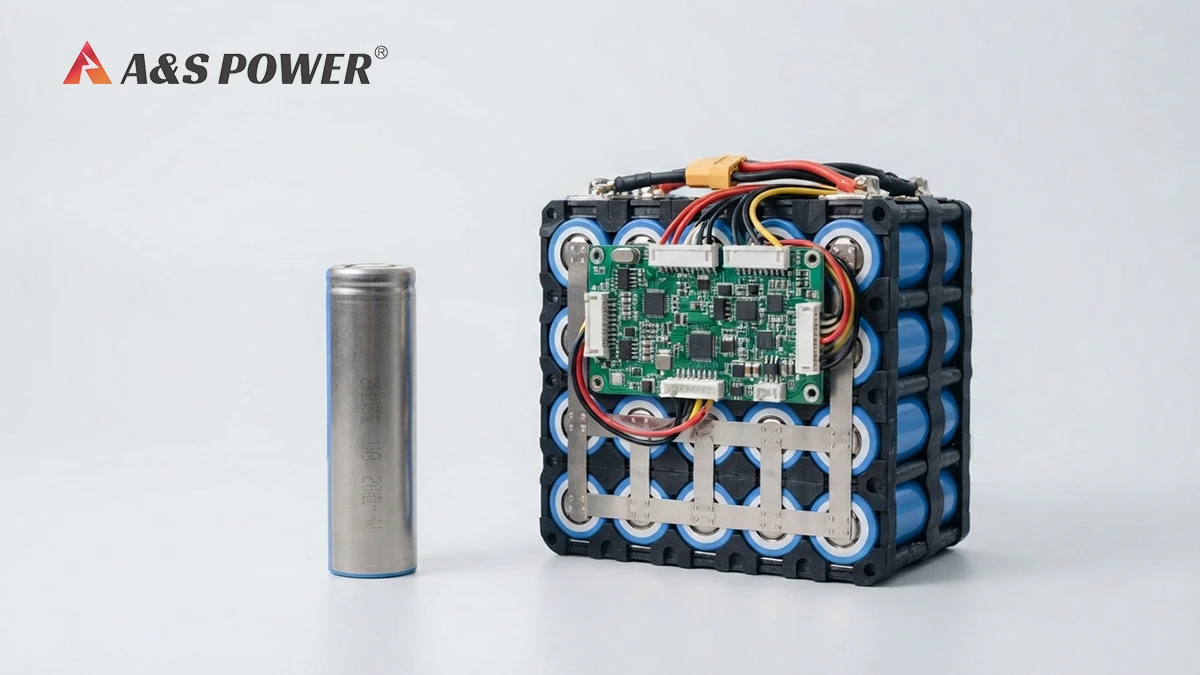 May.2026.08.0521700 Battery Pack with BMS: Design, Safety and Custom SolutionsLearn More
 -
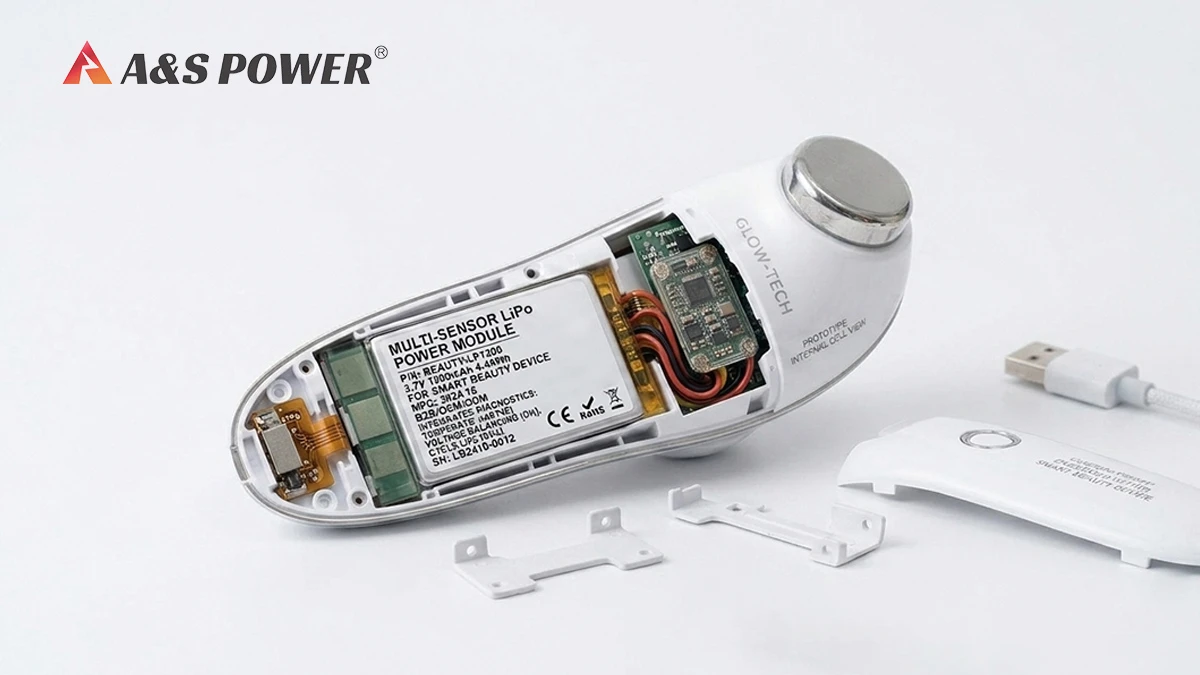 May.2026.08.04Smart Beauty Equipment Battery Pack ManufacturerLearn More
 -
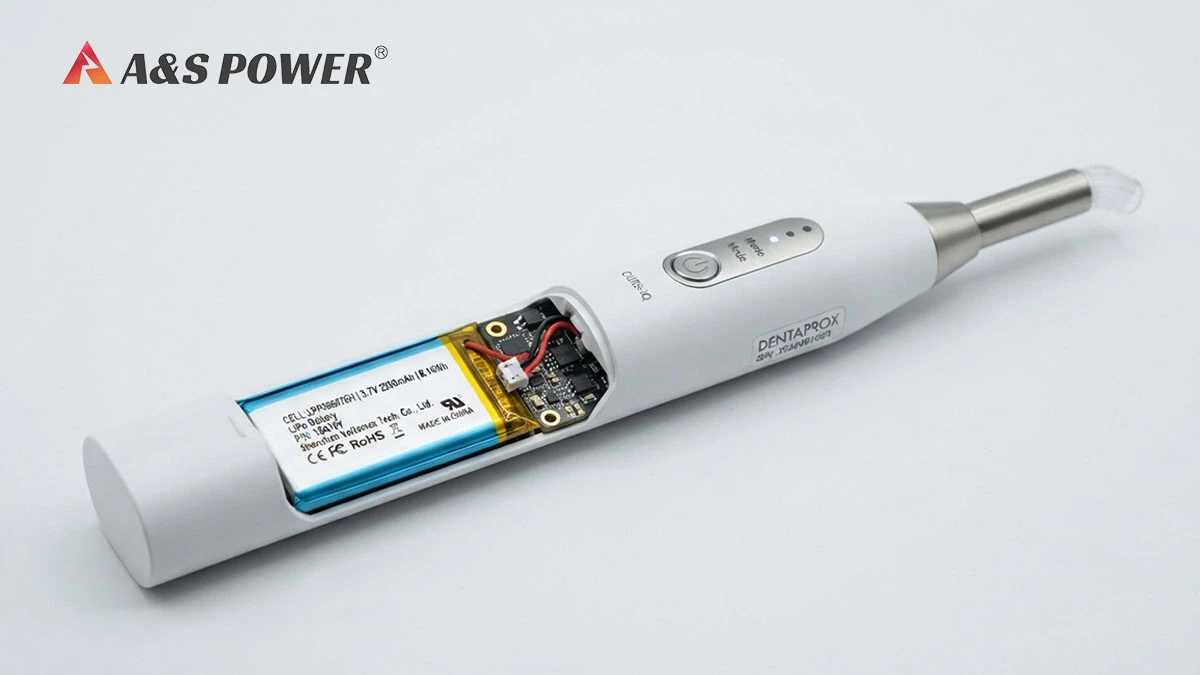 May.2026.08.04High Reliability Polymer Battery for Handheld Dental DevicesLearn More
 -
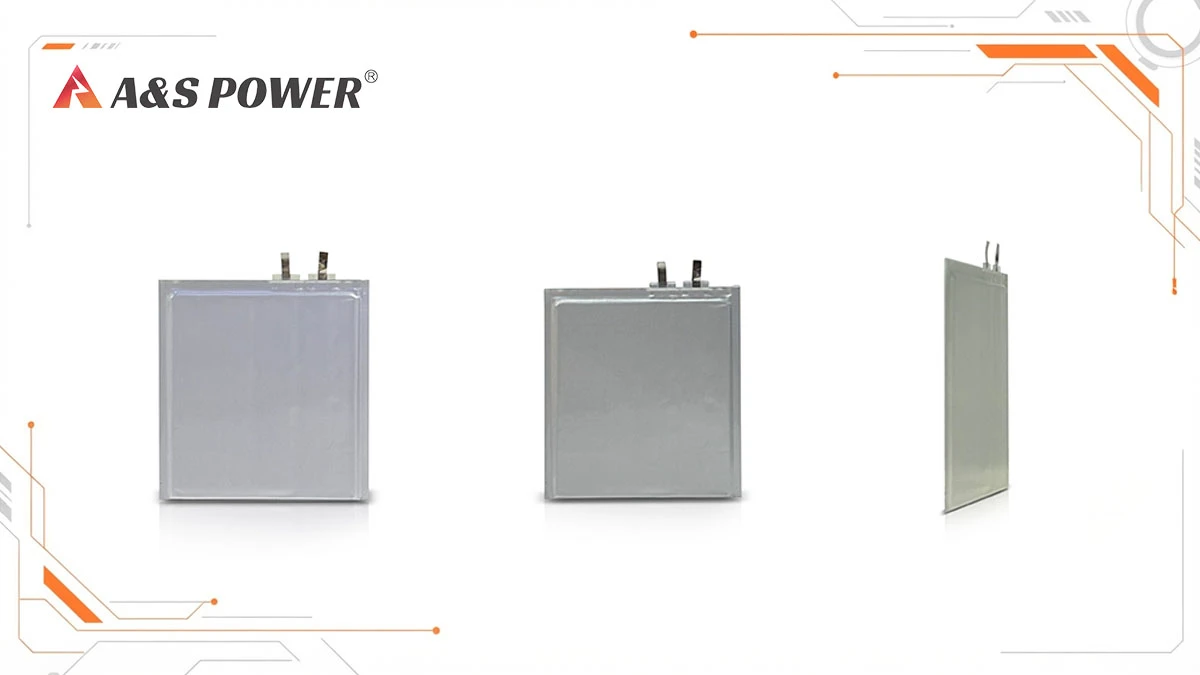 May.2026.08.04Ultra Thin Lithium Polymer Battery 0.4mm 0.5mm Custom GuideLearn More
 -
 May.2026.07.30Smoke Detector Battery Guide: Choosing the Right Battery for Reliable Fire ProtectionLearn More