


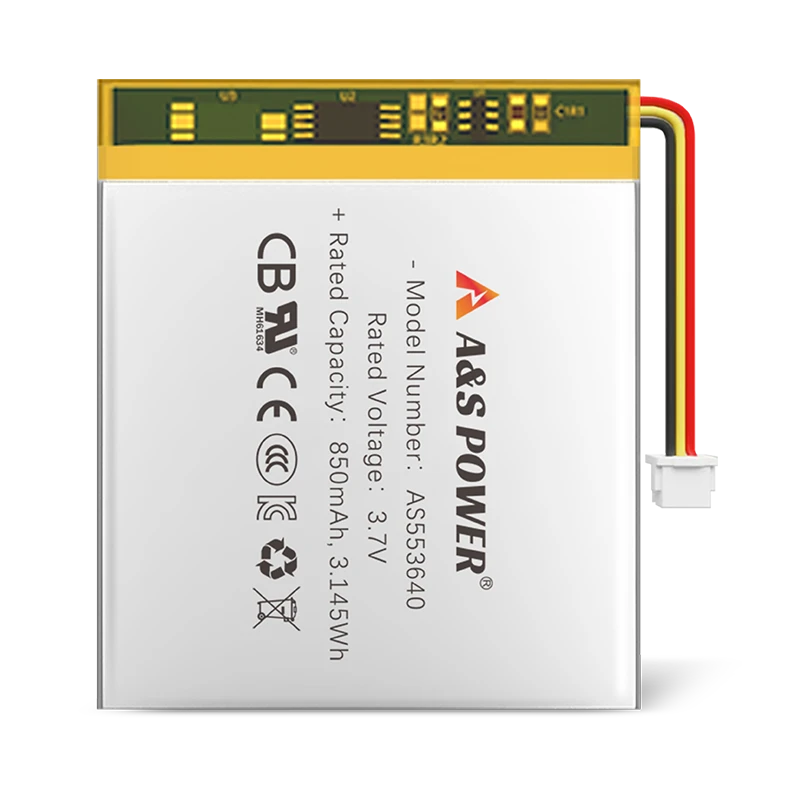
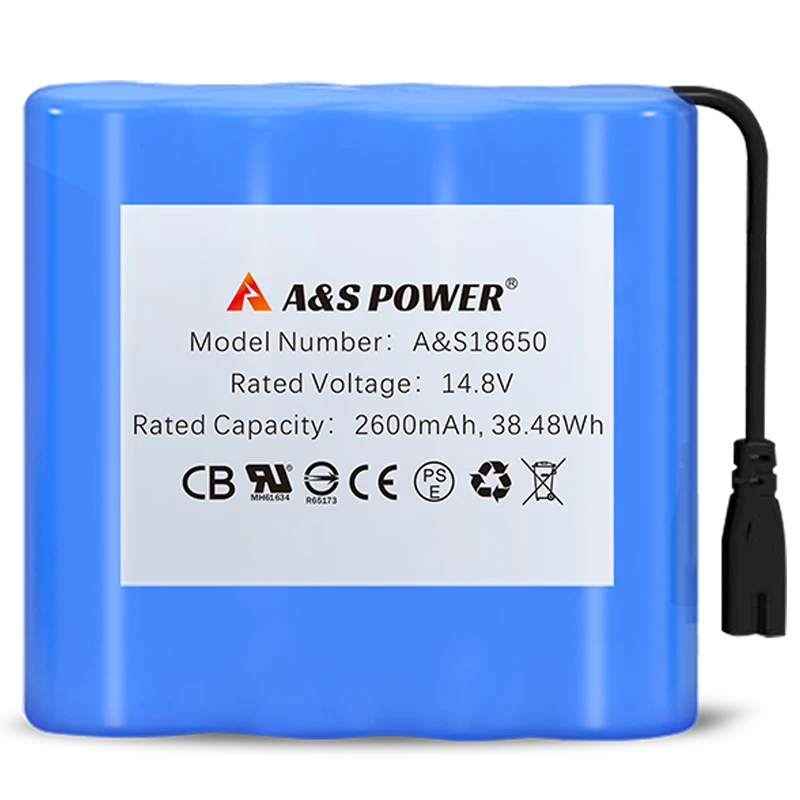
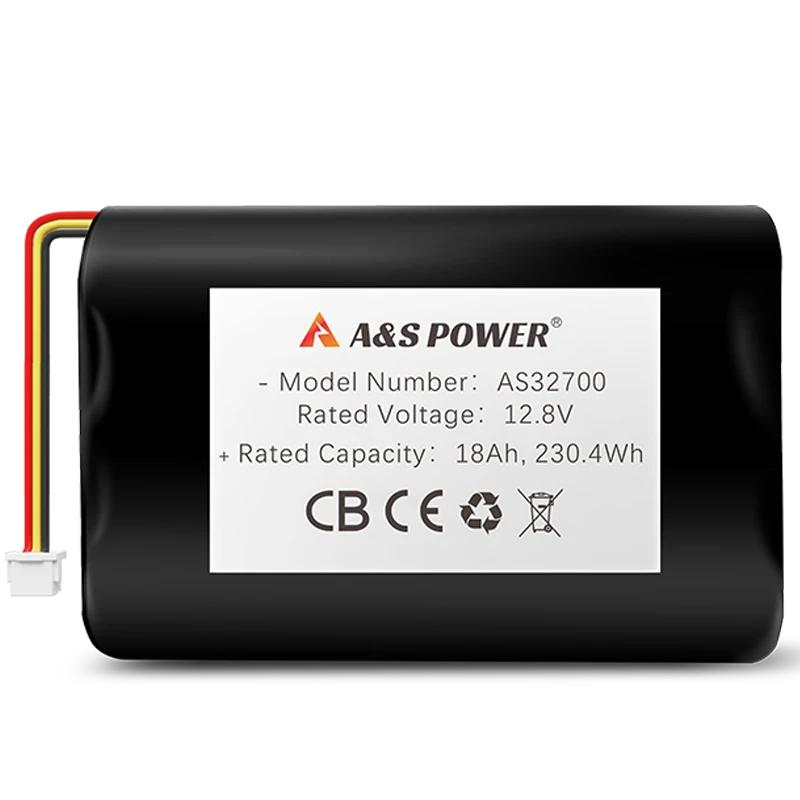


3.7V LiPo Battery Supplier Guide: How to Choose the Right Manufacturer?
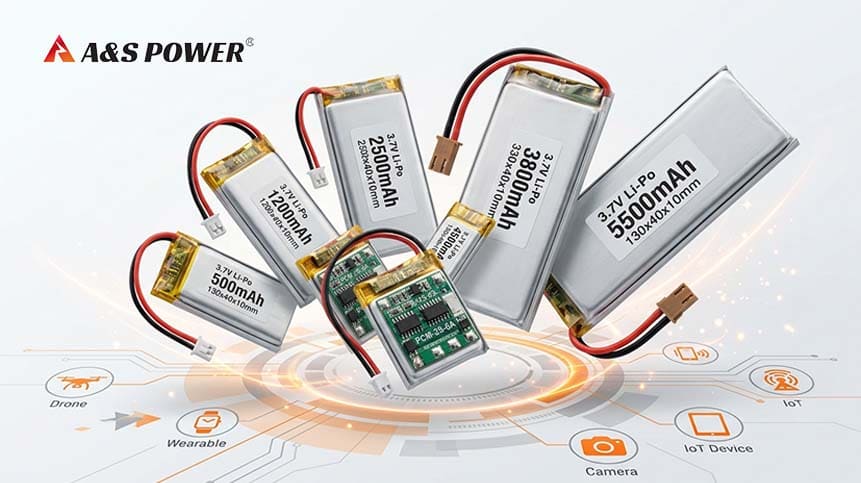
Quick Answer:
If you are searching for a reliable 3.7V LiPo battery supplier, focus on manufacturers that offer certified cells, OEM/ODM customization, international safety compliance, strict quality control, and proven experience in industrial applications. A qualified supplier should provide UL1642, IEC62133, UN38.3, CE, RoHS, and other market-specific certifications while supporting customized battery sizes, capacities, connectors, PCM/BMS integration, and global logistics.
Introduction
The 3.7V lithium polymer (LiPo) battery has become one of the most widely used rechargeable power solutions in modern electronics. From wearable devices and medical equipment to IoT sensors, GPS trackers, barcode scanners, beauty devices, and smart consumer products, the demand for compact, lightweight, and high-energy-density batteries continues to grow.
As product designers and purchasing managers face increasing pressure to reduce product size while extending runtime, selecting the right 3.7V LiPo battery supplier becomes a critical business decision.
In our experience as a lithium battery manufacturer, many buyers focus solely on price. However, battery performance, safety certifications, production consistency, customization capability, and supply chain reliability often have a far greater impact on the long-term success of a product.
This guide explains how to evaluate a 3.7V LiPo battery supplier, understand key battery specifications, compare certification requirements, and identify the qualities that distinguish leading manufacturers from ordinary vendors.
What Is a 3.7V LiPo Battery?
A 3.7V LiPo battery is a rechargeable lithium-ion battery that uses a polymer electrolyte instead of a traditional liquid electrolyte.
Typical Electrical Characteristics
| Parameter | Typical Value |
|---|---|
| Nominal Voltage | 3.7V |
| Full Charge Voltage | 4.2V |
| Cut-Off Voltage | 3.0V |
| Energy Density | 150-250 Wh/kg |
| Cycle Life | 300-1000 Cycles |
| Self-Discharge Rate | <3% per Month |
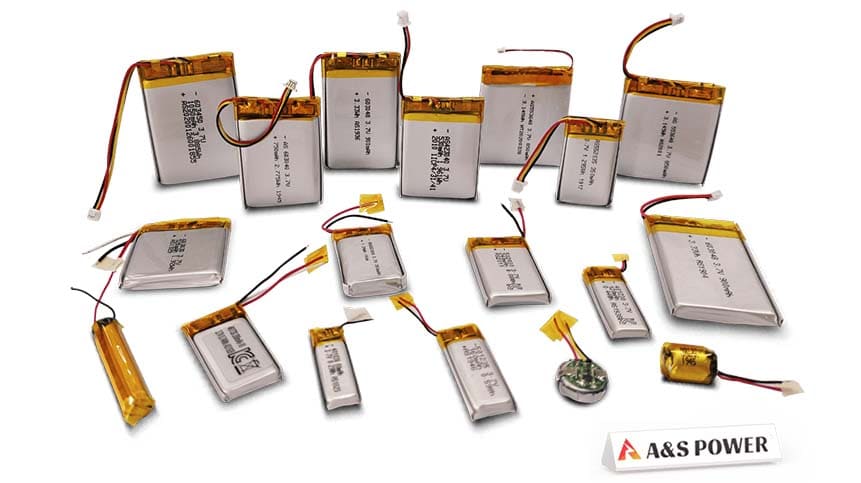
Unlike cylindrical batteries such as 18650 or 21700 cells, lithium polymer batteries can be manufactured in custom shapes and dimensions, making them ideal for compact electronic devices.
Why 3.7V LiPo Batteries Dominate Modern Electronics
The global electronics industry increasingly favors lithium polymer technology due to several engineering advantages.
Higher Design Flexibility
LiPo cells can be manufactured in:
- Ultra-thin formats
- Curved structures
- Square designs
- Customized dimensions
This flexibility enables engineers to maximize internal device space.
Lightweight Construction
Compared with traditional battery chemistries, LiPo batteries deliver a superior energy-to-weight ratio, helping manufacturers reduce product weight.
Applications include:
- Smart watches
- Bluetooth devices
- Portable medical devices
- Wearable electronics
- IoT products
High Energy Density
Modern LiPo cells commonly achieve:
| Battery Type | Energy Density |
|---|---|
| NiMH | 60-120 Wh/kg |
| Lead Acid | 30-50 Wh/kg |
| LiFePO4 | 90-160 Wh/kg |
| LiPo | 150-250 Wh/kg |
Higher energy density translates directly into longer operating times.
Industries That Require 3.7V LiPo Battery Suppliers
Today's market demand spans multiple industries.
Medical Devices
Examples include:
- Portable monitors
- Infusion pumps
- Hearing aids
- Diagnostic equipment
These applications require strict safety compliance and stable battery performance.
Consumer Electronics
Examples include:
- Bluetooth speakers
- Wireless headphones
- Smart remotes
- Gaming accessories
Industrial Equipment
Industrial devices often require:
- Wide temperature operation
- Long cycle life
- Customized battery packs
Examples:
- Asset trackers
- Data loggers
- Industrial sensors
IoT Devices
IoT deployments increasingly depend on custom lithium polymer batteries because of space limitations and long operational requirements.
How to Evaluate a 3.7V LiPo Battery Supplier
Not all battery suppliers operate at the same level of quality.
The following criteria should be carefully reviewed before selecting a manufacturing partner.
Manufacturing Experience
Look for suppliers with:
- 10+ years of lithium battery experience
- Dedicated engineering teams
- Automated production lines
- Global export experience
Experienced manufacturers generally maintain better process control and product consistency.
Certification Capability
Reliable suppliers should support:
| Certification | Purpose |
|---|---|
| UL1642 | Cell Safety |
| IEC62133 | International Safety Standard |
| UN38.3 | Transportation Compliance |
| CE | European Market |
| RoHS | Environmental Compliance |
| CB | International Certification |
| KC | Korea Market |
| PSE | Japan Market |
| BIS | India Market |
Lack of certification often creates import delays and regulatory risks.
Customization Capability
A qualified OEM battery supplier should offer:
- Custom voltage
- Custom capacity
- Wire harnesses
- Connectors
- PCM protection circuits
- NTC thermistors
- Battery housings
- Label customization
The ability to customize batteries can significantly shorten product development cycles.
Key Questions to Ask a 3.7V LiPo Battery Supplier
Before placing an order, ask:
- Which cell brands are used?
- Are UL1642 or IEC62133 certifications available?
- What is the minimum order quantity?
- Can custom battery dimensions be produced?
- Is UN38.3 transportation certification provided?
- What quality testing procedures are implemented?
- What warranty period is offered?
- How are battery traceability records maintained?
These questions help identify whether a supplier operates according to international manufacturing standards.
Understanding the Manufacturing Process of 3.7V LiPo Batteries
Many buyers evaluate batteries only by capacity and price. However, the manufacturing process directly affects battery consistency, cycle life, safety, and long-term reliability.
A professional 3.7V LiPo battery supplier should maintain strict controls throughout every production stage.
Cell Material Selection
The performance of a lithium polymer battery starts with raw materials.
Key materials include:
- Cathode materials (NMC, LCO, etc.)
- Anode materials (graphite)
- Separator films
- Electrolytes
- Aluminum-plastic laminated film
High-quality materials improve:
- Energy density
- Cycle life
- Charging efficiency
- Thermal stability
Electrode Coating and Assembly
Modern automated production lines ensure:
- Uniform coating thickness
- Stable electrode density
- Reduced internal resistance
- Consistent battery performance
Even small variations during manufacturing can result in capacity differences and shorter battery life.
Formation and Aging
After assembly, cells undergo formation charging and aging tests.
The purpose is to:
- Activate battery chemistry
- Stabilize performance
- Identify defective cells
- Verify voltage consistency
This stage is critical for ensuring long-term battery reliability.
Cell Grading
Leading manufacturers classify cells according to:
- Capacity
- Internal resistance
- Voltage consistency
Only cells with closely matched parameters are used in high-quality battery packs.
This process improves:
- Runtime consistency
- Cycle life
- Charging stability
Quality Control Standards Used by Professional Battery Suppliers
A dependable 3.7V LiPo battery supplier should implement comprehensive quality management systems.
Incoming Quality Control (IQC)
Raw materials are inspected before entering production.
Typical inspections include:
| Inspection Item | Purpose |
|---|---|
| Cathode Materials | Verify composition |
| Separator Film | Check thickness |
| Electrolyte | Verify purity |
| PCM Components | Functional testing |
| Connectors | Mechanical inspection |
In-Process Quality Control (IPQC)
During production, technicians monitor:
- Welding quality
- Cell dimensions
- Voltage consistency
- Assembly accuracy
This reduces manufacturing defects before final assembly.
Final Quality Control (FQC)
Completed batteries undergo testing for:
- Capacity
- Internal resistance
- Charge/discharge performance
- Appearance
- Voltage
- Protection circuit functionality
Reliability Testing
Advanced suppliers perform additional tests such as:
| Test Type | Purpose |
|---|---|
| Drop Test | Mechanical durability |
| Vibration Test | Transportation safety |
| High Temperature Test | Thermal performance |
| Short Circuit Test | Safety verification |
| Overcharge Test | Protection validation |
| Cycle Life Test | Longevity assessment |
These tests help ensure batteries perform reliably in real-world environments.
OEM and ODM Services Offered by 3.7V LiPo Battery Suppliers
Customization has become one of the most important selection criteria for battery buyers.
Many electronic products require batteries that cannot be sourced from standard catalogs.
OEM Battery Manufacturing
OEM services typically include:
- Custom labels
- Custom packaging
- Customer branding
- Customized connectors
- Specific cable lengths
OEM solutions allow brands to market batteries under their own identity.
ODM Battery Development
ODM projects involve:
- Battery design
- Engineering support
- Mechanical integration
- Electrical optimization
- Certification assistance
This service is particularly valuable for startups and product developers.
Common Customization Options
| Custom Item | Available Options |
|---|---|
| Capacity | 100mAh–10000mAh+ |
| Thickness | Custom |
| Width | Custom |
| Length | Custom |
| Connector | JST, Molex, Hirose, etc. |
| Protection Circuit | PCM/BMS |
| Thermistor | NTC Optional |
| Wire Length | Custom |
Certifications Every Reliable 3.7V LiPo Battery Supplier Should Provide
Certification is one of the most important indicators of supplier credibility.
A supplier that cannot provide required certifications may expose customers to regulatory and safety risks.
UL1642
UL1642 evaluates lithium cell safety.
The certification covers:
- Electrical safety
- Mechanical abuse
- Thermal abuse
- Fire resistance
Many North American customers require UL1642-certified cells.
IEC62133
IEC62133 is among the most widely recognized battery safety standards worldwide.
It applies to:
- Consumer electronics
- Medical devices
- Industrial products
Many global brands require compliance before approving suppliers.
UN38.3
UN38.3 certification is mandatory for lithium battery transportation.
Without UN38.3:
- Air shipment may be rejected
- Customs clearance may be delayed
- Logistics costs may increase
CE and RoHS
For the European market, batteries commonly require:
- CE compliance
- RoHS compliance
These certifications demonstrate adherence to applicable safety and environmental requirements.
Global Market Trends for 3.7V Lithium Polymer Batteries
The market for lithium polymer batteries continues to expand due to rapid growth in portable electronics and connected devices.
Wearable Technology Growth
Products driving demand include:
- Smart watches
- Fitness trackers
- Smart rings
- Medical wearables
These devices require compact batteries with high energy density.
IoT Expansion
Industry analysts estimate billions of connected devices will be deployed worldwide over the coming years.
Many of these devices rely on customized 3.7V LiPo batteries because:
- Space is limited
- Long runtime is essential
- Lightweight designs are preferred
Medical Electronics Development
Portable healthcare equipment continues to expand globally.
Examples include:
- Remote monitoring devices
- Portable diagnostic tools
- Patient tracking systems
Battery reliability is a critical factor in these applications.
Common Challenges When Sourcing 3.7V LiPo Batteries
Many buyers encounter avoidable issues during supplier selection.
Understanding these challenges can reduce risk.
Inconsistent Capacity
Some suppliers quote nominal capacity values that differ significantly from actual performance.
Always request:
- Test reports
- Capacity data
- Sample evaluation
Certification Gaps
A battery may technically function but still fail market-entry requirements if documentation is incomplete.
Verify:
- Certification validity
- Report authenticity
- Applicable standards
Long Lead Times
Battery projects can be delayed by:
- Material shortages
- Certification delays
- Production bottlenecks
Reliable suppliers maintain stable supply chains and production planning systems.
Poor Technical Support
Battery integration often requires engineering collaboration.
Choose suppliers capable of providing:
- Design recommendations
- Battery selection guidance
- Safety compliance assistance
- Customization support
Why More OEM Brands Are Working Directly with Battery Manufacturers
Many businesses previously purchased batteries through trading companies.
Today, OEM brands increasingly source directly from manufacturers.
Advantages of Direct Manufacturing Partnerships
Better Pricing
Factory-direct purchasing eliminates intermediary markups.
Faster Communication
Engineering issues can be resolved directly with technical teams.
Greater Customization
Manufacturers have direct control over:
- Cell selection
- Battery design
- Production processes
Improved Quality Traceability
Factories maintain production records that support quality investigations and continuous improvement.
Why A&S Power Is a Trusted 3.7V LiPo Battery Supplier
At A&S Power, we have focused on lithium battery manufacturing and customization for more than 15 years.
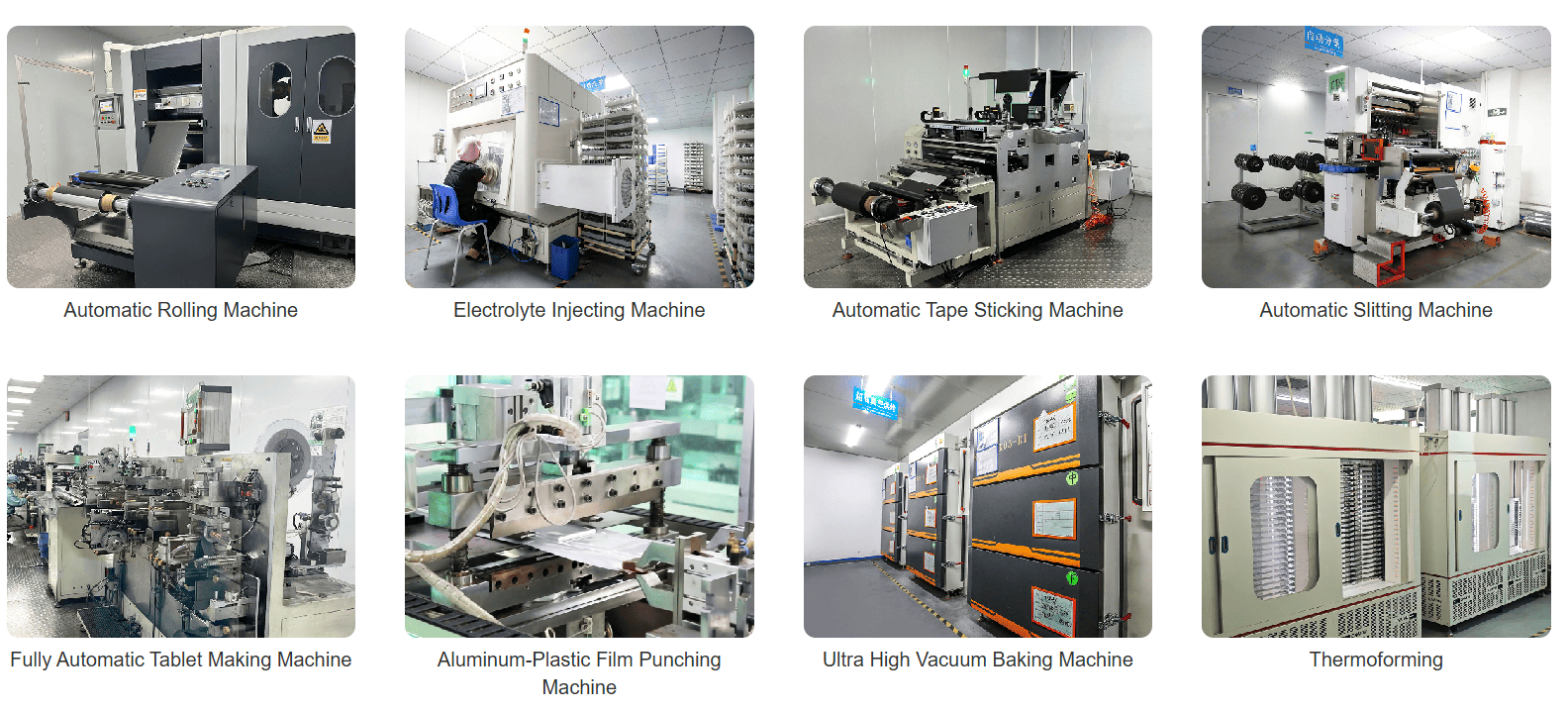
We support customers worldwide with:
- Custom lithium polymer batteries
- OEM and ODM projects
- Industrial battery solutions
- Medical device batteries
- IoT battery packs
- Consumer electronics batteries
Our Capabilities
| Capability | Details |
|---|---|
| Experience | 15+ Years |
| Services | OEM & ODM |
| Certifications | UL, IEC62133, CB, CE, RoHS, UN38.3, KC |
| Applications | Medical, IoT, Consumer, Industrial |
| Customization | Full Design Support |
| Export Markets | North America, Europe, Asia-Pacific |
Applications We Serve
- Medical devices
- GPS trackers
- Barcode scanners
- Wearable electronics
- Smart home products
- Portable instruments
- Beauty devices
- Industrial sensors
By combining engineering expertise, quality management systems, and international compliance support, we help customers accelerate product development while reducing supply-chain risks.
Need a custom Lithium battery solution? Contact A&S Power to discuss your project requirements, battery specifications, certification needs, and production goals.
Conclusion
Selecting the right 3.7V LiPo battery supplier is about far more than finding the lowest price. The ideal manufacturing partner should combine certified products, advanced production capabilities, rigorous quality control systems, customization expertise, and long-term supply reliability.
As demand continues to grow across wearable electronics, medical devices, IoT products, industrial equipment, and smart consumer applications, choosing a trusted supplier becomes increasingly important for product performance and business success.
When evaluating suppliers, focus on certification compliance, engineering support, production consistency, customization capabilities, and global delivery experience. A supplier that excels in these areas can help reduce development risks, accelerate product launches, and create long-term value throughout the product lifecycle.
By partnering with an experienced manufacturer such as A&S Power, businesses can gain access to high-quality 3.7V lithium polymer battery solutions tailored to the specific requirements of modern electronic products.
FAQ
What is the nominal voltage of a 3.7V LiPo battery?
The nominal voltage is 3.7V, while the fully charged voltage is typically 4.2V and the recommended discharge cut-off voltage is around 3.0V.
How long does a 3.7V LiPo battery last?
Depending on usage conditions, charging practices, and cell quality, most LiPo batteries provide between 300 and 1000 charge cycles.
Can a 3.7V LiPo battery be customized?
Yes. Professional manufacturers can customize dimensions, capacity, connectors, cables, PCM protection circuits, labels, and packaging.
What certifications should a LiPo battery supplier provide?
Common certifications include UL1642, IEC62133, UN38.3, CE, RoHS, CB, KC, PSE, and BIS depending on target markets.
What industries use 3.7V lithium polymer batteries?
Industries include consumer electronics, medical devices, wearable technology, IoT equipment, industrial electronics, barcode scanners, GPS trackers, and portable instruments.
How do I verify battery quality?
Request product specifications, certification reports, sample testing, cycle-life data, and quality management documentation.
What is the minimum order quantity for custom LiPo batteries?
MOQ varies by supplier and customization level. Standard models may require low MOQs, while fully customized batteries often require higher production volumes.
Is UN38.3 mandatory?
Yes. UN38.3 testing is generally required for the international transportation of lithium batteries.
How long does custom battery development take?
Most projects require 2–8 weeks depending on complexity, certification requirements, tooling, and sample validation.
Should I choose a trader or a manufacturer?
Working directly with a qualified manufacturer generally provides better pricing, stronger technical support, greater customization flexibility, and improved quality control.
-

 May.2026.08.0521700 Battery Pack with BMS: Design, Safety and Custom SolutionsLearn More
 -
 May.2026.08.04Smart Beauty Equipment Battery Pack ManufacturerLearn More
 -
 May.2026.08.04High Reliability Polymer Battery for Handheld Dental DevicesLearn More
 -
 May.2026.08.04Ultra Thin Lithium Polymer Battery 0.4mm 0.5mm Custom GuideLearn More
 -
 May.2026.07.30Smoke Detector Battery Guide: Choosing the Right Battery for Reliable Fire ProtectionLearn More