




Custom Battery Services: Complete Lithium Battery Solutions for OEM Applications
Quick Answer:
What Are Custom Battery Services?
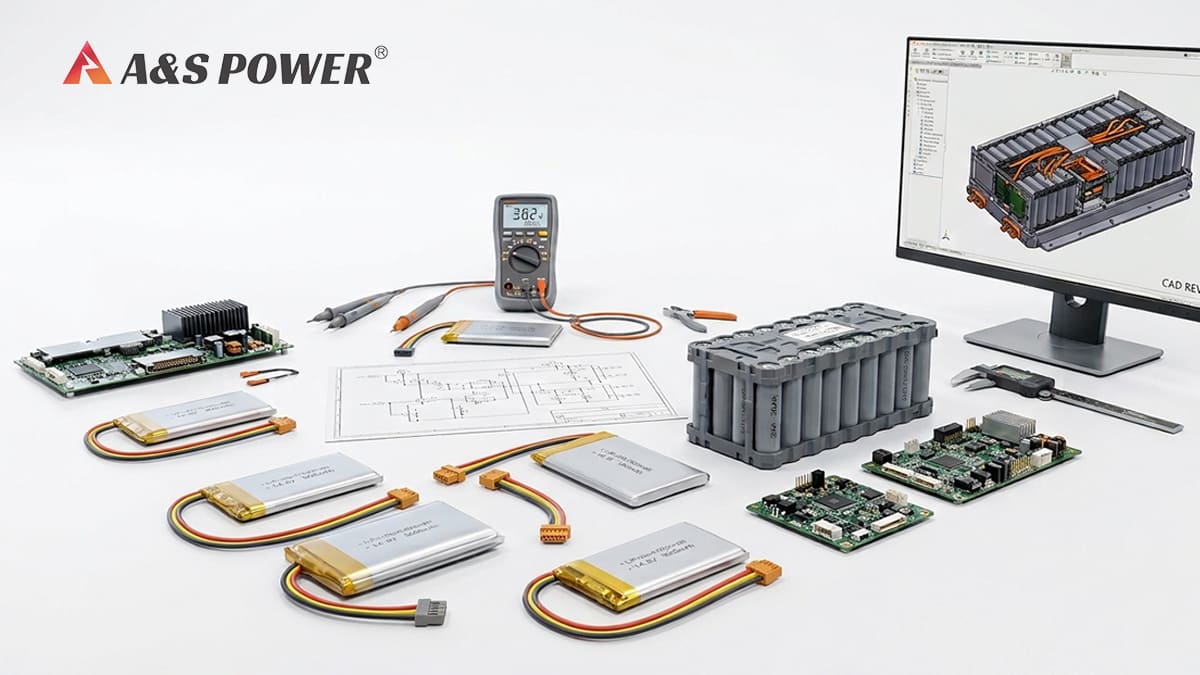
Custom battery services refer to engineering and manufacturing solutions that allow companies to develop lithium battery packs specifically designed for their products instead of using standard off-the-shelf batteries.
A complete custom battery service usually includes:
- Battery chemistry selection
- Cell configuration design
- Battery pack structural design
- Voltage and capacity customization
- BMS (Battery Management System) development
- Connector and cable customization
- Prototype production
- Safety testing and certification support
- Mass production
For OEM customers, custom battery services provide better product integration, improved reliability, and optimized performance compared with generic battery solutions.
Introduction
In today's rapidly evolving electronics industry, battery performance is no longer a simple purchasing factor. For many OEM manufacturers, choosing a standard battery is often not enough because modern devices require optimized size, capacity, safety, runtime, and mechanical integration.
At A&S Power, we provide custom battery services designed to help companies transform their product concepts into reliable lithium battery solutions. From initial battery design and cell selection to prototype development, BMS integration, testing, and mass production, our engineering team supports customers throughout the entire battery development process.
With more than 15 years of experience in lithium battery manufacturing, we specialize in customized lithium polymer batteries, lithium-ion battery packs, and LiFePO4 battery solutions for medical devices, smart wearables, industrial equipment, IoT products, consumer electronics, security systems, and other portable applications.
A successful custom battery project is not only about increasing capacity. It requires balancing multiple engineering factors, including energy density, discharge performance, charging requirements, safety standards, mechanical limitations, and product lifecycle expectations.
This is why professional custom battery services have become an essential part of modern OEM product development.
Why OEM Manufacturers Need Custom Battery Services
The demand for customized battery solutions has increased because modern electronic devices are becoming smaller, smarter, and more power-intensive.
A standard battery may provide basic energy storage, but it often creates limitations:
- The physical dimensions may not fit the product enclosure.
- The voltage or capacity may not match the device requirements.
- The discharge rate may be insufficient.
- Safety protection may not meet application requirements.
- Battery lifespan may not match product expectations.
For example, a wearable medical device may require an ultra-thin flexible battery, while an industrial monitoring system may need a high-cycle-life lithium battery pack with advanced protection.
Different applications require different battery designs.
According to industry research, lithium-ion batteries continue to dominate portable energy storage because of their combination of:
| Performance Factor | Typical Lithium Battery Advantage |
|---|---|
| Energy Density | 150–270 Wh/kg depending on chemistry |
| Recharge Cycle Life | Hundreds to thousands of cycles |
| Self-discharge Rate | Usually lower than traditional rechargeable batteries |
| Design Flexibility | Available in cylindrical, pouch, and custom shapes |
| Voltage Stability | Suitable for modern electronic devices |
(Source references: Battery University, International Energy Agency lithium battery reports)
What Does a Professional Custom Battery Service Include?
A reliable custom battery manufacturer should provide a complete development process rather than only battery assembly.
At A&S Power, our custom battery services cover the following stages:
1. Battery Requirement Analysis and Engineering Consultation
Every successful battery project starts with understanding the customer's product requirements.
Our engineers evaluate:
- Device power consumption
- Operating voltage
- Required capacity
- Peak current demand
- Charging method
- Available installation space
- Environmental conditions
For example:
A handheld medical device may prioritize:
- Compact size
- Stable discharge
- High reliability
- Long cycle life
A drone battery application may require:
- High discharge capability
- Lightweight structure
- High energy density
Therefore, battery design must always be application-driven.
2. Custom Battery Cell Selection
Selecting the correct battery cell is one of the most important steps in custom battery development.
Different lithium battery chemistries provide different advantages.
| Battery Type | Main Advantages | Common Applications |
|---|---|---|
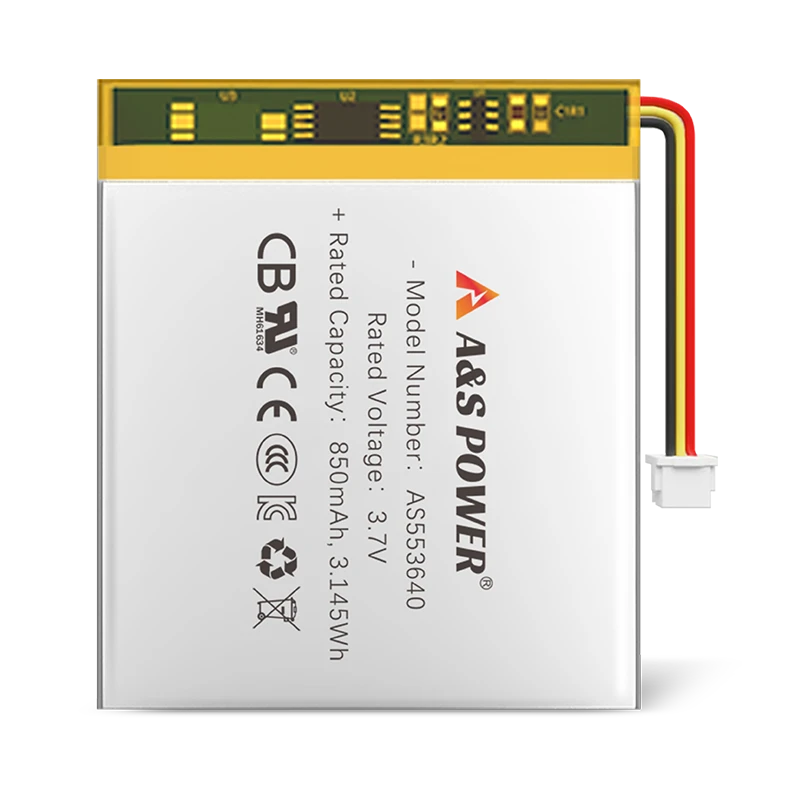
| Lithium Polymer (LiPo) | Thin, lightweight, flexible shapes | Wearables, medical devices, consumer electronics |
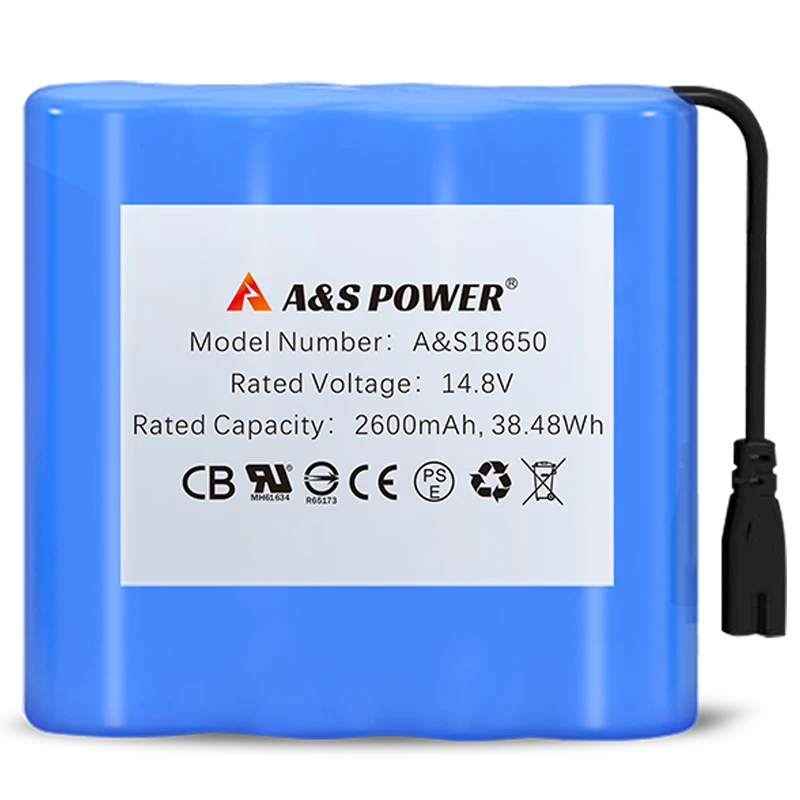
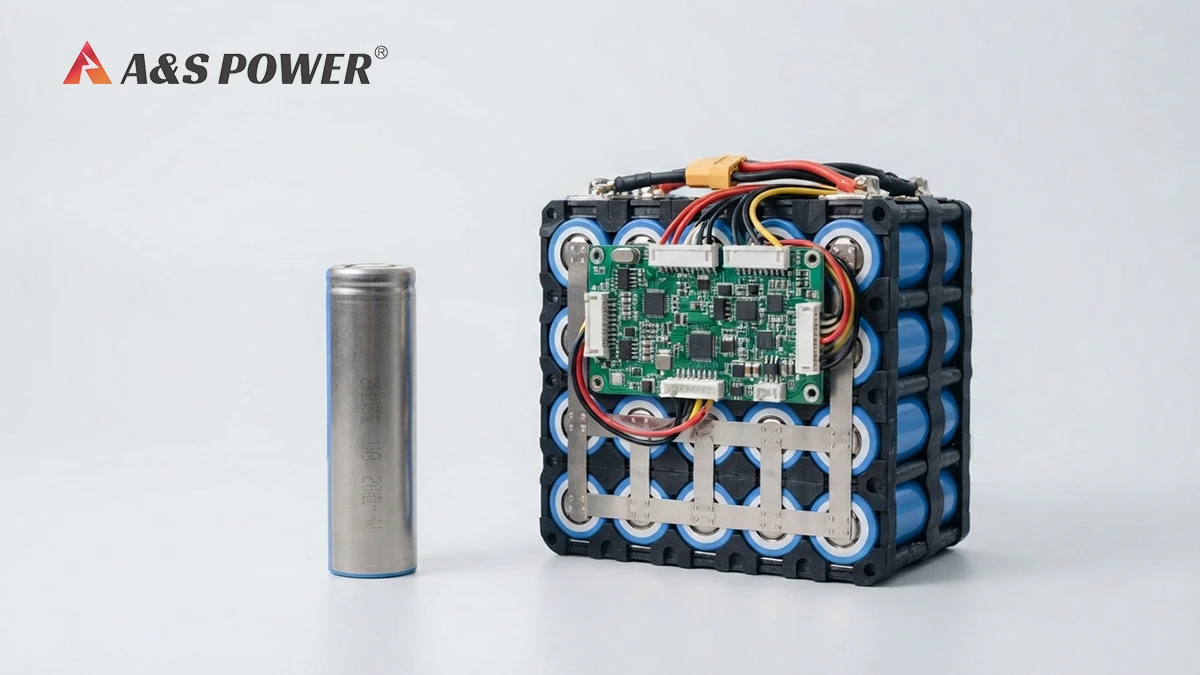
| Lithium-ion (18650/21700) | High energy density and mature technology | Power tools, industrial equipment, battery packs |
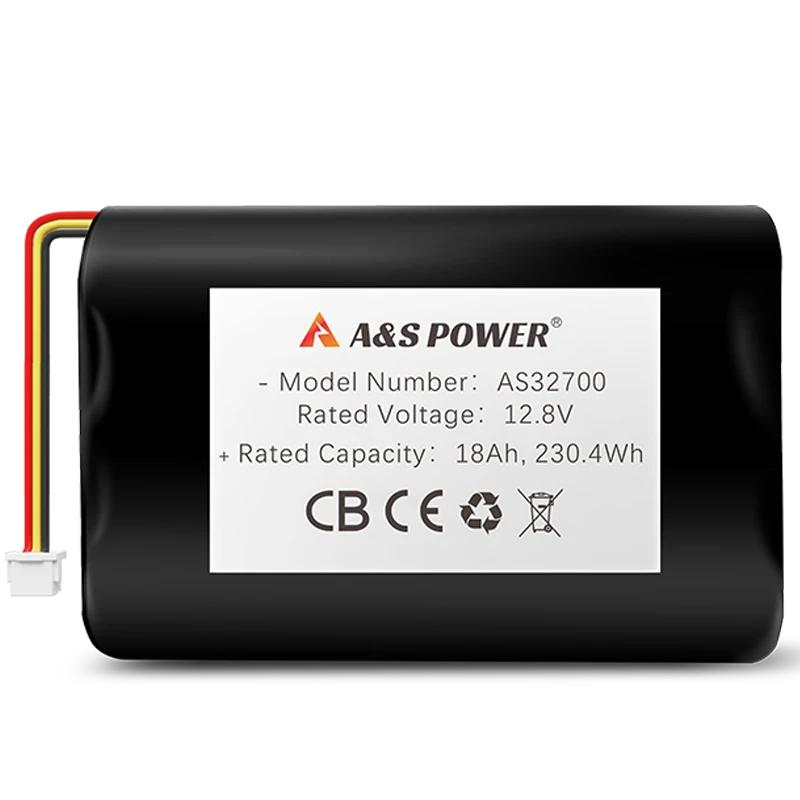
| LiFePO4 | High safety and long cycle life | Energy storage, backup power systems |
Our engineering team helps customers choose suitable cells based on:
- Energy requirements
- Safety expectations
- Cost targets
- Production volume
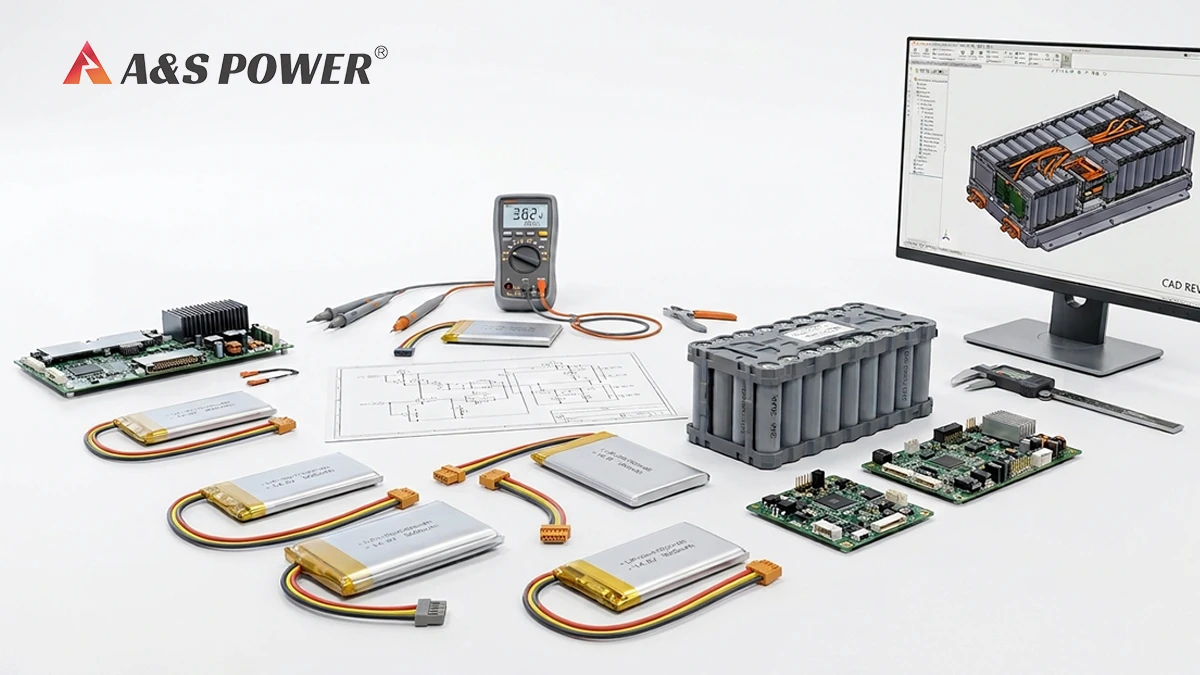
3. Custom Battery Pack Design and Manufacturing
A professional custom battery service includes complete pack customization.
This may involve:
- Battery size optimization
- Cell arrangement design
- Protection circuit design
- BMS integration
- Wiring configuration
- Connector selection
- Housing design
For example, a custom lithium battery pack can be designed as:
- 1S configuration (3.7V)
- 2S configuration (7.4V)
- 3S configuration (11.1V)
- Multi-cell parallel configurations for higher capacity
The goal is to maximize performance while maintaining safety and reliability.
Complete Custom Battery Development Process
A professional custom battery service should not stop at battery design. For OEM manufacturers, the biggest challenge is ensuring that the battery solution performs reliably throughout the entire product lifecycle.
At A&S Power, we follow a structured development process to reduce risks and improve product reliability.
The typical custom battery development workflow includes:
| Development Stage | Main Activities | Key Output |
|---|---|---|
| Requirement Analysis | Define voltage, capacity, size, current, environment | Battery specification document |
| Cell Selection | Evaluate lithium chemistry and cell performance | Suitable battery cell solution |
| Electrical Design | Configure cells, PCM/BMS, protection functions | Battery electrical design |
| Mechanical Design | Optimize dimensions, enclosure, connectors | 3D battery structure |
| Prototype Manufacturing | Produce sample battery packs | Functional prototypes |
| Testing & Validation | Safety, performance, charging tests | Test reports |
| Mass Production | Manufacturing, QC inspection, shipment | Production-ready battery packs |
This engineering approach helps OEM customers avoid common battery development problems such as insufficient runtime, overheating, compatibility issues, or unexpected product failures.
4. Battery Management System (BMS) Integration
One of the most important parts of modern custom battery services is BMS integration.
A Battery Management System protects lithium batteries by monitoring and controlling critical operating conditions.
A properly designed BMS can provide:
- Overcharge protection
- Over-discharge protection
- Over-current protection
- Short-circuit protection
- Temperature monitoring
- Cell balancing
For multi-cell battery packs, BMS design becomes even more important because inconsistent cell performance can reduce battery lifespan and safety.
For example:
A 7.4V lithium battery pack normally uses two cells connected in series (2S). Without proper cell balancing, one cell may reach an unsafe voltage level before the other, affecting charging efficiency and long-term reliability.
Therefore, professional battery manufacturers must consider both battery cells and protection electronics as one integrated system.
5. Prototype Development and Testing
Before mass production, prototype validation is a critical stage in custom battery services.
A prototype allows engineers and customers to verify:
- Battery dimensions
- Electrical performance
- Charging compatibility
- Device integration
- Thermal performance
- Communication protocols
Typical prototype testing includes:
| Test Item | Purpose |
|---|---|
| Capacity Test | Verify actual battery energy output |
| Charge/Discharge Test | Evaluate battery performance under real conditions |
| Cycle Life Test | Measure long-term durability |
| Safety Test | Confirm protection functions |
| Temperature Test | Check performance under environmental changes |
| Load Test | Validate current output capability |
According to lithium battery industry standards, battery testing is essential before commercial production, especially for applications such as medical devices, industrial equipment, and transportation products.
Custom Battery Services for Different Industries
Different industries require different battery characteristics. A professional battery supplier must understand application-specific requirements rather than only manufacture standard products.
Medical Device Battery Solutions
Medical equipment requires extremely reliable power because battery failure can affect device operation.
Custom battery solutions for medical applications often require:
- High safety performance
- Stable voltage output
- Long cycle life
- Compact design
- Strict quality control
Common applications include:
- Portable ultrasound devices
- Patient monitoring equipment
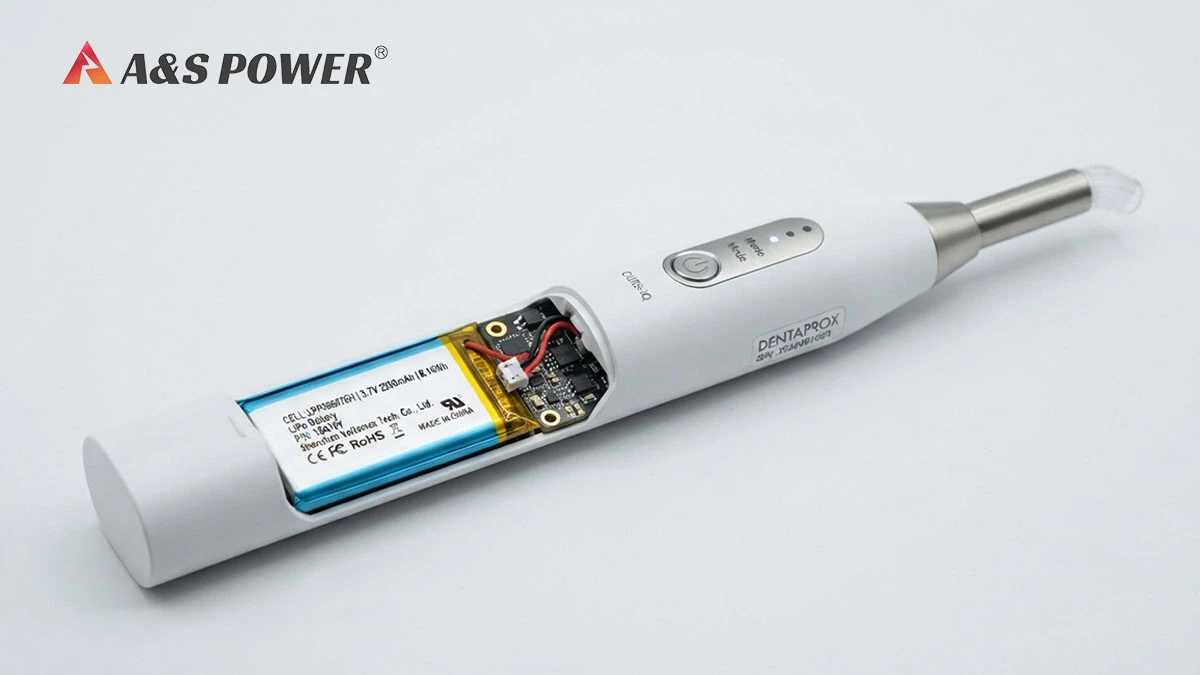
- Dental equipment
- Hearing devices
- Medical wearables
For these applications, lithium polymer batteries are often preferred because they provide flexible shapes and high design freedom.
Wearable and Smart Device Battery Solutions
Wearable devices continue to become thinner and lighter, creating higher requirements for battery customization.
Custom battery services help manufacturers achieve:
- Ultra-thin battery designs
- Curved or irregular shapes
- Lightweight structures
- Optimized capacity
Typical applications include:
- Smart watches
- Fitness trackers
- Smart glasses
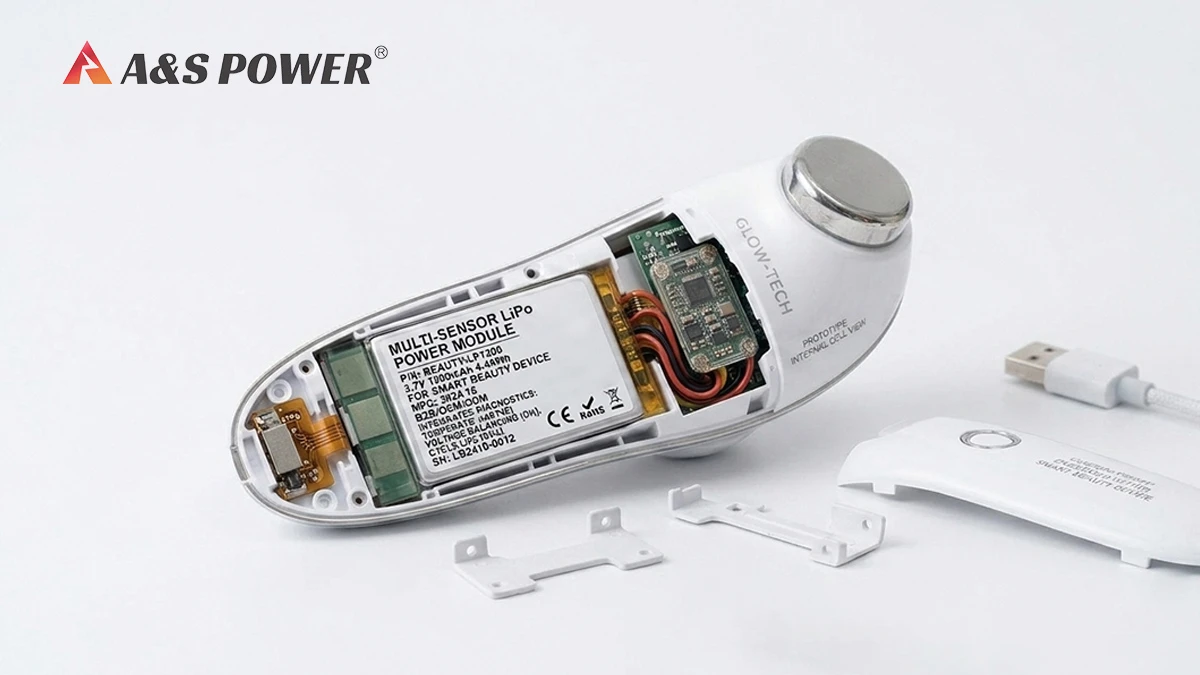
- Beauty devices
- IoT sensors
For example, ultra-thin lithium polymer batteries can be customized for compact electronics where traditional cylindrical cells cannot fit.
Industrial Equipment Battery Packs
Industrial applications often require batteries with higher reliability and longer operating time.
Custom industrial battery solutions may include:
- High-capacity lithium-ion packs
- High discharge battery systems
- Rugged battery structures
- Advanced BMS functions
Applications include:
- Industrial instruments
- Security systems
- Emergency equipment
- Robotics
- Automation devices
Certifications and Quality Control in Custom Battery Manufacturing
For OEM customers, certifications are an important factor when selecting a custom battery supplier.
A reliable manufacturer should understand international battery safety and transportation requirements.
Common certifications and testing standards include:
| Standard / Certification | Purpose |
|---|---|
| UN38.3 | Lithium battery transportation safety testing |
| IEC 62133 | Rechargeable battery safety requirements |
| UL 1642 | Lithium battery cell safety certification |
| UL 2054 | Household and commercial battery pack safety |
| CE | European market compliance |
| RoHS | Restriction of hazardous substances |
At A&S Power, we support customers with battery solutions designed according to international compliance requirements.
Our quality control process includes:
- Incoming cell inspection
- Welding quality inspection
- Battery performance testing
- Aging testing
- Final shipment inspection
This manufacturing discipline helps ensure consistent quality from prototype development to large-scale production.
Why Choose a Professional Custom Battery Manufacturer?
Choosing the right custom battery partner directly affects product reliability, production efficiency, and market success.
A professional battery manufacturer provides advantages including:
1. Engineering Experience
Battery customization requires knowledge of:
- Electrochemical characteristics
- Electrical design
- Mechanical integration
- Safety requirements
Without engineering experience, battery projects may face redesign costs and production delays.
2. Faster Product Development
Experienced manufacturers already have:
- Battery cell suppliers
- Production equipment
- Testing systems
- Quality management processes
This allows OEM companies to shorten development cycles.
3. Better Cost Control
Custom battery services help optimize:
- Cell selection
- Manufacturing process
- Material usage
- Production efficiency
A properly designed battery pack can achieve better performance without unnecessary cost increases.
A&S Power Custom Battery Services Capability
At A&S Power, we focus on providing complete OEM and ODM battery solutions for global customers.
Our capabilities include:
- Custom lithium polymer battery design
- Lithium-ion battery pack manufacturing
- 18650 and 21700 battery pack solutions
- LiFePO4 battery solutions
- BMS customization
- Connector and cable customization
- Battery prototype development
- Mass production support
With more than 15 years of lithium battery manufacturing experience, we help companies develop reliable power solutions for consumer electronics, medical equipment, industrial devices, and smart products.
Our engineering team works closely with customers from the first concept stage to final production.
Key Benefits of Custom Battery Services
Compared with standard batteries, customized solutions provide several important benefits:
| Benefit | Explanation |
|---|---|
| Optimized Design | Battery dimensions match the product structure |
| Higher Performance | Capacity and discharge optimized for application |
| Better Safety | Protection system designed according to requirements |
| Longer Product Life | Battery parameters matched with device operation |
| Brand Differentiation | Unique battery design supports unique products |
For OEM manufacturers, battery customization is not simply a component purchase. It is part of overall product engineering.
Conclusion
Custom Battery Services Enable Smarter Product Development
The demand for customized lithium battery solutions continues to grow as electronic products become smaller, more intelligent, and more performance-driven.
A reliable custom battery service provider does much more than assemble battery cells. It combines battery chemistry knowledge, electrical engineering, mechanical design, safety testing, and manufacturing experience to create a complete power solution.
At A&S Power, we help OEM customers develop customized lithium battery solutions based on their specific application requirements. From compact lithium polymer batteries for wearable devices to high-capacity lithium-ion battery packs for industrial equipment, our goal is to deliver safe, reliable, and optimized battery systems.
By choosing a professional custom battery manufacturer, companies can improve product performance, reduce development risks, and build more competitive products in their markets.
For businesses looking for a long-term battery development partner, custom battery services provide the flexibility and technical support needed to successfully bring innovative products from concept to mass production.
FAQ
Q1: What are custom battery services?
Custom battery services are professional engineering and manufacturing solutions that allow companies to develop lithium battery packs designed specifically for their products.
These services usually include battery design, cell selection, BMS integration, prototype production, testing, certification support, and mass manufacturing.
Q2: Why should I choose a custom battery instead of a standard battery?
A custom battery provides better compatibility with your product because the battery can be optimized for:
- Size limitations
- Required voltage
- Capacity requirements
- Current output
- Charging conditions
- Safety standards
Standard batteries may not provide the ideal performance or mechanical fit required for specialized equipment.
Q3: What types of batteries can be customized?
Professional battery manufacturers can customize various lithium battery types, including:
- Lithium Polymer Battery (LiPo)
- Lithium-ion Battery Pack
- 18650 Battery Pack
- 21700 Battery Pack
- LiFePO4 Battery Pack
The best battery type depends on the application's power requirements, size limitations, and safety expectations.
Q4: How long does custom battery development take?
The development timeline depends on battery complexity, design requirements, and testing needs.
A simple battery customization project may require several weeks, while complex battery systems involving advanced BMS functions or certifications may require a longer development period.
A typical process includes:
- Requirement analysis
- Engineering design
- Prototype production
- Testing validation
- Mass production
Q5: Can custom battery packs include BMS protection?
Yes.
Custom battery packs can include customized Battery Management Systems (BMS) with functions such as:
- Overcharge protection
- Over-discharge protection
- Over-current protection
- Temperature monitoring
- Cell balancing
BMS design is especially important for multi-cell battery packs used in medical, industrial, and high-power applications.
Q6: What certifications are available for custom lithium batteries?
Depending on the market and application, custom lithium batteries may require certifications and testing including:
- UN38.3 transportation testing
- IEC 62133 battery safety testing
- UL 1642 lithium cell certification
- UL 2054 battery pack certification
- CE compliance
- RoHS compliance
Certification requirements depend on the product category and destination market.
Q7: Which industries use custom battery solutions?
Custom battery services are widely used in:
- Medical devices
- Wearable electronics
- Beauty equipment
- IoT devices
- Industrial equipment
- Security systems
- Consumer electronics
- Emergency equipment
-

 May.2026.08.07Custom Battery Services: Complete Lithium Battery Solutions for OEM ApplicationsLearn More
 -
 May.2026.08.0521700 Battery Pack with BMS: Design, Safety and Custom SolutionsLearn More
 -
 May.2026.08.04Smart Beauty Equipment Battery Pack ManufacturerLearn More
 -
 May.2026.08.04High Reliability Polymer Battery for Handheld Dental DevicesLearn More
 -
 May.2026.08.04Ultra Thin Lithium Polymer Battery 0.4mm 0.5mm Custom GuideLearn More