


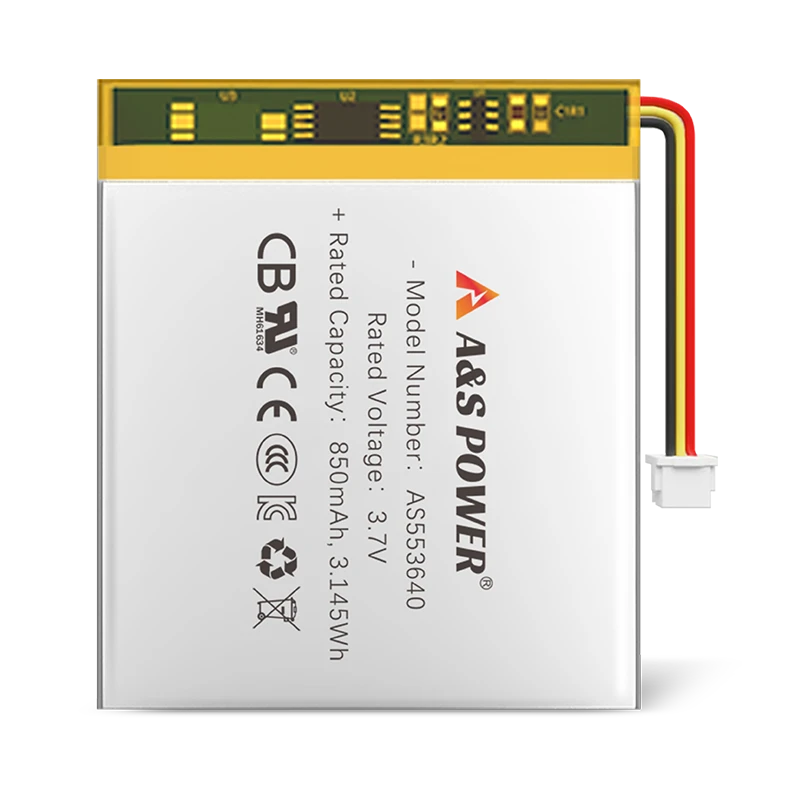
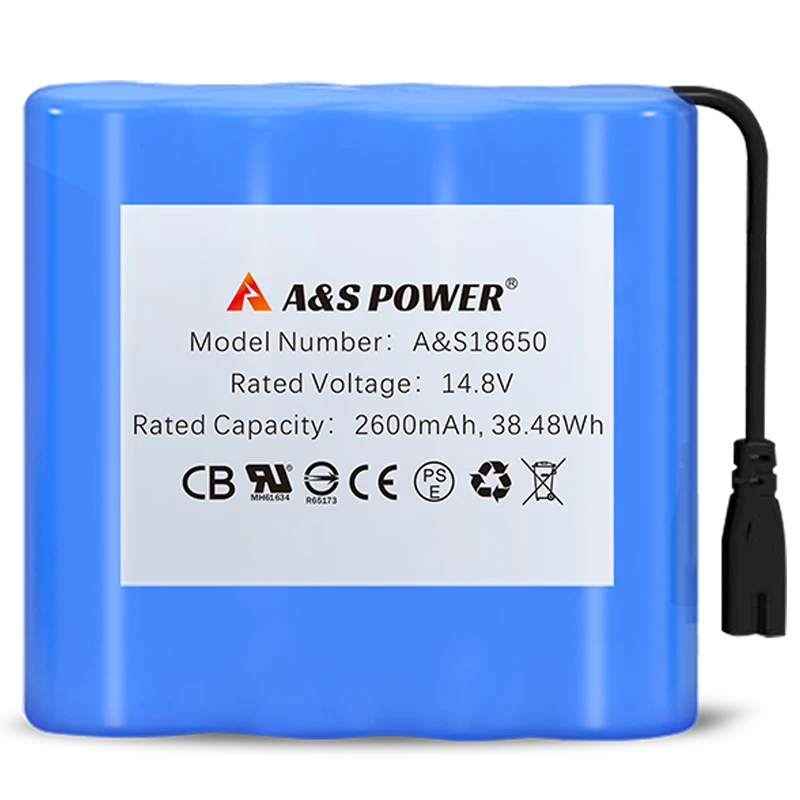
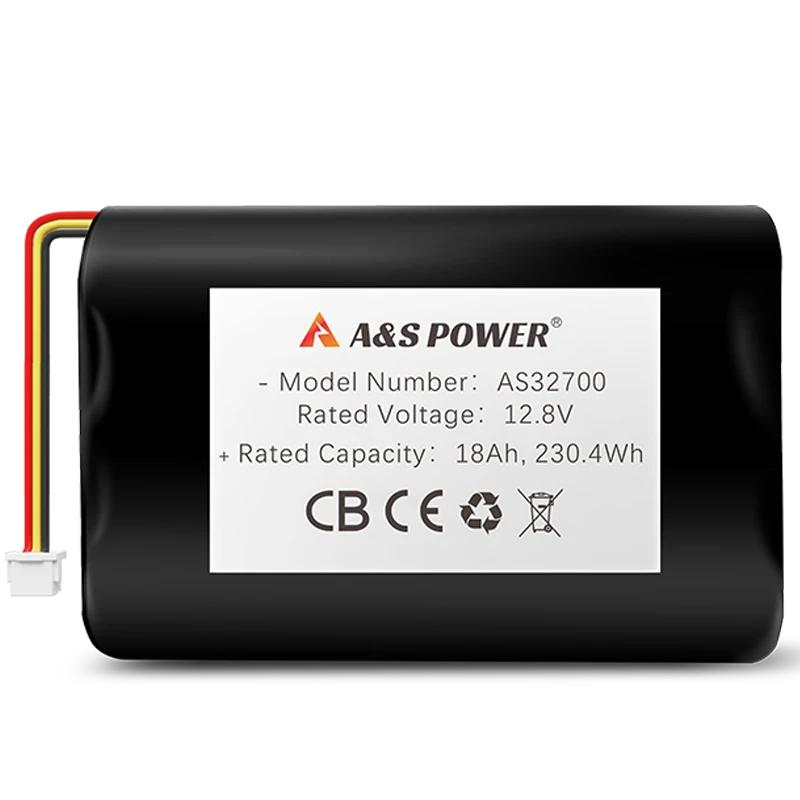


Custom High Discharge Rate LiPo Battery Pack for OEM Devices
Quick Answer:
A custom high discharge rate LiPo battery pack is a lithium polymer battery solution designed to deliver higher continuous and peak current output compared with standard rechargeable batteries. By using specialized lithium polymer cells with optimized electrode materials, lower internal resistance, and customized battery management systems (BMS), high discharge LiPo packs can support power-hungry applications such as drones, robotics, portable medical equipment, industrial tools, and advanced consumer electronics.
For OEM projects, selecting the right battery manufacturer is critical because discharge performance depends not only on the battery cell itself but also on pack design, protection circuits, thermal management, connectors, and manufacturing quality.
Introduction
Why High Discharge LiPo Batteries Are Becoming Essential
In today’s rapidly evolving electronics industry, battery performance is no longer measured only by capacity. For many modern devices, especially those requiring instant power output, discharge capability has become one of the most important battery specifications.
When I work with OEM customers developing portable electronic products, one of the most common requirements I receive is:
“We need a battery pack that can provide higher current output without increasing size or weight.”
This requirement has driven the growing demand for custom high discharge rate lithium polymer battery packs.
Unlike conventional lithium-ion batteries designed mainly for energy storage, high discharge LiPo batteries are engineered for applications where the battery must release energy quickly and efficiently.
Typical examples include:
- UAV and drone systems
- Autonomous robots
- Electric tools
- Industrial inspection equipment
- Medical devices requiring motor operation
- Smart wearable devices
- Portable communication equipment
- High-performance consumer electronics
According to industry research, lithium-ion batteries continue to dominate rechargeable energy storage because of their high energy density, long cycle life, and flexible form factors. Lithium polymer batteries have gained additional advantages in applications requiring thin designs, custom shapes, and high power output.
As a professional lithium battery manufacturer, I have found that successful battery customization requires balancing several factors:
- Discharge rate
- Capacity
- Voltage
- Size limitations
- Thermal performance
- Safety requirements
- Product lifecycle expectations
A high discharge battery is not simply a battery with a larger capacity. It is a carefully engineered power system.
What Is a Custom High Discharge Rate LiPo Battery Pack?
A custom high discharge rate LiPo battery pack is a rechargeable lithium polymer battery assembly specifically designed to deliver large amounts of electrical current within a short period.
The term “high discharge rate” refers to how quickly the battery can release stored energy compared with its rated capacity.
This capability is commonly measured by C-rate.
For example:
- A 1C battery can theoretically discharge its full capacity in one hour.
- A 10C battery can deliver ten times its rated capacity current.
- A 20C battery can provide even higher current output.
For example:
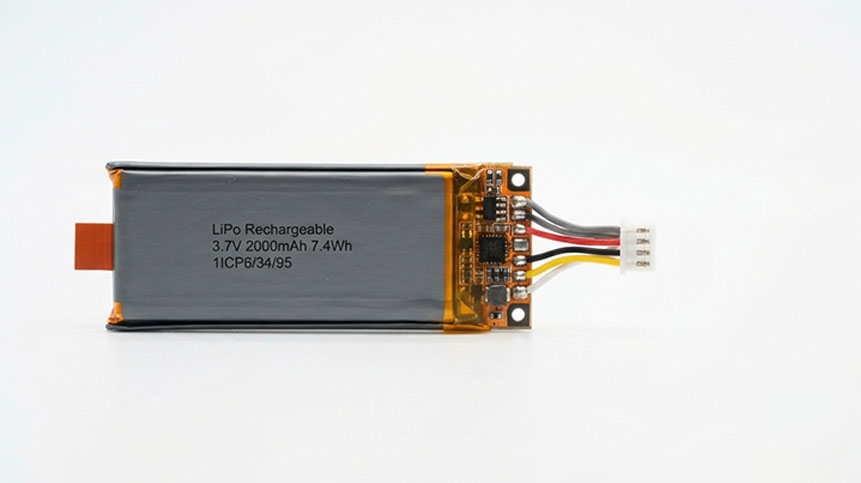
A 3.7V 2000mAh LiPo battery:
Capacity:
2000mAh = 2Ah
At:
-
1C discharge: 2A continuous current
-
10C discharge: 20A continuous current
-
20C discharge: 40A continuous current
This makes high discharge LiPo batteries ideal for devices requiring sudden bursts of power.
High Discharge LiPo Battery vs Standard LiPo Battery
Although all lithium polymer batteries use similar fundamental chemistry, their internal construction determines their performance characteristics.
The main differences include:
| Feature | Standard LiPo Battery | High Discharge LiPo Battery |
|---|---|---|
| Main purpose | Long operating time | High power output |
| Discharge rate | Usually 1C–5C | Commonly 10C–50C+ |
| Internal resistance | Higher | Lower |
| Peak current ability | Limited | Excellent |
| Heat generation | Higher under heavy load | Better thermal control |
| Typical applications | Wearables, IoT, portable electronics | Drones, robots, motors, industrial equipment |
| Cell design focus | Energy density | Power density |
A standard battery may provide excellent runtime but fail when a device suddenly demands high current.
For example, a drone motor requires a rapid increase in power during takeoff or acceleration. A battery with insufficient discharge capability may experience:
- Voltage drop
- Reduced performance
- Excessive heat generation
- Shortened battery lifespan
A high discharge LiPo battery solves this problem by reducing internal resistance and improving current flow efficiency.
Why Choose Lithium Polymer Technology for High Discharge Applications?
Lithium polymer batteries have several advantages compared with traditional cylindrical lithium-ion batteries.
1. Flexible Custom Shapes
One of the biggest advantages of LiPo technology is design flexibility.
Unlike cylindrical cells such as 18650 or 21700 batteries, LiPo pouch cells can be customized into:
- Ultra-thin formats
- Curved designs
- Long rectangular shapes
- Compact irregular structures
This is especially valuable for:
- Medical equipment
- Wearable devices
- Smart terminals
- Portable instruments
For OEM engineers, this means the battery can be designed around the product instead of forcing the product around the battery.
2. Lower Internal Resistance for Higher Current Output
Internal resistance directly affects discharge performance.
When current passes through a battery, resistance creates heat.
The relationship can be explained by:
Power loss = I²R
Where:
- I = discharge current
- R = internal resistance
The higher the current, the more significant the heat loss becomes.
High discharge LiPo cells use optimized electrode materials and manufacturing processes to reduce resistance.
Lower resistance provides:
- Higher efficiency
- Better voltage stability
- Lower heat generation
- Longer operational reliability
3. Excellent Power-to-Weight Ratio
Many portable devices require maximum power with minimum weight.
LiPo batteries provide:
- High energy density
- Lightweight packaging
- Thin profile
- Customizable dimensions
This makes them widely used in aerospace, robotics, and portable electronics.
For example:
A drone manufacturer may prioritize:
- Battery weight reduction
- High peak current
- Fast acceleration
rather than simply choosing the largest capacity battery.
How Does a High Discharge Rate LiPo Battery Work?
A high discharge rate LiPo battery pack works by optimizing the internal electrochemical structure of the lithium polymer cell to allow lithium ions and electrons to move faster during discharge.
In a conventional battery, the limitation is not only the amount of stored energy but also how quickly that energy can be released.
When a high-power device starts operating, the battery must instantly provide sufficient current. If the battery cannot handle the demand, several problems occur:
- Voltage sag
- Reduced equipment performance
- Battery overheating
- Shorter cycle life
- Protection circuit shutdown
A high discharge LiPo battery addresses these problems through several design improvements:
- Lower internal resistance cell design
- High-performance electrode materials
- Optimized separator structure
- Advanced electrolyte formulation
- Customized protection circuit design
- Improved thermal management
From my experience working with OEM battery projects, the battery cell is only one part of the solution. The complete battery pack design determines whether the final product can achieve stable high-current performance.
Understanding C-Rating in High Discharge LiPo Batteries
The C-rating is one of the most important specifications when selecting a high discharge LiPo battery.
Many customers initially focus only on capacity, such as 2000mAh or 5000mAh. However, for high-power applications, the discharge rating is equally important.
What Does C-Rating Mean?
The C-rating represents the maximum discharge current relative to the battery capacity.
The formula is:
Maximum Continuous Current (A) = Battery Capacity (Ah) × C-Rating
Example:
A 3.7V 3000mAh LiPo battery:
Capacity: 3Ah
If rated at:
5C discharge:
3Ah × 5C = 15A
The battery can continuously provide approximately 15A.
20C discharge:
3Ah × 20C = 60A
The battery can theoretically provide approximately 60A.
Common LiPo Discharge Ratings
| Battery Type | Typical C-Rate | Current Capability | Common Applications |
|---|---|---|---|
| Standard LiPo | 1C–3C | Low current | IoT devices, sensors |
| Medium discharge LiPo | 3C–10C | Moderate current | Portable electronics |
| High discharge LiPo | 10C–30C | High current | Robotics, drones |
| Extreme discharge LiPo | 30C+ | Very high current | Racing drones, special equipment |
It is important to understand that higher C-ratings usually require trade-offs.
A very high discharge battery may have:
- Lower energy density
- Increased production cost
- Larger cell size
- Different thermal requirements
Therefore, battery selection should always match the actual application requirements.
Key Factors Affecting LiPo Battery Discharge Performance
A high discharge battery is created through multiple engineering decisions. The following factors directly influence performance.
1. Electrode Material Selection
The positive and negative electrode materials strongly affect battery power output.
High discharge LiPo batteries generally require materials optimized for:
- Faster lithium-ion movement
- Better conductivity
- Reduced polarization
- Lower resistance
The balance between energy density and power density is critical.
Energy density determines how long the battery operates.
Power density determines how quickly energy can be delivered.
For example:
A medical monitoring device may prioritize energy density.
A robotic actuator may prioritize power density.
2. Internal Resistance Optimization
Internal resistance is one of the most important indicators of high discharge capability.
A battery with lower resistance can:
- Deliver more current
- Maintain stable voltage
- Generate less heat
The relationship between current and heat generation follows:
Heat Loss = Current² × Resistance
This means even a small reduction in resistance can significantly improve performance during high-current operation.
For example: At 30A discharge:
Battery A: Internal resistance = 20mΩ
Battery B: Internal resistance = 5mΩ
Battery B generates significantly less heat under the same load.
3. Battery Management System (BMS) Design
For multi-cell LiPo battery packs, the BMS plays an essential role.
A properly designed BMS provides:
- Overcharge protection
- Over-discharge protection
- Over-current protection
- Short circuit protection
- Temperature monitoring
- Cell balancing
A high discharge battery pack without a suitable protection system may not provide reliable long-term performance.
During OEM customization, I usually evaluate:
- Maximum continuous current
- Peak current requirement
- Charging current
- Operating temperature
- Communication requirements
before selecting the appropriate protection solution.
High Discharge LiPo Battery Applications Across Industries
The demand for custom high discharge LiPo battery packs is increasing because more electronic devices require compact but powerful energy sources.
1. Drone and UAV Battery Packs
Drones are among the most common applications for high discharge lithium polymer batteries.
During:
- Takeoff
- Rapid acceleration
- Wind resistance correction
- Payload lifting
the motors require sudden increases in current.
A battery with insufficient discharge capability may cause:
- Reduced flight stability
- Shorter flight time
- Motor performance limitations
Typical drone battery requirements:
| Parameter | Typical Requirement |
|---|---|
| Voltage | 7.4V / 11.1V / 14.8V |
| Cell configuration | 2S–6S |
| Discharge rate | 15C–50C |
| Priority | High power output + lightweight |
2. Robotics and Automation Equipment
Modern robots require batteries capable of supporting:
- Motors
- Sensors
- Controllers
- Wireless communication modules
Robotics applications often experience changing power demands.
For example:
A robotic arm may require:
- Low current during standby
- High current during movement
A custom LiPo battery pack provides the flexibility required for these dynamic conditions.
Common requirements include:
- Compact size
- High discharge capability
- Long cycle life
- Stable voltage output
3. Medical Equipment Battery Solutions
Medical devices require extremely reliable battery performance.
Applications include:
- Portable ultrasound equipment
- Patient monitoring systems
- Infusion pumps
- Diagnostic instruments
A medical battery pack must balance:
- Safety
- Reliability
- Weight
- Runtime
Unlike consumer products, medical equipment usually requires stricter quality control.
Typical certifications may include:
- IEC 62133
- UN38.3
- CE
- RoHS
- UL-related battery safety standards depending on market requirements
(Actual certification requirements depend on the final product design and destination market.)
4. Industrial Portable Equipment
Industrial devices often operate in demanding environments.
Examples:
- Inspection tools
- Measurement equipment
- Emergency devices
- Portable communication systems
These products require batteries that can:
- Deliver stable power
- Operate under vibration
- Support frequent charging cycles
- Maintain safety under heavy loads
High Discharge LiPo Battery Pack Design Parameters
When developing a custom battery pack, engineers need to evaluate several technical parameters.
| Design Parameter | Importance |
|---|---|
| Nominal Voltage | Determines device compatibility |
| Capacity (mAh/Ah) | Determines runtime |
| Maximum Continuous Discharge | Determines sustained power output |
| Peak Discharge Current | Determines short-term power capability |
| Battery Size | Determines mechanical integration |
| Weight | Affects product portability |
| Operating Temperature | Determines environmental suitability |
| Charging Specification | Affects safety and lifespan |
| Protection Circuit | Ensures reliable operation |
How to Select the Right Custom High Discharge LiPo Battery Manufacturer
Choosing the correct battery supplier is one of the most important decisions for OEM product development.
A professional manufacturer should provide:
Engineering Support
A reliable supplier should help with:
- Battery chemistry selection
- Cell configuration
- Voltage design
- Protection circuit design
- Connector selection
- Mechanical integration
The battery should be designed according to the application, not simply selected from an existing catalog.
Manufacturing Capability
For custom LiPo projects, evaluate:
- Production experience
- Quality management system
- Testing capability
- Customization flexibility
- Supply stability
A&S Power, for example, focuses on customized lithium battery solutions including lithium polymer battery packs, Li-ion battery packs, and LiFePO4 battery solutions for OEM customers.
How Are Custom High Discharge Rate LiPo Battery Packs Manufactured?
Developing a custom high discharge rate LiPo battery pack requires more than selecting a high-performance cell. A reliable battery solution must integrate cell technology, electrical design, mechanical structure, protection systems, and manufacturing quality control.
From my experience working with OEM customers, the most successful battery projects usually begin with a detailed understanding of the final product requirements.
Before manufacturing begins, engineers need to define:
- Required operating voltage
- Battery capacity
- Continuous discharge current
- Peak discharge current
- Available installation space
- Charging requirements
- Operating environment
- Expected product lifetime
A professional battery manufacturer converts these requirements into a complete battery design.
Step-by-Step Custom LiPo Battery Pack Development Process
Step 1: Application Analysis and Battery Requirement Evaluation
The first stage is understanding how the battery will be used.
A battery designed for a drone is completely different from one designed for a medical device.
During technical evaluation, engineers normally review:
| Requirement | Example Questions |
|---|---|
| Power demand | How much current does the device require? |
| Operating time | How long should the device run per charge? |
| Physical size | What installation space is available? |
| Environment | Indoor, outdoor, high temperature, vibration? |
| Safety requirements | What certifications are required? |
| Charging method | Standard charger or customized charging system? |
This step prevents common problems such as insufficient current output, overheating, or reduced battery life.
Step 2: LiPo Cell Selection
Selecting the correct lithium polymer cell is one of the most important decisions.
A high discharge application requires cells optimized for power delivery rather than only capacity.
Key selection factors include:
Energy Density
Determines how much energy can be stored.
Formula: Energy (Wh) = Voltage × Capacity (Ah)
Example: A 3.7V 5000mAh battery: 3.7V × 5Ah = 18.5Wh
Power Density
Determines how quickly energy can be delivered.
High discharge batteries require:
- Low impedance
- Efficient ion movement
- Stable temperature performance
Cell Thickness and Shape
LiPo pouch cells provide excellent customization flexibility.
Common customized structures include:
- Ultra-thin battery packs
- Long narrow battery packs
- Multi-layer stacked designs
- Special-shaped battery packs
This advantage is especially valuable for compact electronic products.
Step 3: Battery Pack Electrical Design
After selecting the cell, engineers design the battery configuration.
Common configurations include:Single Cell Configuration
Example: 3.7V 2000mAh
Used for:
- Wearable devices
- Portable electronics
- Small medical equipment
Series Configuration
Example:
2S LiPo battery: 3.7V × 2 = 7.4V
Used for:
- Drones
- Robotics
- Industrial equipment
Parallel Configuration
Example:
Two 2000mAh cells connected in parallel:
Capacity: 2000mAh + 2000mAh = 4000mAh
Advantages:
- Higher capacity
- Higher current capability
Series + Parallel Configuration
Example:
3S2P:
- Higher voltage
- Higher capacity
- Higher discharge capability
Used in:
- UAV systems
- Robotics platforms
- Industrial applications
Step 4: Protection Circuit and Battery Management System Design
A high discharge battery pack must include proper protection.
The protection circuit board (PCB/PCM) or BMS protects against abnormal conditions.
Important protection functions include:
Overcharge Protection
Prevents charging voltage from exceeding safe limits.
Over-discharge Protection
Prevents excessive battery depletion, which may permanently damage the cell.
Over-current Protection
Critical for high discharge applications.
It prevents excessive current flow caused by:
- Motor stall
- Short circuit
- Electrical failure
Temperature Protection
High-current discharge generates heat.
Temperature monitoring helps maintain safe operation.
Step 5: Battery Assembly and Quality Control
During manufacturing, battery packs undergo multiple production inspections.
Typical processes include:
Cell Inspection
Checking:
- Voltage consistency
- Internal resistance
- Appearance
- Capacity performance
Welding Process
Reliable connections require:
- Controlled welding parameters
- Strong electrical contact
- Low resistance connections
Functional Testing
Testing includes:
- Charge test
- Discharge test
- Protection function test
- Current output verification
Aging Test
Battery packs may undergo aging cycles to confirm:
- Stable performance
- Protection reliability
- Capacity consistency
Safety Standards and Certifications for High Discharge LiPo Battery Packs
Safety certification is an important consideration for global OEM customers.
The required certifications depend on:
- Battery chemistry
- Product category
- Shipping requirements
- Target market regulations
Common standards include:
UN38.3 Transportation Testing
Lithium batteries transported internationally generally require UN38.3 testing.
This standard evaluates battery safety during transportation conditions, including:
- Altitude simulation
- Temperature changes
- Vibration
- Shock
- External short circuit
- Overcharge testing
For companies exporting lithium battery products globally, UN38.3 compliance is an essential requirement.
Reference: https://unece.org/
IEC 62133 Battery Safety Standard
IEC 62133 is one of the most recognized international safety standards for rechargeable lithium batteries.
It evaluates:
- Electrical safety
- Mechanical safety
- Abuse testing
- Reliability performance
Many consumer electronics and industrial applications require IEC 62133 certified battery solutions.
Reference: https://www.iec.ch/
UL Battery Safety Standards
For the North American market, UL standards are widely recognized.
Common battery-related standards include:
- UL 1642 for lithium cells
- UL 2054 for household and commercial battery packs
Reference: https://www.ul.com/
Why OEM Companies Choose A&S Power for Custom LiPo Battery Solutions
At A&S Power, we focus on providing customized lithium battery solutions for global OEM customers.
Our engineering team supports customers from initial concept through mass production.
Our custom battery capabilities include:
- Custom lithium polymer battery packs
- High discharge LiPo battery solutions
- Li-ion battery packs
- LiFePO4 battery packs
- Custom voltage and capacity design
- Customized connectors and protection circuits
With more than 15 years of experience in lithium battery manufacturing, we work with customers across industries including:
- Medical equipment
- Smart devices
- Industrial electronics
- Portable equipment
- Consumer electronics
Our goal is not only to provide a battery cell, but to deliver a complete and reliable power solution.
Conclusion
The demand for custom high discharge rate LiPo battery packs continues to grow as electronic products become more powerful, compact, and intelligent.
High-performance applications require batteries that can provide:
- Higher current output
- Stable voltage performance
- Lightweight construction
- Flexible customization
- Reliable safety protection
A successful battery solution requires cooperation between the product designer and battery manufacturer.
From cell selection and electrical design to protection systems and certification testing, every stage influences final performance.
At A&S Power, we believe that a battery is not simply an energy storage component. It is a critical part of product performance and user experience.
By combining lithium polymer battery technology, engineering expertise, and OEM manufacturing capability, we help global customers develop reliable customized battery solutions for next-generation devices.
FAQ
1. What is a high discharge rate LiPo battery pack?
A high discharge rate LiPo battery pack is a lithium polymer battery designed to provide higher current output for applications requiring fast power delivery, such as drones, robotics, medical devices, and industrial equipment.
2. How is LiPo battery discharge rate measured?
The discharge rate is measured by C-rating. A higher C-rating means the battery can deliver more current compared with its capacity. For example, a 3000mAh battery rated at 20C can theoretically provide up to 60A discharge current.
3. Can I customize a high discharge LiPo battery pack?
Yes. Custom LiPo battery packs can be designed with different voltages, capacities, sizes, connectors, and protection circuits according to specific product requirements.
4. What applications use high discharge LiPo batteries?
High discharge LiPo batteries are widely used in drones, UAVs, robotics, portable medical equipment, industrial tools, and other devices requiring high power output and stable performance.
5. What certifications are available for custom LiPo battery packs?
Depending on the market and application, custom LiPo battery packs can support certifications and tests such as UN38.3, IEC62133, UL1642, UL2054, CE, and RoHS.
6. How do I choose a custom high discharge LiPo battery manufacturer?
A reliable manufacturer should provide battery engineering support, custom design capability, quality control, certification support, and experience with OEM battery projects.
-

 May.2026.08.0521700 Battery Pack with BMS: Design, Safety and Custom SolutionsLearn More
 -
 May.2026.08.04Smart Beauty Equipment Battery Pack ManufacturerLearn More
 -
 May.2026.08.04High Reliability Polymer Battery for Handheld Dental DevicesLearn More
 -
 May.2026.08.04Ultra Thin Lithium Polymer Battery 0.4mm 0.5mm Custom GuideLearn More
 -
 May.2026.07.30Smoke Detector Battery Guide: Choosing the Right Battery for Reliable Fire ProtectionLearn More