




Custom LiPo Procurement: A 6-Step Decision Matrix for OEMs
Quick Answer:
Selecting the right custom LiPo battery supplier involves much more than comparing prices. OEM buyers should evaluate technical expertise, certification compliance, manufacturing capability, quality control, supply chain stability, and long-term engineering support. A structured decision matrix helps reduce sourcing risks, improve product reliability, and shorten development cycles.
Why Does a Structured Procurement Process Matter?
As a custom lithium polymer battery manufacturer, we've learned that successful OEM projects rarely depend on price alone. The battery becomes a core component of the finished product, influencing safety, product lifespan, certification, and customer satisfaction.
Whether you're developing medical equipment, wearable electronics, industrial devices, GPS trackers, or portable consumer products, choosing the wrong supplier can result in delayed production, certification failures, or costly redesigns.
A systematic procurement strategy enables engineering, purchasing, and quality teams to evaluate suppliers using consistent technical standards instead of subjective opinions.
The 6-Step Decision Matrix for Custom LiPo Procurement
| Evaluation Factor | Why It Matters | Recommended Priority |
|---|---|---|
| Technical Design Capability | Supports custom voltage, capacity, size, PCM, connectors, and battery integration | ★★★★★ |
| Certifications & Compliance | Confirms compliance with UL, IEC 62133, UN38.3, CE, RoHS, CB and regional regulations | ★★★★★ |
| Manufacturing Quality | Stable production processes improve battery consistency and reliability | ★★★★★ |
| Supply Chain Stability | Reliable cell sourcing reduces delivery risks and quality variation | ★★★★☆ |
| Engineering & Project Support | Faster design validation and technical communication shorten development time | ★★★★☆ |
| Long-Term Partnership | Continuous support for future product upgrades and volume production | ★★★★☆ |
Step 1: Evaluate Engineering and Customization Capability
Every OEM application has unique power requirements.
An experienced supplier should provide:
- Custom battery dimensions
- Flexible cell selection
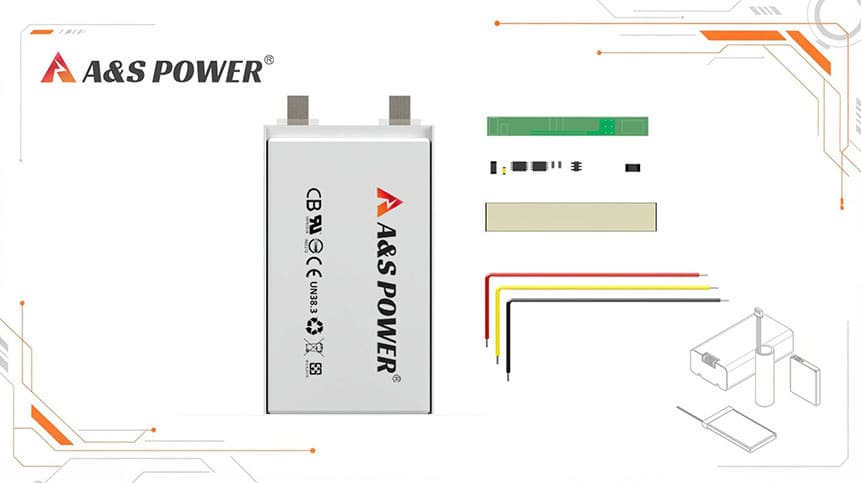
- PCM/BMS integration
- Wire harness customization
- Connector options
- Thermal protection design
- Mechanical drawing support
- Prototype development
The earlier engineering teams communicate, the fewer design revisions are required during mass production.
Step 2: Verify Certifications and Regulatory Compliance
Battery compliance is essential for both product safety and international market access.
Depending on your target market, your supplier should support certifications and testing such as:
These documents help simplify downstream product certification and reduce compliance risks during international shipments.
Step 3: Assess Manufacturing and Quality Control
Reliable battery performance begins with stable manufacturing.
When evaluating suppliers, ask about:
- Incoming material inspection
- Cell matching procedures
- Automated spot welding
- Capacity grading
- Aging tests
- Final electrical inspection
- Traceability systems
Consistent production processes typically lead to lower defect rates and better long-term battery performance.
Step 4: Review Supply Chain Stability
A battery manufacturer is only as reliable as its upstream supply chain.
Consider whether the supplier:
- Works with reputable cell manufacturers
- Maintains safety stock
- Has multiple sourcing options
- Can support both prototype and mass production
- Provides realistic lead times
Supply chain resilience has become increasingly important as global demand for lithium batteries continues to grow.
Step 5: Evaluate Technical Support Throughout the Project
Strong engineering communication often determines project success.
A capable supplier should assist with:
- Battery selection
- CAD drawing review
- Prototype optimization
- Certification preparation
- Testing recommendations
- Packaging solutions
- After-sales technical support
Responsive engineering teams help reduce project delays and improve product development efficiency.
Step 6: Focus on Long-Term Value Instead of Lowest Cost
The lowest quotation rarely represents the lowest overall project cost.
When comparing suppliers, consider factors such as:
- Product consistency
- Delivery reliability
- Engineering responsiveness
- Warranty support
- Future customization capability
- Production scalability
A dependable manufacturing partner can reduce total ownership costs over the product lifecycle by minimizing quality issues, redesigns, and supply interruptions.
Conclusion
Choosing a custom LiPo battery supplier requires balancing technical capability, manufacturing quality, compliance, and long-term collaboration. By following a structured six-step decision matrix, OEM buyers can make more informed sourcing decisions while reducing technical and commercial risks. At A&S Power, we believe successful battery projects begin with transparent communication, engineering expertise, and a commitment to quality throughout every stage of production.
FAQ
Q1: How do I choose a reliable custom LiPo battery manufacturer?
Look for suppliers with proven engineering experience, international certifications, robust quality management systems, customization capabilities, and responsive technical support.
Q2: What certifications should an OEM LiPo battery supplier provide?
Common certifications include UL1642, IEC 62133, UN38.3, CE, RoHS, and CB, depending on your target market and application.
Q3: Why is engineering support important during battery procurement?
Engineering support helps optimize battery design, improve compatibility, shorten development time, and reduce the risk of production issues.
Q4: Is the lowest-priced battery supplier always the best choice?
Not necessarily. Total project cost includes product quality, reliability, certification support, lead time, and after-sales service—not just the initial purchase price.
Q5: What information should OEMs prepare before requesting a quotation?
Prepare your required voltage, capacity, battery dimensions, discharge current, connector type, expected operating environment, annual demand, and target certifications.
-

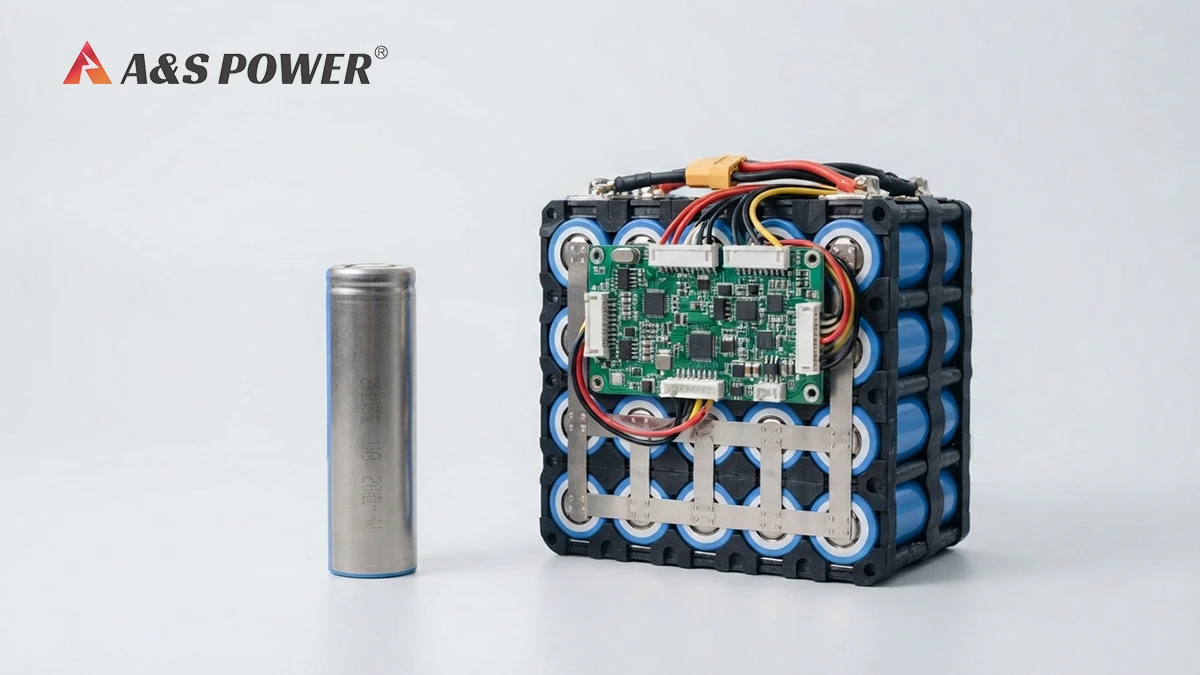 May.2026.08.0521700 Battery Pack with BMS: Design, Safety and Custom SolutionsLearn More
 -
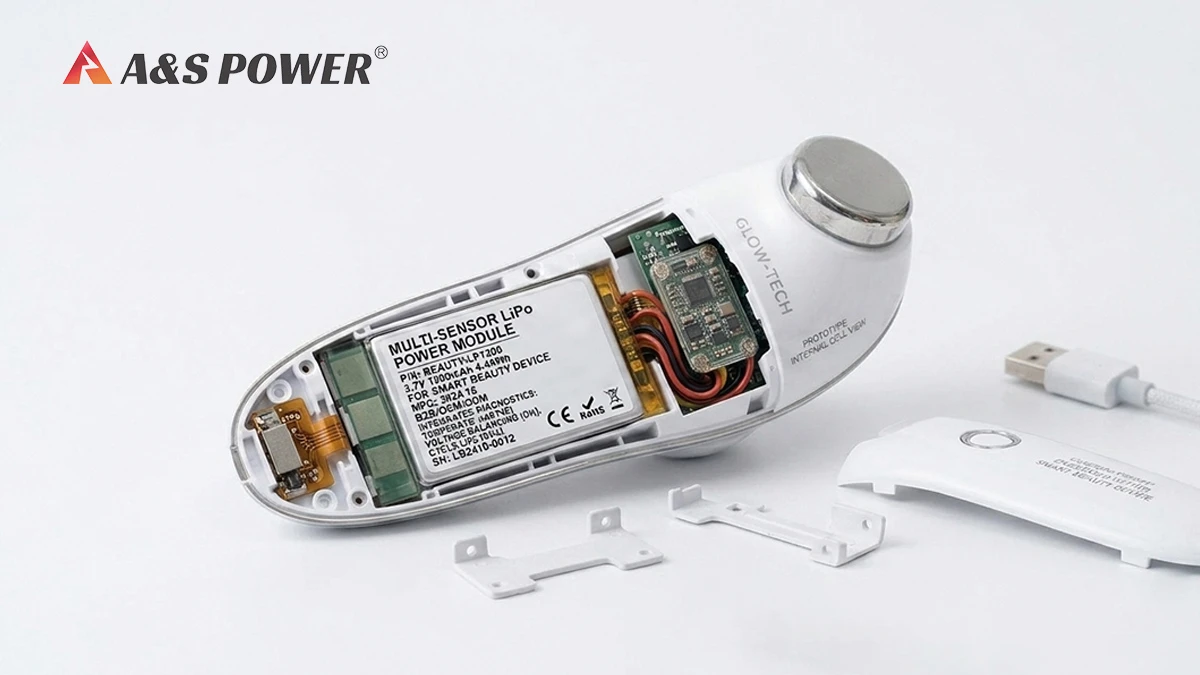 May.2026.08.04Smart Beauty Equipment Battery Pack ManufacturerLearn More
 -
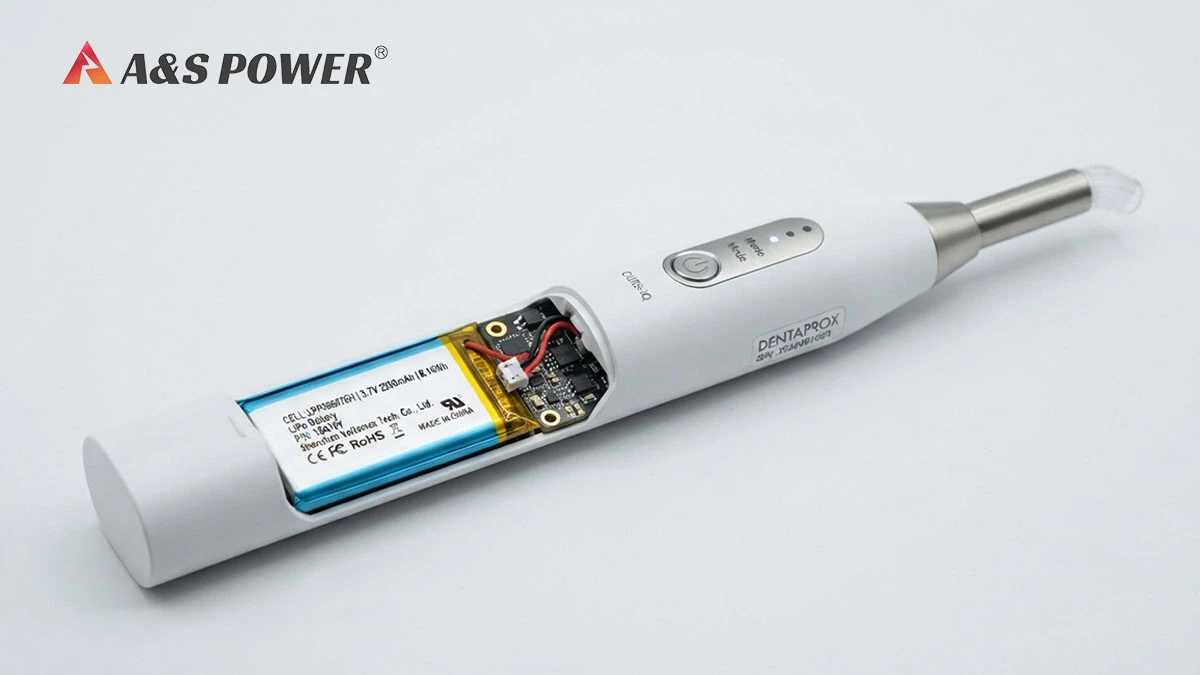 May.2026.08.04High Reliability Polymer Battery for Handheld Dental DevicesLearn More
 -
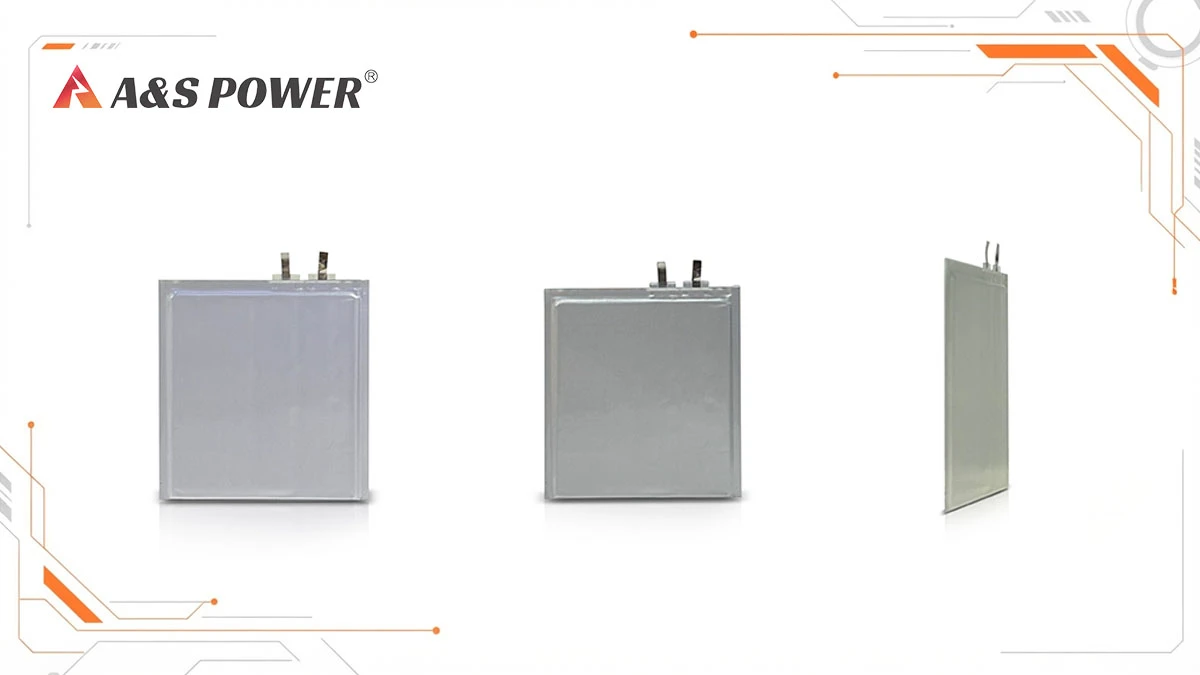 May.2026.08.04Ultra Thin Lithium Polymer Battery 0.4mm 0.5mm Custom GuideLearn More
 -
 May.2026.07.30Smoke Detector Battery Guide: Choosing the Right Battery for Reliable Fire ProtectionLearn More