




How to Choose an OEM GPS Tracker Battery Supplier
Quick Answer:
If you're looking for a dependable GPS tracker battery manufacturer, prioritize suppliers that offer custom battery engineering, certified manufacturing, stable cell quality, comprehensive safety testing, and flexible OEM/ODM capabilities. A high-quality GPS tracker battery should deliver long operating life, stable voltage, excellent cycle performance, and reliable operation across different environmental conditions. Choosing an experienced manufacturer helps reduce product failures, shorten development time, and improve your device's overall reliability.
Introduction
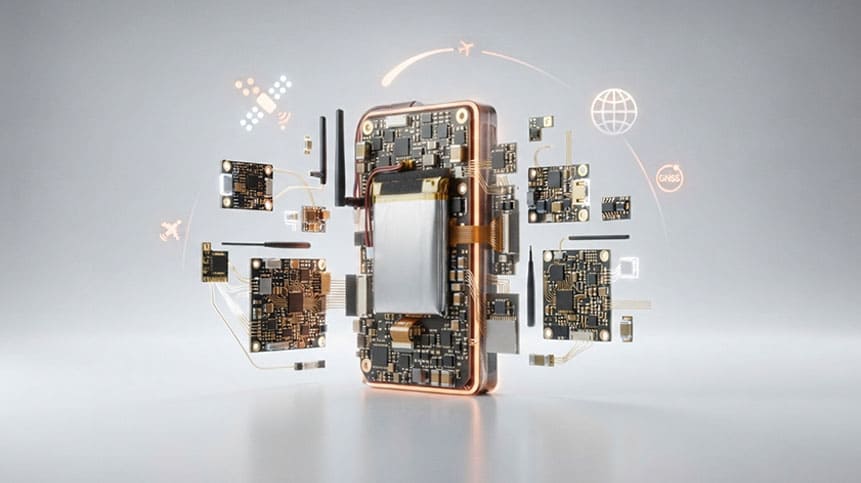
GPS tracking devices have become indispensable across industries. They enable businesses to monitor vehicle fleets, track valuable assets, manage logistics, protect personal property, and support wearable safety devices. As GPS technology continues to evolve toward smaller, smarter, and more connected products, battery performance has become one of the most critical factors influencing overall device reliability.
As a custom lithium battery manufacturer, we've worked with customers developing GPS trackers for vehicle telematics, asset monitoring, pet tracking, personal safety, logistics, and industrial IoT. One lesson consistently stands out: even the most advanced GPS chipset cannot compensate for a poorly designed battery system. Battery capacity, discharge stability, charging efficiency, operating temperature, and long-term reliability directly affect device performance and user satisfaction.
Modern GPS trackers often operate continuously in demanding environments. Some require ultra-compact batteries for wearable products, while others need high-capacity battery packs capable of powering remote assets for weeks or even months between charges. Different applications demand different battery chemistries, protection circuits, connector types, and mechanical designs.
This guide explains how to evaluate a professional GPS tracker battery manufacturer, compare battery technologies, understand key engineering considerations, and select the right OEM partner for your project.
Why Battery Quality Matters in GPS Tracking Devices
Unlike many consumer electronics that are recharged daily, GPS trackers often operate unattended for extended periods. Their batteries must provide consistent power while maintaining safety and reliability under varying environmental conditions.
Battery quality influences nearly every aspect of device performance, including:
- Tracking duration between charges
- Positioning accuracy during peak current demand
- Wireless communication stability
- Device size and weight
- Charging efficiency
- Overall product lifespan
- Customer satisfaction
- Warranty and maintenance costs
For IoT-based GPS trackers that communicate through LTE, NB-IoT, LoRaWAN, or Bluetooth, current consumption varies significantly during data transmission. A high-quality lithium battery maintains voltage stability during these peak loads, preventing unexpected shutdowns or communication failures.
Inferior batteries, by contrast, may exhibit rapid voltage drop, increased internal resistance, accelerated capacity loss, or poor performance in extreme temperatures, all of which can compromise the reliability of GPS tracking devices.
Common Battery Types Used in GPS Trackers
Different GPS tracker designs require different battery technologies. Selecting the appropriate chemistry depends on device size, operating time, charging frequency, and environmental conditions.
| Battery Type | Advantages | Typical Applications |
|---|---|---|
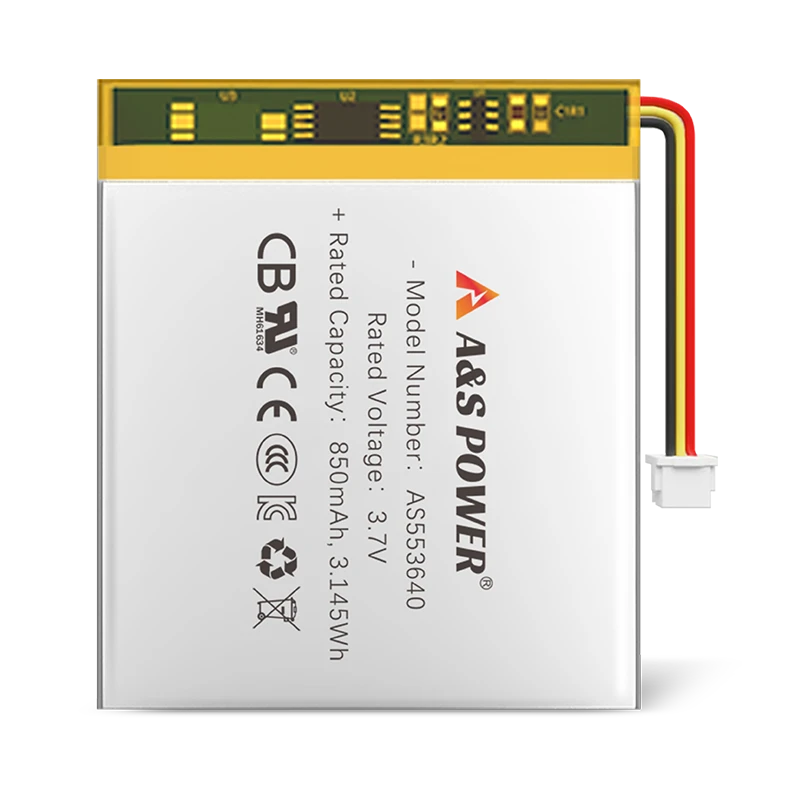
| Lithium Polymer (LiPo) | Ultra-thin, lightweight, customizable shapes | Personal GPS trackers, wearable devices, pet trackers |
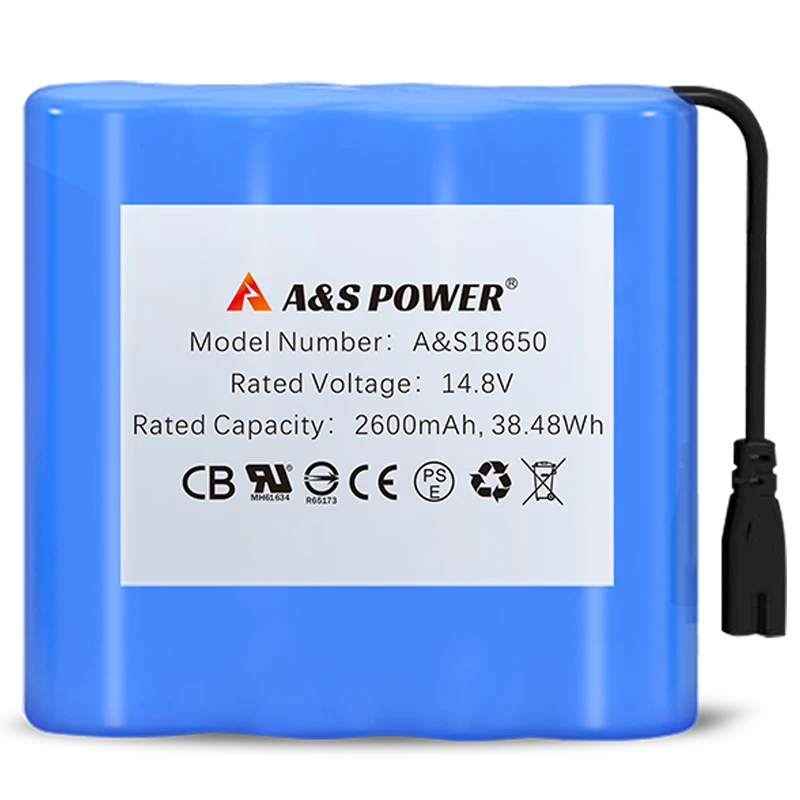
| Lithium-Ion (18650/21700) | High energy density, long runtime | Vehicle GPS trackers, industrial trackers |
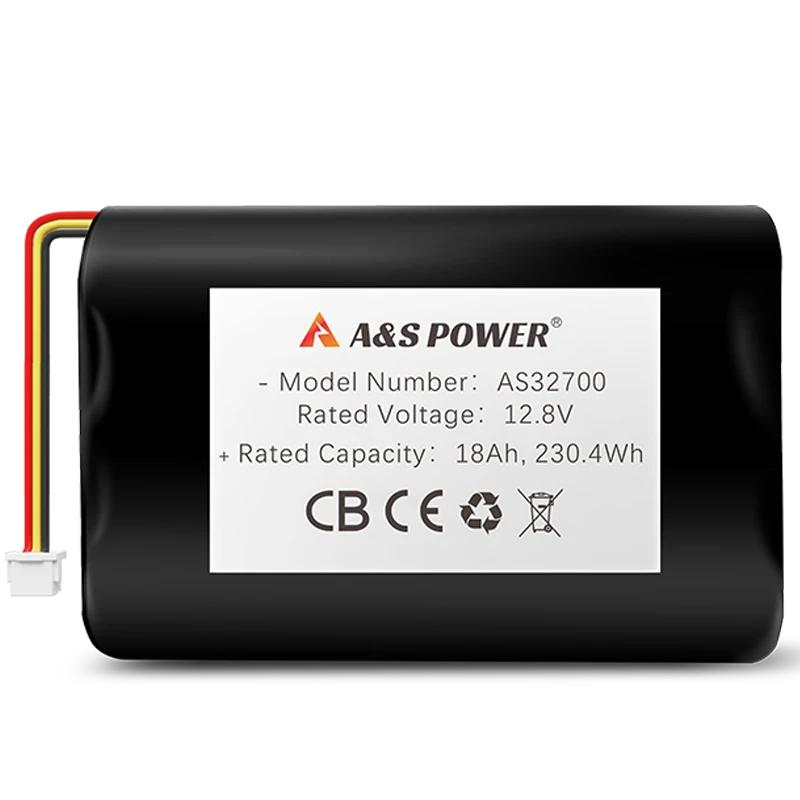
| LiFePO4 | Excellent safety, long cycle life | Fleet management, solar-powered GPS systems |
| Primary Lithium Batteries | Extremely long shelf life | Emergency beacons, military trackers, asset monitoring |
Among rechargeable solutions, Lithium Polymer batteries are particularly well suited for compact GPS trackers because they can be manufactured in customized sizes to maximize internal space utilization.
Key Features of a Professional GPS Tracker Battery Manufacturer
Choosing a battery manufacturer involves more than comparing prices. A reliable supplier should demonstrate strong engineering capabilities, strict quality control, and proven experience in custom battery development.
Custom Battery Design Capabilities
GPS trackers come in a wide range of form factors. Off-the-shelf batteries often fail to optimize available internal space or meet specific electrical requirements.
A capable manufacturer should provide:
- Customized battery dimensions
- Flexible capacity options
- Voltage configuration
- Connector customization
- Wire length customization
- PCM/BMS integration
- NTC temperature sensor integration
- Fuel gauge IC support
- Waterproof battery solutions where required
Custom engineering ensures the battery integrates seamlessly with the device, improving energy utilization and overall product performance.
Stable Cell Quality
The battery cell is the core component determining overall performance. Reputable manufacturers source cells from qualified suppliers with consistent production standards and rigorous quality control.
Key indicators of high-quality cells include:
- Low internal resistance
- Consistent capacity
- Excellent cycle life
- Low self-discharge rate
- Stable voltage platform
- Reliable high-rate discharge capability
Cell consistency is particularly important for GPS trackers deployed in large fleets, where uniform battery performance simplifies maintenance and improves operational reliability.
Comprehensive Safety Protection
Battery safety is essential for GPS devices used in vehicles, industrial equipment, wearable products, and outdoor environments.
A professionally designed GPS tracker battery typically incorporates multiple protection mechanisms, including:
- Overcharge protection
- Over-discharge protection
- Over-current protection
- Short-circuit protection
- Temperature monitoring
- Cell balancing (for multi-cell battery packs)
These features help prevent abnormal operating conditions and contribute to long-term system stability.
OEM & ODM Engineering Support
An experienced GPS tracker battery manufacturer offers more than battery production. Engineering collaboration during the product development stage can significantly reduce project risks and accelerate time to market.
Typical OEM/ODM services include:
- Battery selection recommendations
- Mechanical integration support
- Prototype development
- Connector matching
- Charging solution optimization
- Certification assistance
- Reliability testing
- Mass production planning
Working closely with customers from concept through production helps ensure the battery solution aligns with both technical requirements and manufacturing goals.
Quality Management System
Reliable manufacturers implement comprehensive quality management processes throughout production.
Common quality control measures include:
- Incoming material inspection
- Cell matching and grading
- Automated spot welding
- Capacity testing
- Aging tests
- Charge/discharge cycle testing
- Internal resistance measurement
- Final visual inspection
- Shipment sampling inspection
These procedures help maintain product consistency, reduce defect rates, and support long-term reliability across production batches.
How to Choose the Right GPS Tracker Battery Manufacturer
Selecting a battery supplier is a strategic decision rather than simply a purchasing task. The battery directly influences product reliability, safety, certification success, and long-term maintenance costs. Based on our experience supporting OEM and ODM battery projects, we recommend evaluating manufacturers using the following criteria.
Industry Experience
Experience matters because GPS trackers present unique design challenges. A manufacturer that has worked on GPS, telematics, IoT, or wearable electronics understands common requirements such as low standby current, compact battery dimensions, stable pulse discharge, and efficient charging.
Consider asking:
- How many years have they specialized in lithium battery manufacturing?
- Have they supplied batteries for GPS or IoT products?
- Can they provide customization instead of only standard models?
- Do they understand global compliance requirements?
A supplier with proven industry experience is generally better equipped to solve design issues before they become production problems.
Engineering and Customization Capability
Every GPS tracking device has different electrical and mechanical requirements. A strong engineering team should be able to customize nearly every aspect of the battery pack.
Typical customization options include:
| Customization Item | Why It Matters |
|---|---|
| Battery dimensions | Maximizes available internal space |
| Capacity | Balances runtime and product size |
| Voltage | Matches system power requirements |
| Wire length | Simplifies assembly |
| Connector type | Ensures compatibility with the PCB |
| PCM/BMS | Provides electrical protection |
| NTC sensor | Enables temperature monitoring |
| Labels & packaging | Supports OEM branding |
Manufacturers with in-house engineering can often shorten development cycles and reduce redesign costs.
Manufacturing Capability
Production capability directly affects consistency and delivery performance.
A professional GPS tracker battery manufacturer typically operates:
- Automated cell sorting systems
- Precision spot welding equipment
- Automatic insulation application
- Capacity grading equipment
- Battery aging lines
- Functional testing stations
- Traceability systems
- ESD-controlled production environments
Automation helps minimize human error while improving batch consistency.
Testing and Reliability Verification
Battery testing should go far beyond a simple capacity check. Comprehensive verification helps ensure stable performance under real operating conditions.
Typical tests include:
| Test Item | Purpose |
|---|---|
| Capacity Test | Confirms rated capacity |
| Internal Resistance | Evaluates cell consistency |
| Charge/Discharge Cycling | Measures cycle life |
| High-Temperature Storage | Assesses thermal stability |
| Low-Temperature Performance | Verifies cold-weather operation |
| Vibration Test | Simulates transportation conditions |
| Drop Test | Evaluates mechanical durability |
| Short-Circuit Test | Confirms protection circuit performance |
Reliable testing reduces field failures and increases customer confidence.
Battery Technologies Used in GPS Tracking Devices
Battery selection depends on application requirements rather than a single "best" chemistry. Different technologies offer different advantages.
| Feature | Lithium Polymer (LiPo) | Cylindrical Li-ion (18650/21700) | LiFePO4 |
|---|---|---|---|
| Energy Density | Excellent | Excellent | Moderate |
| Weight | Very Light | Moderate | Heavy |
| Custom Shapes | Excellent | Limited | Limited |
| Safety | Very Good | Very Good | Excellent |
| Cycle Life | 500–1,000+ cycles* | 500–1,000+ cycles* | 2,000–4,000+ cycles* |
| Compact Design | Excellent | Moderate | Moderate |
| GPS Wearables | ★★★★★ | ★★☆☆☆ | ★☆☆☆☆ |
| Vehicle Trackers | ★★★★☆ | ★★★★★ | ★★★★☆ |
| Industrial Equipment | ★★★☆☆ | ★★★★★ | ★★★★★ |
*Actual cycle life depends on cell quality, depth of discharge, charging conditions, and operating environment.
For compact GPS trackers, lithium polymer batteries are often preferred because they allow manufacturers to optimize internal space while maintaining lightweight designs.
GPS Tracker Applications and Battery Requirements
GPS tracking technology serves a wide range of industries, each with different battery performance priorities.
| Application | Battery Requirements |
|---|---|
| Vehicle Tracking | Long operating life, vibration resistance |
| Asset Tracking | Extended standby time, low self-discharge |
| Fleet Management | Stable communication performance |
| Pet Trackers | Lightweight, compact size |
| Personal Safety Devices | Fast charging, high reliability |
| Wearable GPS Devices | Ultra-thin customized batteries |
| Logistics Monitoring | Long cycle life and dependable operation |
| Industrial IoT | Wide operating temperature range |
Understanding the end-use environment helps manufacturers recommend the most suitable battery configuration.
Important Certifications for GPS Tracker Batteries
Compliance with international safety and transportation standards is essential for batteries used in commercial products. Depending on the destination market and application, manufacturers should be able to support relevant certifications.
Common certifications include:
| Certification | Purpose |
|---|---|
| IEC 62133 | Safety standard for portable rechargeable batteries |
| UL 2054 | Household and commercial battery pack safety |
| UL 1642 | Lithium cell safety evaluation |
| UN38.3 | Transportation testing for lithium batteries |
| CE | Compliance with European regulations |
| RoHS | Restriction of hazardous substances |
| CB Scheme | International certification recognition |
| KC | South Korea market access |
| PSE | Japan electrical safety compliance |
| BIS | India regulatory compliance |
Not every project requires every certification, but an experienced manufacturer should understand which approvals apply to your target markets and assist with the certification process.
Battery Design Considerations for GPS Devices
A successful GPS tracker battery design balances multiple engineering factors rather than focusing solely on capacity.
Key considerations include:
- Energy Density: Maximizes runtime within limited space.
- Peak Discharge Capability: Supports cellular or satellite communication bursts.
- Standby Efficiency: Reduces power consumption during idle periods.
- Charging Performance: Enables safe and efficient recharging.
- Operating Temperature: Ensures reliable performance in both hot and cold environments.
- Mechanical Integration: Fits securely within the device enclosure while withstanding vibration and shock.
- Protection Circuit Design: Safeguards against overcharge, over-discharge, overcurrent, and short circuits.
By optimizing these parameters together, manufacturers can deliver batteries that meet the practical demands of modern GPS tracking devices rather than simply achieving a higher capacity rating.
Why Work with A&S Power for GPS Tracker Battery Projects?
Choosing the right battery manufacturer is about more than sourcing components—it is about building a long-term engineering partnership. At A&S Power, we specialize in designing and manufacturing custom rechargeable lithium batteries for OEM and ODM projects across GPS tracking, IoT, medical devices, industrial equipment, smart wearables, and portable electronics.
Our engineering team works closely with customers from concept development to mass production, helping optimize battery size, capacity, connector selection, protection circuitry, and certification planning. Whether your project requires an ultra-compact LiPo battery for a wearable GPS tracker or a high-capacity lithium-ion battery pack for vehicle telematics, we can develop a solution tailored to your technical requirements.
What We Offer
- More than 15 years of lithium battery manufacturing experience
- Custom Lithium Polymer and Lithium-ion battery pack design
- OEM & ODM development support
- Flexible battery sizes, voltages, and capacities
- Integrated PCM/BMS and NTC temperature protection
- Strict quality control throughout production
- Support for global certifications
- Low MOQ for prototype development
- Stable mass-production capability
- Global shipping support
Our goal is not only to manufacture batteries but also to help customers improve product reliability, shorten development cycles, and reduce overall project risk.
Future Trends in GPS Tracker Battery Technology
As GPS tracking devices become smarter and more connected, battery technology continues to evolve to meet increasing performance expectations.
Several key trends are shaping the future of GPS tracker batteries:
Higher Energy Density
Advances in lithium battery materials allow manufacturers to increase capacity without significantly increasing battery size, enabling smaller and lighter GPS devices with longer operating times.
Smarter Battery Management
Modern battery packs increasingly integrate intelligent battery management features such as temperature monitoring, fuel-gauge ICs, and communication interfaces that provide more accurate power information and improve overall system safety.
Faster Charging
Improved charging technologies reduce downtime while maintaining battery longevity, making GPS devices more efficient for commercial fleet and logistics applications.
Longer Cycle Life
Continuous improvements in cell chemistry and manufacturing processes help batteries retain capacity over more charge-discharge cycles, reducing replacement frequency and lowering maintenance costs.
Sustainable Manufacturing
Growing environmental awareness is encouraging manufacturers to adopt cleaner production processes, improve material utilization, and comply with international environmental regulations.
These developments will continue to support the expanding use of GPS technology across transportation, logistics, industrial automation, agriculture, personal safety, and smart city infrastructure.
Conclusion
Selecting the right GPS tracker battery manufacturer is a critical step in developing reliable and competitive tracking devices. While battery capacity often receives the most attention, long-term performance depends on a combination of engineering expertise, cell quality, safety protection, manufacturing consistency, and rigorous testing.
A professional manufacturing partner should provide more than standard battery products. They should offer customized engineering support, proven quality management systems, international certification expertise, and scalable production capabilities that align with your product roadmap.
As GPS tracking applications continue to expand across consumer, commercial, and industrial markets, investing in a reliable OEM battery partner helps ensure better product performance, improved customer satisfaction, and lower lifecycle costs.
If you are developing a new GPS tracking device or upgrading an existing product, working with an experienced custom lithium battery manufacturer can significantly improve your project's success.
FAQ
What type of battery is best for a GPS tracker?
Lithium Polymer (LiPo) batteries are commonly preferred for compact and wearable GPS trackers because they offer high energy density, lightweight construction, and flexible dimensions. For larger vehicle or industrial trackers, cylindrical lithium-ion batteries may provide longer operating time.
How long does a GPS tracker battery typically last?
Battery runtime depends on capacity, reporting frequency, network technology, environmental conditions, and device power consumption. Rechargeable GPS tracker batteries can operate anywhere from several days to several weeks on a single charge, depending on the application.
Can a GPS tracker battery be customized?
Yes. Professional manufacturers can customize battery dimensions, capacity, voltage, connectors, wire length, protection circuits, and packaging to meet the specific requirements of OEM GPS tracking devices.
What certifications should a GPS tracker battery have?
Common certifications include IEC 62133, UN38.3, UL 2054, UL 1642, CE, RoHS, CB, KC, PSE, and BIS. The required certifications vary depending on the target market and product application.
How do I choose a reliable GPS tracker battery manufacturer?
Look for manufacturers with extensive industry experience, custom engineering capabilities, comprehensive quality control, international certification support, reliable testing procedures, and a proven track record in OEM and ODM battery production.
What factors affect GPS tracker battery life?
Battery life is influenced by battery capacity, GPS positioning interval, cellular communication frequency, operating temperature, battery chemistry, firmware optimization, and overall device power management.
-

 May.2026.08.0521700 Battery Pack with BMS: Design, Safety and Custom SolutionsLearn More
 -
 May.2026.08.04Smart Beauty Equipment Battery Pack ManufacturerLearn More
 -
 May.2026.08.04High Reliability Polymer Battery for Handheld Dental DevicesLearn More
 -
 May.2026.08.04Ultra Thin Lithium Polymer Battery 0.4mm 0.5mm Custom GuideLearn More
 -
 May.2026.07.30Smoke Detector Battery Guide: Choosing the Right Battery for Reliable Fire ProtectionLearn More