


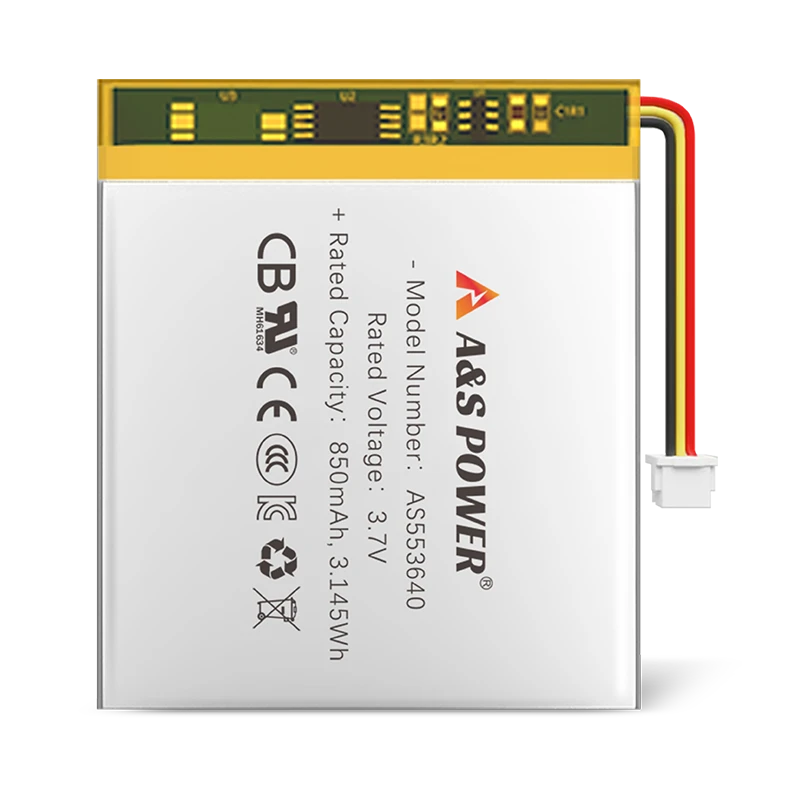
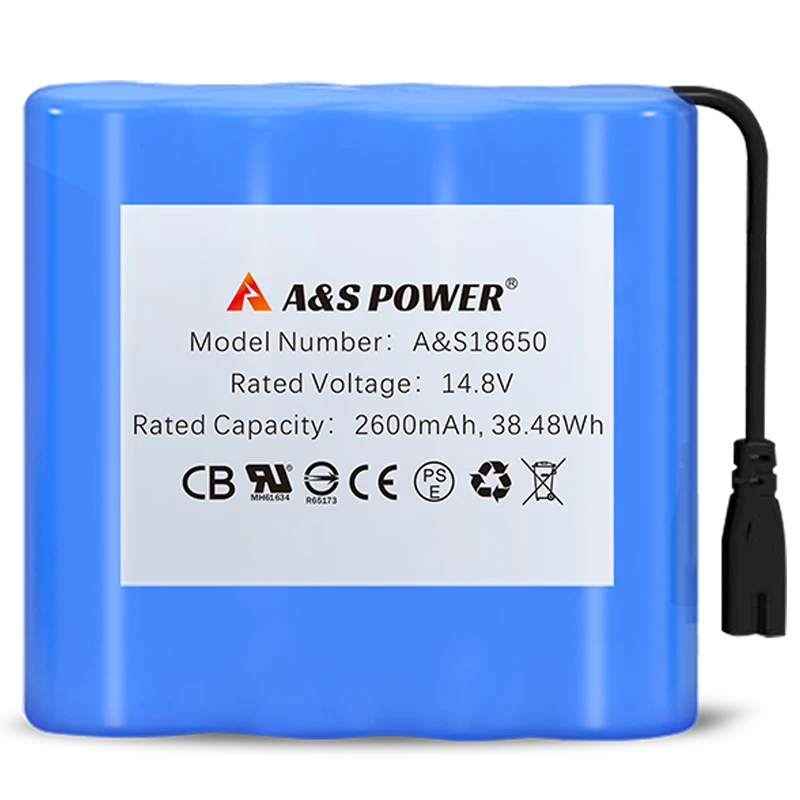
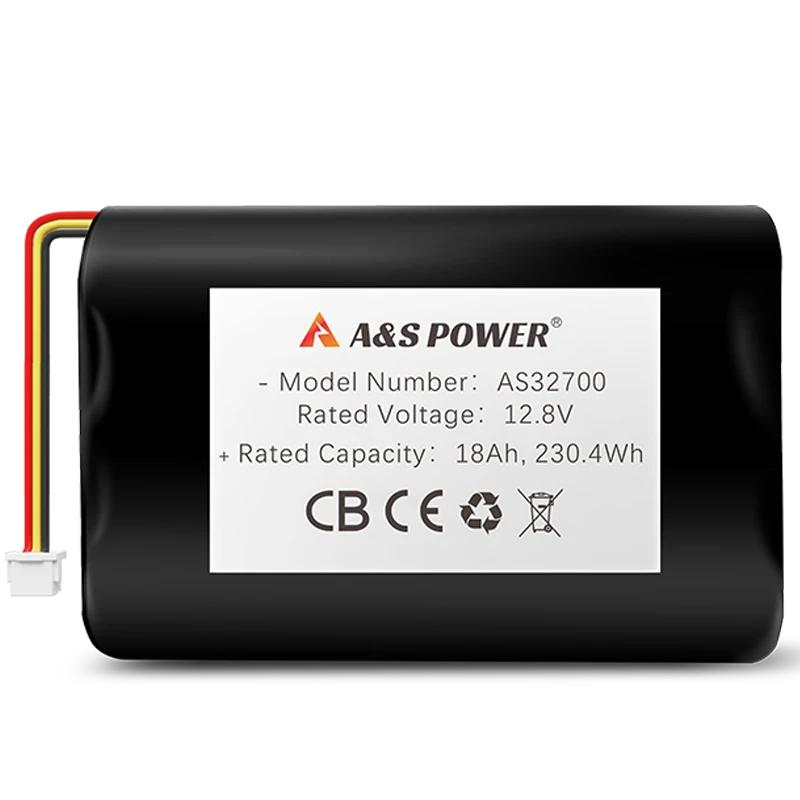


Guide to Choosing the Best 2700 mAh Lithium Battery for Electronics
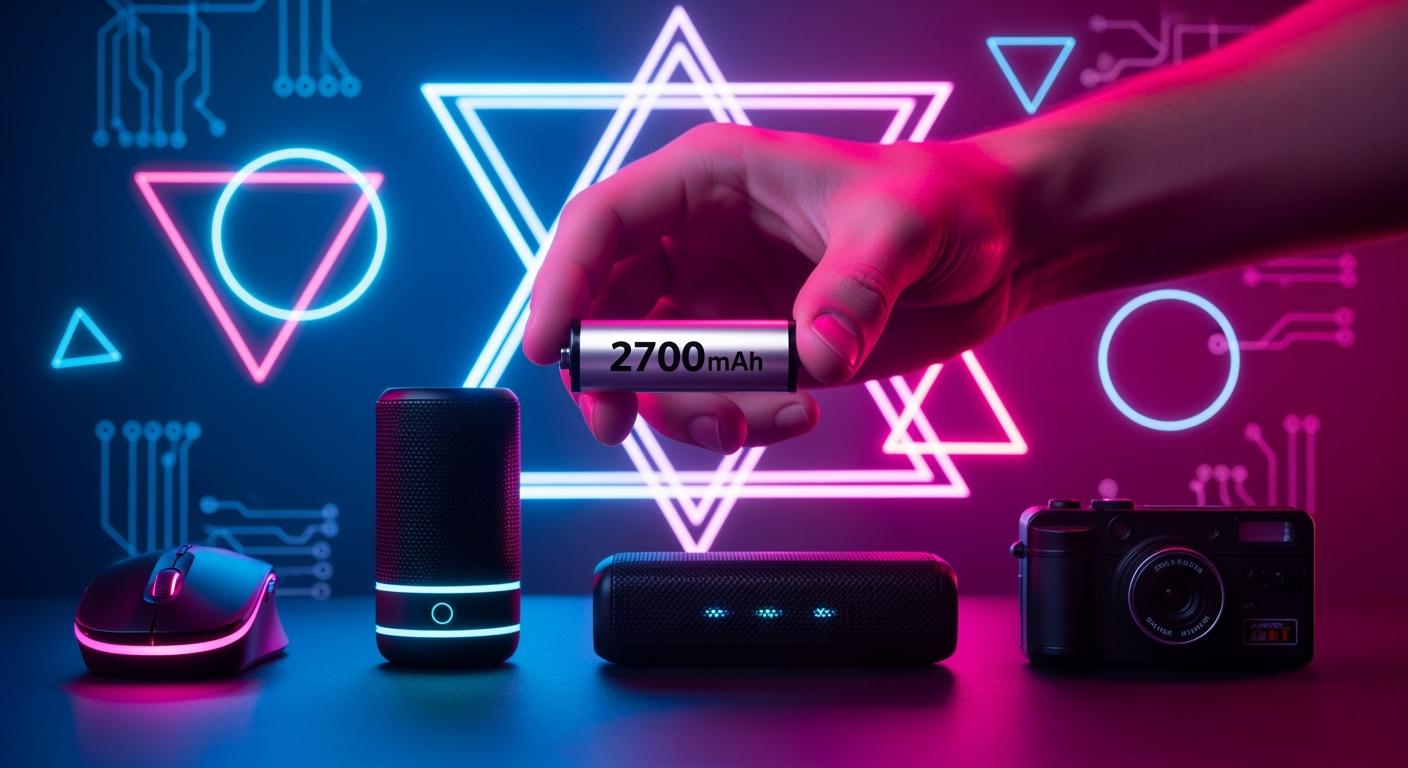
2700 lithium batteries give strong and steady power for electronics. You should match the battery’s capacity, voltage, and size to your device. Safety, compatibility, performance, and how long it lasts are very important when picking a lithium battery. Many people want a rechargeable battery that works well and stays good for a long time.
- Pay attention to these things to fix usual battery problems.
You can use an easy guide to help you choose the right lithium battery for what you need.
Key Takeaways
- Pick a 2700 mAh lithium battery for longer use. More capacity gives your device more hours to work without stopping.
- Make sure the battery's voltage and capacity fit your device. This stops damage and helps your device work well.
- Find safety features like overcharge protection and temperature control. These features keep your device safe from getting too hot or breaking.
- Choose a battery from a trusted brand with good reviews. Good brands make sure your electronics are safe and work well.
- Take care of your battery by charging it the right way and storing it at 50% capacity. This helps your battery last longer and work better.
Why Choose 2700 Lithium Batteries
Energy Capacity Benefits
If you want your device to last longer, pick a 2700 lithium battery. It has a high capacity, so you can use your device for many hours. With 2700 mAh, the battery stores more energy inside. This lets your electronics work for a long time without stopping. High capacity batteries help you finish important tasks without breaks. You can play games, watch videos, or do homework without worrying about the battery dying fast.
Tip: Always look at the capacity number on the lithium battery before you buy it. Bigger capacity means you can use your device longer.
Here is a simple table that shows how battery size changes how long you can use your device:
| Battery Capacity (mAh) | Typical Usage Time (Hours) |
|---|---|
| 1000 | 2-3 |
| 2700 | 6-8 |
| 3500 | 10-12 |
A 2700 lithium battery gives you a good mix of size and power. Many people pick high capacity batteries for phones, cameras, and speakers. You get more use and less trouble with a battery that lasts longer.
Performance in High-Demand Devices
Some devices need strong batteries, like drones, tablets, and power tools. You need a lithium battery that gives quick energy and steady power. 2700 lithium batteries work well for these tough devices. You will see smoother use and fewer problems with battery power.
- Fast charging lets you use your device again soon.
- Stable voltage keeps your electronics safe and working.
- Consistent power means your device works well every time.
Pick a lithium battery that works well in hard situations. High capacity batteries help stop overheating and make your device last longer. When you use a good lithium battery, your electronics stay safe and work better.
Lithium Battery Types
Common Chemistries
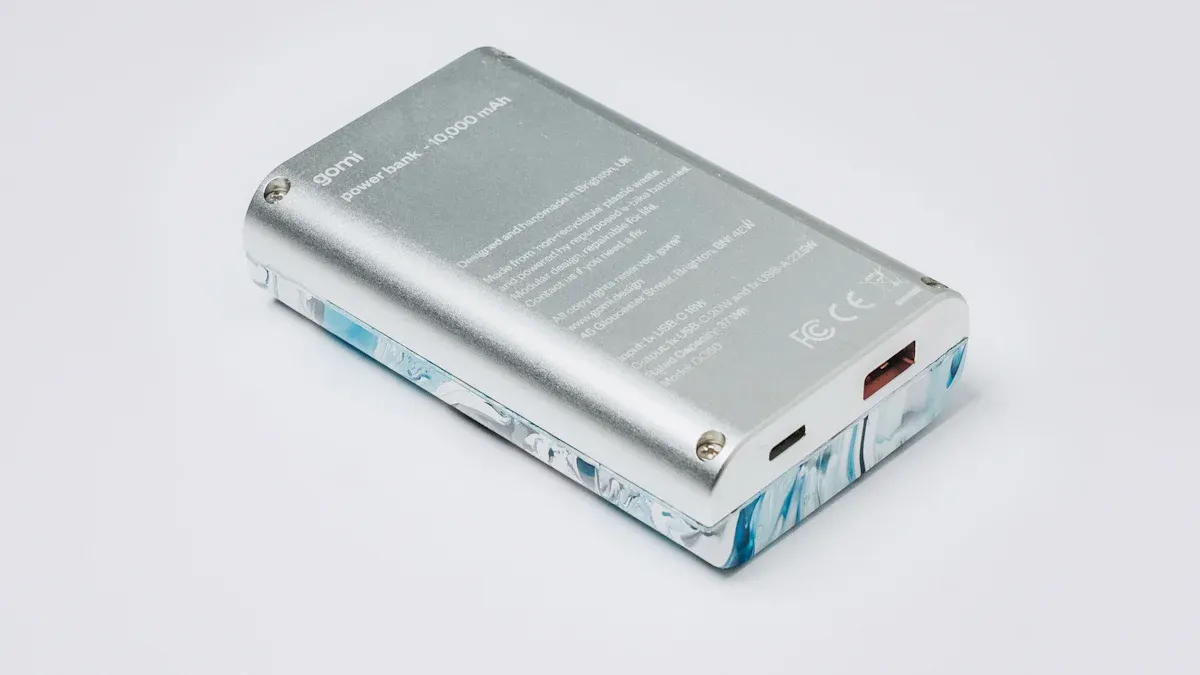
When you shop for a lithium battery, you will find two main types. These are Lithium Iron Phosphate (LiFePO4) and Lithium Ion (Li-ion). Each type has special things that make it good for certain uses. It is important to know how these chemistries work before you pick a battery for your device.
Here is a table that helps you compare the most popular lithium battery chemistries for 2700 mAh cells:
| Feature | LiFePO4 | Li-ion |
|---|---|---|
| Energy Density | Good | Excellent |
| Power Rating | High | Moderate |
| Safety | Excellent | Moderate |
| Lifespan | 2,000-3,000 cycles | 500-1,000 cycles |
| Cost | Low | High |
You can see LiFePO4 batteries are very safe and last a long time. Li-ion batteries have more energy density, so your device can work longer with one charge.
Pros and Cons
You should look at the good and bad sides of each lithium battery type. LiFePO4 batteries stay safe and stable, even if you overcharge or short-circuit them. They last for thousands of cycles, so you can recharge them many times. LiFePO4 batteries cost less, so you save money in the long run. The downside is they have lower energy density, so your device may be heavier or bigger.
Li-ion batteries have the highest energy density. Your device will be lighter and work longer between charges. But Li-ion batteries need extra protection. They can get too hot or lose power faster if you do not use them right. You may pay more for a Li-ion battery, but you get more power in a smaller size.
Tip: If you want a lithium battery that is safe and lasts a long time, pick LiFePO4. If you need a lightweight battery with more power, choose Li-ion.
Always match the lithium battery type to what your device needs. Think about how you use your electronics and what matters most to you—safety, lifespan, or power.
Selection Criteria for Lithium Battery
Voltage and Capacity Match for Lithium Polymer Batteries
You should check the voltage and battery capacity before buying a lithium battery. Every device needs a certain voltage to work right. If you use the wrong voltage, your device might break or not turn on. Most electronics use a lithium battery with 3.7V or 3.6V. You can look at your device’s manual or the old battery to find the right voltage.
Battery capacity shows how much energy the battery can hold. A bigger capacity means your device works longer before charging. For example, 2700 lithium batteries last more hours than smaller ones. If you pick a rechargeable battery with the right capacity, your device works better and you charge it less.
Tip: Always match the voltage and battery capacity to your device’s needs. This helps you avoid problems and keeps your electronics safe.
Size and Shape Considerations for Lithium Polymer Battery Fit
You need to pick a lithium battery that fits your device. Batteries come in different shapes and sizes. Some are round, some are flat, and some are square. Measure the battery space in your device. Check the length, width, and thickness. If the battery is too big or too small, it will not fit or might move around.
Here is a simple table to help you compare battery sizes:
| Battery Type | Typical Size (mm) | Common Devices |
|---|---|---|
| Cylindrical | 18 x 65 | Flashlights, toys |
| Prismatic | 34 x 50 x 10 | Phones, tablets |
| Pouch | 40 x 60 x 5 | Drones, cameras |
Pick a lithium battery that matches the size and shape of your device. This helps your device work well and stay safe.
Safety Features in Lithium Polymer Batteries
Safety is very important when you pick a lithium battery. You should look for safety features like overcharge protection, short-circuit protection, and temperature control. These features help stop fires, overheating, and damage to your device.
- Overcharge protection stops the battery from getting too much power.
- Short-circuit protection keeps the battery safe if wires touch by mistake.
- Temperature control helps the battery stay cool during use and charging.
Note: Always buy lithium batteries from trusted brands. Good brands test their batteries for safety and quality.
You can check the battery box or product page for safety features. If you see these features, the battery is safer for your electronics.
Cycle Life and Charging Speed for Lithium Polymer Batteries
Cycle life means how many times you can charge and use the battery before it stops working well. A high cycle life means you can use the battery longer. Most lithium batteries last between 500 and 3,000 cycles. If you pick a battery with a long cycle life, you save money and make less trash.
Charging speed tells you how fast you can recharge the battery. Some lithium batteries let you charge them quickly. This feature helps you use your device again sooner. Fast charging is good for phones, cameras, and other things you use a lot.
Here is a checklist to help you choose the best lithium battery for cycle life and charging speed:
- Check the cycle life rating on the battery package.
- Look for quick charging support in the product details.
- Pick a battery with both long cycle life and fast charging for best performance.
Tip: A lithium battery with high cycle life and quick charging gives you better performance and saves you time.
You should always balance battery capacity, safety, and performance when you pick a lithium battery. If you follow these steps, you will find a battery that fits your device and lasts longer.
Reliability and Brand Factors
Brand Reputation
It is smart to check the brand before buying a lithium battery. Trusted brands test their batteries for safety and how well they work. You get better results if you pick a brand that many people like. Good brands give clear facts about capacity, charging speed, and cycle life. You can read what other users say in reviews to see if the battery works well. If lots of people write good reviews, the battery will probably last longer and keep your electronics safe.
Tip: Choose a rechargeable battery from a brand with a good history. This helps you avoid problems like weak power or short battery life.
Some brands also help customers if you have questions. If you want to know about capacity or safety, you can ask them. This help makes you feel better when you use the battery in your favorite devices.
Certifications and Warranty
Certifications mean the lithium battery passed tough safety tests. Look for marks like UL, CE, or RoHS on the battery box. These marks show the battery is safe and works well. Certified batteries help protect your electronics from getting too hot or other problems.
Here is a simple checklist for battery certifications and warranty:
- Look for safety marks on the battery label.
- Make sure the battery shows its capacity and voltage.
- Pick a battery with a warranty. A warranty means the brand trusts its product.
A warranty gives you extra safety. If the battery stops working or loses power too soon, you can get a new one. Brands that give a warranty care about your safety and happiness. Always keep your receipt and warranty card in a safe spot.
Note: Batteries with certifications and warranties work better and last longer. You can trust these batteries to keep your electronics safe every day.
Battery Care Tips
Charging Practices
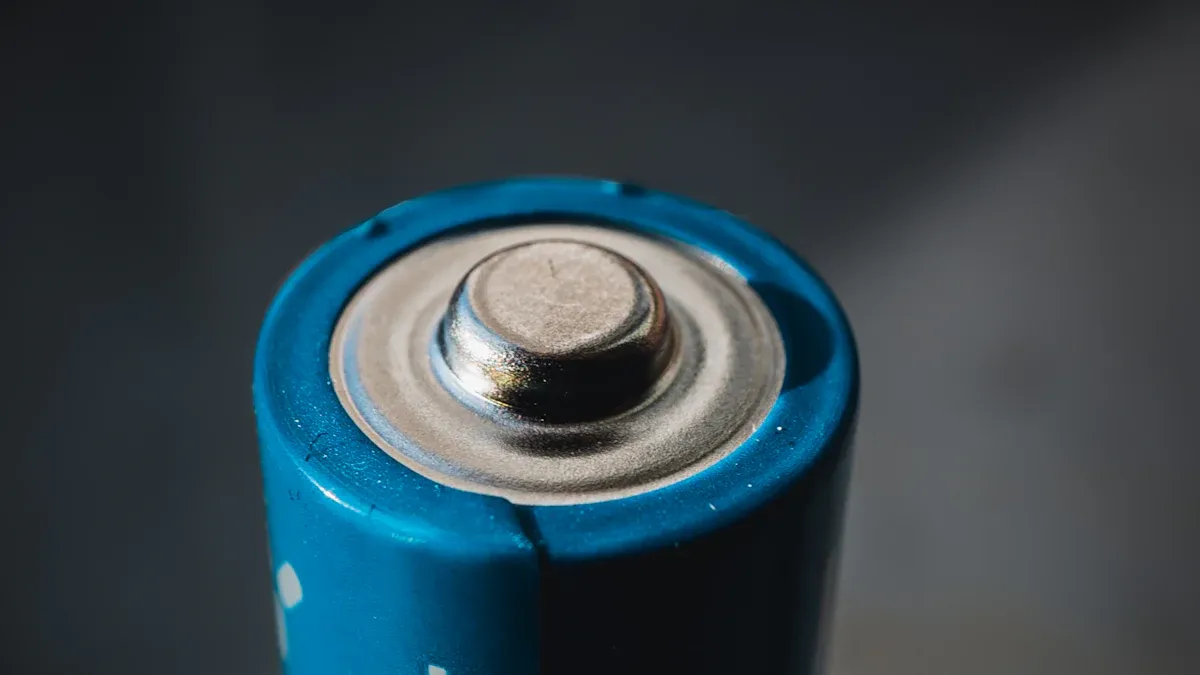
You can make your lithium battery last longer with good charging habits. Always use the charger that comes with your device. This keeps the battery safe and helps it work well. Try not to let the battery go below 20% charge. Keeping it above this level helps the battery last longer. Do not leave your battery fully charged for a long time. If you will not use your device for a while, store the battery at about 50% charge. Clean the battery ends often to stop rust and keep a good connection.
- Use the charger made for your device.
- Keep the battery above 20% charge.
- Store at 50% capacity if not in use.
- Clean terminals to prevent buildup.
Tip: Charging your lithium battery in a cool place helps it last longer and keeps its power strong.
Storage Guidelines
Storing your lithium battery the right way helps it last longer. Hot places can make the battery lose life by up to 40%. Keep your battery in a cool, dry spot. Do not leave it in the sun or near heat. Cold places can make the battery work slower but may help it last longer. If you need to store your battery for a long time, keep it at about 50% charge.
| Storage Condition | Impact on Battery Life | Recommendation |
|---|---|---|
| High Temperature | Shortens life | Store in cool area |
| Low Temperature | Extends life | Avoid freezing |
| Full Charge | Reduces life | Store at 50% capacity |
Note: Always check your lithium battery for damage before you store it.
Extending Battery Life
You can help your lithium battery work better by taking care of it. Do not let the battery run out all the way. Keep the charge above 20% to help it last longer. Do not leave the battery fully charged for a long time. Store it at 50% charge when you are not using it. Keep the battery away from heat so it does not get old fast. Clean the ends often to stop rust. Look for swelling or damage on the battery. Use the right charger and follow good charging rules.
- Avoid full discharge.
- Store at 50% capacity.
- Keep away from heat.
- Clean terminals.
- Check for damage.
Tip: Taking good care of your lithium battery helps it keep its power and last longer. You save money and keep your device safe.
User Concerns with 2700 Lithium Batteries
Device Compatibility with 2700 mAh Lithium Polymer Batteries
You want your device to work with the new battery. Always check the voltage and capacity before buying. Some devices need a special size or shape to fit. Using the wrong battery can stop your device or break it. Look at your device’s manual or old battery label to find the right one.
Many electronics, like cameras and toys, need a certain capacity to last long. If you pick a battery with low capacity, your device will stop fast. If you choose one with too much capacity, it may not fit or cause trouble. You should also look at the connectors. Some batteries have wires, and some have metal tabs.
Tip: Match the battery’s voltage, capacity, and connector type to your device for best results.
Here is a quick checklist for device compatibility:
- Check voltage and capacity
- Measure battery size and shape
- Match connector type
- Read your device’s manual
Safety and Budget for 2700 mAh Lithium Polymer Batteries
Always think about safety when buying a battery. Good batteries have safety features like overcharge protection and temperature control. These features help stop fires and keep your device safe. Never use a battery that looks swollen or damaged.
You want good value for your money. Some batteries cost more because they have higher capacity or better safety features. You do not need the most expensive battery, but do not pick the cheapest one. Cheap batteries may not have good safety or may lose power fast.
You can compare batteries by looking at safety features, price, and performance. A table can help you see the differences:
| Feature | Basic Battery | Premium Battery |
|---|---|---|
| Safety Features | Few | Many |
| Capacity | Low | High |
| Price | Low | Higher |
| Performance | Fair | Excellent |
Note: You protect your device and save money when you pick a battery with the right safety, capacity, and performance.
Always buy from trusted brands. They test their batteries for safety and how well they work. This helps you avoid problems and keeps your device working well.
When you choose 2700 lithium batteries, focus on what matters most. Always check if the battery matches your device for voltage, size, and shape. Pick a battery with strong safety features and a long cycle life. Buy from brands you trust. You protect your electronics when you use the right battery. Make smart choices so your devices work well and last longer.
Remember: A good battery keeps your electronics safe and ready for use.
FAQ
What devices use 2700 mAh lithium polymer batteries?
You can put 2700 mAh lithium polymer batteries in cameras, drones, and handheld gaming devices. Some wireless speakers also use these batteries. They are good for electronics that need steady power. These batteries help your device run for a long time.
How do you safely charge a 2700 mAh lithium polymer battery?
Always use the charger that comes with your battery. Do not leave your battery plugged in all night. Charge your battery in a cool and dry place. Check the battery for swelling or damage before charging it.
Can you replace a device’s battery with any 2700 mAh lithium polymer battery?
No, you cannot use just any 2700 mAh lithium polymer battery. You must match the voltage, size, and connector type. Look at your device’s manual to find the right battery. Using the wrong battery can hurt your device or cause safety problems.
How long does a 2700 mAh lithium polymer battery last?
Most 2700 mAh lithium polymer batteries last for 500 to 1,000 charge cycles. If you charge and store your battery the right way, it will last longer. Good habits help your battery keep your device working well.
What safety features should you look for in a 2700 mAh lithium polymer battery?
You should look for overcharge protection, short-circuit protection, and temperature control. These features help stop fires and keep your device safe. Trusted brands show these safety features on the battery label or box.
-

 May.2026.05.21IEC 62133 Rechargeable LiPo Battery for Medical Devices GuideLearn More
 -
 May.2026.05.20Custom UL2054 Certified Lithium Polymer Battery Pack: Complete OEM GuideLearn More
 -
 May.2026.05.20Battery for Portable PA System: Complete Guide to Lithium Battery Solutions for Professional Audio EquipmentLearn More
 -
 May.2026.05.19What Battery Is Used in Portable Guitar Amplifiers? A Complete Technical & Practical GuideLearn More
 -
 May.2026.05.15Complete Guide to Portable Amplifier Battery Packs (Li-ion & LiFePO4 Solutions)Learn More