




High Temperature Resistant LiPo Battery Custom Guide for OEM Applications
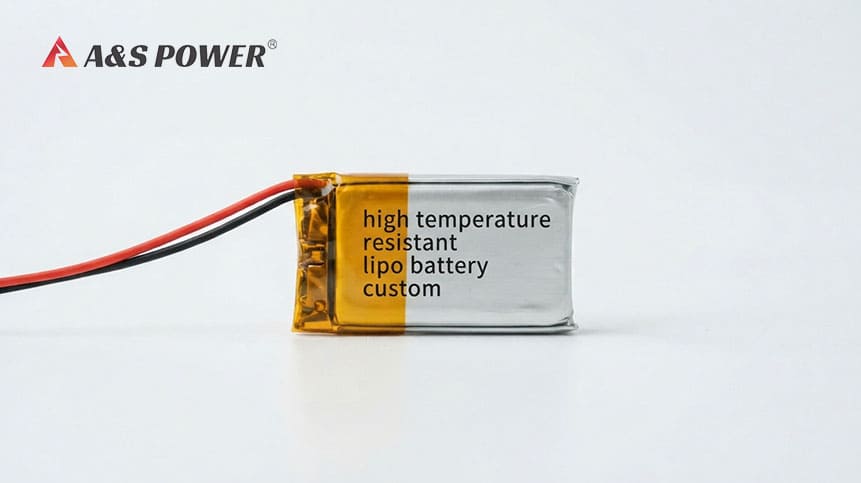
Quick Answer:
If your electronic device must operate continuously above 60°C (140°F), a standard lithium polymer battery may experience rapid capacity loss, increased internal resistance, gas generation, and accelerated aging.
A custom high temperature resistant LiPo battery uses optimized electrolyte formulations, heat-resistant separators, improved electrode materials, reinforced aluminum laminated films, and intelligent Battery Management Systems (BMS) to improve safety and cycle life under elevated temperatures.
For OEM products used in automotive electronics, industrial IoT, security monitoring, medical equipment, drones, oil & gas sensors, or outdoor communication devices, designing a battery specifically for high-temperature environments is often more reliable than simply increasing battery capacity.
Introduction
Temperature is one of the most important factors affecting lithium battery performance.
Many OEM engineers initially focus on battery capacity, discharge rate, or charging speed, but real-world product failures often originate from thermal stress rather than insufficient energy density.
We have supported numerous custom battery projects where devices were expected to function reliably inside enclosed spaces, direct sunlight, industrial cabinets, or vehicle-mounted systems. These environments can easily exceed 70°C, exposing conventional lithium polymer batteries to operating conditions beyond their recommended range.
Unlike consumer electronics designed for indoor use, industrial and professional equipment requires battery systems capable of maintaining stable electrochemical performance despite prolonged heat exposure. This is where a custom-designed high temperature resistant LiPo battery becomes essential.
Rather than relying on oversized battery packs or external cooling solutions, OEM manufacturers increasingly choose customized battery architectures tailored to their operating temperatures, mechanical constraints, and certification requirements.
In this guide, we explain how high-temperature LiPo batteries are engineered, what design factors influence performance, and how manufacturers can select the right custom solution for demanding applications.
Why High Temperature Is a Challenge for Lithium Polymer Batteries
Lithium polymer batteries rely on carefully balanced electrochemical reactions. Elevated temperatures accelerate nearly every degradation mechanism inside the cell.
Common effects include:
- Faster electrolyte decomposition
- Increased gas generation
- Growth of the Solid Electrolyte Interphase (SEI)
- Lithium plating during charging
- Higher self-discharge rate
- Reduced cycle life
- Swelling caused by internal pressure
Research published by battery manufacturers and academic laboratories consistently shows that operating temperature has a direct impact on battery longevity.
For example:
| Operating Temperature | Typical Performance Impact |
|---|---|
| 25°C | Optimal operating condition |
| 40°C | Slight capacity fade acceleration |
| 60°C | Noticeable cycle life reduction |
| 80°C | Significant electrolyte degradation |
| >100°C | Thermal runaway risk increases dramatically |
Although some specialty lithium polymer batteries can tolerate temperatures above 85°C, long-term operation still requires customized chemistry rather than standard consumer-grade cells.
Standard LiPo vs High Temperature Resistant LiPo Batteries
Many buyers assume every lithium polymer battery performs similarly.
In reality, batteries designed for high-temperature environments differ substantially in internal materials.
| Feature | Standard LiPo Battery | High Temperature Custom LiPo |
|---|---|---|
| Continuous Operating Temperature | 0–45°C recommended | Up to 60–85°C depending on design |
| Electrolyte Stability | Standard | High-temperature optimized |
| Separator Material | Conventional PE/PP | Heat-resistant multilayer separator |
| Aluminum Film | Standard pouch | Reinforced laminated film |
| Swelling Resistance | Moderate | Improved |
| Cycle Life Under Heat | Rapid degradation | Extended service life |
| Safety Margin | Standard | Enhanced thermal stability |
| BMS Integration | Optional | Strongly recommended |
A custom high-temperature battery is not simply a larger battery. Instead, it is an optimized electrochemical system developed specifically for elevated operating conditions.
Core Technologies Behind High Temperature Resistant LiPo Batteries
High-Temperature Electrolytes
The electrolyte largely determines how well a battery tolerates heat.
Special electrolyte additives can:
- Reduce decomposition
- Improve ionic conductivity
- Lower gas generation
- Stabilize electrode interfaces
These formulations help extend battery life under continuous thermal stress.
Heat-Resistant Separators
Separators prevent direct contact between the cathode and anode.
High-temperature separators maintain structural integrity at elevated temperatures, reducing the likelihood of internal short circuits.
Compared with standard polyethylene separators, multilayer ceramic-coated separators provide significantly better thermal stability.
Improved Electrode Materials
Manufacturers may optimize cathode formulations using materials with greater thermal stability.
Advanced binders also improve adhesion during repeated heating cycles, helping maintain consistent electrical performance.
How to Customize a High Temperature Resistant LiPo Battery
Every high-temperature battery project starts with understanding the application's actual thermal environment rather than simply specifying a higher-capacity cell. In our experience, the most successful OEM projects begin by defining operating conditions, electrical requirements, and mechanical constraints before selecting the battery chemistry.
Step 1: Define the Real Operating Temperature
Many engineers specify only the ambient temperature, but the battery's internal temperature is often significantly higher because of:
- Heat generated by the device itself
- Continuous high-current discharge
- Direct sunlight
- Limited ventilation
- Enclosed waterproof housings
For example, an outdoor security camera installed in direct sunlight may experience an ambient temperature of 45°C, while the battery compartment can exceed 70°C during peak afternoon conditions.
Understanding the actual cell temperature is essential for selecting the correct materials and protection strategy.
Step 2: Select the Appropriate Cell Chemistry
Not every LiPo cell is suitable for elevated temperatures. Cell selection should balance:
- Operating temperature range
- Cycle life expectations
- Energy density
- Discharge current
- Safety margin
- Expected charging conditions
For long-term reliability, many industrial OEMs prioritize thermal stability over maximum energy density, especially for products with service lives exceeding three years.
Step 3: Optimize the Battery Pack Structure
A custom battery pack is more than a single cell. Its mechanical design significantly affects heat dissipation and long-term durability.
Key design considerations include:
- Cell spacing to reduce localized heat buildup
- High-temperature insulation materials
- Flame-retardant protective wrapping
- Heat-resistant connectors and wiring
- Reinforced solder joints
- Shock and vibration resistance
For compact devices, engineers may also integrate thermal pads or aluminum heat spreaders to distribute heat more evenly.
Step 4: Integrate an Intelligent Battery Management System (BMS)
A robust BMS is particularly important in high-temperature environments. Besides conventional overcharge and over-discharge protection, advanced BMS designs can monitor:
- Cell temperature
- Charge current
- Discharge current
- Short-circuit conditions
- Cell voltage balance
- Thermal shutdown thresholds
Temperature sensors positioned close to the cells enable the system to reduce charging current or disconnect the battery before unsafe conditions develop.
Typical Applications for High Temperature Custom LiPo Batteries
High-temperature-resistant LiPo batteries are widely used in industries where electronics must operate continuously under demanding environmental conditions.
| Industry | Typical Operating Environment | Why High-Temperature Batteries Matter |
|---|---|---|
| Industrial IoT | Equipment cabinets, factories | Continuous operation in hot enclosures |
| Security Systems | Outdoor surveillance cameras, access control | Sun exposure and sealed housings |
| Automotive Electronics | Dashboard modules, telematics, TPMS | Elevated cabin and engine-compartment temperatures |
| Medical Devices | Sterilization-adjacent equipment, portable monitors | Reliable operation and safety requirements |
| Oil & Gas | Remote sensors and monitoring systems | High ambient temperatures and harsh environments |
| Robotics | Automated factories and logistics | Long operating hours with internal heat generation |
| Drones & UAVs | High-current discharge during flight | Thermal management under demanding loads |
| Outdoor Communication Devices | Base stations, field terminals | Stable power in hot climates |
Thermal Management Strategies That Improve Battery Life
Even with a high-temperature-resistant LiPo battery, proper thermal management can substantially extend service life.
Effective strategies include:
Optimize Device Airflow
Improving ventilation reduces heat accumulation inside sealed enclosures.
Minimize High-Current Operation
High discharge rates generate additional internal heat. Matching the battery's discharge capability to the application's load profile helps maintain lower operating temperatures.
Separate Heat Sources
Whenever possible, position the battery away from components such as processors, power converters, LEDs, or RF modules that produce significant heat.
Control Charging Temperature
Most lithium battery manufacturers recommend charging within controlled temperature ranges. Charging a battery that is already excessively hot accelerates degradation and may trigger protective shutdowns.
Monitor Cell Temperature
Embedding NTC temperature sensors allows the BMS to adjust charging and discharging behavior dynamically, improving both safety and cycle life.
Common Mistakes When Designing High-Temperature Battery Packs
During OEM development, several recurring issues can compromise reliability.
Selecting Cells Based Only on Capacity
A higher-capacity battery does not necessarily perform better in high-temperature environments. Material selection and thermal characteristics are often more important than nominal capacity.
Ignoring Internal Device Heating
Design calculations based solely on ambient temperature can underestimate the battery's actual operating temperature.
Using Standard Connectors
Connectors designed for consumer electronics may soften or degrade after prolonged exposure to elevated temperatures. High-temperature-rated connectors and cables should be selected.
Skipping Thermal Testing
Prototype validation should include environmental chamber testing, thermal cycling, and continuous load testing to verify long-term stability.
Overlooking Aging Effects
Repeated exposure to elevated temperatures accelerates capacity fade and increases internal resistance. Designing with sufficient performance margin helps maintain reliability throughout the product's intended lifespan.
Safety Standards and Qualification Tests
For OEM products intended for international markets, battery performance should be verified through recognized testing and certification processes where applicable.
Common standards include:
| Standard | Purpose |
|---|---|
| IEC 62133 | Safety requirements for portable sealed secondary cells and batteries |
| UL 2054 | Household and commercial battery pack safety |
| UN38.3 | Transportation testing for lithium batteries |
| IEC 60068 | Environmental testing, including high-temperature and thermal cycling |
| IEC 61960 | Performance testing for rechargeable lithium cells |
| RoHS | Restriction of hazardous substances |
| REACH | Chemical substance compliance for the EU market |
Depending on the destination market and product category, additional regional certifications may also be required.
Why Work with A&S Power for High Temperature LiPo Battery Projects
Choosing the right battery supplier is just as important as selecting the right cell chemistry. A high-temperature battery must be engineered as a complete system rather than assembled from off-the-shelf components.
At A&S Power, we work closely with OEM customers from the early design stage to develop battery solutions that match the electrical, mechanical, and environmental requirements of their products. Our engineering approach focuses on reliability, safety, manufacturability, and long-term performance rather than simply maximizing capacity.
Our customization capabilities include:
- Custom LiPo cells and battery packs for high-temperature environments
- Wide operating voltage and capacity options
- High-temperature electrolyte and cell selection
- Smart BMS integration with temperature monitoring
- Custom PCM/PCB protection circuit design
- Wire harnesses, connectors, and terminal customization
- Compact, ultra-thin, curved, or irregular battery shapes
- Low-volume prototyping and mass production
- Support for global compliance testing and documentation
Every OEM project begins with a detailed evaluation of the application's temperature profile, discharge characteristics, enclosure design, and certification requirements to ensure the battery performs reliably throughout its intended service life.
Best Practices for OEM Engineers
After supporting numerous custom battery projects across industrial, medical, and security applications, we have identified several practices that consistently improve battery reliability in high-temperature environments.
Design Around Real Operating Conditions
Laboratory conditions rarely reflect actual field environments. Consider solar loading, internal heat sources, charging behavior, and airflow limitations during the design phase.
Validate Through Environmental Testing
Prototype batteries should undergo environmental chamber testing under realistic operating loads rather than relying solely on standard room-temperature performance data.
Leave Adequate Thermal Margin
Designing a battery to operate continuously at its maximum rated temperature leaves little room for unexpected heat spikes. A conservative thermal margin improves long-term reliability.
Prioritize Quality Cell Manufacturers
The consistency of cell manufacturing has a direct impact on thermal performance, cycle life, and safety. Selecting proven cell suppliers often reduces long-term warranty costs.
Integrate Thermal Protection Early
Temperature monitoring, current limiting, and thermal shutdown functions should be incorporated during product development rather than added after field issues arise.
Future Trends in High-Temperature LiPo Battery Technology
Battery technology continues to evolve as industrial and intelligent devices demand greater reliability under increasingly harsh operating conditions.
Several trends are shaping the next generation of custom high-temperature LiPo batteries:
Advanced Electrolyte Formulations
Researchers are developing electrolytes with improved thermal stability and reduced flammability, helping batteries maintain performance at higher temperatures while enhancing safety.
Ceramic-Coated Separators
Ceramic-coated separators offer better dimensional stability under heat than conventional polyethylene or polypropylene separators, reducing the risk of internal short circuits.
AI-Assisted Battery Management
Modern Battery Management Systems are beginning to use predictive algorithms that estimate battery aging, optimize charging strategies, and detect abnormal thermal behavior before failures occur.
Smarter Thermal Integration
Rather than treating battery cooling as a separate function, future devices are increasingly integrating thermal management into the overall product architecture through improved enclosure design, heat spreaders, and intelligent power control.
Conclusion
A high temperature resistant custom LiPo battery is not simply a standard battery used in a hotter environment. It is an engineered power solution built around optimized cell chemistry, heat-resistant materials, intelligent protection electronics, and application-specific mechanical design.
For OEM manufacturers developing products for industrial automation, medical equipment, automotive electronics, outdoor communication systems, robotics, or security devices, investing in a customized battery solution can significantly improve operational reliability, extend service life, and reduce maintenance costs.
From selecting suitable cell materials to integrating advanced Battery Management Systems and validating performance through environmental testing, every design decision contributes to long-term safety and stability.
At A&S Power, we believe that successful battery customization starts with understanding the real operating environment. By combining engineering expertise, high-quality manufacturing, and comprehensive customization capabilities, we help customers build battery solutions that perform reliably even under demanding high-temperature conditions.
FAQ
What temperature can a high-temperature LiPo battery withstand?
The exact operating range depends on the cell design and materials. Many custom high-temperature LiPo batteries can operate continuously between 60°C and 85°C, while certain specialized designs may tolerate even higher temperatures for limited periods. Battery specifications should always be confirmed with the manufacturer.
Can a standard LiPo battery be used in high-temperature applications?
Standard consumer-grade LiPo batteries are generally optimized for normal operating temperatures. Prolonged exposure to high heat accelerates electrolyte degradation, capacity loss, swelling, and cycle-life reduction. For applications above approximately 60°C, a custom high-temperature solution is recommended.
Does high temperature reduce lithium battery lifespan?
Yes. Elevated temperatures increase the rate of chemical reactions inside the battery, accelerating capacity fade and internal resistance growth. Maintaining lower operating temperatures is one of the most effective ways to extend battery life.
Which industries commonly require high-temperature custom LiPo batteries?
Typical industries include industrial automation, automotive electronics, medical equipment, outdoor security systems, robotics, drones, oil and gas monitoring, wireless communication equipment, and IoT devices operating in harsh environments.
What information should OEM customers provide when requesting a custom battery?
To develop an appropriate solution, manufacturers typically require:
- Operating temperature range
- Product dimensions
- Required voltage and capacity
- Maximum continuous discharge current
- Charging method
- Expected cycle life
- Certification requirements
- Connector and cable specifications
- Annual production volume
Providing complete application details early in the project helps shorten development time and improve the final battery design.
-

 May.2026.08.19Custom Lithium Battery Pack Voltage & Capacity Selection GuideLearn More
 -
 May.2026.08.18How to Choose Custom Lithium Battery Specs for IoT DevicesLearn More
 -
 May.2026.08.17Custom Medical Battery Design: IEC 62133, BMS & Cost GuideLearn More
 -
 May.2026.08.1718650 Cell or LiPo Battery Cell: Choosing the Best BatteryLearn More
 -
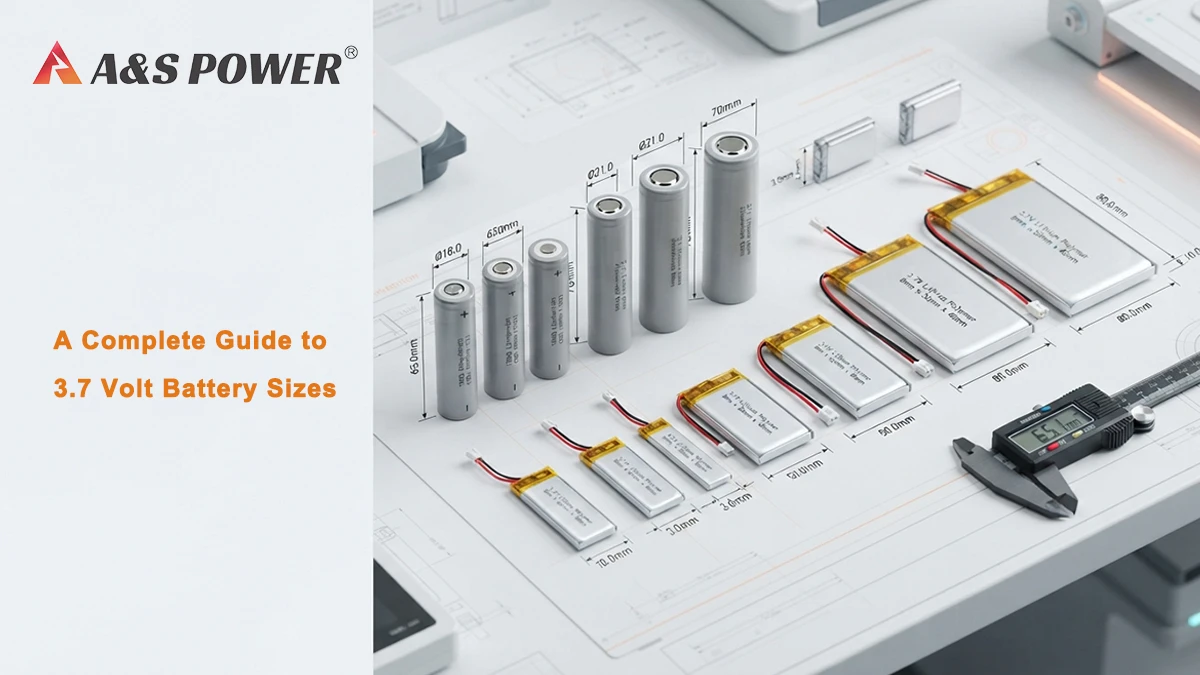 May.2026.08.14A Complete Guide to 3.7 Volt Battery SizesLearn More