




How to Choose the Right Battery for Blower?
Quick Answer:
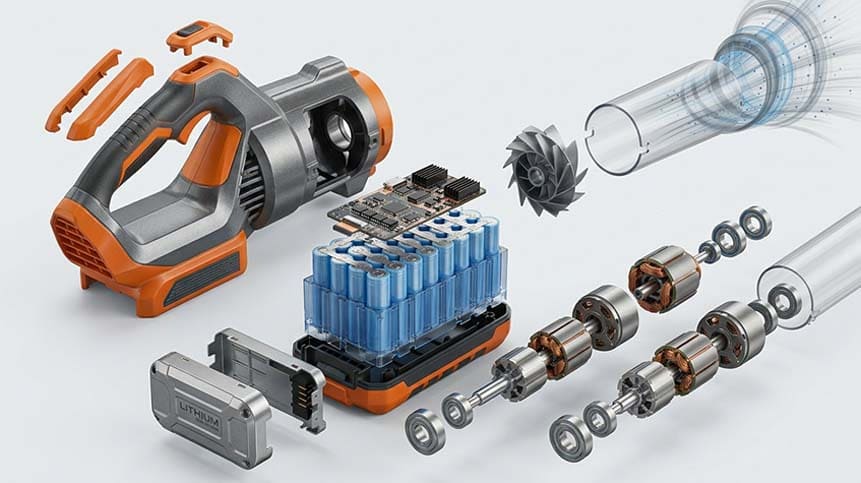
Choosing the right battery for a blower requires matching the blower's voltage, power consumption, runtime requirements, discharge current, and operating environment. For most modern portable blowers, lithium-ion batteries provide the best balance of energy density and weight, while LiFePO4 batteries offer superior cycle life and safety. The ideal battery should deliver sufficient continuous current, adequate runtime, and reliable performance under real-world operating conditions.
Introduction
Whether you are designing a cordless leaf blower, industrial air blower, medical air circulation system, inflatable device, cooling equipment, or portable cleaning machine, selecting the correct battery is one of the most critical engineering decisions.
A battery that is too small can cause voltage drops, short runtime, overheating, and reduced blower performance. An oversized battery may unnecessarily increase weight, cost, and product dimensions.
As a custom lithium battery manufacturer, we frequently work with OEMs developing battery-powered blower systems. In this guide, I'll explain the key technical factors engineers and product managers should evaluate when selecting a battery for blower applications.
Understanding Blower Power Requirements
Before choosing a battery, you must first understand the blower's electrical requirements.
The most important specifications include:
- Operating voltage
- Rated power
- Peak power
- Continuous current draw
- Startup current
- Expected runtime
The relationship between these values determines the battery size required.
Power Formula
Power (W) = Voltage (V) × Current (A)
For example:
- Voltage = 24V
- Current = 10A
Power Consumption:
24V × 10A = 240W
This blower requires approximately 240 watts during operation.
Step 1: Determine the Required Battery Voltage
Voltage is the first specification that must match the blower motor.
Common blower voltage platforms include:
| Blower Type | Typical Voltage |
|---|---|
| Mini Portable Blower | 3.7V–7.4V |
| Consumer Handheld Blower | 18V–20V |
| Professional Leaf Blower | 36V–60V |
| Industrial Blower | 24V–72V |
| Medical Air Blower | 12V–24V |
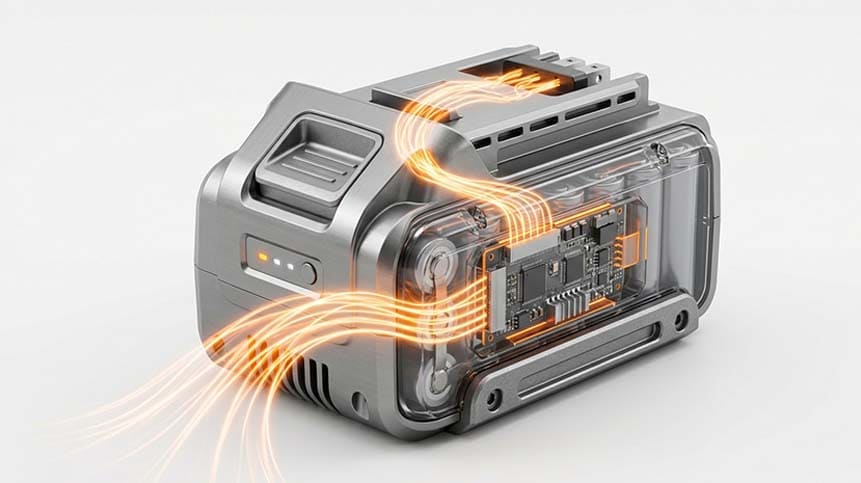
Using the wrong voltage can lead to:
- Motor damage
- Reduced airflow
- Controller failure
- Overheating
Always follow the motor manufacturer's voltage recommendation.
Step 2: Calculate Required Runtime
Runtime is usually the primary purchasing factor.
Use this formula:
Runtime (hours) = Battery Capacity (Wh) ÷ Load Power (W)
Example:
Blower Power = 200W
Desired Runtime = 1 hour
Required Battery Capacity:
200W × 1h = 200Wh
For a 24V battery:
200Wh ÷ 24V = 8.3Ah
A 24V 10Ah battery would provide a practical safety margin.
Step 3: Evaluate Continuous Discharge Current
Many blower motors require high current output.
Typical current demand:
| Application | Continuous Current |
|---|---|
| Small Portable Blower | 2–5A |
| Consumer Leaf Blower | 10–20A |
| Industrial Blower | 20–50A |
| High-Speed Turbine Blower | 50A+ |
If the battery cannot provide sufficient current:
- Voltage sag occurs
- Airflow decreases
- Motor efficiency drops
- Battery overheating increases
For high-performance blowers, high-rate lithium batteries are often necessary.
Step 4: Compare Battery Chemistries
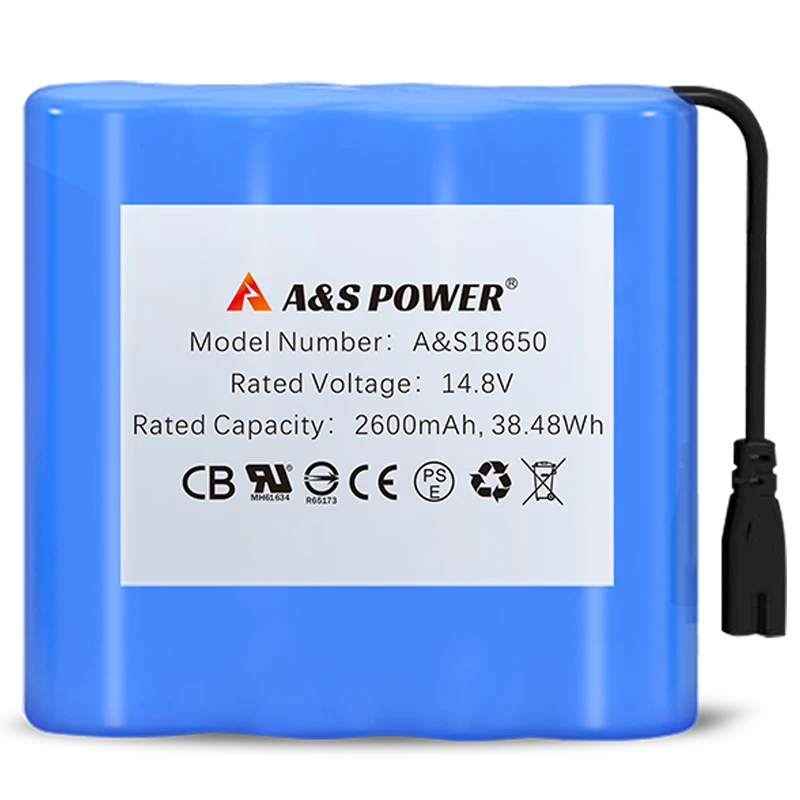
Lithium-Ion Battery
Advantages:
- High energy density
- Lightweight
- Mature technology
- Widely available
Disadvantages:
- Moderate cycle life
- Requires protection circuitry
Best for:
- Portable blowers
- Consumer products
- Cordless tools
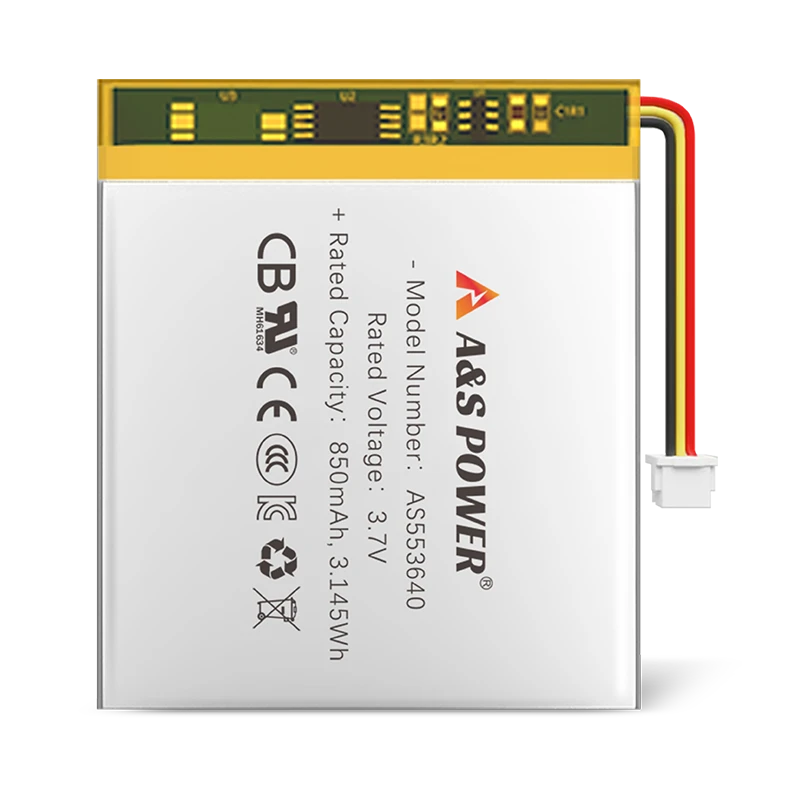
Lithium Polymer Battery
Advantages:
- Ultra-thin design
- Flexible shapes
- Lightweight
Disadvantages:
- Higher cost
- Lower mechanical robustness
Best for:
- Compact blowers
- Medical equipment
- Wearable air systems
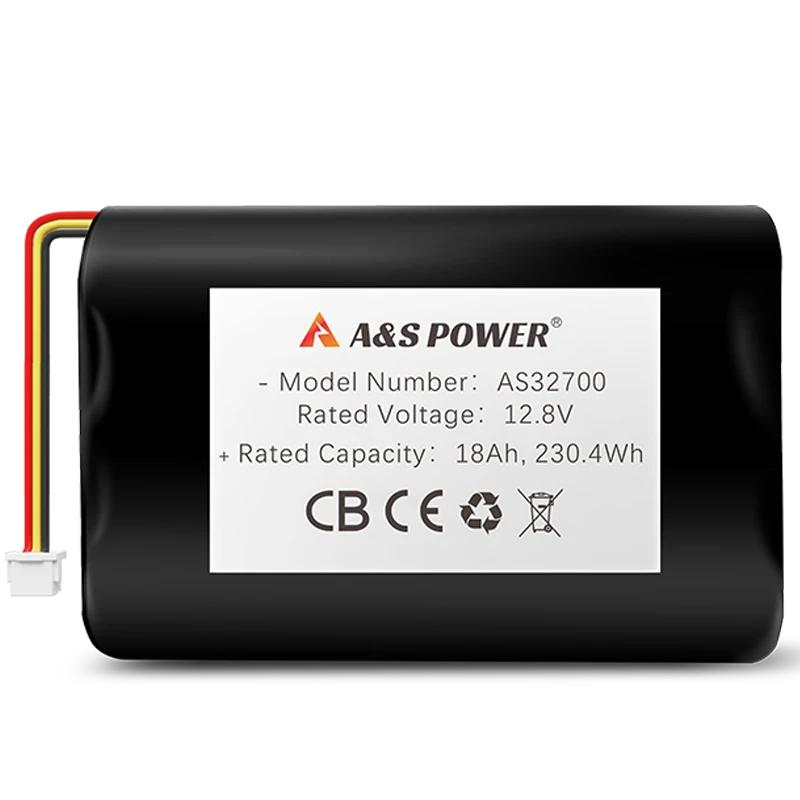
LiFePO4 Battery
Advantages:
- Excellent safety
- Long cycle life
- Thermal stability
Disadvantages:
- Larger size
- Lower energy density
Best for:
- Industrial blowers
- Commercial equipment
- Long-life systems
Battery Chemistry Comparison
| Feature | Li-ion | LiPo | LiFePO4 |
|---|---|---|---|
| Energy Density | High | Very High | Medium |
| Safety | Good | Good | Excellent |
| Weight | Light | Very Light | Heavier |
| Cycle Life | 500-1000 | 500-800 | 2000-6000 |
| Custom Shapes | Limited | Excellent | Limited |
| Industrial Use | Good | Moderate | Excellent |
Step 5: Consider Battery Weight
Battery weight directly affects:
- User comfort
- Product portability
- Ergonomics
- Shipping costs
Approximate battery weight comparison:
| Capacity | Li-ion Weight |
|---|---|
| 100Wh | 0.5–0.8kg |
| 200Wh | 1.0–1.5kg |
| 500Wh | 2.5–3.5kg |
Portable handheld blowers generally prioritize lighter lithium-ion solutions.
Step 6: Consider Environmental Conditions
Blowers often operate in challenging environments.
Typical operating conditions:
- Outdoor landscaping
- Construction sites
- Industrial workshops
- Medical facilities
- Agricultural equipment
Environmental factors affecting battery selection:
- Temperature
- Dust
- Moisture
- Vibration
- Shock
Industrial applications often require:
- IP-rated battery enclosures
- Rugged battery packs
- High-temperature cells
Step 7: Safety and Certification Requirements
For commercial products, certifications are critical.
Common requirements include:
| Certification | Purpose |
|---|---|
| UN38.3 | Transportation Safety |
| IEC 62133 | Battery Safety |
| UL 2054 | Pack Safety |
| UL 1642 | Cell Safety |
| CE | EU Compliance |
| RoHS | Environmental Compliance |
| CB | International Safety Certification |
Certified batteries improve market acceptance and regulatory compliance.
Example Battery Selection Scenarios
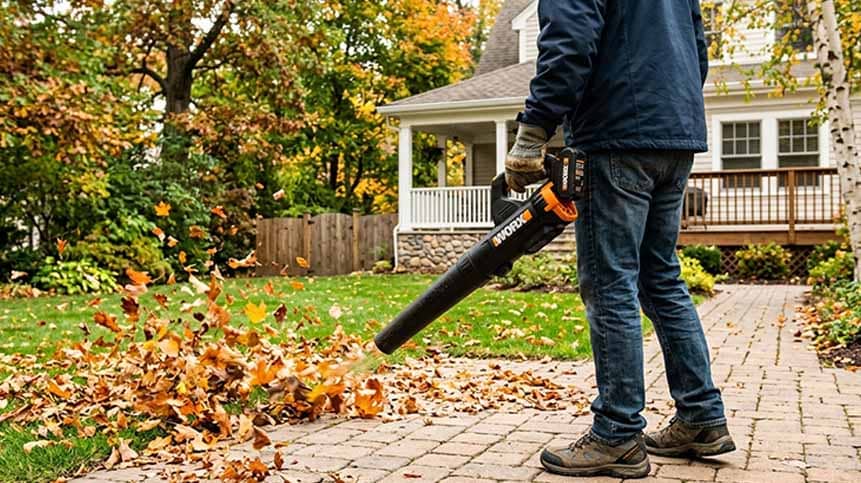
Portable Handheld Blower
Requirements:
- 18V
- 120W
- 45 Minutes Runtime
Recommended Battery:
- 18V 5Ah Lithium-ion Battery
- Capacity ≈ 90Wh
Industrial Ventilation Blower
Requirements:
- 24V
- 400W
- 2 Hours Runtime
Recommended Battery:
- 24V 40Ah LiFePO4 Battery
- Capacity ≈ 960Wh
Medical Air Blower
Requirements:
- Lightweight
- Quiet
- Compact
Recommended Battery:
- Custom Lithium Polymer Battery Pack
- Integrated PCM Protection
Why Custom Battery Packs Are Often the Best Solution
Standard batteries rarely optimize:
- Size
- Weight
- Runtime
- Connector compatibility
- Safety requirements
Custom battery packs can be designed with:
- Specific voltage
- Required capacity
- BMS protection
- Waterproof housing
- Smart communication protocols
For OEM blower manufacturers, custom lithium battery solutions often deliver better product performance and lower total ownership costs.
Need a custom Lithium battery solution? Contact A&S Power to discuss your project requirements, battery specifications, certification needs, and production goals.
Common Battery Selection Mistakes
Avoid these common errors:
- Choosing voltage before motor specifications are finalized
- Ignoring startup current requirements
- Selecting batteries based only on capacity
- Underestimating operating temperature effects
- Neglecting certification requirements
- Using consumer-grade batteries in industrial products
- Forgetting transportation compliance
Conclusion
Selecting the right battery for a blower involves much more than choosing the largest capacity available. Engineers must evaluate voltage, power consumption, runtime, discharge current, battery chemistry, environmental conditions, safety requirements, and overall product design goals.
For lightweight portable blowers, lithium-ion batteries are often the preferred solution. For compact medical or specialty applications, lithium polymer batteries provide excellent design flexibility. For industrial equipment requiring long service life and maximum safety, LiFePO4 batteries are usually the best choice.
By carefully matching battery specifications to blower requirements, manufacturers can improve performance, extend runtime, enhance user experience, and reduce long-term operating costs.
FAQ
What type of battery is best for a blower?
Lithium-ion batteries are typically the best choice because they offer high energy density, lightweight construction, and strong power output. Industrial systems may benefit from LiFePO4 batteries for improved safety and cycle life.
How do I calculate blower battery runtime?
Runtime can be estimated using:
Runtime (hours) = Battery Capacity (Wh) ÷ Power Consumption (W)
For example, a 240Wh battery powering a 120W blower will run for approximately 2 hours.
Can I use a higher-capacity battery on my blower?
Yes. A higher-capacity battery can increase runtime as long as the voltage remains compatible with the blower's electrical system.
Is LiFePO4 better than lithium-ion for blowers?
LiFePO4 batteries provide longer cycle life and greater safety, while lithium-ion batteries offer higher energy density and lighter weight. The best choice depends on the application.
What certifications should a blower battery have?
Most commercial blower batteries should comply with UN38.3, IEC 62133, UL2054, UL1642, CE, and RoHS requirements depending on the target market.
-

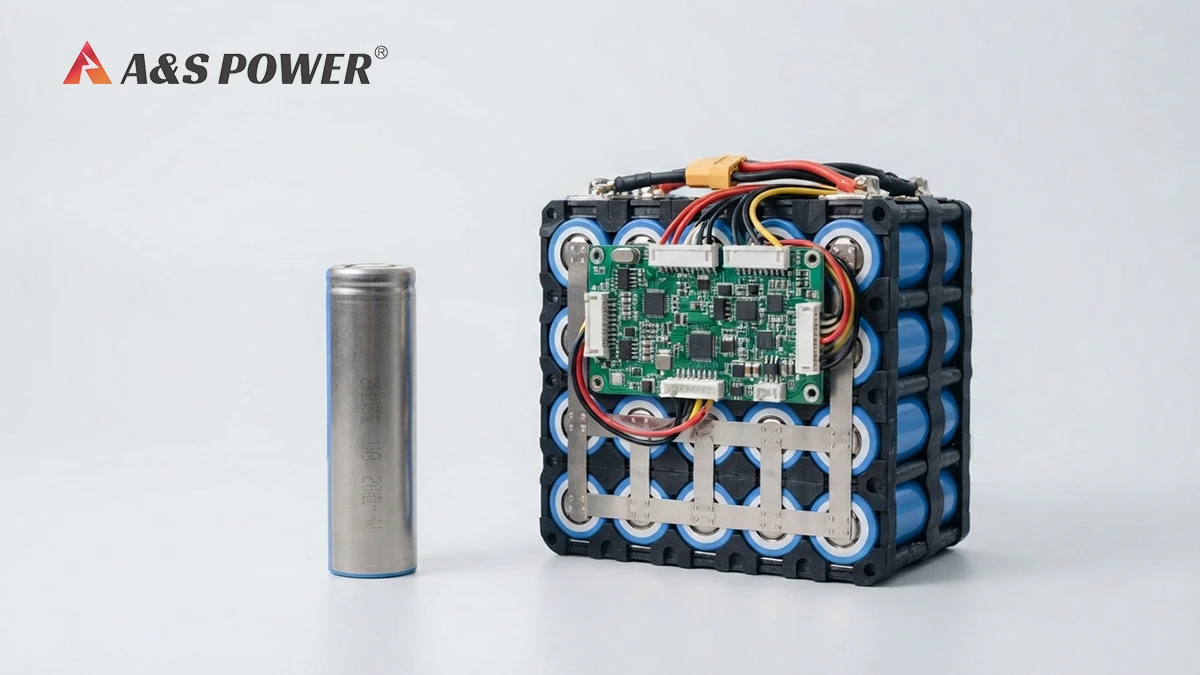 May.2026.08.0521700 Battery Pack with BMS: Design, Safety and Custom SolutionsLearn More
 -
 May.2026.08.04Smart Beauty Equipment Battery Pack ManufacturerLearn More
 -
 May.2026.08.04High Reliability Polymer Battery for Handheld Dental DevicesLearn More
 -
 May.2026.08.04Ultra Thin Lithium Polymer Battery 0.4mm 0.5mm Custom GuideLearn More
 -
 May.2026.07.30Smoke Detector Battery Guide: Choosing the Right Battery for Reliable Fire ProtectionLearn More