




Li-Polymer Battery 500mAh: Complete Technical & Application Guide
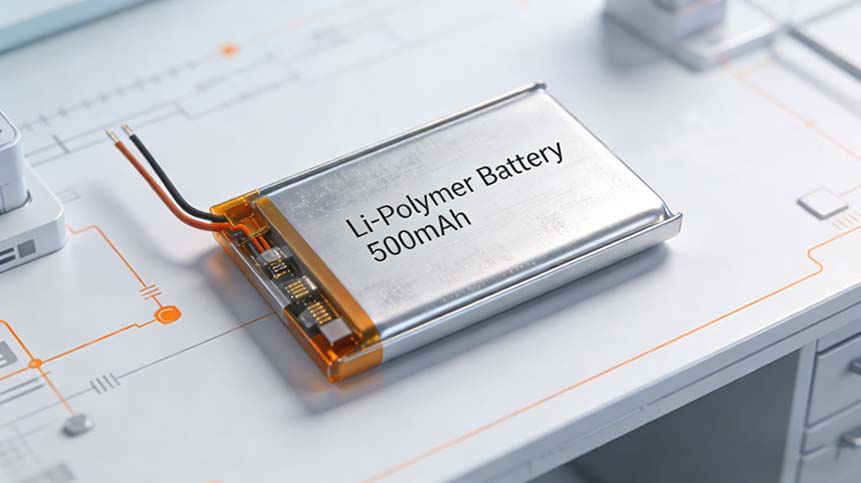
A 500mAh lithium polymer (Li-polymer) battery is a compact, lightweight rechargeable power solution widely used in medical devices, wearable electronics, IoT modules, and consumer electronics. Its balance between size, energy density, and design flexibility makes it one of the most demanded battery capacities in modern electronics.
This guide provides a professional, data-driven, and application-oriented overview of 500mAh Li-polymer batteries—covering specifications, performance metrics, safety standards, customization options, and real-world use cases.
What Is a 500mAh Li-Polymer Battery?
A Li-polymer battery (LiPo) is a type of lithium-ion battery that uses a polymer electrolyte instead of a liquid electrolyte. The “500mAh” rating refers to its nominal capacity, meaning the battery can theoretically deliver 500 milliamps for one hour under standard conditions.
Key Characteristics
-
Nominal voltage: 3.7V
-
Fully charged voltage: 4.2V
-
Lightweight and thin profile
-
Flexible shape and size options
-
High energy density for compact devices
Compared to cylindrical lithium-ion cells, Li-polymer batteries excel in custom form factors and space-constrained applications.
Typical Specifications of a 500mAh Li-Polymer Battery
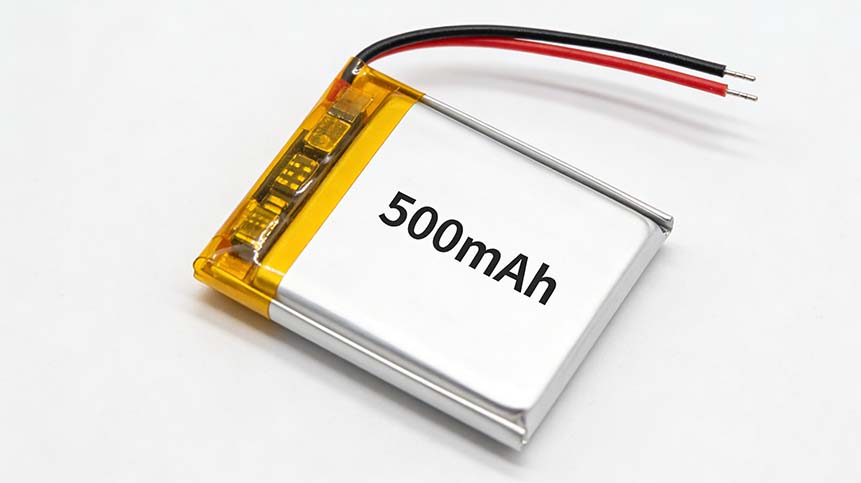
Below is a reference specification table. Actual values may vary depending on cell chemistry and customization.
Table: Standard Technical Specifications
| Capacity | 500mAh |
| Nominal Voltage | 3.7V |
| Energy | ~1.85Wh |
| Charge Voltage Limit | 4.2V |
| Discharge Cut-off Voltage | 2.75–3.0V |
| Standard Charge Current | 0.5C (250mA) |
| Max Continuous Discharge | 1C–2C |
| Cycle Life | 300–500 cycles |
| Operating Temperature (Charge) | 0°C to 45°C |
| Operating Temperature (Discharge) | –20°C to 60°C |
Common Dimensions of 500mAh Li-Polymer Batteries
Li-polymer batteries are identified by thickness × width × length (mm).
Common Models
| Model Code | Dimensions (mm) | Typical Application |
|---|---|---|
| 503035 | 5.0 × 30 × 35 | Wearables |
| 602530 | 6.0 × 25 × 30 | Medical sensors |
| 402040 | 4.0 × 20 × 40 | Compact IoT |
| Custom | Flexible | OEM devices |
Customization advantage: Unlike cylindrical cells, Li-polymer batteries can be engineered to fit irregular or ultra-thin device enclosures.
Applications of 500mAh Li-Polymer Batteries
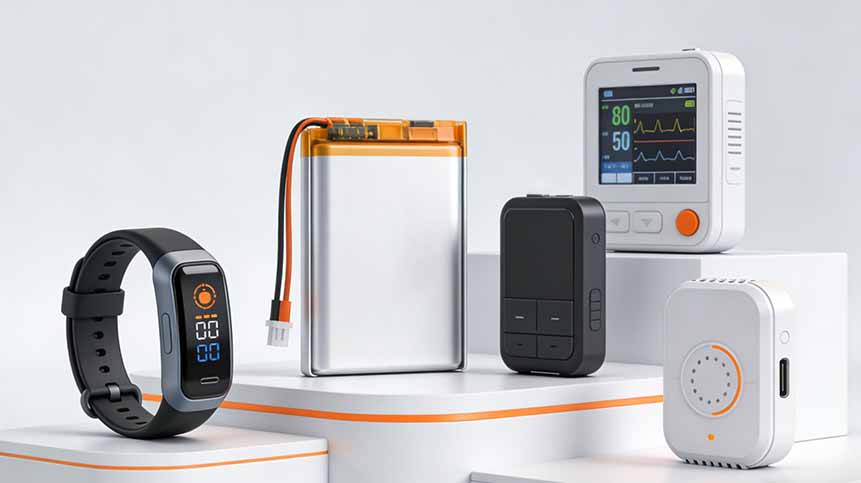
Medical Devices
500mAh Li-polymer batteries are commonly used in:
-
Portable diagnostic equipment
-
Wearable medical monitors
-
Hearing assistance devices
-
Drug delivery pumps
Medical applications prioritize stable discharge, safety compliance, and long cycle life.
Wearable Electronics
Examples include:
-
Smartwatches
-
Fitness trackers
-
Smart bands
-
Body-worn sensors
The lightweight and thin structure makes Li-polymer batteries ideal for long-term wear comfort.
IoT & Smart Devices
-
GPS trackers
-
Smart locks
-
Wireless sensors
-
Asset tracking modules
Low self-discharge and consistent voltage output are key advantages.
Performance & Runtime Estimation
Battery runtime depends on device power consumption.
Example Calculation
If a device consumes 100mA continuously:
Runtime ≈ 500mAh ÷ 100mA = 5 hours
For intermittent usage or sleep-mode devices, runtime can extend to days or weeks.
Safety Features in 500mAh Li-Polymer Batteries
High-quality Li-polymer batteries integrate multiple safety layers:
-
Overcharge protection
-
Over-discharge protection
-
Over-current protection
-
Short-circuit protection
-
NTC temperature monitoring
For B2B and regulated markets, batteries are typically supplied with PCM/BMS protection circuits.
Certifications Required for 500mAh Li-Polymer Batteries
Key International Certifications
-
CE / RoHS / REACH – EU compliance
Certified batteries significantly reduce import risks and compliance delays.
Customization Options for 500mAh Li-Polymer Batteries
At A&S Power, 500mAh Li-polymer batteries can be customized based on OEM requirements:
Customizable Parameters
-
Dimensions & thickness
-
Connector type (JST, Molex, Hirose, custom)
-
Wire length & gauge
-
PCM/BMS configuration
-
Operating temperature range
-
Branding & labeling
This flexibility is critical for medical, industrial, and premium consumer electronics.
Li-Polymer vs Li-Ion at 500mAh Capacity
| Feature | Li-Polymer | Li-Ion |
|---|---|---|
| Shape flexibility | Excellent | Limited |
| Energy density | High | High |
| Weight | Lighter | Heavier |
| Safety | High (with PCM) | High |
| Best for | Thin devices | Cylindrical designs |
Battery Lifespan & Storage Recommendations
Expected Lifespan
-
300–500 full charge cycles
-
Partial charging extends lifespan
Storage Guidelines
-
Store at 40–60% SOC
-
Temperature: 15–25°C
-
Avoid deep discharge during long storage
Quality Control & Manufacturing Standards
A professional Li-polymer battery manufacturer follows:
-
Cell grading & matching
-
Aging tests
-
Capacity verification
-
Internal resistance testing
-
Final safety inspection
This ensures consistent performance across production batches.
Frequently Asked Questions (FAQ)
Is a 500mAh Li-polymer battery safe?
Yes. When equipped with a proper PCM/BMS and compliant with IEC 62133 and UN38.3 standards, 500mAh Li-polymer batteries are safe for consumer and medical applications.
How long does a 500mAh Li-polymer battery last?
Depending on usage, it typically lasts 300–500 charge cycles or 2–3 years in normal operation.
Can I customize the size of a 500mAh Li-polymer battery?
Yes. One of the biggest advantages of Li-polymer batteries is customizable dimensions, making them ideal for compact or irregular device designs.
Is a 500mAh battery suitable for medical devices?
Absolutely. With proper certification and quality control, 500mAh Li-polymer batteries are widely used in wearable and portable medical equipment.
What is the minimum order quantity (MOQ)?
MOQ depends on customization level. Standard models usually have lower MOQs, while fully customized designs may require engineering sampling.
Conclusion
A 500mAh Li-polymer battery offers an optimal balance of capacity, size, safety, and customization, making it a preferred power solution for modern compact electronics. When sourced from a certified and experienced manufacturer like A&S Power, it ensures reliability, compliance, and long-term performance.
For OEM or custom battery projects, working directly with a specialized lithium battery manufacturer significantly reduces development risk and time-to-market.
-

 May.2026.05.21IEC 62133 Rechargeable LiPo Battery for Medical Devices GuideLearn More
 -
 May.2026.05.20Custom UL2054 Certified Lithium Polymer Battery Pack: Complete OEM GuideLearn More
 -
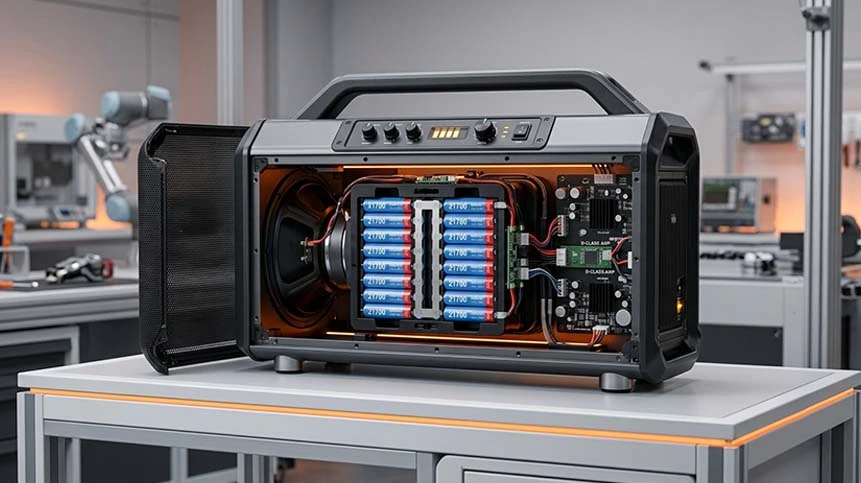 May.2026.05.20Battery for Portable PA System: Complete Guide to Lithium Battery Solutions for Professional Audio EquipmentLearn More
 -
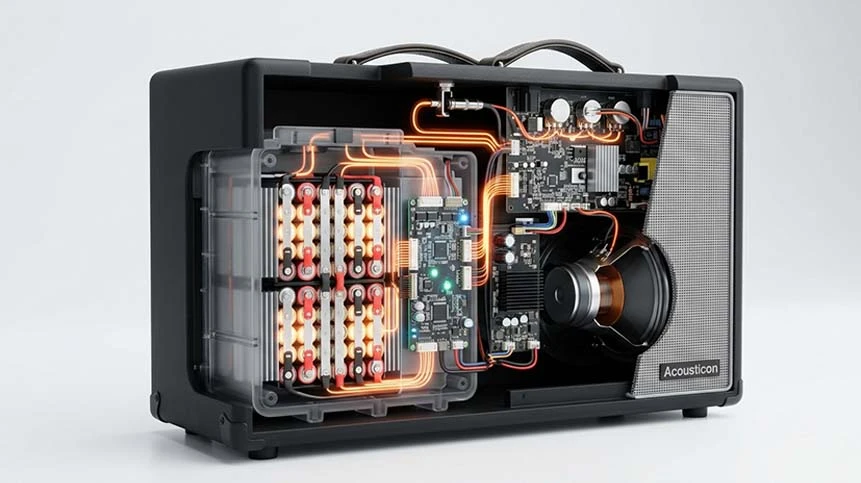 May.2026.05.19What Battery Is Used in Portable Guitar Amplifiers? A Complete Technical & Practical GuideLearn More
 -
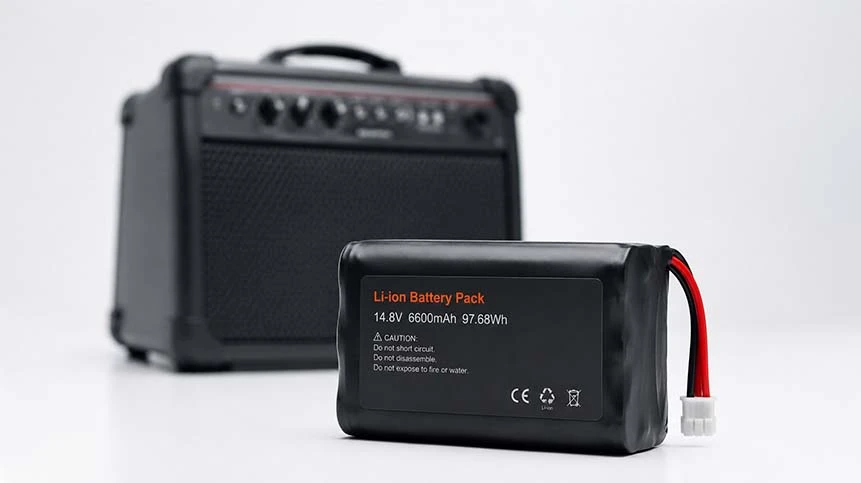 May.2026.05.15Complete Guide to Portable Amplifier Battery Packs (Li-ion & LiFePO4 Solutions)Learn More