




Lithium Battery Producer: How to Choose a Reliable Manufacturing Partner in 2026
Quick Answer:
A reliable lithium battery producer offers much more than battery cells. The best manufacturers combine engineering expertise, certified production systems, rigorous quality control, global safety certifications, and custom battery design services. Whether you need lithium-ion, lithium polymer (LiPo), or LiFePO4 battery packs, choosing a manufacturer with proven production capacity, international certifications, and strong technical support helps reduce project risks while ensuring long-term product reliability.
Introduction
Lithium Battery Producer: How to Choose the Right Manufacturing Partner for Long-Term Success
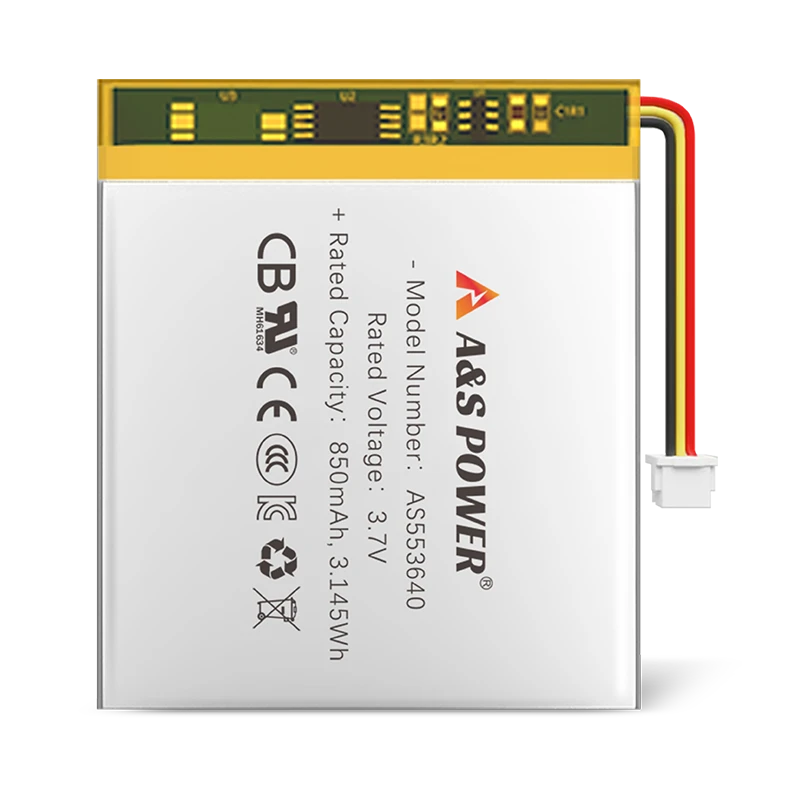
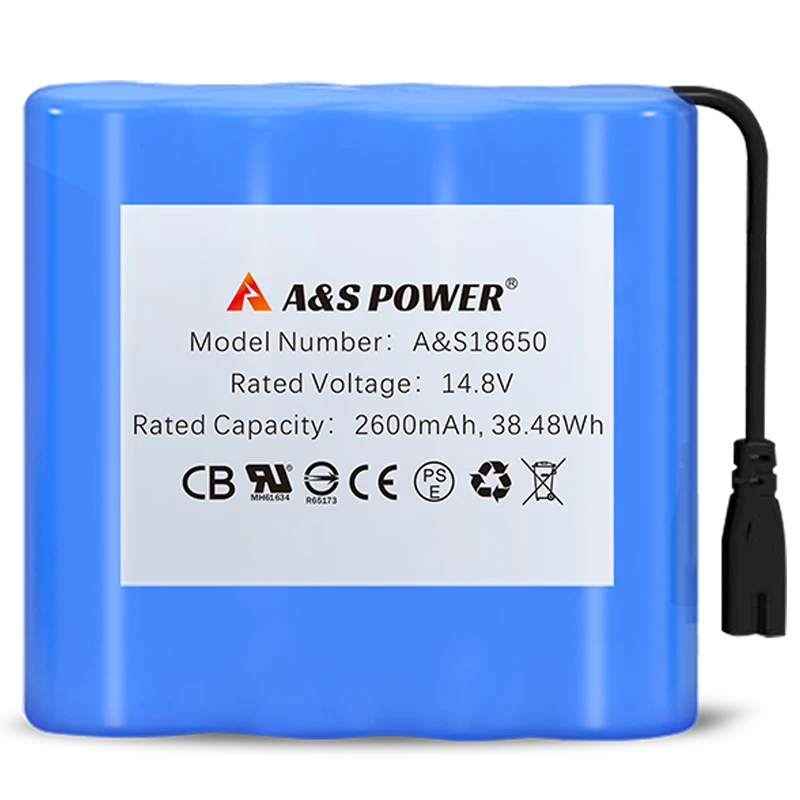
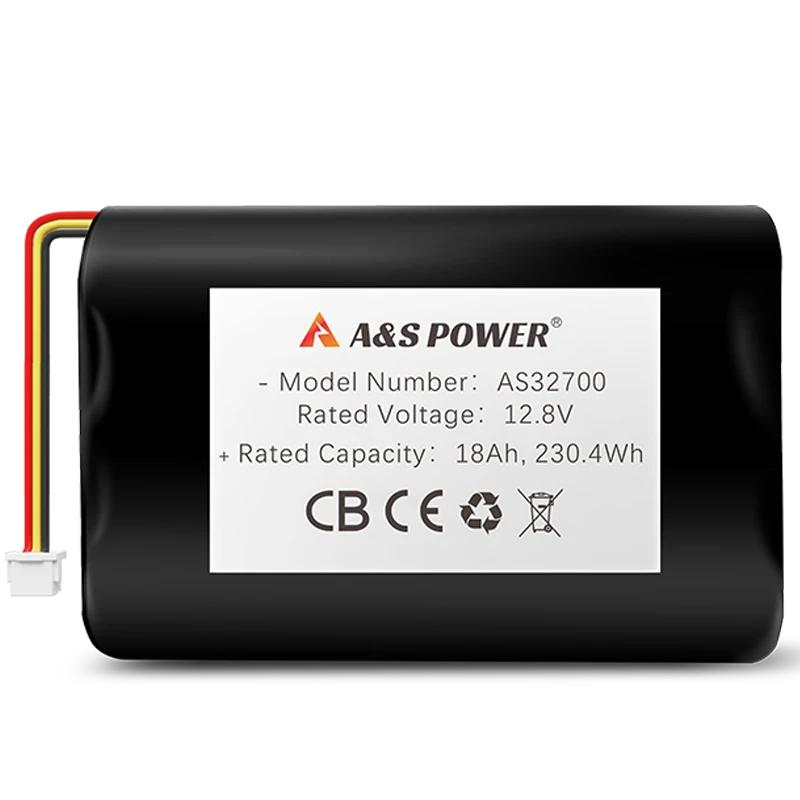
Lithium batteries power nearly every modern electronic device, from wearable technology and medical equipment to industrial automation systems and electric mobility solutions. As global demand continues to grow, businesses are searching for dependable lithium battery producers capable of delivering safe, high-quality, and customized energy solutions.
However, selecting a battery supplier is no longer simply about comparing prices. Manufacturers today must demonstrate engineering capabilities, compliance with international safety regulations, consistent product quality, and reliable supply chain management.
As a lithium battery producer working with OEM and ODM customers worldwide, we've seen that successful battery projects begin with choosing the right manufacturing partner—not just the lowest-cost supplier.
This guide explains what distinguishes professional lithium battery producers, how manufacturing processes influence product quality, what certifications truly matter, and how buyers can evaluate suppliers before placing production orders.
What Does a Lithium Battery Producer Actually Do?
Many people assume a lithium battery producer simply manufactures battery cells. In reality, professional battery manufacturers provide a much broader range of engineering and manufacturing services.
A modern lithium battery producer typically offers:
- Battery cell sourcing and qualification
- Battery pack structural design
- Battery Management System (BMS) integration
- Protection circuit development
- Connector and cable customization
- Housing and enclosure design
- Thermal management optimization
- Certification support
- Reliability testing
- Mass production and quality assurance
Instead of supplying standardized batteries alone, experienced manufacturers develop customized power solutions tailored to each application.
For example:
| Industry | Typical Battery Requirements |
|---|---|
| Medical Devices | High safety, long cycle life, IEC 62133 compliance |
| Consumer Electronics | Compact size, lightweight, high energy density |
| Industrial Equipment | Wide operating temperature, vibration resistance |
| IoT Devices | Ultra-low self-discharge, extended runtime |
| Robotics | High discharge current, fast charging |
| Beauty Equipment | Slim LiPo batteries, stable voltage output |
| Portable Instruments | Long operating hours, compact battery packs |
Because every application has unique electrical, mechanical, and environmental requirements, battery customization has become one of the defining capabilities of leading lithium battery producers.
Why Choosing the Right Lithium Battery Producer Matters
Selecting an experienced manufacturer affects much more than production costs.
It directly influences:
- Product safety
- Device performance
- Certification approval
- Production lead time
- Warranty claims
- Customer satisfaction
- Long-term maintenance costs
Inferior batteries often fail because of inconsistent manufacturing rather than battery chemistry itself.
Common quality issues include:
- Capacity variation
- Cell imbalance
- Poor spot welding
- Weak protection circuits
- Inadequate insulation
- Connector failures
- Overheating
- Premature capacity degradation
These problems can delay product launches, increase after-sales costs, and damage a brand's reputation.
Professional lithium battery producers reduce these risks through standardized manufacturing processes and comprehensive quality management systems.
Types of Lithium Batteries Produced Today
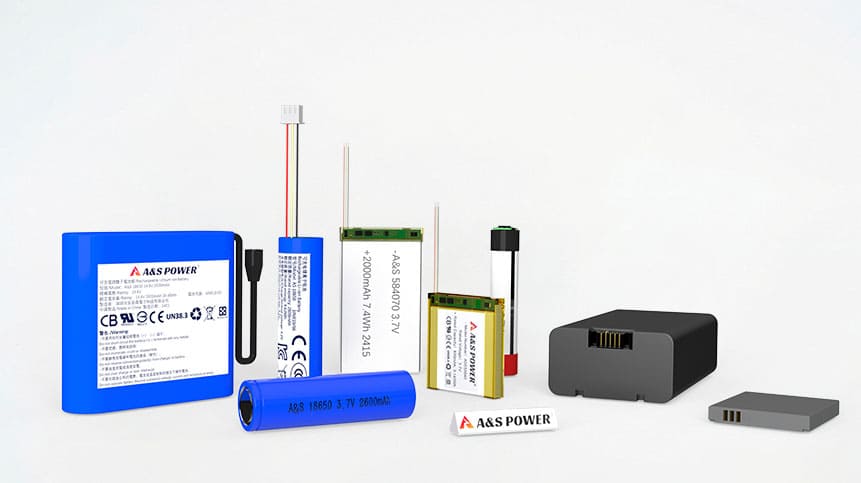
Not every lithium battery is designed for the same purpose. Understanding the major battery chemistries helps buyers choose the most suitable solution.
| Battery Type | Advantages | Common Applications |
|---|---|---|
| Lithium-ion (Li-ion) | High energy density, mature technology | Laptops, industrial equipment, medical devices |
| Lithium Polymer (LiPo) | Lightweight, customizable shapes | Wearables, drones, beauty devices, smart electronics |
| LiFePO4 | Long cycle life, excellent safety | Energy storage, RVs, solar systems |
| High-Rate Lithium Batteries | High discharge current | Robotics, UAVs, power tools |
| Ultra-Thin LiPo Batteries | Compact profile | Smart cards, healthcare wearables, GPS trackers |
Each battery chemistry offers different strengths depending on the application's power requirements, operating environment, and expected lifespan.
Key Capabilities of a Professional Lithium Battery Producer
When evaluating manufacturers, buyers should look beyond production capacity alone.
A qualified lithium battery producer typically demonstrates expertise across several critical areas.
1. Engineering and Custom Battery Design
Every successful battery project begins with engineering.
Professional manufacturers evaluate:
- Operating voltage
- Peak discharge current
- Charging method
- Battery dimensions
- Thermal performance
- Waterproof requirements
- Connector compatibility
- Product lifespan
Engineering teams often use 3D modeling and electrical simulations to optimize battery pack performance before prototype production begins.
Custom engineering minimizes redesign costs later in the project.
2. Reliable Cell Selection
Battery performance largely depends on the quality of its cells.
Professional manufacturers source cells from reputable suppliers and verify incoming materials through multiple inspection procedures.
Cell evaluation typically includes:
- Capacity testing
- Internal resistance measurement
- Voltage consistency
- Aging tests
- Cycle performance evaluation
- Appearance inspection
Only matched cells proceed to battery pack assembly, helping ensure balanced performance and extended service life.
3. Advanced Manufacturing Equipment
Modern lithium battery production relies heavily on automated equipment to improve consistency and reduce human error.
Common production equipment includes:
- Automatic spot welding machines
- Laser welding systems
- Cell sorting machines
- Automatic insulation application
- SMT production lines
- Battery aging systems
- Capacity grading equipment
- Comprehensive functional testing stations
Automation enhances production efficiency while maintaining stable quality across large manufacturing volumes.
4. Strict Quality Management Systems
Reliable manufacturers implement quality control throughout every stage of production rather than inspecting products only after assembly.
Typical quality procedures include:
- Incoming material inspection (IQC)
- In-process quality control (IPQC)
- Finished product inspection (FQC)
- Outgoing quality inspection (OQC)
- Reliability testing
- Traceability management
Many leading manufacturers also operate under ISO 9001 quality management systems to standardize production and continuous improvement.
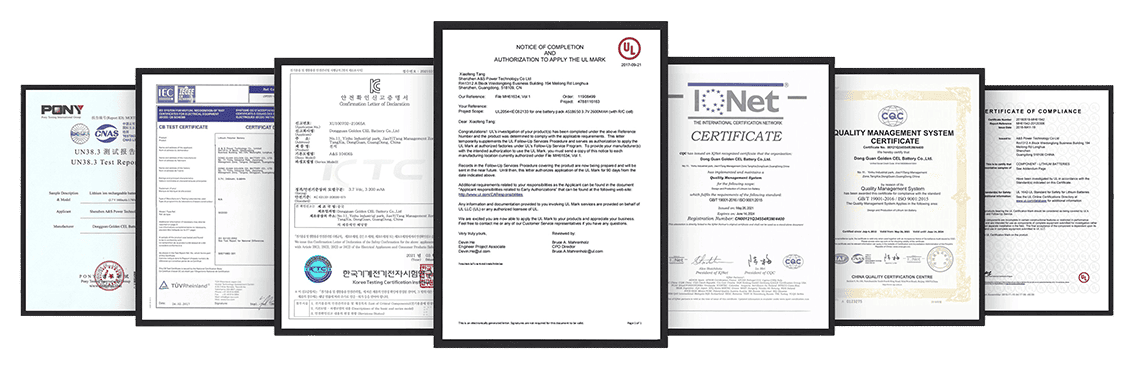
International Certifications Every Lithium Battery Producer Should Support
Global customers increasingly require batteries that comply with regional safety and transportation regulations.
The following certifications are among the most widely requested:
| Certification | Purpose |
|---|---|
| IEC 62133 | Safety requirements for portable rechargeable batteries |
| UL 2054 | Household and commercial battery pack safety |
| UL 1642 | Lithium cell safety |
| UN38.3 | Transportation safety for lithium batteries |
| CE | European market conformity |
| RoHS | Restriction of hazardous substances |
| CB Scheme | International safety certification recognition |
| KC | South Korea market access |
| PSE | Japan electrical safety |
| BIS | India market compliance |
Certification requirements vary depending on the destination market and product application. An experienced lithium battery producer can help customers identify the appropriate compliance pathway early in the product development process, reducing delays during certification and product launch.
Global Lithium Battery Market Trends in 2026
The global lithium battery industry continues to expand as electrification, digitalization, and portable electronics drive demand across nearly every sector. While electric vehicles remain the largest growth engine, industrial automation, medical technology, energy storage systems, and smart consumer devices are also creating significant opportunities for battery manufacturers.
According to market research from organizations such as the International Energy Agency (IEA), Benchmark Mineral Intelligence, and Fortune Business Insights, worldwide demand for lithium batteries is expected to continue growing throughout the decade, supported by investments in renewable energy, electric mobility, and connected devices.
Several trends are shaping the industry:
- Increased demand for customized battery packs rather than standard batteries
- Higher expectations for battery safety and regulatory compliance
- Growing adoption of lithium polymer batteries in compact electronic devices
- Expansion of lithium iron phosphate (LiFePO4) technology for energy storage
- Greater emphasis on supply chain transparency and quality traceability
- Automation and digital manufacturing becoming standard in battery production
For OEM companies, these trends make supplier selection even more important. Manufacturers with strong engineering capabilities, stable material sourcing, and mature production systems are generally better positioned to support long-term product development.
How to Evaluate a Lithium Battery Producer
Selecting the right manufacturing partner requires more than reviewing a supplier's catalog. Buyers should evaluate technical capabilities, manufacturing consistency, certifications, and long-term support.
The following checklist provides a practical framework for supplier assessment.
| Evaluation Area | What to Verify | Why It Matters |
|---|---|---|
| Manufacturing Experience | Years in battery production and industry expertise | Indicates technical maturity and process stability |
| Engineering Team | Custom design, BMS development, prototype support | Essential for OEM and ODM projects |
| Certifications | ISO 9001, IEC 62133, UL, UN38.3, CE, RoHS | Required for global market compliance |
| Production Capacity | Automated production lines and monthly output | Ensures consistent delivery for volume orders |
| Quality Control | Incoming inspection, process control, final testing | Reduces defects and warranty claims |
| Testing Equipment | Capacity, aging, vibration, thermal, and cycle-life testing | Confirms battery reliability |
| Material Supply | Qualified cell suppliers and stable sourcing | Minimizes production disruptions |
| Technical Support | Engineering consultation and after-sales service | Supports product development and issue resolution |
Rather than focusing solely on pricing, businesses should consider the supplier's ability to deliver consistent quality throughout the product lifecycle.
Inside the Manufacturing Process of a Lithium Battery Producer
Producing a reliable lithium battery pack involves a series of carefully controlled manufacturing stages. Each step contributes to safety, performance, and consistency.
Step 1: Requirement Analysis
The process begins with understanding the customer's application, including:
- Operating voltage
- Capacity requirements
- Maximum discharge current
- Charging method
- Operating temperature
- Available installation space
- Product certifications
- Expected service life
These parameters determine the battery chemistry, cell configuration, and protection strategy.
Step 2: Battery Pack Engineering
Engineers design the battery pack structure, selecting:
- Cell arrangement
- Protection circuit (PCM/BMS)
- Connectors
- Wire specifications
- Insulation materials
- Housing design
- Thermal management solutions
Prototype validation is often performed before mass production.
Step 3: Material Inspection
Incoming materials undergo quality verification before entering production.
Typical inspections include:
- Cell voltage consistency
- Internal resistance
- Capacity testing
- Connector quality
- PCB inspection
- Housing dimensional checks
This helps prevent defective materials from entering the production line.
Step 4: Battery Assembly
Production may include:
- Automatic cell sorting
- Spot welding or laser welding
- Nickel strip connection
- PCM/BMS installation
- Wire soldering
- Insulation wrapping
- Heat-shrink application
- Mechanical assembly
Automated equipment improves consistency while reducing manufacturing variation.
Step 5: Testing and Aging
Completed battery packs are subjected to multiple tests, including:
- Open-circuit voltage
- Capacity verification
- Charge and discharge performance
- Internal resistance
- Short-circuit protection
- Overcharge protection
- Over-discharge protection
- Temperature monitoring
- Aging tests
Only products meeting established quality standards proceed to shipment.
Why Quality Control Is the Foundation of Reliable Battery Production
Lithium batteries operate through complex electrochemical reactions. Even minor manufacturing inconsistencies can affect safety, cycle life, and overall performance.
Professional manufacturers implement quality control at every production stage rather than relying solely on final inspections.
Typical quality management includes:
Incoming Quality Control (IQC)
Raw materials are inspected before entering production.
Examples include:
- Battery cells
- Protection circuits
- Connectors
- Nickel strips
- Packaging materials
In-Process Quality Control (IPQC)
Operators inspect products during assembly to identify issues early.
Checks often include:
- Spot weld strength
- Cell polarity
- Wiring accuracy
- Insulation placement
- Assembly dimensions
Final Quality Control (FQC)
Completed battery packs undergo electrical and functional testing.
Typical inspections include:
- Capacity
- Voltage
- Internal resistance
- Appearance
- Label verification
- Safety protection
Outgoing Quality Control (OQC)
Before shipment, finished products are verified to ensure packaging accuracy, documentation completeness, and shipping compliance.
This structured approach significantly reduces defect rates and improves product reliability.
Why Many Global OEM Companies Source Batteries from China
China has become the world's largest lithium battery manufacturing hub due to its well-developed supply chain, engineering expertise, and large-scale production capabilities.
For international buyers, working with an experienced Chinese lithium battery producer offers several advantages:
Comprehensive Supply Chain
Most key battery components—including cells, protection circuits, connectors, and packaging materials—are available through an integrated domestic supply network. This improves production efficiency and reduces lead times.
Strong Engineering Capabilities
Many manufacturers provide complete OEM and ODM services, including battery design, rapid prototyping, testing, certification support, and mass production.
Cost Efficiency
High production volumes, manufacturing automation, and supply chain integration help reduce production costs while maintaining competitive quality standards.
Flexible Customization
Chinese battery manufacturers commonly support:
- Custom voltage
- Custom capacity
- Unique battery shapes
- Wire harness customization
- Connector selection
- Waterproof designs
- High-discharge battery packs
- Low-temperature battery solutions
This flexibility is especially valuable for medical devices, industrial equipment, IoT products, robotics, and portable electronics.
Why We Focus on Long-Term Partnerships Instead of One-Time Orders
As a professional lithium battery producer, we believe successful projects are built through collaboration rather than simple transactions.
Our engineering team works closely with customers from the earliest design stage to help optimize battery performance, improve manufacturability, and simplify certification.
Our capabilities include:
- Custom lithium-ion battery packs
- Lithium polymer battery solutions
- LiFePO4 battery systems
- OEM and ODM manufacturing
- Prototype development
- BMS integration
- Connector and cable customization
- International certification support
- Small-batch and high-volume production
- Technical after-sales assistance
Rather than recommending a standard product for every project, we evaluate each application individually to develop a battery solution that aligns with performance requirements, available space, safety expectations, and production objectives.
This engineering-driven approach has enabled us to support customers across industries including medical equipment, beauty devices, consumer electronics, industrial automation, smart wearables, IoT products, emergency lighting, GPS systems, and portable instrumentation.
Conclusion
Choosing the right lithium battery producer is a strategic decision that affects product quality, safety, regulatory compliance, and long-term business success. While pricing remains an important consideration, it should never outweigh engineering expertise, manufacturing consistency, and quality assurance.
A reliable battery manufacturing partner offers far more than production capacity. From battery chemistry selection and custom pack design to certification support and lifecycle testing, experienced manufacturers help customers reduce development risks and accelerate time to market.
When evaluating suppliers, focus on several key factors:
- Proven experience in lithium battery manufacturing
- Strong R&D and engineering capabilities
- International certifications such as IEC 62133, UL, UN38.3, CE, and RoHS
- Automated production equipment and strict quality control
- Stable supply chain management
- Flexible OEM and ODM customization services
- Responsive technical support throughout the product lifecycle
As battery technologies continue to evolve, manufacturers capable of combining innovation with consistent quality will remain the preferred partners for global OEMs.
At A&S Power, we are committed to delivering customized lithium battery solutions that meet the demanding requirements of medical devices, industrial equipment, consumer electronics, smart wearables, beauty devices, IoT products, and many other applications. By combining engineering expertise, certified manufacturing processes, and comprehensive quality management, we help customers build safer, more reliable products for international markets.
Whether you are developing a new product or optimizing an existing design, partnering with an experienced lithium battery producer can provide long-term value beyond the battery itself.
FAQ
1. What does a lithium battery producer do?
A lithium battery producer designs, manufactures, tests, and supplies lithium battery cells and battery packs for various industries. Many also provide OEM/ODM services, custom battery pack design, BMS integration, and certification support.
2. How do I choose a reliable lithium battery producer?
Look for manufacturers with proven industry experience, ISO-certified quality management systems, international safety certifications (such as IEC 62133 and UN38.3), strong engineering capabilities, and comprehensive testing procedures.
3. What certifications should a lithium battery manufacturer have?
Common certifications include IEC 62133, UL 1642, UL 2054, UN38.3, CE, RoHS, CB Scheme, KC, and PSE. The required certifications depend on your target market and product application.
4. Can lithium battery producers manufacture custom battery packs?
Yes. Most professional manufacturers offer customized battery voltage, capacity, dimensions, connectors, protection circuits, battery management systems (BMS), cable assemblies, and enclosure designs to meet specific application requirements.
5. Which industries commonly use custom lithium batteries?
Custom lithium batteries are widely used in medical devices, industrial automation, robotics, IoT devices, beauty equipment, consumer electronics, portable instruments, emergency lighting, GPS trackers, and smart wearable products.
-

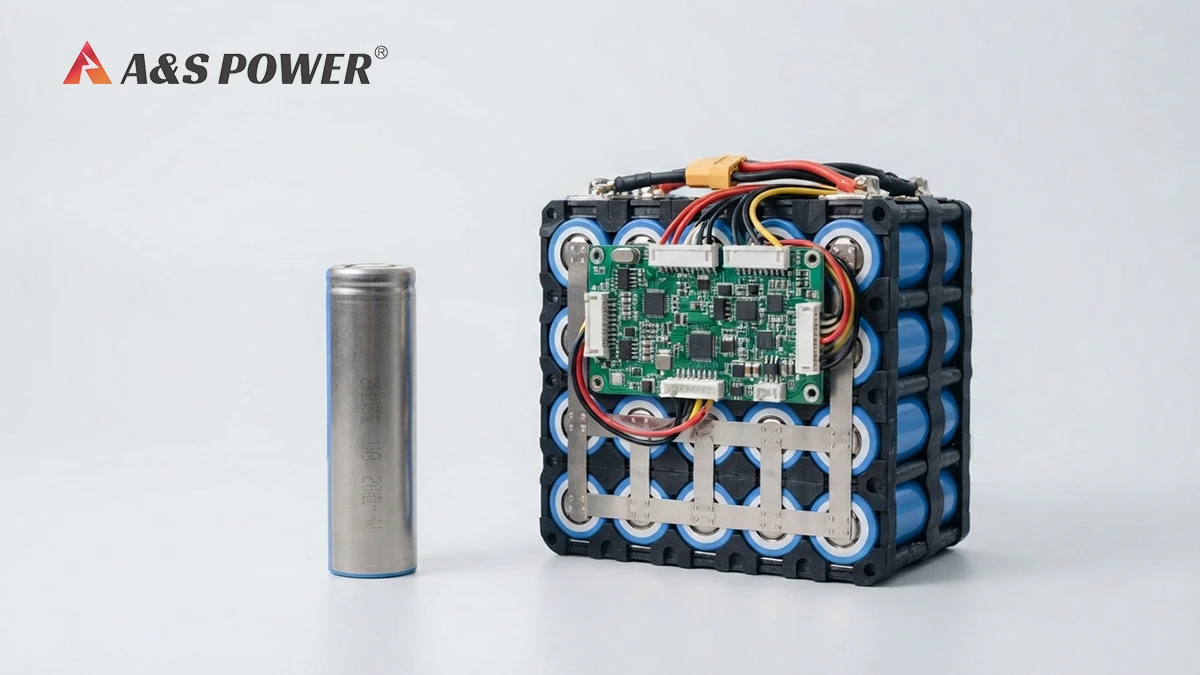 May.2026.08.0521700 Battery Pack with BMS: Design, Safety and Custom SolutionsLearn More
 -
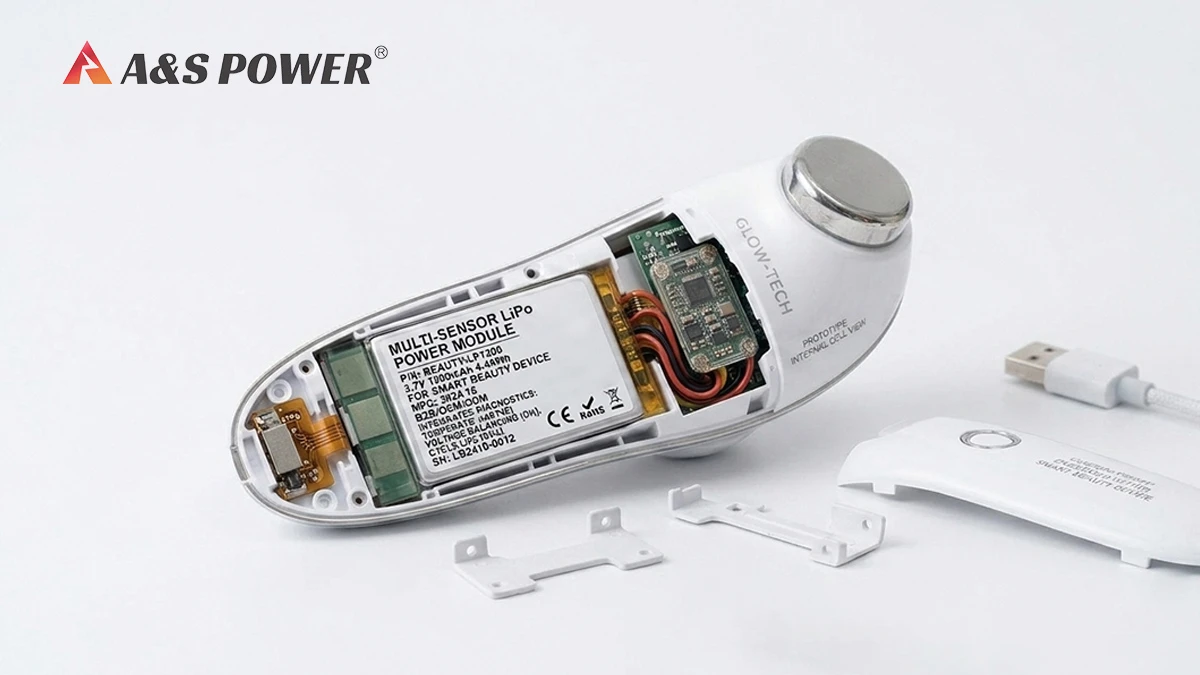 May.2026.08.04Smart Beauty Equipment Battery Pack ManufacturerLearn More
 -
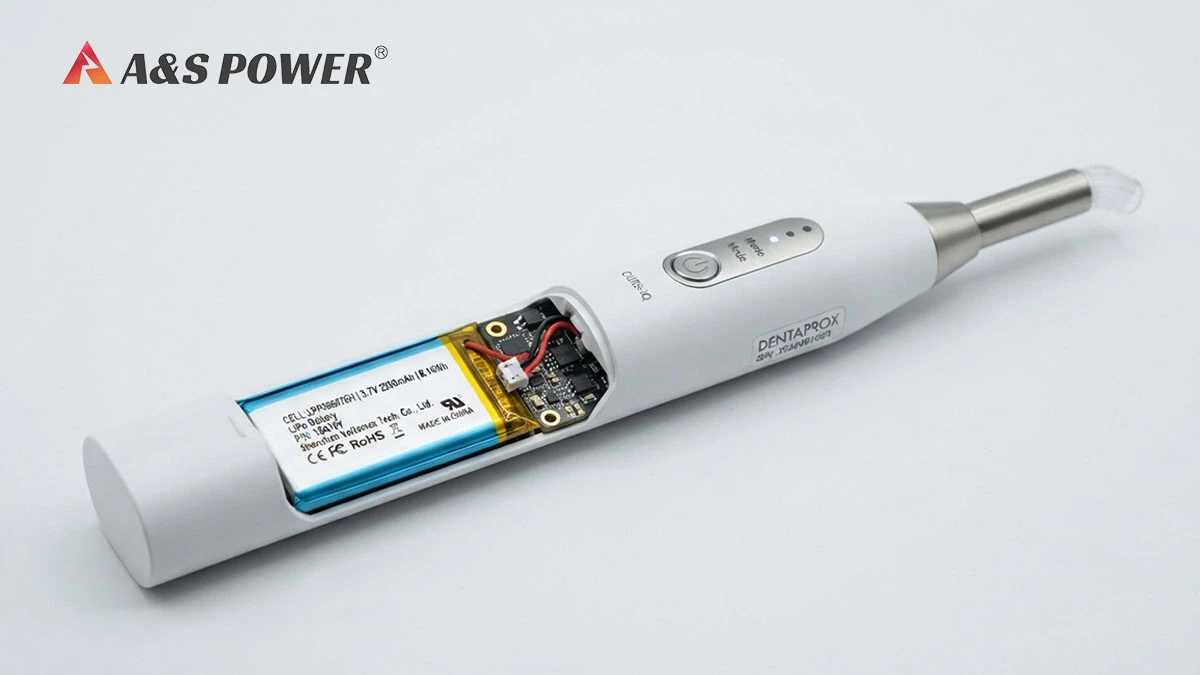 May.2026.08.04High Reliability Polymer Battery for Handheld Dental DevicesLearn More
 -
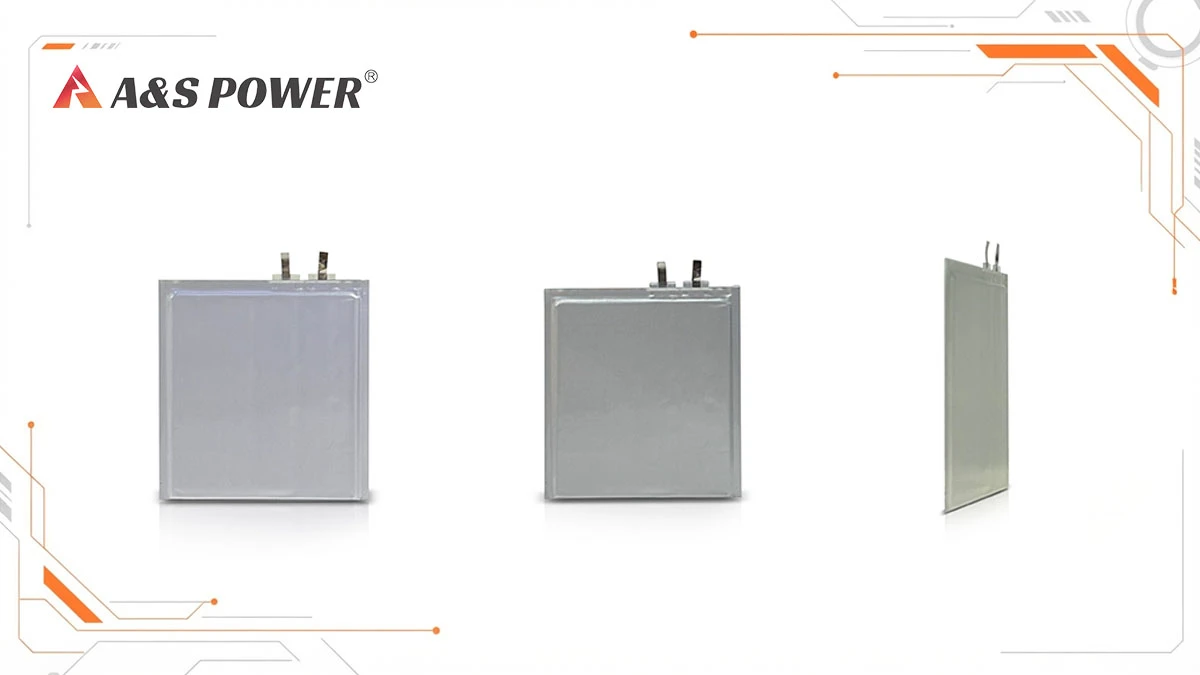 May.2026.08.04Ultra Thin Lithium Polymer Battery 0.4mm 0.5mm Custom GuideLearn More
 -
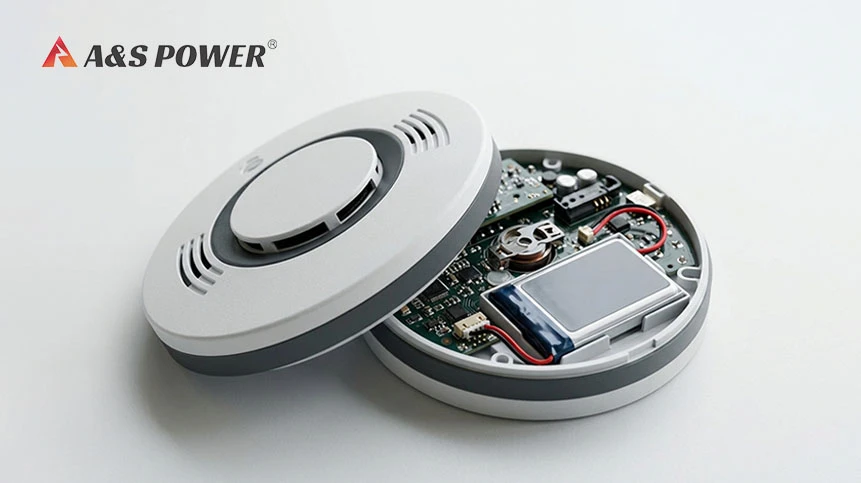 May.2026.07.30Smoke Detector Battery Guide: Choosing the Right Battery for Reliable Fire ProtectionLearn More