




Lithium Polymer Battery 3.7V Guide for Custom Applications
Quick Answer:
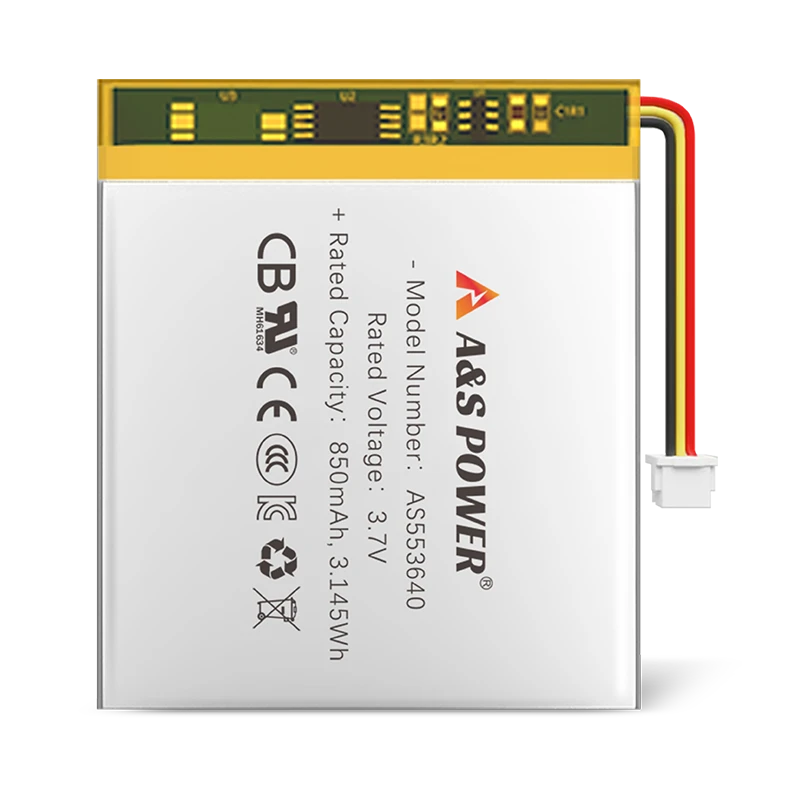
A 3.7V lithium polymer battery (3.7V LiPo battery) is a rechargeable lithium-ion battery that uses a polymer electrolyte and a flexible pouch cell structure. With a nominal voltage of 3.7 volts, it has become one of the most widely used battery solutions for portable electronic devices, medical equipment, wearable products, IoT devices, drones, and customized battery packs.
The actual voltage range of a 3.7V LiPo battery is typically around 3.0V to 4.2V, where 4.2V represents a fully charged state and approximately 3.7V represents the nominal operating voltage. Compared with traditional cylindrical lithium-ion batteries, LiPo batteries offer advantages such as thin profiles, lightweight design, high energy density, and flexible customization options.
As a lithium battery manufacturer with more than 15 years of experience in custom battery development, we have seen 3.7V lithium polymer batteries become a preferred choice for engineers who need compact size, reliable performance, and application-specific designs.
Introduction
Why 3.7V Lithium Polymer Batteries Are Widely Used
The demand for smaller and smarter electronic products has significantly changed battery design requirements.
Modern devices such as smart wearables, portable medical equipment, beauty devices, GPS trackers, wireless audio products, and industrial instruments require batteries that are not only powerful but also lightweight and adaptable to limited internal spaces.
This is where the 3.7V lithium polymer battery provides a strong advantage.
Unlike traditional alkaline batteries or nickel-metal hydride batteries, lithium polymer batteries use lithium-ion chemistry combined with a polymer electrolyte and aluminum pouch packaging. This structure allows manufacturers to create batteries in different shapes, thicknesses, and dimensions.
For example, a device designer may require:
- A battery thinner than 5mm for a wearable product
- A customized curved battery for a smart ring
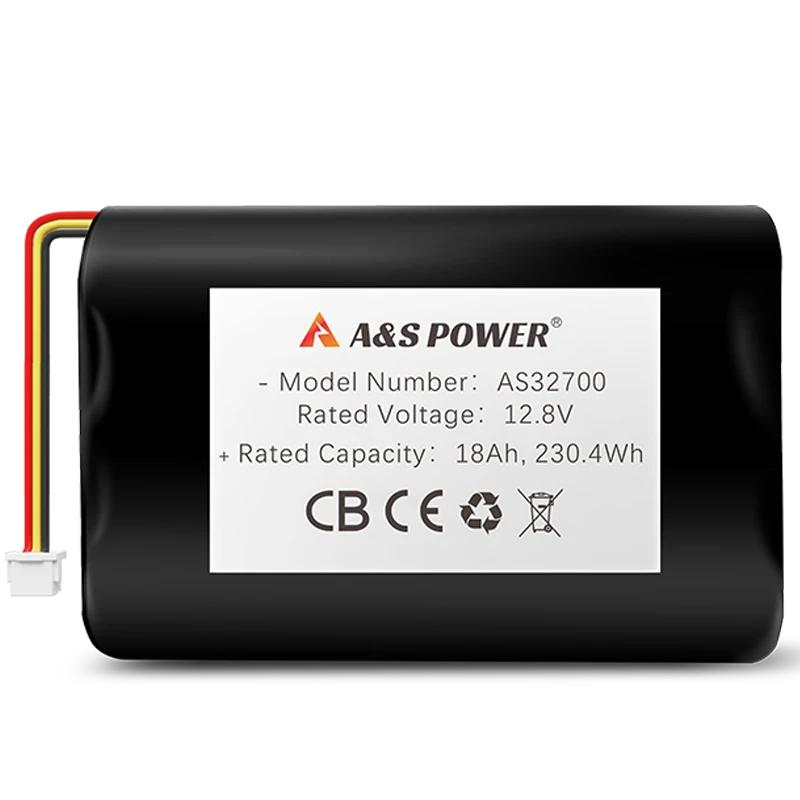
- A high-capacity battery pack for medical equipment
- A lightweight battery for drones or portable electronics
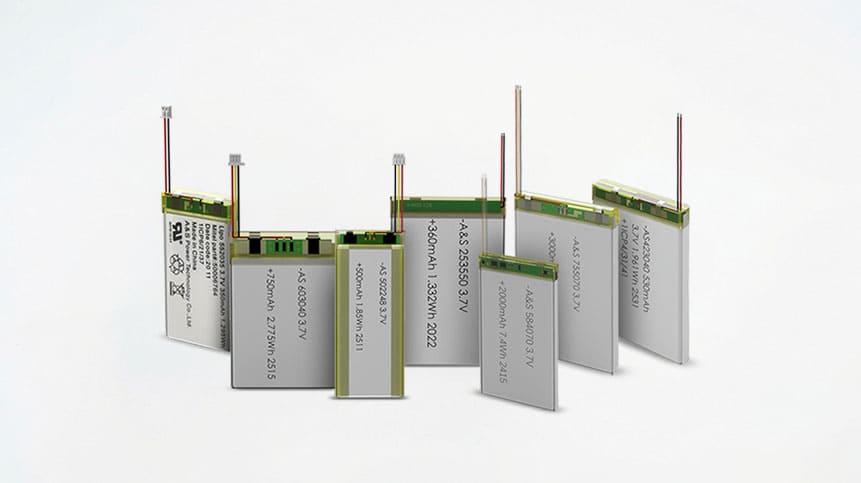
A standard cylindrical battery often cannot meet these requirements, while a custom 3.7V LiPo battery can be engineered according to the available space and electrical requirements.
At A&S Power, we frequently work with OEM customers who need customized lithium polymer battery solutions, including voltage configuration, capacity adjustment, connector selection, protection circuit design, and certification requirements.
What Is a Lithium Polymer Battery 3.7V?
A 3.7V lithium polymer battery is a rechargeable battery based on lithium-ion technology that uses a polymer electrolyte instead of a traditional liquid electrolyte.
The “3.7V” refers to the battery’s nominal voltage, which represents the average voltage during normal discharge.
A typical single-cell 3.7V LiPo battery operates within the following voltage range:
| Battery Status | Voltage Range |
|---|---|
| Fully Charged | 4.2V |
| Nominal Voltage | 3.7V |
| Normal Operating Range | 3.6V–3.9V |
| Recommended Cut-off Voltage | Around 3.0V |
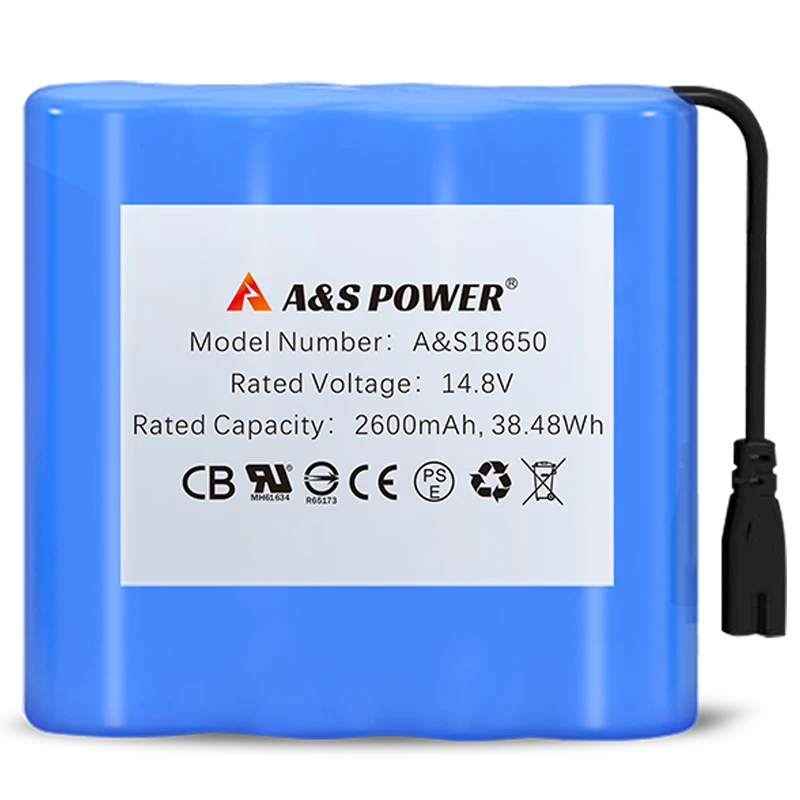
A single LiPo cell provides approximately the same voltage level as many lithium-ion cylindrical cells, such as 18650 batteries.
However, the major difference is the physical structure.
A 18650 lithium-ion battery uses a rigid cylindrical metal casing, while a lithium polymer battery uses a flexible aluminum pouch structure.
This allows LiPo batteries to achieve:
- More flexible designs
- Lower weight
- Better space utilization
- Custom shapes
- Higher packaging efficiency
How Does a 3.7V Lithium Polymer Battery Work?
A 3.7V LiPo battery contains several key components:
Positive Electrode (Cathode)
The cathode is typically made from lithium-based materials, including:
- Lithium cobalt oxide (LCO)
- Lithium manganese oxide (LMO)
- Nickel manganese cobalt oxide (NMC)
Different cathode materials affect:
- Energy density
- Cycle life
- Thermal stability
- Cost
For consumer electronics and compact devices, lithium cobalt oxide chemistry has historically been widely used because of its high energy density.
For applications requiring longer lifespan and better thermal performance, other lithium chemistries may be selected.
Negative Electrode (Anode)
Most lithium polymer batteries use graphite-based anode materials.
During charging:
- Lithium ions move from the cathode to the anode.
During discharging:
- Lithium ions move back from the anode to the cathode.
This movement creates the electrical energy used to power electronic devices.
Polymer Electrolyte and Separator
The electrolyte allows lithium ions to move between electrodes.
The separator prevents direct contact between the cathode and anode while allowing ion transfer.
Modern LiPo batteries use advanced separator materials designed to improve:
- Safety
- Heat resistance
- Battery lifespan
Key Specifications of a 3.7V Lithium Polymer Battery
When selecting a 3.7V LiPo battery, engineers usually focus on several important parameters.
1. Voltage
The nominal voltage is 3.7V.
For higher voltage requirements, multiple cells can be connected:
| Battery Configuration | Voltage |
|---|---|
| 1S LiPo | 3.7V |
| 2S LiPo | 7.4V |
| 3S LiPo | 11.1V |
| 4S LiPo | 14.8V |
For example:
- Wearable devices usually use 1S 3.7V batteries.
- Robotics and drones may require 2S or higher configurations.
2. Capacity (mAh)
Capacity determines how much energy the battery can store.
Common 3.7V LiPo battery capacities include:
| Battery Size | Typical Capacity |
|---|---|
| Small wearable battery | 50mAh–500mAh |
| Consumer electronics | 500mAh–3000mAh |
| Medical devices | 1000mAh–5000mAh |
| Industrial equipment | 3000mAh+ |
A higher mAh rating usually means longer operating time but also increases battery size.
3. Energy Density
Energy density is one of the biggest advantages of lithium polymer batteries.
The formula is:
Energy (Wh) = Voltage × Capacity (Ah)
Example:
A 3.7V 2000mAh LiPo battery:
3.7V × 2Ah = 7.4Wh
Higher energy density allows engineers to create smaller devices without sacrificing runtime.
Lithium Polymer Battery 3.7V vs 18650 Lithium-ion Battery: Which One Is Better?
When engineers select a rechargeable lithium battery for a new product, one common question is whether to choose a 3.7V lithium polymer battery or a traditional 18650 lithium-ion battery.
Both battery types use lithium-ion technology and have similar nominal voltage characteristics. However, their structures, design flexibility, and application advantages are different.
The right choice depends on the product requirements, including available space, power demand, discharge rate, safety requirements, and manufacturing cost.
Comparison Between 3.7V LiPo Battery and 18650 Battery
| Comparison Factor | 3.7V Lithium Polymer Battery | 18650 Lithium-ion Battery |
|---|---|---|
| Battery Structure | Flexible aluminum pouch cell | Cylindrical steel casing |
| Nominal Voltage | 3.7V | 3.6V–3.7V |
| Shape Design | Customizable shapes and sizes | Fixed cylindrical shape |
| Weight | Lightweight | Relatively heavier |
| Thickness | Can be ultra-thin | Usually 18mm diameter |
| Energy Density | High | High |
| Mechanical Protection | Requires battery enclosure | Strong metal housing |
| Space Utilization | Excellent | Limited |
| Manufacturing Cost | Usually higher | Usually lower |
| Best Applications | Wearables, medical devices, portable electronics | Power tools, energy storage, flashlights |
For compact electronic products where internal space is limited, a 3.7V LiPo battery usually provides better design flexibility.
For applications requiring rugged mechanical protection and standardized replacement cells, 18650 batteries may be more suitable.
Advantages of Using a 3.7V Lithium Polymer Battery
1. Flexible Custom Shape Design
One of the biggest advantages of lithium polymer batteries is customization.
Unlike cylindrical batteries, LiPo cells can be manufactured in different dimensions.
Common customization options include:
- Length adjustment
- Width adjustment
- Thickness optimization
- Special-shaped battery design
- Curved battery structure
- Multi-cell battery packs
This makes 3.7V LiPo batteries ideal for products where every millimeter of internal space matters.
Typical applications include:
- Smart watches
- Smart rings
- Wireless earbuds
- Medical monitors
- Beauty devices
- Portable scanners
For example, a wearable device manufacturer may need a battery that follows the curved housing design of the product. A customized LiPo solution can achieve this requirement without redesigning the entire device.
2. High Energy Density in a Compact Size
Modern electronic devices continue to become smaller while requiring longer working time.
A 3.7V lithium polymer battery provides a strong balance between:
- Compact size
- Low weight
- High capacity
- Stable output voltage
Typical LiPo energy density can reach approximately:
150Wh/kg to 250Wh/kg
depending on cell chemistry, design, and manufacturing technology.
Higher energy density allows manufacturers to:
- Reduce product thickness
- Increase operating time
- Improve user experience
This is especially important for portable medical devices, wearable technology, and consumer electronics.
3. Lightweight Design
Weight reduction is critical for many portable products.
Compared with traditional metal-cased battery solutions, pouch-type lithium polymer batteries eliminate the heavy cylindrical steel housing.
This provides:
- Lower product weight
- Better portability
- Improved user comfort
For wearable products such as smart watches and fitness trackers, battery weight directly affects product acceptance.
4. Excellent Discharge Performance
Many 3.7V LiPo batteries can support relatively high discharge currents.
High-discharge LiPo batteries are commonly used in:
- Drones
- RC models
- Robotics
- Portable tools
- High-performance electronics
The discharge capability is usually represented by the C-rate.
Example:
A 2000mAh battery with a 5C discharge rating:
2Ah × 5C = 10A continuous discharge current
Higher discharge capability allows devices to receive more power when needed.
Common Applications of 3.7V Lithium Polymer Batteries
The popularity of 3.7V LiPo batteries continues to grow because they can support many industries.
1. Wearable Electronics
Wearable devices require batteries that are:
- Small
- Lightweight
- Safe
- Long-lasting
Typical products include:
- Smart watches
- Smart rings
- Fitness trackers
- Bluetooth devices
A customized thin LiPo battery can fit into extremely compact designs where traditional batteries cannot.
2. Medical Equipment
Medical devices have strict requirements for battery reliability and safety.
3.7V lithium polymer batteries are widely used in:
- Portable ultrasound equipment
- Patient monitoring devices
- Medical sensors
- Hearing devices
- Infusion equipment
Medical battery designs often require:
- Stable voltage output
- Long cycle life
- Safety protection circuit
- International certifications
For medical applications, battery manufacturers typically provide certifications such as:
- UN38.3
- IEC62133
- CE
- RoHS
- UL-related certifications depending on market requirements
3. Beauty and Personal Care Devices
Rechargeable beauty equipment has become another important application area.
Examples include:
- Facial cleansing devices
- Electric beauty instruments
- Massage devices
- Hair styling tools
Manufacturers prefer 3.7V LiPo batteries because they provide:
- Compact size
- High capacity
- Rechargeable performance
- Flexible installation options
4. IoT and Smart Devices
Internet of Things products often require batteries that can operate for months or years.
Applications include:
- GPS trackers
- Smart sensors
- Smart locks
- Industrial monitoring devices
Battery design considerations include:
- Low self-discharge
- Long standby time
- Stable performance under different temperatures
Important Factors When Choosing a 3.7V LiPo Battery Manufacturer
Selecting the right battery supplier is not only about price.
A reliable manufacturer should provide complete technical support from battery design to mass production.
1. Manufacturing Experience
Lithium battery manufacturing requires experience in:
- Cell production
- Battery pack assembly
- Protection circuit design
- Quality control
- Safety testing
A supplier with years of experience can help customers avoid common design problems.
For example:
- Incorrect battery size selection
- Insufficient discharge performance
- Poor thermal management
- Incompatible connectors
2. Customization Capability
A professional LiPo battery manufacturer should support:
Electrical Customization
Including:
- Voltage
- Capacity
- Discharge rate
- Charging current
Mechanical Customization
Including:
- Battery dimensions
- Thickness
- Shape
- Connector type
Protection Customization
Including:
- Overcharge protection
- Over-discharge protection
- Over-current protection
- Short-circuit protection
- Temperature protection
3. Quality Control and Certifications
Battery safety is one of the most important factors in product development.
Professional manufacturers normally follow strict quality control processes including:
- Incoming material inspection
- Cell matching
- Welding inspection
- Aging testing
- Capacity testing
- Final performance testing
Common certifications for lithium polymer batteries include:
| Certification | Purpose |
|---|---|
| UN38.3 | Transportation safety testing |
| IEC62133 | Rechargeable battery safety standard |
| UL1642 | Lithium battery component safety |
| CE | European market compliance |
| RoHS | Restriction of hazardous substances |
| KC | Korean market compliance |
| PSE | Japanese market compliance |
| BIS | Indian market compliance |
Why Choose A&S Power for Custom 3.7V Lithium Polymer Batteries?
With more than 15 years of experience in lithium battery manufacturing, A&S Power focuses on providing customized rechargeable battery solutions for global OEM customers.
Our engineering team supports customers from initial concept development to mass production, including:
- Battery specification design
- Prototype development
- Sample testing
- Certification support
- Production quality control
Our custom lithium polymer battery solutions are widely used in:
- Medical equipment
- Beauty devices
- Wearable electronics
- IoT products
- Consumer electronics
- Industrial equipment
For different applications, we provide customized solutions including:
- 3.7V LiPo battery cells
- Multi-cell LiPo battery packs
- Protection circuit boards (PCB/BMS)
- Custom connectors
- Custom battery shapes
A reliable battery partner helps product developers reduce development time and improve final product reliability.
How to Choose the Right 3.7V Lithium Polymer Battery for Your Product?
Selecting the correct 3.7V lithium polymer battery requires more than choosing a battery with the highest capacity.
In real product development, engineers need to consider the complete system, including available space, power consumption, charging requirements, operating environment, and safety standards.
Based on our experience working with OEM customers, the following factors are the most important when selecting a suitable LiPo battery.
1. Determine Required Battery Capacity
Battery capacity directly affects product operating time.
The basic calculation is:
Battery Capacity (mAh) = Device Power Consumption × Operating Time ÷ Battery Voltage
For example:
If a portable device consumes 500mA current and needs to operate for 4 hours:
500mA × 4h = 2000mAh
A battery around 3.7V 2000mAh may be considered, while additional margin should be included to account for efficiency loss and battery aging.
Common 3.7V LiPo capacity ranges:
| Application | Typical Capacity |
|---|---|
| Smart wearable devices | 50mAh–500mAh |
| Wireless audio products | 300mAh–1000mAh |
| GPS trackers | 500mAh–3000mAh |
| Medical devices | 1000mAh–5000mAh |
| Industrial equipment | 3000mAh+ |
2. Consider Battery Size and Thickness Limitations
For many modern products, battery dimensions are the biggest design challenge.
A customized 3.7V LiPo battery can be designed according to:
- Length
- Width
- Thickness
- Shape requirements
- Installation position
Typical thin LiPo battery thickness:
| Battery Type | Typical Thickness |
|---|---|
| Ultra-thin LiPo | 2mm–5mm |
| Standard LiPo | 5mm–10mm |
| High-capacity LiPo Pack | 10mm+ |
This flexibility makes lithium polymer batteries especially suitable for:
- Smart glasses
- Smart rings
- Fitness trackers
- Medical sensors
- Portable instruments
3. Evaluate Charging Requirements
A 3.7V LiPo battery normally uses a constant current/constant voltage (CC/CV) charging method.
The standard charging process includes:
Stage 1: Constant Current Charging
The charger supplies a controlled current until the battery voltage reaches approximately 4.2V.
Stage 2: Constant Voltage Charging
The voltage remains around 4.2V while charging current gradually decreases.
Stage 3: Charging Completion
When the current drops to a specified level, charging stops.
Using the correct charger is critical because overcharging can reduce battery lifespan and create safety risks.
4. Match the Battery With a Proper Protection Circuit
A high-quality 3.7V LiPo battery pack normally includes a protection circuit module (PCM).
The protection circuit helps prevent:
- Overcharging
- Over-discharging
- Excessive current
- Short circuits
- Abnormal temperature conditions
For customized applications, the protection design can be adjusted according to:
- Device power requirements
- Discharge current
- Charging speed
- Operating environment
For example:
A low-power IoT sensor may require ultra-low standby protection, while a drone battery may require high-current discharge protection.
Future Development Trends of 3.7V Lithium Polymer Batteries
The market demand for compact rechargeable batteries continues to grow.
According to industry research, the global lithium-ion battery market continues expanding due to increasing adoption of:
- Electric mobility
- Portable electronics
- Energy storage systems
- Smart devices
Within consumer electronics and industrial applications, lithium polymer batteries remain important because of their design flexibility.
Future development trends include:
1. Higher Energy Density LiPo Cells
Battery manufacturers continue improving:
- Electrode materials
- Cell structure
- Manufacturing processes
The goal is to provide:
- Longer runtime
- Smaller battery size
- Lower weight
2. More Customized Battery Shapes
As product designs become more innovative, demand is increasing for:
- Curved batteries
- Ultra-thin batteries
- Irregular shaped batteries
- Flexible battery packs
This trend is especially visible in:
- Wearable technology
- Smart healthcare products
- Compact consumer electronics
3. Improved Battery Safety
Future LiPo batteries will focus on:
- Better thermal stability
- Improved separators
- Safer electrolyte systems
- Advanced battery management systems
Safety will continue to be a key requirement for medical, industrial, and consumer applications.
Conclusion
A 3.7V lithium polymer battery offers an ideal balance of compact size, high energy density, lightweight design, and flexible customization, making it widely used in wearable devices, medical equipment, IoT products, and portable electronics.
Choosing the right LiPo battery requires careful consideration of capacity, dimensions, discharge performance, safety protection, and certification requirements. Working with an experienced battery manufacturer can help ensure reliable performance and faster product development.
With more than 15 years of experience in custom lithium battery manufacturing, A&S Power provides tailored 3.7V LiPo battery solutions for global OEM customers, including battery design, prototype development, certification support, and mass production.
As demand for smaller and smarter electronic products continues to grow, 3.7V lithium polymer batteries will remain a key power solution for next-generation applications.
FAQ
Q1: What does 3.7V mean on a lithium polymer battery?
A 3.7V rating represents the nominal voltage of a single lithium polymer battery cell. The actual voltage range is normally about 3.0V to 4.2V, depending on charging and discharging conditions.
Q2: Is a 3.7V LiPo battery the same as a lithium-ion battery?
A 3.7V LiPo battery is a type of lithium-ion battery. The main difference is the electrolyte structure and packaging. LiPo batteries typically use a polymer electrolyte and flexible pouch packaging.
Q3: How long does a 3.7V lithium polymer battery last?
The lifespan depends on charging conditions, operating temperature, discharge depth, and usage frequency. Many quality LiPo batteries can provide hundreds of charge cycles under proper conditions.
Q4: Can I customize a 3.7V lithium polymer battery?
Yes. A professional LiPo battery manufacturer can customize: Capacity, Dimensions, Connector, Protection circuit, Wire length, Battery shape.
Q5: What is the maximum charging voltage of a 3.7V LiPo battery?
A standard single-cell 3.7V LiPo battery is fully charged at approximately 4.2V.
-

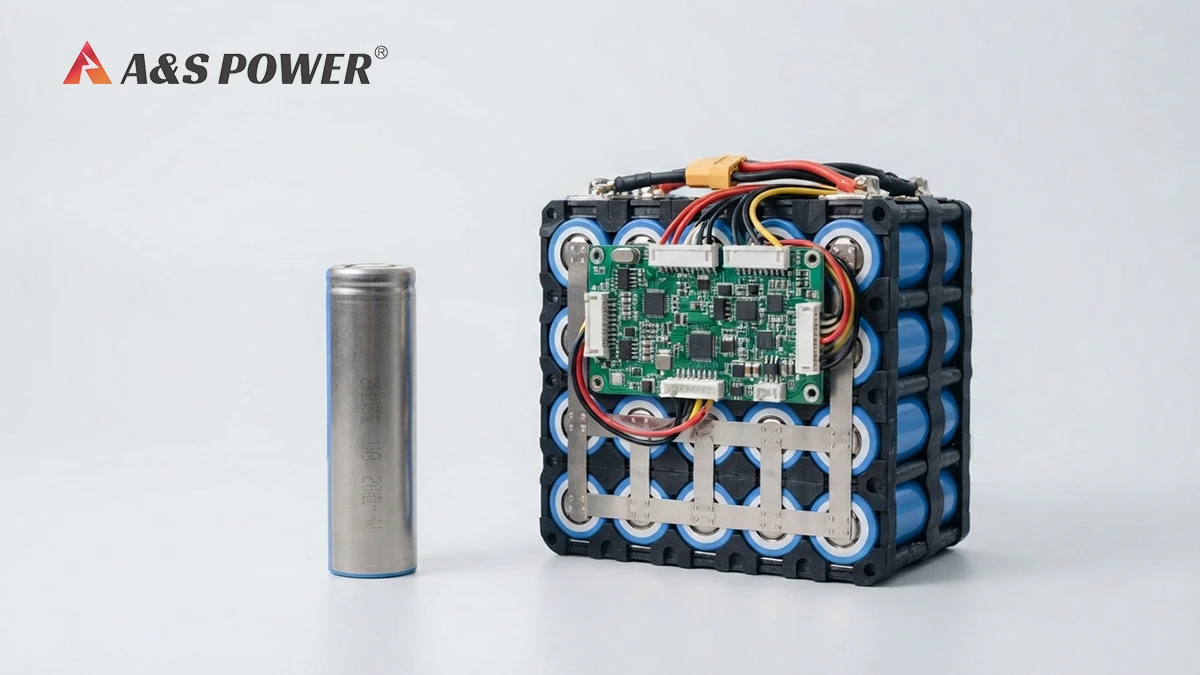 May.2026.08.0521700 Battery Pack with BMS: Design, Safety and Custom SolutionsLearn More
 -
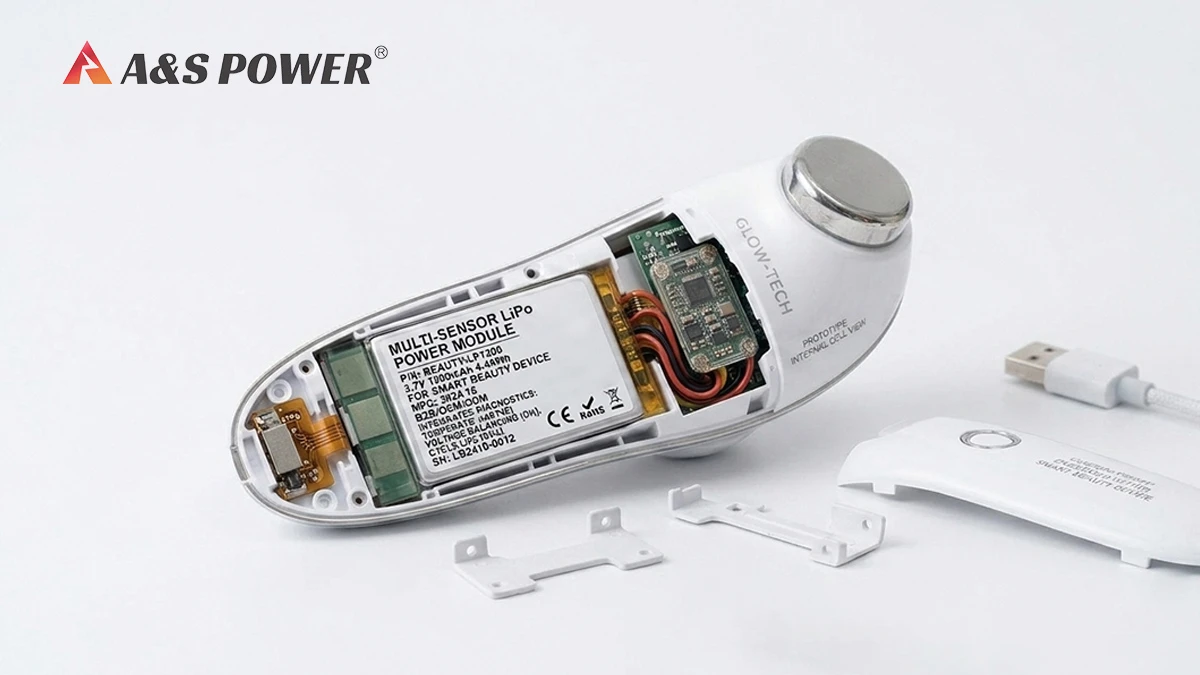 May.2026.08.04Smart Beauty Equipment Battery Pack ManufacturerLearn More
 -
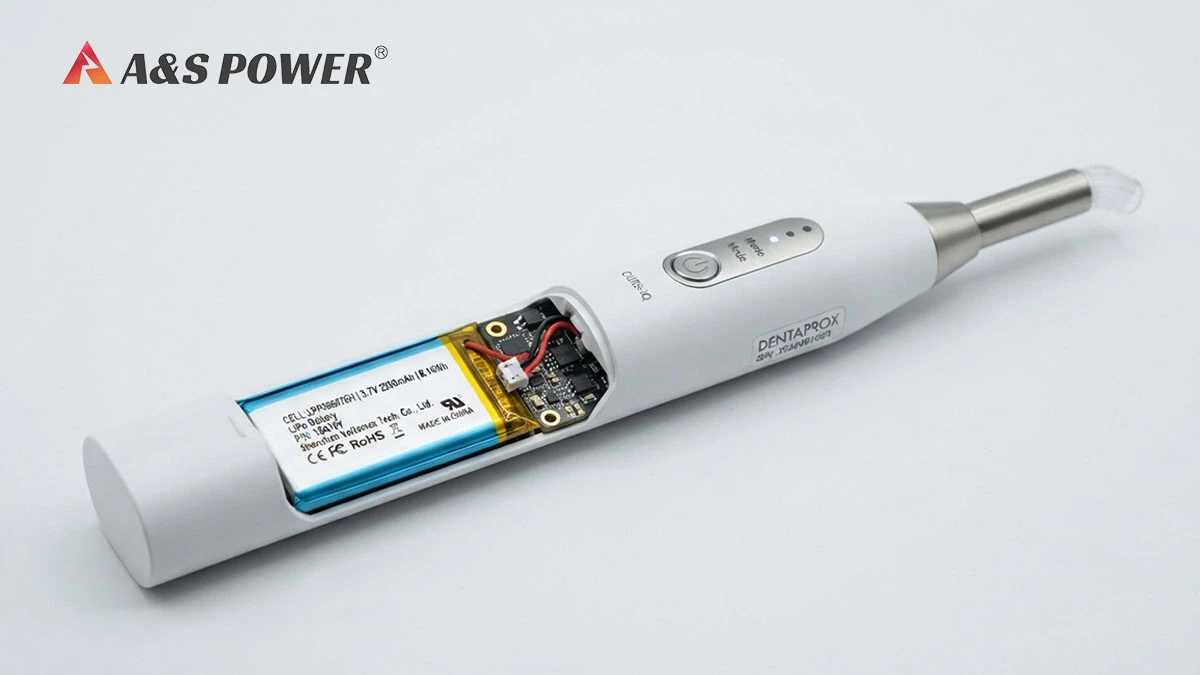 May.2026.08.04High Reliability Polymer Battery for Handheld Dental DevicesLearn More
 -
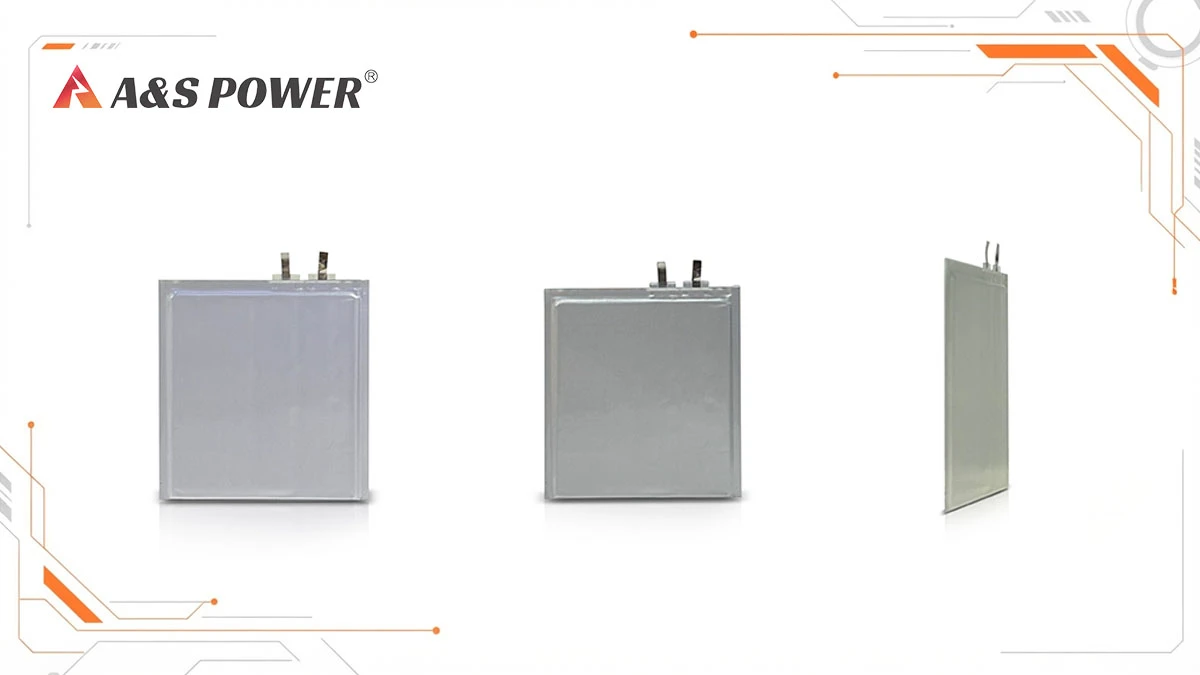 May.2026.08.04Ultra Thin Lithium Polymer Battery 0.4mm 0.5mm Custom GuideLearn More
 -
 May.2026.07.30Smoke Detector Battery Guide: Choosing the Right Battery for Reliable Fire ProtectionLearn More