





Portable Ultrasound Machine Battery Design
Quick Answer:
Portable ultrasound machine battery design requires balancing energy density, safety, operating time, weight, thermal performance, and medical regulatory compliance. Most modern portable ultrasound systems use rechargeable lithium-ion battery packs with intelligent Battery Management Systems (BMS), offering 2–8 hours of continuous operation depending on imaging mode and system power consumption. Successful battery design also involves IEC 62133 certification, UN38.3 transportation testing, medical electrical safety compatibility, and optimized thermal management to ensure reliable operation in hospitals, ambulances, remote clinics, and point-of-care environments.
Introduction
Portable ultrasound machines have transformed modern medical imaging. Compared with traditional cart-based ultrasound systems, today's portable and handheld devices enable physicians to perform real-time diagnostics in emergency departments, ambulances, intensive care units, operating rooms, rural healthcare facilities, and even patients' homes.
From our experience designing custom rechargeable lithium battery packs for medical equipment, we have found that battery performance directly influences diagnostic efficiency, user experience, and equipment reliability. Even the most advanced ultrasound imaging technology becomes ineffective if the battery cannot provide stable power throughout clinical procedures.
This guide explains how engineers, OEM manufacturers, and medical device developers design reliable portable ultrasound batteries while meeting global medical safety standards.
Why Battery Design Matters in Portable Ultrasound Systems
Unlike consumer electronics, portable ultrasound machines operate in mission-critical environments where unexpected power loss could interrupt patient diagnosis.
Battery design affects much more than operating time.
A well-designed battery pack determines:
- Continuous scanning duration
- Device portability
- Startup reliability
- Heat generation
- Charging efficiency
- Equipment lifespan
- Regulatory compliance
- Overall total cost of ownership
Healthcare professionals increasingly expect portable ultrasound systems to provide full-day mobility while remaining lightweight enough for handheld operation.
As a result, battery engineering has become one of the most important aspects of portable medical device development.
Evolution of Portable Ultrasound Power Systems
The power architecture of ultrasound equipment has changed dramatically over the past two decades.
| Generation | Battery Technology | Typical Runtime | Weight | Typical Applications |
|---|---|---|---|---|
| Early Portable Systems | NiMH | 1–2 hours | Heavy | Hospital Backup |
| First Li-ion Generation | 18650 Li-ion | 2–4 hours | Medium | Portable Ultrasound |
| Modern Portable Systems | High-density Li-ion / LiPo | 4–8 hours | Light | Point-of-Care Ultrasound (POCUS) |
| Emerging Systems | Smart Battery + Fast Charging | 6–10 hours | Very Light | AI Ultrasound Devices |
This evolution has been driven primarily by improvements in lithium battery energy density, intelligent battery management, and low-power ultrasound electronics.
Understanding the Power Requirements of Portable Ultrasound Machines
Before selecting battery cells, engineers first estimate the total power consumption of the ultrasound system.
Major power consumers include:
Ultrasound Transducer
The transducer converts electrical energy into ultrasonic waves and receives echo signals. Depending on imaging mode (B-mode, Doppler, Color Flow Imaging, or 3D imaging), power consumption varies considerably.
Typical power:
- 5–25 W
Image Processing Processor
Modern ultrasound machines use powerful CPUs, GPUs, or dedicated AI processors to reconstruct real-time medical images.
Typical consumption:
- 10–35 W
Advanced AI-assisted imaging algorithms may increase power demand but significantly improve image quality.
LCD or OLED Display
Display size directly impacts battery runtime.
Typical power:
- 5–15 W
Larger 15-inch diagnostic displays consume considerably more power than compact handheld devices.
Wireless Communication Modules
Portable ultrasound increasingly supports:
- Wi-Fi
- Bluetooth
- Cloud PACS upload
- DICOM networking
- Remote diagnosis
These communication modules usually consume:
- 2–8 W
Cooling System
High-performance portable ultrasound machines often include:
- Miniature fans
- Heat pipes
- Passive aluminum heat spreaders
Cooling systems generally consume:
- 1–5 W
Typical System Power Budget
| Component | Typical Power Consumption |
|---|---|
| Ultrasound Transducer | 15 W |
| Processor | 20 W |
| Display | 10 W |
| Wireless Communication | 4 W |
| Cooling | 3 W |
| Other Electronics | 6 W |
| Total System Power | 58 W |
This means a portable ultrasound machine requiring 58 W for four hours would need approximately:
232 Wh usable battery energy
Engineers usually increase battery capacity by 15–25% to compensate for aging, efficiency losses, and safety margins.
Choosing the Right Battery Chemistry
Selecting the appropriate battery chemistry is the foundation of portable ultrasound battery design.
Although several rechargeable battery technologies exist, lithium-ion remains the preferred solution for most medical equipment.
Comparison of Common Battery Chemistries
| Chemistry | Energy Density | Cycle Life | Safety | Weight | Recommended |
|---|---|---|---|---|---|
| Lead Acid | Low | 300 | Moderate | Very Heavy | No |
| NiMH | Medium | 500 | Good | Heavy | Limited |
| Li-ion (NMC) | High | 800–1,200 | Good | Light | Excellent |
| LiFePO4 | Medium | 2,000–5,000 | Excellent | Medium | Excellent for long-life systems |
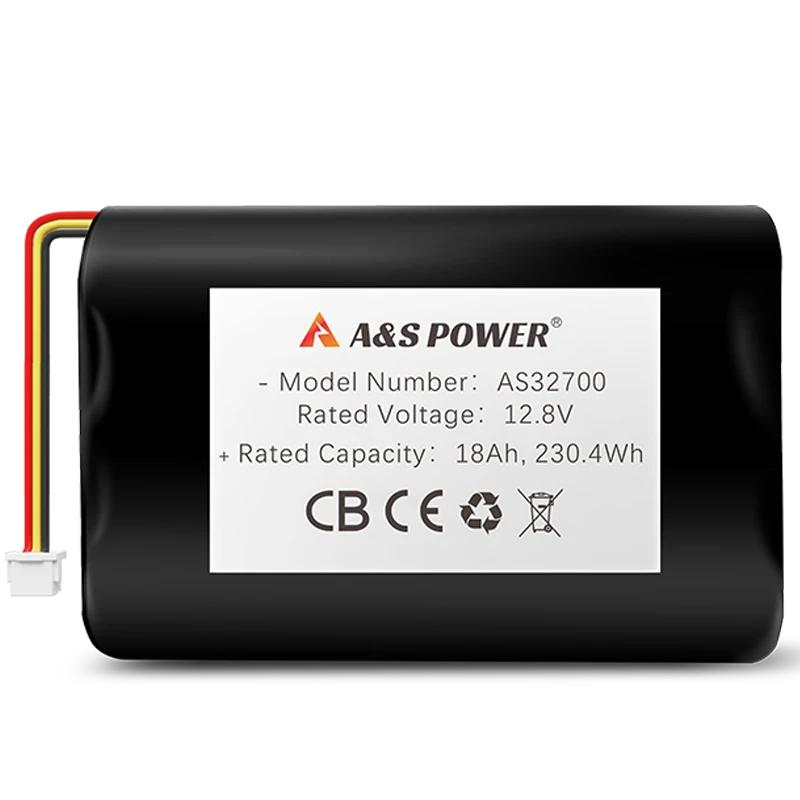
| Lithium Polymer | Very High | 500–1,000 | Good | Very Light | Excellent for compact handheld devices |
For most portable ultrasound applications, lithium-ion batteries provide the best balance between weight, runtime, cost, and energy density.
However, device manufacturers targeting extended product life or higher intrinsic safety may prefer LiFePO4 technology despite its larger size.
Selecting the Best Cell Format
Choosing the correct cell format significantly affects battery performance and product design flexibility.
Cylindrical Cells (18650 & 21700)
Advantages include:
- Mature manufacturing process
- Excellent consistency
- Lower cost
- High cycle life
- Easier thermal management
Typical applications:
- Portable ultrasound carts
- Diagnostic imaging systems
- Mobile medical workstations
Lithium Polymer (LiPo) Pouch Cells
LiPo batteries are increasingly adopted for handheld ultrasound scanners because they offer:
- Ultra-thin profiles
- Lightweight construction
- Flexible custom dimensions
- Better space utilization
- Lower overall device weight
These characteristics make LiPo cells ideal for compact point-of-care ultrasound (POCUS) devices where ergonomics and portability are critical.
Battery Pack Architecture for Portable Ultrasound Machines
Selecting the right battery chemistry is only the first step. The overall battery pack architecture ultimately determines runtime, charging performance, safety, and service life.
In our engineering projects, we always begin by analyzing the ultrasound system's electrical characteristics before deciding on the battery configuration. A battery pack should never be designed solely around capacity. Instead, it must satisfy voltage requirements, peak current demands, thermal limits, mechanical constraints, and medical safety standards simultaneously.
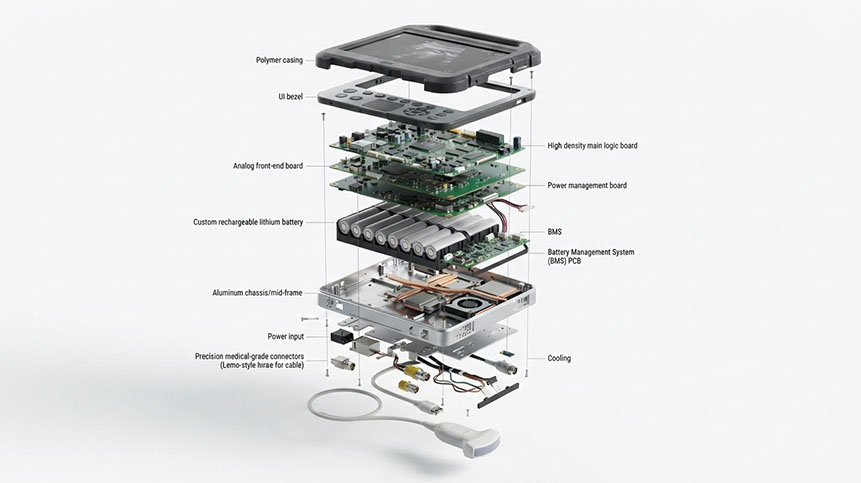
A portable ultrasound battery pack generally consists of:
- Lithium-ion or LiPo cells
- Battery Management System (BMS)
- Protection circuitry
- Temperature sensors
- Fuel gauge IC
- Charging interface
- Communication interface
- Protective enclosure
- Medical-grade connectors
- EMI shielding (when required)
Together, these components form a smart power system rather than a simple rechargeable battery.
Typical Battery Configurations
The required battery voltage depends on the internal power architecture of the ultrasound platform.
| Battery Configuration | Nominal Voltage | Typical Applications |
|---|---|---|
| 2S | 7.4V | Handheld ultrasound scanners |
| 3S | 11.1V | Compact portable ultrasound systems |
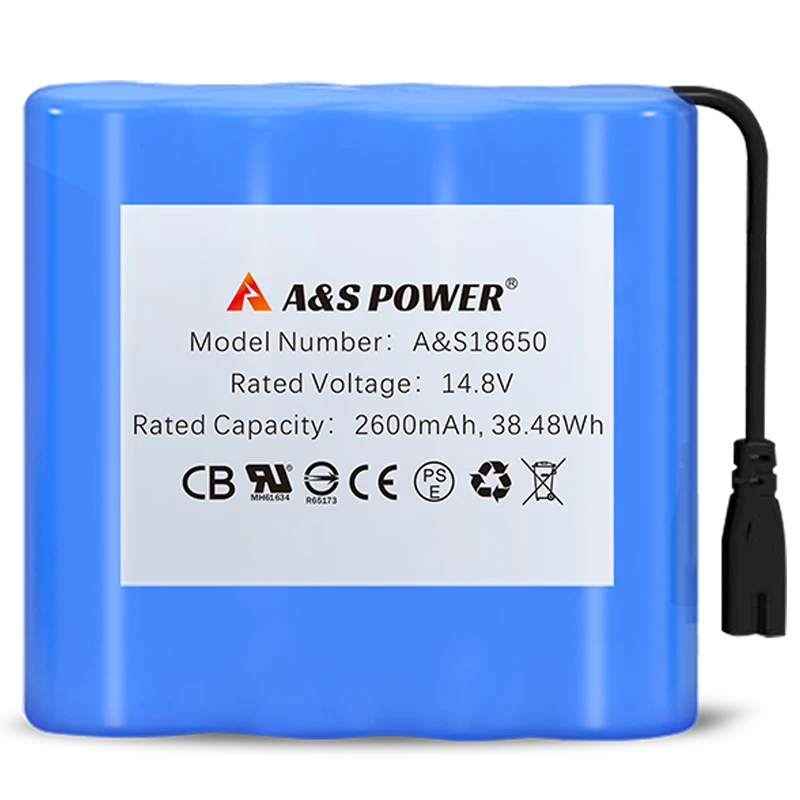
| 4S | 14.8V | Mid-size portable ultrasound devices |
| 6S | 22.2V | High-performance imaging platforms |
| 8S | 29.6V | Mobile diagnostic workstations |
Higher-voltage systems reduce operating current, improving overall power efficiency and minimizing cable losses.
Series and Parallel Cell Design
Battery engineers combine cells in series (S) and parallel (P) to achieve the desired voltage and capacity.
For example:
- 3S2P
- 4S3P
- 6S2P
Each configuration provides different advantages.
| Configuration | Voltage | Capacity | Typical Use |
|---|---|---|---|
| 2S2P | Medium | Medium | Handheld devices |
| 3S2P | Higher | Medium | Portable ultrasound |
| 4S2P | High | Medium | Premium imaging systems |
| 4S4P | High | High | Extended runtime applications |
The final design depends on:
- Device dimensions
- Runtime requirements
- Weight limits
- Peak power demand
- Cost targets
Battery Management System (BMS): The Brain of the Battery Pack
A portable ultrasound battery is only as reliable as its Battery Management System (BMS).
The BMS continuously monitors every critical operating parameter to ensure safe and stable performance throughout the battery's life.
Core BMS functions include:
- Cell voltage monitoring
- Charge balancing
- Overcharge protection
- Over-discharge protection
- Overcurrent protection
- Short-circuit protection
- Temperature monitoring
- Remaining capacity estimation
- Cycle count recording
- Fault diagnostics
Without a properly designed BMS, even high-quality lithium cells can experience premature aging, reduced runtime, or safety risks.
Cell Balancing
No two lithium cells age at exactly the same rate.
Even small voltage differences between cells gradually reduce pack performance.
Cell balancing equalizes individual cell voltages during charging, ensuring:
- Higher usable capacity
- Longer service life
- Improved charging efficiency
- Better pack reliability
Most medical battery packs use passive balancing, while larger imaging systems may benefit from active balancing for higher efficiency.
Fuel Gauge Technology
Medical professionals need accurate information about remaining battery capacity.
Modern ultrasound batteries integrate dedicated fuel gauge ICs that estimate:
- Remaining runtime
- State of Charge (SOC)
- State of Health (SOH)
- Full charge capacity
- Battery aging
- Cycle count
Advanced algorithms improve prediction accuracy by analyzing voltage, current, temperature, and historical usage data.
Smart Battery Communication
Today's premium portable ultrasound systems increasingly employ smart battery technology rather than simple power packs.
Smart batteries communicate with the host device using interfaces such as:
- SMBus
- I²C
- CAN Bus (industrial platforms)
This communication enables the ultrasound system to display:
- Remaining operating time
- Battery health
- Charging status
- Temperature
- Error messages
- Maintenance reminders
It also supports predictive maintenance, allowing hospitals to replace batteries before unexpected failures occur.
Charging System Design
Charging performance is a critical aspect of user experience.
Healthcare professionals expect batteries to recharge quickly while maintaining long-term reliability.
Most manufacturers adopt a Constant Current / Constant Voltage (CC/CV) charging profile.
The charging process generally includes:
- Pre-charge
- Constant current charging
- Constant voltage charging
- Charge termination
- Maintenance monitoring
Each stage protects the battery while maximizing charging efficiency.
Fast Charging Considerations
Fast charging can significantly improve clinical workflow.
However, aggressive charging generates additional heat and accelerates battery degradation.
Engineers must balance:
- Charging speed
- Battery lifespan
- Safety
- Thermal performance
Many premium ultrasound manufacturers target approximately 80% charge within one hour while limiting excessive temperature rise.
Thermal Management
Heat is one of the most significant factors affecting lithium battery performance.
Portable ultrasound systems already generate heat from:
- CPUs
- GPUs
- Ultrasound transmitters
- Displays
- Wireless communication modules
Adding battery heat further increases the thermal load.
Effective thermal management helps:
- Extend battery lifespan
- Improve charging efficiency
- Prevent thermal runaway
- Maintain imaging stability
Common Cooling Strategies
| Cooling Method | Advantages | Typical Applications |
|---|---|---|
| Natural Convection | Simple, silent | Handheld ultrasound |
| Aluminum Heat Spreader | Lightweight | Portable systems |
| Graphite Thermal Pad | Excellent heat distribution | Compact devices |
| Heat Pipe | High efficiency | Premium systems |
| Miniature Fan | Active cooling | High-power imaging platforms |
Many handheld ultrasound devices rely entirely on passive cooling to reduce noise and improve reliability.
Battery Temperature Monitoring
Medical battery packs commonly include one or more NTC temperature sensors positioned close to the cells.
Typical operating range:
- Charging: 0°C to 45°C
- Discharging: -20°C to 60°C
- Storage: -20°C to 45°C
The BMS automatically reduces charging current or disconnects the battery if temperatures exceed safe operating limits.
Safety Protection Design
Medical devices require exceptionally high levels of reliability because power interruptions may directly affect patient care.
A professional portable ultrasound battery incorporates multiple layers of protection.
| Protection Function | Purpose |
|---|---|
| Overcharge Protection | Prevent cell damage |
| Over-discharge Protection | Prevent deep discharge |
| Overcurrent Protection | Prevent excessive load |
| Short Circuit Protection | Prevent catastrophic failure |
| Thermal Protection | Prevent overheating |
| Cell Balancing | Improve consistency |
| Reverse Polarity Protection | Protect electronics |
| Fuse Protection | Last line of defense |
Rather than relying on a single protection mechanism, medical battery packs use redundant safety strategies to reduce overall system risk.
Compliance with Medical Battery Standards
Regulatory compliance is a fundamental requirement for portable ultrasound battery design.
Although certification requirements vary by target market, most OEM manufacturers design battery systems to comply with internationally recognized standards.
| Standard | Purpose |
|---|---|
| IEC 62133-2 | Safety requirements for rechargeable lithium batteries |
| IEC 60601-1 | General safety of medical electrical equipment |
| IEC 60601-1-2 | Electromagnetic compatibility (EMC) |
| UN38.3 | Transportation safety testing |
| UL 2054 | Household and commercial battery pack safety |
| ISO 13485 | Quality management for medical device manufacturing |
| RoHS | Restriction of hazardous substances |
| REACH | Chemical compliance for international markets |
Meeting these standards helps manufacturers simplify global product approvals and improve customer confidence.
Designing for Reliability and Long Service Life
Hospitals expect portable ultrasound systems to remain operational for many years.
Battery longevity depends on several engineering factors beyond cell quality.
Key design considerations include:
- Selecting Grade A cells from reputable manufacturers
- Conservative charge and discharge limits
- Optimized thermal management
- Accurate cell balancing
- Intelligent charging algorithms
- High-quality welding and interconnection
- Mechanical shock protection
- Moisture-resistant enclosure design
With proper engineering, modern lithium battery packs can typically achieve 800–2,000 charge cycles, depending on the selected chemistry and operating conditions.
How to Choose the Right Portable Ultrasound Battery Manufacturer
Selecting a battery supplier is not simply about finding the lowest price. In medical device development, the battery pack becomes an integral part of the overall system and directly affects safety, regulatory approval, product reliability, and after-sales support.
From our experience working with OEM and ODM medical equipment manufacturers, we recommend evaluating battery partners based on the following criteria.
Engineering Capabilities
A qualified supplier should provide more than standard battery packs. They should be able to support:
- Custom voltage and capacity design
- Mechanical structure optimization
- PCB and BMS development
- Communication protocol integration (SMBus, I²C, CAN)
- Rapid prototyping
- Electrical simulation
- Thermal analysis
- Reliability testing
Engineering collaboration during the early design phase can significantly reduce development time and certification costs.
Medical Industry Experience
Medical equipment operates under stricter quality and safety expectations than consumer electronics.
Look for manufacturers with experience supporting applications such as:
- Portable ultrasound systems
- Patient monitors
- ECG devices
- Infusion pumps
- Defibrillators
- Portable ventilators
- Diagnostic imaging equipment
- Home healthcare devices
Suppliers familiar with medical projects are better equipped to understand documentation requirements, traceability, and long product life cycles.
Manufacturing Quality
Consistent manufacturing quality directly affects battery reliability.
Key evaluation points include:
| Evaluation Item | Why It Matters |
|---|---|
| ISO 13485-compatible quality processes | Supports medical device manufacturing |
| Automated spot welding | Improves connection consistency |
| Incoming cell inspection | Reduces cell variation |
| End-of-line functional testing | Detects assembly defects |
| Capacity matching | Improves cycle life |
| Traceability system | Supports regulatory compliance |
A mature manufacturing process minimizes field failures and improves long-term customer confidence.
Why Custom Battery Design Matters for OEM Ultrasound Projects
Off-the-shelf battery packs rarely meet all the requirements of modern portable ultrasound systems.
Custom battery design allows OEM manufacturers to optimize:
- Device dimensions
- Operating time
- Weight
- Charging performance
- Thermal management
- Communication protocols
- Connector configuration
- Mechanical integration
- Regulatory compliance
At A&S Power, we work closely with OEM and medical device manufacturers to develop rechargeable lithium battery packs tailored to specific application requirements. Our engineering team supports custom voltage, capacity, enclosure design, BMS development, and international compliance testing to help customers accelerate product development while maintaining high safety and reliability standards.
Conclusion
Portable ultrasound machine battery design extends far beyond selecting lithium-ion cells. A high-performance battery system is the result of careful engineering that balances energy density, runtime, safety, thermal performance, communication, and regulatory compliance.
As portable imaging devices become more compact, intelligent, and connected, battery systems will continue to play a central role in enabling reliable point-of-care diagnostics.
For OEM manufacturers, investing in a well-engineered custom battery pack early in the development process can reduce certification risks, improve user experience, and extend product life. Partnering with an experienced battery manufacturer also provides valuable support in cell selection, Battery Management System development, mechanical integration, and compliance with international medical standards.
Ultimately, a dependable battery is not just a power source—it is a critical component that supports uninterrupted clinical performance, protects patient safety, and enhances the long-term value of portable ultrasound equipment.
FAQ
What type of battery is commonly used in portable ultrasound machines?
Most portable ultrasound systems use rechargeable lithium-ion batteries because they offer an excellent balance of energy density, weight, runtime, and rechargeability. Compact handheld devices may also use lithium polymer (LiPo) cells to achieve thinner and lighter designs.
How long does a portable ultrasound battery typically last?
Operating time depends on power consumption and battery capacity. Most portable ultrasound machines provide between 2 and 8 hours of continuous use on a single charge. High-capacity systems designed for extended clinical workflows may operate even longer.
Why is a Battery Management System (BMS) important?
A BMS continuously monitors cell voltage, current, temperature, and charging status. It protects the battery from overcharging, over-discharging, overcurrent, short circuits, and overheating, while also balancing cells to maximize performance and service life.
Which battery chemistry is better: Li-ion or LiFePO₄?
Li-ion batteries generally provide higher energy density and lighter weight, making them ideal for portable ultrasound devices. LiFePO₄ batteries offer longer cycle life and enhanced thermal stability, making them suitable for applications where longevity and safety are the highest priorities.
What certifications are required for portable ultrasound batteries?
Depending on the target market and product design, battery packs commonly comply with standards such as IEC 62133-2, IEC 60601-1, IEC 60601-1-2, UN38.3, UL 2054, RoHS, and REACH. Medical device manufacturers should verify all applicable regulatory requirements before commercialization.
Can portable ultrasound batteries support fast charging?
Yes. Many modern battery packs are designed for fast charging using optimized CC/CV charging algorithms. However, charging speed must be carefully balanced with thermal management and long-term battery health.
-

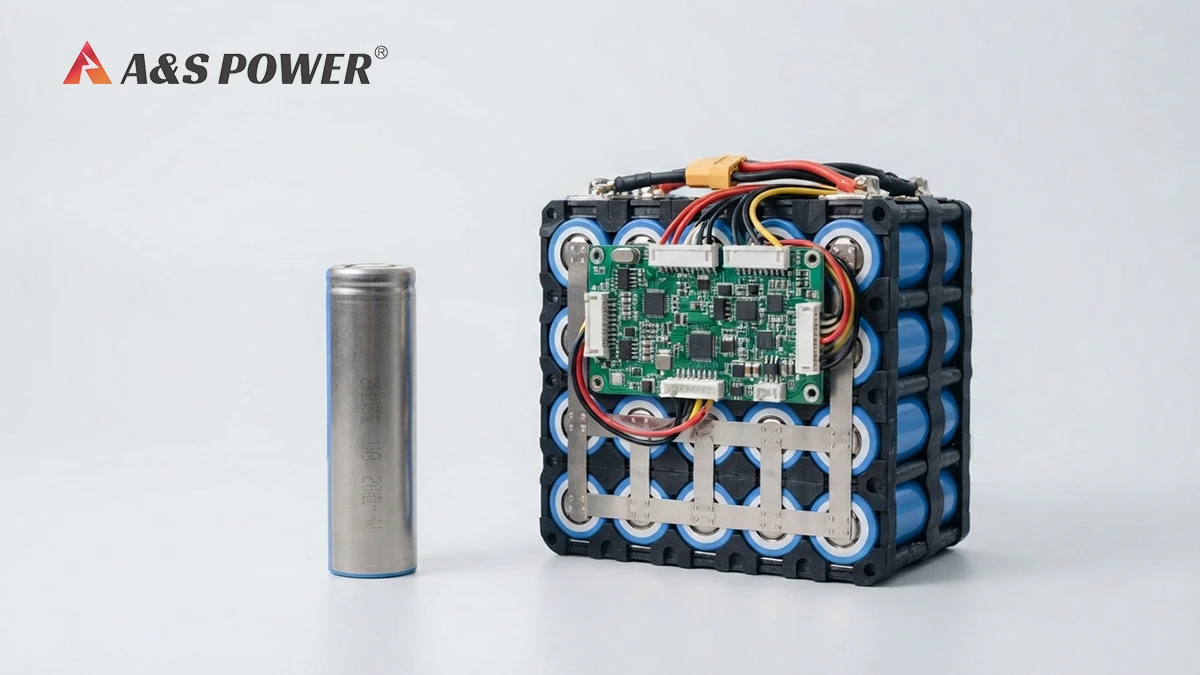 May.2026.08.0521700 Battery Pack with BMS: Design, Safety and Custom SolutionsLearn More
 -
 May.2026.08.04Smart Beauty Equipment Battery Pack ManufacturerLearn More
 -
 May.2026.08.04High Reliability Polymer Battery for Handheld Dental DevicesLearn More
 -
 May.2026.08.04Ultra Thin Lithium Polymer Battery 0.4mm 0.5mm Custom GuideLearn More
 -
 May.2026.07.30Smoke Detector Battery Guide: Choosing the Right Battery for Reliable Fire ProtectionLearn More