




Rechargeable Barcode Scanner Backup Battery Supplier: Complete OEM Buyers Guide
Quick Answer:
What Is a Rechargeable Barcode Scanner Backup Battery?
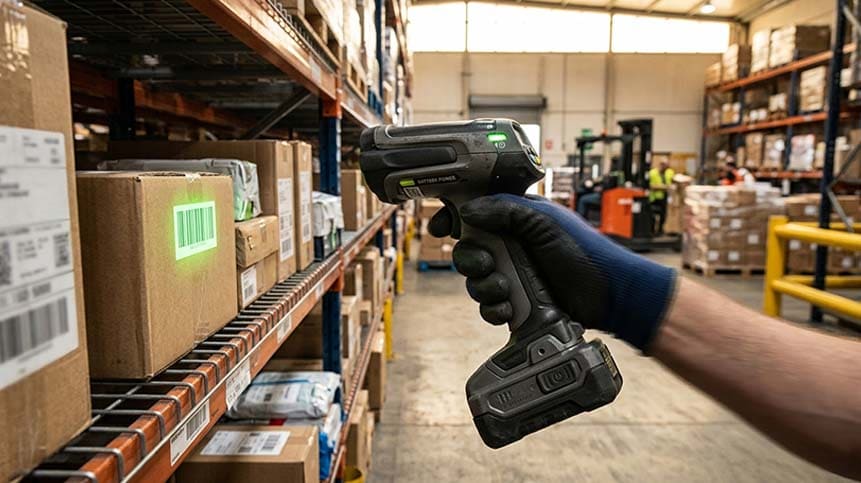
A rechargeable barcode scanner backup battery is a rechargeable lithium-based power source designed to provide portable energy for handheld, wearable, desktop, and industrial barcode scanning devices.
Most modern barcode scanners use:
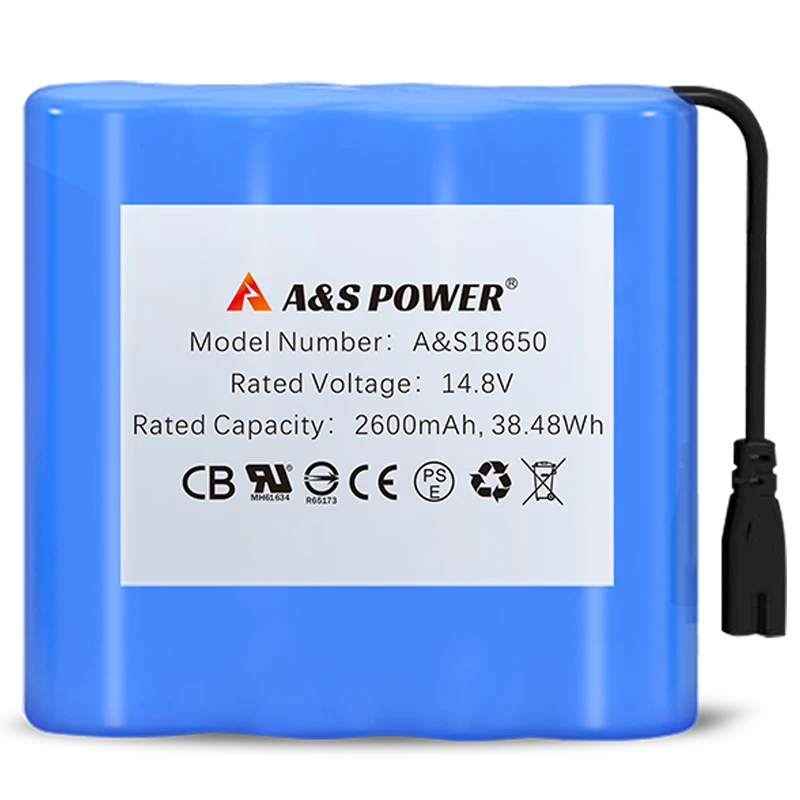
- Lithium-ion batteries
- Lithium polymer batteries
- Smart battery packs with protection circuits
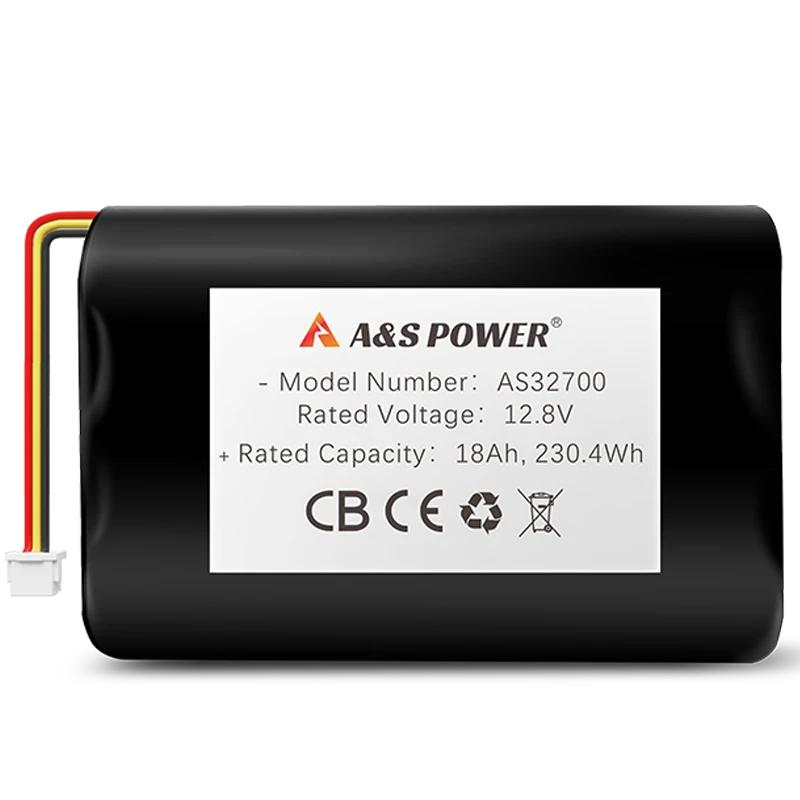
- Custom battery assemblies designed for specific scanner models
The battery acts as the primary power source while also providing backup power during temporary charging interruptions.
Introduction
Barcode scanners have become essential tools across warehousing, logistics, retail, healthcare, manufacturing, transportation, and field service industries. Whether used in a supermarket checkout lane or a large distribution center, modern barcode scanners rely heavily on rechargeable battery systems to ensure uninterrupted operation throughout demanding work shifts.
For equipment manufacturers and device brands, selecting the right rechargeable barcode scanner backup battery supplier is a critical decision. Battery performance directly affects scanner uptime, user experience, device reliability, safety compliance, and total ownership cost.
As a battery manufacturer working with OEM and ODM projects, we have seen how battery selection impacts product success. A scanner with excellent scanning technology can still fail commercially if its battery performance cannot meet customer expectations.
This guide explains everything buyers need to know about rechargeable barcode scanner backup batteries, including battery chemistry, performance requirements, certifications, customization options, supplier evaluation criteria, and future technology trends.
Why Battery Quality Matters in Barcode Scanner Applications
Barcode scanners are often used continuously for:
- 8–24 hour warehouse shifts
- Retail point-of-sale operations
- Hospital inventory management
- Cold chain logistics
- Manufacturing traceability systems
- Transportation ticketing equipment
Poor battery performance may cause:
Operational Downtime
Workers may stop scanning due to battery depletion.
Reduced Productivity
Frequent charging interrupts workflows.
Device Failure
Low-quality batteries may swell or fail prematurely.
Safety Risks
Inferior battery cells increase overheating and safety concerns.
According to industry battery studies, battery-related issues remain one of the leading causes of portable device service requests worldwide.
Types of Rechargeable Batteries Used in Barcode Scanners
Lithium-Ion Batteries (Li-ion)
Li-ion remains the most common battery chemistry.
Advantages:
- High energy density
- Long cycle life
- Stable voltage output
- Mature manufacturing ecosystem
Typical specifications:
| Parameter | Typical Range |
|---|---|
| Voltage | 3.7V–7.4V |
| Capacity | 1000mAh–5000mAh |
| Cycle Life | 500–1000 Cycles |
| Energy Density | 150–250 Wh/kg |
Lithium Polymer Batteries (LiPo)
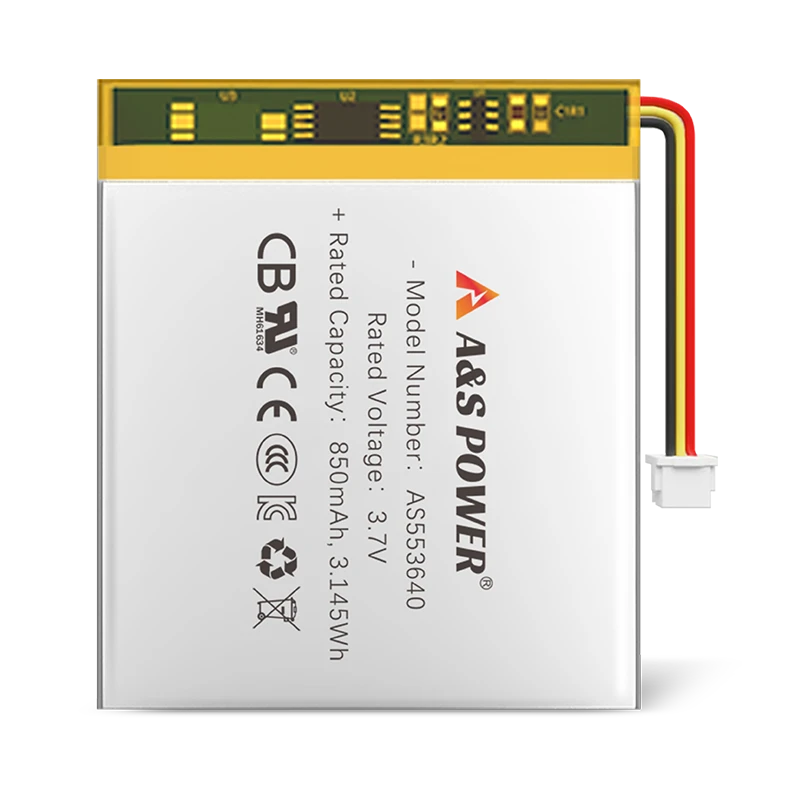
LiPo batteries are increasingly used in compact barcode scanners.
Advantages:
- Ultra-thin designs
- Flexible shapes
- Lightweight construction
- Better space utilization
Applications:
- Wearable scanners
- Ring scanners
- Pocket barcode scanners
- Mobile POS devices
Smart Battery Packs
High-end industrial scanners often use smart batteries containing:
- Fuel gauge IC
- Temperature sensors
- Battery management systems
- Communication protocols
Benefits include:
- Accurate battery percentage display
- Predictive maintenance
- Enhanced safety protection
Key Technical Specifications Buyers Should Evaluate
Battery Capacity
Measured in milliamp-hours (mAh).
Common capacities:
| Scanner Type | Typical Capacity |
|---|---|
| Retail Scanner | 1000-2000mAh |
| Mobile Computer | 2500-4000mAh |
| Industrial Scanner | 3500-6000mAh |
Higher capacity generally results in longer runtime.
Cycle Life
A quality battery should maintain at least 80% capacity after:
- 500 cycles minimum
- 800–1000 cycles preferred
Longer cycle life lowers replacement costs.
Charging Performance
Modern users expect fast charging.
Desired performance:
- 50% charge within 1 hour
- Full charge within 2–3 hours
Operating Temperature
Industrial environments may require operation in:
| Environment | Temperature |
|---|---|
| Standard Warehouse | 0°C to 45°C |
| Cold Storage | -20°C to 0°C |
| Outdoor Logistics | -10°C to 60°C |
OEM Custom Battery Solutions for Barcode Scanners
Many barcode scanner manufacturers require custom battery packs rather than standard batteries.
Capacity Customization
Suppliers can customize:
- 1200mAh
- 1800mAh
- 2500mAh
- 3500mAh
- 5000mAh
and more.
Shape Customization
Custom battery structures include:
- Rectangular
- Curved
- L-shaped
- Ultra-thin
- High-density compact packs
Connector Customization
Available connector options:
- Molex
- JST
- Hirose
- Custom connectors
PCM/BMS Integration
Protection functions:
- Overcharge protection
- Over-discharge protection
- Over-current protection
- Short-circuit protection
- Temperature protection
Required Certifications for Barcode Scanner Batteries
Global markets require battery compliance certifications.
North America
Europe
International Transportation
- UN38.3
- MSDS
Global Safety
How to Evaluate a Barcode Scanner Battery Supplier
Manufacturing Experience
Look for suppliers with:
- 10+ years of lithium battery experience
- OEM/ODM capabilities
- Dedicated engineering teams
Quality Control System
Key certifications include:
- ISO9001
- ISO14001
- ISO45001
Testing Capabilities
A qualified supplier should perform:
- Capacity testing
- Cycle life testing
- Vibration testing
- Drop testing
- High-temperature testing
- Aging tests
Production Capacity
Ask suppliers about:
- Monthly output
- Lead times
- Automated production lines
- Scalability for future demand
Common Challenges in Barcode Scanner Battery Projects
Limited Internal Space
Scanner designs continue becoming smaller.
Solutions:
- High-energy-density cells
- Customized battery dimensions
- LiPo technology
Long Runtime Requirements
Warehouses often require:
- 10–16 hour operation
- Multi-shift usage
Solutions:
- Higher capacity packs
- Power optimization
Harsh Environments
Challenges include:
- Dust
- Vibration
- Cold storage
- High humidity
Solutions:
- Industrial-grade battery packs
- Enhanced enclosure protection
Future Trends in Barcode Scanner Battery Technology
Higher Energy Density
New cell technologies continue increasing capacity without increasing size.
Fast Charging
Future scanners will achieve:
- 80% charge in under 30 minutes
Smart Battery Management
Advanced battery monitoring enables:
- Predictive replacement
- Real-time diagnostics
- Cloud-connected asset management
Sustainable Manufacturing
Customers increasingly seek:
- RoHS-compliant batteries
- Environmentally responsible production
- Recyclable materials
Why Work With A&S Power for Barcode Scanner Battery Projects
At A&S Power, we support OEM and ODM battery projects for barcode scanners, handheld terminals, POS systems, wearable scanners, and industrial mobile computers.
Our capabilities include:
- Custom Li-ion battery packs
- Custom LiPo battery solutions
- High-energy-density battery design
- Smart battery pack development
- UL1642 certified cells
- IEC62133 compliance support
- UN38.3 transportation certification
- Low MOQ prototyping
- Mass production support
We work closely with device manufacturers from concept development through volume production, helping reduce development risk and shorten product launch timelines.
Partner with A&S Power
We have the best certifications and certificates, if necessary, please contact us to send your specific requirements, such as voltage, capacity, shape, size, working current, etc. We can customize and meet your needs according to your needs. The best lithium battery matches the equipment, we are happy to provide you with test samples and will reply to you as soon as possible.
Our goal is not simply to supply batteries—we help customers create reliable power systems that enhance product performance, user experience, and long-term market success.
Need a custom Lithium battery solution? Contact A&S Power to discuss your project requirements, battery specifications, certification needs, and production goals.
Data Comparison Table
Typical Barcode Scanner Battery Performance Comparison
| Feature | Standard Li-ion | LiPo Battery | Smart Battery Pack |
|---|---|---|---|
| Energy Density | High | Very High | High |
| Design Flexibility | Medium | Excellent | Medium |
| Cost | Low | Medium | High |
| Runtime | Good | Excellent | Excellent |
| Safety Monitoring | Basic | Basic | Advanced |
| Ideal Application | Handheld Scanner | Wearable Scanner | Industrial Scanner |
Conclusion
Choosing the right rechargeable barcode scanner backup battery supplier goes far beyond comparing prices. Battery quality directly impacts scanner reliability, worker productivity, customer satisfaction, and long-term operating costs.
The ideal supplier should offer certified products, strong engineering support, customization capabilities, rigorous quality control, and scalable manufacturing capacity.
As barcode scanners become more intelligent, compact, and connected, battery technology will continue playing a critical role in enabling next-generation performance.
For OEM brands, investing in a trusted battery partner today helps ensure product competitiveness tomorrow.
Rechargeable Batteries Guide
- What Is the Downside of Rechargeable Batteries?
- What Is the Best Type of Rechargeable Battery?
- Rechargeable Batteries: Complete Guide to Types, Uses and Selection
- Custom Rechargeable Battery Pack: The Complete Guide for OEM Projects
- Rechargeable Li Polymer Battery Pack for POS Terminal: The Complete OEM Battery Guide
- Custom Rechargeable Battery for Portable ECG Machines Guide
FAQ
What battery is commonly used in barcode scanners?
Most modern barcode scanners use rechargeable lithium-ion or lithium polymer batteries due to their high energy density, lightweight design, and long cycle life.
How long does a barcode scanner battery last?
A quality battery typically lasts 500–1000 charge cycles and can provide 8–16 hours of operation depending on scanner specifications and usage conditions.
Can barcode scanner batteries be customized?
Yes. OEM manufacturers often customize battery capacity, dimensions, connectors, protection circuits, and battery housing designs.
What certifications are required for barcode scanner batteries?
Common certifications include UL1642, UL2054, IEC62133, CE, RoHS, UN38.3, and MSDS depending on target markets.
Should I choose Li-ion or LiPo batteries?
Li-ion batteries offer excellent cost-performance value, while LiPo batteries provide greater design flexibility and are ideal for compact or irregular-shaped barcode scanners.
How do I choose a reliable barcode scanner battery supplier?
Evaluate the supplier's manufacturing experience, certifications, testing capabilities, customization services, production capacity, and quality management systems.
-

 May.2026.08.0521700 Battery Pack with BMS: Design, Safety and Custom SolutionsLearn More
 -
 May.2026.08.04Smart Beauty Equipment Battery Pack ManufacturerLearn More
 -
 May.2026.08.04High Reliability Polymer Battery for Handheld Dental DevicesLearn More
 -
 May.2026.08.04Ultra Thin Lithium Polymer Battery 0.4mm 0.5mm Custom GuideLearn More
 -
 May.2026.07.30Smoke Detector Battery Guide: Choosing the Right Battery for Reliable Fire ProtectionLearn More