




Rechargeable Lithium Ion Battery Pack Factory Guide

Quick Answer:
If you're searching for a reliable rechargeable lithium ion battery pack factory, focus on more than production capacity alone. A qualified manufacturer should provide engineering support, certified production processes, battery management system (BMS) integration, strict quality control, and compliance with international standards such as IEC 62133, UN38.3, CE, RoHS, and UL where applicable. The best factories also offer custom battery pack design, rapid prototyping, and long-term technical support to help OEM customers reduce development risks and accelerate product launches.
Introduction
Rechargeable lithium ion battery packs power countless modern products, from medical devices and portable electronics to industrial equipment, robotics, energy storage systems, and smart consumer devices. As demand for higher energy density, longer service life, and safer battery systems continues to grow, choosing the right manufacturing partner has become a strategic decision rather than simply a purchasing task.
From our experience working with OEM and ODM customers worldwide, we have found that battery pack manufacturing involves much more than assembling individual cells. Every project requires careful engineering, including cell selection, battery pack architecture, battery management system (BMS) integration, thermal management, safety validation, and production quality control. Even minor design decisions can significantly influence battery performance, cycle life, and long-term reliability.
A professional rechargeable lithium ion battery pack factory combines manufacturing expertise with engineering capabilities. Beyond production, it helps customers optimize battery performance, comply with international transportation and safety regulations, and shorten product development cycles through customized battery solutions.
This guide explains how modern battery pack factories operate, what technologies differentiate high-quality manufacturers, and which factors buyers should evaluate before selecting a long-term battery manufacturing partner.
What Is a Rechargeable Lithium Ion Battery Pack Factory?
A rechargeable lithium ion battery pack factory specializes in designing, assembling, testing, and manufacturing rechargeable battery packs based on lithium-ion cell technology. Unlike cell manufacturers that produce individual battery cells, battery pack factories integrate multiple components into complete power systems ready for end-use applications.
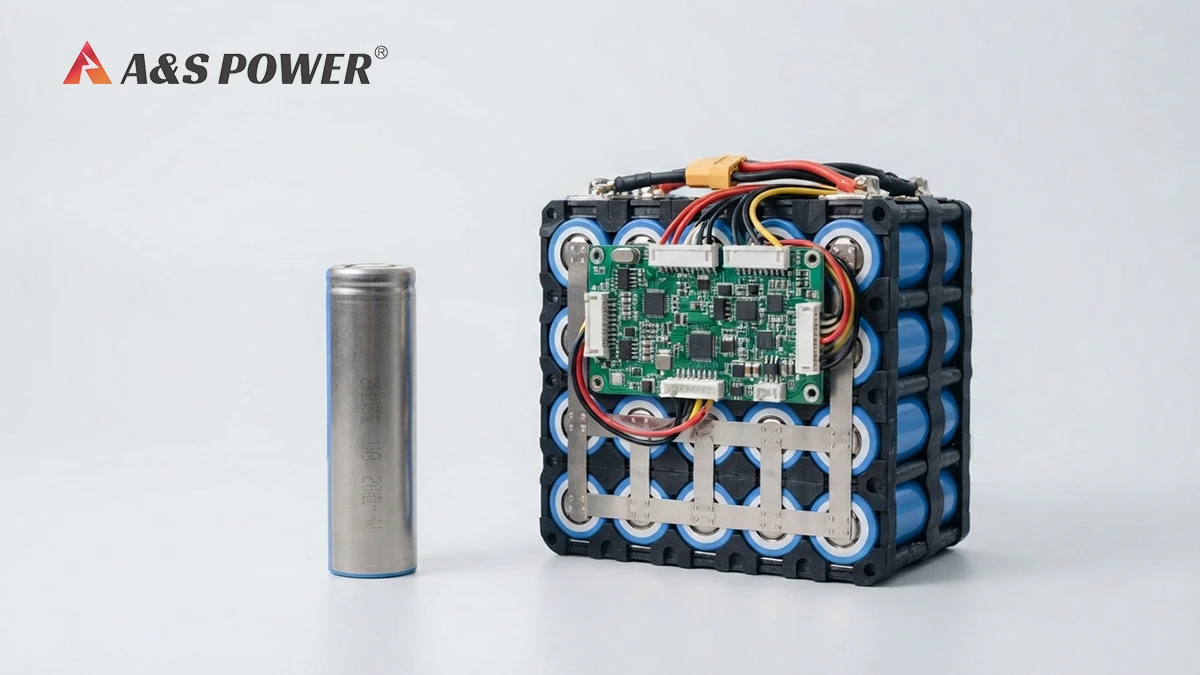
A complete battery pack typically includes:
- Lithium-ion cells
- Battery Management System (BMS)
- Protection Circuit Module (PCM), when required
- Nickel strips or busbars
- Wiring harnesses
- Connectors
- Temperature sensors
- Thermal insulation materials
- Protective housing or enclosure
- Charging interface
- Safety protection components
The factory's role extends beyond mechanical assembly. Engineers must ensure that every battery pack delivers the required voltage, capacity, discharge current, operating temperature range, and safety performance specified by the customer.
Depending on the application, manufacturers may build battery packs using various lithium-ion chemistries, including:
| Battery Chemistry | Advantages | Typical Applications |
|---|---|---|
| Lithium-ion (NMC) | High energy density | Consumer electronics, drones, medical devices |
| Lithium-ion (NCA) | Very high energy density | Electric mobility, power tools |
| Lithium Iron Phosphate (LiFePO₄) | Excellent safety and long cycle life | Energy storage, marine, RV, industrial equipment |
| Lithium Titanate (LTO) | Ultra-fast charging and long lifespan | Specialized industrial systems |
Each chemistry offers different advantages, and selecting the appropriate solution depends on application requirements, operating conditions, expected service life, and safety priorities.
How Does a Rechargeable Lithium Ion Battery Pack Factory Operate?
Although production lines vary by manufacturer, most professional factories follow a structured engineering and manufacturing workflow designed to ensure product consistency, traceability, and regulatory compliance.
Instead of functioning solely as an assembly plant, a modern battery pack factory integrates research and development, engineering, procurement, manufacturing, quality assurance, and after-sales technical support into a unified production system.
The typical workflow includes the following stages:
1. Requirement Analysis
Every successful battery project begins with a detailed understanding of customer requirements. Engineers collect information such as:
- Required voltage
- Capacity
- Maximum continuous discharge current
- Peak current
- Product dimensions
- Target operating temperature
- Charging method
- Expected cycle life
- Regulatory certifications
- Environmental conditions
- Communication protocols (CAN, SMBus, I²C, UART, etc.)
This information forms the basis of the battery pack design.
2. Battery Cell Evaluation
Cell selection is one of the most important engineering decisions. Rather than choosing cells based solely on capacity, experienced manufacturers evaluate multiple performance indicators, including:
- Energy density
- Internal resistance
- Cycle life
- Charge efficiency
- Discharge characteristics
- High-rate performance
- Thermal stability
- Manufacturing consistency
- Supplier traceability
Factories often source cells from globally recognized manufacturers or qualified domestic suppliers, depending on customer specifications and project requirements.
3. Electrical and Mechanical Design
Once suitable cells are selected, engineers begin designing the complete battery pack.
This phase includes:
- Series and parallel configuration
- Fuse protection
- BMS architecture
- Thermal management
- Wire sizing
- Connector selection
- Enclosure design
- Waterproof requirements
- Vibration resistance
- Shock protection
- Manufacturing feasibility
Advanced engineering software is commonly used to simulate electrical performance and optimize structural layouts before prototype production begins.
4. Prototype Development
Before mass production, prototype battery packs are manufactured for functional verification and validation testing. Prototype evaluation typically includes electrical performance testing, environmental testing, safety assessments, and mechanical fit verification.
Early prototype testing helps identify potential issues before full-scale manufacturing, reducing both project risk and overall development costs.
Manufacturing Process of Rechargeable Lithium Ion Battery Packs
A professional rechargeable lithium ion battery pack factory follows a systematic manufacturing process to ensure safety, reliability, and consistent performance. Although battery pack structures vary depending on applications, most production lines share similar core procedures, including cell preparation, electrical assembly, BMS integration, testing, and final inspection.
From our manufacturing experience, the biggest difference between a basic battery assembler and a professional battery pack factory is not only production equipment, but also engineering control throughout every stage of the process.
A reliable manufacturer must control critical parameters such as welding strength, cell consistency, insulation protection, charging performance, discharge capability, and safety validation.
1. Lithium Ion Cell Selection and Matching
The battery cell is the foundation of every rechargeable lithium ion battery pack. A high-quality battery pack factory does not simply select cells based on capacity ratings. Engineers evaluate multiple electrical and mechanical characteristics before cells enter production.
Common lithium-ion cell formats include:
| Cell Format | Typical Capacity Range | Main Applications |
|---|---|---|
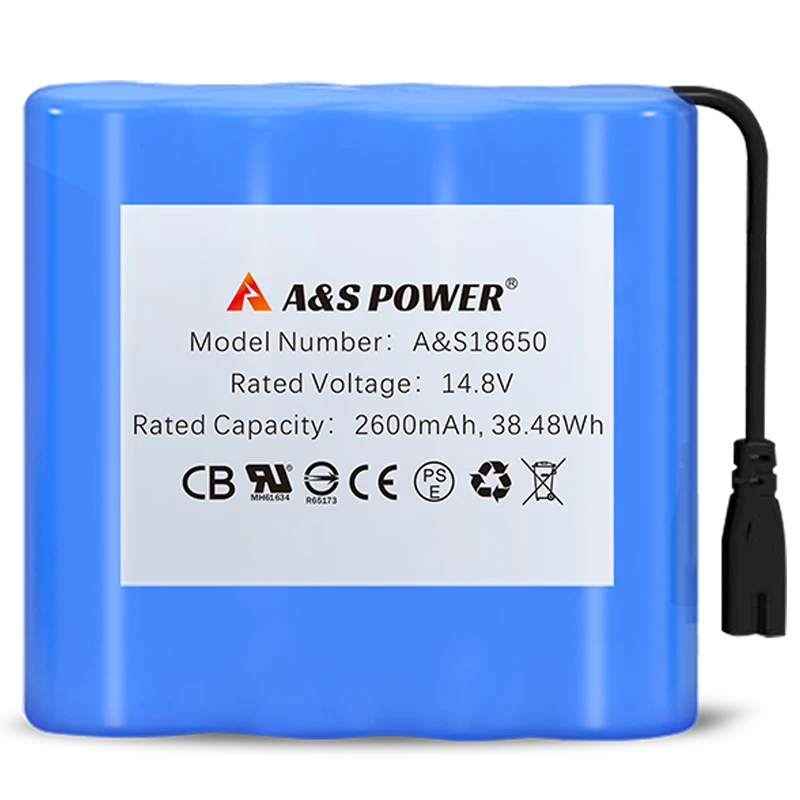
| 18650 Cylindrical Cell | 2000mAh–3500mAh | Power tools, portable devices, battery packs |
| 21700 Cylindrical Cell | 4000mAh–5000mAh+ | High-energy applications, mobility systems |
| 26650 Cylindrical Cell | 3000mAh–6000mAh | Industrial equipment, energy storage |
| 32700 LiFePO4 Cell | 5000mAh–7000mAh | Solar storage, backup power systems |
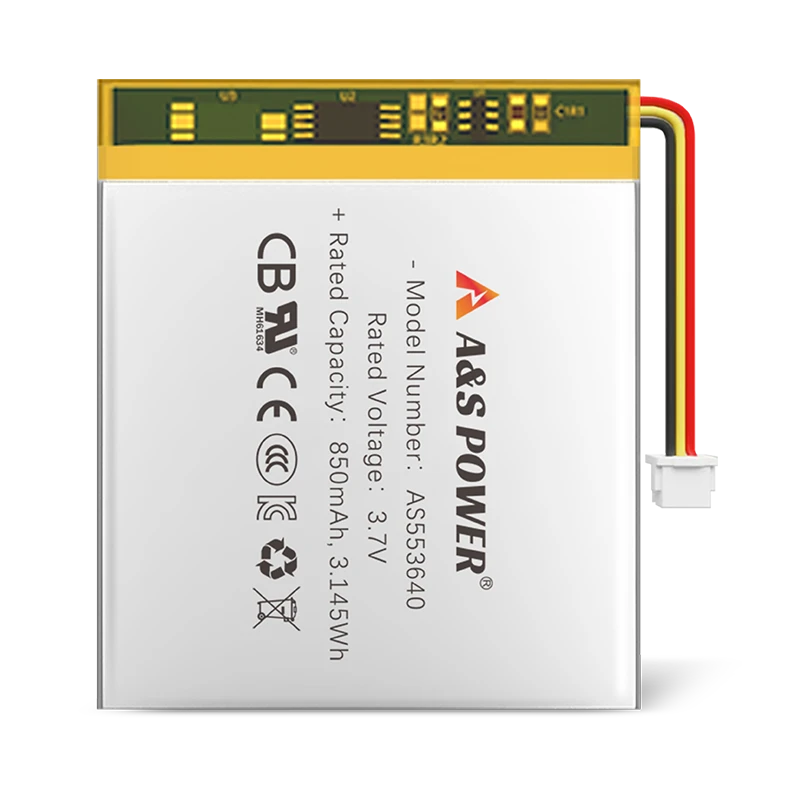
| Lithium Polymer Pouch Cell | 50mAh–10000mAh+ | Wearables, medical devices, smart electronics |
Before assembly, battery cells normally undergo:
- Voltage testing
- Internal resistance testing
- Capacity verification
- Appearance inspection
- Batch consistency evaluation
Cell matching is especially important for multi-cell battery packs. Cells with significant differences in voltage or internal resistance can reduce battery life and create imbalance problems during charging and discharging.
For example, a 4S lithium battery pack requires four cells connected in series. If one cell performs differently from the others, the entire battery pack performance can be affected.
2. Battery Pack Configuration Design
After cell selection, engineers determine the optimal battery configuration based on customer requirements.
Battery pack configuration is usually expressed through series and parallel connections:
- Series connection (S): increases voltage
- Parallel connection (P): increases capacity and current capability
Examples:
| Battery Configuration | Nominal Voltage | Typical Usage |
|---|---|---|
| 1S1P Li-ion Pack | 3.7V | Small electronics |
| 2S1P Li-ion Pack | 7.4V | Portable equipment |
| 3S1P Li-ion Pack | 11.1V | Industrial devices |
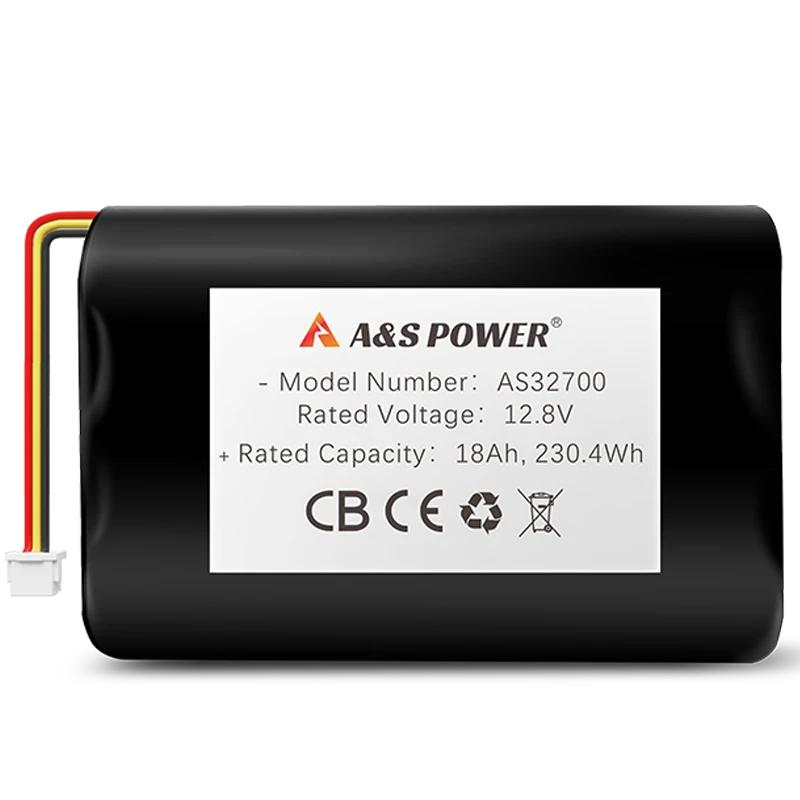
| 4S1P LiFePO4 Pack | 12.8V | Solar energy systems |
| 7S3P 18650 Pack | 25.9V | Robotics and mobility equipment |
A professional rechargeable lithium ion battery pack factory considers:
- Required energy output
- Peak current demand
- Product size limitations
- Weight restrictions
- Heat generation
- Charging requirements
- Safety regulations
The final battery design must balance performance, reliability, and manufacturing feasibility.
3. Battery Management System (BMS) Integration
The Battery Management System (BMS) is one of the most important components inside a rechargeable lithium battery pack.
A BMS protects the battery by monitoring and controlling:
- Overcharge protection
- Over-discharge protection
- Over-current protection
- Short circuit protection
- Temperature monitoring
- Cell balancing
- State of Charge (SOC)
- State of Health (SOH)
For simple consumer products, a basic protection circuit module (PCM) may be sufficient.
However, advanced applications such as:
- Medical equipment
- Robotics
- Energy storage systems
- Industrial tools
- Smart mobility products
often require intelligent BMS solutions with communication functions.
Common communication protocols include:
| Communication Protocol | Application |
|---|---|
| UART | Consumer electronics and smart devices |
| I²C | Compact electronic products |
| SMBus | Battery-powered equipment |
| CAN Bus | Industrial systems and mobility applications |
A qualified battery pack factory should be capable of customizing BMS parameters according to customer requirements, including charging voltage, discharge current limits, temperature thresholds, and communication functions.
4. Battery Pack Assembly Process
After engineering validation, battery packs enter the production stage.
A typical lithium battery pack assembly process includes:
Cell Arrangement
Cells are positioned according to the designed configuration. Production workers or automated equipment ensure correct polarity and spacing.
Welding Process
Battery cells are connected using:
- Nickel strip spot welding
- Laser welding
- Busbar welding
Among these methods, nickel strip spot welding remains one of the most widely used techniques for cylindrical lithium-ion battery packs.
A stable welding process is essential because weak connections may increase resistance, generate heat, and reduce battery reliability.
Protection Component Installation
During assembly, factories install:
- BMS boards
- Temperature sensors
- Fuses
- Connectors
- Wiring harnesses
Proper insulation is critical at this stage to prevent short circuits.
Materials commonly used include:
- Mylar insulation film
- Heat shrink tubing
- Kapton tape
- PVC protection film
- Plastic brackets
5. Battery Pack Testing and Quality Control
Quality control is one of the most important factors when selecting a rechargeable lithium ion battery pack factory.
Professional manufacturers implement multiple inspection procedures throughout production.
A typical quality control system includes:
| Testing Stage | Inspection Items |
|---|---|
| Incoming Material Inspection | Cell quality, BMS components, connectors |
| Cell Testing | Voltage, capacity, internal resistance |
| Welding Inspection | Welding strength and resistance |
| Electrical Testing | Voltage, current, protection functions |
| Aging Test | Charging and discharging performance |
| Safety Testing | Short circuit, overcharge, temperature protection |
| Final Inspection | Appearance, labeling, packaging |
Battery Aging Test
Battery aging testing simulates real operating conditions before shipment.
During aging tests, manufacturers verify:
- Charge acceptance
- Discharge stability
- Voltage consistency
- BMS protection performance
- Abnormal behavior detection
This process helps identify defective battery packs before they reach customers.
OEM vs ODM Rechargeable Lithium Ion Battery Pack Manufacturing
When selecting a battery pack factory, customers often choose between OEM and ODM manufacturing models.
Understanding the difference helps companies select the right cooperation method.
| Feature | OEM Battery Manufacturing | ODM Battery Manufacturing |
|---|---|---|
| Product Design | Customer provides design requirements | Factory provides design solutions |
| Engineering Support | Medium | High |
| Customization Level | Based on customer specification | Full product development |
| Development Time | Shorter | Longer |
| Ideal Customers | Companies with battery expertise | Companies needing complete solutions |
| Cost Control | Customer controls specifications | Factory optimizes design |
Global Certifications Required for Lithium Ion Battery Pack Manufacturing
International markets require battery products to meet specific safety and environmental regulations.
Common certifications include:
| Certification | Purpose |
|---|---|
| UN38.3 | Transportation safety testing for lithium batteries |
| IEC 62133 | Safety requirements for rechargeable battery cells and packs |
| UL 1642 | Safety standard for lithium battery cells |
| UL 2054 | Household and commercial battery pack safety |
| CE | European market compliance |
| RoHS | Restriction of hazardous substances |
| CB Scheme | International electrical safety recognition |
| KC | Korean market certification |
| PSE | Japanese market certification |
A reliable rechargeable lithium ion battery pack factory should understand certification requirements during the design stage, rather than treating certification as an afterthought.
How to Choose the Right Rechargeable Lithium Ion Battery Pack Factory
Selecting the right rechargeable lithium ion battery pack factory is one of the most important decisions for companies developing battery-powered products. A battery supplier does not only provide a power source; it directly influences product safety, reliability, certification success, production efficiency, and long-term customer satisfaction.
Based on our experience working with global OEM customers, many battery development problems are caused not by the lithium-ion technology itself, but by choosing a manufacturing partner without sufficient engineering capability.
A qualified battery pack factory should be evaluated across several key areas:
1. Manufacturing Experience and Technical Capability
The first factor to consider is the manufacturer's practical experience with lithium battery projects.
A professional factory should have experience in:
- Lithium-ion battery pack design
- Lithium polymer battery customization
- LiFePO4 battery solutions
- BMS development and programming
- Prototype manufacturing
- Mass production management
- Safety certification preparation
Years of experience are valuable because battery manufacturing involves many details that cannot be learned only from theoretical knowledge.
For example, selecting the wrong cell model may cause:
- Insufficient discharge performance
- Reduced cycle life
- Excessive heat generation
- Certification failure
- Product reliability issues
An experienced manufacturer understands how to balance battery performance, cost, size, and safety requirements.
2. Engineering and Customization Capability
Every application has different battery requirements.
A medical device battery may prioritize:
- High reliability
- Long service life
- Stable discharge
A wearable device battery may require:
- Ultra-thin structure
- Lightweight design
- Custom shape
An industrial battery pack may need:
- High discharge current
- Shock resistance
- Wide temperature operation
Therefore, a strong rechargeable lithium ion battery pack factory should provide customization services, including:
- Battery size optimization
- Voltage customization
- Capacity customization
- Connector selection
- BMS programming
- Housing design
- Firmware adjustment
- Prototype development
A factory that only sells standard battery packs may not be able to support complex OEM projects.
3. Quality Management System
Battery quality depends heavily on manufacturing consistency.
A reliable factory should have a structured quality management system covering the entire production process.
Important indicators include:
- Incoming material inspection
- Supplier management
- Production traceability
- Automated testing equipment
- Final quality inspection
- Batch management
Many professional battery manufacturers follow quality management practices based on systems such as:
- ISO 9001 quality management principles
- Automotive-level production controls for specific applications
- Customer-specific quality requirements
A battery pack manufacturer should be able to provide production records, inspection reports, and testing data when required.
4. Certification and Compliance Support
Different markets require different battery certifications.
For example:
| Market | Common Requirements |
|---|---|
| United States | UL standards, UN38.3, FCC-related requirements depending on product |
| European Union | CE, RoHS, IEC standards |
| Japan | PSE, UN38.3 |
| South Korea | KC certification |
| International Shipping | UN38.3, MSDS, transport documentation |
A capable factory should understand certification requirements during product development.
This prevents situations where a battery pack is technically functional but cannot enter the target market due to compliance issues.
5. Production Capacity and Supply Chain Stability
For OEM customers, production stability is critical.
A reliable rechargeable lithium ion battery pack factory should have:
- Stable lithium cell supply channels
- Experienced production teams
- Sufficient assembly capacity
- Quality inspection systems
- Reliable delivery schedules
However, production capacity should not be evaluated only by factory size.
A smaller but highly specialized manufacturer may provide better engineering support and flexibility for customized projects compared with a large general battery supplier.
Main Applications of Rechargeable Lithium Ion Battery Packs
Rechargeable lithium ion battery packs are widely used because they offer high energy density, lightweight construction, and excellent rechargeable performance.
According to industry analysis, lithium-ion technology remains one of the dominant rechargeable battery technologies due to its combination of energy density and efficiency.
Common application fields include:
Medical Devices
Medical equipment requires extremely reliable power solutions.
Applications include:
- Portable medical monitors
- Patient monitoring equipment
- Diagnostic devices
- Electric medical instruments
- Portable oxygen equipment
Battery manufacturers for medical applications must pay special attention to:
- Safety
- Battery consistency
- Low failure rates
- Certification requirements
Consumer Electronics
Lithium battery packs are widely used in:
- Smart devices
- Portable speakers
- Wearable electronics
- Gaming equipment
- POS terminals
- Smart home products
These products often require:
- Compact size
- High energy density
- Custom shapes
- Fast charging capability
Lithium polymer battery packs are especially popular in consumer electronics because pouch cells allow flexible design possibilities.
Industrial Equipment
Industrial applications demand higher reliability and durability.
Examples include:
- Robotics
- Automation equipment
- Industrial scanners
- GPS tracking devices
- Communication equipment
- Emergency systems
Industrial battery packs often require:
- Higher discharge capability
- Longer cycle life
- Enhanced protection systems
- Custom communication functions
Energy Storage Systems
LiFePO4 battery packs are increasingly used in:
- Solar energy storage
- Backup power systems
- RV applications
- Marine equipment
- Off-grid systems
Compared with traditional lithium-ion chemistries, LiFePO4 offers:
- Excellent thermal stability
- Long cycle life
- Strong safety characteristics
This makes it suitable for applications where reliability is more important than maximum energy density.
Why Work With A&S Power as Your Rechargeable Lithium Ion Battery Pack Factory?
As a professional lithium battery manufacturer, A&S Power focuses on providing customized battery solutions for global OEM customers.
With more than 15 years of battery manufacturing experience, we support customers from initial concept development to mass production.
Our capabilities include:
- Custom lithium-ion battery packs
- Lithium polymer battery solutions
- LiFePO4 battery packs
- Battery prototype development
- BMS integration
- Safety certification support
We work with customers across industries including:
- Medical equipment
- Beauty devices
- Consumer electronics
- Industrial equipment
- IoT products
- Energy storage applications
Our engineering team helps customers select suitable cells, optimize battery structures, and develop reliable power solutions based on real application requirements.
Conclusion
Choosing the right rechargeable lithium ion battery pack factory is a critical step for companies developing battery-powered products. A professional manufacturing partner provides much more than battery assembly; it delivers engineering expertise, quality control, certification support, and customized solutions.
As lithium battery applications continue expanding, businesses need suppliers that can provide safe, efficient, and reliable energy solutions.
A factory with strong technical capability, advanced manufacturing processes, and international certification experience can help companies reduce development risks and build competitive products for global markets.
FAQ
Q1: What does a rechargeable lithium ion battery pack factory do?
A rechargeable lithium ion battery pack factory designs, assembles, tests, and manufactures complete battery systems by integrating lithium cells, BMS, protection components, connectors, and mechanical structures.
Q2: What is the difference between a battery cell manufacturer and a battery pack factory?
A cell manufacturer produces individual lithium battery cells, while a battery pack factory combines cells with BMS, protection circuits, wiring, and structural components to create finished battery systems.
Q3: Can a lithium battery pack factory customize battery voltage and capacity?
Yes. Professional manufacturers can customize voltage, capacity, dimensions, connectors, discharge current, and BMS functions according to product requirements.
Q4: How long does it take to develop a custom lithium battery pack?
Development time depends on complexity. Simple battery pack projects may require several weeks, while complex products involving custom structures, BMS communication, and certification may require several months.
Q5: Which certifications are important for lithium battery packs?
Common certifications include UN38.3, IEC62133, UL standards, CE, RoHS, KC, and PSE depending on the target market.
Q6: What battery cells are commonly used in lithium battery packs?
Common formats include 18650, 21700, 26650, 32700 cylindrical cells and lithium polymer pouch cells.
Q7: Why is BMS important in rechargeable battery packs?
The BMS protects batteries from unsafe conditions such as overcharging, over-discharging, excessive current, and abnormal temperature.
Q8: Can lithium battery factories provide prototype samples?
Yes. Most professional OEM manufacturers provide prototype development services before mass production.
Q9: How can I choose a reliable lithium battery supplier?
Evaluate manufacturing experience, engineering capability, certifications, quality systems, production capacity, and communication support.
Q10: What industries use custom lithium battery packs?
Custom lithium battery packs are widely used in medical devices, electronics, industrial equipment, IoT devices, robotics, energy storage, and portable equipment.
-

 May.2026.08.0521700 Battery Pack with BMS: Design, Safety and Custom SolutionsLearn More
 -
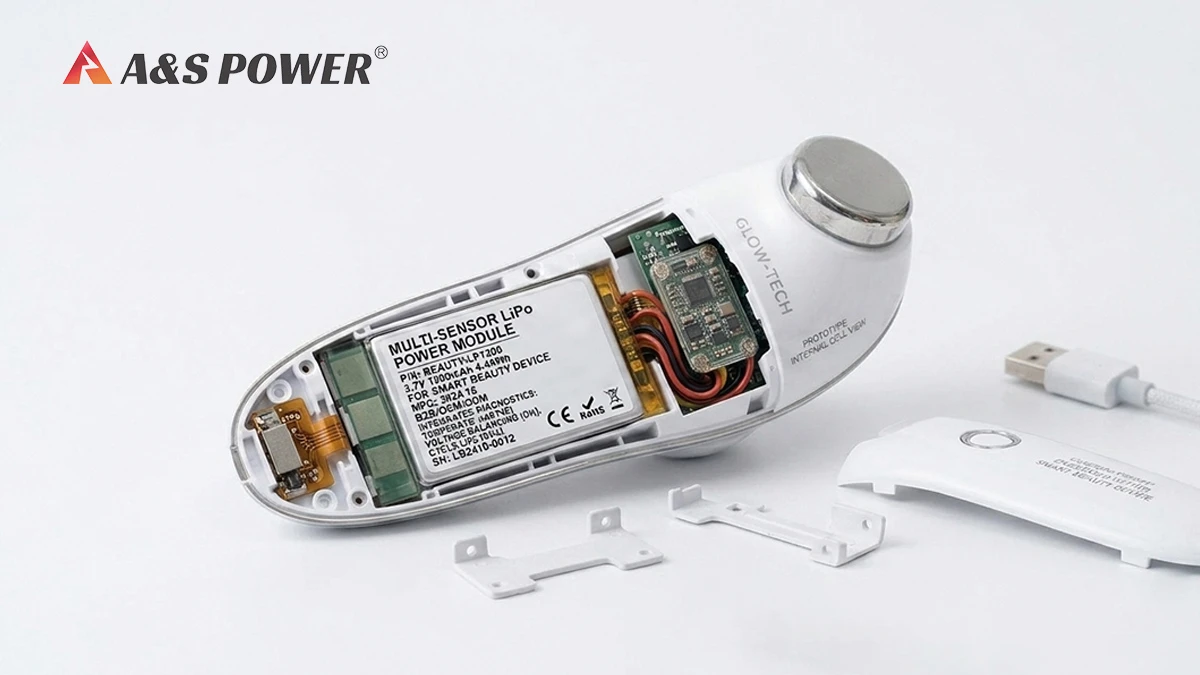 May.2026.08.04Smart Beauty Equipment Battery Pack ManufacturerLearn More
 -
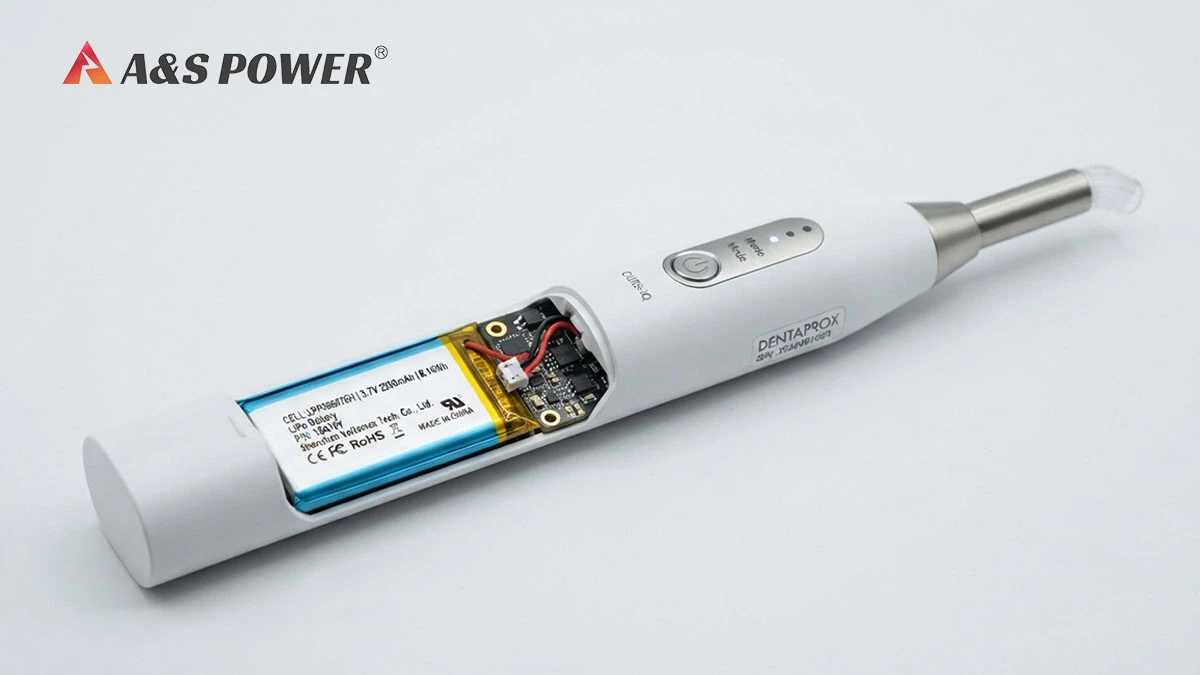 May.2026.08.04High Reliability Polymer Battery for Handheld Dental DevicesLearn More
 -
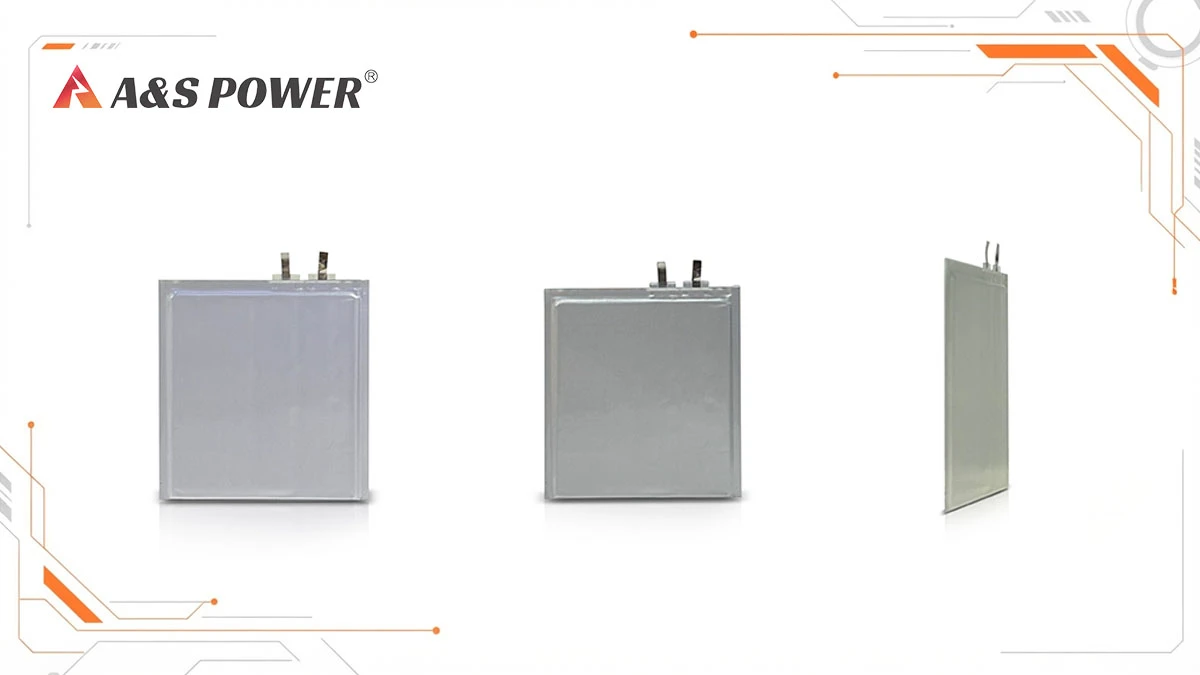 May.2026.08.04Ultra Thin Lithium Polymer Battery 0.4mm 0.5mm Custom GuideLearn More
 -
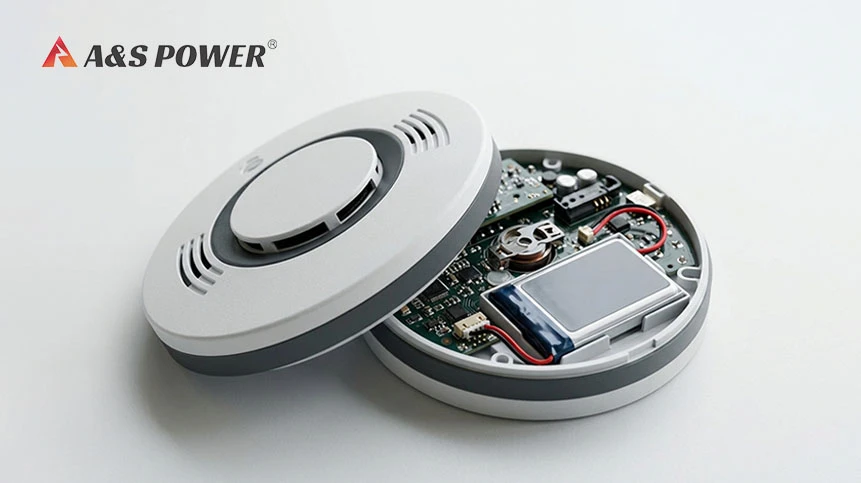 May.2026.07.30Smoke Detector Battery Guide: Choosing the Right Battery for Reliable Fire ProtectionLearn More