




Smoke Detector Battery Guide: Choosing the Right Battery for Reliable Fire Protection
Quick Answer:
A smoke detector battery is the primary or backup power source that keeps a smoke alarm operational during normal use or power outages. Modern smoke detectors typically use 9V alkaline batteries, AA batteries, sealed 10-year lithium batteries, or custom rechargeable lithium battery packs for professional fire alarm systems.
For the highest reliability, many manufacturers are transitioning to sealed lithium batteries because they offer longer service life, reduced maintenance, and improved performance over a wider temperature range. However, the best battery depends on detector design, installation environment, certification requirements, and maintenance strategy.
Introduction
A smoke detector is one of the simplest yet most important life-safety devices in any building. According to the U.S. Fire Administration and the National Fire Protection Association (NFPA), properly installed and maintained smoke alarms significantly reduce the risk of fire-related fatalities by providing early warning during developing fires.
As a lithium battery manufacturer working with OEM customers across fire safety, medical, industrial, and smart home industries, we've learned that the battery is often the component determining whether a smoke detector continues protecting occupants when it matters most.
Selecting the right smoke detector battery isn't simply about choosing the longest-lasting option. Manufacturers must also evaluate discharge characteristics, operating temperature, self-discharge rate, shelf life, safety certifications, maintenance intervals, and overall system reliability.
In this guide, we'll explain how smoke detector batteries work, compare available battery technologies, discuss battery lifespan, and help both homeowners and equipment manufacturers choose the most appropriate power solution.
Why the Smoke Detector Battery Matters
A smoke detector continuously monitors the surrounding air for signs of smoke or combustion. Even though its standby power consumption is extremely low, the battery must remain reliable for years without interruption.
A battery failure can disable the alarm entirely or cause nuisance low-battery chirps, leading occupants to remove the battery—a surprisingly common reason smoke alarms fail during real emergencies.
A high-quality smoke detector battery should provide:
- Stable voltage throughout its service life
- Low self-discharge
- Long storage life
- Reliable performance across varying temperatures
- Excellent leak resistance
- Compliance with fire safety regulations
- Consistent operation during emergency conditions
For wireless interconnected smoke alarms, the battery must also support communication modules while maintaining sufficient capacity for alarm events.
Common Types of Smoke Detector Batteries
Different smoke detector designs use different battery technologies. Understanding these options helps users make informed replacement decisions and assists OEM manufacturers in selecting the most suitable power solution.
9V Alkaline Batteries
The traditional 9V alkaline battery remains one of the most recognizable smoke alarm power sources.
Advantages include:
- Widely available
- Low initial cost
- Easy replacement
- Compatible with many older detectors
Limitations include:
- Requires annual replacement
- Voltage gradually decreases
- Higher maintenance
- Greater environmental waste over time
Many building safety professionals now recommend replacing alkaline batteries at least once per year, even if the low-battery warning has not activated.
AA Alkaline Batteries
Some modern smoke alarms use two or three AA batteries instead of a single 9V battery.
Benefits include:
- Higher overall energy capacity
- Lower replacement cost
- Easy consumer availability
- Good compatibility with interconnected residential alarms
However, they still require periodic replacement and routine maintenance.
Sealed 10-Year Lithium Batteries
Many newer smoke detectors now feature permanently sealed lithium batteries designed to last for the detector's entire service life.
These systems offer several advantages:
- Up to 10 years of operation
- Minimal maintenance
- Reduced risk of battery removal
- Lower lifetime maintenance cost
- Improved reliability
- Better cold-weather performance
Because the battery cannot be replaced separately, the entire detector is replaced at the end of its rated service life.
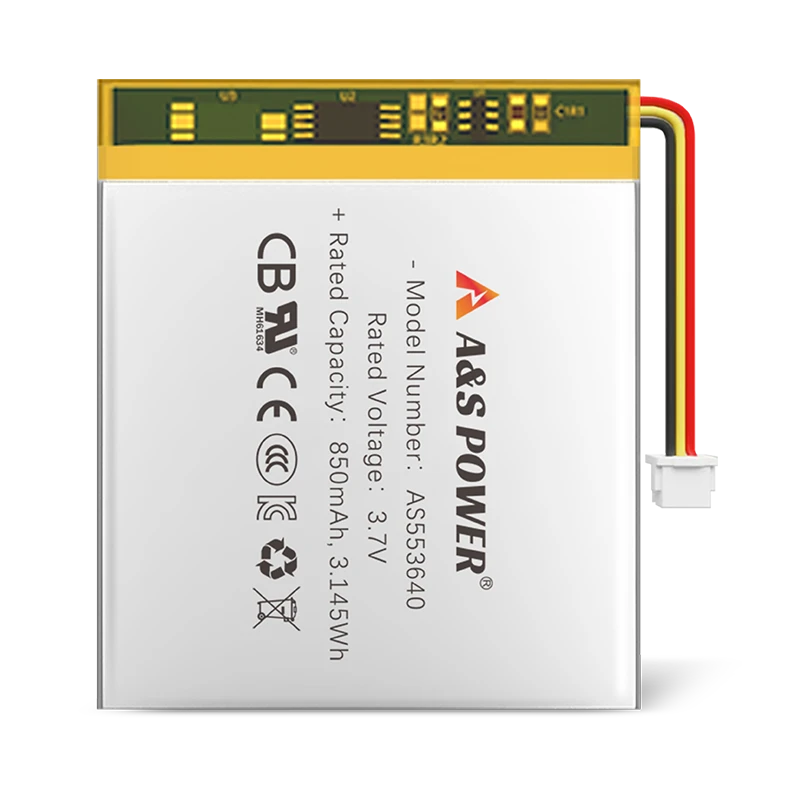
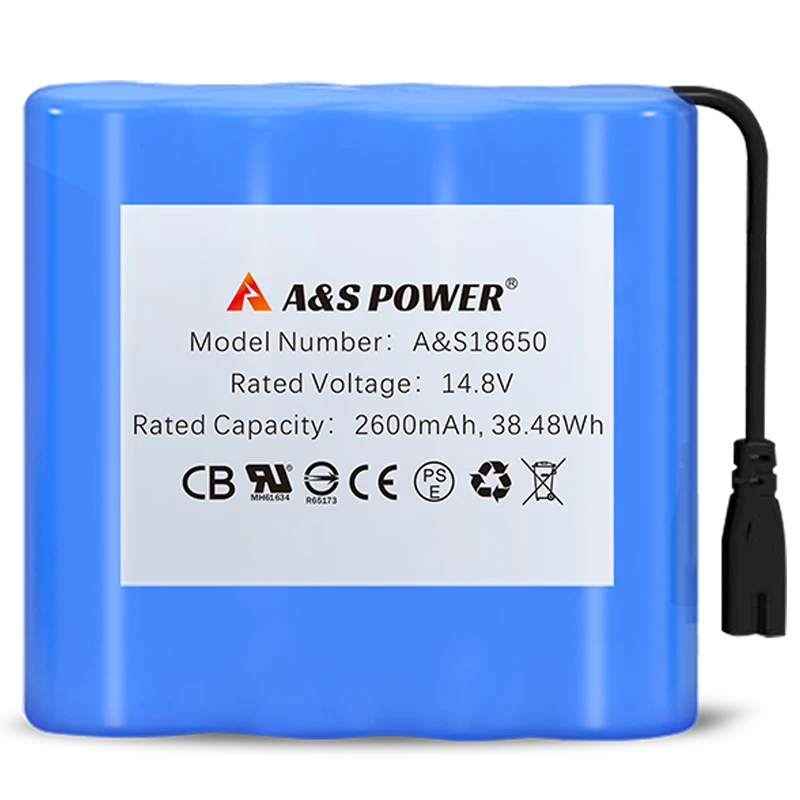
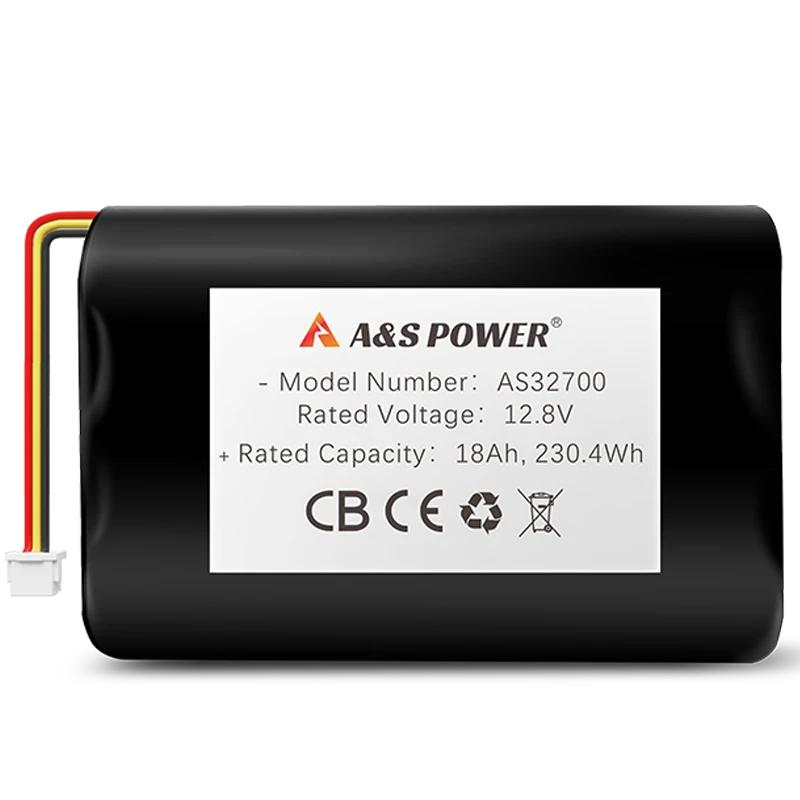
Rechargeable Lithium Battery Packs
Commercial fire detection equipment, industrial monitoring systems, and smart building safety devices increasingly use rechargeable lithium battery packs.
Compared with disposable batteries, rechargeable packs provide:
- Higher energy density
- Compact size
- Lightweight design
- Custom voltage configurations
- Smart battery management compatibility
- Longer operational life in connected devices
OEM manufacturers frequently customize these battery packs according to equipment size, communication requirements, backup runtime, and certification standards.
Smoke Detector Battery Comparison
| Battery Type | Typical Service Life | Maintenance | Temperature Performance | Typical Applications |
|---|---|---|---|---|
| 9V Alkaline | Approximately 1 year | High | Moderate | Traditional residential smoke alarms |
| AA Alkaline | 1–2 years | Moderate | Moderate | Residential interconnected alarms |
| Sealed Lithium | Up to 10 years | Very Low | Excellent | Modern residential smoke detectors |
| Rechargeable Lithium Pack | Design-dependent (hundreds of charge cycles) | Low | Excellent | Commercial, industrial, smart fire safety systems |
Industry Insight
While alkaline batteries remain common because of their low upfront cost, long-life lithium batteries have become the preferred solution for many modern smoke detector manufacturers. Their longer lifespan, lower self-discharge, and reduced maintenance help improve overall system reliability and lower total cost of ownership over the product lifecycle.
How Long Does a Smoke Detector Battery Last?
Battery lifespan depends on the battery chemistry, detector design, ambient temperature, humidity, and how often the alarm enters an active state. While manufacturers often provide estimated service lives, actual performance varies based on installation conditions and maintenance practices.
Generally speaking:
- 9V alkaline batteries should be replaced approximately every 12 months.
- AA alkaline batteries typically last between 12 and 24 months, depending on the detector's power consumption.
- Sealed lithium batteries are designed to power compatible smoke detectors for up to 10 years under normal residential operating conditions.
- Rechargeable lithium battery packs used in commercial or smart fire safety systems are designed according to the product's charging strategy, battery management system (BMS), and required backup runtime.
It is important to remember that the battery's lifespan should never exceed the smoke detector's recommended service life. Most manufacturers advise replacing the entire detector after 10 years, regardless of battery condition, because sensing components gradually lose accuracy over time.
What Factors Affect Smoke Detector Battery Life?
Even identical batteries can perform differently in different environments. The following factors have the greatest influence on battery longevity.
1. Battery Chemistry
Different chemistries exhibit different discharge curves and self-discharge characteristics.
Lithium batteries generally provide:
- Higher energy density
- Lower self-discharge
- Better voltage stability
- Longer storage life
- Improved low-temperature performance
Alkaline batteries remain economical but gradually lose voltage throughout their service life, increasing the likelihood of low-battery warnings before full capacity is exhausted.
2. Operating Temperature
Extreme temperatures directly affect battery performance.
| Operating Environment | Battery Performance |
|---|---|
| 20–25°C | Optimal capacity and lifespan |
| Below 0°C | Reduced available capacity, especially for alkaline batteries |
| Above 45°C | Faster aging and accelerated self-discharge |
| High humidity | Increased corrosion risk if battery compartment is not properly sealed |
For outdoor installations, warehouses, parking garages, or industrial facilities, lithium batteries generally maintain more stable performance across wider temperature ranges.
3. Alarm Frequency
Every alarm event consumes significantly more power than normal standby operation.
Frequent nuisance alarms caused by cooking fumes, steam, dust, or poor installation can noticeably shorten battery life.
Proper detector placement not only improves fire detection performance but also reduces unnecessary battery consumption.
4. Wireless Communication
Many modern smoke detectors include:
- Wi-Fi
- Zigbee
- Bluetooth Low Energy (BLE)
- Thread
- Proprietary RF communication
Wireless communication increases standby power consumption, making battery selection even more important.
OEM manufacturers often optimize battery capacity based on:
- Communication interval
- Signal strength
- Firmware update frequency
- Alarm synchronization
- Battery reserve requirements
Lithium vs. Alkaline Smoke Detector Batteries
Selecting between lithium and alkaline batteries requires balancing cost, maintenance, reliability, and expected service life.
| Feature | Lithium Battery | Alkaline Battery |
|---|---|---|
| Expected Service Life | Up to 10 years | Around 1 year |
| Self-discharge | Very low | Moderate |
| Cold Weather Performance | Excellent | Fair |
| Leak Resistance | Excellent | Moderate |
| Weight | Lighter | Slightly heavier |
| Maintenance | Minimal | Frequent replacement |
| Total Ownership Cost | Lower over product lifetime | Higher due to repeated replacements |
Our Perspective
For homeowners replacing batteries annually, alkaline batteries remain a practical choice if recommended by the detector manufacturer.
For newly designed smoke alarms, smart home products, commercial fire safety equipment, or OEM projects, lithium batteries generally provide greater long-term value due to their reliability, lower maintenance requirements, and stable electrical performance.
Choosing the Right Smoke Detector Battery
Not every detector uses the same battery, so checking the manufacturer's specifications is always the first step.
When selecting a replacement battery, consider the following:
Residential Smoke Alarms
Choose batteries that:
- Match the specified battery type
- Come from reputable manufacturers
- Have a long shelf life
- Are stored properly before installation
Avoid mixing old and new batteries or different battery brands in the same device.
Commercial Fire Alarm Systems
Commercial systems often require batteries that support:
- Continuous standby operation
- Backup power during mains failure
- Frequent system self-tests
- Network communication
- Compliance with local fire safety regulations
In these applications, battery packs are commonly custom-designed to meet runtime, safety, and certification requirements.
OEM Smoke Detector Manufacturers
Battery selection begins during product development rather than after production.
Key design considerations include:
- Required operating voltage
- Capacity requirements
- Peak alarm current
- Mechanical dimensions
- Connector type
- Protection circuit design
- Battery management strategy
- Regulatory compliance (such as UL, IEC, and transportation requirements)
Working with an experienced battery manufacturer early in the design phase can help optimize product reliability while reducing redesign costs later in development.
Smoke Detector Battery Maintenance Best Practices
Even the highest-quality battery requires regular attention to ensure reliable operation.
We recommend the following maintenance practices:
- Test the smoke detector monthly using the built-in test button.
- Replace removable batteries immediately after receiving a low-battery warning.
- Clean dust from the detector regularly using a soft brush or vacuum attachment.
- Never paint over or obstruct smoke detector vents.
- Replace the entire detector according to the manufacturer's recommended service life, typically after 10 years.
- Use only battery types approved by the detector manufacturer.
Consistent maintenance helps ensure the smoke detector performs as intended during an emergency.
Industry Data: Why Battery Maintenance Matters
Studies of residential fire incidents consistently show that non-functioning smoke alarms are often linked to missing, disconnected, or depleted batteries. Proper battery maintenance and timely replacement significantly improve the likelihood that a smoke alarm will operate when needed most.
This highlights that battery selection is only one part of overall fire safety. Routine inspection, testing, and adherence to manufacturer recommendations are equally important for maintaining reliable protection.
How to Replace a Smoke Detector Battery Correctly
Replacing a smoke detector battery is a straightforward maintenance task, but following the correct procedure helps ensure the detector continues to operate reliably. While the exact steps vary by manufacturer, the general process is similar for most residential and commercial smoke alarms.
Step 1: Identify the Battery Type
Before opening the detector, check the product label or user manual to determine which battery type is required.
Common battery configurations include:
- 9V alkaline battery
- Two or three AA alkaline batteries
- Sealed 10-year lithium battery (non-replaceable)
- Rechargeable lithium battery pack (commercial systems)
Never substitute a battery chemistry or size that is not approved by the detector manufacturer.
Step 2: Disconnect Power (If Applicable)
For hardwired smoke detectors:
- Turn off power at the circuit breaker if recommended by the manufacturer.
- Remove the detector from its mounting bracket.
- Disconnect the wiring harness only if necessary.
Battery-only smoke detectors usually require only removal from the mounting plate.
Step 3: Install the New Battery
When installing the replacement battery:
- Verify the positive (+) and negative (−) polarity.
- Ensure battery contacts are clean.
- Insert the battery firmly.
- Close the battery compartment completely.
Many modern detectors include a battery-door interlock that prevents the detector from closing unless the battery is installed correctly.
Step 4: Test the Alarm
After installation:
- Press and hold the TEST button.
- Confirm the alarm sounds clearly.
- Verify that any interconnected detectors respond as expected.
- Confirm that low-battery warning chirps have stopped.
Testing immediately after battery replacement ensures the detector is functioning before returning it to service.
Common Smoke Detector Battery Problems
Even high-quality batteries can experience issues if used incorrectly or installed in challenging environments.
Low Battery Chirping
One of the most common complaints is intermittent chirping.
Possible causes include:
- Battery nearing end of life
- Incorrect battery type
- Loose battery connection
- Dirty battery terminals
- Detector reaching its end-of-life warning
- Environmental conditions affecting battery voltage
If replacing the battery does not eliminate the chirp, consult the detector manual. Many modern smoke alarms emit similar warning sounds when the sensing chamber has reached the end of its service life.
Battery Leakage
Battery leakage is more commonly associated with older or expired alkaline batteries.
Potential consequences include:
- Corroded battery contacts
- Increased electrical resistance
- Detector malfunction
- Permanent damage to the battery compartment
Using fresh, high-quality batteries and replacing them before expiration significantly reduces this risk.
False Low-Battery Warnings
Sometimes a detector reports a low battery even after a new battery has been installed.
Possible explanations include:
- Poor battery contact
- Incorrect battery orientation
- Detector firmware reset required
- Internal electronic failure
- Expired smoke detector sensor
Troubleshooting should always begin with verifying battery compatibility before assuming the detector itself is defective.
Common Mistakes to Avoid
Over years of supporting OEM battery projects, we've found that many battery-related failures are preventable.
Avoid these common mistakes:
Using the Wrong Battery Type
A battery with the correct physical size but different chemistry or discharge characteristics may not meet the detector's design requirements.
Mixing Old and New Batteries
For detectors using multiple batteries, always replace all batteries simultaneously.
Mixing batteries with different capacities or ages can cause uneven discharge and reduce overall reliability.
Ignoring Low-Battery Warnings
Many users postpone replacing batteries after hearing intermittent chirping.
This significantly increases the risk that the detector will fail during an actual fire emergency.
Removing Batteries to Silence the Alarm
Unfortunately, some occupants remove batteries to stop nuisance alarms caused by cooking smoke or steam.
A smoke detector without a battery provides no fire protection.
Instead, identify the cause of nuisance alarms or relocate the detector according to the manufacturer's installation recommendations.
Forgetting Routine Testing
Battery replacement alone is not enough.
Monthly functional testing remains one of the simplest and most effective ways to verify detector operation.
Battery Safety Considerations
Although smoke detector batteries operate at relatively low power levels, proper handling remains important.
We recommend following these safety practices:
- Store batteries in a cool, dry location.
- Keep batteries away from excessive heat and open flames.
- Do not short-circuit battery terminals.
- Never attempt to recharge non-rechargeable alkaline batteries.
- Avoid crushing, puncturing, or disassembling lithium batteries.
- Keep batteries out of reach of young children.
- Follow local regulations for battery disposal and recycling.
For commercial and OEM battery packs, additional protective measures—such as overcharge protection, over-discharge protection, short-circuit protection, and temperature monitoring—are typically incorporated into the battery management system (BMS).
Why 10-Year Smoke Detectors Are Becoming the Industry Standard
Many building codes and safety organizations increasingly recommend or require smoke detectors equipped with sealed 10-year lithium batteries.
Several factors are driving this trend:
Reduced Maintenance
Homeowners no longer need to replace batteries annually, reducing the likelihood of neglected maintenance.
Improved Reliability
Because the battery is permanently sealed inside the detector, it cannot be accidentally removed or installed incorrectly.
Lower Lifetime Cost
Although the initial purchase price is higher, sealed 10-year detectors often reduce the total cost of ownership by eliminating repeated battery replacements and maintenance visits.
Better User Compliance
Research consistently shows that maintenance-free designs encourage greater long-term compliance with fire safety recommendations, improving the likelihood that smoke alarms remain operational throughout their intended service life.
Design Considerations for OEM Smoke Detector Manufacturers
For OEMs developing next-generation smoke alarms, battery selection is no longer an isolated component decision—it is a key part of overall product design.
Important engineering considerations include:
- Standby current consumption
- Alarm current requirements
- Wireless communication power budget
- Mechanical space constraints
- Battery chemistry selection
- Thermal performance
- Expected product lifetime
- Certification requirements (UL, IEC, CE, UN38.3, RoHS, REACH, etc.)
- Transportation and logistics compliance
- Intelligent battery monitoring and diagnostics
As smart smoke detectors integrate Wi-Fi, Zigbee, Matter, Bluetooth Low Energy (BLE), cloud connectivity, and mobile app features, battery systems must support higher functionality without compromising reliability or service life.
For this reason, many OEM manufacturers now collaborate with experienced lithium battery suppliers during the early design stage to optimize battery size, capacity, safety protection, and overall system integration.
Why Custom Lithium Batteries Are Ideal for Smart Smoke Detectors
As fire safety technology evolves, smoke detectors are becoming smarter, more connected, and more energy-efficient. Modern devices often integrate Wi-Fi, Zigbee, Matter, Bluetooth® Low Energy (BLE), voice assistant compatibility, mobile notifications, and self-diagnostic functions. These advanced features place higher demands on the battery than traditional standalone alarms.
Lithium Battery Technology in Modern Smart Smoke Detectors
Modern smart smoke detectors increasingly adopt lithium battery technology because lithium batteries offer higher energy density, lower self-discharge rates, longer service life, and more stable voltage output compared with traditional battery technologies.
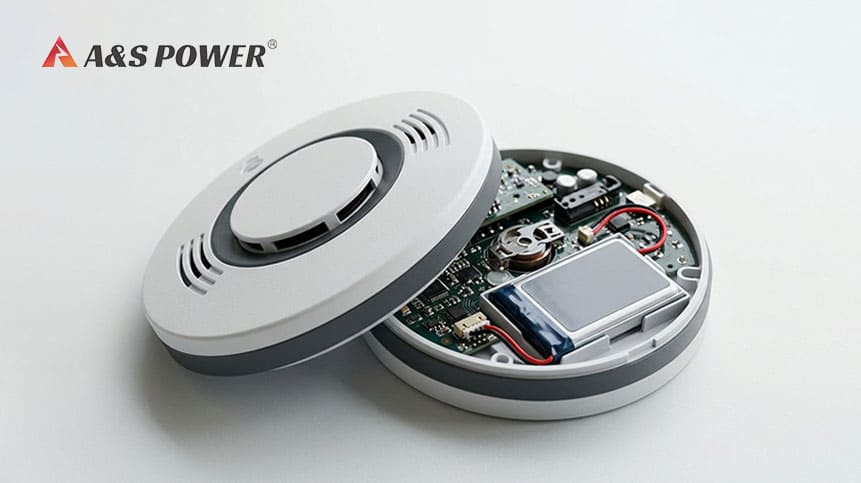
For connected smoke alarms with wireless communication features, customized lithium battery packs allow manufacturers to optimize capacity, size, protection circuits, and operating performance according to specific device requirements.
Custom lithium battery packs provide several advantages for OEM manufacturers:
Flexible Mechanical Design
Unlike standard consumer batteries, custom lithium polymer (LiPo) batteries can be designed to fit compact or irregular product housings. This gives engineers greater flexibility when developing slim or aesthetically optimized smoke detectors.
Benefits include:
- Customized dimensions and thickness
- Lightweight construction
- Improved internal space utilization
- Better industrial design integration
Stable Long-Term Power Output
Smart smoke detectors operate continuously for years while consuming extremely low standby current. During an alarm event, however, they require a sudden burst of power to activate:
- High-decibel sirens
- LED warning lights
- Wireless communication modules
- Mobile app notifications
- Network synchronization
Lithium batteries provide a stable discharge curve, helping maintain consistent device performance throughout their service life.
Support for Connected Fire Safety Systems
Commercial buildings increasingly deploy interconnected fire detection systems where multiple detectors communicate with one another.
Custom battery solutions can be engineered to support:
- Mesh networking
- Wireless synchronization
- Gateway communication
- Cloud-based monitoring
- Predictive maintenance
- Remote diagnostics
Reliable battery performance becomes even more important as the number of connected devices increases.
Why Work with A&S Power for Smoke Detector Battery Projects?
At A&S Power, we specialize in designing and manufacturing custom lithium-ion battery and lithium polymer battery solutions for OEM and ODM customers worldwide.
For smoke detector and fire safety equipment manufacturers, we provide:
- Custom LiPo battery packs
- Lithium-ion battery assemblies
- Custom voltages and capacities
- PCM/BMS protection circuit integration
- Wire harnesses and connector customization
- Low-profile battery designs
- Prototype development
- Small-batch and mass production
- Global logistics support
Our engineering team works closely with customers from the earliest design stage to optimize battery performance, mechanical compatibility, and regulatory compliance.
Typical applications include:
- Residential smoke alarms
- Commercial fire alarm systems
- Smart home safety devices
- Carbon monoxide detectors
- Heat detectors
- IoT environmental monitoring devices
- Building automation systems
- Emergency safety equipment
Conclusion
The battery is the heart of every smoke detector. Regardless of how advanced the sensing technology becomes, reliable power remains essential for delivering timely fire warnings and protecting lives.
For traditional residential smoke alarms, alkaline batteries continue to provide an economical solution when replaced on schedule. However, sealed lithium batteries and custom rechargeable lithium battery packs are increasingly becoming the preferred choice for modern fire safety products because they offer longer service life, lower maintenance requirements, and more stable performance.
From an OEM perspective, battery selection should be considered early in the product development process. Capacity, operating temperature, discharge characteristics, safety protection, certifications, and mechanical design all influence the long-term reliability of the finished product.
By partnering with an experienced battery manufacturer, fire safety equipment companies can develop products that not only meet regulatory requirements but also deliver dependable performance throughout their intended service life.
FAQ
What battery is best for a smoke detector?
The best battery depends on your smoke detector model. Many modern detectors use sealed 10-year lithium batteries for minimal maintenance, while older models commonly use replaceable 9V or AA alkaline batteries. Always follow the manufacturer's battery recommendations.
How often should I replace a smoke detector battery?
For replaceable alkaline batteries, replacement every 12 months is generally recommended, or sooner if the detector emits a low-battery warning. Sealed lithium battery detectors are typically designed to last for the detector's full 10-year service life.
Can I use rechargeable batteries in my smoke detector?
Only if the smoke detector manufacturer specifically approves rechargeable batteries. Most residential smoke alarms are designed for disposable alkaline or sealed lithium batteries, and using unapproved rechargeable cells may affect performance.
Why is my smoke detector still chirping after replacing the battery?
Common causes include incorrect battery installation, poor battery contact, dust contamination, or the detector reaching the end of its service life. If the chirping continues after troubleshooting, replacing the detector may be necessary.
How long does a smoke detector last?
Most manufacturers recommend replacing the entire smoke detector every 10 years, regardless of battery type, because the sensing chamber gradually loses sensitivity over time.
Are lithium batteries safer than alkaline batteries for smoke detectors?
Both battery types are safe when used as specified by the detector manufacturer. Lithium batteries generally offer longer service life, better temperature performance, and lower self-discharge, making them increasingly popular in modern smoke alarm designs.
Can OEM manufacturers customize smoke detector batteries?
Yes. OEM manufacturers often require customized lithium battery packs with specific voltages, capacities, connectors, protection circuits, and form factors to match product design and certification requirements.
-

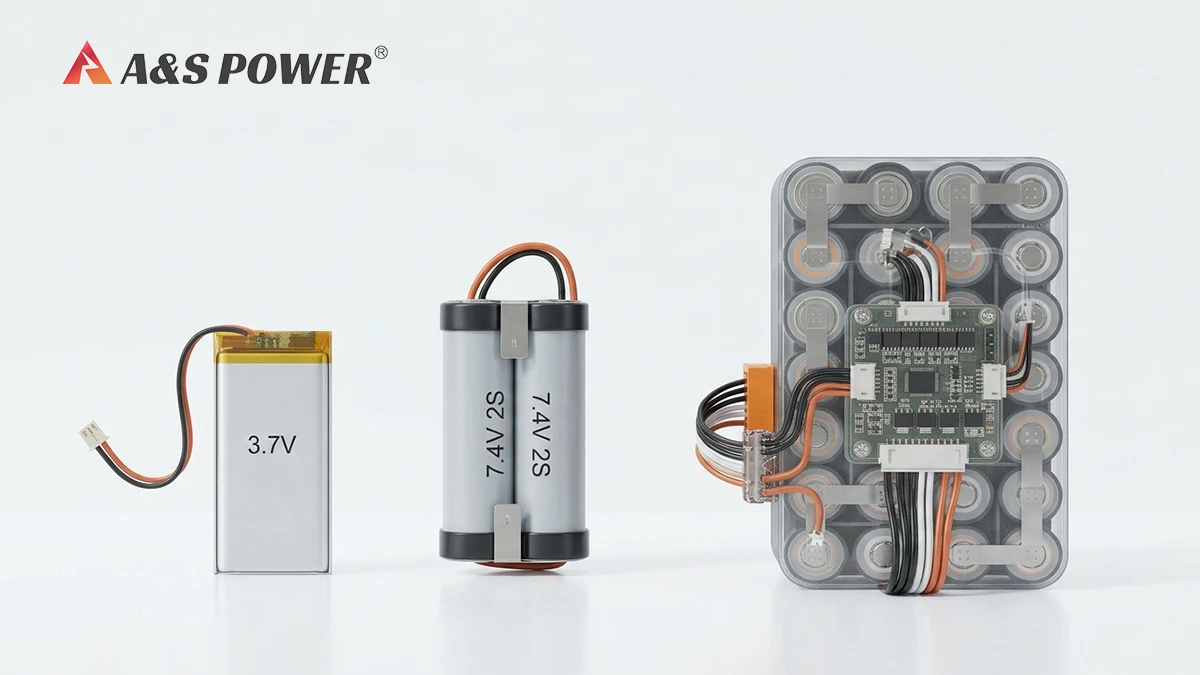 May.2026.08.19Custom Lithium Battery Pack Voltage & Capacity Selection GuideLearn More
 -
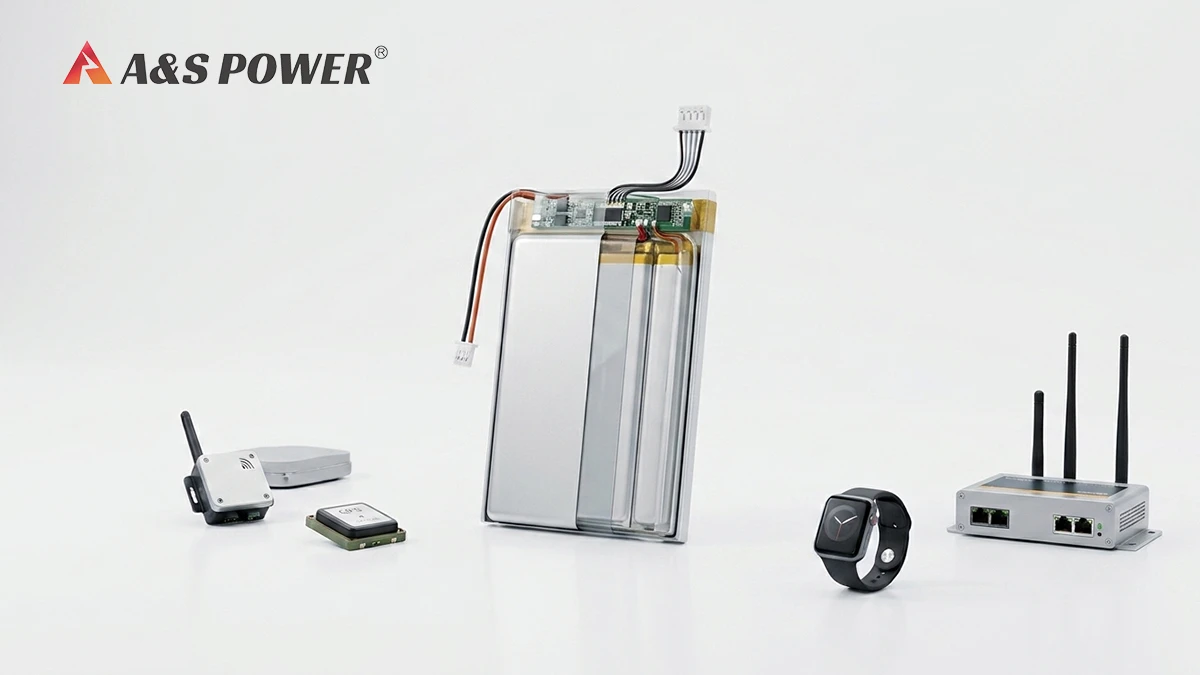 May.2026.08.18How to Choose Custom Lithium Battery Specs for IoT DevicesLearn More
 -
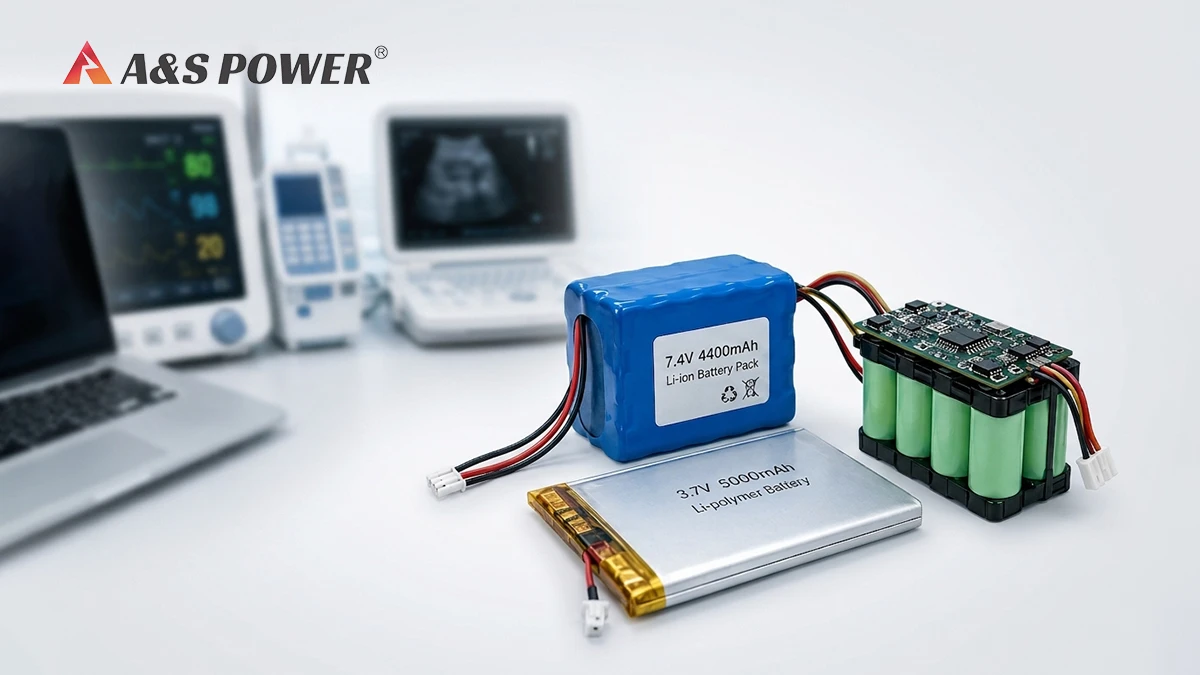 May.2026.08.17Custom Medical Battery Design: IEC 62133, BMS & Cost GuideLearn More
 -
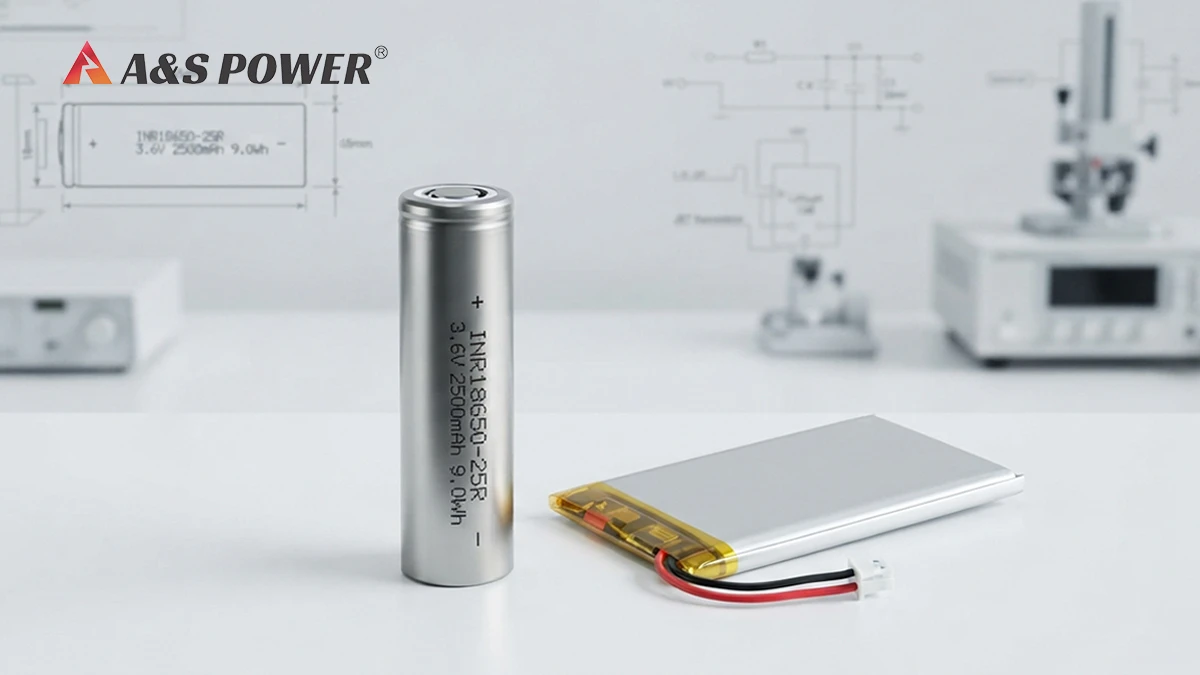 May.2026.08.1718650 Cell or LiPo Battery Cell: Choosing the Best BatteryLearn More
 -
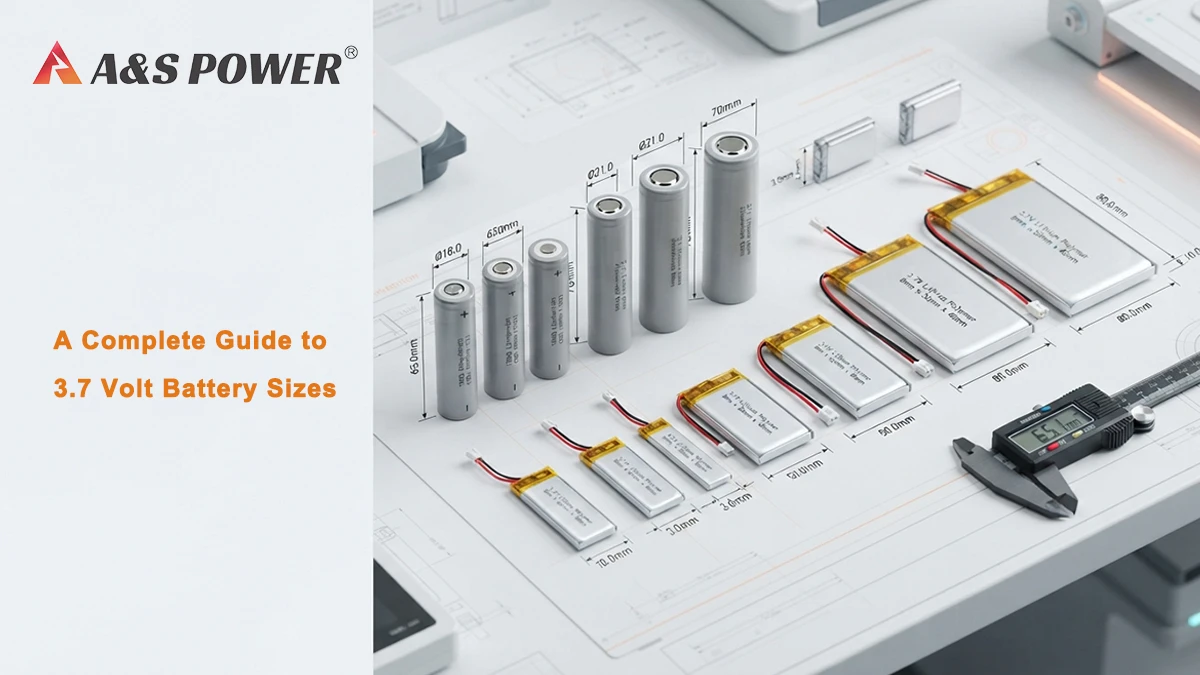 May.2026.08.14A Complete Guide to 3.7 Volt Battery SizesLearn More