




What Is the Downside of Rechargeable Batteries?

Quick Answer:
The main downside of rechargeable batteries is that they gradually lose capacity over time and eventually require replacement. Other disadvantages include higher upfront costs, charging requirements, limited cycle life, self-discharge, performance degradation under extreme temperatures, and potential safety risks if improperly designed or used.
Despite these drawbacks, rechargeable batteries often remain more economical and environmentally friendly than disposable batteries for long-term applications.
Introduction
What Is the Downside of Rechargeable Batteries?
Rechargeable batteries have become the dominant power source for modern electronics, electric vehicles, medical devices, energy storage systems, and countless portable products. From lithium-ion batteries in smartphones to LiFePO4 batteries in solar systems, rechargeable technologies offer substantial advantages over disposable alternatives.
However, despite their popularity and environmental benefits, rechargeable batteries are not perfect.
Many consumers, engineers, and purchasing managers focus primarily on the advantages—lower long-term cost, reduced waste, and high energy density. Yet understanding the disadvantages is equally important when selecting the right battery technology for a specific application.
In this guide, I will explain the real downsides of rechargeable batteries, compare different rechargeable chemistries, provide industry data, and help you determine whether rechargeable batteries are the right choice for your project.
Understanding How Rechargeable Batteries Work
Rechargeable batteries store electrical energy through reversible electrochemical reactions.
Unlike primary batteries (disposable batteries), rechargeable batteries can reverse their chemical reactions during charging, allowing them to be reused hundreds or even thousands of times.
Common rechargeable battery types include:
| Battery Type | Rechargeable | Typical Cycle Life |
|---|---|---|
| Lithium-Ion (Li-ion) | Yes | 500–1,500 cycles |
| Lithium Polymer (LiPo) | Yes | 300–1,000 cycles |
| LiFePO4 | Yes | 2,000–6,000 cycles |
| NiMH | Yes | 500–1,000 cycles |
| NiCd | Yes | 500–1,500 cycles |
| Alkaline | No | Single use |
While rechargeability is a major advantage, it introduces several trade-offs that do not exist with disposable batteries.
The Biggest Downside: Capacity Degradation
The most significant disadvantage of rechargeable batteries is capacity loss over time.
Every charging cycle causes small irreversible changes within the battery's internal chemistry. As these changes accumulate, the battery gradually stores less energy.
For example:
| Battery Age | Remaining Capacity |
|---|---|
| New | 100% |
| 300 cycles | 90–95% |
| 500 cycles | 80–90% |
| 1,000 cycles | 70–85% |
| End of Life | Below 80% |
This phenomenon is called battery degradation.
For users, degradation means:
- Shorter runtime
- Reduced operating efficiency
- More frequent charging
- Eventual battery replacement
This issue affects all rechargeable battery technologies.
Higher Initial Cost
Rechargeable batteries cost substantially more upfront than disposable batteries.
For example:
| Battery Type | Average Cost Per Unit |
|---|---|
| AA Alkaline | Low |
| AA NiMH Rechargeable | 3–5x Higher |
| Li-ion Pack | Significantly Higher |
| LiFePO4 Pack | Highest Initial Cost |
Why?
Rechargeable batteries require:
- Advanced electrode materials
- Complex manufacturing processes
- Protection circuitry
- Battery management systems (BMS)
- Safety certifications
Although long-term ownership costs are usually lower, the higher initial investment can be a disadvantage for some users and businesses.
Limited Cycle Life
No rechargeable battery lasts forever.
Each battery chemistry has a finite number of charge-discharge cycles.
Lithium-Ion Batteries
Typical lifespan:
- 500–1,500 cycles
Lithium Polymer Batteries
Typical lifespan:
- 300–1,000 cycles
LiFePO4 Batteries
Typical lifespan:
- 2,000–6,000 cycles
After reaching their cycle-life limit, batteries continue to function but with significantly reduced capacity.
For applications requiring decades of operation without maintenance, this limitation must be considered carefully.
Rechargeable Batteries Require Charging Time
Disposable batteries can be replaced instantly.
Rechargeable batteries must be charged before reuse.
Depending on battery size and charging technology:
| Battery Type | Typical Charging Time |
|---|---|
| Smartphone Battery | 30 min–2 hrs |
| Power Tool Battery | 30 min–4 hrs |
| E-bike Battery | 3–8 hrs |
| Solar Storage Battery | Several hours |
Charging downtime may not be acceptable in mission-critical applications such as:
- Emergency equipment
- Medical systems
- Military devices
- Backup power systems
Many organizations therefore maintain spare battery packs to avoid interruptions.
Self-Discharge During Storage
Rechargeable batteries lose energy even when not being used.
This phenomenon is known as self-discharge.
Typical Monthly Self-Discharge Rates
| Battery Chemistry | Monthly Capacity Loss |
|---|---|
| LiFePO4 | 2–3% |
| Lithium-Ion | 2–5% |
| Lithium Polymer | 3–5% |
| NiMH | 15–30% |
| NiCd | 10–20% |
For emergency equipment stored for long periods, self-discharge can become a serious concern.
This is one reason disposable lithium batteries remain popular in smoke detectors, military equipment, and certain backup systems.
Performance Drops in Extreme Temperatures
Temperature significantly affects rechargeable battery performance.
Cold Weather Problems
At low temperatures:
- Chemical reactions slow down
- Internal resistance increases
- Available capacity decreases
Many lithium-ion batteries may temporarily lose 20–40% of their available capacity below freezing temperatures.
High Temperature Problems
Excessive heat accelerates:
- Electrolyte decomposition
- Electrode aging
- Capacity degradation
Heat is one of the leading causes of premature battery failure.
For best longevity, most rechargeable batteries operate optimally between 15°C and 35°C.
Safety Risks Cannot Be Ignored
Modern rechargeable batteries are extremely safe when manufactured correctly.
However, rechargeable batteries store large amounts of energy in compact spaces.
Potential risks include:
- Thermal runaway
- Overcharging
- Short circuits
- Mechanical damage
- Cell swelling
- Fire hazards
These incidents are relatively rare but can occur when:
- Low-quality cells are used
- Protection circuits fail
- Improper chargers are employed
- Physical damage occurs
This is why certifications such as IEC62133, UL2054, UL1642, CB, UN38.3, KC, and CE are essential when sourcing battery packs.
Environmental Challenges of Battery Manufacturing
Rechargeable batteries are often considered environmentally friendly.
However, battery production itself has environmental impacts.
Manufacturing requires:
- Lithium extraction
- Nickel mining
- Cobalt processing
- Copper refining
- Energy-intensive manufacturing
Environmental concerns include:
- Resource consumption
- Water usage
- Carbon emissions
- Mining impacts
The good news is that these impacts are usually offset over the battery's lifetime because one rechargeable battery can replace hundreds of disposable batteries.
Complex Recycling Requirements
Another downside is recycling complexity.
Rechargeable batteries contain valuable materials but cannot simply be discarded with regular household waste.
Challenges include:
- Collection infrastructure
- Transportation regulations
- Material separation processes
- Recycling costs
Improper disposal may lead to environmental contamination or fire risks.
As governments strengthen battery recycling regulations, manufacturers are increasingly designing products for easier end-of-life recovery.
Rechargeable Batteries vs Disposable Batteries
Comparison Table
| Factor | Rechargeable Battery | Disposable Battery |
|---|---|---|
| Initial Cost | Higher | Lower |
| Long-Term Cost | Lower | Higher |
| Rechargeable | Yes | No |
| Waste Generation | Low | High |
| Convenience | Requires Charging | Immediate Replacement |
| Lifespan | Hundreds–Thousands of Cycles | Single Use |
| Environmental Impact | Lower Over Time | Higher Over Time |
| Maintenance | Required | Minimal |
The best choice depends on the intended application.
When Rechargeable Batteries May Not Be the Best Choice
Rechargeable batteries are not ideal for every application.
Examples include:
Very Low-Power Devices
Devices used only occasionally may not benefit from rechargeability.
Examples:
- Emergency flashlights
- Smoke alarms
- Remote sensors
Long-Term Storage Applications
Products stored for years without maintenance may favor primary lithium batteries.
Ultra-Low-Cost Products
For extremely cost-sensitive products, disposable batteries may remain economically attractive.
Why Rechargeable Batteries Still Dominate Modern Electronics
Despite the disadvantages, rechargeable batteries continue to power most modern technologies.
Key reasons include:
- Lower lifetime ownership cost
- Higher energy density
- Reduced waste
- Better sustainability
- Support for portable electronics
- Compatibility with renewable energy systems
The industry continues improving battery chemistry to reduce existing drawbacks.
Emerging technologies focus on:
- Faster charging
- Longer cycle life
- Higher safety
- Lower environmental impact
- Improved recyclability
Expert Perspective from A&S Power
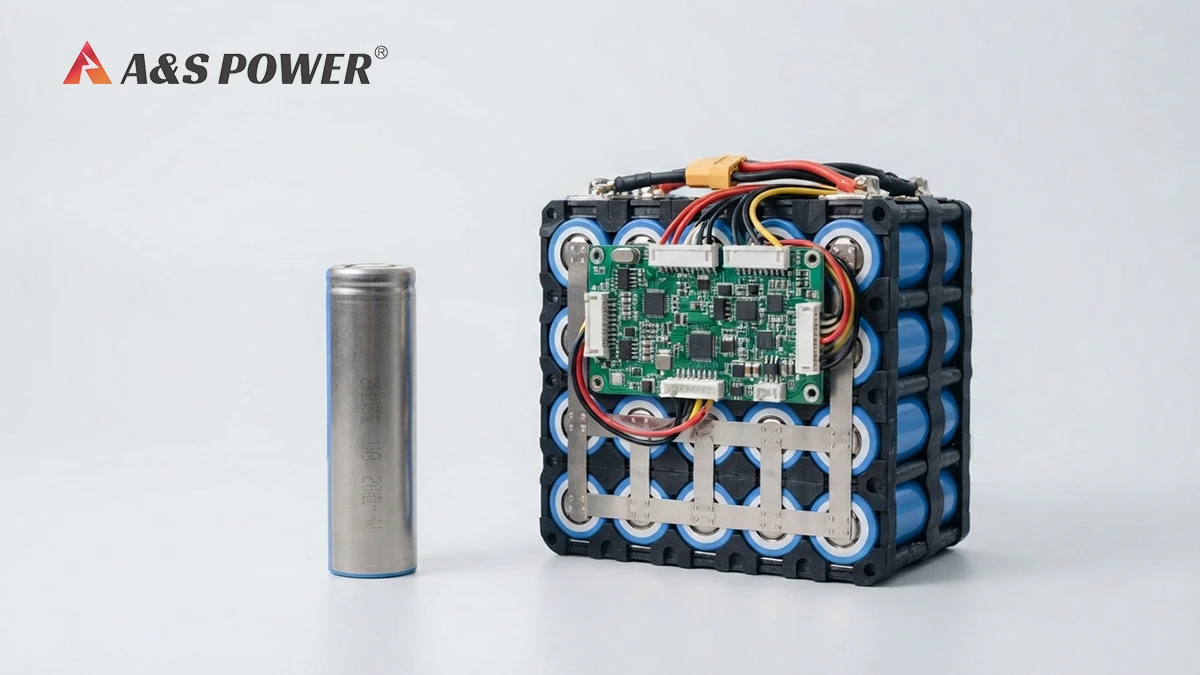
Based on our experience designing custom lithium-ion, lithium polymer, and LiFePO4 battery packs for industrial, medical, consumer electronics, and IoT applications, the disadvantages of rechargeable batteries are manageable when proper engineering practices are followed.
Key recommendations include:
- Select the appropriate battery chemistry.
- Use certified cells from reputable manufacturers.
- Implement a quality Battery Management System (BMS).
- Avoid excessive heat exposure.
- Follow proper charging procedures.
- Source batteries from certified manufacturers.
When designed correctly, rechargeable batteries provide exceptional performance while minimizing many of their traditional disadvantages.
Conclusion
So, what is the downside of rechargeable batteries?
The primary disadvantage is that rechargeable batteries gradually degrade and eventually require replacement. Additional drawbacks include higher upfront costs, charging downtime, self-discharge, temperature sensitivity, safety considerations, and recycling complexity.
However, when viewed over their entire lifecycle, rechargeable batteries often deliver superior economic value, lower environmental impact, and better performance than disposable alternatives.
For most modern applications—from smartphones and medical devices to energy storage systems and industrial equipment—the benefits of rechargeable batteries significantly outweigh their disadvantages. The key is selecting the right battery chemistry and working with an experienced battery manufacturer that understands your application's unique requirements.
Rechargeable Batteries Guide
- What Is the Best Type of Rechargeable Battery?
- Rechargeable Batteries: Complete Guide to Types, Uses and Selection
- Custom Rechargeable Battery Pack: The Complete Guide for OEM Projects
- Rechargeable Li Polymer Battery Pack for POS Terminal: The Complete OEM Battery Guide
- Custom Rechargeable Battery for Portable ECG Machines Guide
FAQ
What is the biggest downside of rechargeable batteries?
The biggest downside is battery degradation. Every charge cycle slightly reduces capacity, eventually requiring battery replacement.
How long do rechargeable batteries last?
Depending on chemistry and usage, rechargeable batteries typically last between 300 and 6,000 charge cycles.
Are rechargeable batteries safer than disposable batteries?
Both can be safe when used correctly. Rechargeable batteries require additional protection systems because they store and transfer larger amounts of energy.
Do rechargeable batteries lose charge when stored?
Yes. All rechargeable batteries experience self-discharge, although lithium-based batteries lose charge much more slowly than NiMH or NiCd batteries.
Are rechargeable batteries worth the higher cost?
For devices used regularly, rechargeable batteries usually provide significantly lower lifetime costs despite higher upfront investment.
Which rechargeable battery has the longest lifespan?
LiFePO4 batteries generally offer the longest cycle life among commercially available rechargeable battery technologies, often exceeding 2,000–6,000 cycles under proper operating conditions.
-

 May.2026.08.0521700 Battery Pack with BMS: Design, Safety and Custom SolutionsLearn More
 -
 May.2026.08.04Smart Beauty Equipment Battery Pack ManufacturerLearn More
 -
 May.2026.08.04High Reliability Polymer Battery for Handheld Dental DevicesLearn More
 -
 May.2026.08.04Ultra Thin Lithium Polymer Battery 0.4mm 0.5mm Custom GuideLearn More
 -
 May.2026.07.30Smoke Detector Battery Guide: Choosing the Right Battery for Reliable Fire ProtectionLearn More