




How to Clean Battery Corrosion Safely (Step-by-Step Guide with Photos)
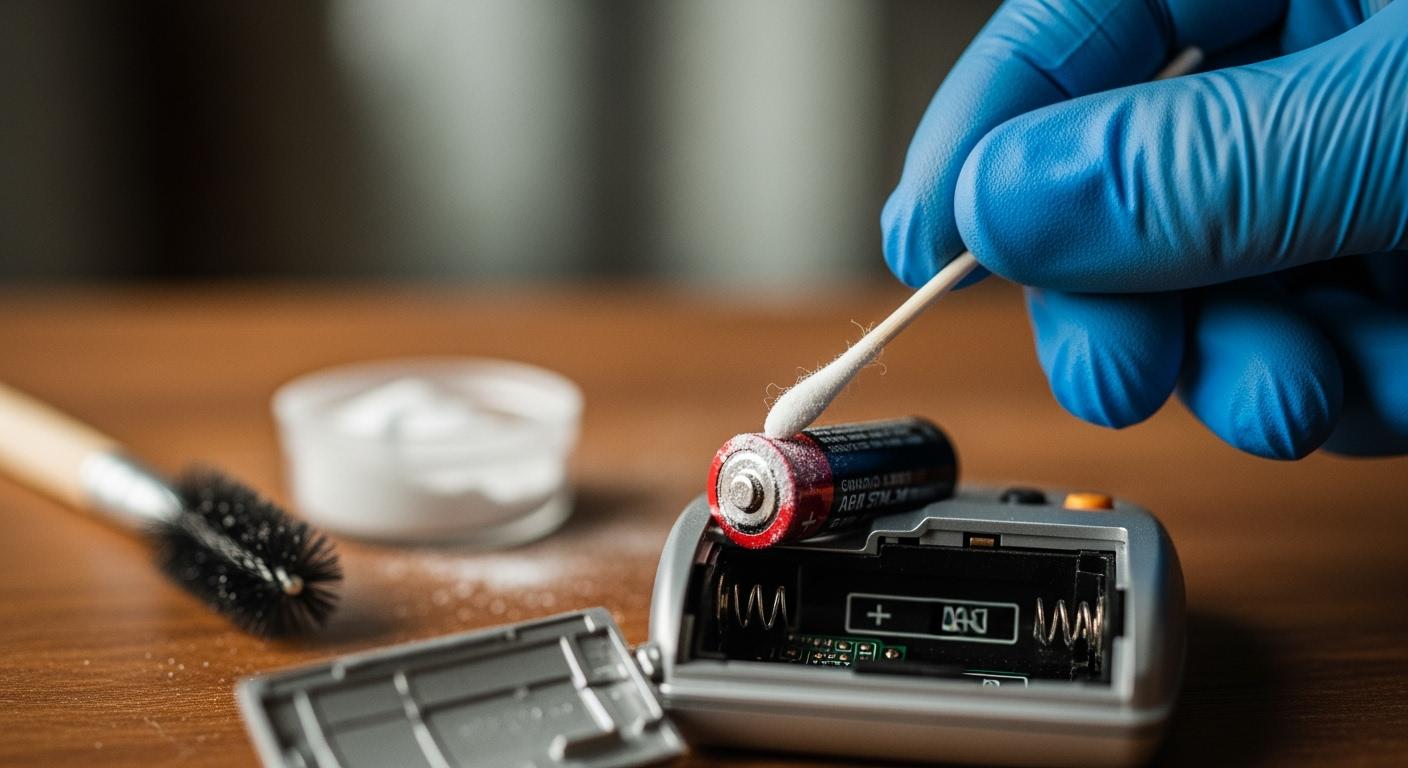
You can clean battery corrosion at home by following easy steps. You can use things like vinegar and baking soda. Vinegar helps break down rust. Baking soda can scrub the area without causing damage. Corrosion often happens in cameras, flash units, and radio transmitters. Always turn off your devices first. Wear gloves to keep your hands safe.
Key Takeaways
- Safety is very important when you clean battery corrosion. Put on gloves and goggles to protect your hands and eyes. Work in a place with lots of fresh air so you stay safe from bad chemicals.
- You can use things like vinegar and baking soda from home to clean battery corrosion. These things help remove rust and make cleaning safer for you.
- Check your batteries often and take care of them to stop corrosion. Keep them in a cool and dry spot. Clean the terminals at least once a year so they work well.
Safety and supplies for clean battery corrosion
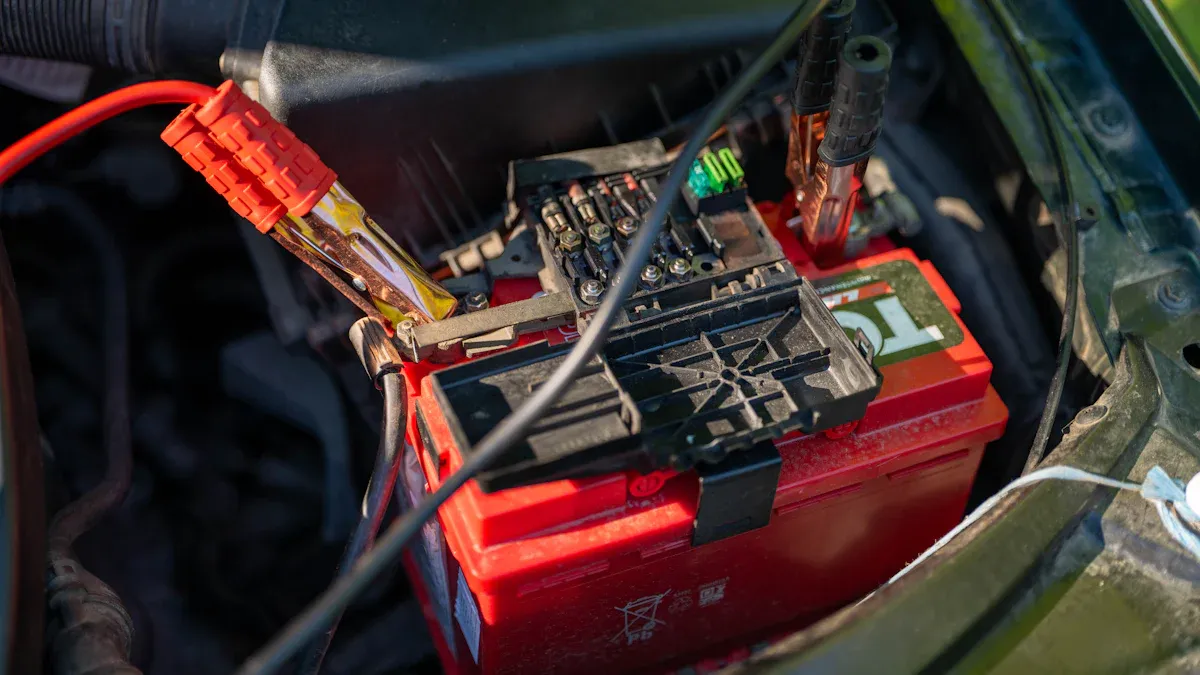
Safety precautions
You should protect yourself before cleaning battery corrosion. Battery acid can burn your skin or hurt your eyes. You could get shocked or spill acid if you skip safety steps.
Tip: Make sure you work where air moves well. Keep kids and pets away from your work area.
These are the main safety steps:
- Turn off the device and unplug it first.
- Take off any rings, watches, or metal things on your hands.
- Put on gloves that protect against chemicals.
- Wear goggles or a face shield to keep your eyes safe.
- Use an apron that resists chemicals and wear closed shoes.
What you need to clean battery corrosion?
You can get most supplies for cleaning battery corrosion at home or a store. These tools help you clean up corrosion safely and easily.
Basic supplies:
- White vinegar or lemon juice (helps break down corrosion)
- Baking soda mixed with water (makes battery acid safe)
- Cotton swabs or cotton balls
- An old toothbrush or a small brush
- Paper towels or a clean cloth
Optional tools:
- Fine sandpaper (for tough corrosion spots)
- Cleaners like GUNK Battery Terminal Cleaner or 3-Way Battery Terminal Cleaner
- Permatex Dielectric Tune-Up Grease (stops new corrosion)
| Product Name | Price |
|---|---|
| GUNK Battery Terminal Cleaner | $5.99 |
| 3-Way Battery Terminal Cleaner | $15.99 |
| Permatex Dielectric Tune-Up Grease | $8.09 |
You can use baking soda and water to clean battery corrosion on most devices. These supplies help your batteries and terminals stay in good condition.
How to clean battery corrosion step by step?
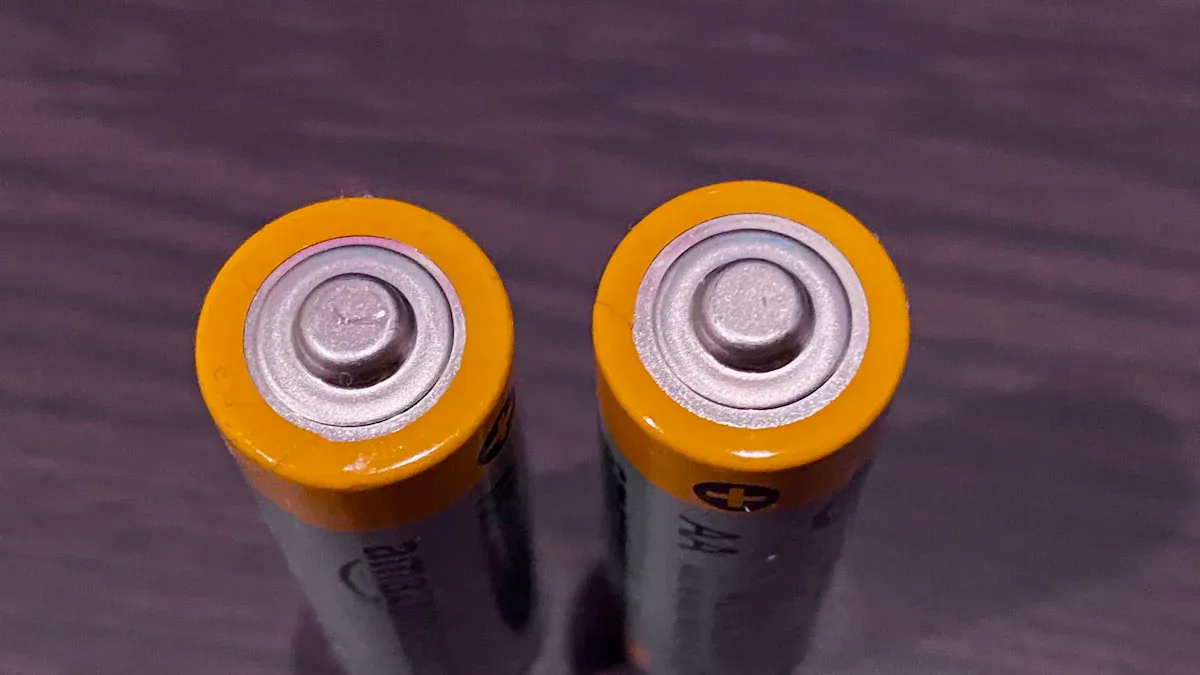
There are 6 easy steps to clean battery corrosion. This guide will help you remove battery corrosion from things at home and car batteries. You will see how to clean battery terminal corrosion and fix corroded battery terminals using safe ways. Follow these steps to keep your devices safe and working well.
Remove batteries safely
First, turn off your device and unplug it. Always wear rubber gloves and safety glasses. This keeps you safe from battery acid or potassium hydroxide. Use a small screwdriver to lift out the batteries. If the batteries are stuck, use a bigger screwdriver and pliers. Be careful not to break wires or other parts. Put the old batteries in a plastic bag to throw them away safely. If you see any leaking, wipe up battery leaking material with a paper towel.
Tip: Work where air can move around you. Keep kids and pets away from your work area.
Apply vinegar or lemon juice
You can use white vinegar or lemon juice as a vinegar based rust remover. Dip a cotton swab or cotton ball in the liquid. Dab it on the corroded spots. The acid in vinegar or lemon juice helps break down the corrosion. Let it sit for a few minutes. This step works for most things at home.
Use baking soda paste
Mix baking soda and water to make a baking soda paste. Spread the paste on the corroded spots. You will see fizzing. This means the baking soda is making the battery acid safe. The fizz helps loosen and break up the corrosion. This makes it easier to clean battery corrosion without hurting the terminals.
- Baking soda mixed with water makes a solution that makes battery acid safe.
- The fizzing helps loosen and break up corrosion.
- This way makes it safe to clean the corroded spots.
Scrub and rinse
Use a toothbrush, stiff brush, or wire brush to scrub the corroded area. A toothbrush is good for small things. For car batteries, use a wire brush or a battery terminal brush. Scrub gently so you do not hurt the metal. Wipe away the loose corrosion with a damp cloth or paper towel. Rinse the area with a little water or isopropyl alcohol to get rid of any leftover stuff.
Dry and inspect
Dry the battery compartment or terminals with a clean cloth or paper towel. Make sure everything is dry before you put in new batteries. Look for any corrosion left behind. If you still see buildup, do the cleaning steps again. If the terminals look damaged, you may need to fix corroded battery parts with fine sandpaper.
Clean car battery corrosion
To clean car battery corrosion, first turn off your car and open the hood. Take off the negative cable before the positive cable. Put a baking soda and water mix on the battery terminals. Let it fizz and break up the corrosion. Scrub with a wire brush or battery terminal brush. Rinse with water and dry with a clean cloth. Put the cables back on, starting with the positive one.
- Do not use drinks like Pepsi or Coke. These can leave sticky stuff and may hurt your battery.
- Old ways, like baking soda and water, are safer and work better.
Clean battery terminal corrosion
If you want to clean battery terminal corrosion in things at home, use the same steps as above. Take out the batteries, put on vinegar or lemon juice, then use baking soda paste. Scrub with a toothbrush and rinse. Dry the terminals well. For tough corrosion, gently rub the spot with fine sandpaper. This helps make a good connection again.
Note: Corroded battery terminals can make electrical connections bad. Even a little corrosion can make your device work worse.
Now you know how to clean battery corrosion step by step. These ways help you remove battery corrosion and keep your devices working. Cleaning and checking often stops problems in the future.
Prevent corroded battery terminals
Storage and maintenance tips
You can prevent corroded battery terminals by storing and caring for your batteries the right way. Good habits keep your devices safe and make batteries last longer.
- Store batteries in a dry, cool place. Keep them away from moisture and high humidity. This stops rust and short circuits.
- Keep the temperature between 22°C and 28°C. Heat can damage batteries and cause leaks.
- Use fireproof containers or LiPo bags for lithium batteries. This adds extra safety.
- Charge LiPo batteries to about 40-60% before storing them. This helps them last longer.
- Check your batteries often. Look for leaks, swelling, or white powder on the terminals.
- Clean battery terminals at least once a year. If you live near the ocean or in a humid place, clean them more often.
Tip: Manufacturers seal batteries and use special coatings to stop moisture from getting in. This helps prevent battery terminal corrosion.
When to replace batteries?
Sometimes you cannot fix corroded battery. You need to know when to get a new one instead of cleaning.
- Your car engine cranks slowly or has trouble starting.
- Lights on your dashboard or headlights look dim or flicker.
- You see a check engine or battery warning light.
- You find a lot of white, chalky stuff on the terminals.
- The battery is older than 3 years and shows any of these signs.
Standard alkaline batteries last 5 to 10 years. Lithium batteries can last 10 to 15 years. Always throw away old or leaking batteries at a safe drop-off spot. Do not put them in the trash.
| Battery Type | Average Lifespan |
|---|---|
| Alkaline | 5-10 years |
| Lithium | 10-15 years |
Note: Safe storage and regular checks help you avoid problems with corroded battery terminals.
You can clean battery corrosion at home if you follow easy steps. Always put on gloves and goggles to stay safe. Taking care of your batteries helps them last longer and stops corrosion. If you do not clean corrosion, your device might stop working. Most battery corrosion is easy to fix at home. Throw away old batteries the right way to keep the environment safe.
FAQ
Can you clean battery corrosion with household items?
Yes, you can use vinegar, lemon juice, or baking soda. These items break down corrosion and help you clean safely.
Is it safe to touch battery corrosion?
You should never touch battery corrosion with bare hands. Always wear gloves and goggles to protect your skin and eyes.
How often should you check batteries for corrosion?
- Check batteries every few months.
- Look for leaks, white powder, or swelling.
- Clean terminals once a year for best results.
-

 May.2026.08.0521700 Battery Pack with BMS: Design, Safety and Custom SolutionsLearn More
 -
 May.2026.08.04Smart Beauty Equipment Battery Pack ManufacturerLearn More
 -
 May.2026.08.04High Reliability Polymer Battery for Handheld Dental DevicesLearn More
 -
 May.2026.08.04Ultra Thin Lithium Polymer Battery 0.4mm 0.5mm Custom GuideLearn More
 -
 May.2026.07.30Smoke Detector Battery Guide: Choosing the Right Battery for Reliable Fire ProtectionLearn More