




Are Li-ion Batteries Rechargeable? A Complete Professional Guide
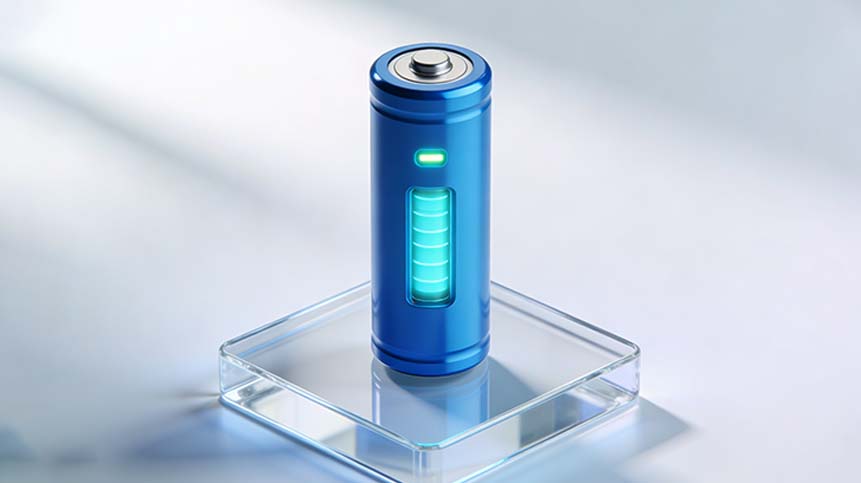
Yes — lithium-ion (Li-ion) batteries are rechargeable by design.
In fact, rechargeability is the core reason Li-ion technology dominates today’s electronics, medical devices, industrial equipment, and energy storage systems.
At A&S Power, we design and manufacture custom rechargeable lithium-ion and lithium-polymer battery packs for customers across Europe and North America. In this article, we explain how Li-ion batteries recharge, how long they last, how safe they are, and how to choose the right solution for your application — backed by data, standards, and real-world engineering experience.
What Does “Rechargeable” Mean for Li-ion Batteries?
A rechargeable battery is one that can store electrical energy, release it during use, and then be restored to usable capacity through controlled charging.
Li-ion batteries achieve this through a reversible electrochemical reaction.
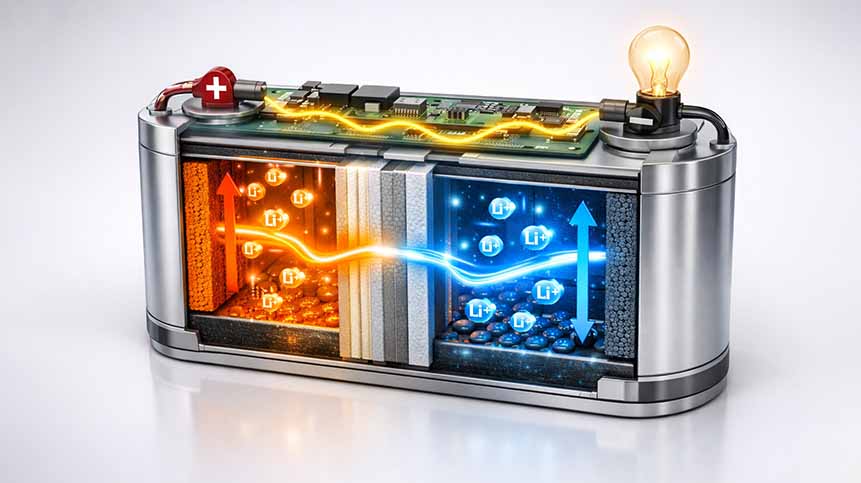
The Basic Charging Principle
Inside a Li-ion cell:
• During charging, lithium ions move from the cathode to the anode through the electrolyte.
• During discharge, lithium ions migrate from the anode back to the cathode, while electrons flow through the external circuit to supply power to the device.
This reversible ion movement enables lithium-ion batteries to be recharged hundreds or even thousands of times with proper design and management.
How Many Times Are Li-ion Batteries Rechargeable?
Charging Cycles Explained
A charging cycle equals:
-
100% discharge → 100% recharge
OR -
Partial discharges adding up to 100%
Typical Recharge Cycle Data (Industry Average)
| Battery Type | Typical Cycle Life | Capacity Retention |
|---|---|---|
| Standard Li-ion | 500–800 cycles | ≥80% |
| High-grade Li-ion | 800–1,200 cycles | ≥80% |
| Li-polymer (LiPo) | 600–1,000 cycles | ≥80% |
| Medical-grade packs | 1,000+ cycles | ≥80% |
Source: IEC 61960, manufacturer lab testing, UL certification data
At A&S Power, optimized cell selection + BMS tuning can extend real-world lifespan by 20–40% compared to off-the-shelf batteries.
Are All Lithium Batteries Rechargeable?
No — and this is a critical distinction.
Rechargeable vs Non-Rechargeable Lithium Batteries
| Battery Type | Rechargeable | Example |
|---|---|---|
| Lithium-ion (Li-ion) | ✅ Yes | 18650, 21700 |
| Lithium-polymer (LiPo) | ✅ Yes | Pouch cells |
| Lithium metal | ❌ No | CR2032 |
| Lithium primary | ❌ No | CR123A |
Only lithium-ion and lithium-polymer batteries are rechargeable.
Why Are Li-ion Batteries the Most Popular Rechargeable Technology?
Li-ion batteries outperform older rechargeable chemistries such as NiMH or NiCd.
Key Advantages
-
High energy density (150–280 Wh/kg)
-
Low self-discharge
-
No memory effect
-
Lightweight and compact
-
Fast charging capability
-
Long cycle life
This is why Li-ion batteries are standard in:
-
Medical devices
-
Wearables
-
Industrial instruments
-
Consumer electronics
-
Robotics
-
Energy storage modules
How Long Does a Rechargeable Li-ion Battery Last?
Calendar Life vs Cycle Life
Rechargeability does not mean infinite life.
-
Cycle life: How many times it can be recharged
-
Calendar life: How many years it remains usable
Typical Li-ion calendar life:
-
3–5 years under normal conditions
-
5–8 years with professional BMS design and controlled usage
Factors affecting lifespan:
-
Charging voltage
-
Depth of discharge
-
Operating temperature
-
Charge/discharge rate
-
BMS quality
Are Rechargeable Li-ion Batteries Safe?
Yes — when properly designed, protected, and certified.
Built-in Safety Mechanisms
Professional Li-ion battery packs include:
-
Overcharge protection
-
Over-discharge protection
-
Short-circuit protection
-
Over-current protection
-
Temperature monitoring (NTC)
At A&S Power, all rechargeable packs integrate a custom Battery Management System (BMS).
Required Certifications for Global Markets
-
UN38.3 (transport safety)
-
IEC 62133 (international safety)
-
UL 2054 / UL 1642 (North America)
-
CE compliance (EU)
Can Li-ion Batteries Be Recharged Incorrectly?
Yes — and incorrect charging is the main cause of battery failure.
Common Mistakes
-
Using incorrect chargers
-
Overcharging above rated voltage
-
Charging below 0°C
-
Poor ventilation during charging
-
No BMS protection
This is why custom battery design matters for medical and industrial products.
Are Li-ion Batteries Rechargeable for Medical Devices?
Absolutely — and they are the preferred solution.
Medical Use Cases
-
Infusion pumps
-
Patient monitors
-
Portable diagnostic devices
-
Wearable medical sensors
-
Home healthcare equipment
Medical rechargeable Li-ion batteries require:
-
Stable voltage output
-
Long cycle life
-
Redundant safety layers
-
Regulatory compliance
Can Rechargeable Li-ion Batteries Be Customized?
Yes — customization is essential for B2B applications.
At A&S Power, we customize:
-
Voltage (3.6V–72V+)
-
Capacity (mAh–Ah)
-
Size & shape
-
Connector type
-
PCM/BMS design
-
Housing & labeling
-
Certification package
Data-Driven Comparison: Rechargeable Battery Types
| Parameter | Li-ion | NiMH | Lead-acid |
|---|---|---|---|
| Rechargeable | Yes | Yes | Yes |
| Energy Density | High | Medium | Low |
| Cycle Life | High | Medium | Low |
| Weight | Light | Medium | Heavy |
| Maintenance | Low | Medium | High |
Li-ion clearly delivers the best performance-to-weight ratio.
Buying Guide — How to Choose a Rechargeable Li-ion Battery
Key Questions to Ask
-
What voltage and capacity do I need?
-
How many charge cycles are required?
-
What safety certifications are mandatory?
-
Is custom size required?
-
Will the product be sold in EU or US?
Choosing the wrong battery can lead to:
-
Certification failure
-
Product recalls
-
Short lifespan
-
Safety risks
Why Work with a Professional Li-ion Battery Manufacturer?
As a manufacturer, we offer advantages distributors cannot:
-
Engineering-level customization
-
Direct factory pricing
-
Faster sampling
-
Certification support
-
Long-term supply stability
External authority reference: IEC battery safety standards overview
FAQ — Rechargeable Li-ion Batteries
Are all Li-ion batteries rechargeable?
Yes. All lithium-ion batteries are designed to be rechargeable.
How many times can a Li-ion battery be recharged?
Typically 500–1,200 cycles depending on quality and usage.
Do Li-ion batteries lose capacity over time?
Yes, gradually. Most retain 80% capacity after rated cycles.
Can Li-ion batteries be fast-charged?
Yes, if designed for it and managed by a proper BMS.
Are rechargeable Li-ion batteries safe for medical devices?
Yes, when compliant with IEC 62133 and UN38.3 standards.
Final Thoughts: Are Li-ion Batteries Rechargeable?
Yes — Li-ion batteries are not only rechargeable, they are the backbone of modern rechargeable power systems.
For businesses targeting reliability, safety, and long service life, a professionally designed rechargeable lithium-ion battery is the smartest investment.
If you are developing a product for Europe or North America, we invite you to work directly with our engineering team.
-

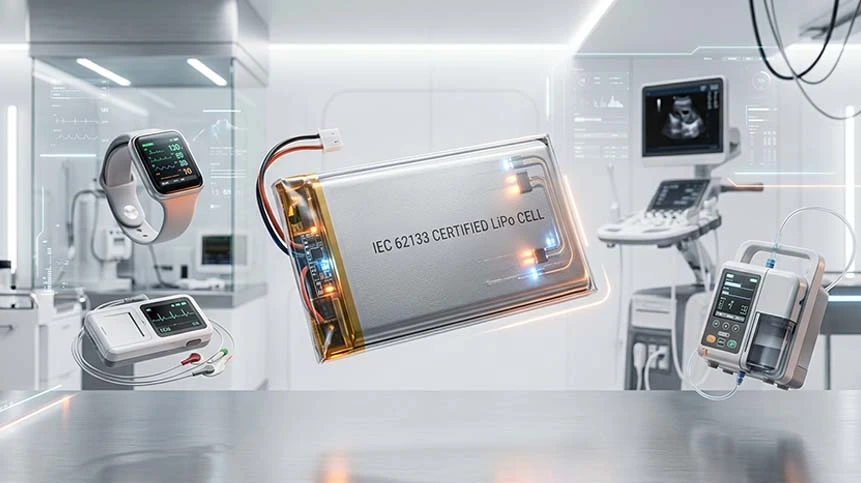 May.2026.05.21IEC 62133 Rechargeable LiPo Battery for Medical Devices GuideLearn More
 -
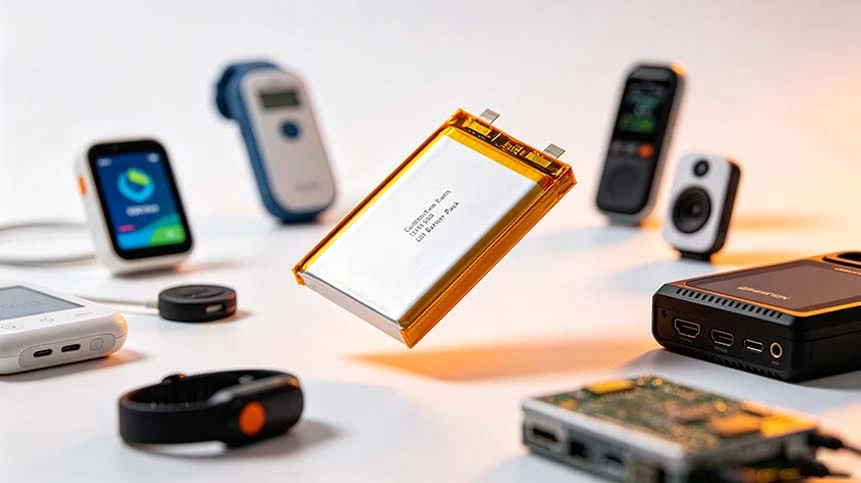 May.2026.05.20Custom UL2054 Certified Lithium Polymer Battery Pack: Complete OEM GuideLearn More
 -
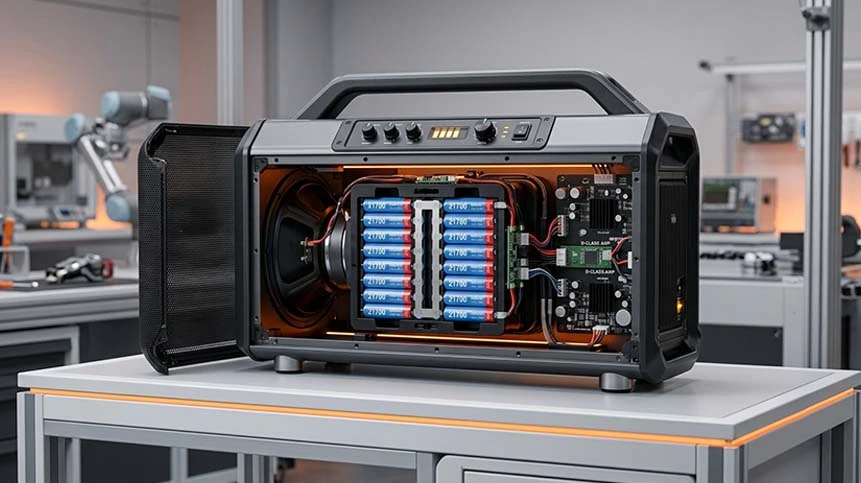 May.2026.05.20Battery for Portable PA System: Complete Guide to Lithium Battery Solutions for Professional Audio EquipmentLearn More
 -
 May.2026.05.19What Battery Is Used in Portable Guitar Amplifiers? A Complete Technical & Practical GuideLearn More
 -
 May.2026.05.15Complete Guide to Portable Amplifier Battery Packs (Li-ion & LiFePO4 Solutions)Learn More