




How to Put Out a Lithium-Ion Battery Fire: A Complete Safety Guide
Lithium-ion batteries power nearly every modern electronic device—from smartphones and laptops to medical equipment, drones, and electric vehicles. Their high energy density and long cycle life make them the preferred energy storage solution across industries.
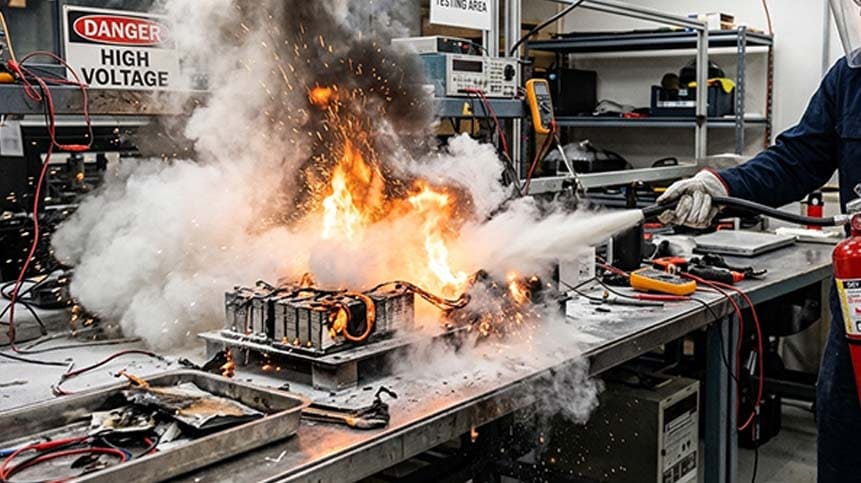
However, lithium-ion batteries can also pose fire risks under certain conditions. When damaged, overcharged, or exposed to high temperatures, these batteries may enter a dangerous process known as thermal runaway, which can lead to intense fires or explosions.
As a lithium battery manufacturer working with customers in medical devices, consumer electronics, and industrial equipment, we frequently receive the same question:
How do you put out a lithium-ion battery fire safely?
In this in-depth guide, I will explain:
-
What causes lithium-ion battery fires
-
Why they are difficult to extinguish
-
The safest ways to put them out
-
Which fire extinguishers actually work
-
Emergency response procedures
-
Prevention strategies for businesses and consumers
The goal is simple: understand the risk and know how to respond quickly and safely.
Understanding Lithium-Ion Battery Fires
Before discussing firefighting techniques, it is important to understand why lithium-ion batteries catch fire in the first place.
Lithium-ion cells contain several components that can contribute to combustion:
-
Flammable organic electrolyte
-
Highly reactive electrode materials
-
Stored electrical energy
-
Pressurized cell structure
When something goes wrong inside the battery, these elements can trigger a chain reaction.
What Is Thermal Runaway?
Thermal runaway is the main cause of lithium battery fires.
It occurs when internal battery temperature rises uncontrollably due to chemical reactions. Once the temperature exceeds roughly 150–200°C, the battery may begin to self-heat rapidly.
During thermal runaway:
-
Internal temperature rises quickly
-
Flammable gases are released
-
Electrolyte ignites
-
Adjacent cells may also ignite
This process can produce flames exceeding 800°C in severe cases.
According to safety studies from organizations such as:
thermal runaway is responsible for the majority of lithium battery fire incidents.
Common Causes of Lithium Battery Fires
In our experience within the battery industry, most incidents are linked to a limited number of root causes.
Major Causes of Lithium Battery Fires
|
Cause
|
Description
|
Typical Scenario
|
|---|---|---|
|
Overcharging
|
Charging beyond safe voltage limits
|
Faulty charger
|
|
Short circuit
|
Internal or external electrical short
|
Damaged wiring
|
|
Physical damage
|
Crushing, puncturing, or impact
|
Dropped battery
|
|
Manufacturing defect
|
Internal contamination
|
Poor production quality
|
|
Overheating
|
High ambient temperature
|
Poor ventilation
|
These failures can trigger internal cell damage, which ultimately leads to thermal runaway.
Why Lithium-Ion Battery Fires Are Difficult to Extinguish
Lithium battery fires behave differently from traditional fires.
Three characteristics make them particularly challenging:
1. Self-sustaining chemical reaction
The battery produces oxygen internally, allowing combustion even when external oxygen is limited.
2. High heat generation
Temperatures can exceed 800–1000°C during thermal runaway.
3. Re-ignition risk
Even after flames disappear, cells can reignite minutes or hours later.
For this reason, firefighters typically focus on cooling the battery pack rather than simply suppressing the flames.
How to Put Out a Lithium-Ion Battery Fire
The correct response depends on the size of the battery and the severity of the fire.
Below is the safest step-by-step emergency response approach.
Step 1: Move Away and Assess the Situation
If a lithium battery begins smoking, hissing, or swelling:
-
Move away immediately
-
Keep a safe distance
-
Warn nearby people
These symptoms indicate thermal runaway may be starting.
Step 2: Use the Correct Fire Extinguisher
The following extinguishing methods are commonly recommended.
Fire Extinguishers Suitable for Lithium Battery Fires
|
Extinguisher Type
|
Suitable Use
|
Effectiveness
|
|---|---|---|
|
Water
|
Cooling and stopping thermal runaway
|
Very effective
|
|
ABC Dry Powder
|
Small electronics fires
|
Effective
|
|
Class D
|
Metal fires
|
Industrial use
|
|
Foam
|
Secondary suppression
|
Moderate
|
According to guidance from the NFPA and fire safety agencies, large quantities of water are often the most effective solution for lithium-ion battery fires because they rapidly cool the cells and stop thermal runaway propagation.
Step 3: Apply Large Amounts of Water
Water helps by:
-
Reducing battery temperature
-
Preventing nearby cells from igniting
-
Diluting flammable gases
For larger battery packs (such as electric vehicles), firefighters may use thousands of liters of water to fully cool the battery system.
Step 4: Monitor for Re-Ignition
Even after the flames disappear:
-
Continue cooling the battery
-
Observe for at least 30–60 minutes
-
Watch for smoke or heat
Re-ignition is common because internal cells may still be hot.
Recommended Fire Safety Equipment
For workplaces that store or use lithium batteries, safety equipment is essential.
Recommended Fire Protection Equipment
|
Equipment
|
Purpose
|
|---|---|
|
ABC fire extinguisher
|
Small battery fires
|
|
Class D extinguisher
|
Industrial lithium fires
|
|
Fire blanket
|
Contain small device fires
|
|
Sand bucket
|
Emergency containment
|
|
Thermal monitoring system
|
Detect overheating
|
Organizations using large battery packs should also consider fire suppression systems and thermal monitoring technology.
Lithium Battery Fire Statistics
Understanding the scale of the problem helps organizations prepare better.
Lithium Battery Fire Incidents (Approximate Trends)
|
Sector
|
Example Incidents
|
|---|---|
|
Consumer electronics
|
Phone and laptop overheating cases
|
|
E-mobility
|
E-bike and scooter battery fires
|
|
Energy storage systems
|
Grid battery incidents
|
|
Electric vehicles
|
Rare but high-profile fires
|
Reports from fire safety agencies indicate lithium battery incidents are increasing as battery adoption grows worldwide.
Prevention: The Best Way to Avoid Lithium Battery Fires
From a manufacturer’s perspective, prevention is far more important than firefighting.
Best practices include:
Use Certified Batteries
Choose batteries certified under safety standards such as:
-
IEC 62133
-
UL 2054
-
UN 38.3 transportation testing
These certifications ensure the battery meets strict safety requirements.
Avoid Overcharging
Always use:
-
Manufacturer-approved chargers
-
Proper battery management systems (BMS)
A well-designed BMS prevents overcharge, over-discharge, and short circuits.
Prevent Physical Damage
Do not use batteries that are:
-
Swollen
-
Punctured
-
Cracked
-
Exposed to water
Damaged cells are the most common trigger for thermal runaway.
Lithium Battery Fire Safety in Industrial Applications
Industries using lithium batteries—such as medical devices, robotics, and energy storage—should implement comprehensive safety protocols.
Typical safety measures include:
-
Thermal monitoring systems
-
Battery management electronics
-
Protective battery enclosures
-
Fire detection systems
-
Emergency response training
As a lithium battery supplier, we work closely with OEM customers to ensure battery packs meet strict safety and certification standards.
Internal design improvements such as thermal protection circuits, cell balancing systems, and high-quality separators significantly reduce fire risks.
Expert Insights from Battery Manufacturers
From our experience designing lithium-ion and lithium-polymer battery packs for industrial and medical equipment, the key to fire safety lies in engineering quality and system design.
Key design strategies include:
-
Advanced battery management systems
-
Temperature monitoring sensors
-
Overcurrent protection circuits
-
Flame-retardant battery housings
These technologies dramatically reduce the likelihood of thermal runaway.
References
For additional safety guidelines, the following authoritative organizations provide detailed resources:
National Fire Protection Association
U.S. Consumer Product Safety Commission
These organizations publish updated fire safety recommendations and lithium battery handling standards.
FAQ: Lithium Battery Fire Safety
Can water extinguish a lithium-ion battery fire?
Yes. Water is widely recommended for cooling lithium-ion battery fires and preventing thermal runaway propagation. Large quantities of water are often the most effective suppression method.
What extinguisher should be used for lithium battery fires?
ABC dry powder extinguishers, Class D extinguishers, and water are commonly used depending on battery size and application.
Why do lithium batteries explode?
Explosions occur when internal pressure builds during thermal runaway, releasing flammable gases that ignite.
Can lithium battery fires reignite?
Yes. Re-ignition is common because internal battery cells may remain hot even after the flames appear to be extinguished.
Are lithium battery fires common?
They are relatively rare compared with the number of batteries used worldwide, but incidents are increasing due to the rapid growth of lithium battery applications.
Conclusion
Lithium-ion batteries are essential to modern technology, but they require careful handling and proper safety awareness.
Understanding how lithium battery fires start and how to extinguish them safely is critical for consumers, businesses, and emergency responders.
The key takeaways are:
-
Thermal runaway is the main cause of lithium battery fires
-
Water is often the most effective cooling method
-
Proper extinguishers should always be available
-
Prevention through design and certification is the best defense
With the right safety measures, lithium-ion batteries remain one of the most reliable and efficient energy storage technologies available today.
-

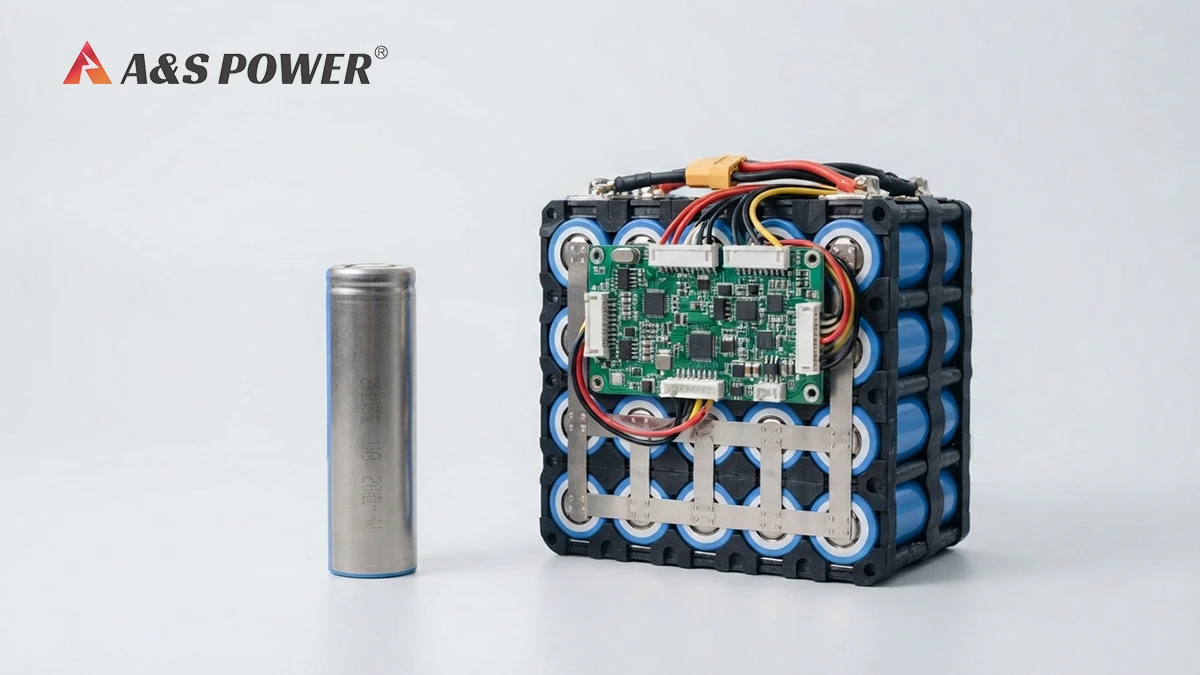 May.2026.08.0521700 Battery Pack with BMS: Design, Safety and Custom SolutionsLearn More
 -
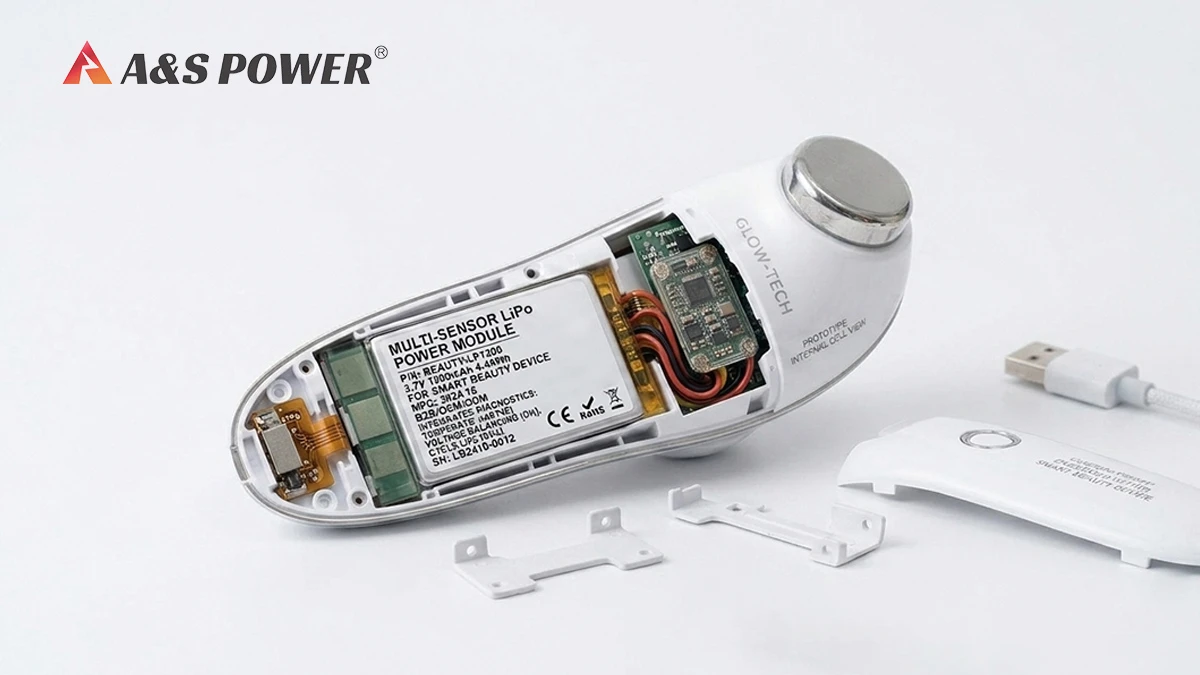 May.2026.08.04Smart Beauty Equipment Battery Pack ManufacturerLearn More
 -
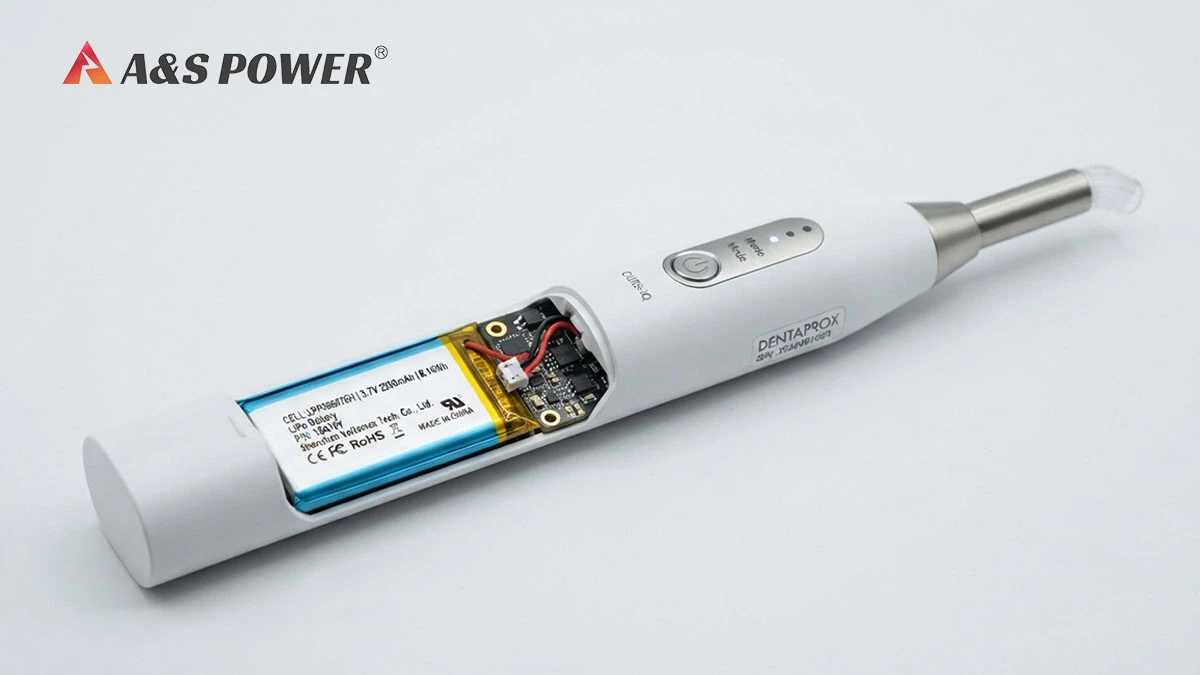 May.2026.08.04High Reliability Polymer Battery for Handheld Dental DevicesLearn More
 -
 May.2026.08.04Ultra Thin Lithium Polymer Battery 0.4mm 0.5mm Custom GuideLearn More
 -
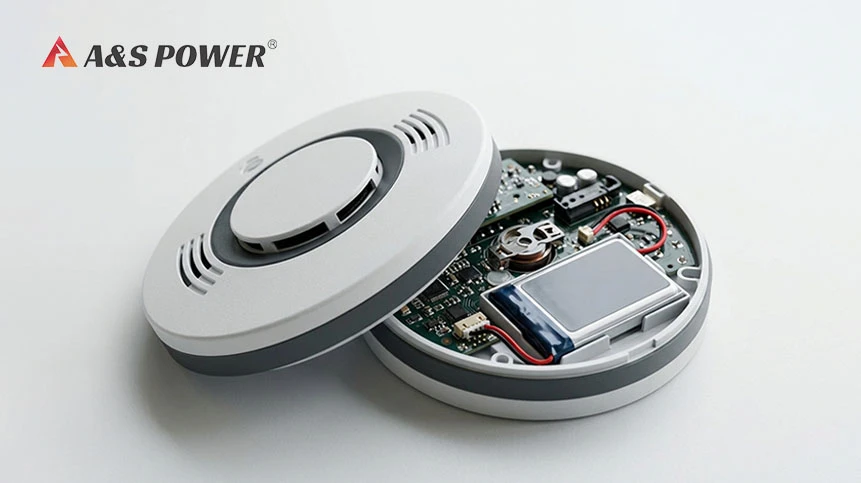 May.2026.07.30Smoke Detector Battery Guide: Choosing the Right Battery for Reliable Fire ProtectionLearn More