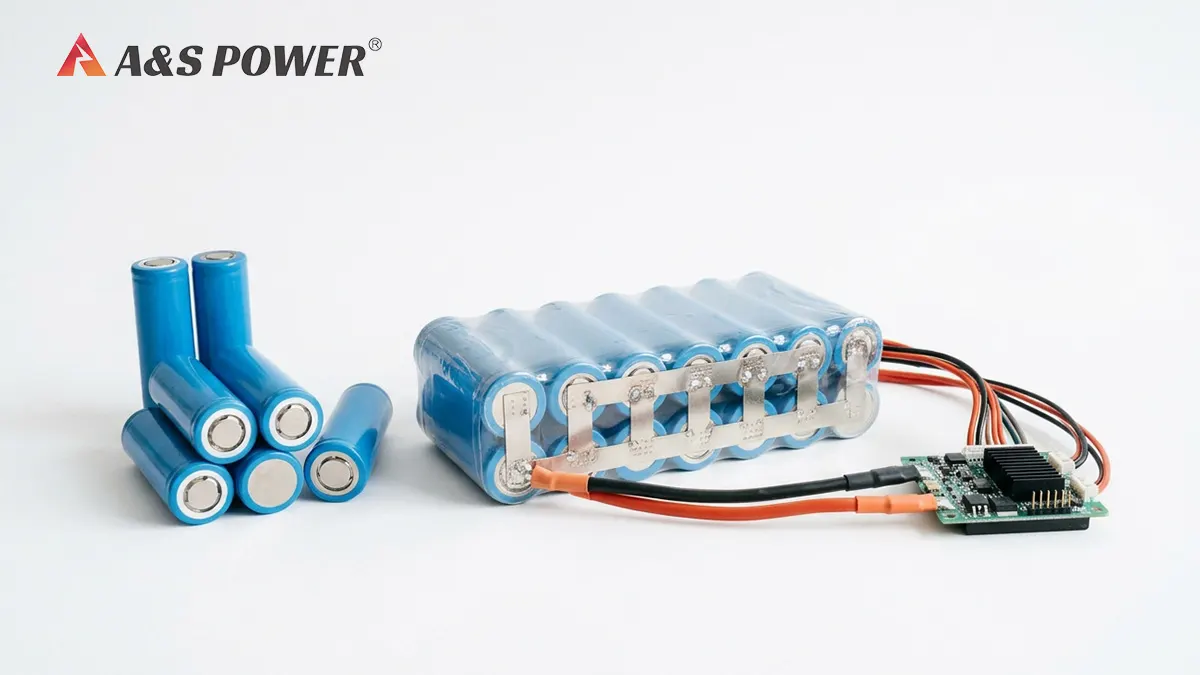


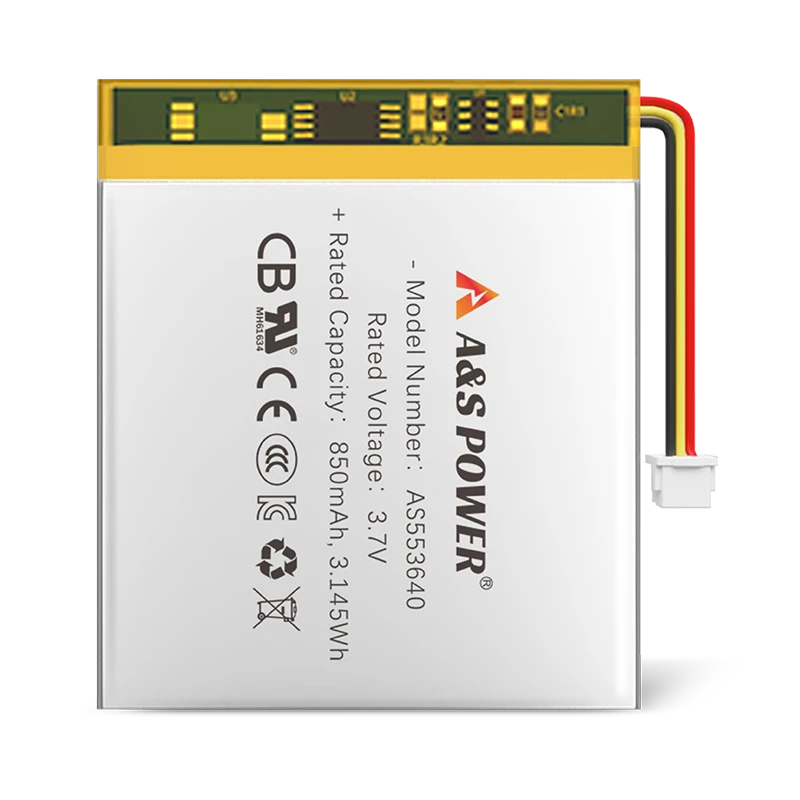
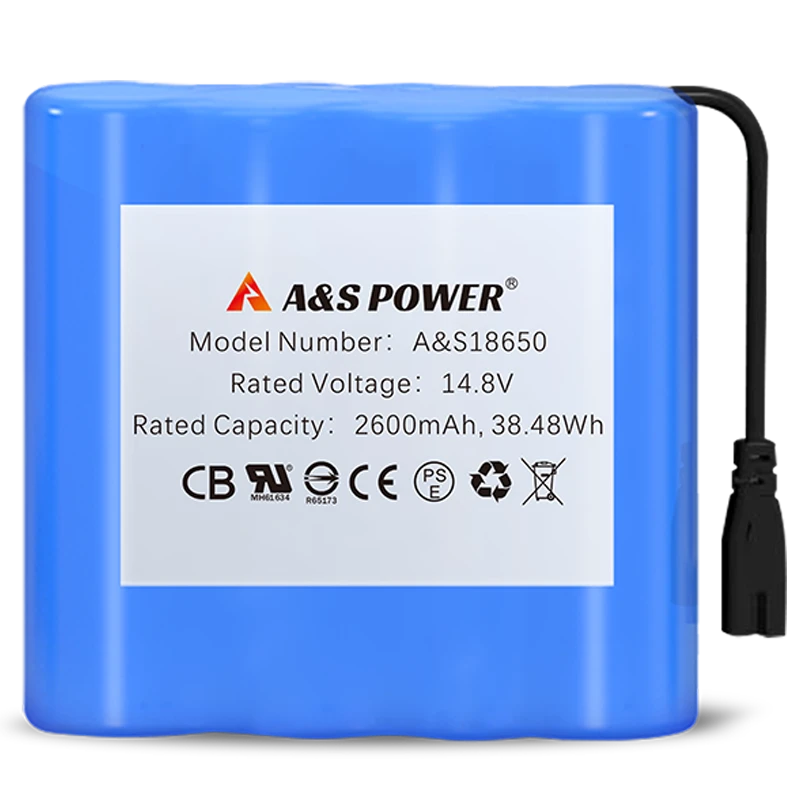
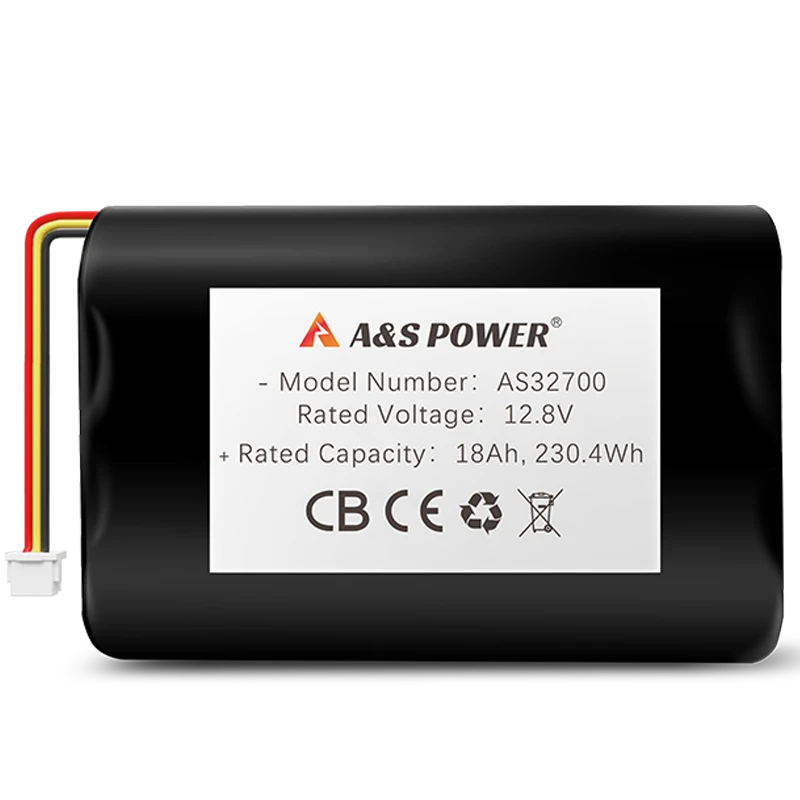


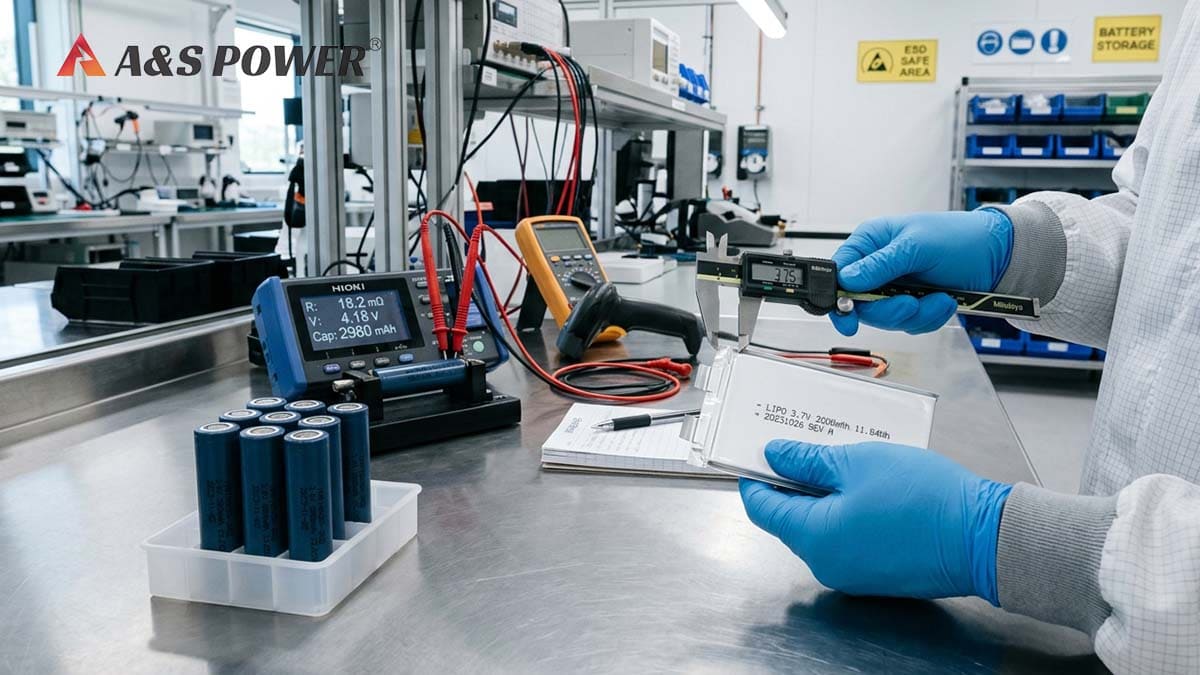
Choosing a custom lithium battery supplier is not simply a matter of comparing prices, checking product catalogs, or requesting a few samples. If you are sourcing lithium-ion or lithium polymer batteries for commercial products, the quality of the cells behind the quotation can directly affect product reliability, manufacturing consistency, warranty costs, and long-term customer satisfaction.
One of the biggest challenges is that not every battery advertised as Grade-A is genuinely new, traceable, or manufactured to the specifications you requested. Some suppliers may offer cells from different production batches, recycled inventory, aged stock, or products with unclear manufacturing histories. These batteries can look almost identical to newly manufactured cells, making it difficult for buyers to identify problems through photographs or basic visual inspections.
So, how do you distinguish a reliable custom battery manufacturer from a supplier that simply knows how to prepare an attractive quotation?
The answer is to ask better questions and verify the answers with technical documentation, production records, testing procedures, and physical samples. This guide explains 12 practical questions that purchasing managers, product engineers, and OEM buyers should ask before committing to a custom lithium battery supplier.
Key Takeaways
- Grade-A is a commercial classification, not independent proof of cell authenticity or manufacturing date.
- Verify cell origin, manufacturing dates, lot codes, and storage conditions.
- Request actual capacity and internal resistance test results with defined test conditions.
- Check whether certifications and UN 38.3 documentation apply to the exact battery model.
- Establish written quality acceptance criteria before mass production.
Why Battery Supplier Verification Matters More Than a Low Quotation
When purchasing custom lithium batteries, the lowest quotation rarely tells the whole story. Two suppliers might offer what appears to be the same 3.7V lithium polymer battery, 18650 lithium-ion cell, or custom battery pack, yet their products may differ significantly in manufacturing history, cell consistency, storage conditions, and quality control. One supplier might use newly produced cells with documented batch information, while another might offer older inventory or cells sourced through several intermediaries. On paper, both products can have identical voltage and capacity ratings. In actual applications, however, differences in capacity retention, internal resistance, cycle performance, and reliability can become apparent after installation or repeated use.
The problem becomes more complicated when suppliers use terms such as Grade-A, original cells, brand-new inventory, premium quality, and factory-direct supply without explaining what those descriptions actually mean. A professional buyer should understand that the term Grade-A is not, by itself, a universally recognized certification proving cell authenticity or manufacturing quality. It is often a commercial classification used by manufacturers and suppliers. Therefore, the real question is not whether a supplier promises Grade-A cells, but whether the supplier can demonstrate that the cells meet the agreed specifications through traceable records and repeatable testing. Research into counterfeit lithium-ion cells has also examined safety and quality concerns associated with weaknesses in the battery supply chain.
This is particularly important for OEM and ODM projects. A battery that performs acceptably in a small sample order might create significant problems when thousands of units enter production. Imagine discovering that a batch of wearable devices has shorter operating times than expected, or that a wireless product experiences premature battery shutdowns because of inconsistent cell resistance. Replacing batteries after assembly can be expensive, while product recalls and customer complaints can damage a brand's reputation. Supplier verification should therefore be treated as part of product engineering and purchasing risk management, rather than a routine administrative step.
For companies developing their own battery-powered products, reviewing a supplier's custom lithium battery solutions and OEM/ODM capabilities is a useful starting point. However, the supplier's actual quality procedures and supporting records still need to be evaluated separately.
12 Questions Every Buyer Should Ask a Custom Lithium Battery Supplier
The following questions are designed to move a supplier conversation beyond marketing claims. They help purchasing teams evaluate manufacturing capability, cell authenticity, production traceability, and quality consistency before placing a commercial order.
1. Who Actually Manufactures the Battery Cells?
Start with a straightforward question: Are you the actual cell manufacturer, a battery pack assembler, or a trading company?
There is nothing inherently wrong with purchasing through a distributor or working with a battery pack manufacturer that sources cells from established cell producers. In fact, many custom battery projects require specialized integration rather than in-house cell manufacturing. A supplier may have excellent capabilities in battery pack design, PCM/BMS integration, welding, wiring, connector installation, and final testing without manufacturing the electrochemical cells themselves. The important distinction is whether the supplier accurately describes its role in the supply chain and can identify where the cells originate.
Ask the supplier to explain which production processes are performed internally and which are outsourced. For example, does the company manufacture lithium polymer pouch cells, or does it purchase finished cells and assemble them into custom battery packs? Does it have its own production lines for pack assembly, or does it subcontract the entire process? A reliable supplier should be able to explain these arrangements without giving vague answers. If it claims to manufacture cells, request evidence of relevant production facilities and manufacturing capabilities. If it sources cells externally, request the cell manufacturer's name, model information, and available traceability documentation.
You should also distinguish between a battery cell manufacturer and a battery pack manufacturer. These businesses serve different roles, and both can be valuable partners. A genuine custom battery manufacturer should be transparent about its capabilities, technical responsibilities, and quality-control boundaries. The goal is not necessarily to find a company that manufactures everything under one roof; it is to find a supplier that takes responsibility for the complete product you are purchasing.
For example, A&S Power provides OEM and ODM battery pack services involving cell selection, electrical design, BMS integration, and mechanical customization. You can review its custom lithium-ion battery manufacturing capabilities to understand the types of services a battery pack supplier may provide.
2. What Does "Grade-A" Mean in Your Quality Classification?
If a supplier advertises Grade-A lithium battery cells, ask it to define the classification in writing.
Many buyers assume that Grade-A automatically means newly manufactured, unused, fully tested, and free from defects. However, commercial grading terminology can differ between suppliers and cell manufacturers. There is no single universal Grade-A label that independently guarantees all these characteristics. One supplier might use Grade-A to describe cells that pass its internal inspection requirements, while another might apply the term more loosely to products with acceptable electrical performance but incomplete manufacturing history.
A better approach is to ask for the specific acceptance criteria behind the claim. Does Grade-A require the cell to meet the original manufacturer's capacity specification? Are voltage, internal resistance, dimensions, appearance, and leakage checked? Are manufacturing dates and batch codes available? Does the supplier distinguish between new production cells, aged inventory, factory rejects, reworked cells, and second-life cells? These distinctions matter because a cell can pass a basic capacity test without necessarily having the same manufacturing history or reliability as a newly produced cell.
For example, consider two lithium polymer cells rated at 3.7V and 2,000mAh. Both may deliver close to the rated capacity during a single laboratory discharge test. However, one may have been recently manufactured and stored under controlled conditions, while the other may have spent a long period in unsuitable storage conditions. Their initial test results might look similar, but their long-term performance could differ. Rather than accepting a verbal promise, ask the supplier to provide a written quality classification standard and agree on the acceptance criteria before production.
A trustworthy supplier should be able to explain what Grade-A means, how it is verified, and what evidence supports the classification.
3. Can You Provide Verifiable Cell Manufacturing Dates and Lot Codes?
Manufacturing date information is one of the most useful ways to investigate whether a supplier is offering newly produced cells or older inventory.
Ask whether every cell model has a traceable manufacturing date, production batch number, or lot code. These identifiers should connect the delivered products to relevant manufacturing and inspection records. Depending on the cell manufacturer, the date and batch information may appear on the cell label, packaging, production documentation, or an internal tracking system. Not every manufacturer uses the same coding format, so buyers should not assume that a printed code can always be decoded without manufacturer-specific information.
Request a sample of the original packaging label and ask the supplier to explain how its batch codes work. If possible, compare the codes on the delivered samples with the corresponding production records. For large orders, make sure the supplier can identify which production batches were used in the shipment. This is particularly useful when several batches are combined into one custom battery project.
It is also important to understand that manufacturing date alone does not determine whether a battery is acceptable. Lithium-ion cells undergo calendar aging even when they are not being actively charged and discharged. Research on commercial lithium-ion cells has shown that storage temperature and state of charge influence calendar aging and performance degradation. Therefore, a relatively old cell that has been properly stored is not automatically equivalent to a damaged cell, while a newer cell stored under poor conditions is not automatically a good one.
Set a reasonable maximum inventory age for your project, based on the manufacturer's recommendations and your application's requirements. More importantly, require the supplier to disclose the actual manufacturing date instead of relying on vague descriptions such as fresh stock or recent production.
4. How Do You Control Cell Storage Conditions and Inventory Age?
A battery supplier's responsibility does not end when cells leave the production line. Storage and inventory management can influence battery condition before the cells are assembled into finished products.
Ask the supplier how it manages temperature, humidity, state of charge, packaging, and inventory rotation. Lithium-ion batteries are sensitive to environmental and electrochemical conditions during storage. High temperatures can accelerate unwanted chemical reactions, while unsuitable storage states of charge can contribute to degradation over time. The exact recommended storage conditions depend on cell chemistry, design, manufacturer specifications, and storage duration. A supplier should therefore follow the original cell manufacturer's instructions instead of applying one generic storage rule to every battery type.
You should also ask whether the company uses a first-in, first-out inventory management system or another documented method to control stock age. This does not mean that FIFO alone guarantees good battery quality. It simply helps prevent older inventory from remaining unnoticed while newer batches are repeatedly shipped first. For custom projects, ask whether the supplier can reserve a specific production batch and whether the same batch will be used for your samples and mass-production order.
A practical request is to obtain a storage procedure or a summary of the supplier's inventory control process. You do not necessarily need access to every internal warehouse record, but the company should be able to explain how it prevents unsuitable storage and identifies aging inventory. If it cannot provide manufacturing dates, storage records, or a reasonable explanation of its stock management, that should trigger further investigation.
Remember: newly manufactured and properly stored are two different claims, and both deserve verification.
5. Can You Provide Original Cell Specifications and Traceability Records?
Before evaluating a supplier's quotation, make sure you know exactly which cell is being offered.
Request the original cell manufacturer's datasheet or an equivalent controlled technical specification. The document should identify the cell model, chemistry, nominal voltage, rated capacity, charging limits, discharge limits, dimensions, weight, and operating temperature range, where applicable. For pouch cells, dimensions and thickness tolerances are particularly important because small physical differences can affect installation in compact electronic products. For cylindrical cells such as 18650, buyers should verify the manufacturer's model identification and relevant electrical specifications rather than relying solely on the nominal dimensions.
Traceability should connect the cell model to the actual batch supplied. A datasheet describes a product type, but it does not prove that the delivered cells came from the manufacturer or production lot identified in the document. Ask for batch-level records, incoming inspection results, and any available supplier or manufacturer identification. If the supplier is assembling custom battery packs, request documentation showing which cell model and batch were used in the assembly.
A useful distinction is between product documentation and product evidence. A generic datasheet may demonstrate what a cell is designed to do, while an inspection report provides information about the specific samples or production lot being evaluated. Both are useful, but they answer different questions. Buyers should avoid accepting a document simply because it contains a familiar brand logo or professional formatting. Confirm that the model number, specifications, and supplier information are consistent across the quotation, datasheet, sample label, and final inspection records.
For custom battery projects, this documentation also supports future troubleshooting. If a battery fails in the field, traceability helps determine whether the issue relates to a particular cell batch, pack assembly process, protection circuit, or application condition.
6. What Incoming Quality Control Tests Do You Perform?
A supplier that purchases cells from an external manufacturer should still perform appropriate incoming quality control before using those cells in custom battery packs.
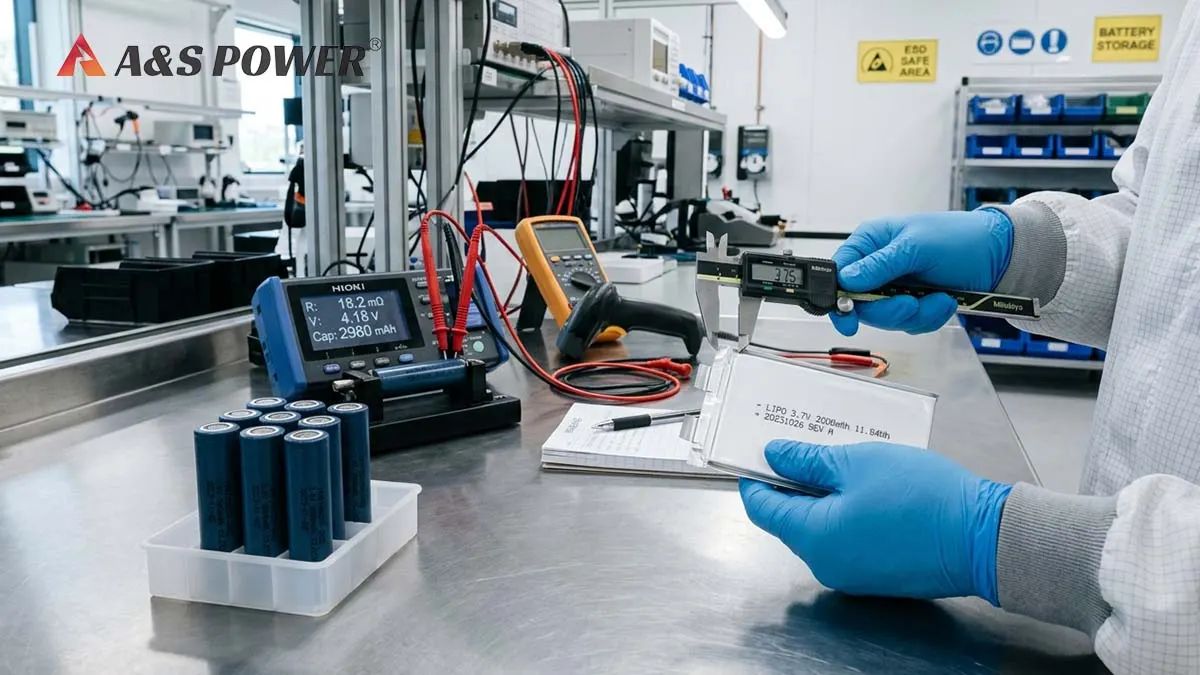
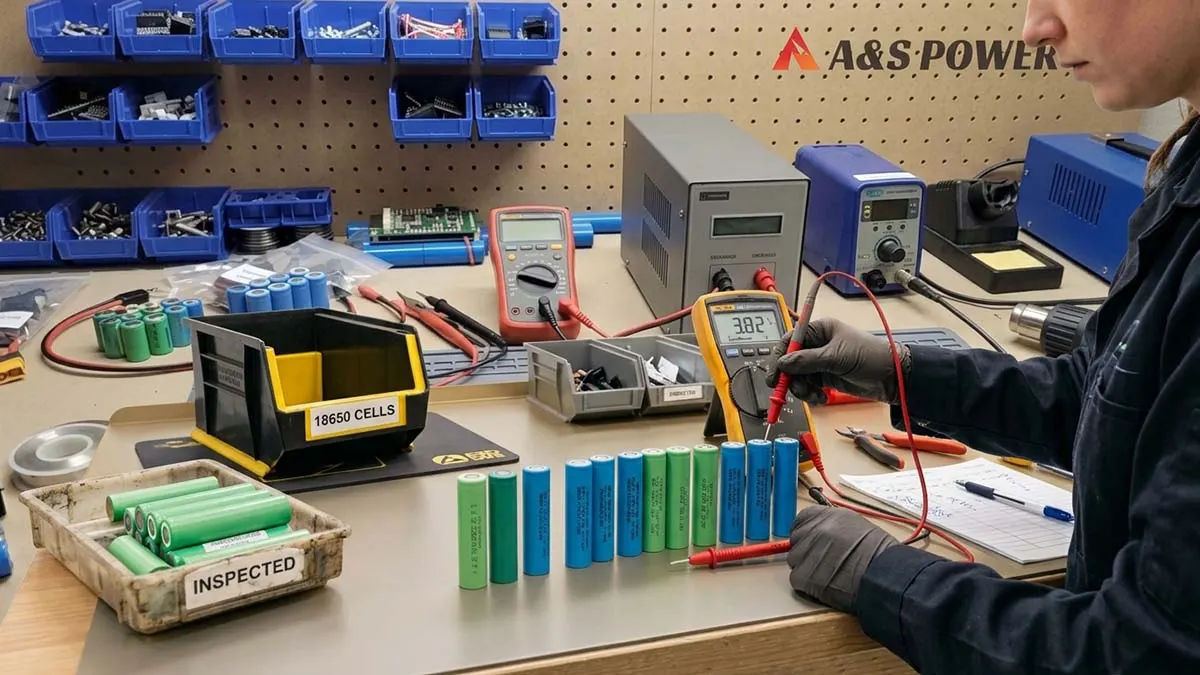
Ask for a description of its incoming inspection process. Depending on the battery type and project requirements, this may include checking cell model identification, appearance, dimensions, open-circuit voltage, internal resistance, capacity sampling, and other manufacturer-specified characteristics. The inspection plan should explain which checks are performed on every cell, which are performed through sampling, and which require specialized equipment or destructive testing.
Do not assume that a supplier has a reliable QC system simply because it owns battery testing equipment. The important issue is whether the equipment is appropriate, calibrated, maintained, and used according to documented procedures. For example, an ordinary multimeter can measure voltage, but it cannot establish the actual discharge capacity of a cell. A capacity test requires a controlled charge and discharge process with suitable equipment and defined test conditions.
Ask how the company handles cells that fail incoming inspection. Are they segregated from accepted inventory? Are nonconforming products identified and recorded? Can the supplier demonstrate how rejected cells are prevented from entering normal production? These questions are particularly important when a supplier handles multiple battery grades or purchases cells from several sources.
The relevant inspection requirements should be agreed upon before the order is placed. A low-cost supplier might perform only basic visual and voltage checks, while a more capable manufacturer may have a documented incoming inspection plan with defined acceptance limits. Neither description should be accepted blindly. The right inspection plan is the one that adequately controls the risks of your particular battery application.
7. How Do You Verify Actual Capacity and Internal Resistance?
Capacity and internal resistance are two important electrical characteristics that buyers should understand when evaluating lithium battery cells.
A battery's advertised capacity is usually expressed in milliampere-hours (mAh) or ampere-hours (Ah). However, the measured result depends on the test conditions, including charging procedure, discharge current, cutoff voltage, temperature, and stabilization time. A supplier that simply claims a cell has passed a capacity test without providing these conditions has not given you enough information to reproduce or compare the result.
Ask for the test procedure and actual measurement records. For example, if a cell is rated at 2,000mAh, you should know the specified discharge rate, temperature, charging method, and discharge cutoff voltage used to verify its capacity. The manufacturer's datasheet should define the applicable test conditions and acceptance limits. A result obtained at a low discharge current cannot automatically be used to predict performance under a high-current application.
Internal resistance also deserves careful attention. Higher resistance can contribute to voltage drop and heat generation under load, but the measured value depends on the measurement method, equipment, temperature, state of charge, and stabilization conditions. Different instruments or test methods may produce different readings. Therefore, buyers should compare results obtained under consistent conditions rather than treating one isolated resistance number as universally meaningful.
| Test parameter | What it helps verify | What buyers should request |
|---|---|---|
| Open-circuit voltage | Cell voltage at the time of measurement | Measurement conditions and acceptance range |
| Discharge capacity | Available electrical capacity under defined conditions | Charge/discharge procedure and actual results |
| Internal resistance | Electrical resistance under a specified measurement method | Instrument, method, temperature, and limits |
| Cell dimensions | Physical compatibility with the product | Measured dimensions and tolerances |
| Cell weight | Consistency with the specified cell design | Actual measurements and allowable range |
One particularly important point: a cell that passes a capacity test is not automatically a genuine cell from the claimed manufacturer. Electrical testing evaluates performance characteristics; authenticity requires traceability and supply-chain verification as well.
8. Can You Provide Batch-Level Quality Inspection Reports?
A professional battery supplier should be able to explain how it records quality results for individual production batches.
Ask whether the company provides an outgoing quality inspection report before shipment. Depending on the product and agreed quality plan, this report may include model identification, batch information, sample size, inspection results, capacity measurements, voltage measurements, internal resistance results, appearance checks, and final acceptance status. For custom battery packs, the report may also include pack voltage, protection functions, charging and discharging tests, polarity, connector verification, and other project-specific checks.
The most important word here is batch-level. A report from a previous order does not establish the quality of the current shipment. Likewise, a generic sample report cannot prove that every production lot meets the same requirements. Ask the supplier to identify the batch number covered by the report and confirm that it corresponds to the products being delivered.
You should also ask how sampling is determined. A report containing five tested samples from a shipment of 10,000 units does not mean that all 10,000 batteries received the same level of inspection. Sampling can be appropriate, but its purpose, sample size, acceptance criteria, and inspection frequency should be clear. For critical applications, additional testing or independent inspection may be justified.
A supplier should also have a process for handling nonconforming results. If a batch fails capacity or dimensional requirements, will it be reworked, segregated, replaced, or rejected? Who authorizes the final release? These details help determine whether quality inspection is genuinely integrated into production or simply performed to create paperwork.
9. Are Your Safety Certifications Valid for This Exact Battery Model?
Safety documentation is essential, but buyers should be careful not to confuse a certificate held by a company with a certification or test report applicable to a specific battery product.
Ask the supplier which standards and regulatory requirements apply to your battery and final application. For portable sealed rechargeable lithium cells and batteries, IEC 62133-2 is an important international safety standard. The International Electrotechnical Commission specifies requirements and tests for the safe operation of portable sealed secondary lithium cells and batteries under intended use and reasonably foreseeable misuse. You can review the official IEC 62133-2:2017+A1:2021 consolidated standard for its scope and technical details.
However, IEC 62133-2 is not a universal certificate for every lithium battery application. Depending on the market, product category, and intended use, other requirements may apply. These could include UL standards, regional certification schemes, product-level compliance requirements, and transportation testing. A battery intended for a handheld medical accessory may have different compliance considerations from one designed for an industrial energy storage system.
For transportation, ask for the relevant UN 38.3 test documentation and test summary. The United Nations Manual of Tests and Criteria contains the procedures used to evaluate lithium battery types for transportation purposes. In the United States, the Department of Transportation's hazardous materials framework addresses lithium battery transport requirements, including testing and documentation obligations. The PHMSA lithium battery test summary guidance explains what information should be included in these documents.
Do not stop at receiving a PDF. Check whether the document identifies the correct manufacturer, model, cell type, battery configuration, and relevant test scope. If the supplier changes the cell model, capacity, configuration, or other characteristics that could affect the tested design, ask whether the existing documentation remains applicable.
A certificate or test report is valuable only when it relates to the actual product being supplied. You can also review A&S Power's battery product certification records to see examples of battery models and their associated certification information.
10. How Do You Match Cells When Building Custom Battery Packs?
When purchasing a custom lithium battery pack, cell consistency is just as important as individual cell quality.
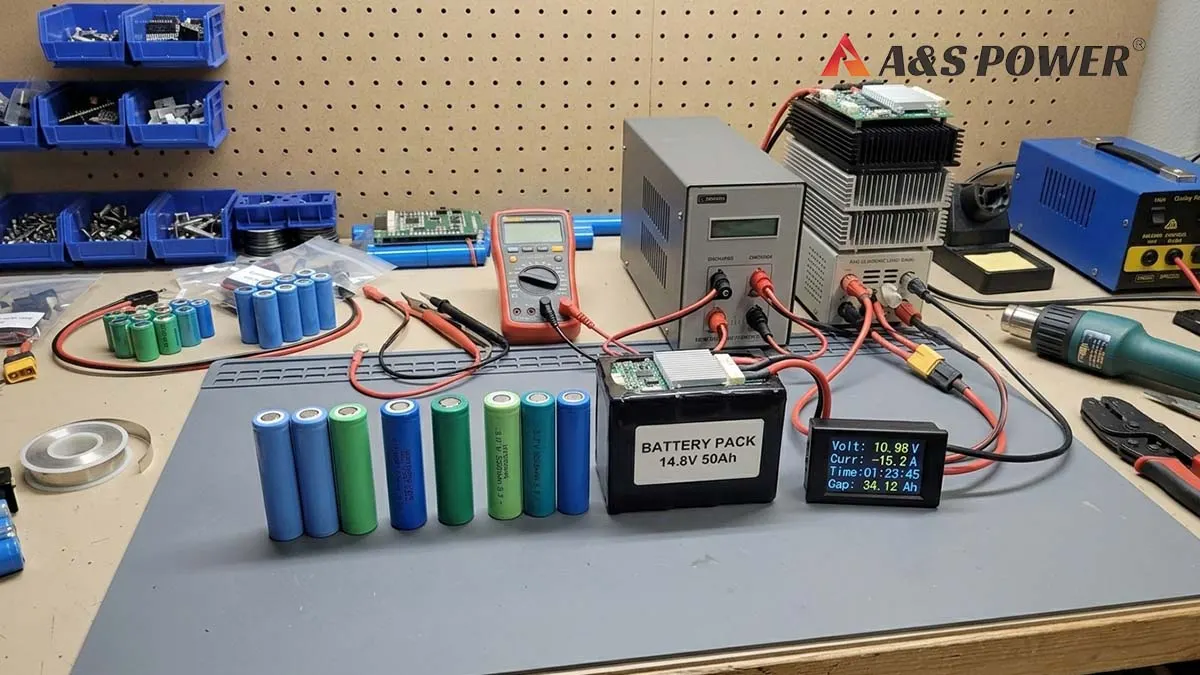
For packs containing multiple cells in series or parallel, differences in cell characteristics can influence overall performance. A manufacturer should have a defined process for selecting and matching cells according to the pack design and operating requirements. Depending on the configuration, this may involve comparing capacity, voltage, internal resistance, and other relevant characteristics.
For example, a 4S lithium-ion battery pack contains four cells or cell groups connected in series. If the individual cells have significantly different capacities or electrical characteristics, the pack may experience uneven voltage behavior during charging and discharging. The battery management or protection system can provide important safeguards, but it cannot make fundamentally mismatched cells identical.
Ask the supplier how it groups cells before assembly. Does it compare open-circuit voltage? Does it measure internal resistance using a consistent method? Does it match capacity within an agreed tolerance? Does it maintain records showing which cells were assigned to each pack or production batch? The answers should reflect the actual pack configuration rather than a generic statement that all cells are carefully matched.
For lithium polymer battery packs, also consider physical consistency, pouch condition, dimensions, tab quality, and connector installation. For cylindrical cell packs, ask about cell holders or insulation, welding quality, and mechanical protection.
The matching criteria should be established according to the cell manufacturer's specifications and the electrical design of the finished pack. A reliable supplier should be able to explain not only which parameters are measured but also why those parameters matter for your application.
For more details about available customization options, including battery size, voltage, capacity, protection circuits, wiring, and connectors, see A&S Power's battery customization and technical capabilities.
11. What Happens If Delivered Batteries Fail Inspection?
This question reveals how much responsibility a supplier is willing to accept after receiving payment.
Before placing an order, discuss the inspection and acceptance procedure. What happens if the delivered cells do not meet the agreed capacity tolerance? What if the battery dimensions differ from the approved drawing? What if the protection circuit does not operate according to the specification? What if a batch contains cells with inconsistent manufacturing dates or missing traceability records?
A professional supplier should have a clear process for nonconforming products. This may include investigation, replacement, rework where technically appropriate, corrective action, or other remedies defined in the purchase agreement. The precise arrangement depends on the product, defect type, order terms, and applicable commercial law. The important point is that the supplier should not wait until a dispute occurs before deciding how quality problems will be handled.
You should also distinguish between manufacturing defects and application-related failures. A battery may perform correctly under its specified conditions but fail when exposed to an unsuitable charger, excessive discharge current, extreme temperatures, or incorrect integration. A fair warranty and technical support arrangement should define how these cases are investigated.
For larger orders, consider agreeing on a pre-shipment inspection process and retaining representative samples from approved production batches. You may also define acceptance criteria using a mutually agreed sampling plan. If the product is particularly safety-critical, independent inspection can provide additional assurance.
A supplier's quality commitment is demonstrated not only by the products it delivers but also by how it responds when those products fail to meet agreed requirements.
12. Can You Maintain Consistent Quality Across Repeat Orders?
The final question is especially important for OEM customers who expect to purchase the same battery model over several months or years.
A supplier may provide an excellent initial sample but struggle to maintain the same specifications during mass production. This can happen when the original cell model becomes unavailable, production is transferred to another facility, component sourcing changes, or different batches are combined without adequate controls. Even small changes in cell dimensions, connectors, protection circuits, or wire specifications can affect the finished product.
Ask how the supplier controls engineering changes and material substitutions. Will it obtain written approval before changing the cell manufacturer or cell model? Can it maintain the same capacity, voltage, dimensions, connector, cable length, PCM/BMS configuration, and other agreed parameters? Does it retain the approved product specification and inspection records for future orders?
You should also ask whether the supplier maintains production records that connect each finished battery batch to its component materials and inspection results. This is particularly useful when troubleshooting a problem that appears only after several production runs.
For long-term projects, consider requesting a formal product specification sheet and an approved sample as reference documents. The quotation, drawing, datasheet, and purchase order should describe the same product. If an engineering change becomes necessary, the supplier should explain its technical impact and obtain approval before implementation.
Consistency is not simply about receiving a battery that looks the same every time. It means receiving a product that continues to meet the same agreed electrical, mechanical, safety, and quality requirements across repeat orders.
How to Verify a Supplier Beyond Their Answers
Asking the right questions is only the first stage of supplier evaluation. A supplier can provide convincing explanations, attractive product photographs, and professionally formatted documents without necessarily having a reliable quality management process. For this reason, experienced buyers should combine document verification, sample testing, production audits, and independent inspection wherever appropriate.
The following four steps provide a practical verification process.
1. Verify the supplier's business and manufacturing capabilities.
Start by checking the company's registered business information, operating history, manufacturing address, and actual business scope. If it claims to manufacture custom lithium batteries, ask for a factory introduction, production-line photographs, and a live video walkthrough. During the walkthrough, look for relevant processes such as cell inspection, pack assembly, spot welding, PCM/BMS installation, electrical testing, and finished-product inspection. Remember that a trading company can still provide a useful sourcing service, but it should not present another company's factory as its own manufacturing facility.
2. Request samples and conduct independent testing.
Do not approve a large production order based solely on a supplier's internal test report. Request representative samples and evaluate them against your technical requirements. For capacity verification, use a controlled charge and discharge procedure based on the cell manufacturer's specifications. For internal resistance, use a consistent measurement method and compare the results under comparable conditions. Also inspect physical dimensions, weight, wire connections, connector polarity, insulation, and protection circuit performance. If your application requires a particular discharge rate or operating temperature, include those conditions in the evaluation rather than relying on a basic capacity test.
3. Check whether technical documents match the physical product.
Compare the quotation, datasheet, sample label, certification documents, and inspection report. The cell model, nominal voltage, capacity, battery configuration, and manufacturer information should be consistent wherever applicable. Pay particular attention to safety reports and transportation documentation. A supplier might provide a valid UN 38.3 test summary for one battery model, but that does not automatically establish compliance for a different model or configuration. The U.S. PHMSA lithium battery transportation guidance provides additional information about applicable testing and documentation requirements.
4. Arrange a production audit or third-party inspection for larger orders.
For high-volume purchases, a factory audit can help verify whether the supplier's actual processes match its claims. An independent inspection company can also conduct pre-shipment inspections based on agreed sampling and acceptance criteria. This is particularly useful when the buyer cannot visit the manufacturing facility in person. However, an inspection is only as effective as its scope. Clearly define which tests must be performed, how samples are selected, what constitutes a failure, and how nonconforming products are handled.
A supplier should welcome reasonable technical questions because these discussions help both parties establish a clear product specification. If a company becomes defensive whenever you request traceability records or testing evidence, consider that a warning sign rather than a reason to lower your verification standards.
Warning Signs That Should Make Buyers Walk Away
Not every supplier that offers a low price or cannot immediately provide every document is necessarily unreliable. Smaller manufacturers may have different documentation systems, and some technical records may require approval before disclosure. Nevertheless, certain behaviors deserve particular attention because they make it difficult to establish product authenticity and quality.
| Warning sign | Why it matters | Recommended action |
|---|---|---|
| Refuses to disclose cell manufacturer or model | Cell origin and specifications cannot be verified | Request traceability information before ordering |
| Claims all Grade-A cells are brand-new without evidence | The grading claim may be purely commercial | Request manufacturing dates and written grading criteria |
| Cannot explain batch codes | Production history may be unclear | Request original labels and batch records |
| Offers unusually low prices without technical explanation | The quotation may involve different materials or specifications | Compare the complete bill of materials and test requirements |
| Provides certificates for unrelated models | Documents may not apply to the supplied battery | Verify model and configuration details |
| Refuses independent testing | Product quality cannot be independently evaluated | Make sample approval a condition of purchase |
| Changes cell models without approval | Product performance and certification scope may change | Require formal engineering change approval |
| Has no documented complaint process | Quality problems may be difficult to resolve | Agree on inspection, warranty, and corrective action terms |
One particularly concerning situation occurs when a supplier uses the same certificate or test report for several unrelated battery models without explaining the technical relationship between them. Some certification documents cover a defined product family, so differences in model numbers do not automatically invalidate a document. However, the supplier should be able to explain the certification scope and provide supporting evidence that the specific battery falls within it.
Another warning sign is a supplier that focuses exclusively on capacity while avoiding questions about cell age, internal resistance, storage history, and manufacturing origin. Capacity is important, but it is only one part of battery quality. A battery that meets its initial capacity rating may still be unsuitable if it has poor consistency, inadequate protection, or an unverified supply history.
Be especially cautious when a supplier promises extremely high capacity in a cell with unusually small dimensions without providing a credible datasheet. Capacity depends on cell design, chemistry, materials, and manufacturing technology. A marketing claim cannot replace technical verification.
Ultimately, the most important warning sign is not one missing document. It is a repeated pattern of inconsistent information, unverifiable claims, and unwillingness to accept clearly defined quality requirements.
What to Include in Your Battery Supplier RFQ
A well-prepared request for quotation (RFQ) can prevent many misunderstandings before they become production problems. Instead of asking suppliers to quote a general product description such as a 3.7V lithium battery, provide enough technical and quality information for them to identify the exact product you need.
For a custom lithium battery project, your RFQ should cover the following areas:
| RFQ category | Information to provide or request |
|---|---|
| Battery type | Lithium-ion, lithium polymer, or LiFePO4 |
| Electrical specifications | Nominal voltage, rated capacity, minimum capacity, charging voltage, discharge cutoff voltage |
| Physical requirements | Length, width, thickness, weight, and dimensional tolerances |
| Discharge requirements | Continuous current, peak current, peak duration |
| Charging requirements | Charging current, charging method, temperature limits |
| Protection requirements | Overcharge, over-discharge, overcurrent, short-circuit, and temperature protection where applicable |
| Pack configuration | Series and parallel arrangement, such as 1S2P or 4S1P |
| Connection details | Connector type, polarity, wire gauge, wire length, and NTC requirements |
| Quality requirements | Capacity acceptance criteria, internal resistance limits, appearance, and batch traceability |
| Certification | Applicable safety standards and transportation documentation |
| Production requirements | Sample quantity, mass-production quantity, lead time, and repeat-order expectations |
You should also add specific questions about cell sourcing and inventory. For example, request the actual cell manufacturer, cell model, manufacturing date, batch identification, and storage conditions. If your project requires newly manufactured cells, state that requirement explicitly and define an acceptable manufacturing-date window. If you are willing to accept older inventory, establish the conditions and test evidence required for approval.
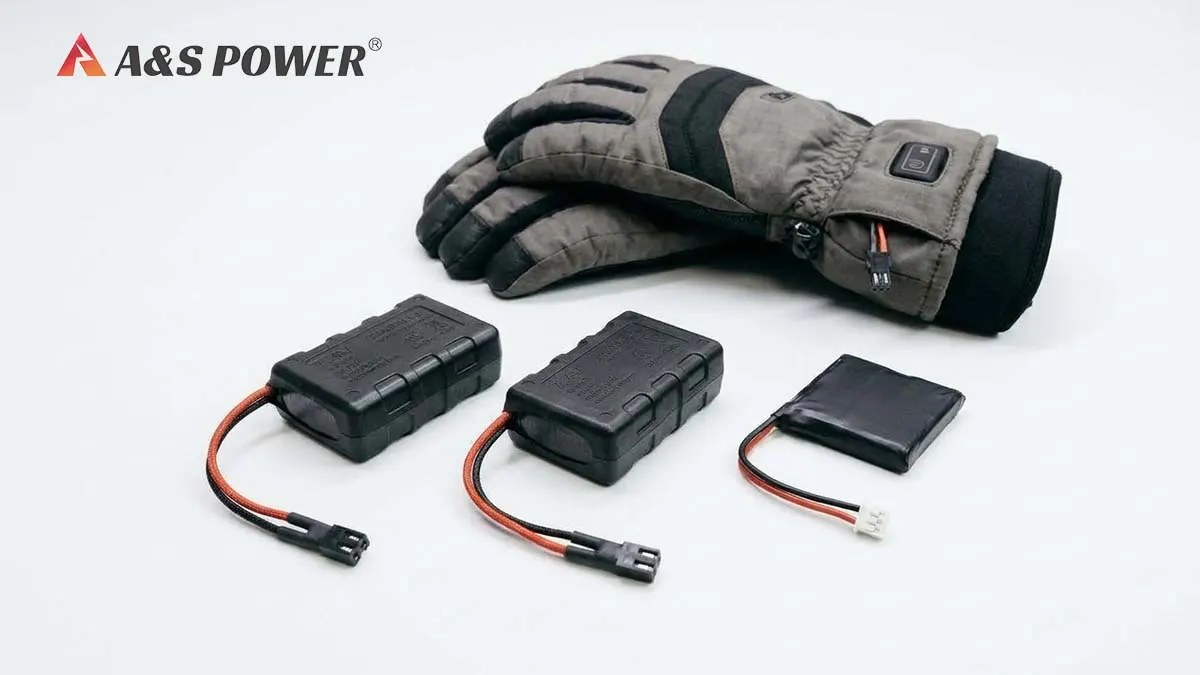
For custom battery packs, provide drawings or reference photographs showing the installation space and connection requirements. A supplier cannot accurately evaluate the suitability of a battery without understanding how it will be installed and operated. This is especially important for compact consumer electronics, medical accessories, wearable devices, heated clothing, and industrial equipment.
It is also useful to ask suppliers to separate their quotations into sample costs, tooling or engineering charges, unit prices, certification expenses, and shipping costs where applicable. This makes it easier to compare quotations without overlooking differences in product scope.
Finally, include a written requirement that the supplier must not substitute the approved cell manufacturer, model, or major components without your authorization. This single condition can help protect long-term product consistency and prevent unexpected changes during mass production.
A detailed RFQ does more than help you obtain comparable prices. It establishes a technical agreement that both the purchasing team and the battery manufacturer can use throughout sampling, production, inspection, and repeat orders.
If you are preparing an OEM project, you can also review A&S Power's custom battery solution page for an overview of battery chemistry selection, electrical design, and mechanical customization.
Conclusion
Choosing a custom lithium battery supplier requires more than comparing prices and accepting promises about Grade-A quality. Buyers need to understand where the cells originate, when they were manufactured, how they were stored, and whether their electrical performance can be verified through consistent testing. They should also confirm that safety documentation applies to the actual battery model, that custom packs are assembled under controlled processes, and that the supplier can maintain the same specifications across repeat orders.
The 12 questions in this guide provide a practical framework for evaluating battery manufacturers, pack assemblers, and distributors. Not every supplier will have identical production capabilities, but every serious supplier should be able to explain its responsibilities and provide evidence appropriate to the products it offers.
For OEM and ODM projects, the best supplier is not necessarily the one offering the lowest unit price. It is the one that can deliver traceable cells, verified specifications, consistent manufacturing quality, appropriate safety documentation, and dependable technical support throughout the product lifecycle.
Before approving your next lithium battery order, ask for the evidence behind the supplier's claims. A few additional questions during supplier evaluation can prevent much more expensive problems after mass production begins.
Frequently Asked Questions
1. How can I tell if a lithium battery is genuinely Grade-A?
There is no universally applicable Grade-A certification that guarantees cell authenticity. Buyers should request the cell manufacturer's original specifications, manufacturing date, batch identification, incoming inspection records, and capacity test results. These documents should be checked against the actual samples supplied. A supplier's verbal statement or product label alone is not sufficient evidence.
2. How old is too old for lithium-ion battery cells?
There is no single maximum storage age that applies to every lithium-ion cell. Acceptability depends on the cell manufacturer's storage recommendations, chemistry, temperature, state of charge, and storage duration. Buyers should request manufacturing dates and storage records, then evaluate the cells through appropriate electrical testing. For commercial projects, it is advisable to establish an acceptable inventory-age limit in the purchase agreement.
3. Can a used lithium-ion battery still show 100% capacity?
A used or previously cycled cell may still deliver a capacity measurement close to its original rated capacity under particular test conditions. However, one capacity test cannot establish that the cell is unused or prove its manufacturing history. Internal resistance, cycle history, physical condition, and traceability should also be considered. This is why capacity testing and authenticity verification must be treated as separate procedures.
4. What documents should I request before ordering custom lithium batteries?
At a minimum, request the cell manufacturer's datasheet, cell model and batch information, manufacturing date, relevant quality inspection reports, and applicable safety documentation. Depending on the application, you may also need IEC 62133-2 reports, UL documentation, UN 38.3 test summaries, and finished-pack specifications. Make sure the documents correspond to the actual cell and battery configuration being supplied.
5. Should I choose a battery manufacturer or a trading company?
The right choice depends on your project requirements. A trading company may offer access to multiple cell manufacturers and sourcing options, while a battery manufacturer or pack assembler may provide more direct engineering support, customization, and production control. For OEM and ODM projects, prioritize technical capability, transparent cell sourcing, quality management, traceability, and after-sales responsibility rather than relying exclusively on the company's business classification.
Looking for a Reliable Custom Lithium Battery Supplier?
Whether you need lithium-ion, lithium polymer, or LiFePO4 battery packs, A&S Power supports OEM and ODM projects with customized voltage, capacity, dimensions, connectors, and battery protection solutions.
Share your battery specifications and application requirements with our engineering team to discuss a suitable battery solution.