




Lithium-Ion Batteries in Medical Devices: Applications, Safety, and Selection Guide
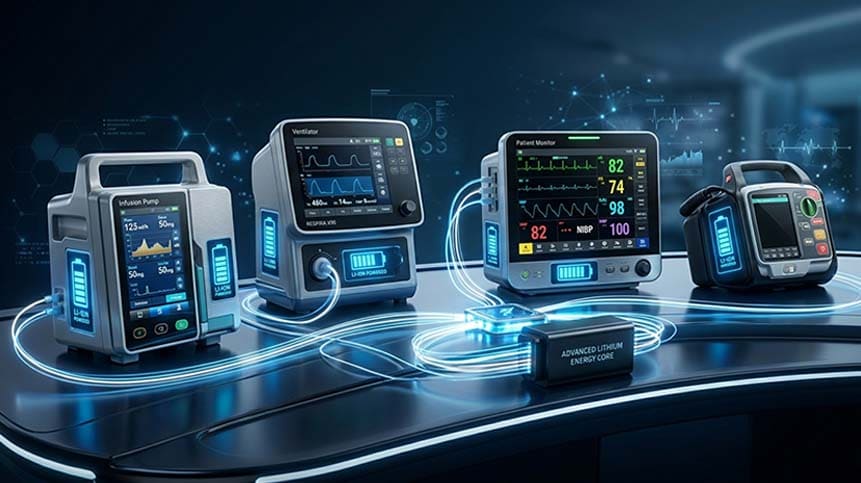
In modern healthcare, lithium-ion batteries have become the backbone of portable, wearable, and life-support medical devices. From infusion pumps to portable ventilators, these batteries enable mobility, reliability, and continuous patient monitoring.
As a battery solution provider working closely with medical device manufacturers, I’ve seen how choosing the right lithium-ion battery directly impacts device performance, regulatory approval, and patient safety.
This guide explains where lithium-ion batteries are used, why they dominate the medical field, and how to select a safe and compliant solution.
Why Lithium-Ion Batteries Are Widely Used in Medical Devices
Lithium-ion (Li-ion) batteries outperform traditional chemistries such as NiMH and lead-acid in nearly every metric relevant to healthcare.
Key Technical Advantages
- High Energy Density
Enables compact, lightweight devices—critical for portable and wearable applications.
- Long Cycle Life
Typically 500–2000+ cycles, reducing replacement frequency and maintenance costs.
- Low Self-Discharge
Ideal for emergency equipment like defibrillators that must remain ready for long periods.
- High Power Output
Supports devices requiring bursts of energy, such as AEDs and surgical tools.
- No Memory Effect
Allows flexible charging without degrading battery capacity.
Core Applications of Lithium-Ion Batteries in Medical Equipment
Lithium-ion batteries are used across multiple categories depending on device mobility and criticality.
1. Portable and Handheld Medical Devices
These devices rely heavily on battery performance for mobility and reliability.
Typical Applications:
- Infusion pumps & insulin pumps
- Portable patient monitors (ECG, SpO₂)
- Automated external defibrillators (AEDs)
- Handheld ultrasound systems
- Portable ventilators
Key Requirement: Stable output + long runtime + high reliability
2. Wearable Medical Devices
Wearable healthcare is one of the fastest-growing segments.
Common Devices:
- Continuous glucose monitors (CGMs)
- Insulin patch pumps
- Holter monitors
- Medical-grade smart wearables
Key Requirement: Ultra-compact size + safety + long standby time
3. Home Healthcare and Remote Monitoring Equipment
The shift toward home-based care increases battery demand.
Examples:
- Home ventilators
- Oxygen concentrators
- Remote diagnostic systems
Key Requirement: Long lifespan + consistent performance + user safety
Performance Data Comparison
|
Parameter
|
Lithium-Ion Battery
|
NiMH Battery
|
Lead-Acid Battery
|
|---|---|---|---|
|
Energy Density
|
150–250 Wh/kg
|
60–120 Wh/kg
|
30–50 Wh/kg
|
|
Cycle Life
|
500–2000+ cycles
|
300–500
|
200–300
|
|
Self-Discharge Rate
|
Low
|
High
|
Medium
|
|
Weight
|
Light
|
Medium
|
Heavy
|
|
Maintenance
|
Low
|
Medium
|
High
|
Insight: Lithium-ion batteries deliver up to 5× higher energy density than lead-acid systems, making them ideal for modern medical equipment.
Safety and Regulatory Requirements for Medical Batteries
Safety is non-negotiable in medical applications.
Key Safety Mechanisms
- Battery Management System (BMS)
Prevents overcharge, over-discharge, and short circuits. - Thermal Protection Design
Reduces the risk of thermal runaway. - Cell-Level Protection
Includes PTC, CID, and separator technologies.
Important Certifications and Standards
Medical batteries must comply with strict regulations:
- IEC 60601
- UN 38.3
- ISO 13485
Challenges in Medical Lithium Battery Applications
Despite advantages, several challenges must be addressed.
1. Safety Risks
Thermal runaway remains a concern if design or protection fails.
2. Cost Considerations
Medical-grade batteries can cost significantly more due to:
- Certification requirements
- Testing procedures
- Documentation and traceability
3. Longevity and Predictability
Especially critical for implantable or life-support devices.
How to Choose the Right Lithium Battery for Medical Devices
From my experience working with OEM medical clients, these are the key selection factors:
1. Define Application Requirements
- Voltage and capacity
- Discharge rate
- Operating environment
2. Ensure Compliance
Choose suppliers with:
- IEC 60601 experience
- ISO 13485 certification
- Full test reports
3. Custom Battery Design Capability
Medical devices often require:
- Custom आकार & شكل
- Integrated BMS
- Connector & housing design
Future Trends in Medical Battery Technology
- Solid-state batteries for improved safety
- Faster charging for emergency devices
- Integration with IoT and remote monitoring
- Higher energy density for miniaturization
Conclusion
Lithium-ion batteries are essential to modern healthcare innovation. They power everything from portable diagnostic tools to life-saving equipment, enabling mobility, efficiency, and improved patient outcomes.
As medical technology continues to evolve, selecting a reliable, safe, and compliant battery solution is no longer optional—it is critical.
FAQ Section
Q1: Why are lithium-ion batteries preferred in medical devices?
They offer high energy density, long lifespan, and reliable performance, making them ideal for portable and critical healthcare equipment.
Q2: Are lithium-ion batteries safe for medical use?
Yes, when designed with proper BMS and compliant with standards like IEC 60601, they are highly safe.
Q3: What certifications are required for medical batteries?
Common certifications include IEC 60601, UN 38.3, and ISO 13485.
Q4: Can lithium batteries be customized for medical devices?
Yes, most medical applications require custom battery packs tailored to device size, power, and safety needs.
Q5: What is the lifespan of a medical lithium battery?
Typically 3–5 years or 500–2000 cycles, depending on usage and design.
-

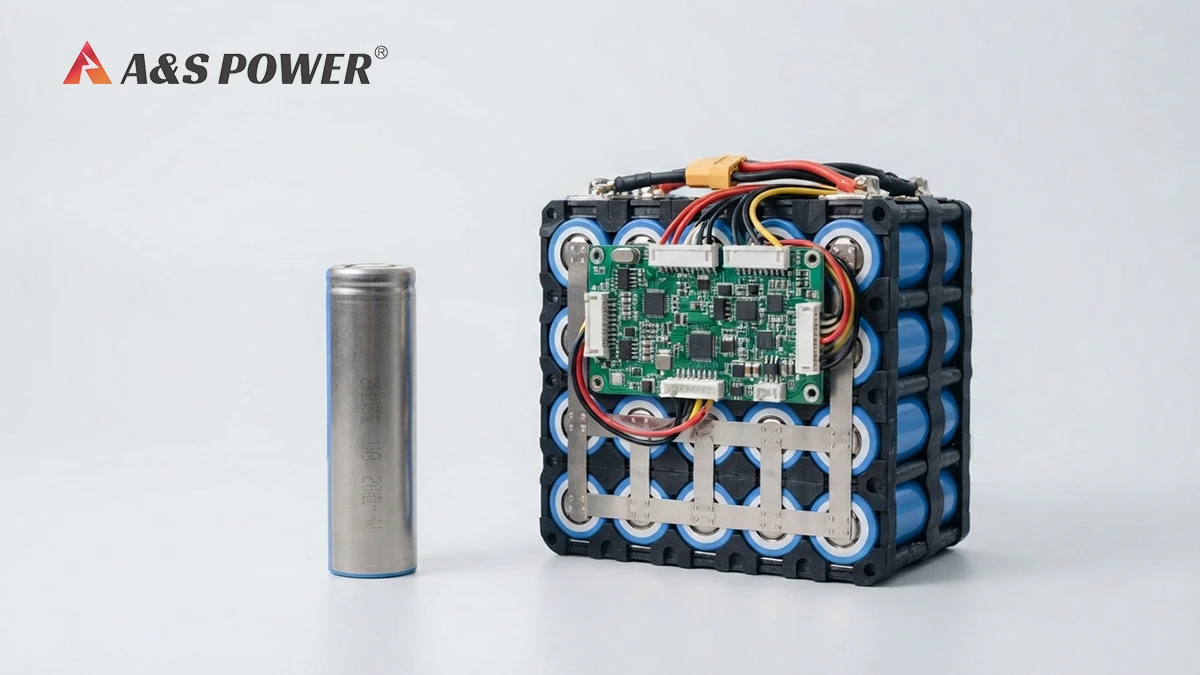 May.2026.08.0521700 Battery Pack with BMS: Design, Safety and Custom SolutionsLearn More
 -
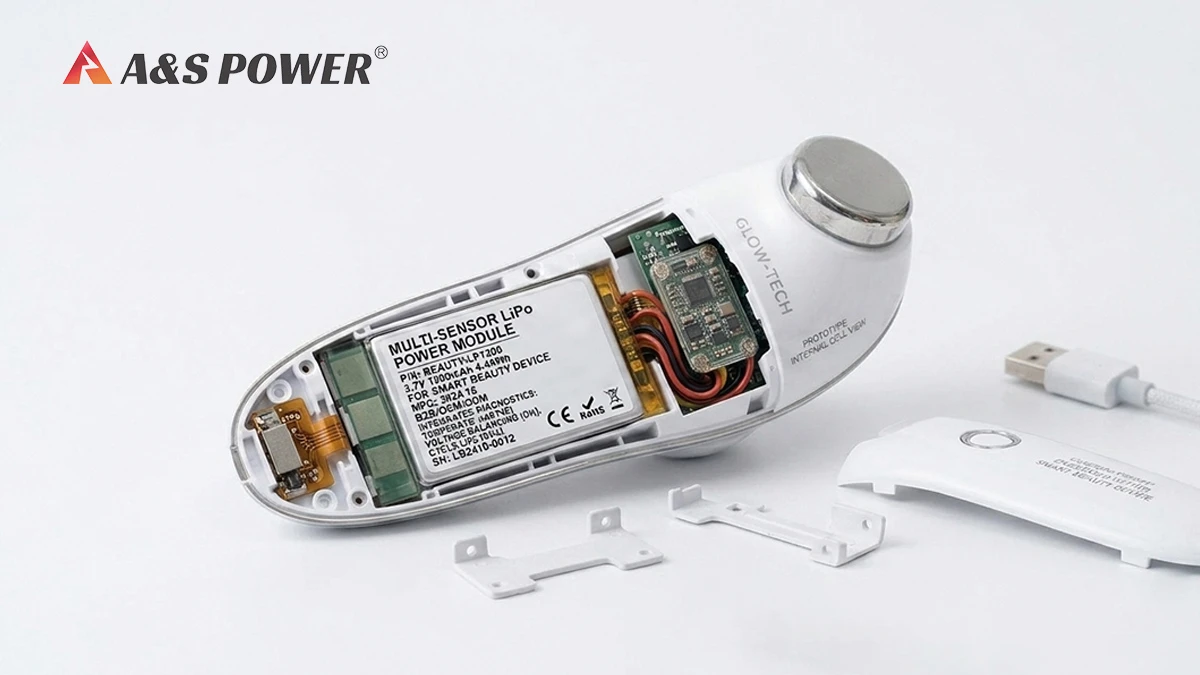 May.2026.08.04Smart Beauty Equipment Battery Pack ManufacturerLearn More
 -
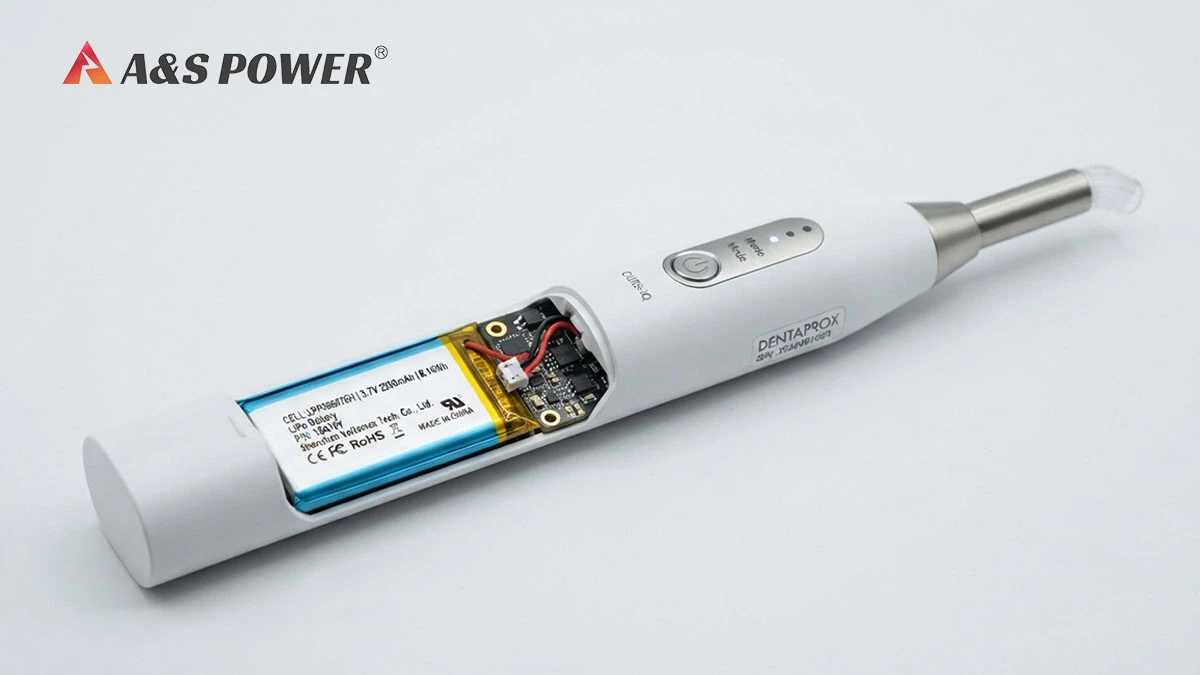 May.2026.08.04High Reliability Polymer Battery for Handheld Dental DevicesLearn More
 -
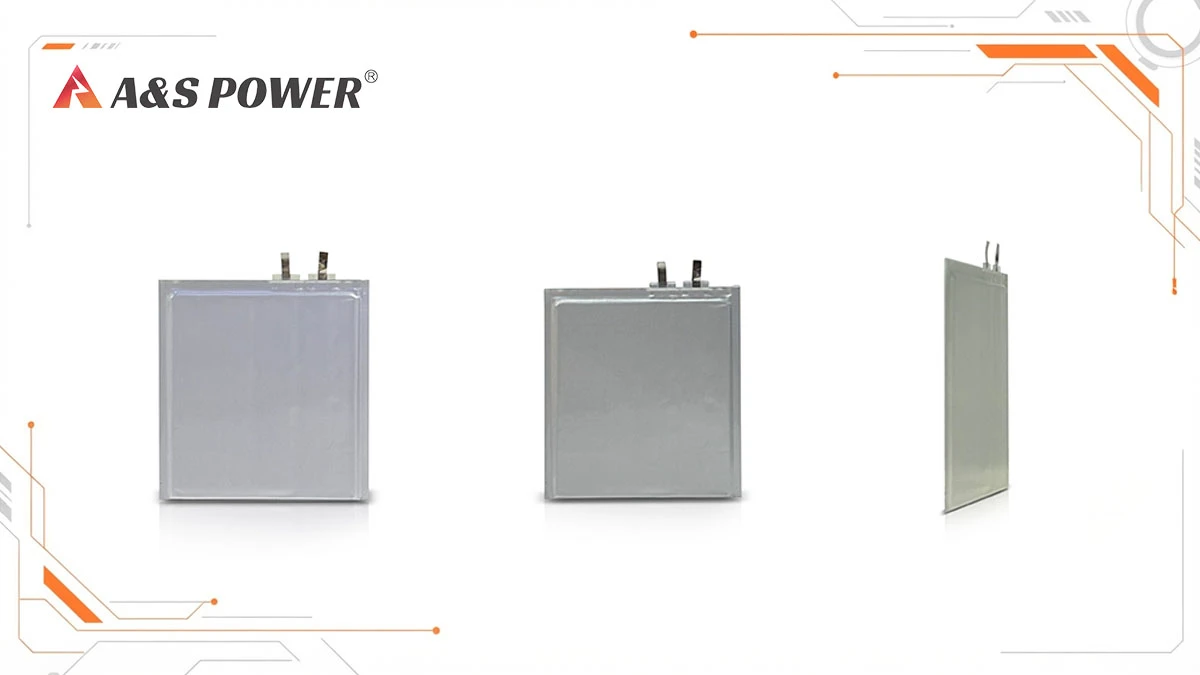 May.2026.08.04Ultra Thin Lithium Polymer Battery 0.4mm 0.5mm Custom GuideLearn More
 -
 May.2026.07.30Smoke Detector Battery Guide: Choosing the Right Battery for Reliable Fire ProtectionLearn More