




The Unparalleled Advantages of Lithium-Ion Batteries Over Traditional Batteries
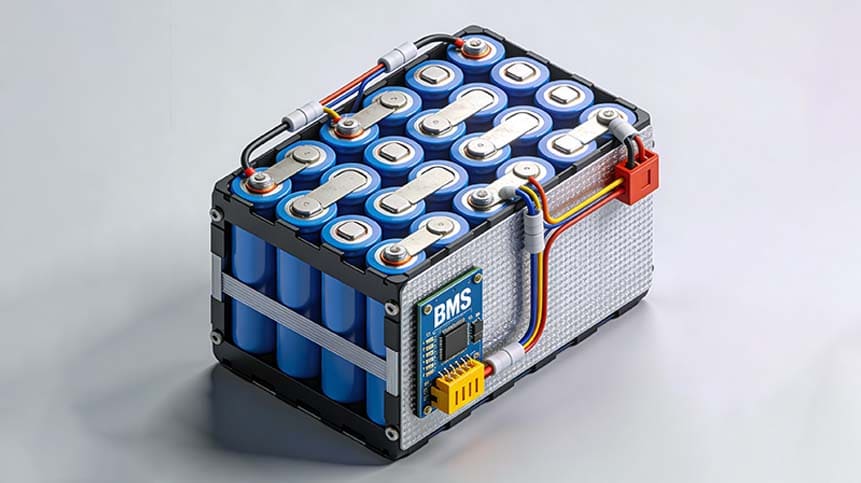
Lithium-ion (Li-ion) batteries have revolutionized energy storage across multiple industries. From powering your smartphone to enabling electric vehicles (EVs) and large-scale renewable energy storage, Li-ion chemistry offers a unique combination of energy density, power delivery, longevity, and efficiency.
In this article, I will provide a deep, data-driven analysis of the unparalleled advantages of lithium-ion batteries compared to traditional chemistries such as lead-acid, nickel-cadmium (NiCd), and nickel-metal hydride (NiMH). We will include technical insights, tables, comparisons, real-world data, and practical applications.
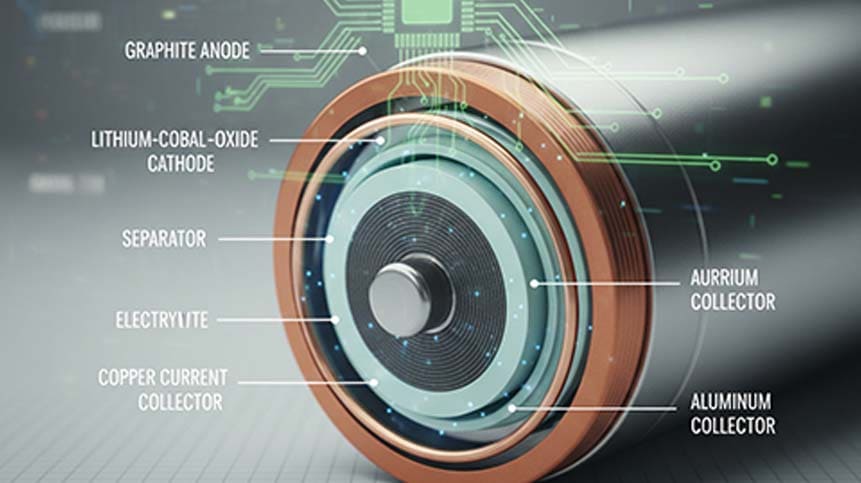
1. Significantly Higher Energy Density
What it means: Lithium-ion batteries store more energy per unit weight and volume than traditional batteries.
Impact:
-
Enables compact designs for smartphones, laptops, drones, and medical devices.
-
Makes EVs viable with longer driving ranges without excessive battery weight.
Data comparison:
|
Battery Type
|
Energy Density (Wh/kg)
|
Volume Efficiency (Wh/L)
|
|---|---|---|
|
Li-ion
|
150–250
|
250–700
|
|
Lead-Acid
|
30–50
|
60–90
|
|
NiCd
|
45–80
|
60–90
|
|
NiMH
|
60–120
|
140–300
|
This table demonstrates that Li-ion batteries can store up to 5x the energy of lead-acid batteries per kilogram, which is transformative for portable electronics and EVs.
2. Higher Power Density (Specific Power)
Li-ion batteries can deliver high currents relative to their size and weight, which is essential for:
-
Rapid acceleration in EVs
-
Fast charging capabilities
-
High-drain devices like power tools, drones, and medical equipment
Example: A 1000W power tool requires a battery with high specific power. Li-ion batteries achieve 300–1000 W/kg, compared to lead-acid at 180 W/kg.
3. Low Self-Discharge Rate
Unlike NiMH or NiCd batteries, Li-ion cells retain charge efficiently.
-
Li-ion: 1–2% per month
-
NiMH/NiCd: 10–20% per month
-
Lead-acid: up to 30% per month
Impact: Devices remain ready-to-use even after long periods of storage, which is critical for emergency equipment, drones, and backup power systems.
4. No Memory Effect
NiCd batteries suffer from memory effect, reducing capacity if not fully discharged before recharging. Li-ion batteries can be charged at any time without impacting overall capacity.
User advantage:
-
Charge your smartphone or laptop whenever convenient
-
No "battery training" required
-
Longer usable life of battery packs
5. Longer Cycle Life
Li-ion batteries typically last 500–1500+ full cycles, compared to:
-
Lead-acid: 200–300 cycles
-
NiMH: 300–500 cycles
-
NiCd: 500–1000 cycles
This makes Li-ion batteries more economical in the long term despite higher initial costs.
6. Wider Operating Temperature Range
Li-ion batteries operate effectively across a wider temperature range (-20°C to 60°C typical) than NiMH or lead-acid.
Practical applications:
-
Cold climates EV operation
-
Outdoor renewable energy installations
-
Aerospace and drone technology
7. Environmental and Maintenance Advantages
-
No toxic heavy metals: Unlike NiCd, Li-ion contains no cadmium.
-
Maintenance-free: No periodic watering or equalization required as with flooded lead-acid batteries.
-
High charge/discharge efficiency: Often >95%, reducing energy losses compared to lead-acid (~80–85%).
Recycling Li-ion is increasingly feasible, with programs targeting cobalt, lithium, and nickel recovery.
Comparison with Traditional Batteries
Feature / Battery
|
Li-ion
|
Lead-Acid
|
NiCd
|
NiMH
|
|---|---|---|---|---|
|
Energy Density
|
★★★★★
|
★
|
★★
|
★★★
|
|
Cycle Life
|
★★★★★
|
★★
|
★★★
|
★★★
|
|
Self-Discharge
|
★★★★★
|
★
|
★★
|
★★
|
|
Maintenance
|
★★★★★
|
★
|
★★
|
★★★
|
|
Toxicity
|
★★★★
|
★★
|
★
|
★★★
|
|
Temperature Range
|
★★★★
|
★★
|
★★
|
★★★
|
|
Power Density
|
★★★★★
|
★★
|
★★
|
★★★
|
★ = 1–5 scale (higher is better)
Real-World Applications of Li-ion Batteries
Consumer electronics:
-
Smartphones, laptops, wearables
Electric vehicles:
-
Tesla, BMW, Nissan, VW EV models
Renewable energy storage:
-
Solar and wind microgrids
Medical devices:
-
Insulin pumps, portable oxygen concentrators
Aerospace & drones:
-
Lightweight and high-power battery packs
Case study:
-
Tesla Model 3 Long Range: 82 kWh Li-ion battery
-
Comparable lead-acid would weigh 4–5x more and occupy 3–4x the space
FAQ
Q1: Are lithium-ion batteries safe?
A1: Yes, modern Li-ion batteries incorporate safety circuits, thermal management, and quality control to prevent overcharge, overheating, and short circuits.
Q2: Can Li-ion batteries be recycled?
A2: Yes. Recycling programs recover lithium, cobalt, and nickel. Advances in recycling technology are increasing efficiency and sustainability.
Q3: How long does a Li-ion battery last?
A3: Typically 3–10 years, depending on usage, temperature, and charging habits. EV batteries may last up to 500,000 km.
Q4: How does Li-ion compare to solid-state batteries?
A4: Solid-state offers higher energy density and safety but is currently less commercially mature and more expensive. Li-ion remains the industry standard.
Q5: Why do Li-ion batteries cost more upfront?
A5: Higher material and manufacturing costs are offset by longer lifespan, higher efficiency, and better performance in compact designs.
Conclusion
The unparalleled advantages of lithium-ion batteries—high energy density, high power, long cycle life, low maintenance, and environmental benefits—make them superior to traditional battery chemistries. They have transformed consumer electronics, enabled practical EVs, and unlocked scalable renewable energy storage solutions.
In today’s technology-driven world, Li-ion batteries are not just an option; they are the foundation of modern energy storage. Investing in Li-ion technology ensures efficiency, sustainability, and cutting-edge performance.
-

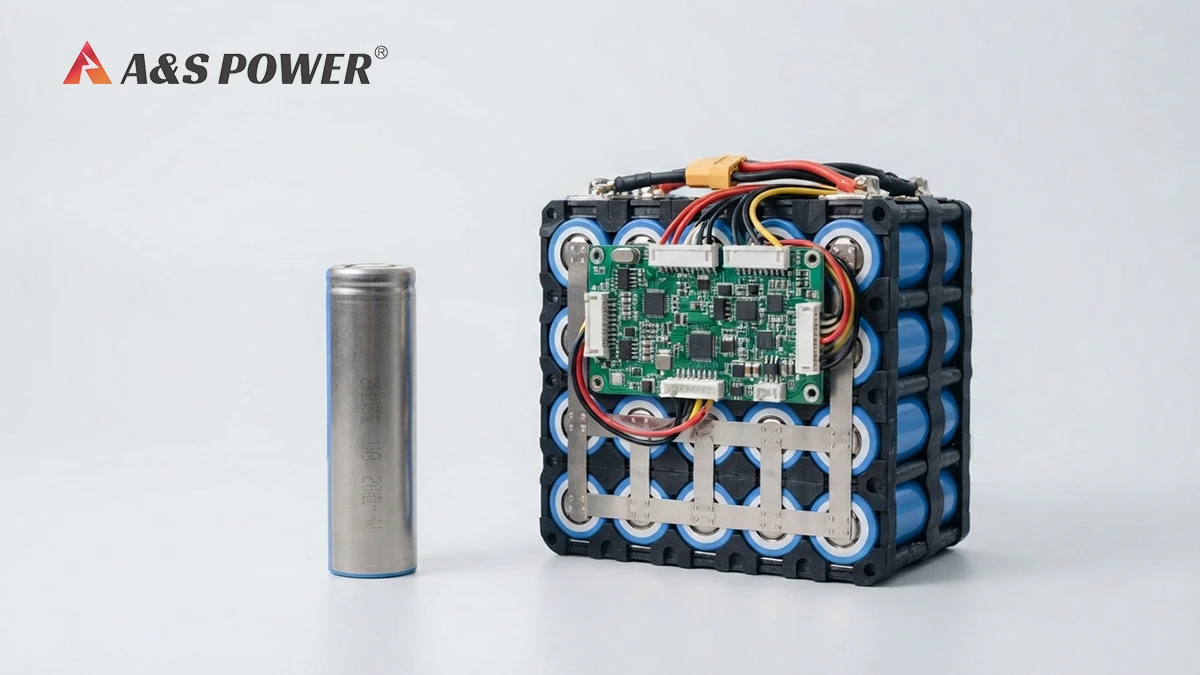 May.2026.08.0521700 Battery Pack with BMS: Design, Safety and Custom SolutionsLearn More
 -
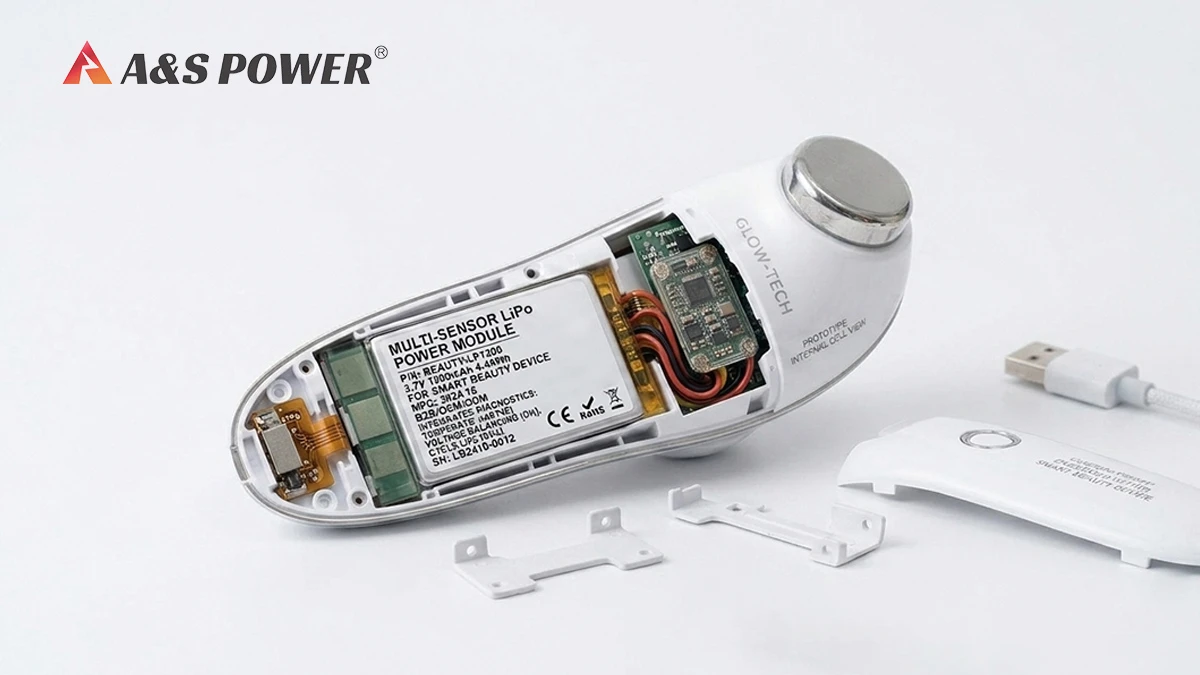 May.2026.08.04Smart Beauty Equipment Battery Pack ManufacturerLearn More
 -
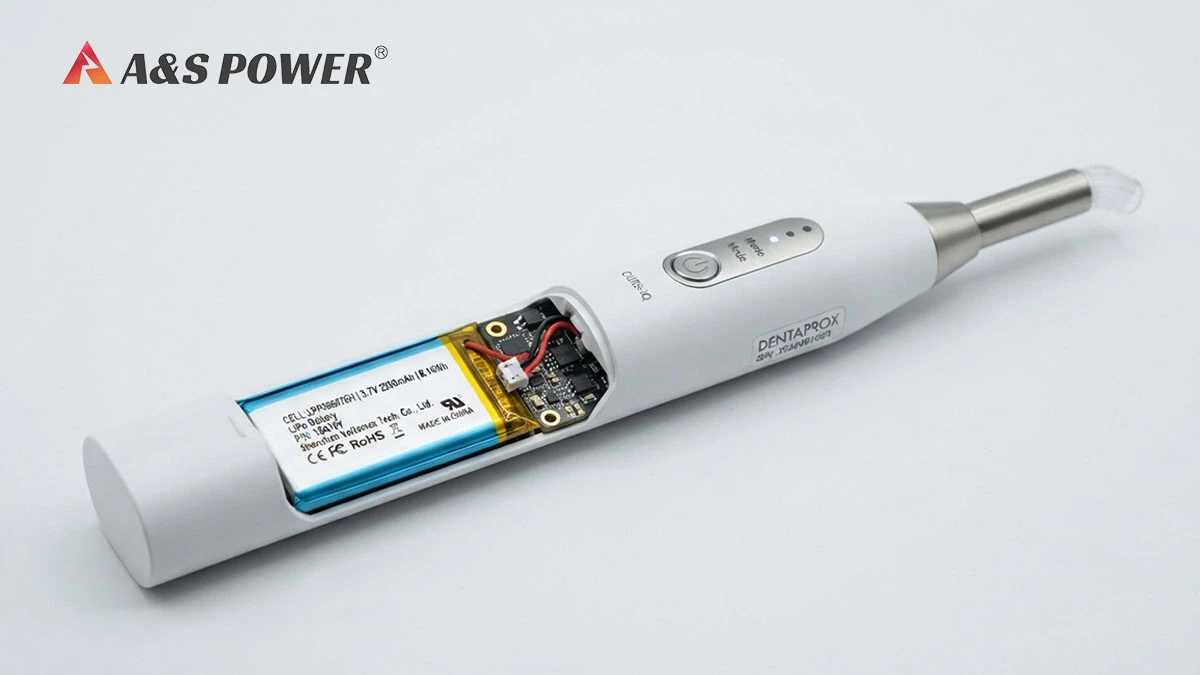 May.2026.08.04High Reliability Polymer Battery for Handheld Dental DevicesLearn More
 -
 May.2026.08.04Ultra Thin Lithium Polymer Battery 0.4mm 0.5mm Custom GuideLearn More
 -
 May.2026.07.30Smoke Detector Battery Guide: Choosing the Right Battery for Reliable Fire ProtectionLearn More