




Why Lithium-Ion Batteries Offer Long Lifespan, Low Cost, and Standardization
Introduction
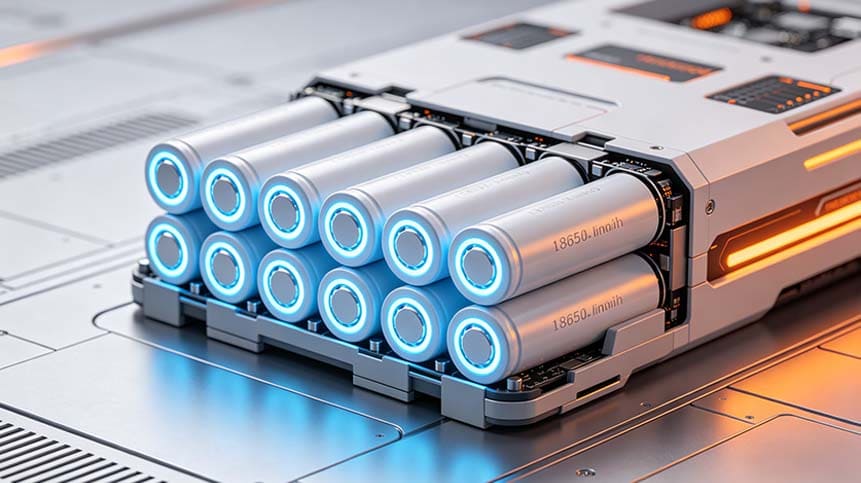
From my experience working with OEM and industrial battery projects, lithium-ion batteries—especially cylindrical (18650, 21700) and prismatic hard-case cells—are the most reliable choice when your priorities are:
- Long operational lifespan
- Low cost per kWh
- Standardized and scalable design
These advantages are not theoretical—they are the result of over 20 years of global industrial optimization.
1. Long Lifespan — The Engineering Advantage of Lithium-Ion
Structural Stability Drives Longevity
One of the most critical differences lies in cell construction.
|
Factor
|
Lithium-Ion Advantage
|
|---|---|
|
Hard metal casing
|
Prevents moisture and oxygen ingress
|
|
Electrolyte stability
|
Reduces side reactions
|
|
Mechanical integrity
|
No swelling over time
|
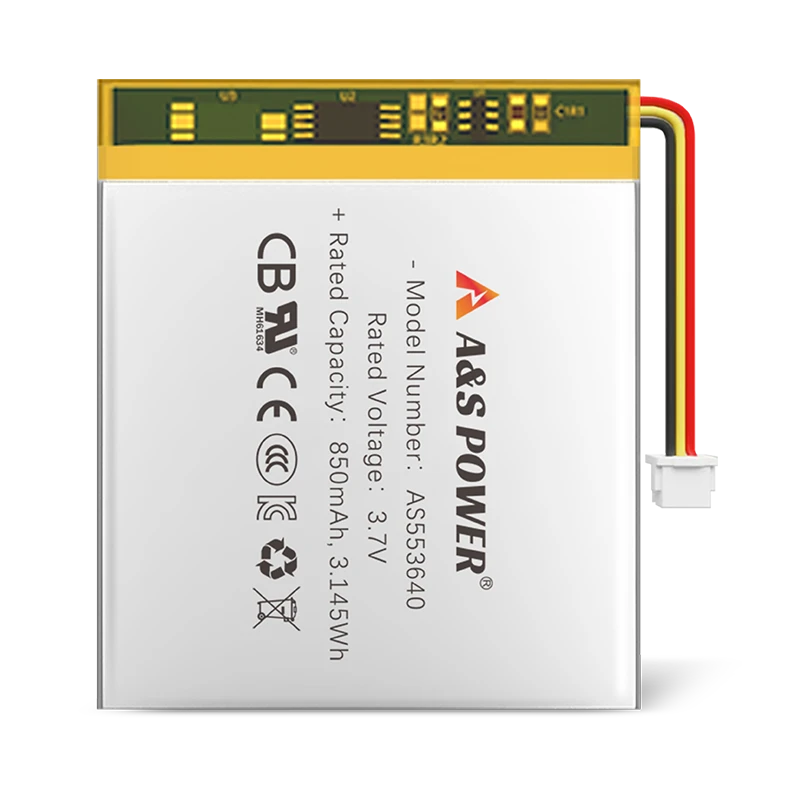
Unlike LiPo batteries, lithium-ion cells use steel or aluminum enclosures, creating a sealed internal environment that remains stable for years.
Proven Chemistry with Real Data
Lithium-ion chemistries like LFP (Lithium Iron Phosphate) and NMC (Nickel Manganese Cobalt) are mature and field-proven.
|
Metric
|
Lithium-Ion (LFP)
|
Lithium-Polymer
|
|---|---|---|
|
Cycle life
|
2,000–5,000 cycles
|
300–800 cycles
|
|
Calendar life
|
10–15 years
|
3–5 years
|
According to industry data from DOE and battery manufacturers, LFP batteries retain over 80% capacity after thousands of cycles.
Why LiPo Fails Faster
LiPo pouch cells:
- Use soft aluminum-laminated packaging
- Are not fully hermetic
- Gradually absorb moisture
This leads to:
- Electrolyte decomposition
- Gas generation
- Swelling
This is why LiPo batteries commonly fail within 3–5 years, especially in demanding environments.
2. Low Cost — The Economics of Scale
Global Mass Production
Standard lithium-ion formats dominate global production:
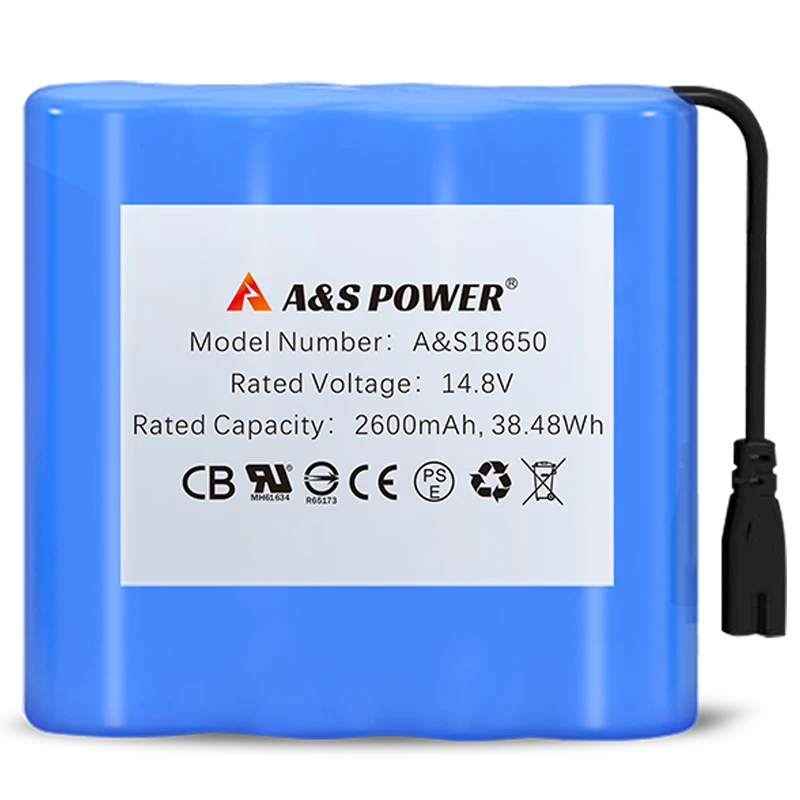
- 18650
- 21700
- 4680
These cells are produced in billions of units annually, driven by EVs and energy storage systems.
Cost Comparison
|
Cost Factor
|
Lithium-Ion
|
LiPo
|
|---|---|---|
|
Cost per Wh
|
Low
|
High
|
|
Tooling cost
|
None
|
Required
|
|
Production speed
|
High (automated)
|
Lower
|
Lithium-ion batteries benefit from:
- Fully automated production lines
- High yield rates
- Standardized supply chains
No Customization = Lower Cost
In real projects, I’ve seen clients reduce battery costs by 30–50% simply by switching from custom LiPo to standard lithium-ion cells.
LiPo requires:
- Custom molds
- Custom dimensions
- Lower production efficiency
3. Standardization — The Hidden Competitive Advantage
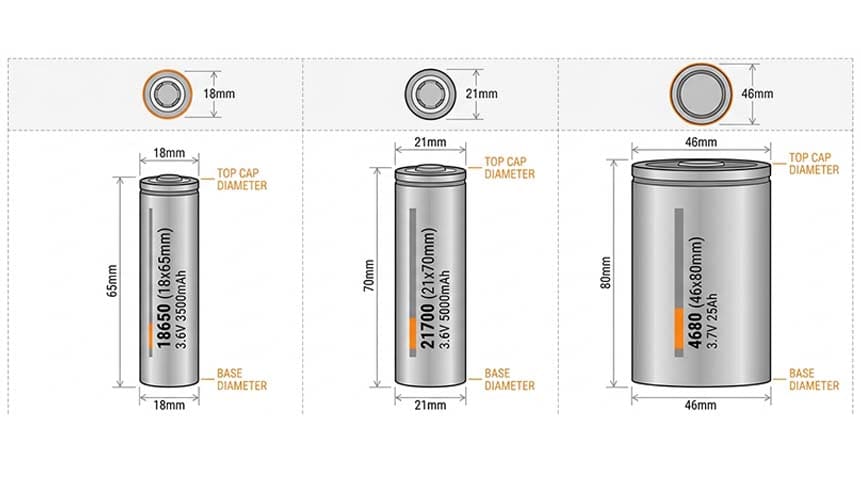
Industry-Standard Cell Formats
|
Model
|
Size
|
|---|---|
|
18650
|
18mm × 65mm
|
|
21700
|
21mm × 70mm
|
|
4680
|
46mm × 80mm
|
These are globally recognized standards used across:
- Electric vehicles
- Power tools
- Energy storage systems
Interchangeability Across Brands
One major advantage:
Cells from different manufacturers (Samsung, LG, EVE, Panasonic) are interchangeable.
This means:
- Reduced supply chain risk
- Flexible sourcing
- Easier procurement
Design Reusability Saves Time
With lithium-ion:
- Battery holders are standardized
- Nickel strip layouts are predefined
- Pack designs are reusable
Engineers can skip months of development.
Summary Comparison Table
|
Requirement
|
Lithium-Ion (Cylindrical/Prismatic)
|
Lithium-Polymer (Pouch)
|
|---|---|---|
|
Lifespan
|
10–15 years
|
3–5 years
|
|
Cycle life
|
2000–5000
|
300–800
|
|
Cost
|
Low
|
High
|
|
Standardization
|
High
|
None
|
|
Weight
|
Heavier
|
Lighter
|
|
Flexibility
|
Fixed shape
|
Custom shapes
|
Real-World Applications
From my project experience, lithium-ion dominates in:
- EV battery packs
- Energy storage systems (ESS)
- Industrial equipment
- Medical devices (long-life requirement)
LiPo is mainly used in:
- Smartphones
- Wearables
- Ultra-thin devices
One-Sentence Decision Rule
Choose lithium-ion when you need reliability, cost efficiency, and scalability.
Choose LiPo only when design constraints demand flexibility or ultra-thin form factor.
FAQ Section
Q1: What is the lifespan of lithium-ion batteries?
Lithium-ion batteries typically last 10–15 years with 2000–5000 charge cycles, depending on chemistry and usage conditions.
Q2: Why are lithium-ion batteries cheaper than LiPo?
Because they are mass-produced in standardized formats, benefiting from economies of scale and automation.
Q3: Is 18650 better than LiPo?
For industrial applications—yes. It offers:
- Longer lifespan
- Lower cost
- Better standardization
Q4: When should I use lithium-polymer batteries?
When your product requires:
- Ultra-thin design
- Flexible shape
- Lightweight construction
From my experience working with global OEM clients, choosing the right battery is not about “which is better”—it’s about what fits your application best.
If you're developing a product and unsure whether to choose lithium-ion or LiPo:
Work with an experienced manufacturer like A&S Power
Get a custom battery solution tailored to your application
Reduce cost, improve lifespan, and accelerate time-to-market
-

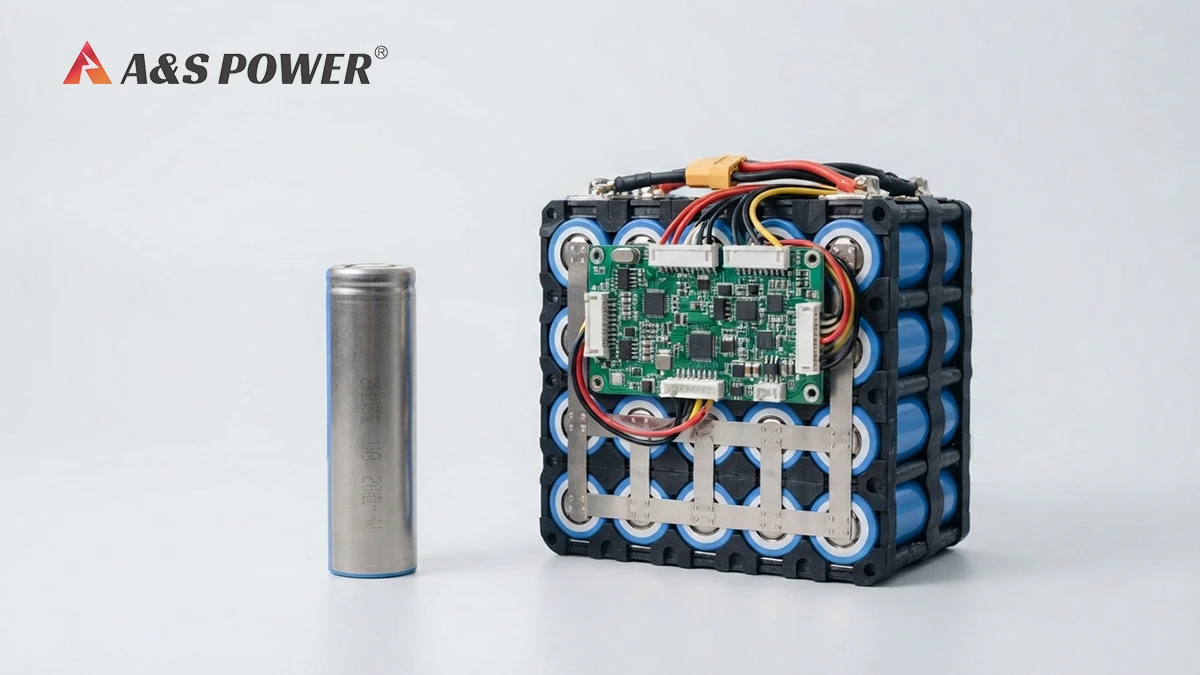 May.2026.08.0521700 Battery Pack with BMS: Design, Safety and Custom SolutionsLearn More
 -
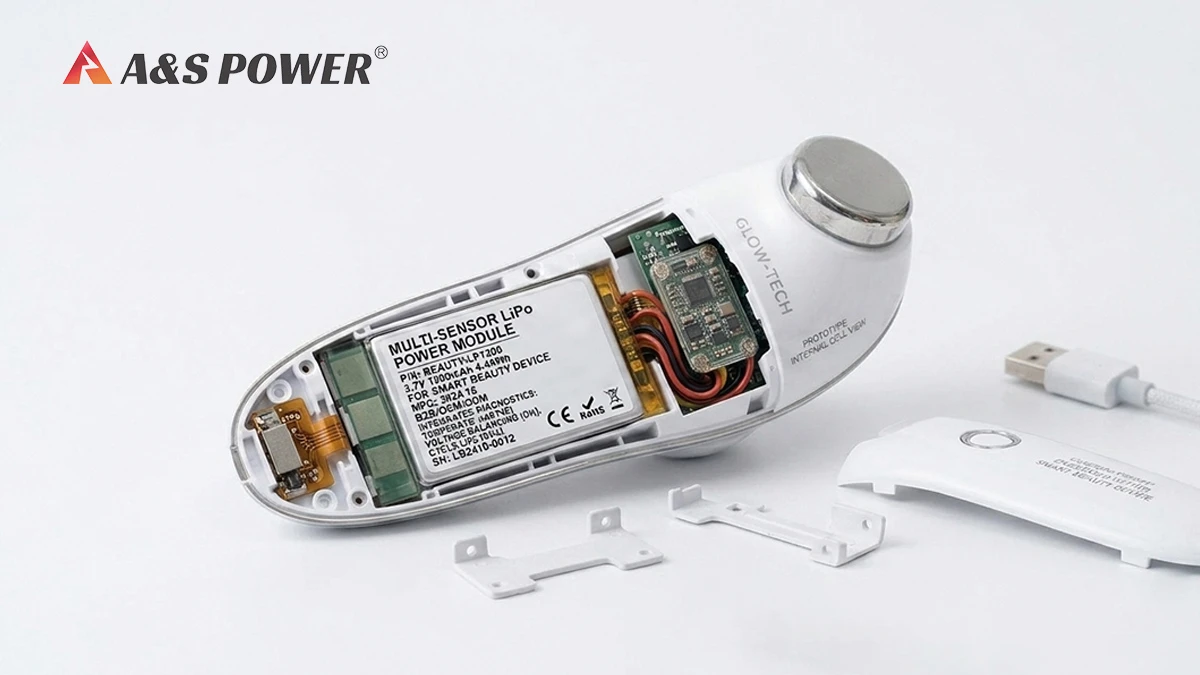 May.2026.08.04Smart Beauty Equipment Battery Pack ManufacturerLearn More
 -
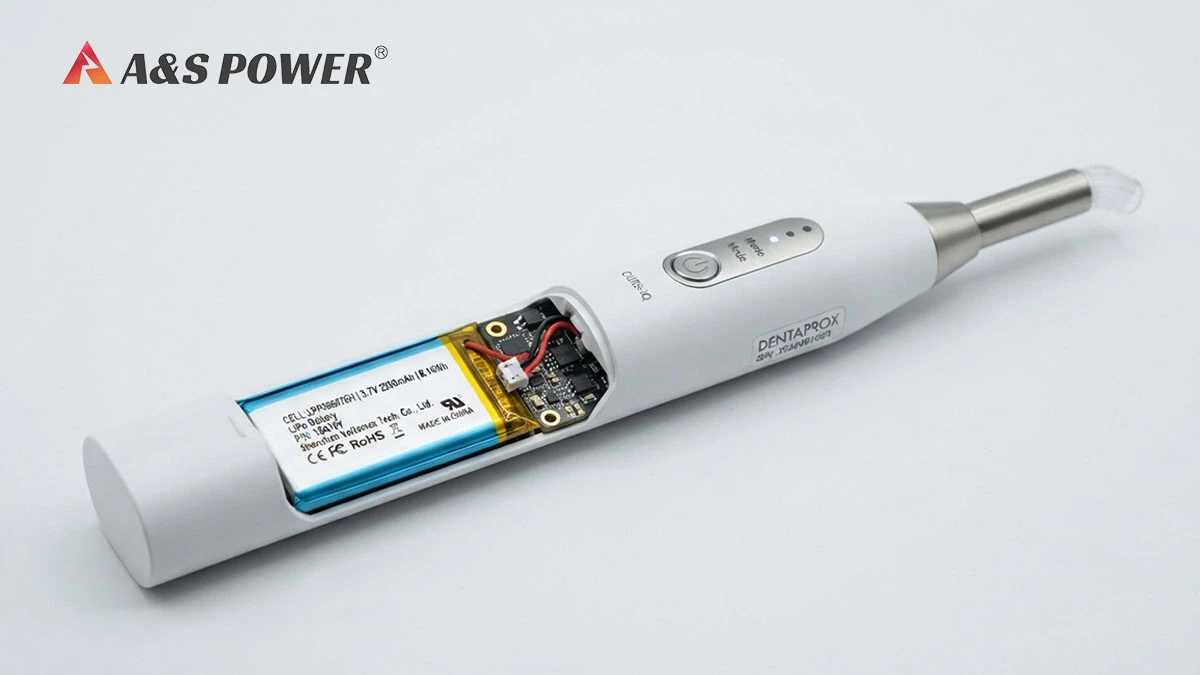 May.2026.08.04High Reliability Polymer Battery for Handheld Dental DevicesLearn More
 -
 May.2026.08.04Ultra Thin Lithium Polymer Battery 0.4mm 0.5mm Custom GuideLearn More
 -
 May.2026.07.30Smoke Detector Battery Guide: Choosing the Right Battery for Reliable Fire ProtectionLearn More