




Lithium-Ion Battery Recycling: Building a Circular Future for the Battery Industry
Introduction
The global transition toward electrification has dramatically accelerated the production of lithium-ion batteries. Electric vehicles, renewable energy storage systems, medical devices, and consumer electronics all rely heavily on lithium battery technology.
However, this rapid growth has created a new challenge: what happens to batteries at the end of their lifecycle?
Industry analysts estimate that global lithium-ion battery demand could exceed 4–5 TWh annually by 2030, driven largely by electric vehicle adoption and renewable energy storage deployment. With millions of battery packs entering the market every year, managing end-of-life batteries is no longer simply an environmental issue—it has become a critical industrial strategy.
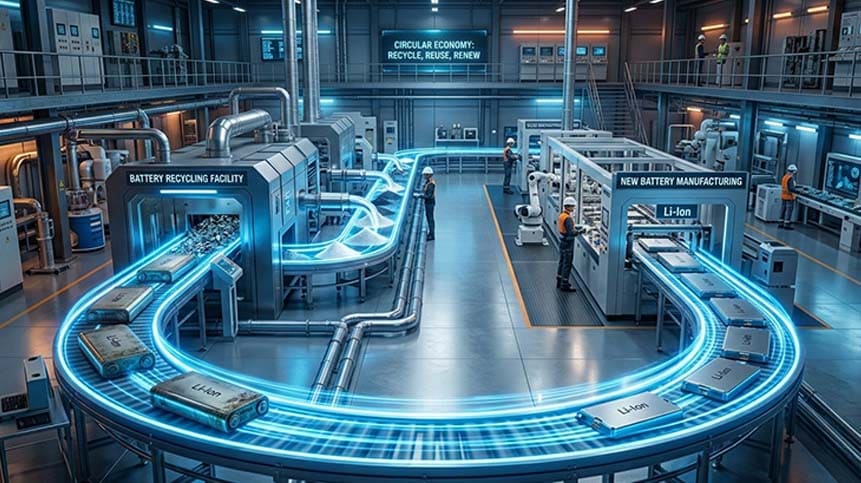
From my perspective as a participant in the battery manufacturing ecosystem, recycling is no longer optional. It is the foundation of a circular battery economy, where materials recovered from used batteries are reintegrated into the supply chain to create new batteries.
In this article, I will explore:
-
Why lithium-ion battery recycling is essential
-
How recycling technologies work
-
The economic and environmental benefits of material recovery
-
Emerging recycling innovations
-
How battery manufacturers can design products for circularity
Understanding these dynamics helps manufacturers, policymakers, and industrial buyers prepare for the next stage of the global battery industry.
The Linear Battery Economy Is Unsustainable
Historically, the battery industry followed a linear economic model:
Raw material mining → battery manufacturing → product use → disposal.
This model worked when battery volumes were relatively small. But with the rapid electrification of transportation and energy systems, it has become increasingly unsustainable.
Three main factors drive the need for a circular approach:
-
Environmental impact
-
Resource scarcity
-
Supply chain security
Rising Battery Demand
Global demand for lithium-ion batteries has expanded rapidly across several sectors:
|
Application
|
Estimated Battery Demand Growth
|
|---|---|
|
Electric Vehicles
|
~25–30% annual growth
|
|
Energy Storage Systems
|
~20–25% growth
|
|
Consumer Electronics
|
~5–8% growth
|
|
Medical Devices & Industrial Equipment
|
~10–15% growth
|
This growth places enormous pressure on raw material supply chains.
Key materials such as:
-
Lithium
-
Nickel
-
Cobalt
-
Manganese
-
Graphite
are essential to modern battery chemistries.
Mining alone cannot sustainably meet long-term demand.
Environmental Benefits of Lithium Battery Recycling
One of the strongest arguments for battery recycling is its environmental impact.
Improper battery disposal can introduce hazardous materials into ecosystems.
Battery components may contain:
-
Electrolytes
-
Heavy metals
-
Organic solvents
If improperly handled, these materials can contaminate soil and water.
Recycling significantly reduces these risks.
Reduced Carbon Footprint
Recycling materials requires far less energy than mining and refining virgin materials.
|
Material
|
Energy Savings from Recycling
|
|---|---|
|
Aluminum
|
up to 95%
|
|
Nickel
|
~60%
|
|
Copper
|
~85%
|
|
Lithium
|
30–70% depending on process
|
Lower energy use means fewer greenhouse gas emissions.
For large-scale battery manufacturing, this can significantly reduce the carbon footprint per kWh of battery capacity produced.
Reduced Mining Pressure
Mining lithium, cobalt, and nickel involves:
-
Large land disturbances
-
High water consumption
-
Significant chemical processing
Recycling helps reduce dependence on newly mined materials.
It effectively transforms used batteries into an “urban mine” containing valuable metals that can be recovered and reused.
The Economic Value of Recovered Battery Materials
Beyond environmental benefits, battery recycling creates strong economic incentives.
End-of-life batteries contain significant concentrations of valuable metals.
After initial mechanical processing, recycled battery materials form what is commonly called black mass.
Black mass contains:
-
Lithium compounds
-
Nickel
-
Cobalt
-
Manganese
-
Graphite
These materials can then be refined and reused in new cathode or anode materials.
Material Recovery Potential
Typical recovery rates for advanced recycling processes can reach:
|
Material
|
Recovery Rate
|
|---|---|
|
Nickel
|
95–98%
|
|
Cobalt
|
95–98%
|
|
Copper
|
>98%
|
|
Lithium
|
80–95%
|
As recycling technologies improve, these rates continue to increase.
Recovered metals can be directly reintroduced into the battery supply chain.
Supply Chain Security
Battery materials are often sourced from geographically concentrated regions.
Examples include:
-
Lithium production in Australia, Chile, and Argentina
-
Cobalt mining in the Democratic Republic of Congo
-
Nickel mining in Indonesia
Recycling helps diversify supply.
It creates domestic material sources, reducing reliance on volatile global markets.
How Lithium-Ion Battery Recycling Works
Battery recycling generally involves three main stages.
1. Collection and Transportation
End-of-life batteries are collected from:
-
Electric vehicles
-
Consumer electronics
-
Industrial equipment
-
Energy storage systems
Due to fire risks, these batteries must be transported according to strict safety regulations.
2. Mechanical Processing
The batteries are then:
-
Discharged
-
Dismantled
-
Shredded
Mechanical separation processes isolate components such as:
-
aluminum foil
-
copper foil
-
plastic separators
-
electrode materials
The resulting powder mixture is called black mass.
3. Material Recovery
Recovered black mass undergoes further refining using advanced chemical processes.
These processes extract high-purity metals that can be reused in battery manufacturing.
Major Lithium Battery Recycling Technologies
Three major recycling technologies dominate the industry today.
Pyrometallurgical Recycling
Pyrometallurgy uses high-temperature furnaces to smelt batteries.
Advantages:
-
Robust process
-
Handles mixed battery chemistries
Limitations:
-
High energy consumption
-
Lithium recovery often limited
Hydrometallurgical Recycling
Hydrometallurgy uses aqueous chemical solutions to extract metals.
Advantages:
-
Higher recovery rates
-
Lower energy requirements
-
Better lithium recovery
Today, hydrometallurgy is widely considered the most promising commercial recycling technology.
Direct Cathode Recycling
A newer method aims to preserve the cathode structure rather than breaking it down into individual metals.
Benefits include:
-
Lower energy consumption
-
Reduced chemical processing
-
Faster reintegration into manufacturing
However, this method is still being optimized for industrial scale.
Design for Recycling: The Next Industry Priority
One emerging concept is Design for Recycling (DfR).
Instead of addressing recycling only at the end of a battery’s life, manufacturers can design batteries to simplify future recycling.
Key design strategies include:
-
Standardized cell formats
-
Modular battery pack architecture
-
Easy disassembly
-
Material labeling
-
Reduced adhesive use
These practices dramatically improve recycling efficiency.
The Role of Battery Manufacturers in the Circular Economy
Battery manufacturers play a central role in enabling circular supply chains.
At A&S Power, we approach battery manufacturing with lifecycle thinking.
Our engineering teams consider:
-
product lifespan
-
material traceability
-
recyclability
-
regulatory compliance
We also collaborate with certified recycling partners to ensure batteries can be safely processed after their service life.
This approach helps our customers meet growing sustainability requirements.
Future Trends in Battery Recycling
The battery recycling industry is evolving rapidly.
Several trends will likely shape the next decade.
1. Large-Scale EV Battery Recycling Plants
With millions of EV batteries expected to retire in the 2030s, industrial recycling capacity is expanding worldwide.
2. Closed-Loop Manufacturing
Some manufacturers are building closed-loop supply chains, where recycled materials feed directly back into battery production.
3. Automation and AI Sorting
Advanced automation systems can identify battery chemistries and automate disassembly.
This improves recycling safety and efficiency.
4. Regulatory Expansion
Governments are introducing stricter regulations requiring battery manufacturers to support recycling programs.
Examples include:
-
EU Battery Regulation
-
U.S. recycling initiatives
-
China battery traceability systems
These policies will accelerate recycling infrastructure development.
Why the Circular Battery Economy Matters for Industrial Buyers
For OEMs and equipment manufacturers, battery recycling is not just an environmental topic.
It directly affects:
-
supply chain resilience
-
regulatory compliance
-
ESG reporting
-
long-term material costs
Working with battery suppliers who support circularity helps organizations meet sustainability goals while ensuring stable battery supply.
Conclusion
Lithium-ion battery recycling is becoming a cornerstone of the global energy transition.
As battery production scales to meet the needs of electric mobility, renewable energy storage, and advanced electronics, the industry must move beyond a linear supply model.
A circular battery ecosystem offers multiple benefits:
-
reduced environmental impact
-
improved resource efficiency
-
enhanced supply chain security
-
lower long-term manufacturing costs
By investing in advanced recycling technologies and designing batteries with their entire lifecycle in mind, the industry can transform end-of-life batteries into valuable resources.
For manufacturers, policymakers, and technology companies alike, building this circular system is not just a sustainability initiative—it is a strategic necessity for the future of the global battery industry.
FAQ Section
What happens to lithium-ion batteries after they reach end of life?
End-of-life batteries are typically collected and transported to recycling facilities where they are dismantled, shredded, and processed to recover valuable metals such as lithium, cobalt, and nickel.
Can lithium-ion batteries be fully recycled?
Most modern recycling technologies can recover 80–95% of valuable battery materials, though full recovery of all components remains an ongoing research goal.
What is black mass in battery recycling?
Black mass is the powdered material obtained after shredding batteries. It contains a mixture of valuable metals including lithium, cobalt, nickel, and manganese, which can be refined and reused in battery production.
Why is battery recycling important for the EV industry?
Electric vehicle batteries require large quantities of critical minerals. Recycling helps recover these materials, reducing the need for new mining while stabilizing supply chains.
Are recycled battery materials as good as new materials?
Yes. When refined correctly, recycled metals can achieve battery-grade purity and can be used to manufacture new cathode materials without significant performance differences.
-

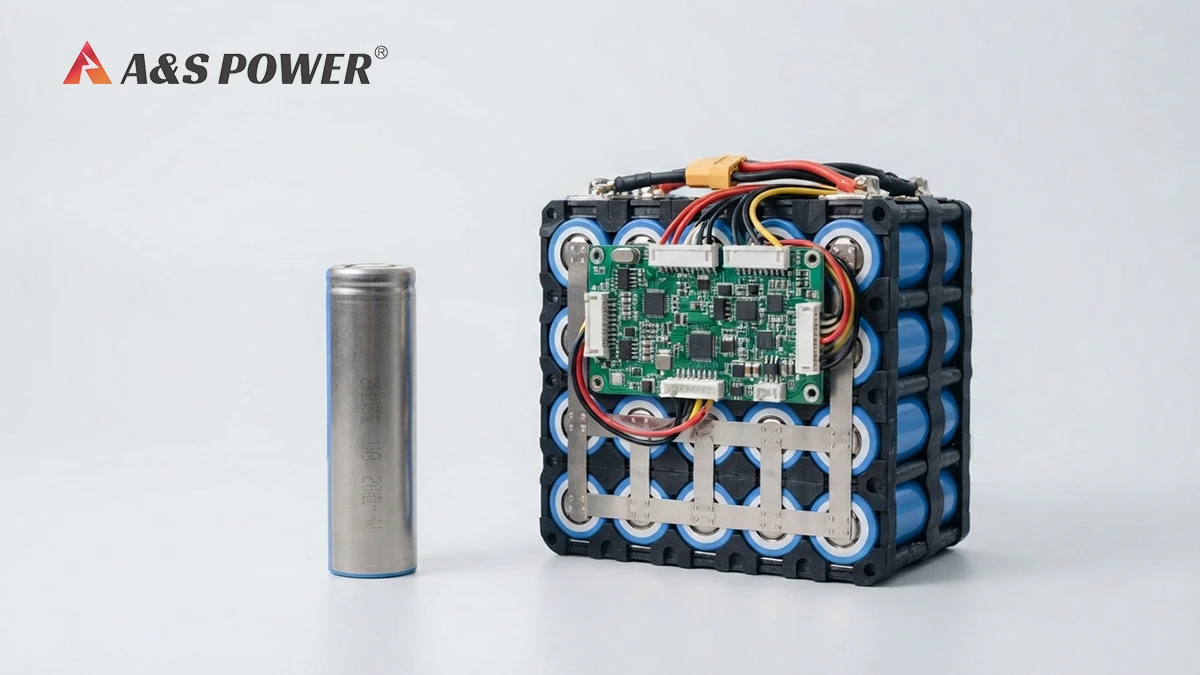 May.2026.08.0521700 Battery Pack with BMS: Design, Safety and Custom SolutionsLearn More
 -
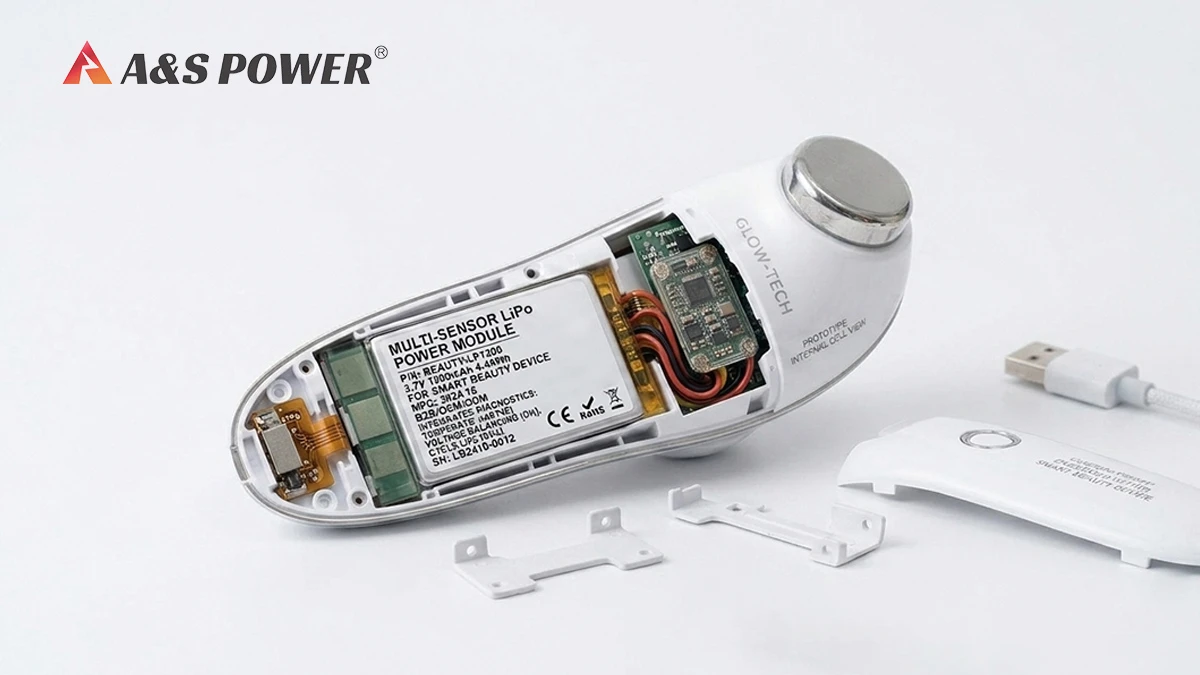 May.2026.08.04Smart Beauty Equipment Battery Pack ManufacturerLearn More
 -
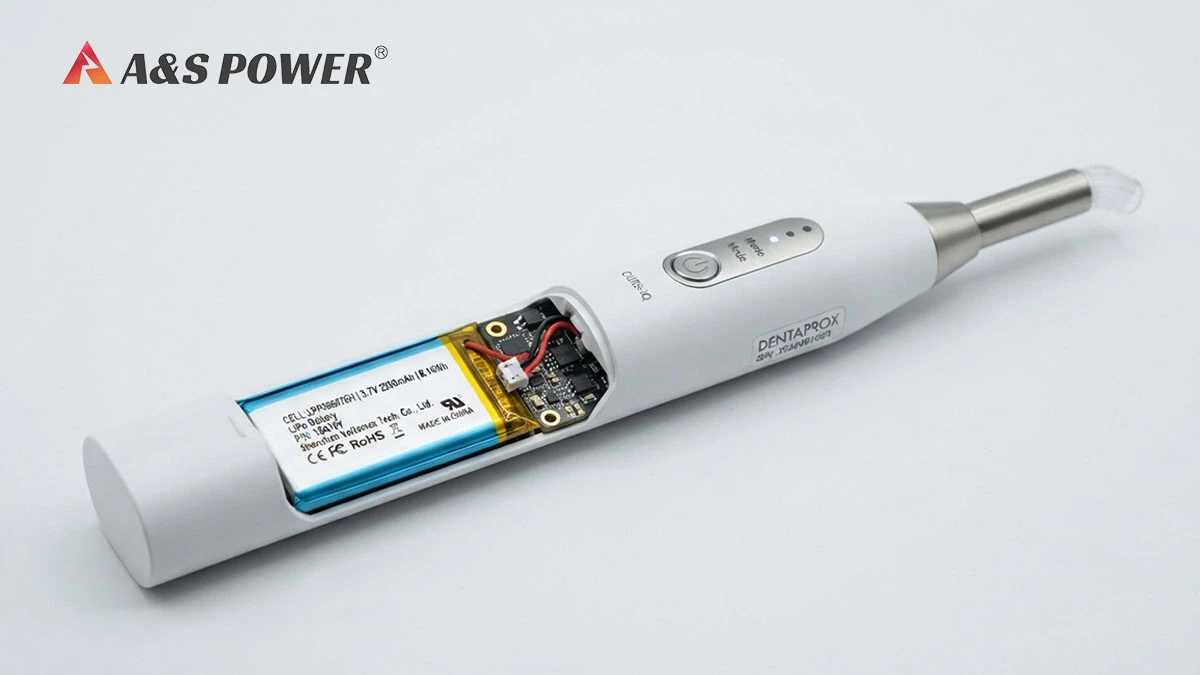 May.2026.08.04High Reliability Polymer Battery for Handheld Dental DevicesLearn More
 -
 May.2026.08.04Ultra Thin Lithium Polymer Battery 0.4mm 0.5mm Custom GuideLearn More
 -
 May.2026.07.30Smoke Detector Battery Guide: Choosing the Right Battery for Reliable Fire ProtectionLearn More