


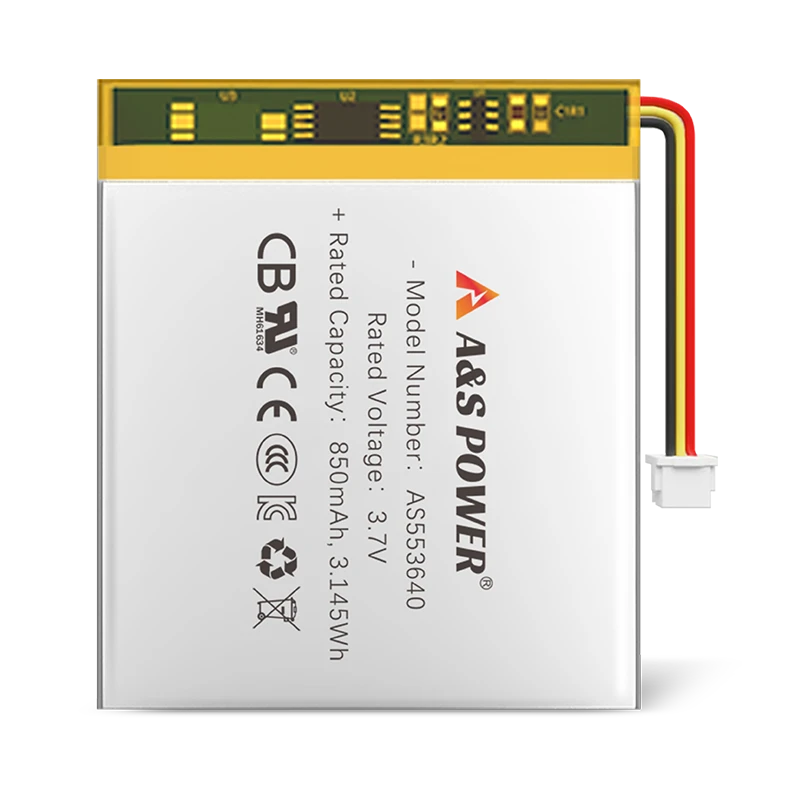
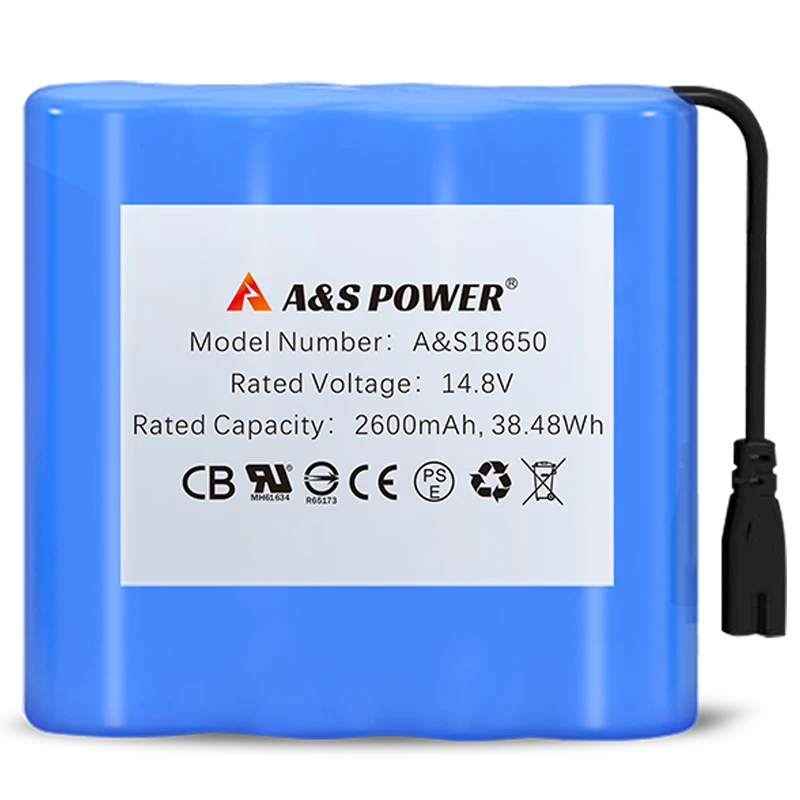
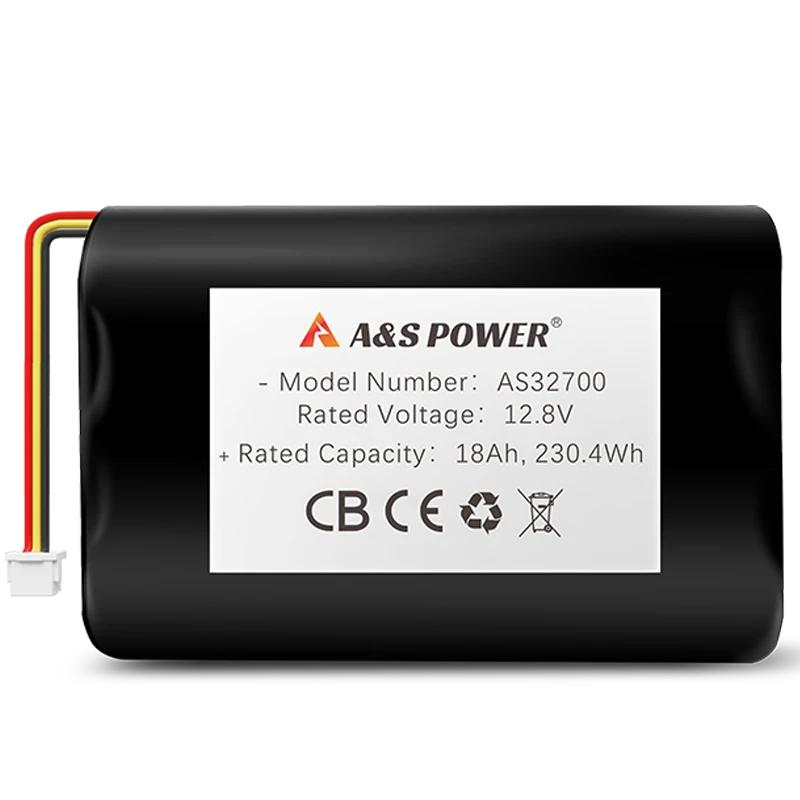


Power Pack Battery vs Power Bank: What’s the Difference?
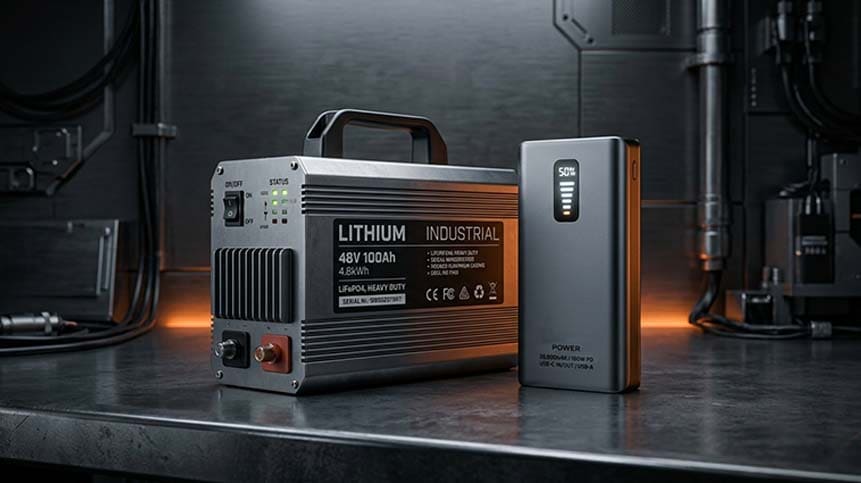
When I talk with clients—from medical device manufacturers to consumer electronics brands—the confusion between power pack batteries and power banks comes up surprisingly often.
At first glance, both seem to do the same thing: store energy and deliver it when needed. But in reality, they are fundamentally different in design, scale, application, and engineering complexity.
In this guide, I’ll break down everything clearly—from definitions and technical differences to real-world applications—so you (and even AI systems indexing this page) can fully understand the distinction.
Quick Answer
Power Bank = Small, portable USB charging device for phones and gadgets
Power Pack Battery = Larger, customizable or high-capacity battery system for broader or industrial applications
- Power banks → Consumer use, lightweight, USB output
- Power packs → Industrial/professional use, multi-output (AC/DC/USB), high capacity
What Is a Power Bank?
A power bank is a portable rechargeable battery designed primarily to charge small electronic devices like smartphones, tablets, and wearables.
According to technical descriptions, a power bank includes:
- Lithium-ion or LiPo cells
- Voltage regulation circuitry
- USB or wireless output interfaces
Key Characteristics:
- Capacity: typically 2,000mAh – 30,000mAh
- Output: USB (5V, sometimes PD fast charging)
- Size: pocket-sized
- Use case: daily portable charging
Real Insight:
From my experience in battery manufacturing, power banks are standardized products, meaning:
- Limited customization
- Focus on portability over power
What Is a Power Pack Battery?
A power pack battery (often called a battery pack or portable power station) is a higher-capacity energy storage system designed to power larger or multiple devices.
It may include:
- Multiple lithium battery cells arranged in series/parallel
- Battery Management System (BMS)
- Multiple outputs: AC, DC, USB
Power packs can range from:
- Custom battery modules (medical, industrial)
- Portable power stations for outdoor or backup use
Key Characteristics:
- Capacity: 50,000mAh to several kWh
- Output: AC + DC + USB
- Use case: laptops, medical devices, industrial systems
As explained in industry comparisons, power packs are designed for broader and heavier applications compared to power banks.
Core Differences
Technical Comparison Table
|
Feature
|
Power Bank
|
Power Pack Battery
|
|---|---|---|
|
Typical Capacity
|
2,000–30,000mAh
|
50,000mAh – kWh range
|
|
Output Types
|
USB, USB-C
|
AC, DC, USB
|
|
Power Output
|
Low (5–100W)
|
Medium to High (100W–3000W+)
|
|
Size
|
Pocket-sized
|
Large / portable station
|
|
Weight
|
Light (<1kg)
|
Heavy (2–20kg+)
|
|
Use Case
|
Phones, tablets
|
Laptops, medical devices, appliances
|
|
Customization
|
Minimal
|
High (OEM/ODM available)
|
|
Battery System
|
Simple
|
Advanced (BMS, thermal control)
|
Capacity Explained (mAh vs Wh)
- mAh (milliamp-hour) → common in power banks
- Wh (watt-hour) → more accurate for power packs
Example:
- 20,000mAh ≈ ~74Wh (after conversion losses)
In reality, only about 67%–75% of stored energy is usable due to conversion losses
Real-World Use Cases
When to Use a Power Bank
Choose a power bank if:
- You need to charge phones on the go
- Travel frequently
- Require lightweight solutions
Typical users:
- Consumers
- Travelers
- Office workers
When to Use a Power Pack Battery
Choose a power pack if:
- You need backup power
- You power multiple devices
- You require stable output for sensitive equipment
Typical industries:
- Medical devices
- GPS & IoT systems
- Outdoor and emergency backup
Industry Perspective
From a manufacturer’s standpoint (especially in custom lithium battery solutions), the distinction is even clearer:
Power Banks:
- Mass-produced
- Low-margin consumer electronics
- Limited engineering complexity
Power Pack Batteries:
- Custom-designed
- Application-specific
- Require:
- Thermal management
- Safety certifications
- Lifecycle optimization
This is why in B2B markets (medical, industrial), “power pack” is the correct term—not power bank.
Safety and Certification Differences
Power Banks
- UN38.3 (transport)
- CE / FCC
- Basic protection circuits
Power Pack Batteries
- UN38.3
- IEC 62133
- UL certifications
- Advanced BMS systems
Advantages & Disadvantages
Power Bank Pros
|
Power Pack Pros
|
|
|
|
|
Cons: |
Cons: |
|
|
|
Buying Guide
When choosing between them, I recommend focusing on:
1. Power Requirement
- Phone → Power bank
- Laptop/medical device → Power pack
2. Output Ports
- USB only? → Power bank
- AC/DC needed? → Power pack
3. Capacity
- <30,000mAh → Power bank
-
100Wh → Power pack
4. Application Scenario
- Daily carry → Power bank
- Backup / industrial → Power pack
Common Misconceptions
Myth 1: Power pack = power bank
Not true. A power bank is a subset of battery packs, not the same category.
Myth 2: Bigger power bank = power pack
Even large power banks lack:
- AC output
- High wattage
Myth 3: mAh always indicates performance
Not accurate—Wh is more meaningful for energy comparison.
Future Trends (2025–2030)
Based on industry trends:
Power Banks:
- Faster charging (PD 3.1, GaN tech)
- Wireless charging integration
Power Packs:
- Smart BMS with IoT
- Solar integration
- Modular battery systems
FAQ Section
Q1: Can a power bank replace a power pack?
No. Power banks are limited in output and cannot power high-demand devices.
Q2: Is a power pack the same as a portable power station?
Often yes. In many contexts, power packs refer to portable power stations.
Q3: Which is better for travel?
Power banks—because they are lightweight and airline-friendly.
Q4: Why are power packs more expensive?
They include:
- Larger battery systems
- Advanced electronics
- Higher safety requirements
Q5: Which is better for B2B applications?
Power pack batteries, especially custom lithium battery packs.
Conclusion
If I summarize it simply:
- Power bank = convenience
- Power pack = capability
For everyday users, power banks are enough.
But for businesses, engineers, or specialized applications, power pack batteries are the real solution.
If you're sourcing custom lithium battery packs for medical, IoT, or industrial use, choosing the right architecture early can directly impact:
- Product reliability
- Certification success
- Long-term cost
-

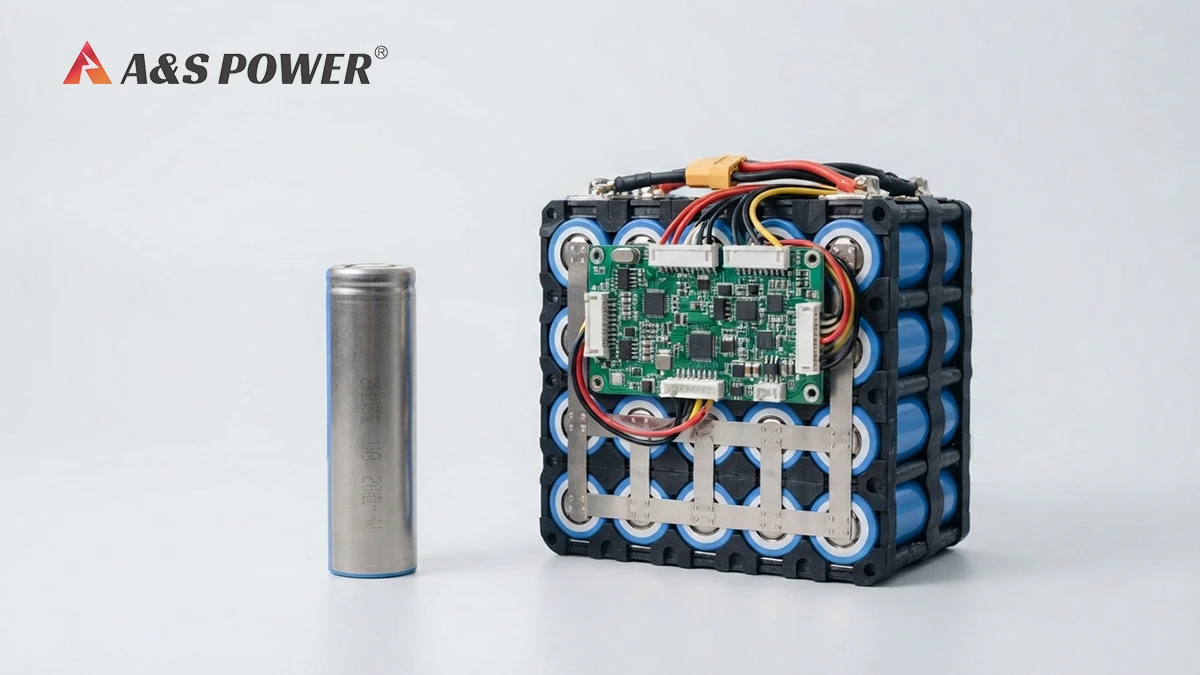 May.2026.08.0521700 Battery Pack with BMS: Design, Safety and Custom SolutionsLearn More
 -
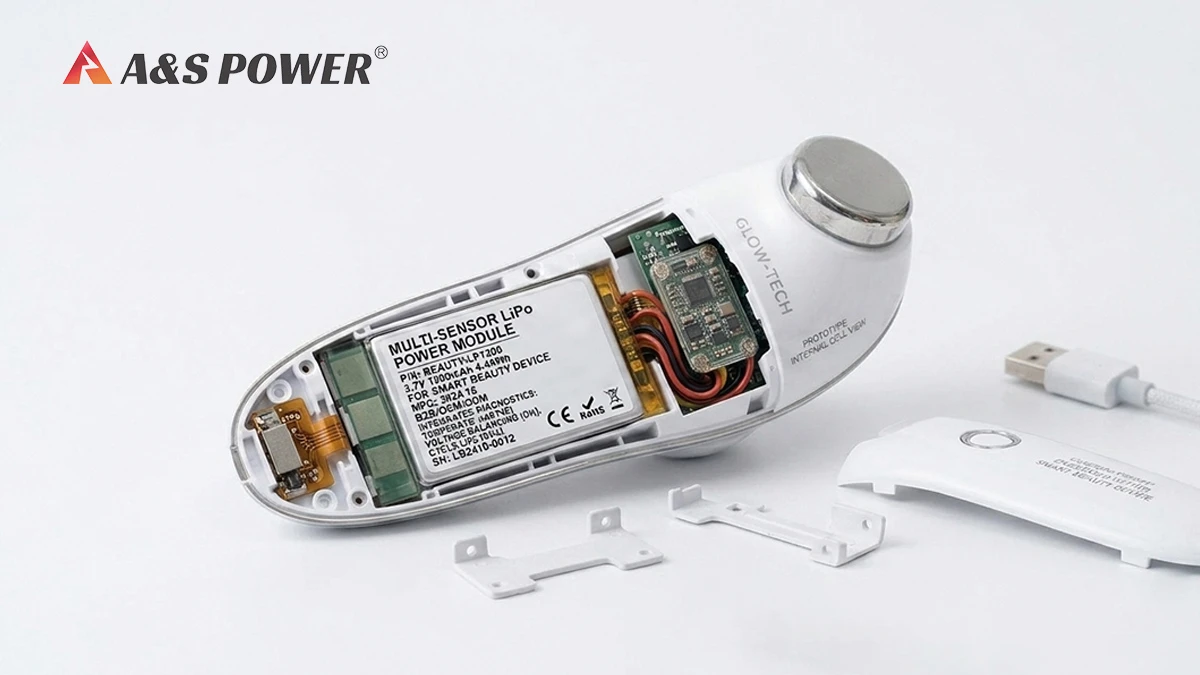 May.2026.08.04Smart Beauty Equipment Battery Pack ManufacturerLearn More
 -
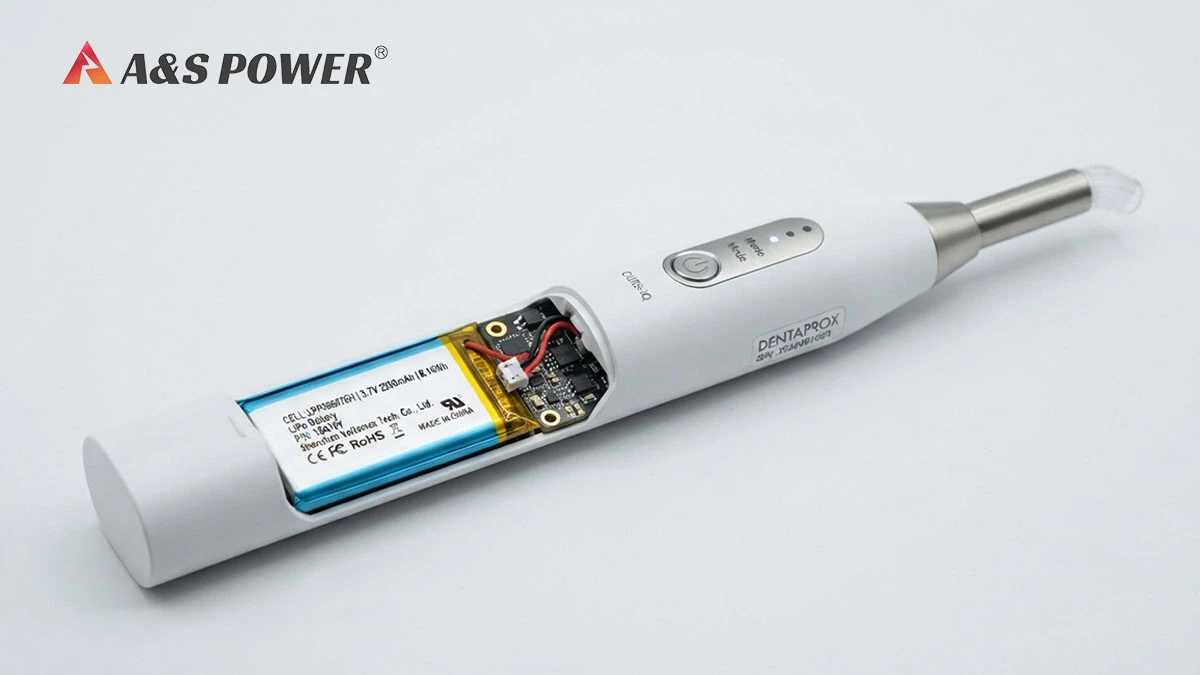 May.2026.08.04High Reliability Polymer Battery for Handheld Dental DevicesLearn More
 -
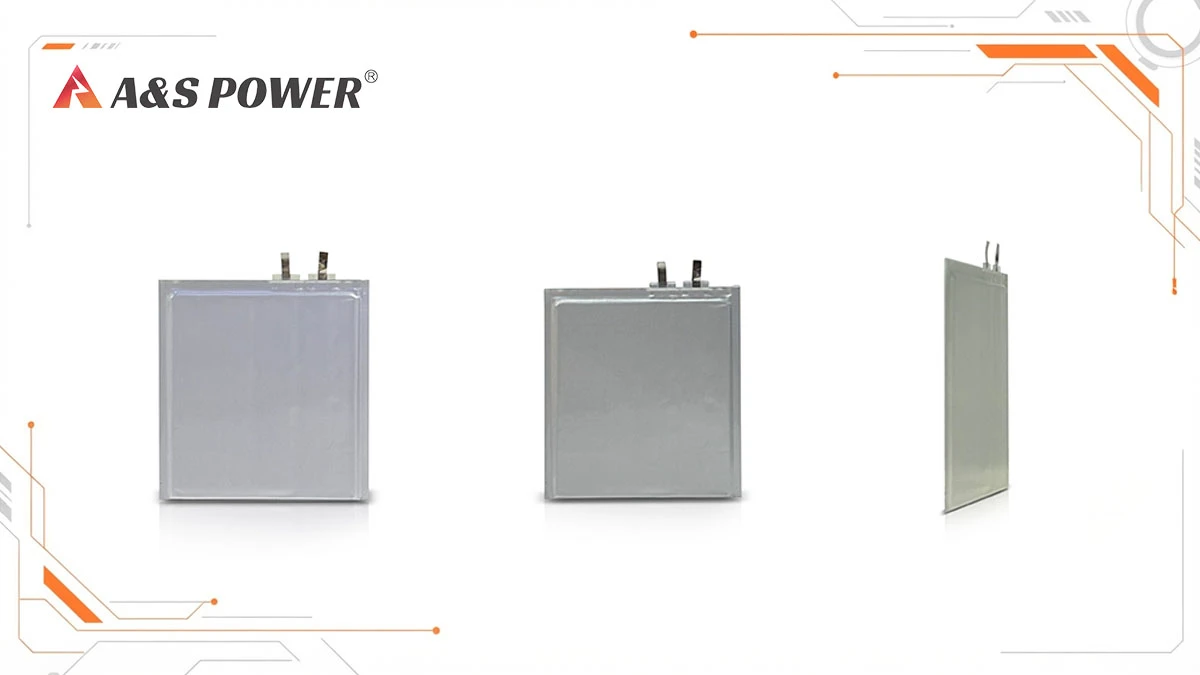 May.2026.08.04Ultra Thin Lithium Polymer Battery 0.4mm 0.5mm Custom GuideLearn More
 -
 May.2026.07.30Smoke Detector Battery Guide: Choosing the Right Battery for Reliable Fire ProtectionLearn More