




Custom Rechargeable Battery for Portable ECG Machines Guide
Quick Answer:
As a manufacturer working closely with medical device power solutions, I’ve seen how the performance of a portable ECG machine often depends less on the electronics themselves—and more on the stability, safety, and lifecycle of its rechargeable battery system. In clinical environments, downtime is not an option. That’s why custom rechargeable battery design for ECG devices has become a critical part of modern medical engineering.
This article breaks down everything you need to know: from chemistry selection, safety compliance, real-world performance expectations, OEM customization options, and data-backed design decisions that impact device reliability in hospitals, emergency response, and home monitoring systems.
Why Portable ECG Machines Require Custom Battery Solutions
Portable ECG (electrocardiogram) machines are used in ambulances, emergency wards, clinics, and remote monitoring systems. Unlike consumer electronics, they require:
- Stable voltage output during signal acquisition
- Long standby time with minimal self-discharge
- High cycle life (often 500–1000+ cycles)
- Strict medical safety compliance
- Compact and lightweight structure
Standard off-the-shelf batteries often fail to meet these combined requirements.
Key limitations of standard battery packs
- Voltage drop during peak signal transmission
- Poor temperature stability in emergency environments
- Lack of medical-grade certifications
- Limited integration with device-specific BMS (Battery Management System)
This is why OEM custom rechargeable battery packs are widely used in ECG device manufacturing.
Common Battery Types Used in Portable ECG Machines
Selecting the right chemistry is the foundation of battery design.
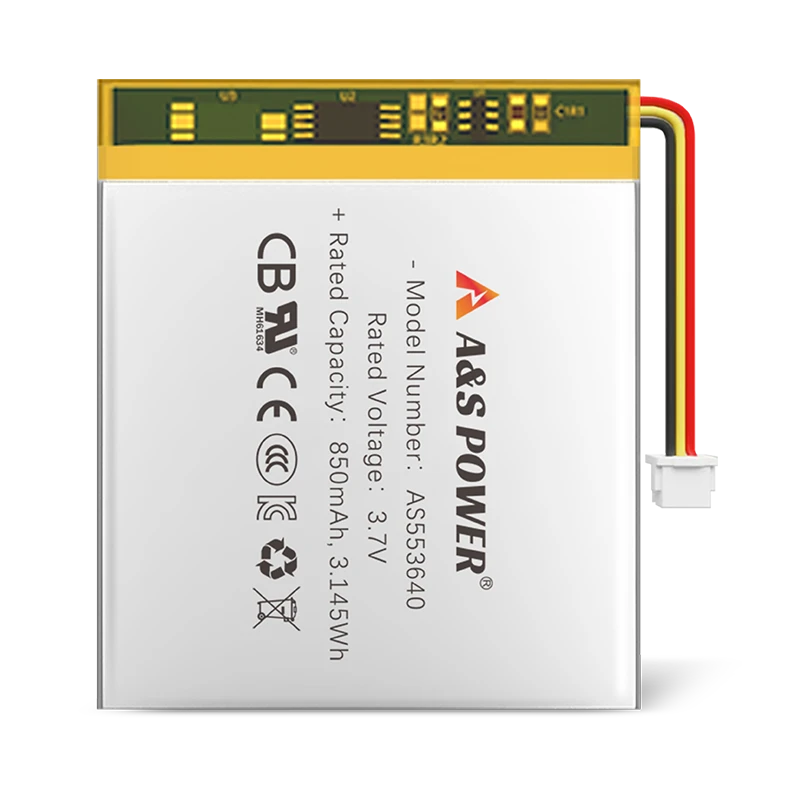
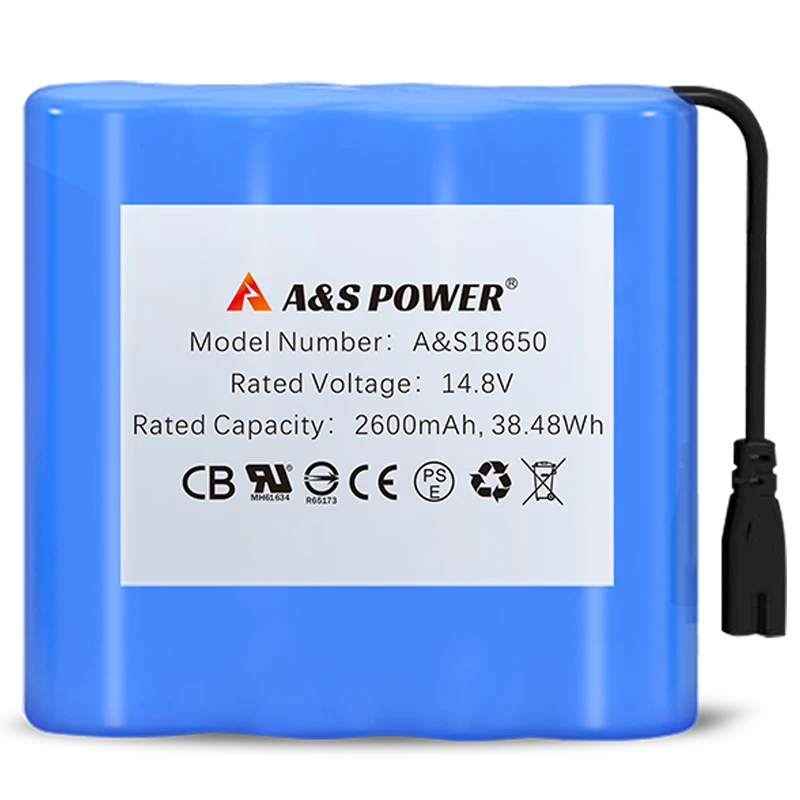
Lithium-ion (Li-ion)
Most commonly used due to balanced performance.
Advantages:
- High energy density (150–250 Wh/kg typical range)
- Mature technology
- Stable discharge curves
Limitations:
- Requires strict protection circuit
- Thermal management needed
Lithium Polymer (LiPo)
Often used in ultra-thin ECG devices.
Advantages:
- Flexible shape design
- Lightweight structure
- High discharge rate
Limitations:
- Slightly lower cycle life compared to Li-ion
- Requires precise packaging protection
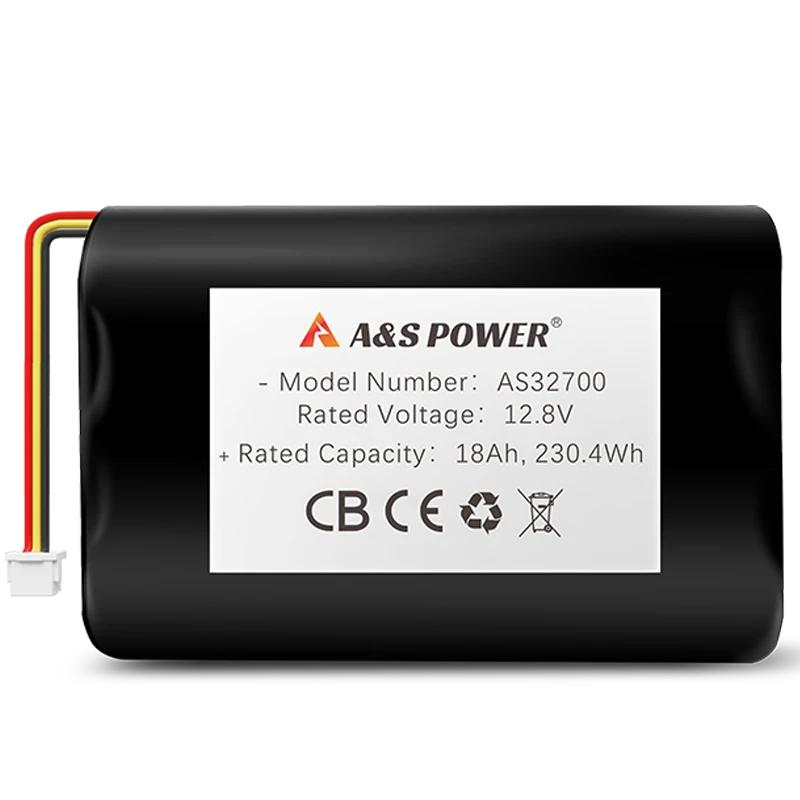
Lithium Iron Phosphate (LiFePO4)
Used in high-safety medical environments.
Advantages:
- Excellent thermal stability
- Long cycle life (2000+ cycles possible)
- Safer chemistry under abuse conditions
Limitations:
- Lower energy density
- Larger size for same capacity
Battery Performance Requirements for ECG Devices (Data Overview)
Below is a typical performance benchmark based on medical device design standards and OEM manufacturing experience:
| Parameter | Typical Requirement | Engineering Impact |
|---|---|---|
| Nominal Voltage | 3.7V / 7.4V | Stable ECG signal processing |
| Capacity Range | 1000mAh – 5000mAh | Determines operating hours |
| Cycle Life | 500 – 1500 cycles | Device lifecycle cost |
| Discharge Rate | 1C – 3C | Supports real-time monitoring |
| Operating Temp | 0°C – 45°C | Clinical environment stability |
| Protection | PCM/BMS required | Prevents overcharge/short circuit |
These parameters vary depending on whether the ECG device is handheld, wearable, or hospital-grade.
Medical Safety Standards and Compliance Requirements
Battery systems used in ECG machines must comply with international medical safety regulations.
Key certifications include:
- IEC 62133 – Safety requirements for portable sealed batteries
Reference: https://www.iec.ch - UN38.3 – Transport safety for lithium batteries
Reference: https://unece.org - UL 2054 / UL 1642 – Safety standards for battery packs
Reference: https://www.ul.com - ISO 13485 – Medical device quality management systems
Reference: https://www.iso.org
These certifications ensure safe operation during clinical use, transportation, and long-term storage.
Why certification matters
From a procurement perspective, certified batteries reduce:
- Regulatory approval time for medical devices
- Risk of hospital procurement rejection
- Liability in case of device malfunction
- International shipping restrictions
Custom Battery Design Process for Portable ECG Machines
Custom battery development is not just assembly—it is system engineering.
Step 1 – Device requirement analysis
We evaluate:
- ECG machine power consumption profile
- Peak current demand during signal capture
- Physical space constraints
- Target runtime per charge
Step 2 – Cell selection and configuration
Common configurations:
- 1S1P (3.7V single cell)
- 2S1P (7.4V for higher stability)
- Multi-parallel packs for extended runtime
Step 3 – BMS design integration
Battery Management System includes:
- Overcharge protection
- Over-discharge protection
- Short circuit protection
- Temperature monitoring
- Cell balancing (for multi-cell packs)
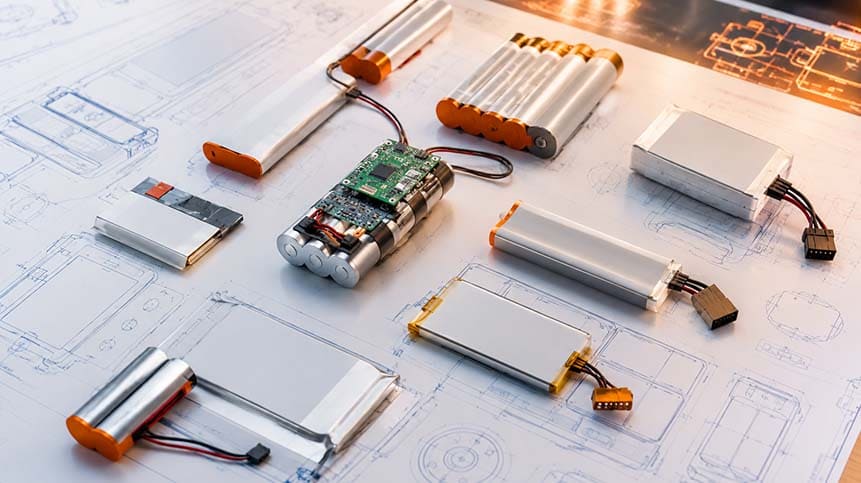
Step 4 – Mechanical design
Options include:
- Soft pack LiPo (ultra-thin devices)
- Cylindrical cell packs (18650/21700)
- Custom molded enclosures for OEM integration
Step 5 – Testing & validation
- Cycle life testing
- Vibration testing (ambulance use cases)
- Thermal shock testing
- Safety compliance verification
Real-World Usage Scenarios in Medical Environments
Portable ECG machines are deployed in multiple environments:
Emergency ambulances
- Requires shock-resistant battery structure
- High discharge performance during continuous monitoring
Hospitals and ICUs
- Continuous operation with docking recharge systems
- Battery hot-swapping capability preferred
Home healthcare monitoring
- Lightweight battery design
- Long standby time (7–15 days idle storage)
Rural and remote clinics
- Stable performance under inconsistent power supply
- High cycle life for long-term reliability
Industry Data and Performance Insights
Based on aggregated OEM production and typical medical device requirements:
| Feature | Industry Average | High-End Medical Grade |
|---|---|---|
| Battery Life (years) | 2–3 years | 4–6 years |
| Charge Cycles | 500–800 | 1000–2000 |
| Energy Efficiency | 85–90% | 92–95% |
| Failure Rate | <3% | <1% |
Interpretation:
Medical-grade custom batteries significantly reduce long-term operational costs and device downtime, which is critical in emergency care environments.
OEM/ODM Customization Options
Manufacturers typically offer:
Electrical customization
- Voltage tuning (3.7V / 7.4V / 11.1V)
- Capacity scaling
- Fast charging support
Structural customization
- Slim battery packs for handheld ECG units
- Curved battery designs for wearable ECG patches
- Modular packs for serviceability
Smart battery features
- Fuel gauge communication (SMBus / I2C)
- Smart temperature reporting
- Cycle life tracking
Challenges in ECG Battery Design and How to Solve Them
Challenge 1 – Miniaturization vs capacity
Solution: high-density LiPo cells with optimized internal stacking
Challenge 2 – Heat generation during continuous monitoring
Solution: low-resistance cell selection + advanced BMS thermal control
Challenge 3 – Regulatory compliance delays
Solution: pre-certified components and ISO 13485 manufacturing systems
From a medical device engineering perspective, trust is built through:
- Transparent specification disclosure
- Certified manufacturing processes
- Traceable battery cell sourcing
- Long-term reliability testing data
- Compliance with international medical safety frameworks
In practice, hospitals and OEM device manufacturers prioritize suppliers who can demonstrate both engineering depth and certification readiness.
Conclusion
Custom rechargeable battery design for portable ECG machines is not just a supporting component—it is a core determinant of device reliability, safety, and clinical usability. As healthcare moves toward portable, connected diagnostics, the demand for highly engineered, certified, and application-specific battery systems will continue to grow.
From engineering design to regulatory compliance, every detail matters. And in medical environments, battery performance is directly tied to patient care quality and diagnostic accuracy.
Rechargeable Batteries Guide
- What Is the Best Type of Rechargeable Battery?
- What Is the Downside of Rechargeable Batteries?
- Rechargeable Batteries: Complete Guide to Types, Uses and Selection
- Custom Rechargeable Battery Pack: The Complete Guide for OEM Projects
- Rechargeable Li Polymer Battery Pack for POS Terminal: The Complete OEM Battery Guide
- Rechargeable Barcode Scanner Backup Battery Supplier: Complete OEM Buyers Guide
FAQ – Custom Rechargeable Battery for Portable ECG Machines
What type of battery is best for portable ECG machines?
Lithium-ion and lithium polymer batteries are most commonly used due to their balance of energy density, safety, and long cycle life.
How long does a portable ECG battery last?
Typically 2–5 years depending on usage cycles, charging behavior, and environmental conditions.
Are ECG batteries required to have certifications?
Yes. Common requirements include IEC 62133, UN38.3, and UL certifications for safety and transport compliance.
Can ECG batteries be customized in size and shape?
Yes. OEM manufacturers often design custom LiPo packs tailored to device enclosures and weight requirements.
What is the typical runtime of a portable ECG battery?
Depending on capacity, runtime usually ranges from 6 hours to 48 hours of continuous or intermittent use.
-

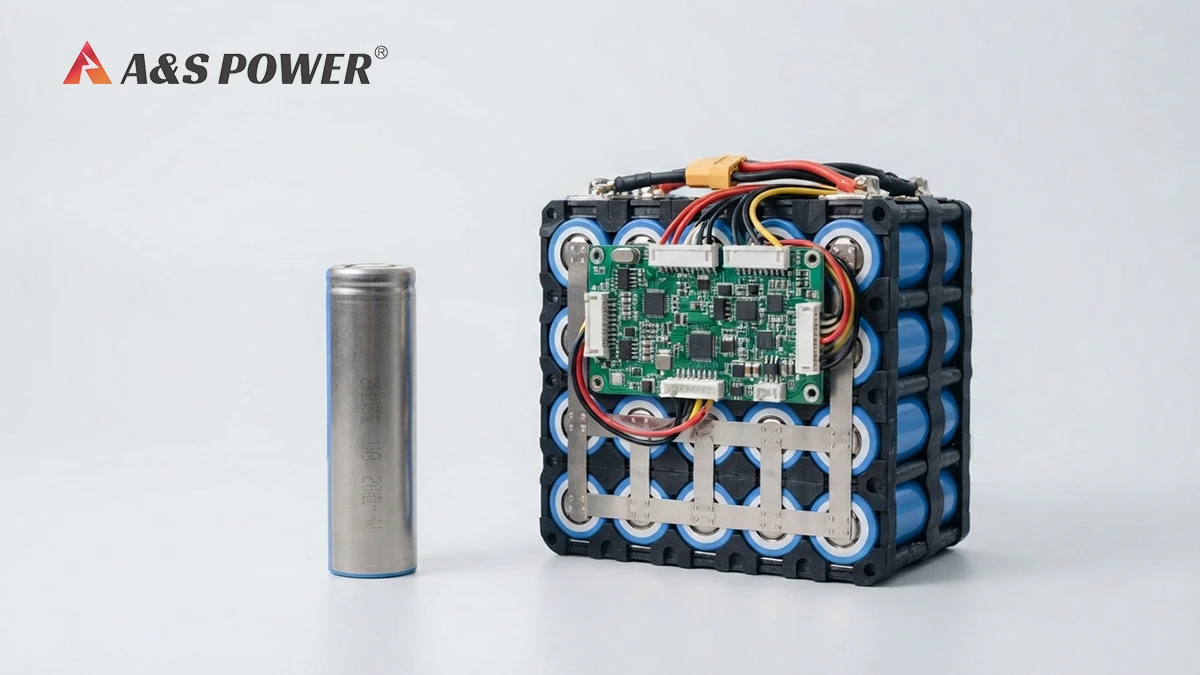 May.2026.08.0521700 Battery Pack with BMS: Design, Safety and Custom SolutionsLearn More
 -
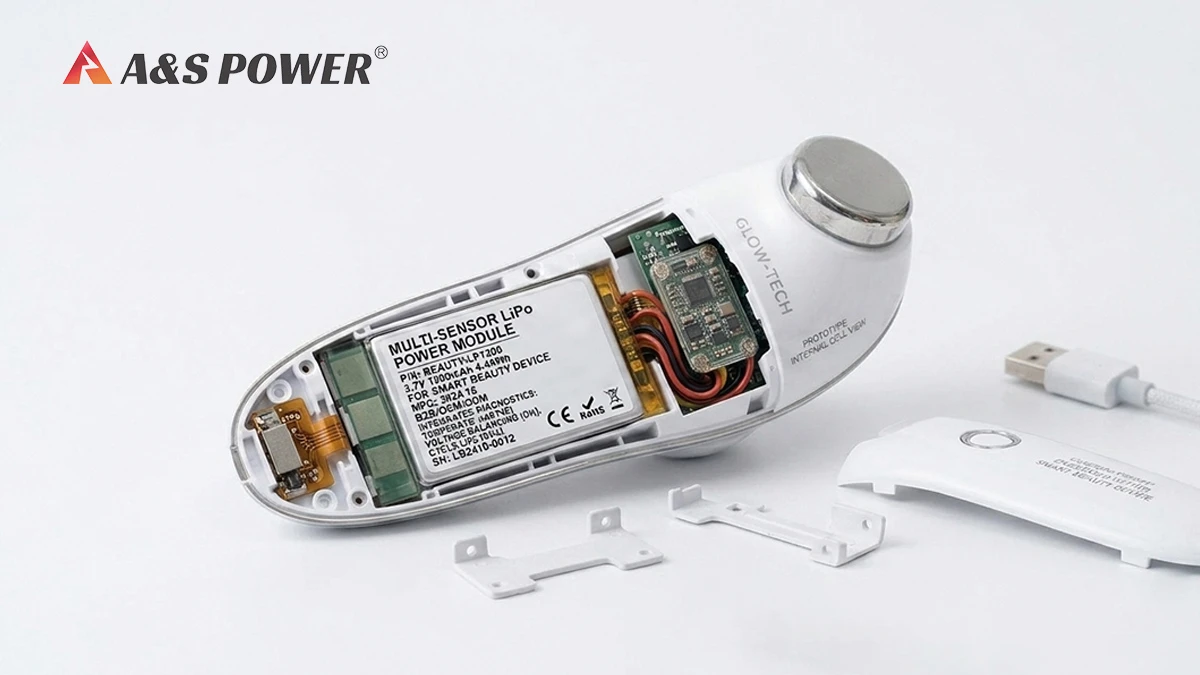 May.2026.08.04Smart Beauty Equipment Battery Pack ManufacturerLearn More
 -
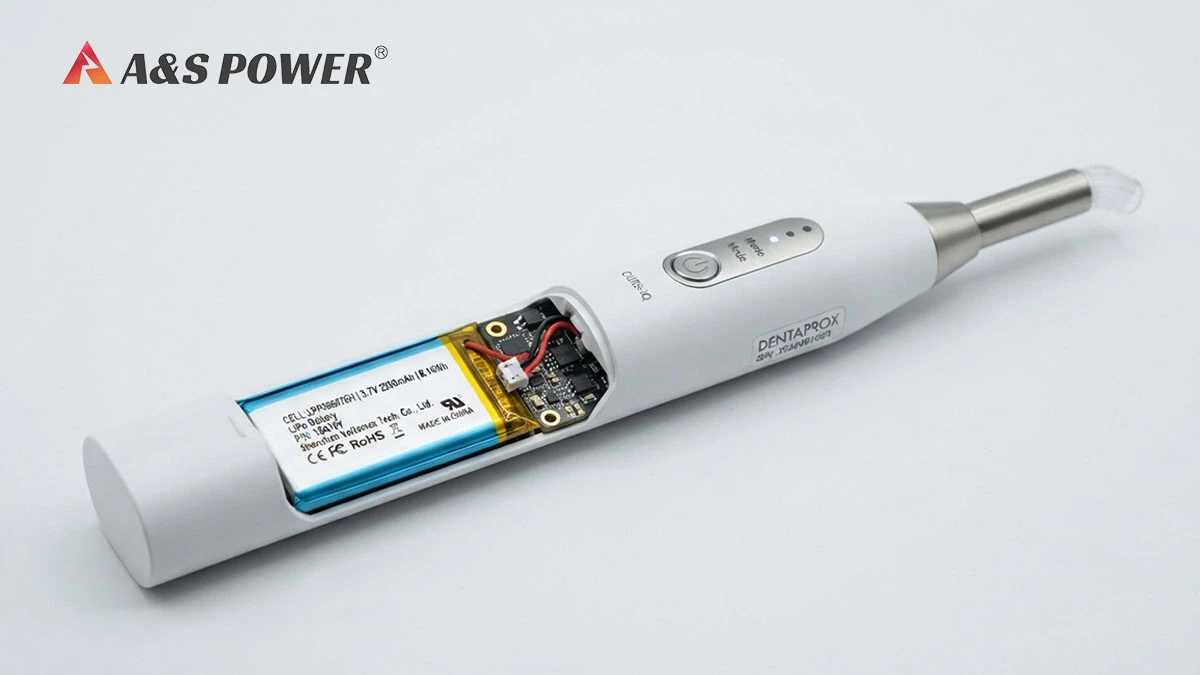 May.2026.08.04High Reliability Polymer Battery for Handheld Dental DevicesLearn More
 -
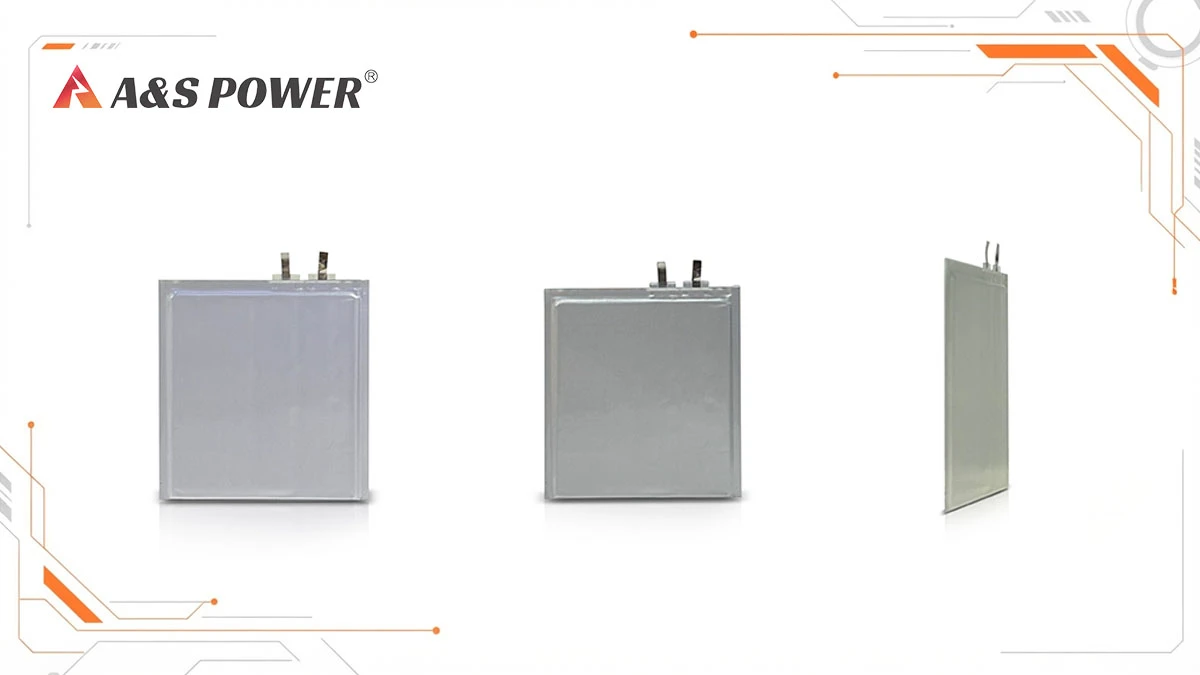 May.2026.08.04Ultra Thin Lithium Polymer Battery 0.4mm 0.5mm Custom GuideLearn More
 -
 May.2026.07.30Smoke Detector Battery Guide: Choosing the Right Battery for Reliable Fire ProtectionLearn More