




Custom Shaped LiPo Battery Pack for Smart Helmet
Quick Answer:
Introduction to Smart Helmet Battery Needs
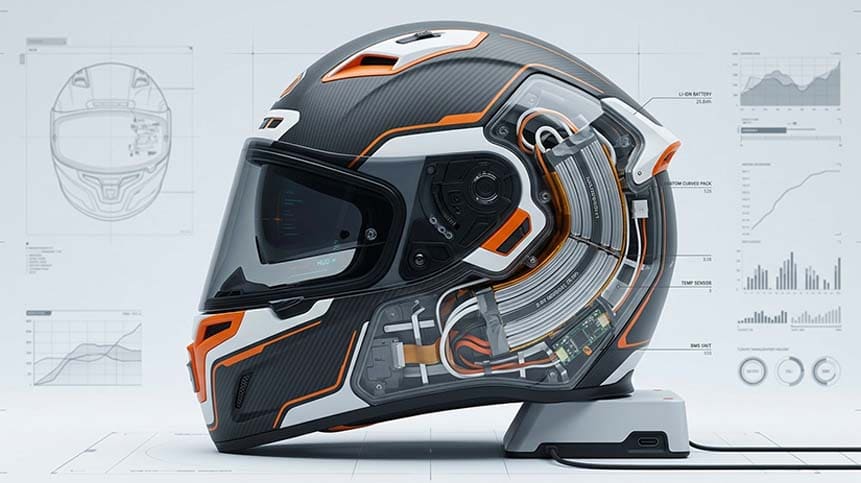
As a professional in the wearable electronics industry, I’ve seen firsthand how crucial battery design is for smart helmets. These devices integrate sensors, communication modules, and safety electronics, all demanding compact, high-performance power solutions. Custom shaped LiPo (Lithium Polymer) battery packs are increasingly popular for their adaptability, high energy density, and lightweight nature.
Why custom-shaped batteries matter:
- Maximizes helmet space without compromising comfort
- Provides balanced weight distribution for user safety
- Supports advanced electronics including HUD displays, cameras, and connectivity modules
Understanding LiPo Technology for Smart Helmets
What Makes LiPo Batteries Ideal?
LiPo batteries are favored for smart helmets due to:
- Flexible Form Factor: Can be molded into curves matching helmet interiors
- High Energy Density: Provides long-lasting power for extended rides
- Lightweight Construction: Essential for comfort and safety
- Fast Charging Capability: Reduces downtime between usage
| Feature | Standard Li-ion | LiPo Custom Shaped | Benefit for Smart Helmets |
|---|---|---|---|
| Energy Density | 150–200 Wh/kg | 180–250 Wh/kg | Longer usage without increasing weight |
| Flexibility | Rigid | Flexible/customizable | Fits curved helmet interiors |
| Weight | Moderate | Lightweight | Improves wearability and comfort |
| Safety | Moderate | Enhanced with PCB & safety circuits | Reduces risk of overheating & short-circuit |
| Charging Speed | Standard | Fast-charge options | Supports on-the-go usage |
Safety and Certification Standards
For wearable electronics like smart helmets, compliance with safety standards is non-negotiable. Common certifications include:
- UL1642 / UL2054: Ensures battery pack safety for lithium cells
- IEC62133: International standard for rechargeable batteries
- UN38.3: Certification for safe transport
- RoHS / CE Compliance: Environmentally safe and approved for Europe
As a manufacturer, I always prioritize integrating these safety standards into our custom packs to ensure both reliability and compliance.
Designing a Custom Shaped LiPo Battery Pack
Steps in the Design Process
- Helmet Assessment: Measuring the available volume and identifying mounting points
- Capacity Planning: Determining required mAh based on electronics load and expected usage
- Cell Configuration: Series vs. parallel cell arrangement for desired voltage and capacity
- Thermal Management: Incorporating heat dissipation solutions to prevent overheating
- Safety Circuit Integration: PCB, overcharge, over-discharge, and short-circuit protection
Voltage, Capacity, and Runtime Considerations
For smart helmets, typical electronics include Bluetooth, GPS, cameras, and safety sensors. The following table shows a guideline:
| Electronics Load | Voltage (V) | Capacity (mAh) | Estimated Runtime |
|---|---|---|---|
| Bluetooth Module | 3.7 | 300 | 10–12 hours |
| GPS Tracker | 3.7 | 500 | 6–8 hours |
| Helmet Camera | 7.4 | 1200 | 2–3 hours |
| Combined Smart Helmet | 7.4 | 2000–3000 | 4–6 hours |
Integration with Smart Helmet Systems
Physical Integration Tips
- Place batteries in padded compartments to prevent damage
- Ensure weight distribution does not compromise helmet balance
- Use modular connectors for easy removal and replacement
Electrical Integration Tips
- Match output voltage with helmet electronics requirements
- Implement voltage regulators for sensitive modules
- Include low-voltage alerts to protect battery longevity
Benefits of Custom Shaped LiPo Batteries
Comfort and Ergonomics
Custom-shaped batteries conform to helmet geometry, providing:
- Better fit and weight distribution
- Reduced neck strain during long rides
- Improved airflow inside the helmet
Performance and Reliability
- Longer continuous operation due to higher capacity
- Stable power supply to all electronics
- Minimal risk of battery damage due to vibration and shock
Choosing the Right Manufacturer
Key considerations:
- Proven experience in custom LiPo pack manufacturing
- Compliance with international safety standards
- Ability to produce flexible form factors without sacrificing energy density
- Transparent testing and quality assurance processes
I always recommend manufacturers with EEAT credibility, as reliability directly affects user safety.
Data-Driven Insights
Market Trends
- Smart helmet adoption is growing at 12% CAGR (2023–2030)
- 85% of smart helmet users prefer integrated, lightweight battery solutions
- Increasing demand for modular, swappable battery designs
Case Study
A leading European helmet brand integrated a 7.4V 2000mAh custom LiPo battery pack:
- Runtime increased by 30%
- Weight reduced by 15%
- Customer satisfaction improved significantly
Why Work With A&S Power for Smart Helmet Battery Projects?
At A&S Power, we specializein designing and manufacturing custom lithium-ion and lithium polymer battery solutions for wearable electronics, smart safety equipment, GPS devices, communication systems, and other portable applications. Our engineering team works closely with customers from the early design stage to mass production, helping reduce development risks and accelerate product launches.
Developing a smart helmet is far more complex than simply selecting a battery with the right voltage and capacity. The battery must fit within limited internal space, maintain rider comfort, meet safety requirements, and deliver reliable performance under vibration, temperature fluctuations, and daily use.
Custom-Shaped Battery Design Expertise
Smart helmets often require batteries that fit into curved or irregular spaces inside the helmet shell. Standard battery sizes rarely utilize available space efficiently.
Our team can develop:
- Curved LiPo battery packs
- Arc-shaped battery solutions
- Ultra-thin battery packs
- Semi-flexible battery configurations
- Custom dimensions based on helmet CAD drawings
- Multi-cell battery assemblies for higher capacity requirements
By optimizing battery geometry, we help maximize runtime while maintaining a comfortable and balanced helmet design.
International Certifications for Global Markets
For customers targeting North America, Europe, Asia, and other international markets, certification readiness is essential.
A&S Power supports battery solutions compliant with:
| Certification | Purpose |
|---|---|
| UL1642 | Lithium cell safety |
| UL2054 | Battery pack safety |
| IEC62133 | International rechargeable battery standard |
| UN38.3 | Transportation compliance |
| CE | European market compliance |
| RoHS | Environmental compliance |
| CB Scheme | Global certification support |
| KC | South Korea market access |
These certifications help simplify product approvals and reduce time-to-market.
Partner with A&S Power
If you are developing a next-generation smart helmet and need a battery solution that balances safety, runtime, weight, and design flexibility, A&S Power can provide customized support from concept to mass production.
Our goal is not simply to supply batteries—we help customers create reliable power systems that enhance product performance, user experience, and long-term market success.
Need a custom smart helmet battery solution? Contact A&S Power to discuss your project requirements, battery specifications, certification needs, and production goals.
Conclusion
Custom shaped LiPo battery packs are revolutionizing smart helmet design, providing the perfect combination of power, safety, and comfort. By leveraging high energy density, modular design, and safety compliance, we can create wearable solutions that meet modern demands for connected, intelligent helmets.
FAQ
Q1: Can a LiPo battery be shaped to any helmet design?
Yes, LiPo technology allows flexible cell packaging. However, the design must ensure proper thermal management and electrical safety.
Q2: How long can a smart helmet run on a single charge?
Depending on electronics load and battery capacity, runtimes range from 2–12 hours. Combining modules optimally can extend usage.
Q3: Are custom LiPo battery packs safe for wearables?
Absolutely, if manufactured according to UL, IEC, and UN standards with integrated safety PCBs.
Q4: Can the battery be replaceable?
Yes, modular connectors allow battery swaps without dismantling the helmet, ensuring extended product life.
Q5: How do I maintain my custom LiPo battery?
Store at room temperature, avoid overcharging or deep discharge, and inspect periodically for physical damage.
-

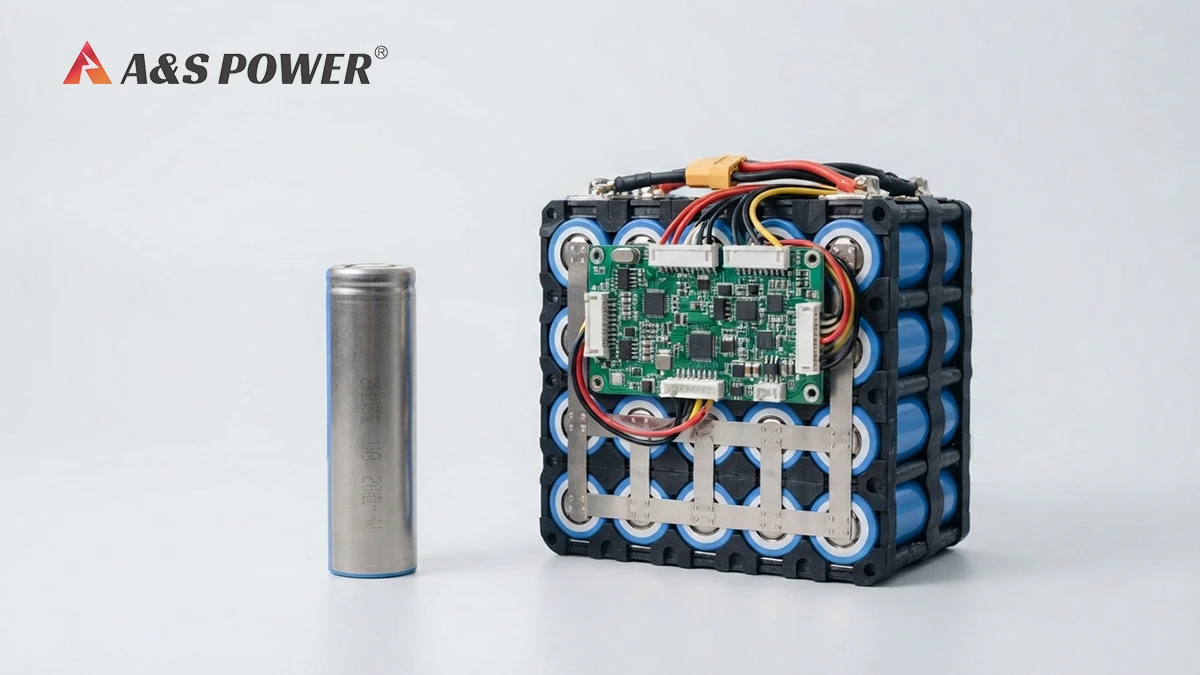 May.2026.08.0521700 Battery Pack with BMS: Design, Safety and Custom SolutionsLearn More
 -
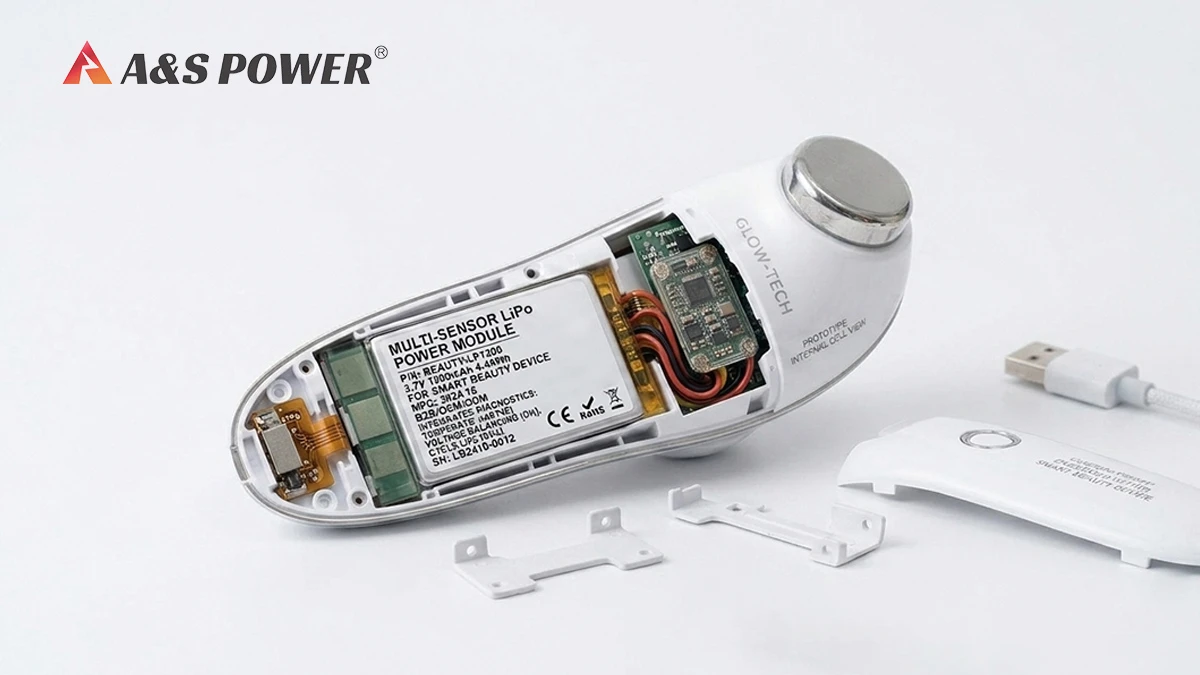 May.2026.08.04Smart Beauty Equipment Battery Pack ManufacturerLearn More
 -
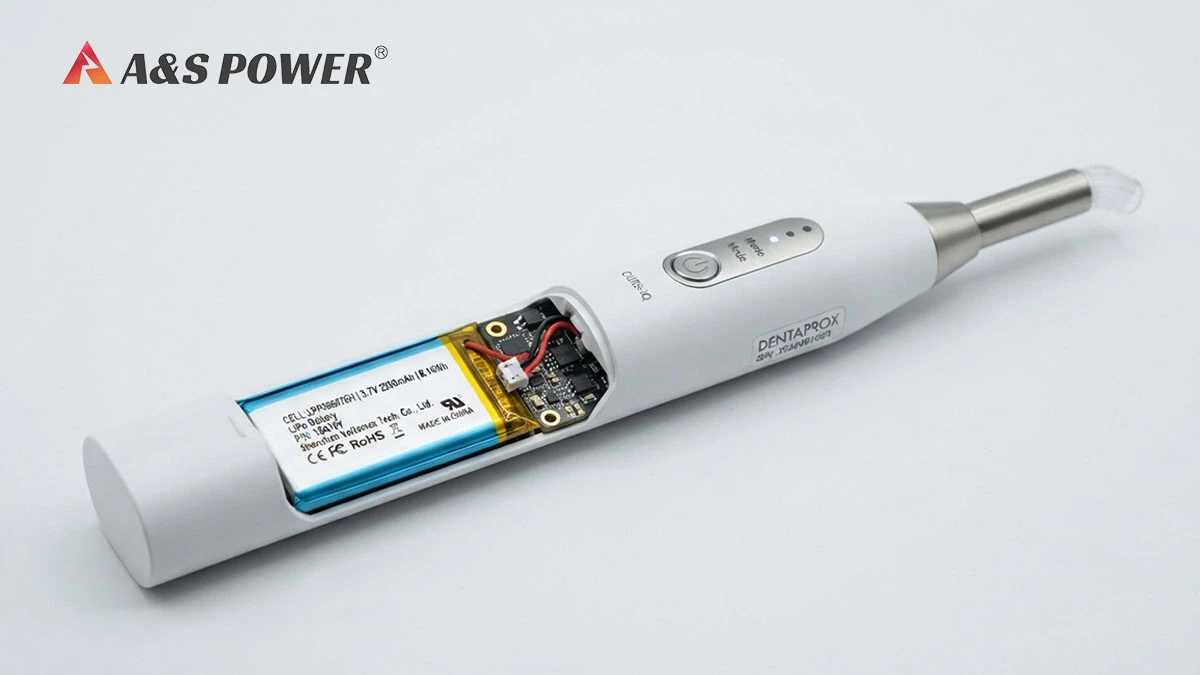 May.2026.08.04High Reliability Polymer Battery for Handheld Dental DevicesLearn More
 -
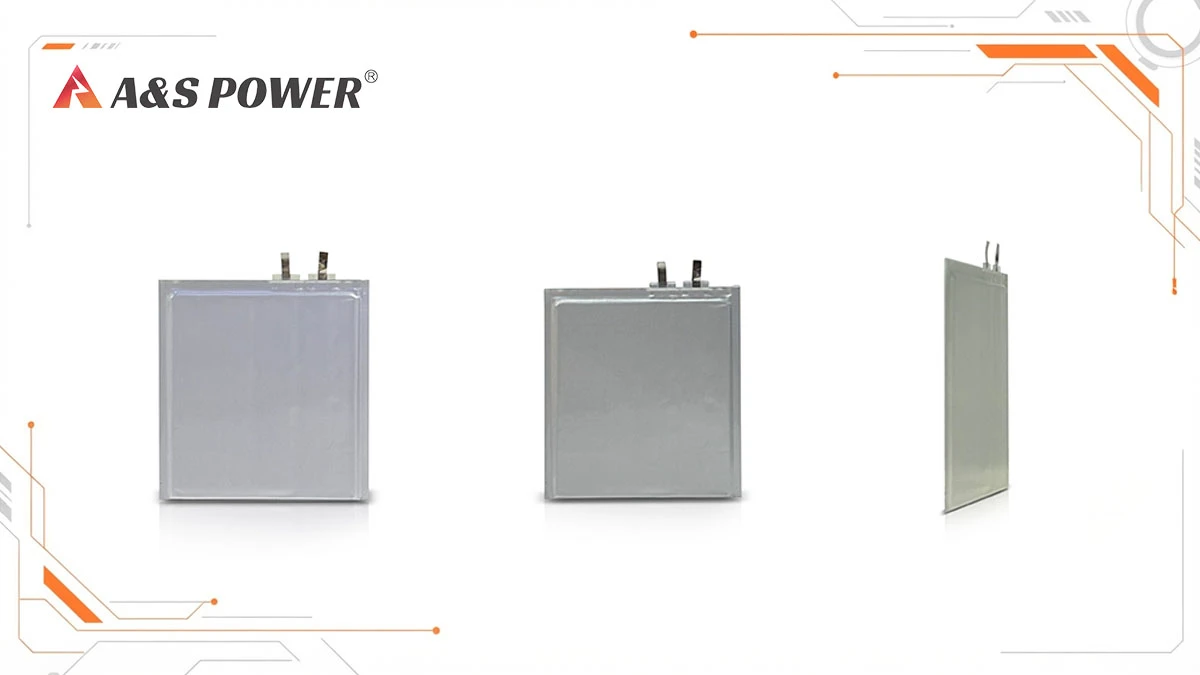 May.2026.08.04Ultra Thin Lithium Polymer Battery 0.4mm 0.5mm Custom GuideLearn More
 -
 May.2026.07.30Smoke Detector Battery Guide: Choosing the Right Battery for Reliable Fire ProtectionLearn More