




Custom Lithium Polymer Battery Manufacturer: Complete OEM Guide 2026
Quick Answer:
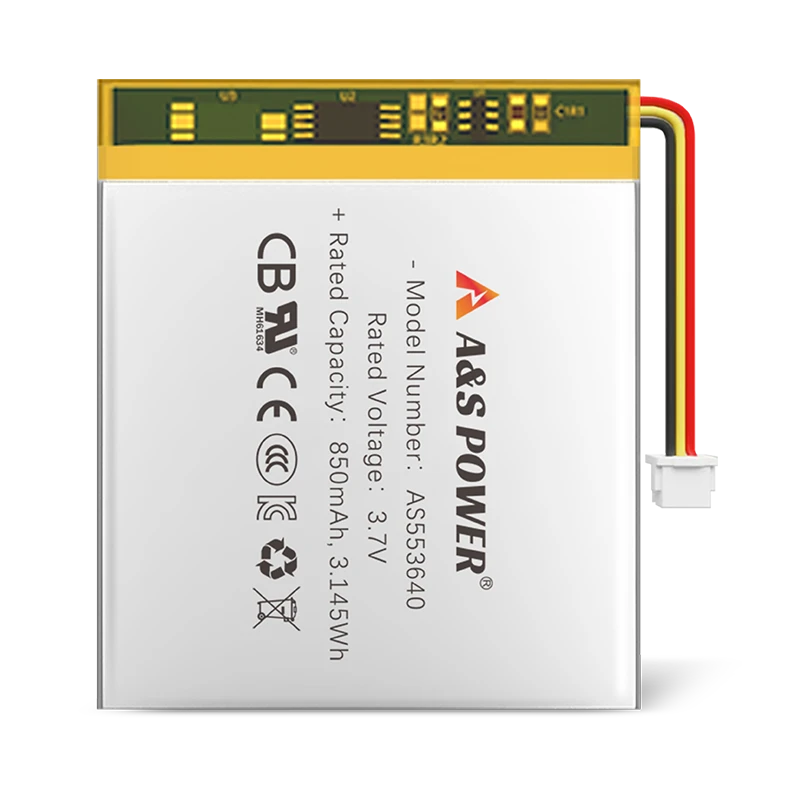
A custom lithium polymer battery manufacturer designs and produces rechargeable LiPo batteries tailored to specific product requirements. Unlike standard batteries, custom lithium polymer batteries can be optimized for size, shape, voltage, capacity, discharge rate, connectors, protection circuits, and certifications. They are widely used in medical devices, wearable electronics, IoT equipment, barcode scanners, POS terminals, GPS trackers, smart helmets, drones, and industrial electronics.
Choosing an experienced manufacturer helps ensure battery safety, longer cycle life, regulatory compliance, and reliable long-term supply.
Introduction
As electronic devices continue becoming smaller, lighter, and more power-intensive, battery customization has become a critical factor in product development.
In our experience working with OEMs and product developers, one of the most common challenges is finding a battery that fits both the physical space and performance requirements of a device. Standard off-the-shelf batteries often fail to meet these demands.
This is where a custom lithium polymer battery manufacturer plays an essential role.
Lithium polymer (LiPo) batteries offer exceptional design flexibility, high energy density, lightweight construction, and customizable form factors. These advantages have made them one of the most widely used rechargeable battery technologies in modern electronics.
This guide explains everything buyers, engineers, and procurement teams need to know about custom lithium polymer battery manufacturing, from design and production to certifications and supplier evaluation.
What Is a Custom Lithium Polymer Battery?
A custom lithium polymer battery is a rechargeable battery specifically engineered to meet unique device requirements.
Customization may involve:
- Battery dimensions
- Capacity
- Voltage
- Cell chemistry
- Connector type
- Wire length
- PCM/BMS protection circuit
- Housing design
- Charging specifications
- Certification requirements
Unlike standardized battery packs, custom solutions maximize available space and optimize product performance.
Why Manufacturers Choose Lithium Polymer Batteries
Lithium polymer batteries have become the preferred power solution for many modern electronic products.
Flexible Form Factors
LiPo batteries can be manufactured in ultra-thin, curved, square, rectangular, or custom-shaped designs.
This flexibility allows engineers to maximize internal product space.
High Energy Density
Compared with older battery technologies such as NiMH or NiCd, lithium polymer batteries store significantly more energy per unit volume.
Lightweight Construction
The polymer electrolyte structure helps reduce battery weight, making LiPo batteries ideal for portable products.
Low Self-Discharge
LiPo batteries maintain stored energy effectively during periods of inactivity.
Rechargeability
Many high-quality LiPo batteries achieve:
- 500–1000+ charge cycles
- Stable voltage output
- Consistent performance over time
Global Market Demand for Custom Lithium Polymer Batteries
The demand for custom rechargeable batteries continues growing due to expanding applications in:
- Medical electronics
- Consumer electronics
- Wearable devices
- IoT products
- Smart home systems
- Robotics
- Industrial monitoring equipment
- GPS tracking devices
- Portable healthcare devices
Battery Market Growth Drivers
| Driver | Impact |
|---|---|
| IoT Expansion | Increased demand for compact batteries |
| Wearable Technology | Need for ultra-thin battery designs |
| Medical Devices | Higher safety and reliability requirements |
| Portable Electronics | Longer runtime expectations |
| Industrial Automation | Custom battery integration needs |
| Smart Products | Greater battery customization |
Custom Lithium Polymer Battery Design Process
A professional battery manufacturer typically follows a structured engineering process.

Step 1: Project Requirement Analysis
The engineering team evaluates:
- Device power consumption
- Operating voltage
- Runtime requirements
- Charging method
- Safety requirements
- Installation space
Step 2: Cell Selection
Appropriate battery cells are selected based on:
- Capacity targets
- Discharge current
- Cycle life
- Temperature requirements
Step 3: Battery Pack Design
Engineers design:
- Cell arrangement
- Protection circuit
- Connector solution
- Wire harness
- Mechanical packaging
Step 4: Prototype Development
Sample batteries are produced for testing.
Step 5: Testing & Validation
Testing includes:
- Capacity verification
- Cycle testing
- Drop testing
- Vibration testing
- Short-circuit testing
- Overcharge testing
Step 6: Mass Production
Once approved, production begins under quality-controlled manufacturing processes.
Key Customization Options Available
Capacity Customization
Manufacturers can customize capacities ranging from:
- 50mAh
- 100mAh
- 500mAh
- 1000mAh
- 5000mAh
- 10000mAh+
Voltage Customization
Common configurations include:
| Configuration | Nominal Voltage |
|---|---|
| 1S | 3.7V |
| 2S | 7.4V |
| 3S | 11.1V |
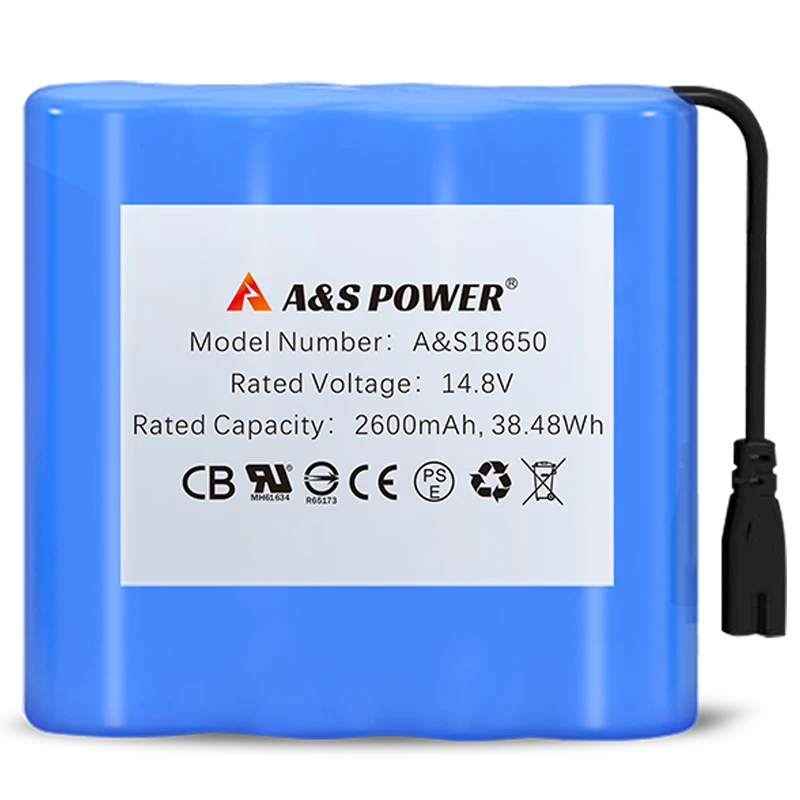
| 4S | 14.8V |
| 6S | 22.2V |
Shape Customization
Options include:
- Ultra-thin batteries
- Curved batteries
- Square batteries
- Long strip batteries
- Custom molded shapes
Connector Customization
Examples include:
- JST
- Molex
- Hirose
- PH
- XH
- Custom connectors
Applications of Custom Lithium Polymer Batteries
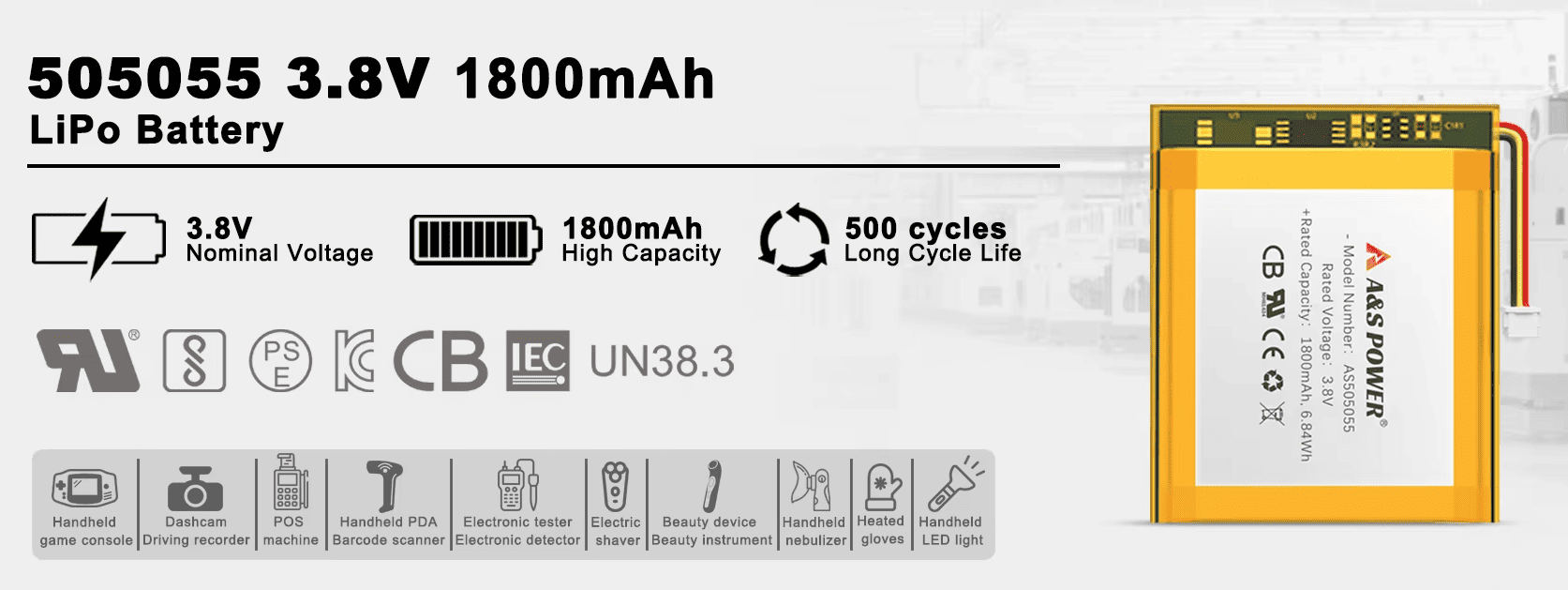
Medical Devices
Applications include:
- Portable monitors
- Infusion pumps
- Wearable medical sensors
- Breast pumps
- Hearing devices
Medical applications require:
- IEC62133 compliance
- High reliability
- Stable performance
Wearable Electronics
Examples include:
- Smart watches
- Fitness trackers
- Smart glasses
- Smart rings
These products often require ultra-thin battery solutions.
Barcode Scanners and POS Terminals
Industrial handheld devices demand:
- Long runtime
- Fast charging
- High durability
Custom battery packs provide optimized performance for daily commercial use.
GPS Tracking Devices
Requirements include:
- Compact size
- Extended standby time
- Reliable operation
Smart Helmets
Modern smart helmets integrate:
- Cameras
- Bluetooth
- Communication systems
- Sensors
Custom-shaped LiPo batteries maximize internal space utilization.
Safety Standards and Certifications
Certification is critical for market access and transportation.
Common Certifications
| Certification | Purpose |
|---|---|
| UN38.3 | Transportation compliance |
| IEC62133 | Battery safety |
| CE | European market compliance |
| CB | International safety verification |
| RoHS | Environmental compliance |
| KC | South Korea certification |
| PSE | Japan certification |
| BIS | India certification |
| UL2054 | Battery pack safety |
| UL1642 | Cell safety |
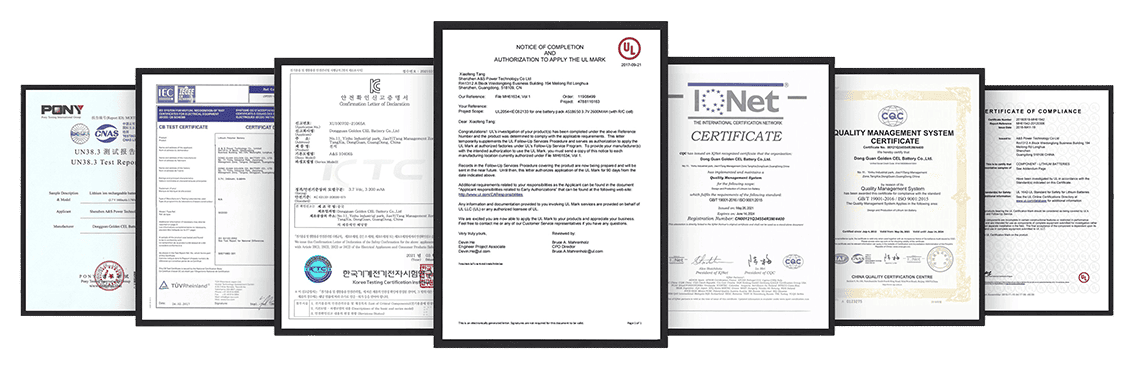
Manufacturers should provide certification reports upon request.
How Lithium Polymer Batteries Are Manufactured
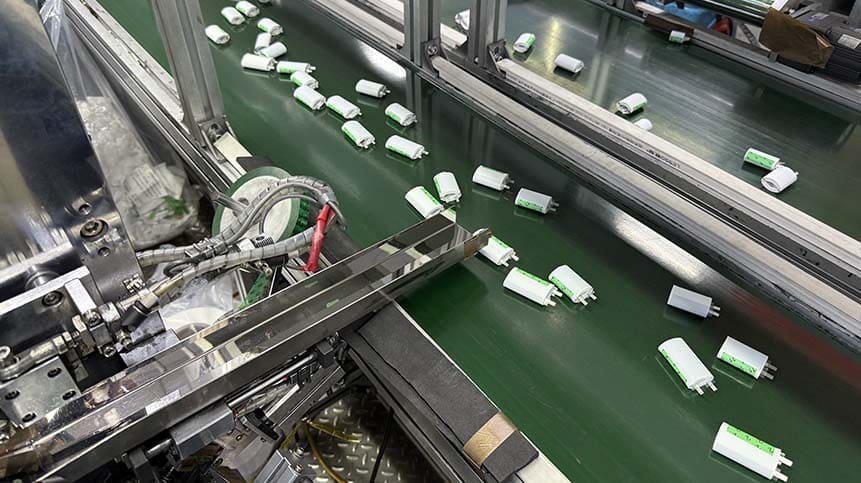
A reliable lithium polymer battery manufacturer typically follows strict production procedures.
Cell Manufacturing
The process includes:
- Electrode coating
- Cell stacking
- Electrolyte filling
- Formation charging
Battery Pack Assembly
Components assembled include:
- Cells
- PCM/BMS
- Connectors
- Wires
- Protective materials
Quality Control
Multiple inspections occur during production.
Typical Quality Tests
| Test Item | Purpose |
|---|---|
| Capacity Test | Verify energy output |
| Internal Resistance | Evaluate efficiency |
| Cycle Life Test | Assess longevity |
| Vibration Test | Transportation durability |
| Drop Test | Impact resistance |
| Aging Test | Long-term stability |
How to Choose the Right Custom Lithium Polymer Battery Manufacturer
Not all suppliers provide the same level of expertise.
Engineering Capability
Look for manufacturers with:
- Dedicated R&D teams
- Custom design experience
- Application engineering support
Manufacturing Experience
Consider suppliers with:
- 10+ years of battery manufacturing experience
- Proven OEM/ODM projects
- Global export history
Certification Support
Ensure the supplier can assist with:
- UN38.3
- IEC62133
- UL2054
- CE
- CB
Production Capacity
Verify:
- Monthly output
- Lead times
- Scalability
Quality Systems
Look for:
- ISO9001
- Incoming material inspection
- Production traceability
Why Work With A&S Power for Custom Lithium Polymer Battery Projects
At A&S Power, we specialize in custom lithium polymer battery development for OEM and industrial applications.
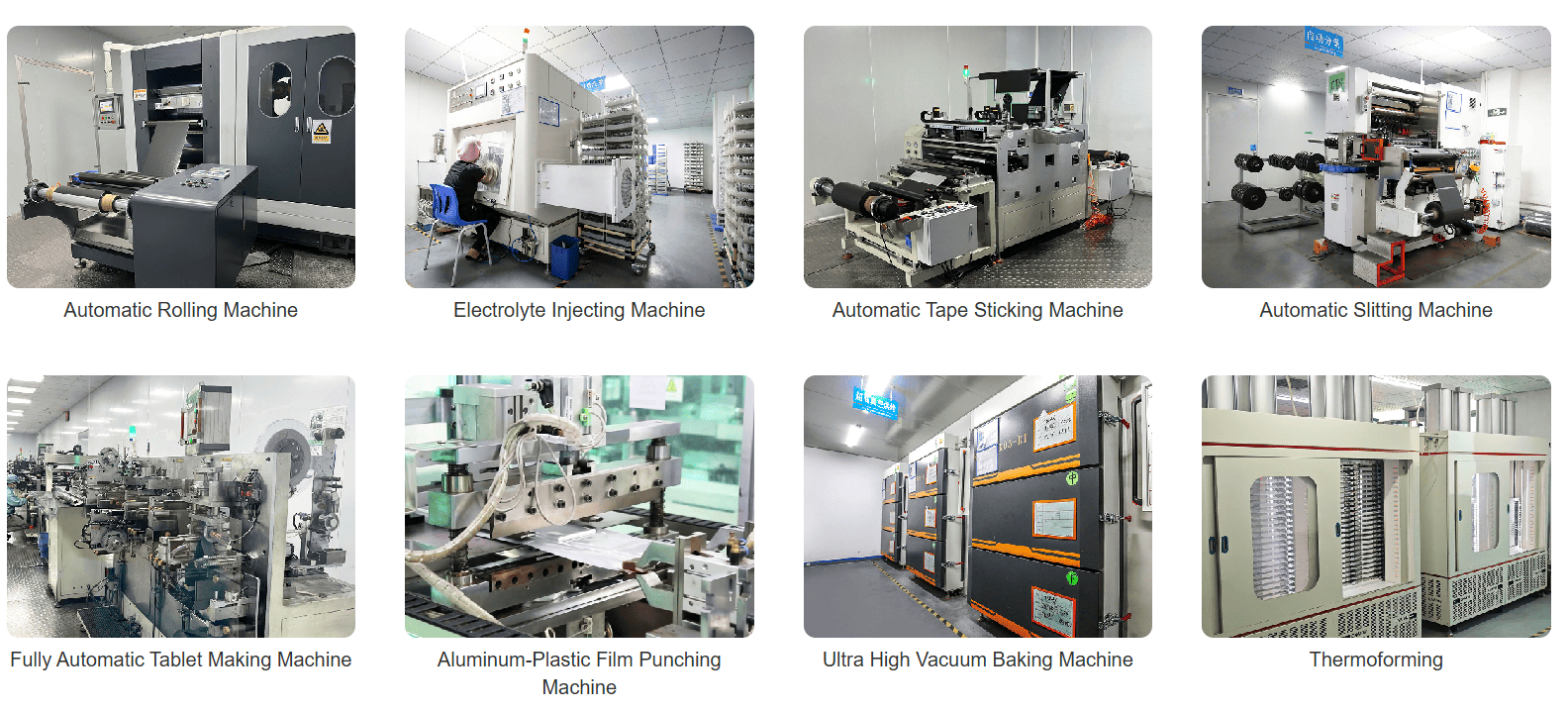
Our capabilities include:
- More than 15 years of battery manufacturing experience
- Custom LiPo battery design
- OEM and ODM services
- Ultra-thin battery solutions
- Smart wearable battery development
- Medical device battery solutions
- GPS tracker battery packs
- Barcode scanner batteries
- POS terminal battery packs
We support global customers with:
- Engineering consultation
- Rapid prototyping
- Certification assistance
- Flexible production volumes
- International shipping compliance
Whether you need a small prototype batch or large-scale production, our engineering team can help develop the right battery solution for your application.
Need a custom Lithium battery solution? Contact A&S Power to discuss your project requirements, battery specifications, certification needs, and production goals.
Future Trends in Custom Lithium Polymer Battery Manufacturing
Several trends are shaping the battery industry:
Higher Energy Density
Manufacturers continue improving runtime while maintaining compact dimensions.
Faster Charging
Advanced charging technologies are reducing charging times.
Smarter Battery Management
Integrated BMS solutions improve:
- Safety
- Battery life
- Performance monitoring
Sustainable Manufacturing
Manufacturers increasingly focus on:
- Material recycling
- Environmental compliance
- Carbon reduction initiatives
Conclusion
Custom lithium polymer batteries have become essential for modern electronic devices that require optimized size, weight, and performance.
Selecting an experienced custom lithium polymer battery manufacturer ensures not only product reliability but also compliance with international safety standards, stable supply chains, and long-term technical support.
As wearable devices, medical equipment, IoT products, and industrial electronics continue evolving, demand for customized battery solutions will only increase. Working with a knowledgeable manufacturing partner can significantly improve product performance and accelerate time-to-market.
FAQ
What does a custom lithium polymer battery manufacturer do?
A custom lithium polymer battery manufacturer designs and produces rechargeable batteries tailored to specific product requirements, including size, voltage, capacity, connectors, and protection circuitry.
How long does it take to develop a custom LiPo battery?
Prototype development typically takes 1–4 weeks, while full production may require several additional weeks depending on complexity and certification requirements.
Are custom lithium polymer batteries safe?
Yes. When designed and manufactured correctly with appropriate protection circuits and certifications, lithium polymer batteries are highly safe and reliable.
What certifications are required for lithium polymer batteries?
Common certifications include UN38.3, IEC62133, CE, CB, RoHS, KC, PSE, BIS, UL1642, and UL2054.
What industries use custom lithium polymer batteries?
Medical devices, wearables, IoT products, barcode scanners, POS terminals, GPS trackers, smart helmets, robotics, and industrial electronics commonly use custom LiPo batteries.
How do I choose the best lithium polymer battery manufacturer?
Evaluate engineering expertise, manufacturing experience, certifications, quality systems, customization capability, and long-term production capacity before selecting a supplier.
-

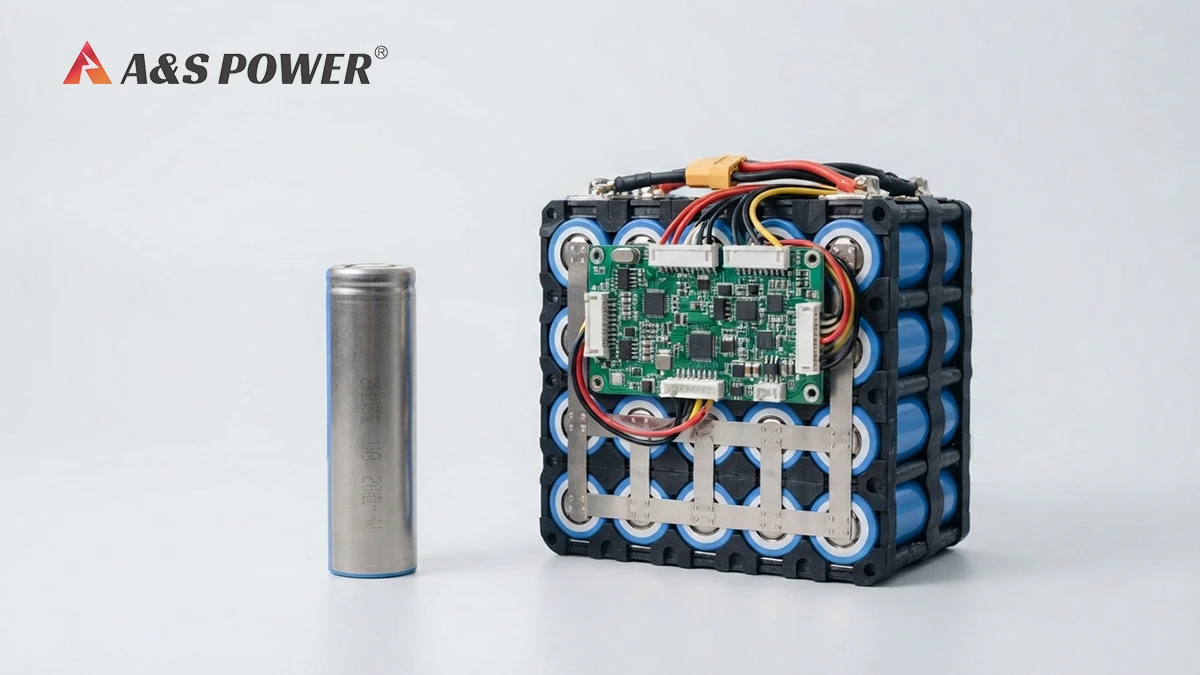 May.2026.08.0521700 Battery Pack with BMS: Design, Safety and Custom SolutionsLearn More
 -
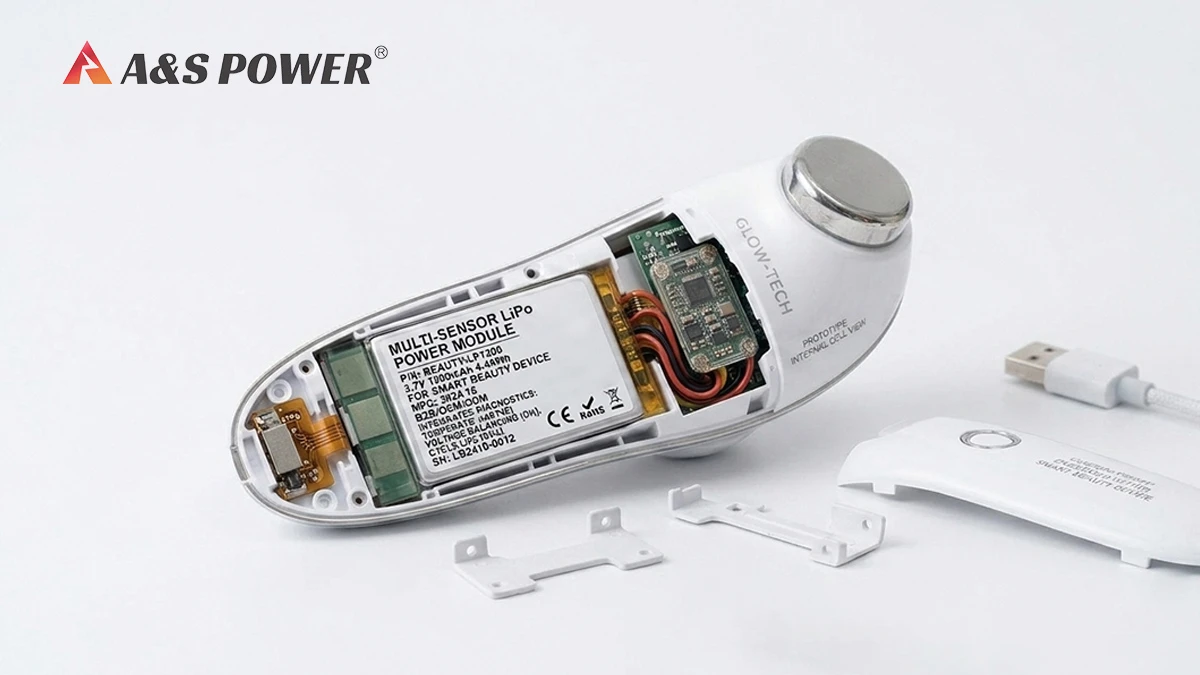 May.2026.08.04Smart Beauty Equipment Battery Pack ManufacturerLearn More
 -
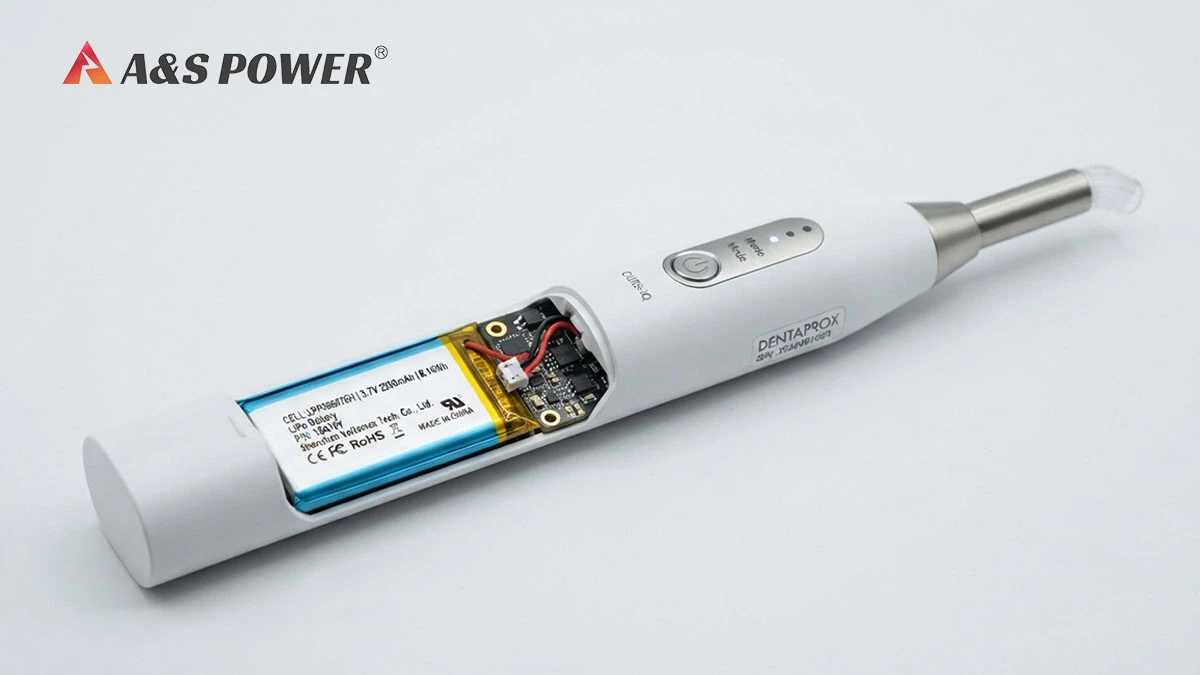 May.2026.08.04High Reliability Polymer Battery for Handheld Dental DevicesLearn More
 -
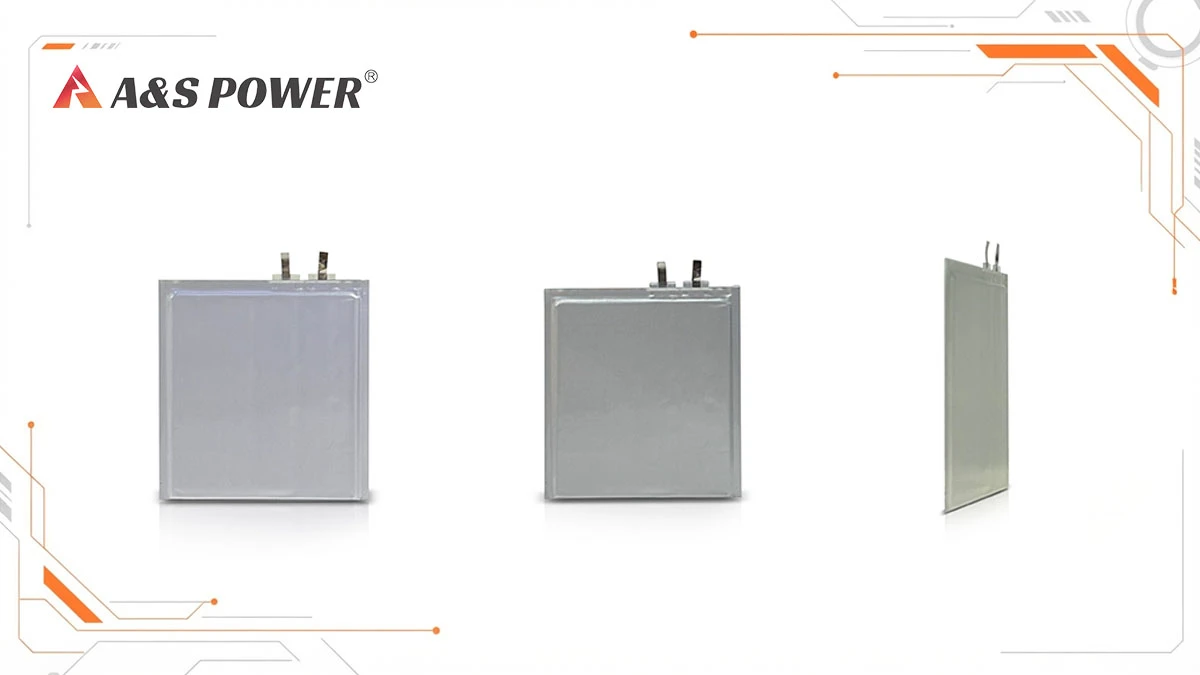 May.2026.08.04Ultra Thin Lithium Polymer Battery 0.4mm 0.5mm Custom GuideLearn More
 -
 May.2026.07.30Smoke Detector Battery Guide: Choosing the Right Battery for Reliable Fire ProtectionLearn More