




IEC62133 Certified Custom LiPo Battery Manufacturer Guide
Quick Answer:
An IEC62133 certified custom LiPo battery is a lithium polymer battery or battery pack that has passed internationally recognized safety tests defined by IEC 62133. The certification verifies that the battery meets stringent requirements for electrical, mechanical, thermal, and environmental safety. For OEM manufacturers in medical devices, consumer electronics, IoT equipment, industrial instruments, and wearable products, choosing an IEC62133 certified custom battery significantly reduces compliance risks, improves market access, and enhances product reliability.
What is an IEC62133 certified custom LiPo battery?
An IEC62133 certified custom LiPo battery is a rechargeable lithium polymer battery designed for a specific application and tested according to IEC62133 safety requirements for electrical, mechanical, and thermal protection.
Why is IEC62133 important for OEM products?
IEC62133 helps manufacturers demonstrate battery safety, simplify compliance procedures, improve product reliability, and support access to international markets.
Can a custom battery be certified?
Yes. A custom battery pack can receive IEC62133 certification if the final design successfully passes all required safety tests.
What certifications should accompany IEC62133?
Most OEM projects also require:
- UN38.3
- CB
- CE
- UL1642
- UL2054
- KC
- PSE
- BIS
depending on the target market.
How do I select a certified battery manufacturer?
Choose a supplier with:
- Proven certification experience
- Strong engineering capabilities
- Complete testing documentation
- Robust quality control systems
- Long-term OEM project experience
Introduction
As lithium-ion technology becomes the dominant power source for portable electronics, safety certification has become a critical requirement rather than an optional advantage. Product developers today face increasing regulatory pressure from import authorities, retailers, testing laboratories, and end users.
Among all international battery safety standards, IEC 62133 has become one of the most widely accepted certifications for rechargeable lithium batteries.
Whether you are designing a medical monitoring device, smart wearable, GPS tracker, industrial sensor, handheld scanner, or consumer electronic product, selecting an IEC62133 certified custom LiPo battery can dramatically simplify product certification and market entry.
In our experience working with OEM and ODM projects, many engineers focus primarily on battery capacity, dimensions, and cycle life. However, safety compliance often becomes the deciding factor during mass production and international distribution.
This guide explains everything buyers, engineers, and procurement teams need to know about IEC62133 certified custom lithium polymer batteries.
What Is IEC62133 Certification?
IEC 62133 is an international safety standard developed by the International Electrotechnical Commission (IEC).
The standard specifies safety requirements and testing procedures for portable sealed secondary cells and batteries containing alkaline or non-acid electrolytes.
The latest version currently adopted by most testing laboratories is:
IEC 62133-2:2017
This standard specifically applies to rechargeable lithium-ion and lithium polymer batteries.
Its primary purpose is to ensure batteries can operate safely under normal use and foreseeable misuse conditions.
The certification evaluates battery performance under various stress conditions including:
- Overcharge
- External short circuit
- Forced discharge
- Thermal abuse
- Vibration
- Mechanical shock
- Crush resistance
- Temperature cycling
- Drop testing
Manufacturers that obtain IEC62133 certification demonstrate that their battery designs meet internationally recognized safety requirements.
Why IEC62133 Certification Matters for Custom LiPo Batteries
Custom battery projects present unique challenges.
Unlike standard off-the-shelf batteries, custom lithium polymer batteries often feature:
- Unique dimensions
- Customized capacity
- Special connectors
- Integrated PCM/BMS
- Customized cable assemblies
- Application-specific charging profiles
Every modification introduces potential safety risks.
IEC62133 certification helps mitigate those risks through standardized validation procedures.
Key Benefits
| Benefit | Description |
|---|---|
| Improved Safety | Reduces risk of overheating, fire, and failure |
| Easier Product Certification | Supports CE, CB, UKCA, KC, PSE, BIS approvals |
| Global Market Access | Widely recognized internationally |
| Reduced Liability | Demonstrates compliance with industry standards |
| Higher Customer Confidence | Enhances brand credibility |
| OEM Qualification Advantage | Preferred by major electronics brands |
For many OEM projects, battery certification becomes a mandatory procurement requirement.
Without proper certification, product launches can face delays, failed compliance audits, or import restrictions.
Understanding IEC62133-2 Testing Requirements
IEC62133 certification involves a comprehensive series of safety evaluations.
Below are some of the most important tests performed by accredited laboratories.
External Short Circuit Test
The battery is intentionally short-circuited under controlled conditions.
The objective is to verify:
- No explosion
- No fire
- Controlled temperature rise
This test simulates accidental electrical faults that may occur during product use.
Overcharge Test
Overcharging remains one of the most common causes of lithium battery failure.
During testing, cells are charged beyond their specified voltage limits.
The battery must demonstrate:
- Stable operation
- No thermal runaway
- No leakage
- No fire
Mechanical Shock Test
Portable devices are frequently dropped or subjected to impact.
The shock test evaluates whether internal battery components remain intact after sudden mechanical stress.
Applications benefiting from this testing include:
- Medical devices
- Handheld scanners
- Industrial equipment
- Portable instruments
Vibration Test
Transportation and daily operation expose batteries to continuous vibration.
IEC62133 requires batteries to maintain safety and functionality during vibration exposure.
Industries that benefit include:
- Logistics tracking
- Automotive electronics
- IoT sensors
- Marine equipment
Thermal Abuse Testing
Heat is one of the biggest threats to lithium battery safety.
Thermal testing evaluates battery behavior under elevated temperatures.
Parameters examined include:
- Swelling
- Leakage
- Venting
- Fire resistance
- Structural stability
Custom LiPo Battery Design Considerations
Certification begins long before laboratory testing.
Successful IEC62133 projects start during battery design.
We typically recommend evaluating the following factors.
Cell Selection
The foundation of every custom battery pack is the cell itself.
High-quality cells provide:
- Better cycle life
- Lower internal resistance
- Consistent capacity
- Improved safety margins
Premium cell suppliers often maintain stricter manufacturing tolerances and quality control procedures.
Protection Circuit Module (PCM)
A properly designed PCM protects against:
- Overcharge
- Over-discharge
- Over-current
- Short circuit
For IEC62133 projects, the protection circuit is often as important as the battery cell itself.
Battery Management System (BMS)
For larger battery packs, a Battery Management System may be required.
Functions typically include:
- Cell balancing
- Temperature monitoring
- State-of-charge estimation
- Fault protection
Industrial and medical battery packs frequently incorporate advanced BMS designs.
Thermal Management
Heat management significantly impacts certification success.
Battery designers often integrate:
- NTC thermistors
- Thermal barriers
- Heat-dissipation materials
- Protective insulation
These features help maintain safe operating temperatures.
Industries Using IEC62133 Certified Custom LiPo Batteries
The demand for certified batteries continues to grow across multiple sectors.
Medical Devices
Medical equipment requires exceptional reliability.
Common applications include:
- Portable patient monitors
- Infusion pumps
- Diagnostic devices
- Hearing assistance equipment
Regulatory agencies often require documented battery safety compliance.
Consumer Electronics
Modern consumer products increasingly depend on rechargeable lithium batteries.
Examples include:
- Smart speakers
- Wireless headphones
- Tablets
- Handheld gaming devices
- Smart home controllers
IEC62133 certification provides additional assurance for manufacturers and retailers.
Wearable Technology
Wearable devices require compact batteries with high energy density.
Examples include:
- Smart watches
- Fitness trackers
- Health monitoring devices
- GPS wearables
Custom LiPo batteries remain the preferred solution because of their flexible form factors.
Industrial Equipment
Industrial environments introduce demanding operating conditions.
Certified custom batteries are commonly used in:
- Data loggers
- Wireless sensors
- Asset tracking systems
- Portable testing equipment
The combination of safety certification and customized design improves long-term reliability.
IEC62133 Certification Process for Custom LiPo Batteries
Many OEM buyers assume certification begins when the battery reaches the laboratory. In reality, successful certification starts much earlier during the engineering and validation phase.
A typical IEC62133 certification process includes the following steps:
Step 1: Define Battery Requirements
The battery manufacturer and customer determine:
- Nominal voltage
- Capacity requirements
- Maximum discharge current
- Charging parameters
- Operating temperature range
- Product dimensions
- Connector type
- Cable length
- Safety requirements
At this stage, application-specific risks should also be identified.
For example:
| Application | Key Risk Factors |
|---|---|
| Medical Device | Continuous operation reliability |
| Smart Watch | Ultra-thin design and thermal control |
| GPS Tracker | Wide temperature performance |
| Industrial Sensor | Vibration resistance |
| Consumer Electronics | High-volume production consistency |
Step 2: Battery Design and Engineering
Engineers develop the battery architecture, including:
- Cell configuration
- Protection circuitry
- PCM design
- BMS integration
- Mechanical housing
- Wire harness design
- Connector selection
A design review is typically conducted before prototype production.
Step 3: Prototype Manufacturing
Initial battery samples are produced for:
- Capacity verification
- Charging evaluation
- Cycle life testing
- Mechanical fit validation
- Thermal performance assessment
Many certification failures can be prevented by identifying issues during this phase.
Step 4: Pre-Compliance Testing
Before submitting batteries to a certified laboratory, manufacturers often perform internal testing such as:
- Short circuit testing
- Overcharge testing
- Drop testing
- Temperature cycling
- Aging tests
Pre-compliance testing reduces certification risk and minimizes project delays.
Step 5: Accredited Laboratory Testing
The battery is submitted to an accredited testing laboratory for official IEC62133 evaluation.
Testing may take several weeks depending on:
- Product complexity
- Laboratory schedule
- Number of battery models
- Required documentation
Step 6: Certification Approval
Once testing is successfully completed, the battery receives the certification report and certificate.
Manufacturers can then use the certification to support global compliance programs.
IEC62133 vs Other Battery Certifications
Many OEM buyers encounter multiple battery certifications and are unsure which are required.
The table below provides a simplified comparison.
| Standard | Primary Purpose | Market Relevance |
|---|---|---|
| IEC62133 | Battery Safety Certification | Global |
| UN38.3 | Transportation Safety | Global Shipping |
| UL1642 | Cell Safety Testing | North America |
| UL2054 | Battery Pack Safety | North America |
| CB Scheme | International Certification Acceptance | Global |
| CE Marking | EU Regulatory Compliance | Europe |
| KC Certification | Korea Market Access | South Korea |
| PSE Certification | Japan Market Access | Japan |
| BIS Registration | India Market Access | India |
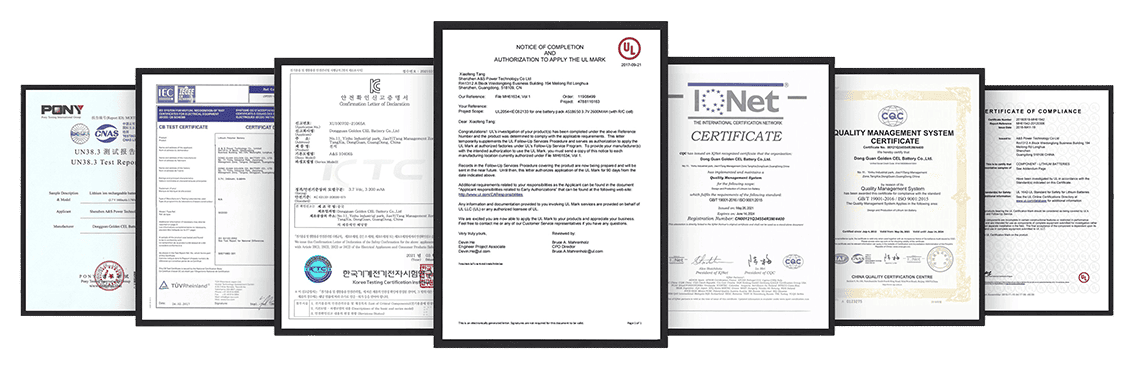
Important note:
IEC62133 does not replace UN38.3.
A battery shipped internationally generally requires both:
- IEC62133 (product safety)
- UN38.3 (transportation compliance)
Many global OEMs request both certifications simultaneously.
How to Choose an IEC62133 Certified Custom LiPo Battery Manufacturer
Selecting the right battery supplier can significantly affect product quality, certification success, and long-term reliability.
Below are the criteria we recommend evaluating.
Certification Capabilities
Ask suppliers to provide:
- IEC62133 reports
- UN38.3 reports
- CB certificates
- UL certifications
- MSDS documentation
A qualified manufacturer should be able to provide complete documentation quickly.
Engineering Support
Custom battery projects often require design modifications during development.
Look for suppliers offering:
- Mechanical design assistance
- PCM customization
- Connector recommendations
- Rapid prototyping
- Certification consultation
Strong engineering support can reduce development time significantly.
Manufacturing Experience
Battery manufacturing involves numerous safety-critical processes.
Evaluate:
- Years in business
- Production capacity
- Quality management systems
- Automation level
- OEM project history
Manufacturers with extensive custom battery experience generally provide more stable production outcomes.
Quality Control System
Ask about:
- Incoming material inspection
- Cell matching procedures
- Capacity grading
- Aging tests
- Final product inspection
A robust quality control process helps ensure consistency across production batches.
Traceability
Professional battery manufacturers maintain complete traceability records for:
- Cells
- PCM components
- Connectors
- Production batches
Traceability becomes extremely important when supporting medical, industrial, or regulated products.
Market Trends Driving Demand for IEC62133 Certified Custom LiPo Batteries
The demand for certified lithium polymer batteries continues to increase worldwide.
Several trends are driving this growth.
Growth of Wearable Electronics
Smart watches, health monitors, and fitness trackers require:
- Compact batteries
- High energy density
- Enhanced safety compliance
Custom LiPo batteries remain the preferred solution for these applications.
Expansion of IoT Devices
Billions of connected devices rely on rechargeable batteries.
Common examples include:
- Smart meters
- Asset trackers
- Environmental sensors
- Security systems
Manufacturers increasingly require certified battery solutions to reduce deployment risks.
Medical Device Innovation
Portable healthcare equipment continues to expand globally.
Medical OEMs increasingly prioritize:
- Safety documentation
- Regulatory compliance
- Reliable battery performance
IEC62133 certification supports these objectives.
Industrial Digitalization
Industrial automation and Industry 4.0 initiatives are creating demand for:
- Wireless monitoring systems
- Portable testing devices
- Remote sensors
These applications often require customized battery solutions with proven safety credentials.
Key Technical Data Buyers Should Understand
When evaluating a custom IEC62133 certified battery, buyers should review the following specifications.
| Parameter | Why It Matters |
|---|---|
| Capacity (mAh) | Determines runtime |
| Nominal Voltage | Defines system compatibility |
| Energy (Wh) | Impacts transportation classification |
| Cycle Life | Indicates long-term durability |
| Internal Resistance | Affects efficiency and heat generation |
| Charge Rate | Determines charging speed |
| Discharge Rate | Supports application load requirements |
| Operating Temperature | Defines environmental suitability |
| Certification Status | Supports compliance requirements |
A specification sheet should never be evaluated solely on capacity.
Battery safety, reliability, and certification status are equally important.
Common Mistakes OEM Buyers Make
Through years of battery project development, several recurring mistakes frequently appear.
Choosing Based Only on Price
Low-cost batteries often achieve savings through:
- Lower-grade cells
- Reduced quality control
- Inadequate testing
- Inferior protection circuits
The long-term cost of product failures can exceed any initial savings.
Ignoring Certification Requirements Early
Many companies wait until product launch preparation to consider certification.
This often causes:
- Product redesigns
- Launch delays
- Increased testing expenses
Certification planning should begin during product development.
Underestimating Thermal Design
Heat is one of the primary causes of lithium battery degradation.
Insufficient thermal management can lead to:
- Reduced cycle life
- Capacity loss
- Safety concerns
Thermal evaluation should be incorporated into every custom battery project.
Selecting Suppliers Without Engineering Resources
Custom batteries rarely remain unchanged throughout development.
Engineering support becomes essential when:
- Device dimensions change
- Power requirements increase
- Certifications evolve
- Market requirements shift
A technically capable supplier can solve these challenges more effectively.
Conclusion
IEC62133 certified custom LiPo batteries have become a critical requirement for modern OEM product development. Whether powering medical devices, wearable electronics, industrial equipment, or IoT systems, certification provides a recognized framework for battery safety, quality, and reliability.
From our perspective as a custom battery manufacturer, the most successful projects begin with compliance planning at the earliest design stage. By selecting qualified cells, implementing appropriate protection circuitry, validating thermal performance, and working with an experienced IEC62133-certified battery supplier, OEMs can reduce development risks and accelerate global market entry.
For companies seeking long-term product reliability and international compliance, an IEC62133 certified custom lithium polymer battery is not merely a certification requirement—it is an investment in product safety, brand reputation, and customer trust.
FAQ
What does IEC62133 certified mean?
IEC62133 certification confirms that a rechargeable lithium battery has passed internationally recognized safety tests covering electrical, mechanical, and thermal safety requirements.
Is IEC62133 mandatory?
The standard itself is not universally mandatory, but many countries, testing bodies, distributors, and OEM customers require compliance before accepting lithium battery products.
What is the difference between IEC62133 and UN38.3?
IEC62133 focuses on product safety during use, while UN38.3 focuses on transportation safety for lithium batteries shipped by air, sea, road, or rail.
Can custom LiPo batteries be IEC62133 certified?
Yes. Custom lithium polymer batteries can obtain IEC62133 certification provided the battery design, protection circuitry, and manufacturing process comply with the standard's requirements.
How long does IEC62133 certification take?
The timeline varies depending on battery complexity and laboratory schedules. Most projects require several weeks to a few months from sample submission to certification completion.
Which industries commonly require IEC62133 batteries?
Common industries include: Medical devices, Consumer electronics, IoT equipment, Industrial automation, Wearable technology, Communication devices, Portable instrumentation.
Does IEC62133 improve battery safety?
Yes. The certification process verifies battery performance under conditions such as overcharging, short circuits, vibration, impact, and thermal stress, helping reduce safety risks.
-

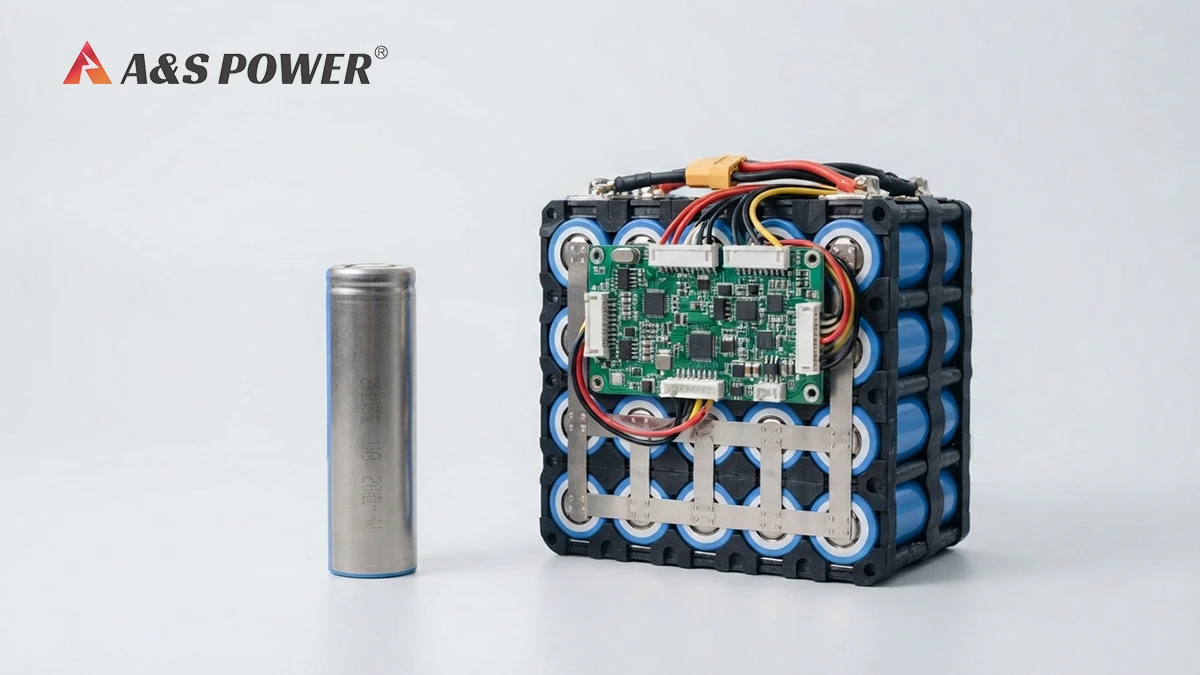 May.2026.08.0521700 Battery Pack with BMS: Design, Safety and Custom SolutionsLearn More
 -
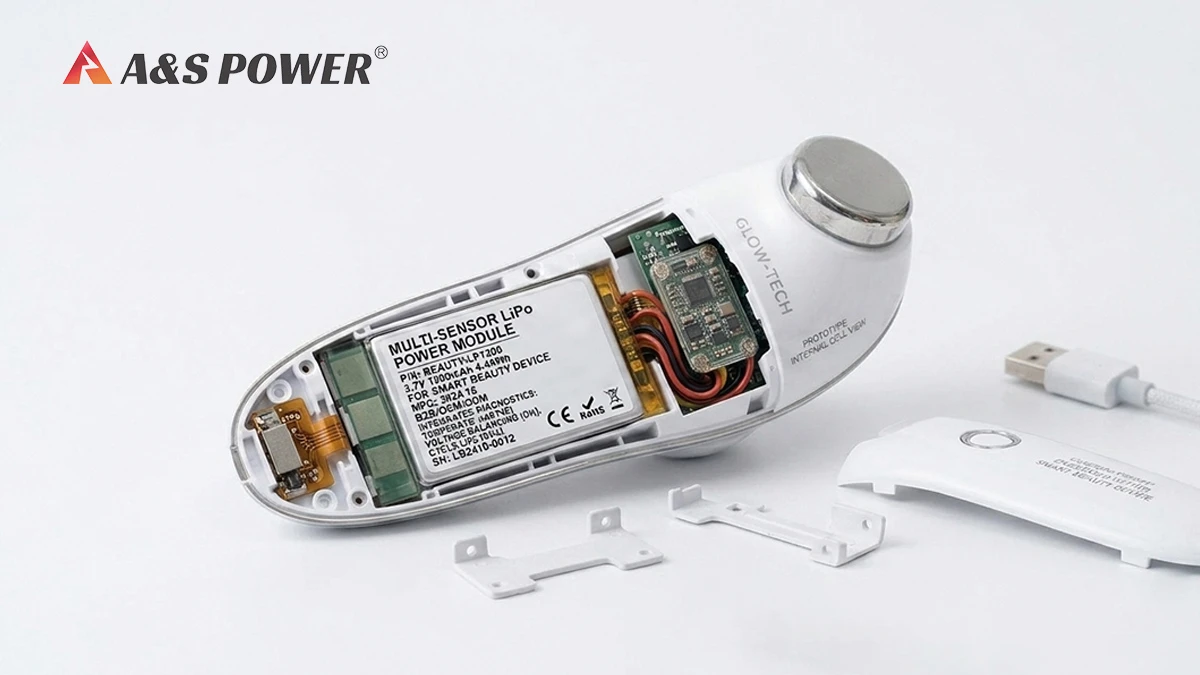 May.2026.08.04Smart Beauty Equipment Battery Pack ManufacturerLearn More
 -
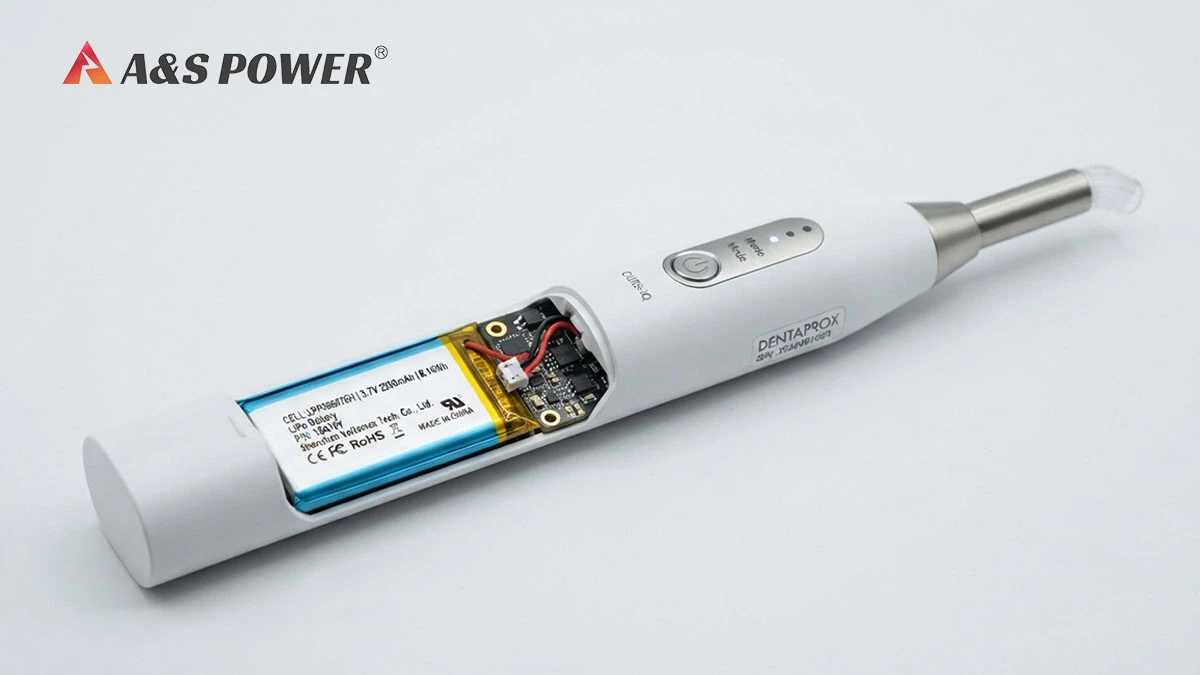 May.2026.08.04High Reliability Polymer Battery for Handheld Dental DevicesLearn More
 -
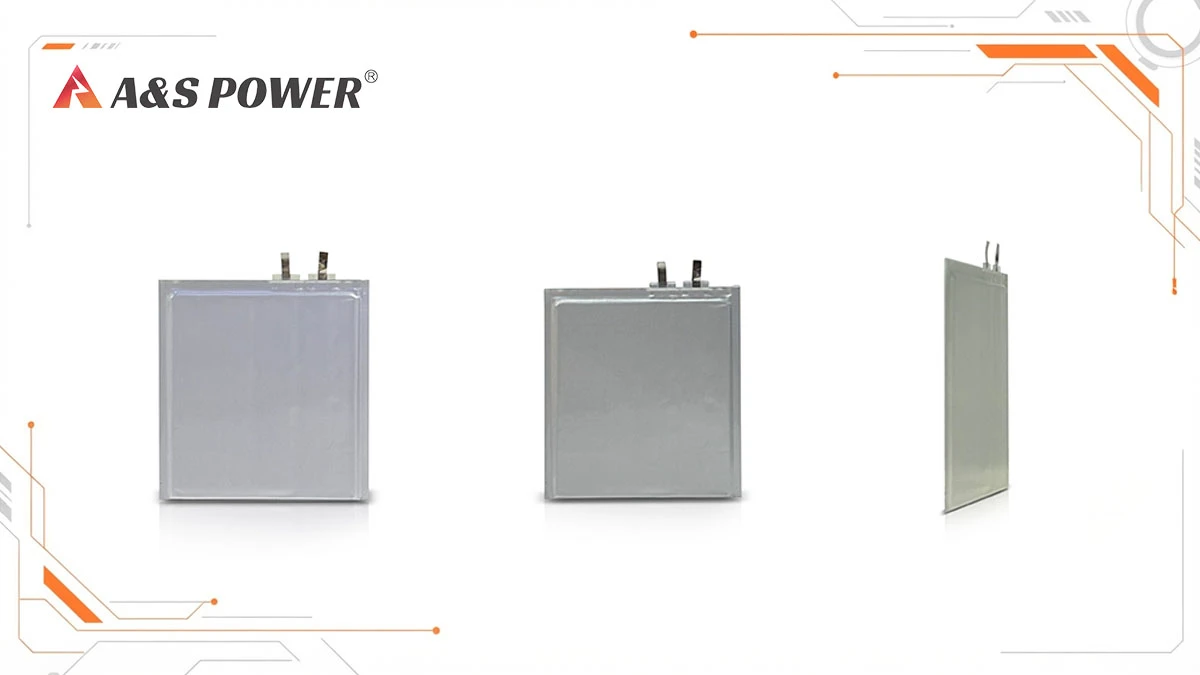 May.2026.08.04Ultra Thin Lithium Polymer Battery 0.4mm 0.5mm Custom GuideLearn More
 -
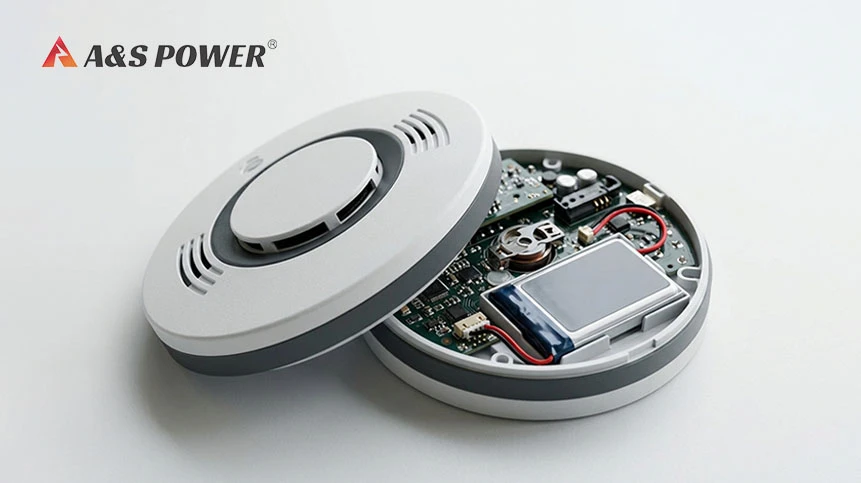 May.2026.07.30Smoke Detector Battery Guide: Choosing the Right Battery for Reliable Fire ProtectionLearn More