




KC Approved Lithium Polymer Battery Manufacturer Guide 2026
Quick Answer:
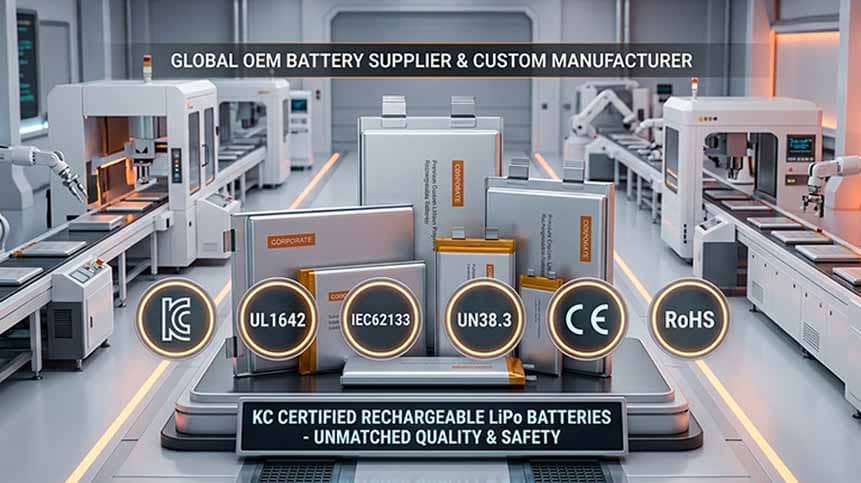
If you plan to sell lithium polymer battery-powered products in South Korea, choosing a KC approved lithium polymer battery manufacturer is essential. KC certification demonstrates that batteries comply with Korean safety and regulatory requirements, helping OEMs reduce compliance risks, accelerate market entry, and improve customer confidence. Leading manufacturers typically combine KC certification with international standards such as UL1642, IEC 62133, UN38.3, CE, CB, and RoHS to support global distribution.
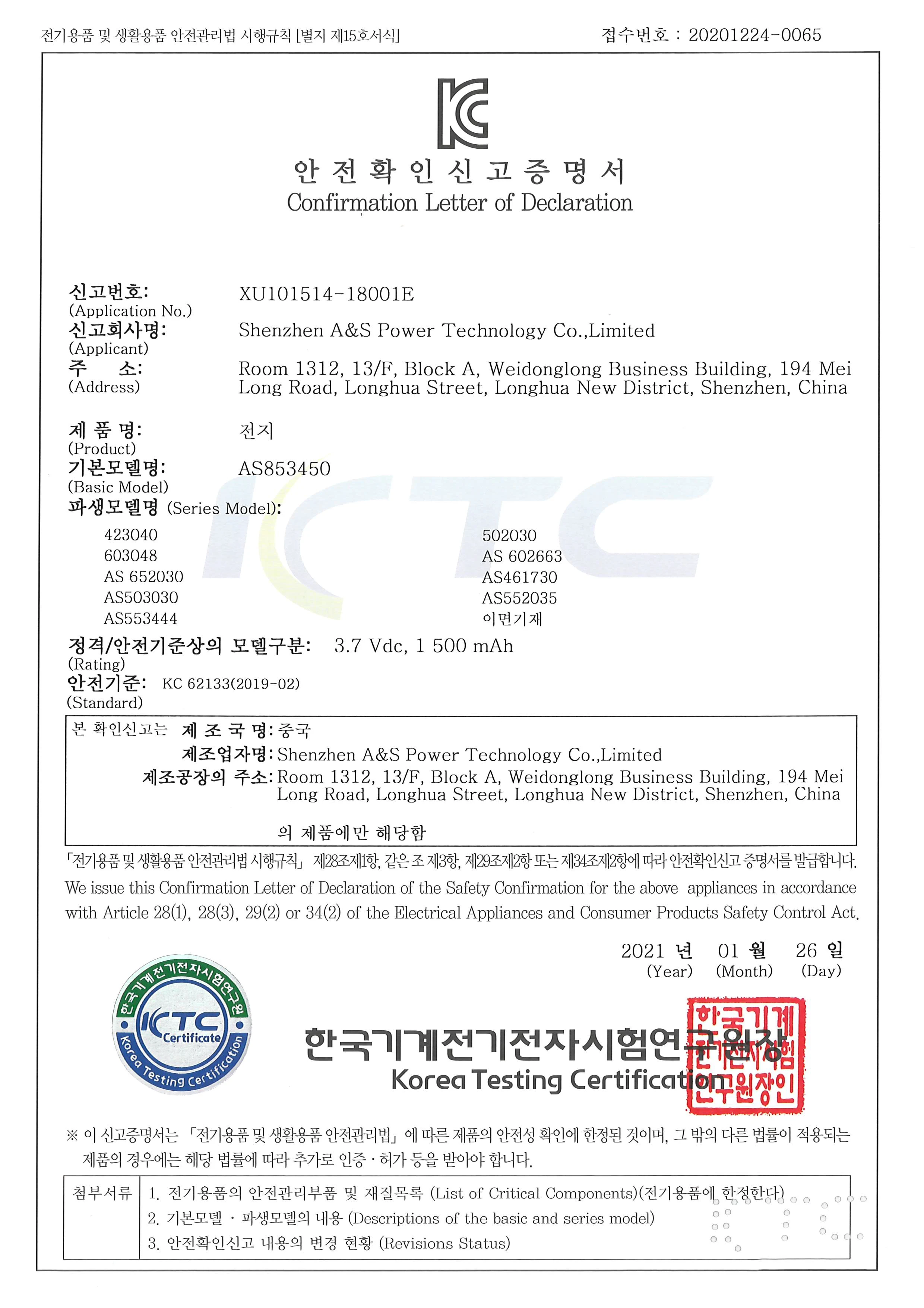
Introduction
South Korea is one of the world's most advanced electronics manufacturing and consumer technology markets. From wearable devices and medical equipment to smart home products and industrial electronics, rechargeable lithium polymer batteries power thousands of products entering the Korean market every year.
As demand for battery-powered devices continues to grow, Korean regulators have strengthened safety requirements for rechargeable batteries. Manufacturers and importers must ensure that batteries comply with Korea Certification (KC) requirements before products can legally enter many distribution channels.
As a custom lithium polymer battery manufacturer serving global OEM customers, we are frequently asked:
- What is KC certification?
- Is KC mandatory for lithium polymer batteries?
- How can buyers verify a battery supplier's KC approval?
- What testing is required?
- How much does certification affect battery sourcing decisions?
This guide answers these questions and explains how to choose a reliable KC approved lithium polymer battery manufacturer.
What Is KC Certification?
KC stands for Korea Certification.
It is a national conformity assessment system administered by Korean regulatory authorities to ensure that products sold in South Korea meet applicable safety, electromagnetic compatibility, and consumer protection requirements.
For lithium batteries, KC certification focuses primarily on:
- Electrical safety
- Battery reliability
- Thermal stability
- Mechanical safety
- Protection against fire and explosion risks
The KC mark functions similarly to:
| Certification | Region |
|---|---|
| KC | South Korea |
| CE | European Union |
| UL | United States |
| PSE | Japan |
| BIS | India |
| CCC | China |
For battery manufacturers, KC certification demonstrates compliance with Korean market requirements and provides buyers with confidence regarding product safety.
Why Is KC Certification Important for Lithium Polymer Batteries?
Lithium polymer batteries contain high energy density materials.
Without proper design, manufacturing controls, and testing, batteries may experience:
- Thermal runaway
- Internal short circuits
- Swelling
- Leakage
- Fire hazards
- Explosion risks
KC certification helps verify that batteries have undergone recognized safety testing.
Benefits include:
Faster Market Access
Certified batteries can be integrated into products intended for Korean consumers more efficiently.
Reduced Compliance Risk
OEMs reduce the likelihood of customs delays or regulatory issues.
Improved Brand Reputation
Safety certifications improve trust among distributors and end users.
Better Quality Assurance
Manufacturers pursuing KC approval typically maintain stronger quality management systems.
KC Certification Requirements for Lithium Polymer Batteries
Although requirements vary depending on battery type and application, manufacturers generally must demonstrate compliance in several categories.
Electrical Safety Testing
Testing evaluates:
- Overcharge protection
- Over-discharge performance
- Short-circuit resistance
- Abnormal charging conditions
Mechanical Safety Testing
Testing may include:
- Vibration
- Shock
- Crush
- Impact
- Drop tests
Environmental Testing
Batteries are evaluated under:
- High temperature conditions
- Low temperature conditions
- Humidity exposure
- Thermal cycling
Abuse Testing
Designed to assess battery safety under abnormal conditions.
Examples include:
- Nail penetration
- Forced discharge
- External short circuit
KC Certification vs Other International Battery Certifications
Many OEM buyers mistakenly assume one certification replaces another.
In reality, certifications often complement each other.
| Standard | Purpose | Market |
|---|---|---|
| KC | Product safety compliance | Korea |
| UL1642 | Cell safety | North America |
| IEC62133 | Portable battery safety | Global |
| UN38.3 | Transportation safety | International shipping |
| CB | International recognition | Global |
| CE | Regulatory compliance | Europe |
| RoHS | Environmental compliance | Europe |
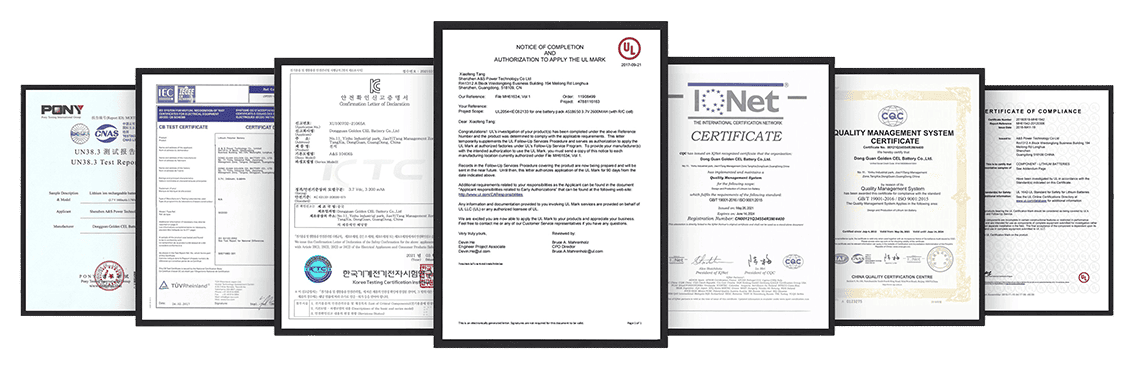
A professional lithium polymer battery manufacturer often maintains multiple certifications to support worldwide product distribution.
How to Identify a Reliable KC Approved Lithium Polymer Battery Manufacturer
Manufacturing Experience
Look for factories with:
- 10+ years battery manufacturing experience
- Dedicated R&D teams
- Automated production lines
- International customer references
Certification Portfolio
Reliable suppliers often provide:
- KC
- UL1642
- IEC62133
- CB
- CE
- RoHS
- UN38.3
Custom Engineering Capability
A qualified manufacturer should support:
- Custom voltage
- Custom capacity
- Custom PCM/BMS
- Wire harness customization
- Connector customization
- Housing integration
Quality Control Systems
Evaluate:
- Incoming material inspection
- Process control
- Aging testing
- Final inspection
- Traceability systems
Typical Applications of KC Certified Lithium Polymer Batteries
Medical Devices
- Portable diagnostic equipment
- Monitoring devices
- Drug delivery systems
Consumer Electronics
- Bluetooth devices
- Smart wearables
- Tablets
- Handheld terminals
IoT Products
- Smart sensors
- Asset tracking devices
- Wireless monitoring systems
Industrial Equipment
- Portable instruments
- Inspection equipment
- Data collection terminals
Data Comparison: Certified vs Non-Certified Battery Suppliers
| Evaluation Factor | KC Certified Supplier | Non-Certified Supplier |
|---|---|---|
| Regulatory Compliance | High | Uncertain |
| Market Access | Faster | Potential delays |
| Safety Validation | Verified | Limited |
| Customer Confidence | High | Lower |
| OEM Support | Strong | Varies |
| Export Readiness | Excellent | Limited |
Why Global OEMs Prefer Certified Battery Manufacturers
From our experience serving OEM customers in Europe, North America, Japan, and South Korea, certification is no longer viewed as an optional feature.
It has become a critical supplier selection criterion.
Procurement teams increasingly require suppliers to demonstrate:
- Product safety
- Regulatory compliance
- Quality consistency
- Supply chain reliability
- Technical support capabilities
Manufacturers that maintain KC certification alongside international approvals are generally better positioned to support global product launches.
Future Trends in Korean Battery Compliance
Several trends are shaping the market:
Increasing Safety Requirements
Authorities continue strengthening battery safety regulations.
Growing Demand for Wearables
Smaller, higher-energy-density batteries require stricter testing.
Medical Device Expansion
Healthcare electronics increasingly require certified battery solutions.
Smart Manufacturing
Digital traceability and automated quality control are becoming industry standards.
Conclusion
Selecting a KC approved lithium polymer battery manufacturer is an important step for companies planning to enter the Korean market. KC certification helps demonstrate battery safety, regulatory compliance, and manufacturing quality. However, buyers should look beyond a single certificate and evaluate the supplier's engineering expertise, production capabilities, testing infrastructure, and international certification portfolio.
The most reliable battery manufacturers combine KC certification with UL1642, IEC62133, UN38.3, CB, CE, and RoHS compliance while providing customized battery solutions tailored to specific applications. By partnering with an experienced manufacturer, OEMs can reduce risk, improve product reliability, and accelerate market success in South Korea and beyond.
FAQ
Is KC certification mandatory for lithium polymer batteries?
For many battery-powered products entering South Korea, KC compliance is required depending on product category and regulatory scope.
How long does KC certification take?
Certification timelines vary based on product complexity, testing requirements, and laboratory scheduling. Most projects require several weeks to a few months.
Can KC certification replace UL1642?
No. KC and UL1642 serve different regulatory purposes and markets. Many manufacturers maintain both certifications.
What documents should a KC approved battery supplier provide?
Typically: KC certificate, Test reports, UN38.3 report, MSDS, Specification sheet, Quality documentation.
Can custom lithium polymer batteries obtain KC certification?
Yes. Custom-designed batteries can be tested and certified when they meet applicable Korean requirements.
What industries commonly require KC certified batteries?
Medical devices, consumer electronics, smart wearables, IoT equipment, industrial electronics, and communication devices are among the most common sectors.
-

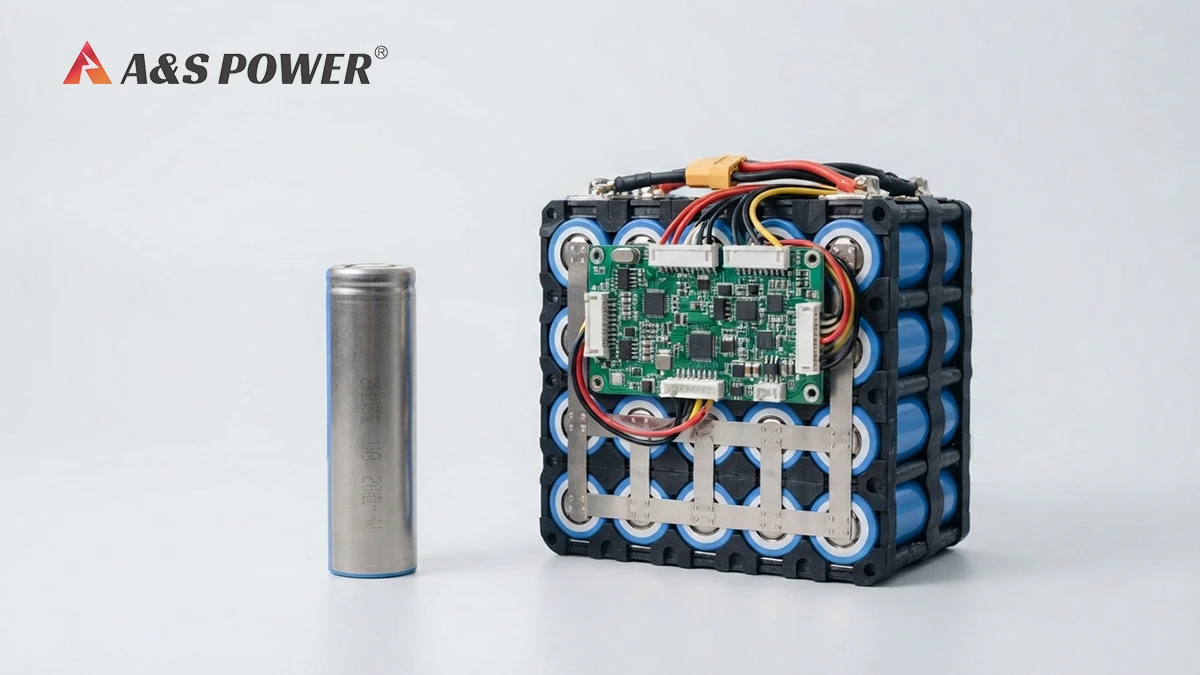 May.2026.08.0521700 Battery Pack with BMS: Design, Safety and Custom SolutionsLearn More
 -
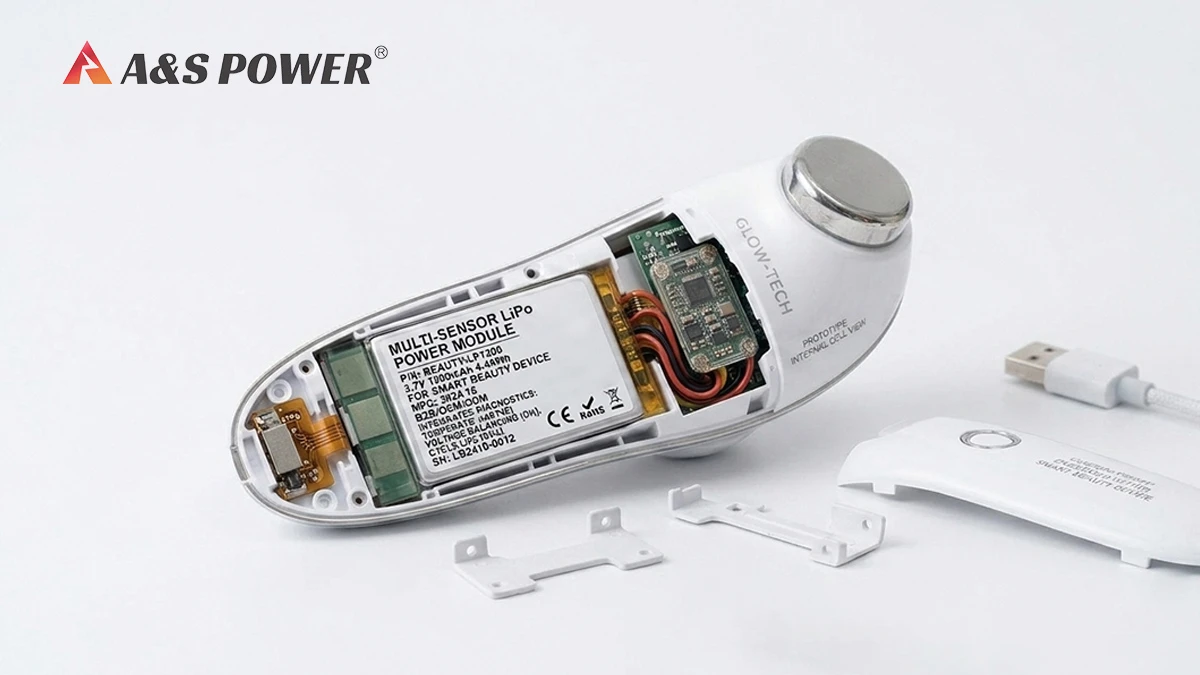 May.2026.08.04Smart Beauty Equipment Battery Pack ManufacturerLearn More
 -
 May.2026.08.04High Reliability Polymer Battery for Handheld Dental DevicesLearn More
 -
 May.2026.08.04Ultra Thin Lithium Polymer Battery 0.4mm 0.5mm Custom GuideLearn More
 -
 May.2026.07.30Smoke Detector Battery Guide: Choosing the Right Battery for Reliable Fire ProtectionLearn More