




Rechargeable Batteries: Complete Guide to Types, Uses and Selection
Quick Answer:
Rechargeable batteries are electrochemical energy storage devices designed to be charged and discharged repeatedly. Unlike disposable batteries, rechargeable batteries can complete hundreds or even thousands of charge cycles, making them more economical and environmentally friendly.
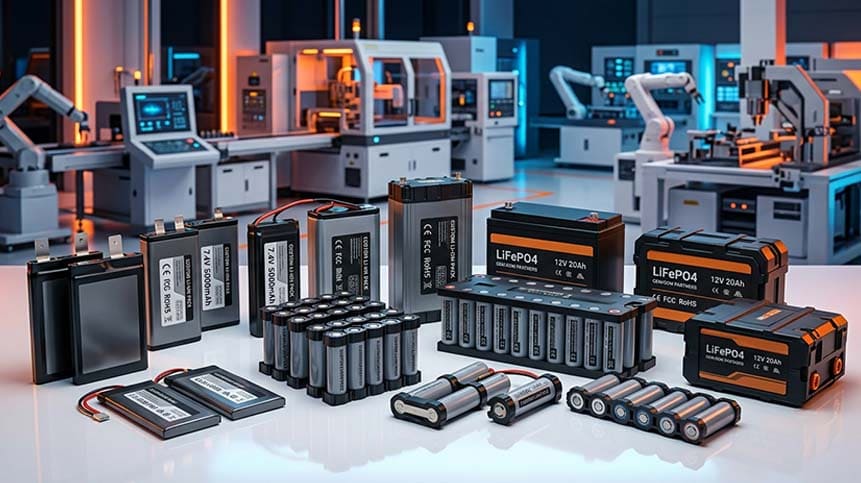
Today, lithium-ion batteries, lithium polymer batteries (LiPo), and LiFePO4 batteries dominate the rechargeable battery market due to their high energy density, long lifespan, and broad application range. Rechargeable batteries power everything from smartphones and medical devices to electric vehicles, energy storage systems, industrial equipment, and IoT products.
Introduction
Rechargeable batteries have become an essential part of modern life, powering everything from smartphones and wearable devices to medical equipment, industrial systems, electric vehicles, and renewable energy storage solutions. As technology continues to evolve, the demand for reliable, high-performance, and sustainable power sources has never been greater.
Unlike disposable batteries, rechargeable batteries can be charged and reused hundreds or even thousands of times, significantly reducing operating costs and environmental impact. Advances in battery chemistry have also improved energy density, charging speed, safety, and lifespan, making rechargeable batteries the preferred choice for both consumer and industrial applications.
Today, several rechargeable battery technologies dominate the market, including lithium-ion (Li-ion), lithium polymer (LiPo), lithium iron phosphate (LiFePO4), and nickel-metal hydride (NiMH) batteries. Each chemistry offers unique advantages in terms of performance, safety, cycle life, and application suitability.
In this comprehensive guide, we explore how rechargeable batteries work, compare the major battery technologies, analyze key performance parameters, review important safety standards, and explain how to choose the right rechargeable battery for your specific application. Whether you are a product designer, purchasing manager, engineer, or business owner, understanding rechargeable battery technology is critical for making informed decisions in today's increasingly electrified world.
Why Rechargeable Batteries Matter in Modern Technology
Over the last two decades, rechargeable battery technology has become the foundation of portable electronics and clean energy systems.
The rapid growth of:
- Consumer electronics
- Electric vehicles (EVs)
- Renewable energy storage
- Medical devices
- Industrial IoT equipment
- Smart wearables
has dramatically increased global demand for rechargeable batteries.
According to industry reports, the global rechargeable battery market is expected to exceed hundreds of billions of dollars within the next decade, largely driven by lithium-based battery technologies.
For manufacturers and product developers, selecting the right rechargeable battery directly impacts:
- Product performance
- User experience
- Safety compliance
- Product lifespan
- Manufacturing cost
What Is a Rechargeable Battery?
A rechargeable battery is a battery capable of reversing its electrochemical reaction through external electrical charging.
Unlike primary batteries that can only be used once, rechargeable batteries restore their energy storage capability after each charging cycle.
The charging process:
- Electrical energy enters the battery.
- Chemical reactions reverse.
- Energy is stored inside the electrodes.
- The battery becomes ready for reuse.
This process can be repeated hundreds or thousands of times depending on battery chemistry.
Main Types of Rechargeable Batteries
1. Rechargeable Lithium-Ion Batteries (Li-ion)
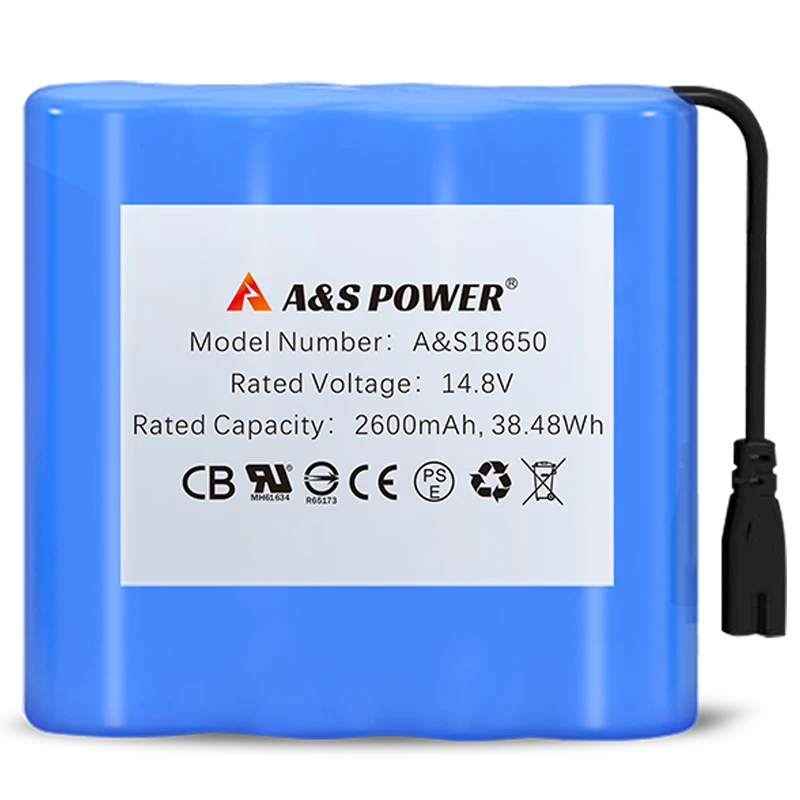
Lithium-ion batteries are the most widely used rechargeable batteries worldwide.
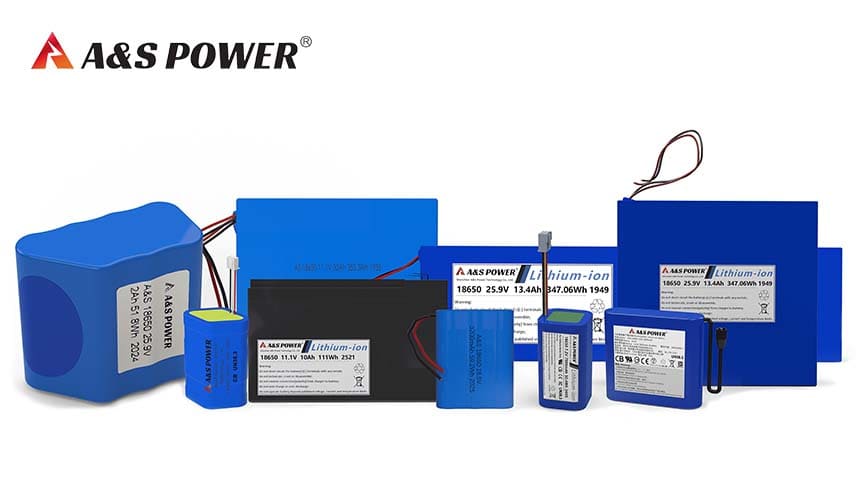
Advantages
- High energy density
- Lightweight
- Low self-discharge
- No memory effect
- Long service life
Common Applications
- Smartphones
- Tablets
- Laptops
- Power tools
- Portable medical equipment
- Industrial electronics
Typical Specifications
| Parameter | Li-ion Battery |
|---|---|
| Nominal Voltage | 3.6V–3.7V |
| Energy Density | 150–300 Wh/kg |
| Cycle Life | 500–1500 Cycles |
| Self-Discharge | Low |
2. Rechargeable Lithium Polymer Batteries (LiPo)
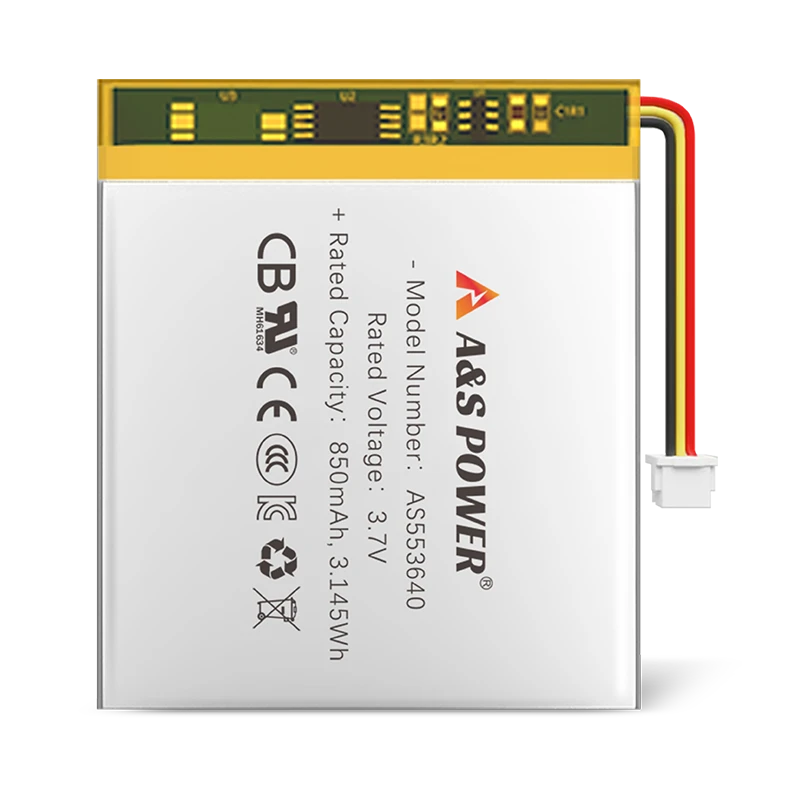
Lithium polymer batteries use a polymer electrolyte instead of a liquid electrolyte.
Their flexible structure enables customized battery designs.
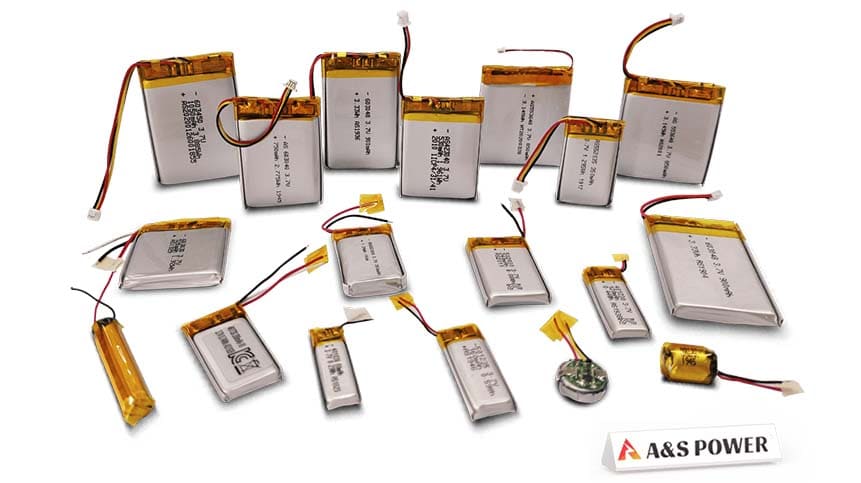
Advantages
- Ultra-thin profiles
- Lightweight
- Flexible dimensions
- High energy density
- Custom shape capability
Common Applications
- Smart watches
- GPS trackers
- Medical devices
- Beauty equipment
- Drones
- Bluetooth devices
Typical Specifications
| Parameter | LiPo Battery |
|---|---|
| Nominal Voltage | 3.7V |
| Energy Density | 180–280 Wh/kg |
| Cycle Life | 500–1000 Cycles |
| Thickness | As low as 0.4mm |
For compact electronics requiring custom battery dimensions, LiPo batteries are often the preferred solution.
3. Rechargeable Lithium Iron Phosphate Batteries (LiFePO4)
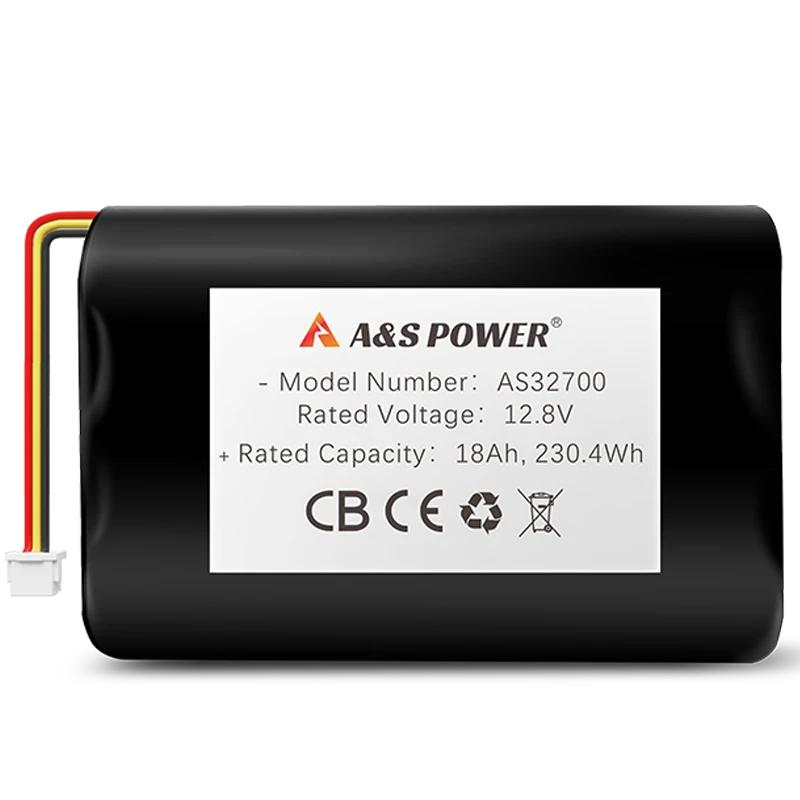
LiFePO4 batteries prioritize safety, thermal stability, and lifespan.
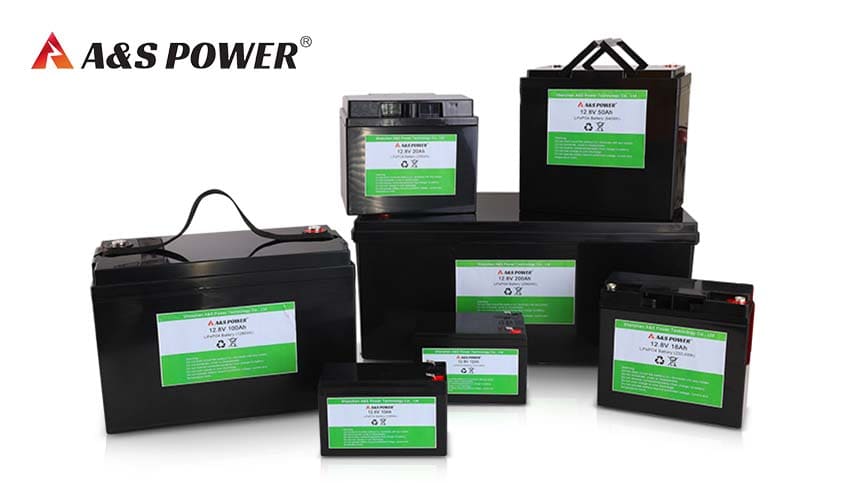
Advantages
- Excellent safety
- Long cycle life
- Stable chemistry
- High discharge current capability
Common Applications
- Solar energy systems
- RV batteries
- Marine batteries
- Backup power systems
- Industrial equipment
Typical Specifications
| Parameter | LiFePO4 |
|---|---|
| Nominal Voltage | 3.2V |
| Cycle Life | 2000–6000+ |
| Thermal Stability | Excellent |
| Safety Level | Very High |
4. Nickel-Metal Hydride Batteries (NiMH)
NiMH batteries remain common in household rechargeable products.
Advantages
- Lower cost
- Mature technology
- Good reliability
Applications
- Rechargeable AA batteries
- Cameras
- Toys
- Remote controls
Limitations
- Higher self-discharge
- Lower energy density than lithium batteries
Rechargeable Battery Technology Comparison
| Feature | Li-ion | LiPo | LiFePO4 | NiMH |
|---|---|---|---|---|
| Energy Density | High | High | Medium | Low |
| Safety | Good | Good | Excellent | Good |
| Cycle Life | Medium | Medium | Excellent | Medium |
| Weight | Light | Very Light | Medium | Heavy |
| Custom Shapes | Limited | Excellent | Limited | Limited |
| Fast Charging | Yes | Yes | Yes | Moderate |
| Cost | Moderate | Moderate | Higher | Lower |
How Rechargeable Batteries Work
Rechargeable batteries operate through ion movement between electrodes.
During Discharge
- Lithium ions move from anode to cathode.
- Electrons flow through the external circuit.
- Devices receive power.
During Charging
- External power reverses ion movement.
- Energy is stored again inside the battery.
This reversible process allows repeated charging and discharging.
Key Performance Metrics When Selecting Rechargeable Batteries
Capacity (mAh or Ah)
Capacity determines how much energy the battery stores.
Example:
- 1000mAh battery = 1Ah
- 5000mAh battery stores five times more charge than 1000mAh
Voltage
Voltage determines operating compatibility.
Examples:
| Battery Type | Nominal Voltage |
|---|---|
| Li-ion | 3.7V |
| LiPo | 3.7V |
| LiFePO4 | 3.2V |
| NiMH | 1.2V |
Cycle Life
Cycle life measures how many charge-discharge cycles a battery can complete before capacity significantly decreases.
| Chemistry | Typical Cycle Life |
|---|---|
| LiPo | 500–1000 |
| Li-ion | 500–1500 |
| LiFePO4 | 2000–6000+ |
| NiMH | 300–1000 |
Energy Density
Energy density determines how much power can be stored per unit weight.
Higher energy density means:
- Longer runtime
- Smaller battery size
- Reduced device weight
Rechargeable Battery Applications
Consumer Electronics
Rechargeable batteries power:
- Smartphones
- Tablets
- Cameras
- Wearables
- Wireless headphones
Medical Devices
Examples include:
- Portable monitors
- Infusion pumps
- Hearing aids
- Diagnostic equipment
Medical battery solutions often require:
- IEC62133 certification
- UL compliance
- Long cycle life
- High reliability
Industrial Equipment
Industrial applications include:
- Data loggers
- Sensors
- Robotics
- Asset tracking systems
Industrial users prioritize:
- Wide temperature performance
- Long service life
- Stable voltage output
Renewable Energy Storage
LiFePO4 batteries have become the preferred choice for:
- Solar energy storage
- Home backup systems
- Off-grid installations
Electric Mobility
Rechargeable batteries power:
- Electric vehicles
- E-bikes
- Scooters
- AGVs
- Drones
Safety Standards for Rechargeable Batteries
Battery safety has become a critical purchasing factor.
Key certifications include:
| Certification | Purpose |
|---|---|
| IEC62133 | Portable battery safety |
| UL1642 | Cell safety |
| UL2054 | Battery pack safety |
| CE | European compliance |
| CB | International certification |
| KC | Korean market approval |
| PSE | Japanese market approval |
| UN38.3 | Transportation safety |
| RoHS | Environmental compliance |
When sourcing rechargeable batteries, buyers should always verify certification documentation.
How to Choose the Right Rechargeable Battery
Consider Application Requirements
Ask:
- What device will use the battery?
- How much runtime is required?
- What size constraints exist?
Evaluate Energy Density
Portable devices generally benefit from lithium-based chemistries because they provide higher energy density.
Assess Safety Requirements
Medical, industrial, and transportation applications often require strict compliance certifications.
Determine Expected Lifespan
If longevity is critical, LiFePO4 may provide the best return on investment.
Work with an Experienced Manufacturer
A qualified rechargeable battery manufacturer should provide:
- Engineering support
- Cell selection expertise
- Certification assistance
- OEM/ODM customization
- Quality management systems
Future Trends in Rechargeable Battery Technology
Higher Energy Density
Researchers continue improving lithium battery materials to increase runtime while reducing size.
Faster Charging
Advanced charging technologies are reducing charging times from hours to minutes.
Improved Safety
New battery management systems (BMS) help prevent:
- Overcharge
- Over-discharge
- Over-current
- Short circuits
Sustainable Manufacturing
Battery manufacturers are increasingly adopting:
- Recyclable materials
- Cleaner production processes
- Circular economy initiatives
Why Businesses Are Moving Toward Custom Rechargeable Batteries
Standard batteries do not always meet product requirements.
Custom rechargeable battery solutions enable:
- Optimized device size
- Extended operating time
- Improved safety integration
- Specialized connectors
- Smart battery management features
For OEM manufacturers, custom battery packs often provide a competitive advantage.
Conclusion
Rechargeable batteries have transformed modern technology by providing reliable, reusable, and cost-effective power solutions. Whether powering a wearable device, medical instrument, industrial sensor, or renewable energy system, selecting the appropriate battery chemistry is essential for achieving optimal performance and safety.
Lithium-ion batteries remain the mainstream choice for portable electronics, lithium polymer batteries excel in compact and custom-shaped applications, while LiFePO4 batteries lead in safety and longevity. By understanding battery chemistry, performance metrics, certifications, and application requirements, businesses can make informed decisions that improve product reliability and long-term value.
For OEMs and product developers, partnering with an experienced rechargeable battery manufacturer can significantly streamline design, certification, and production processes.
Rechargeable Batteries Guide
- What Is the Downside of Rechargeable Batteries?
- What Is the Best Type of Rechargeable Battery?
- Custom Rechargeable Battery Pack: The Complete Guide for OEM Projects
- Rechargeable Li Polymer Battery Pack for POS Terminal: The Complete OEM Battery Guide
- Custom Rechargeable Battery for Portable ECG Machines Guide
FAQ
What is the best type of rechargeable battery?
There is no universal best option. Lithium-ion batteries are ideal for portable electronics, LiPo batteries are best for compact custom devices, and LiFePO4 batteries offer the longest lifespan and highest safety.
How long do rechargeable batteries last?
Depending on chemistry and usage conditions:
- NiMH: 300–1000 cycles
- Li-ion: 500–1500 cycles
- LiPo: 500–1000 cycles
- LiFePO4: 2000–6000+ cycles
Are rechargeable batteries environmentally friendly?
Yes. Because they can be reused hundreds or thousands of times, rechargeable batteries significantly reduce waste compared with disposable batteries.
Can rechargeable batteries be overcharged?
Modern rechargeable batteries usually include protection circuits and battery management systems to prevent overcharging. However, using approved chargers is still essential.
What certifications should rechargeable batteries have?
Common certifications include IEC62133, UL1642, UL2054, CE, CB, KC, PSE, RoHS, and UN38.3 depending on the target market and application.
Which rechargeable battery is safest?
LiFePO4 batteries are generally recognized as one of the safest rechargeable lithium battery chemistries due to their exceptional thermal and chemical stability.
-

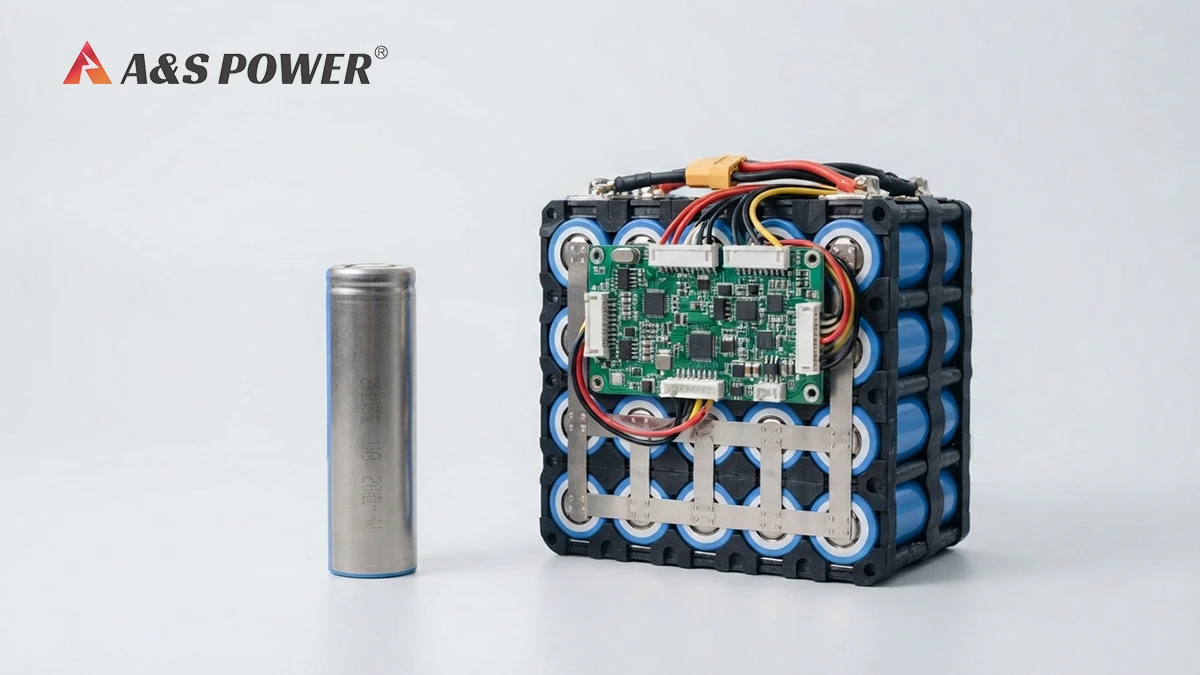 May.2026.08.0521700 Battery Pack with BMS: Design, Safety and Custom SolutionsLearn More
 -
 May.2026.08.04Smart Beauty Equipment Battery Pack ManufacturerLearn More
 -
 May.2026.08.04High Reliability Polymer Battery for Handheld Dental DevicesLearn More
 -
 May.2026.08.04Ultra Thin Lithium Polymer Battery 0.4mm 0.5mm Custom GuideLearn More
 -
 May.2026.07.30Smoke Detector Battery Guide: Choosing the Right Battery for Reliable Fire ProtectionLearn More