




What Is a Battery Charge?
Quick Answer:
A battery charge refers to the amount of electrical energy stored inside a battery and available for use. It is typically measured in ampere-hours (Ah) or milliampere-hours (mAh) and indicates how much current a battery can deliver over a specified period. Battery charge also describes the process of restoring energy to rechargeable batteries by supplying electrical current through a charger.
For example, a 3000mAh lithium-ion battery can theoretically provide 3000mA for one hour, 1500mA for two hours, or 300mA for ten hours under ideal conditions.
Introduction
Every electronic device we use today—from smartphones and laptops to medical equipment, GPS trackers, barcode scanners, wearable devices, and industrial electronics—depends on battery charge to operate effectively.
Despite being one of the most commonly used battery terms, many people confuse battery charge with battery capacity, voltage, power, or energy.
As battery engineers working with custom lithium-ion and lithium polymer battery solutions, we frequently encounter questions such as:
- What exactly is battery charge?
- How is battery charge measured?
- What happens during charging?
- Why does battery charge decrease over time?
- How can battery charge be calculated accurately?
This guide explains battery charge from both scientific and practical perspectives, helping engineers, purchasing managers, product developers, and OEM manufacturers better understand battery performance.
What Does Battery Charge Mean?
Battery charge refers to the quantity of electrical energy stored inside a battery.
From a physics perspective, electrical charge is measured in coulombs (C).
The fundamental relationship is:
Charge (Q) = Current (I) × Time (t)
Where:
- Q = Charge (Coulombs)
- I = Current (Amperes)
- t = Time (Seconds)
A battery stores energy through chemical reactions. During discharge, these chemical reactions release electrons, creating electrical current that powers devices.
When charging a rechargeable battery, electrical energy is supplied externally, reversing the chemical reactions and restoring stored energy.
How Is Battery Charge Measured?
Battery charge is commonly expressed using several units.
Coulombs (C)
The SI unit of electric charge.
1 Coulomb = 1 Ampere × 1 Second
While scientifically accurate, coulombs are rarely used in battery specifications.
Ampere-Hours (Ah)
Most industrial batteries use ampere-hours.
Example:
10Ah battery
Can theoretically provide:
- 10A for 1 hour
- 5A for 2 hours
- 1A for 10 hours
Milliampere-Hours (mAh)
Consumer electronics typically use mAh.
Examples:
| Device | Typical Capacity |
|---|---|
| Smart Ring | 15-30mAh |
| Hearing Aid | 20-100mAh |
| Smart Watch | 200-600mAh |
| Smartphone | 3000-6000mAh |
| Tablet | 6000-12000mAh |
| Laptop | 4000-10000mAh |
Battery Charge vs Battery Capacity
Many people incorrectly use these terms interchangeably.
| Term | Definition |
|---|---|
| Battery Charge | Current amount of stored electrical energy |
| Battery Capacity | Maximum energy the battery can store |
| State of Charge (SOC) | Percentage of remaining charge |
| State of Health (SOH) | Percentage of original capacity retained |
Example:
A 5000mAh battery charged to 50% contains approximately 2500mAh of available charge.
Capacity remains 5000mAh.
Charge is only 2500mAh.
What Happens During Battery Charging?
Charging involves moving lithium ions and electrons back into energy storage positions inside the battery.
For lithium-ion batteries:
During Charging
- Charger supplies electrical current
- Lithium ions move toward the negative electrode
- Electrons flow through the external circuit
- Energy is stored chemically
During Discharging
- Lithium ions move back
- Electrons flow to the load
- Device consumes electrical energy
Understanding State of Charge (SOC)
SOC indicates how full a battery is relative to its total capacity.
Formula:
SOC (%) = Remaining Capacity ÷ Rated Capacity × 100
Example:
| Remaining Capacity | Battery Capacity | SOC |
|---|---|---|
| 4000mAh | 5000mAh | 80% |
| 2500mAh | 5000mAh | 50% |
| 500mAh | 5000mAh | 10% |
SOC is the "battery percentage" displayed on smartphones and laptops.
How Battery Charge Is Calculated
Battery charge can be estimated using current and time.
Formula:
Charge = Current × Time
Examples:
| Charging Current | Time | Charge Added |
|---|---|---|
| 1A | 1 Hour | 1Ah |
| 2A | 2 Hours | 4Ah |
| 0.5A | 4 Hours | 2Ah |
However, real-world charging efficiency is typically:
- Lithium-ion: 90–99%
- Lead-acid: 70–85%
- NiMH: 66–90%
Energy losses occur due to heat generation and internal resistance.
Battery Charge and Energy Are Not the Same
Charge measures stored electricity.
Energy measures work potential.
Formula:
Energy (Wh) = Voltage × Capacity (Ah)
Example:
Battery A
- 3.7V
- 5000mAh
Energy:
3.7 × 5 = 18.5Wh
Battery B
- 7.4V
- 5000mAh
Energy:
7.4 × 5 = 37Wh
Both batteries have identical charge capacity but different energy storage.
Battery Charging Methods
Constant Current (CC)
Current remains fixed.
Voltage gradually increases.
Common in early charging stages.
Constant Voltage (CV)
Voltage remains fixed.
Current gradually decreases.
Used during final charging stages.
CC-CV Charging
The standard charging method for lithium-ion batteries.
Advantages:
- Fast charging
- Improved safety
- Longer cycle life
- Better efficiency
Most smartphones and portable electronics use CC-CV charging.
Factors Affecting Battery Charge Retention
Several factors influence how much charge a battery can hold over time.
Temperature
High temperatures accelerate aging.
Recommended operating range:
- Charging: 0°C to 45°C
- Discharging: -20°C to 60°C
Charge Cycles
Every charge-discharge cycle causes gradual degradation.
Typical lithium battery lifespan:
| Battery Type | Cycle Life |
|---|---|
| Consumer Li-ion | 300–500 |
| Industrial Li-ion | 500–1000 |
| Premium Li-ion | 1000–3000+ |
Storage Conditions
Best long-term storage:
- 40–60% SOC
- Cool, dry environment
- Avoid direct sunlight
Fast Charging
Frequent high-current charging can:
- Increase heat
- Accelerate aging
- Reduce long-term capacity
Modern battery management systems help minimize these effects.
Battery Charge Efficiency
Charging efficiency represents the percentage of supplied energy successfully stored.
| Battery Chemistry | Efficiency |
|---|---|
| Lithium-Ion | 90–99% |
| LiPo | 90–99% |
| NiMH | 66–90% |
| Lead-Acid | 70–85% |
Higher efficiency means less wasted energy and lower operating costs.
Common Battery Charge Myths
Myth 1: Overcharging Always Damages Lithium Batteries
Modern lithium batteries contain protection circuits and battery management systems that prevent overcharging.
Myth 2: Batteries Must Be Fully Discharged Before Charging
This applies mainly to older NiCd batteries.
Lithium batteries prefer partial charging.
Myth 3: Fast Charging Always Ruins Batteries
Properly designed fast-charging systems balance charging speed and battery longevity.
Myth 4: 100% Charge Means Maximum Battery Health
Keeping a battery at 100% for extended periods may accelerate aging.
Many EV manufacturers recommend maintaining 20–80% charge for daily use.
Battery Charge in Modern Applications
Battery charge management is critical in:
Medical Devices
- Portable monitors
- Infusion pumps
- Hearing aids
Consumer Electronics
- Smartphones
- Tablets
- Smartwatches
Industrial Equipment
- Barcode scanners
- Handheld terminals
- IoT devices
Electric Mobility
- E-bikes
- Scooters
- Electric vehicles
Accurate charge monitoring ensures safety, reliability, and operational efficiency.
Why Battery Charge Knowledge Matters for OEM Product Development
For product designers and OEM manufacturers, understanding battery charge helps optimize:
- Product runtime
- Battery size
- Device weight
- Charging speed
- User experience
- Safety compliance
At A&S Power, we evaluate battery charge requirements during every custom battery project to ensure the selected battery provides the ideal balance of runtime, size, weight, safety, and lifespan.
Why Work With A&S Power for Custom Rechargeable Battery Solutions?
With more than two decades of experience in lithium battery manufacturing, A&S Power supports OEM and ODM projects across medical devices, GPS trackers, wearable electronics, POS terminals, barcode scanners, and industrial equipment.
Our capabilities include:
- Custom Lithium-ion Battery Packs
- Custom Lithium Polymer Batteries
- Smart BMS Integration
- UL, IEC62133, CE, UN38.3 Compliant Designs
- Rapid Prototype Development
- Global OEM Manufacturing Support
Whether you need ultra-thin LiPo batteries, high-energy-density battery packs, or removable rechargeable battery systems, our engineering team can help develop the optimal charging and power solution for your product.
Need a custom Lithium battery solution? Contact A&S Power to discuss your project requirements, battery specifications, certification needs, and production goals.
FAQ
What is battery charge?
Battery charge is the amount of electrical energy stored inside a battery and available for use.
How is battery charge measured?
Battery charge is commonly measured in ampere-hours (Ah) or milliampere-hours (mAh).
Is battery charge the same as battery capacity?
No. Capacity is the maximum energy storage capability, while charge is the amount of energy currently stored.
What is State of Charge (SOC)?
SOC represents the percentage of available charge remaining compared to total battery capacity.
Why does battery charge decrease over time?
Battery aging, charge cycles, high temperatures, and chemical degradation gradually reduce charge retention capability.
Does fast charging reduce battery life?
Excessive heat generated during fast charging can accelerate aging, but modern charging systems are designed to minimize damage.
-

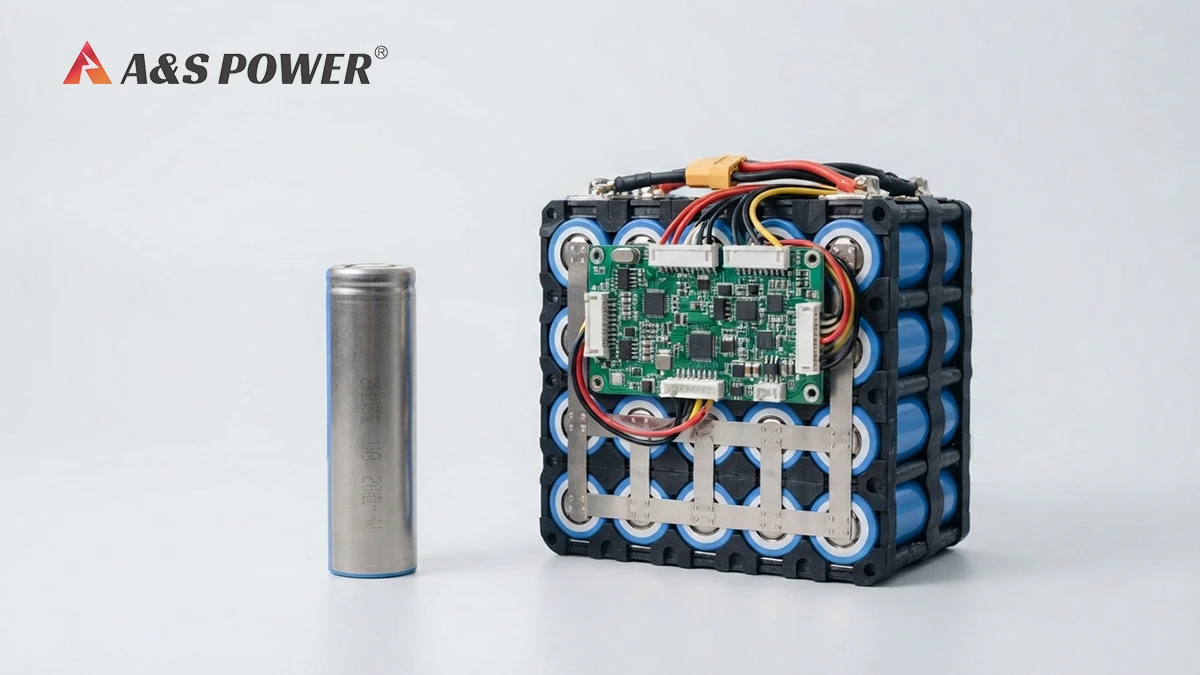 May.2026.08.0521700 Battery Pack with BMS: Design, Safety and Custom SolutionsLearn More
 -
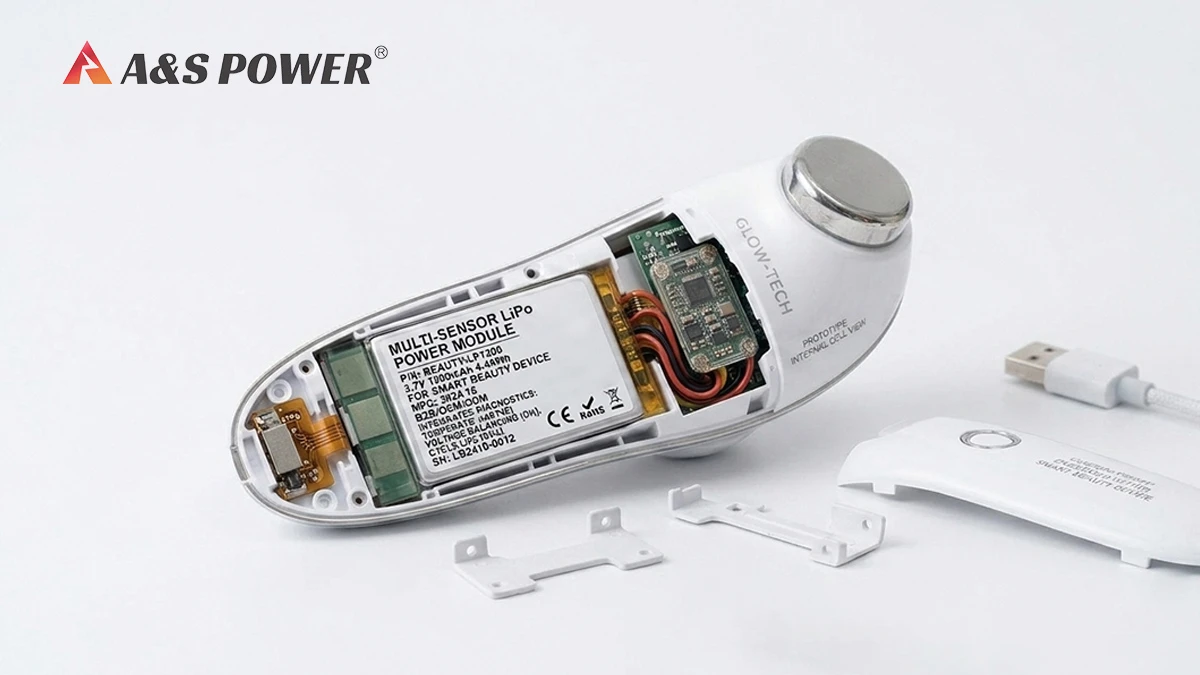 May.2026.08.04Smart Beauty Equipment Battery Pack ManufacturerLearn More
 -
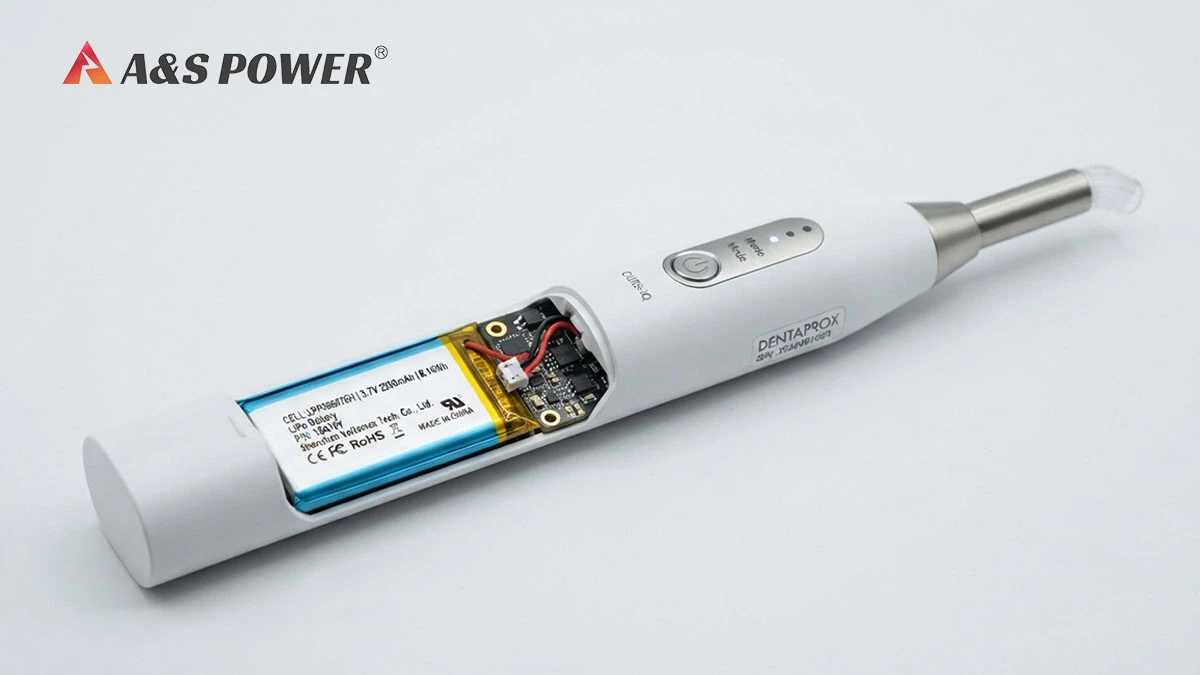 May.2026.08.04High Reliability Polymer Battery for Handheld Dental DevicesLearn More
 -
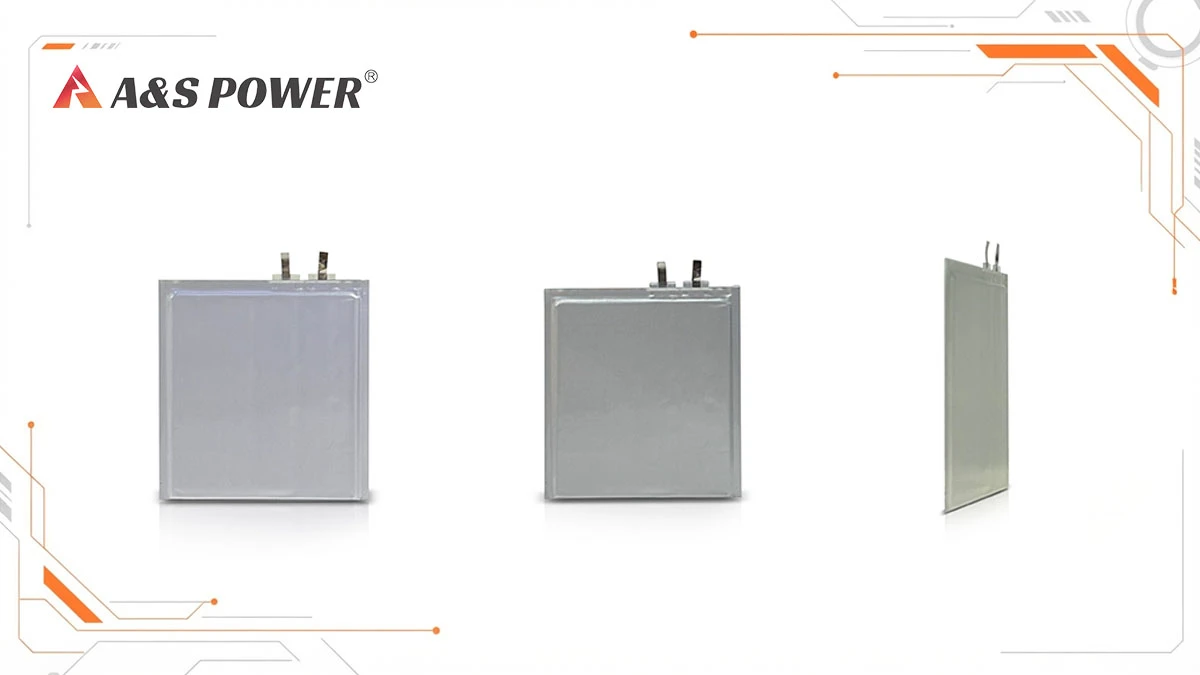 May.2026.08.04Ultra Thin Lithium Polymer Battery 0.4mm 0.5mm Custom GuideLearn More
 -
 May.2026.07.30Smoke Detector Battery Guide: Choosing the Right Battery for Reliable Fire ProtectionLearn More