


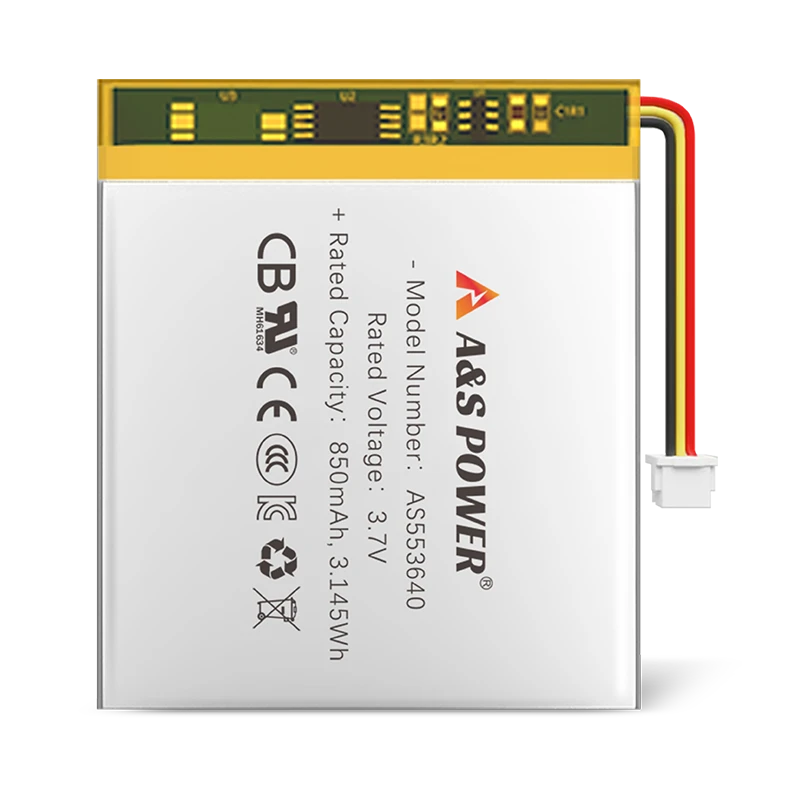
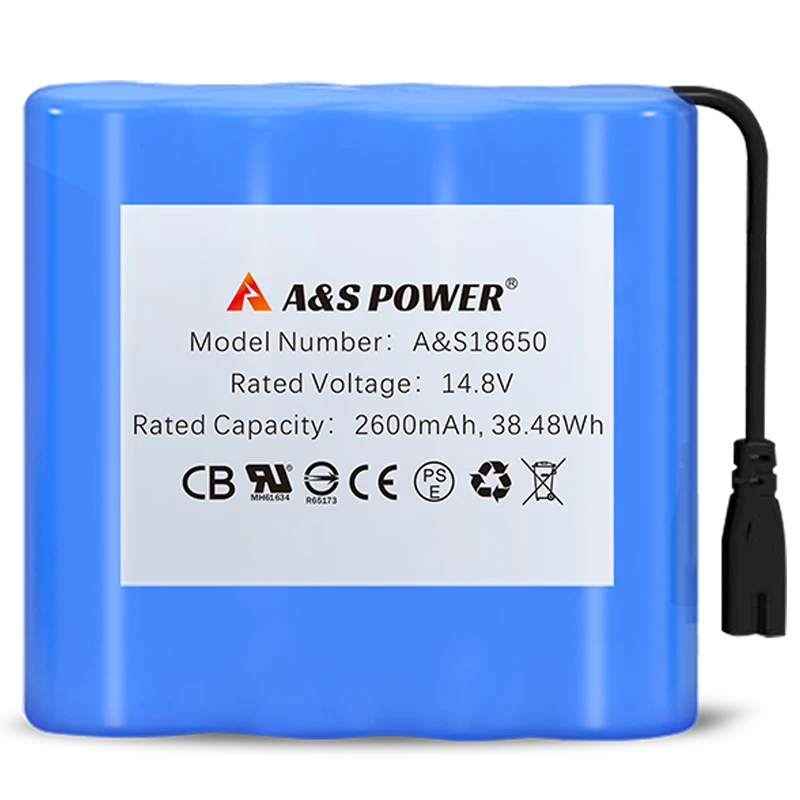
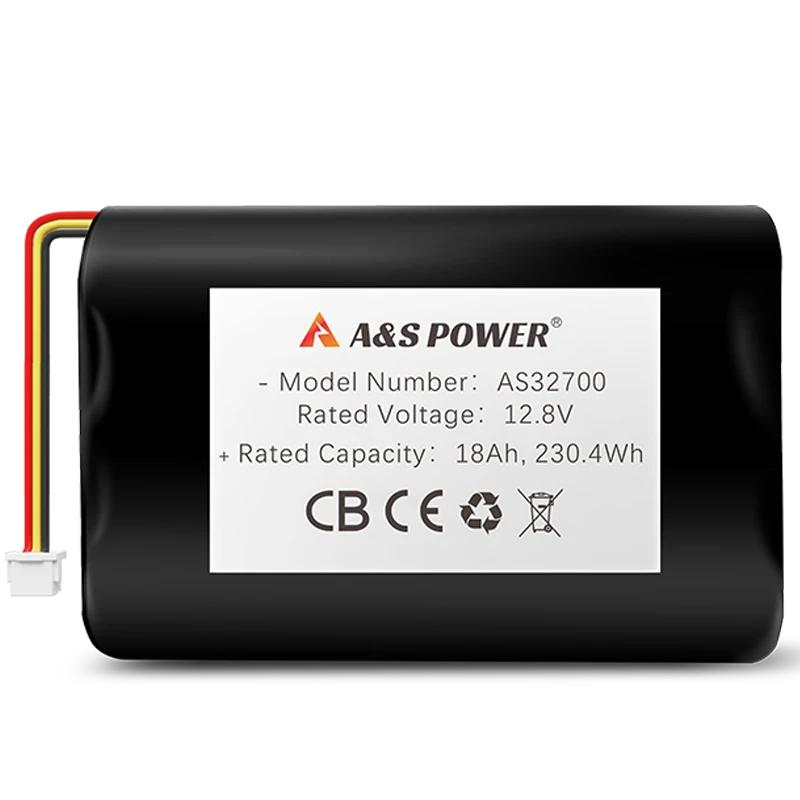


What Is a Removable Battery?
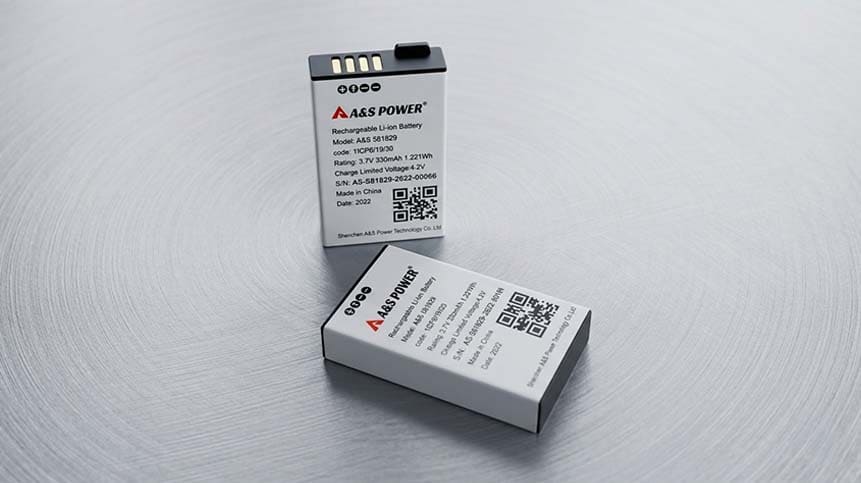
In today's world of smartphones, medical devices, industrial equipment, GPS trackers, portable printers, and IoT products, batteries are no longer just a power source—they are a critical part of product design and user experience.
One battery concept that continues to gain attention across professional and industrial markets is the removable battery.
A removable battery allows users to remove, replace, or swap the battery pack without disassembling the entire device. Unlike permanently integrated batteries, removable batteries provide flexibility, longer device lifespan, easier maintenance, and reduced downtime.
As a battery manufacturer working with OEM and ODM customers, we frequently receive questions such as:
- What exactly is a removable battery?
- Are removable batteries better than built-in batteries?
- Why do industrial and medical devices still prefer removable battery packs?
- How can companies design products with removable batteries?
This guide answers those questions in depth while helping engineers, product designers, purchasing managers, and device manufacturers understand the real-world advantages and limitations of removable battery solutions.
Direct Answer — What Is a Removable Battery?
A removable battery is a battery that can be physically removed and replaced by the user without requiring specialized tools or professional service.
The battery is typically housed in a dedicated compartment and connected through:
- Spring contacts
- Pin connectors
- Plug-in connectors
- Latching mechanisms
- Slide-in battery docks
When the battery reaches the end of its service life, users can simply remove the old battery and install a new one.
Common removable battery types include:
- Lithium-ion battery packs
- Lithium polymer battery packs
- LiFePO4 battery packs
- Nickel-metal hydride batteries
- Rechargeable battery cartridges
The concept is similar to replacing batteries in a camera, handheld scanner, GPS device, walkie-talkie, or medical instrument.
How Does a Removable Battery Work?
A removable battery system generally consists of three components:
Battery Pack
The battery pack stores electrical energy and contains:
- Battery cells
- Protection circuit board (PCM/BMS)
- Temperature sensors
- Connectors
- Protective housing
Battery Interface
The interface connects the battery to the device.
Common interfaces include:
- Gold-plated pogo pins
- Spring-loaded contacts
- JST connectors
- USB-C battery modules
- Smart battery communication ports
Locking Mechanism
A mechanical locking system keeps the battery securely attached.
Examples include:
- Slide locks
- Snap locks
- Release buttons
- Battery trays
These mechanisms allow batteries to be swapped quickly while maintaining electrical reliability.
Removable Battery vs Built-In Battery
Many consumers associate removable batteries with older smartphones, but removable battery technology remains extremely popular in commercial and industrial sectors.
| Feature | Removable Battery | Built-In Battery |
|---|---|---|
| User Replacement | Yes | No |
| Maintenance Cost | Lower | Higher |
| Device Downtime | Minimal | Longer |
| Waterproof Design | More Difficult | Easier |
| Product Lifespan | Longer | Shorter |
| Battery Swapping | Supported | Not Supported |
| Service Requirements | Minimal | Often Professional Repair |
Why Are Removable Batteries Still Popular?
Although many consumer electronics have shifted toward sealed battery designs, removable batteries remain dominant in professional applications.
The primary reason is operational efficiency.
When a battery becomes depleted, users can immediately replace it instead of waiting hours for recharging.
This is particularly important in industries where downtime translates directly into lost productivity.
Major Advantages of Removable Batteries
Extended Device Lifespan
Lithium batteries naturally degrade over time.
Most lithium-ion batteries retain approximately 80% capacity after 500–1000 charge cycles.
When a battery is removable, replacing it is straightforward, allowing the device itself to remain operational for many more years.
Reduced Downtime
Workers can replace a discharged battery in seconds.
This feature is especially valuable for:
- Barcode scanners
- Portable printers
- Warehouse terminals
- Security equipment
- Medical devices
Cost Savings
Replacing only the battery is significantly less expensive than replacing an entire device.
Organizations managing hundreds or thousands of devices often realize substantial maintenance savings.
Improved Sustainability
Battery replacement extends product life and reduces electronic waste.
According to the International Energy Agency (IEA), extending device service life is one of the most effective strategies for reducing lifecycle environmental impact.
Hot-Swap Capability
Some advanced removable battery systems support hot swapping.
Users can replace batteries without shutting down the equipment.
Common examples include:
- Industrial computers
- Medical carts
- Telecom systems
- Data collection terminals
Common Applications of Removable Batteries
Medical Devices
Examples:
- Portable ECG monitors
- Infusion pumps
- Ultrasound equipment
- Patient monitoring systems
Medical professionals require uninterrupted operation and quick battery replacement.
Portable Printers
Field service personnel often carry spare battery packs to maintain productivity throughout the day.
GPS Tracking Devices
Tracking systems frequently operate in remote locations where charging is inconvenient.
Replaceable batteries provide greater flexibility.
Industrial Equipment
Applications include:
- Handheld terminals
- Barcode scanners
- Inspection tools
- Measuring instruments
Security and Surveillance
Examples:
- Portable cameras
- Body-worn cameras
- Mobile surveillance units
Battery replacement enables continuous operation.
Market Data Supporting Removable Battery Demand
Recent industry reports indicate growing demand for portable and field-service devices.
| Market Segment | Expected Growth Trend |
|---|---|
| Medical Electronics | Strong Growth |
| Industrial IoT | Strong Growth |
| Portable Printers | Moderate Growth |
| Asset Tracking | Strong Growth |
| Warehouse Automation | Strong Growth |
| Smart Logistics | Strong Growth |
Several factors contribute to this trend:
- Expansion of Industrial IoT
- Increased use of portable electronics
- Demand for field-service equipment
- Growth in healthcare mobility solutions
Challenges of Removable Battery Design
Despite their benefits, removable batteries introduce engineering challenges.
Waterproofing
Sealed devices are generally easier to waterproof.
Engineers often need:
- Silicone gaskets
- O-rings
- Specialized housings
to achieve IP65 or IP67 ratings.
Mechanical Durability
Battery compartments experience repeated insertion and removal cycles.
Manufacturers must validate:
- Connector durability
- Housing strength
- Locking mechanism reliability
Safety Certification
Battery packs may require certifications such as:
- UL2054
- IEC 62133
- UN38.3
- CE
- RoHS
depending on target markets and applications.
How to Choose a Removable Battery
When selecting a removable battery solution, consider:
Capacity
Measured in mAh or Ah.
Higher capacity generally means longer runtime.
Voltage
Common options include:
- 3.7V
- 7.4V
- 11.1V
- 14.8V
- 25.2V
The battery voltage must match device requirements.
Cycle Life
Look for batteries capable of hundreds or thousands of charging cycles.
Certifications
Verify compliance with:
Customization Capability
OEM manufacturers often require:
- Custom dimensions
- Connector options
- Smart battery communication
- Fuel gauge integration
- Protective housings
Future Trends in Removable Battery Technology
The removable battery market is evolving rapidly.
Key trends include:
- Smart battery management systems
- USB-C charging integration
- Higher energy density lithium cells
- Fast charging technologies
- Tool-free battery replacement
- Modular battery ecosystems
As portable devices become increasingly specialized, removable batteries will continue playing a critical role in industrial, medical, logistics, and IoT applications.
Conclusion
A removable battery is a battery pack that users can easily remove and replace without disassembling the device.
While sealed batteries dominate many consumer products, removable battery solutions remain essential in industries where uptime, maintainability, flexibility, and long service life are priorities.
For medical devices, portable printers, GPS trackers, industrial terminals, and professional electronics, removable batteries often provide the most practical and cost-effective power solution.
As battery technology advances, modern removable battery systems are becoming smarter, safer, and more energy efficient, ensuring their relevance for years to come.
FAQ - What Is a Removable Battery?
What is the difference between a removable battery and a replaceable battery?
The terms are often used interchangeably. A removable battery can be detached by the user, while a replaceable battery simply means the battery can be changed when necessary. Most removable batteries are also replaceable batteries.
Are removable batteries safer?
When properly designed with protection circuits and certified components, removable batteries can be just as safe as built-in batteries.
Why do industrial devices use removable batteries?
Industrial users need continuous operation. Swapping batteries is often faster and more practical than waiting for recharging.
Can lithium-ion batteries be removable?
Yes. Most modern removable battery packs use lithium-ion or lithium-polymer technology because of their high energy density and lightweight design.
Do removable batteries last longer?
The battery itself does not necessarily last longer, but the overall device lifespan is usually extended because the battery can be replaced independently.
Are removable batteries making a comeback?
Growing demand in medical electronics, industrial IoT, logistics equipment, portable printers, and field-service devices continues to drive strong demand for removable battery systems.
-

 May.2026.08.0521700 Battery Pack with BMS: Design, Safety and Custom SolutionsLearn More
 -
 May.2026.08.04Smart Beauty Equipment Battery Pack ManufacturerLearn More
 -
 May.2026.08.04High Reliability Polymer Battery for Handheld Dental DevicesLearn More
 -
 May.2026.08.04Ultra Thin Lithium Polymer Battery 0.4mm 0.5mm Custom GuideLearn More
 -
 May.2026.07.30Smoke Detector Battery Guide: Choosing the Right Battery for Reliable Fire ProtectionLearn More