




Lithium-Ion Batteries – Key Factors Affecting Cycle Life & How to Extend It
Introduction
When customers contact us for custom lithium-ion battery solutions, one of the most common questions we hear is:
“How long will this battery last?”
In reality, battery cycle life is not determined by a single specification. Many buyers only focus on capacity, voltage, or price, while overlooking the real factors that determine long-term reliability and replacement cost.
Cycle life directly affects:
- Product maintenance cost
- End-user experience
- Device stability
- Product warranty risk
- Long-term operating efficiency
For industries such as medical devices, GPS trackers, industrial electronics, smart wearables, and portable equipment, battery lifespan is often more important than initial purchase price.
In this article, we will explain:
- What lithium-ion battery cycle life actually means
- The major factors that reduce battery lifespan
- How charging, temperature, materials, and PCM affect performance
- Practical methods to extend battery life
- How manufacturers improve cycle stability
- Why high-consistency cells matter in OEM battery projects
This guide is based on real lithium battery engineering experience, industry testing standards, and practical application scenarios widely discussed across leading battery manufacturers and technical resources.
What Is Lithium-Ion Battery Cycle Life?
A battery cycle refers to one complete charge and discharge process.
For example:
- Charging from 0% to 100% and discharging back to 0% = 1 cycle
- Two 50% discharges combined also equal 1 full cycle
Most lithium-ion batteries are considered to reach end-of-life when their remaining capacity drops to 80% of the original rated capacity.
Typical cycle life ranges:
| Battery Type | Typical Cycle Life |
|---|---|
| Standard Consumer Li-ion | 300–500 cycles |
| High-Quality 18650 Cells | 500–1000 cycles |
| LiFePO4 Batteries | 2000–6000 cycles |
| Industrial Custom Packs | 800–1500 cycles |
| Medical Device Batteries | 1000+ cycles |
Actual cycle life depends heavily on usage conditions.
Why Cycle Life Matters More Than Initial Battery Cost
A cheaper battery with poor cycle performance may require replacement much earlier, leading to:
- Higher maintenance costs
- Increased downtime
- Product recalls
- Customer dissatisfaction
- Warranty claims
For OEM brands and industrial equipment manufacturers, battery reliability directly impacts brand reputation.
We often tell customers:
“A battery is not expensive because of its purchase price. It becomes expensive when it fails early.”
Key Factors That Affect Lithium-Ion Battery Cycle Life
1. Charging and Discharging Habits
Charging behavior is one of the biggest factors affecting lithium battery aging.
Common Harmful Behaviors
- Continuous overcharging
- Long-term full-charge storage
- Frequent deep discharge
- Using low-quality chargers
- High-current fast charging for long periods
When lithium-ion cells remain at high voltage for extended periods, internal chemical reactions accelerate. This increases electrolyte decomposition and electrode stress.
Similarly, repeatedly discharging batteries to extremely low voltage causes irreversible structural damage inside the cell.
Recommended Charging Range
For most lithium-ion batteries:
- Ideal operating SOC: 20%–80%
- Avoid frequent discharge below 10%
- Avoid storing batteries fully charged for months
Battery researchers and manufacturers widely agree that moderate charge ranges significantly improve cycle stability.
2. Temperature Has a Massive Impact
Temperature is one of the most underestimated causes of battery degradation.
High Temperature Risks
Operating above 45°C can:
- Accelerate electrolyte decomposition
- Increase gas generation
- Cause lithium plating
- Reduce cycle stability
- Increase safety risks
Low Temperature Risks
Below 0°C:
- Internal resistance rises sharply
- Available capacity drops
- Charging efficiency decreases
- Lithium plating risk increases during charging
Recommended Temperature Range
| Condition | Recommended Temperature |
|---|---|
| Charging | 10°C–45°C |
| Discharging | 0°C–60°C |
| Long-Term Storage | 15°C–25°C |
Keeping batteries within moderate temperature ranges dramatically improves long-term cycle performance.
3. Cell Quality and Manufacturing Consistency
Not all lithium-ion cells are equal.
Low-quality cells often suffer from:
- High internal resistance
- Poor electrode coating consistency
- Unstable electrolyte composition
- Uneven capacity distribution
- Faster capacity attenuation
In battery packs connected in series and parallel, weak cells degrade first and reduce the overall lifespan of the entire pack.
This is especially critical in:
- Medical devices
- Smart wearables
- Industrial electronics
- Portable testing equipment
- GPS systems
Why Cell Consistency Matters
At A&S Power, we perform:
- Capacity matching
- IR (Internal Resistance) matching
- Aging testing
- Voltage consistency screening
- Batch traceability management
These processes help improve pack balance and extend operational life.
4. PCM/BMS Protection Design
PCM (Protection Circuit Module) and BMS (Battery Management System) are essential for protecting lithium batteries.
Poorly designed protection systems can shorten battery lifespan instead of protecting it.
Common Problems with Generic PCM Designs
- Incorrect overcharge thresholds
- Over-sensitive shutdown
- Weak temperature monitoring
- Poor balancing performance
- Delayed overcurrent protection
A properly customized PCM should match:
- Cell chemistry
- Application load profile
- Charging characteristics
- Operating environment
- Peak current requirements
Customized protection design greatly improves long-term stability.
Real Data — How Operating Conditions Affect Battery Lifespan
The following industry test data illustrates how usage conditions influence cycle life.
| Operating Condition | Estimated Remaining Capacity After 500 Cycles |
|---|---|
| Moderate Usage (25°C) | 85%–90% |
| Frequent Deep Discharge | 70%–75% |
| Constant High Temperature | 60%–70% |
| Continuous Fast Charging | 65%–75% |
| Poor Cell Matching | 50%–70% |
The difference is substantial.
Proper battery management can nearly double practical service life.
How to Extend Lithium-Ion Battery Cycle Life
Avoid Full-Charge Storage
If batteries are stored for long periods:
- Maintain around 40%–60% charge
- Store in cool, dry environments
- Avoid direct sunlight
This minimizes chemical stress during storage.
Reduce Deep Discharge Frequency
Instead of draining batteries to 0%, recharge earlier whenever possible.
Shallow cycles generally extend lithium battery lifespan.
Control Heat Generation
Heat is the enemy of lithium batteries.
To reduce heat:
- Use proper ventilation
- Avoid enclosed hot environments
- Design efficient thermal structures
- Prevent continuous overcurrent discharge
For industrial products, thermal design is often as important as cell selection.
Choose High-Consistency Brand Cells
Premium cells provide:
- Better cycle stability
- Lower self-discharge
- Higher safety margin
- Better voltage consistency
Low-cost unknown cells may initially appear economical but often fail earlier.
Use Customized Battery Protection
Custom PCM/BMS design helps optimize:
- Voltage cutoffs
- Current thresholds
- Temperature control
- Cell balancing
- Charging behavior
This is especially important for OEM battery projects.
How Different Applications Affect Battery Lifespan
Different devices stress batteries differently.
| Application | Main Battery Stress Factor |
|---|---|
| Medical Devices | Long standby stability |
| GPS Trackers | Frequent charging cycles |
| Smart Wearables | Compact thermal buildup |
| Industrial Equipment | High current discharge |
| Portable Electronics | Fast charging demand |
Battery design must match actual application behavior.
This is why custom battery engineering is critical for professional products.
Why OEM Battery Design Matters
Many device failures are not caused by the cell itself, but by poor system matching.
A professional OEM battery supplier should evaluate:
- Current consumption
- Peak load behavior
- Charging strategy
- Thermal structure
- PCB communication
- Space limitations
- Safety certification requirements
At A&S Power, we optimize battery packs from:
- Cell selection
- Structural design
- PCM calibration
- Connector matching
- Wire selection
- Certification support
This integrated approach improves long-term reliability and cycle stability.
Industry Trends — Longer Cycle Life Is Becoming a Competitive Advantage
Modern markets increasingly demand:
- Longer battery lifespan
- Faster charging
- Smaller device size
- Higher energy density
- Better safety performance
As a result, manufacturers are investing heavily in:
- Silicon-anode materials
- Solid-state battery research
- Advanced thermal management
- AI-powered battery monitoring
- Smarter BMS systems
Long cycle life is no longer just a technical advantage — it is now a market expectation.
Choosing the Right Battery Supplier
When evaluating a lithium battery manufacturer, buyers should not only compare price.
Important questions include:
- Are cells grade A?
- Is consistency testing performed?
- Is PCM customized?
- Are UN38.3 and IEC62133 supported?
- Is cycle testing available?
- Can the supplier provide engineering support?
- Are aging tests and traceability systems implemented?
Reliable battery manufacturing requires far more than simple assembly.
Conclusion
Lithium-ion battery cycle life depends on multiple interconnected factors:
- Charging behavior
- Temperature management
- Cell quality
- Manufacturing consistency
- PCM/BMS protection
- Application matching
Improving battery lifespan is not achieved through one single feature. It requires proper engineering, high-quality materials, intelligent protection design, and realistic usage management.
At A&S Power, we continuously optimize every stage of lithium battery manufacturing — from raw material selection to PCM calibration — helping customers achieve safer, longer-lasting, and more reliable battery solutions for industrial and consumer applications.
For OEM brands, choosing the right battery partner can significantly improve product reliability, reduce maintenance costs, and strengthen market competitiveness.
FAQ
Q1: What is considered a good cycle life for lithium-ion batteries?
For standard consumer applications, 500 cycles is common. High-quality industrial lithium batteries can exceed 1000 cycles depending on usage conditions and cell quality.
Q2: Does fast charging reduce battery lifespan?
Yes. Continuous high-current fast charging increases heat generation and accelerates chemical aging inside lithium-ion cells.
Q3: Is it bad to leave lithium batteries fully charged?
Long-term full-charge storage increases internal stress and accelerates capacity degradation. Partial charge storage is recommended.
Q4: What temperature is best for lithium-ion batteries?
Moderate temperatures between 15°C and 25°C are ideal for long-term battery health and storage stability.
Q5: Why do some battery packs fail earlier than expected?
Common causes include poor cell consistency, weak PCM protection, overheating, over-discharge, and improper charging behavior.
Q6: How can OEM manufacturers improve battery cycle life?
By selecting high-quality cells, optimizing thermal design, customizing PCM/BMS protection, and performing strict consistency screening.
-

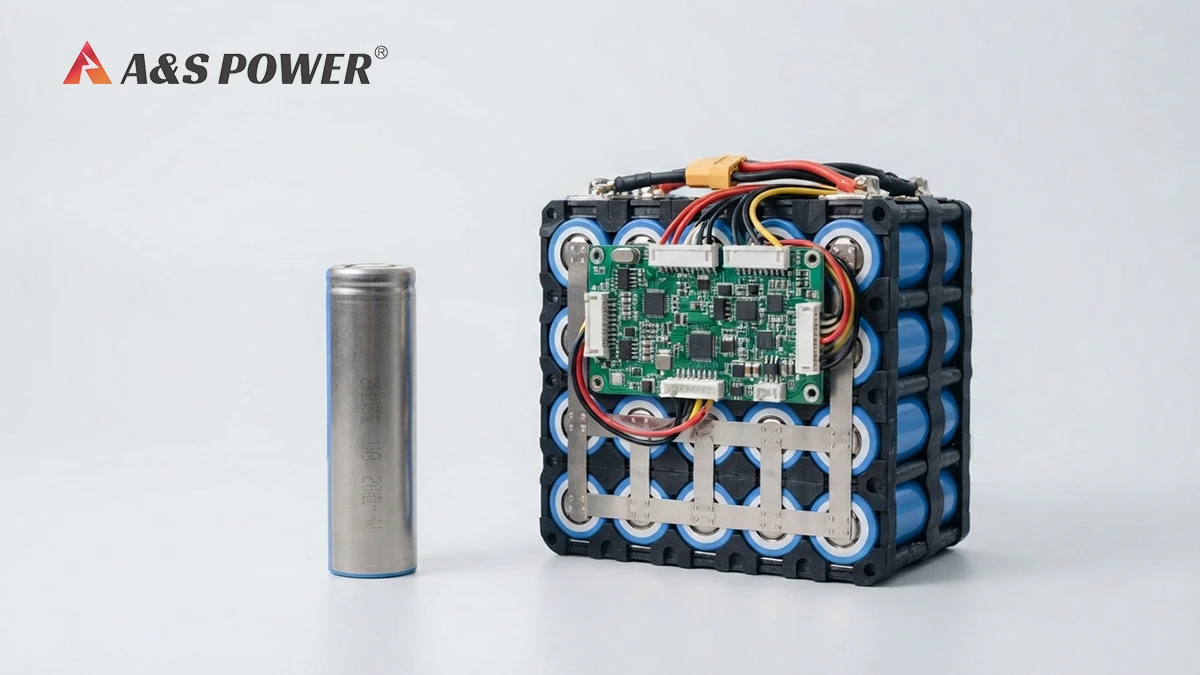 May.2026.08.0521700 Battery Pack with BMS: Design, Safety and Custom SolutionsLearn More
 -
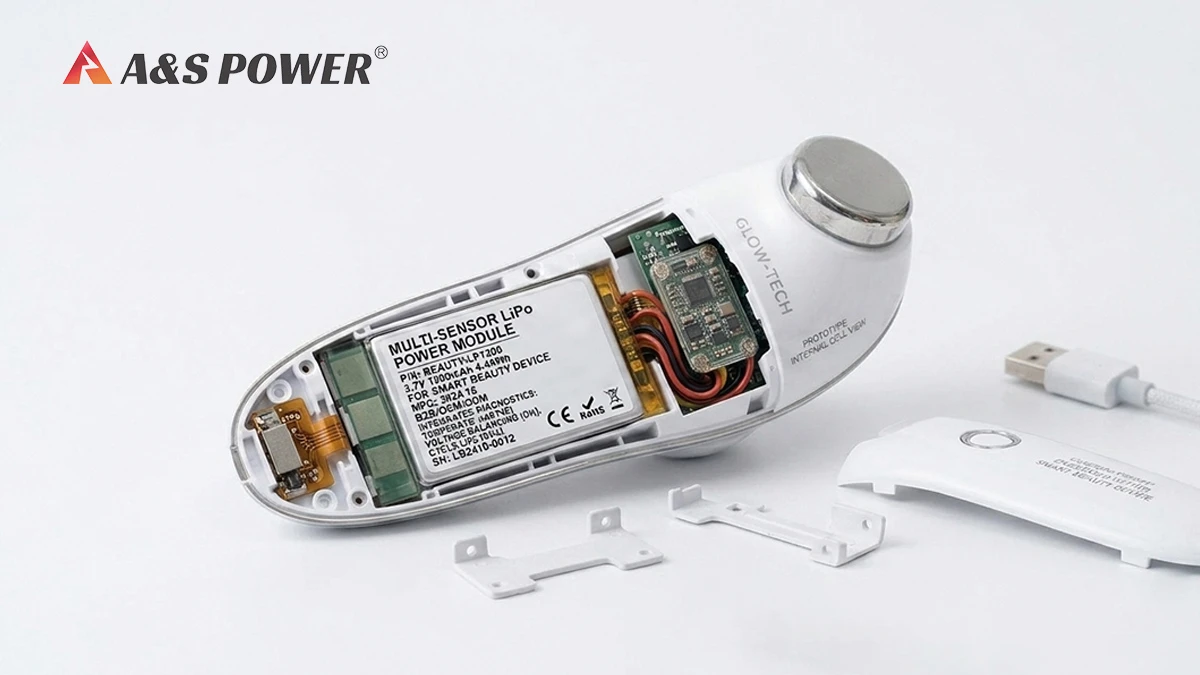 May.2026.08.04Smart Beauty Equipment Battery Pack ManufacturerLearn More
 -
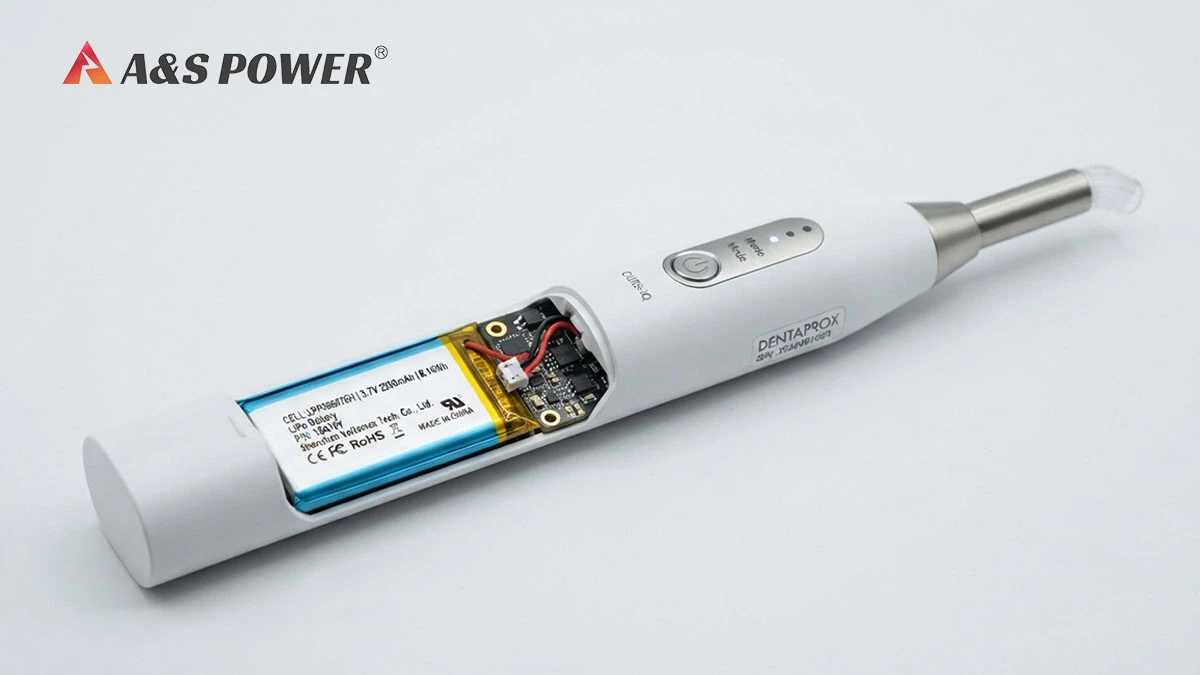 May.2026.08.04High Reliability Polymer Battery for Handheld Dental DevicesLearn More
 -
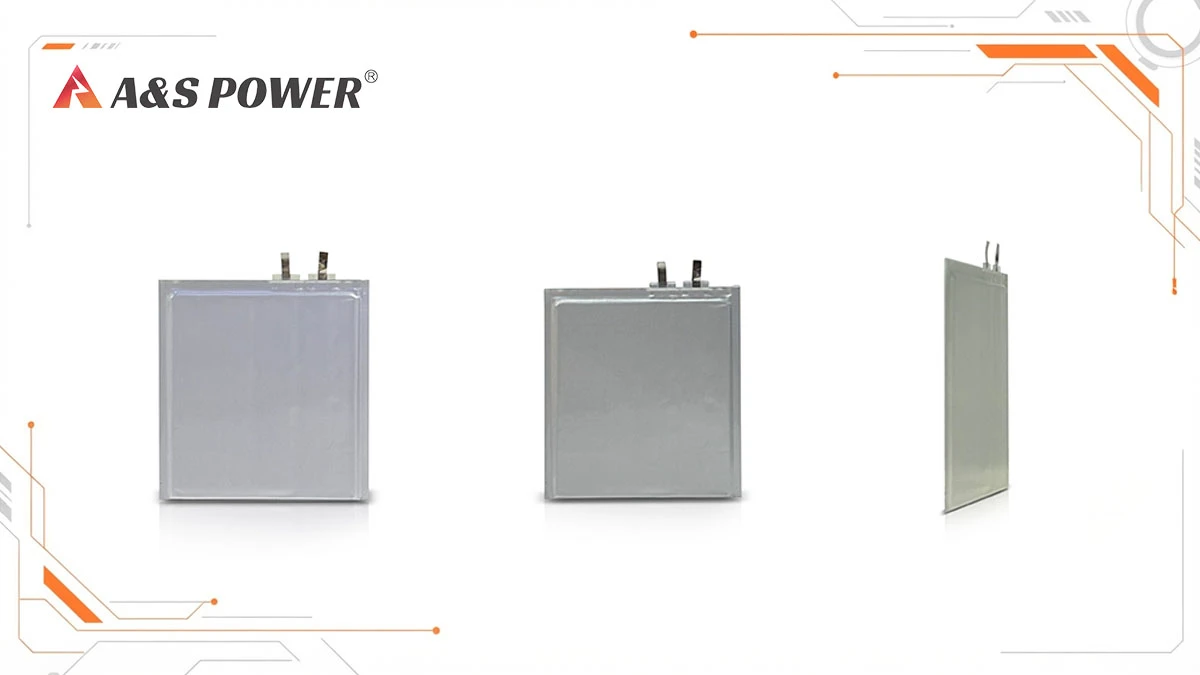 May.2026.08.04Ultra Thin Lithium Polymer Battery 0.4mm 0.5mm Custom GuideLearn More
 -
 May.2026.07.30Smoke Detector Battery Guide: Choosing the Right Battery for Reliable Fire ProtectionLearn More