


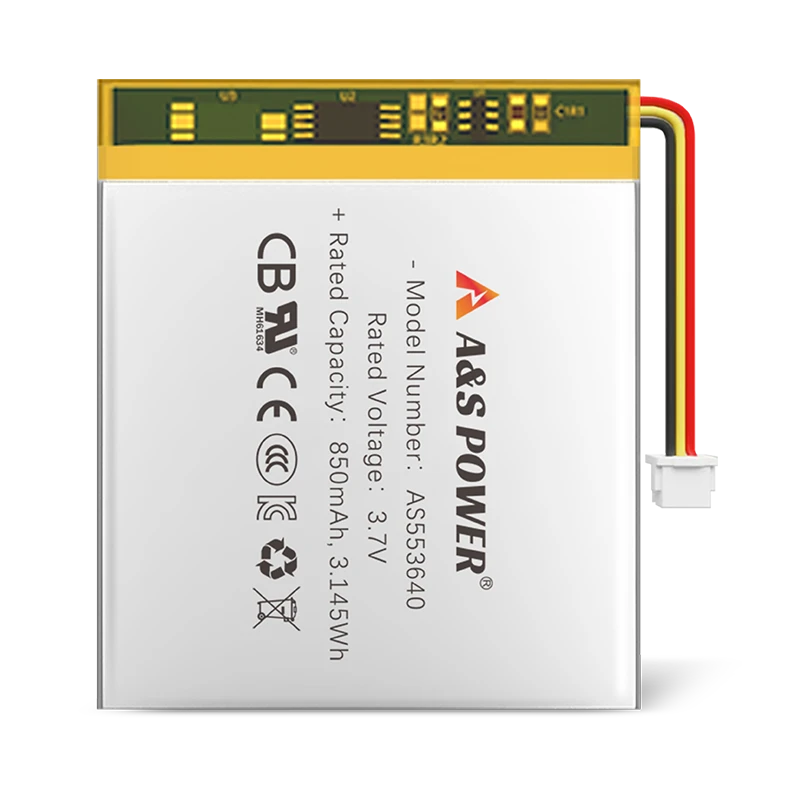
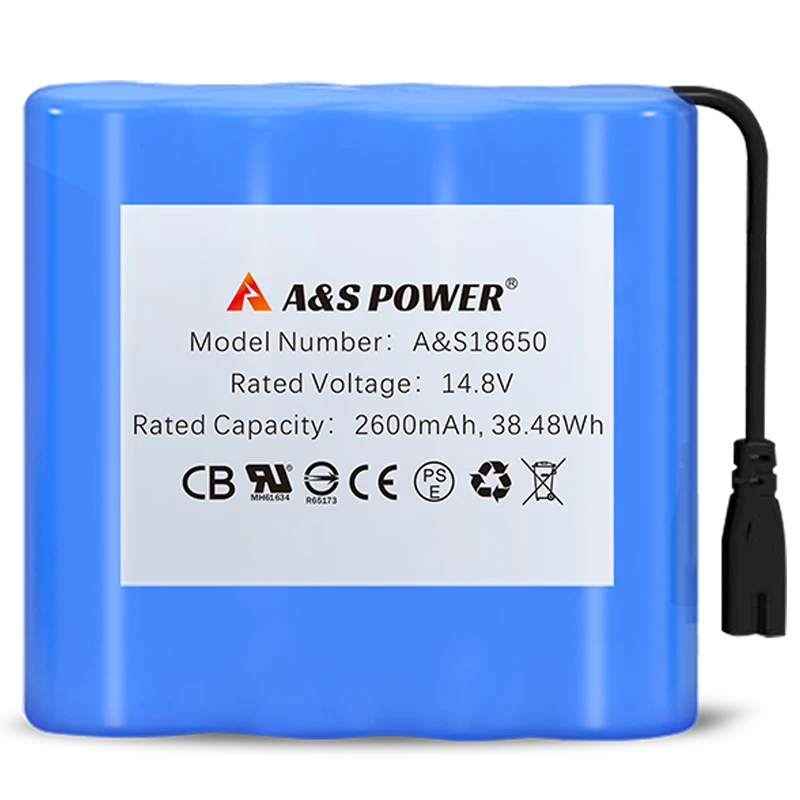
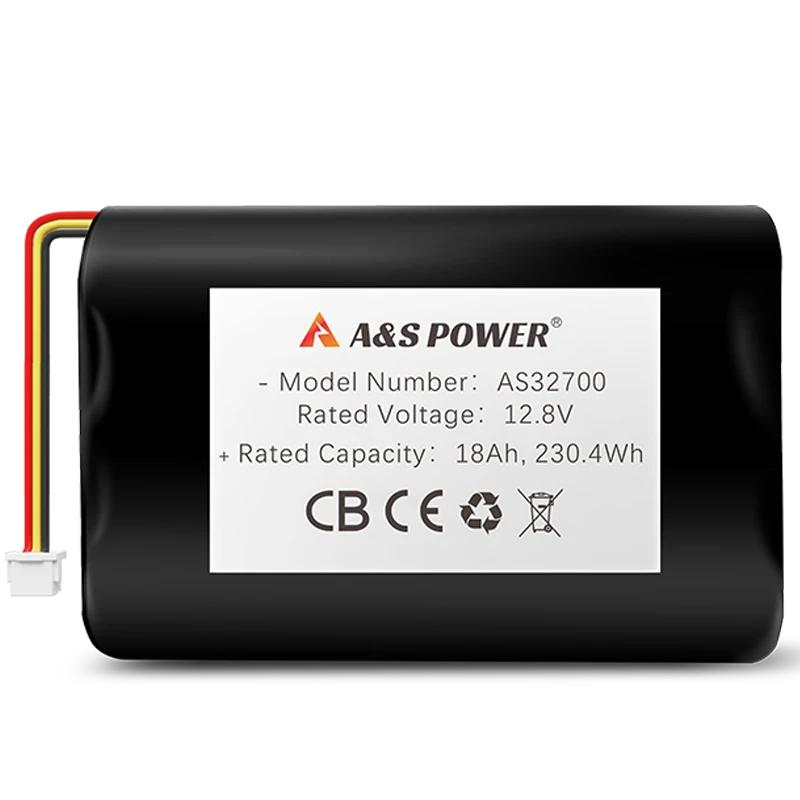


Lithium-Ion Batteries: Stable, Durable, and Reliable for Global Applications
Introduction
Lithium-ion batteries have become the backbone of modern portable power systems. From medical devices and smart wearables to industrial electronics and consumer products, nearly every portable electronic system today relies on lithium-ion technology for efficient and stable energy storage.
After working closely with OEM clients, product engineers, and global electronics manufacturers for years, I have seen one clear trend: lithium-ion batteries are no longer viewed as simple components. They are now critical performance drivers that directly affect product reliability, safety, user experience, and even brand reputation.
In 2026, the lithium-ion battery market continues to evolve rapidly. Buyers are no longer focused only on price. Instead, they pay greater attention to:
- Long-term safety
- Stable cycle performance
- Certification compliance
- Custom battery integration
- Global shipping capability
- Consistent production quality
At the same time, global regulations and market competition are becoming stricter. Manufacturers that cannot maintain quality consistency, thermal stability, and certification standards are gradually losing competitiveness.
This guide provides a professional and practical overview of lithium-ion batteries, including:
- How lithium-ion batteries work
- Their key advantages
- Current technology trends
- Safety and certification requirements
- Selection considerations for OEM projects
- Industrial and medical application requirements
- Future development trends
- Real-world procurement recommendations
The goal is simple: help engineers, purchasing managers, product developers, and global buyers make more informed battery decisions while improving product reliability and reducing long-term operational risk.
What Is a Lithium-Ion Battery?
A lithium-ion battery is a rechargeable battery that stores and releases energy through the movement of lithium ions between the positive electrode (cathode) and negative electrode (anode).
Unlike older battery chemistries such as nickel-cadmium (NiCd) or nickel-metal hydride (NiMH), lithium-ion batteries provide:
- Higher energy density
- Lower self-discharge
- No memory effect
- Longer service life
- Lighter weight
- Faster charging capability
These characteristics make lithium-ion batteries ideal for portable electronics, smart devices, medical equipment, industrial instruments, and mobility products.
Core Components of a Lithium-Ion Battery
Cathode Materials
The cathode largely determines battery performance characteristics.
Common materials include:
|
Cathode Material
|
Main Advantages
|
Typical Applications
|
|---|---|---|
|
NCM (Nickel Cobalt Manganese)
|
Balanced performance
|
Consumer electronics
|
|
LCO (Lithium Cobalt Oxide)
|
High energy density
|
Smartphones
|
|
LFP (Lithium Iron Phosphate)
|
High safety
|
Energy storage
|
|
NCA (Nickel Cobalt Aluminum)
|
High capacity
|
EVs and industrial systems
|
Anode
Most lithium-ion batteries use graphite anodes because they provide stable lithium storage and long cycle performance.
Electrolyte
The electrolyte enables lithium ions to move between electrodes during charging and discharging.
Separator
The separator prevents internal short circuits while allowing ion transfer.
Why Lithium-Ion Batteries Dominate the Global Market
Lithium-ion batteries dominate global energy storage because they provide the best balance between:
- Energy density
- Weight
- Safety
- Rechargeability
- Manufacturing maturity
- Scalability
According to the International Energy Agency (IEA), global battery demand continues to grow rapidly due to electrification and portable device expansion.
Global Lithium Battery Market Growth
|
Year
|
Estimated Global Battery Market Size
|
|---|---|
|
2020
|
USD 44 Billion
|
|
2023
|
USD 72 Billion
|
|
2026
|
USD 110+ Billion (Estimated)
|
The rapid expansion is driven by:
- Consumer electronics
- Medical devices
- Portable industrial tools
- Smart IoT products
- Wearable electronics
- Electric mobility
- Renewable energy storage
Key Advantages of Lithium-Ion Batteries
High Energy Density
One of the biggest advantages of lithium-ion batteries is their ability to store more energy in smaller and lighter packages.
This is especially important for:
- Medical portable devices
- Wearables
- GPS trackers
- Smart locks
- Handheld scanners
- Consumer electronics
Compared with older battery technologies, lithium-ion batteries can significantly reduce product size while increasing operating time.
Long Cycle Life
Modern high-quality lithium-ion batteries can achieve:
- 500–1000+ cycles for consumer products
- 1000–2000+ cycles for industrial-grade systems
Cycle life depends on:
- Cell quality
- Charging conditions
- Temperature control
- PCM/BMS design
- Depth of discharge
Typical Battery Cycle Performance
|
Battery Type
|
Average Cycle Life
|
|---|---|
|
NiCd
|
500 cycles
|
|
NiMH
|
300–500 cycles
|
|
Standard Li-ion
|
500–1000 cycles
|
|
Industrial Li-ion
|
1000+ cycles
|
|
LiFePO4
|
2000–4000 cycles
|
For OEM manufacturers, longer cycle life directly reduces warranty risk and replacement costs.
Low Self-Discharge
Lithium-ion batteries lose charge much more slowly during storage compared with older chemistries.
This makes them ideal for:
- Emergency backup systems
- Medical equipment
- Smart sensors
- Portable test instruments
No Memory Effect
Unlike NiCd batteries, lithium-ion batteries do not require full discharge before recharging.
Users can recharge at any time without significantly affecting battery capacity.
Safety: The Most Critical Topic in 2026
Battery safety has become one of the most important purchasing factors for global buyers.
Low-quality batteries may create serious risks including:
- Thermal runaway
- Swelling
- Overheating
- Fire hazards
- Internal short circuits
Because of this, professional buyers now evaluate battery suppliers based on both performance and safety engineering capability.
What Makes a Lithium-Ion Battery Safe?
High-Quality Cells
Cell consistency is fundamental.
Reliable manufacturers carefully control:
- Internal resistance
- Voltage consistency
- Capacity matching
- Thermal stability
Poor cell consistency often causes premature failure in battery packs.
PCM/BMS Protection Design
A professional PCM (Protection Circuit Module) or BMS (Battery Management System) protects against:
- Overcharge
- Over-discharge
- Overcurrent
- Short circuits
- Overtemperature
For industrial and medical applications, advanced protection systems are mandatory.
Thermal Management
Thermal stability is increasingly important in:
- High-load devices
- Outdoor equipment
- Fast charging systems
Modern battery pack designs often include:
- Thermal insulation
- Heat dissipation materials
- Temperature sensors
- Smart monitoring systems
Global Certifications Required for Lithium-Ion Batteries
For international shipping and compliance, certifications are essential.
Most Common Battery Certifications
|
Certification
|
Purpose
|
|---|---|
|
UN38.3
|
Transportation safety
|
|
IEC62133
|
International battery safety
|
|
UL1642
|
Cell safety certification
|
|
UL2054
|
Battery pack safety
|
|
CE
|
European compliance
|
|
RoHS
|
Hazardous substance restriction
|
|
KC
|
Korean certification
|
|
PSE
|
Japan market compliance
|
Without proper certifications, products may face:
- Customs delays
- Import rejection
- Platform restrictions
- Insurance risks
Wide Temperature Performance Is Becoming Essential
Modern lithium-ion batteries increasingly support wider operating temperatures.
Typical Operating Range
−20∘C≤T≤60∘C
This allows batteries to function reliably in:
- Cold climates
- Outdoor environments
- Industrial equipment
- Portable medical devices
- Logistics tracking systems
However, real-world performance still depends heavily on:
- Cell chemistry
- PCM optimization
- Structural design
- Charging strategy
Lithium-Ion Battery Applications in 2026
Consumer Electronics
Lithium-ion batteries remain dominant in:
- Smartphones
- Tablets
- Bluetooth devices
- Portable gaming products
- Smart home electronics
Miniaturization and fast charging continue to drive innovation.
Medical Devices
Medical battery requirements are significantly stricter.
Key requirements include:
- High reliability
- Stable voltage output
- Low failure rates
- Safety compliance
- Long operating time
Common applications:
- Portable monitors
- Infusion pumps
- Hearing aids
- Portable ultrasound systems
Medical OEMs often require customized battery packs with strict validation procedures.
Industrial Equipment
Industrial systems prioritize:
- Long cycle life
- Temperature resistance
- Stable output
- Mechanical durability
Applications include:
- Scanners
- Test instruments
- Portable terminals
- Robotics
- GPS equipment
Smart Wearables
Wearable products require:
- Ultra-thin battery design
- Lightweight construction
- Flexible packaging
- High energy density
LiPo batteries are often preferred here due to design flexibility.
How Professional Buyers Select Lithium-Ion Battery Suppliers
After supporting many OEM battery projects, I have found that professional buyers usually evaluate suppliers based on five major factors.
1. Cell Quality Consistency
Stable mass production is more important than sample performance.
Ask suppliers about:
- Cell grading systems
- Aging tests
- Capacity sorting
- Internal resistance control
2. Engineering Capability
Strong battery manufacturers can support:
- Custom voltage
- Connector customization
- PCM optimization
- Structural design
- Certification assistance
This becomes especially important in medical and industrial projects.
3. Certification Experience
Experienced suppliers understand:
- UN38.3 transport requirements
- Export regulations
- Regional compliance standards
This reduces international shipping risk.
4. Production Stability
Evaluate:
- Factory management
- QC systems
- Traceability
- Automated production capability
Mass production consistency is critical for long-term cooperation.
5. Technical Communication Efficiency
Many project delays happen because suppliers lack engineering communication capability.
Professional suppliers should provide:
- Fast engineering feedback
- DFM suggestions
- Battery selection recommendations
- Safety optimization advice
Custom Lithium-Ion Battery Solutions
Standard batteries are often insufficient for OEM projects.
Custom battery development may involve:
- Size customization
- Capacity optimization
- Connector design
- Protection circuit design
- Waterproof structures
- Wide temperature adaptation
At A&S Power, we frequently support customized battery projects for:
- Medical equipment
- Smart wearables
- GPS systems
- Portable electronics
- Industrial instruments
Custom battery solutions help OEM brands improve:
- Product differentiation
- Internal space utilization
- Device runtime
- Safety performance
Common Problems in Low-Quality Lithium-Ion Batteries
Unfortunately, some low-cost batteries still create major problems in the market.
Common Issues
|
Problem
|
Root Cause
|
|---|---|
|
Battery swelling
|
Poor cell quality
|
|
Fast capacity loss
|
Inferior materials
|
|
Inconsistent runtime
|
Cell mismatch
|
|
Overheating
|
Weak protection design
|
|
Shipping failure
|
Missing certifications
|
In many cases, low purchase prices eventually lead to higher warranty costs and customer complaints.
FAQ Section
Q1: Why are lithium-ion batteries so widely used today?
Lithium-ion batteries offer an excellent balance of energy density, weight, cycle life, and rechargeability. They are suitable for consumer electronics, medical devices, industrial equipment, and portable products.
Q2: What certifications are required for lithium-ion batteries?
The most common certifications include UN38.3, IEC62133, UL1642, UL2054, CE, and RoHS. Required certifications depend on the target market and application.
Q3: How long do lithium-ion batteries last?
Most standard lithium-ion batteries provide 500–1000 charge cycles, while industrial-grade batteries may exceed 1000 cycles under proper operating conditions.
Q4: What causes lithium-ion battery swelling?
Battery swelling is usually caused by internal gas generation due to poor-quality materials, overcharging, overheating, or aging.
Q5: Are custom lithium-ion battery packs better than standard batteries?
For many OEM products, yes. Custom battery packs improve space efficiency, runtime, safety integration, and overall product compatibility.
Q6: What is the difference between Li-ion and LiPo batteries?
Li-ion batteries typically use cylindrical or prismatic metal housings, while LiPo batteries use flexible pouch packaging. LiPo batteries are often preferred for slim and lightweight devices.
-

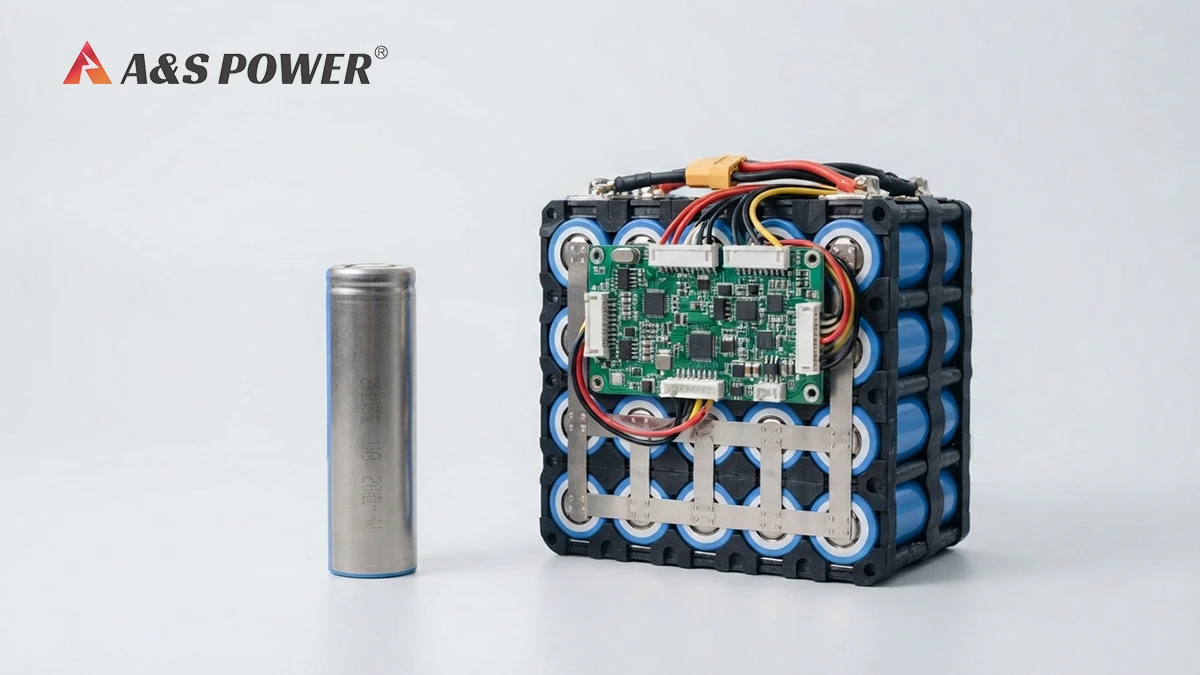 May.2026.08.0521700 Battery Pack with BMS: Design, Safety and Custom SolutionsLearn More
 -
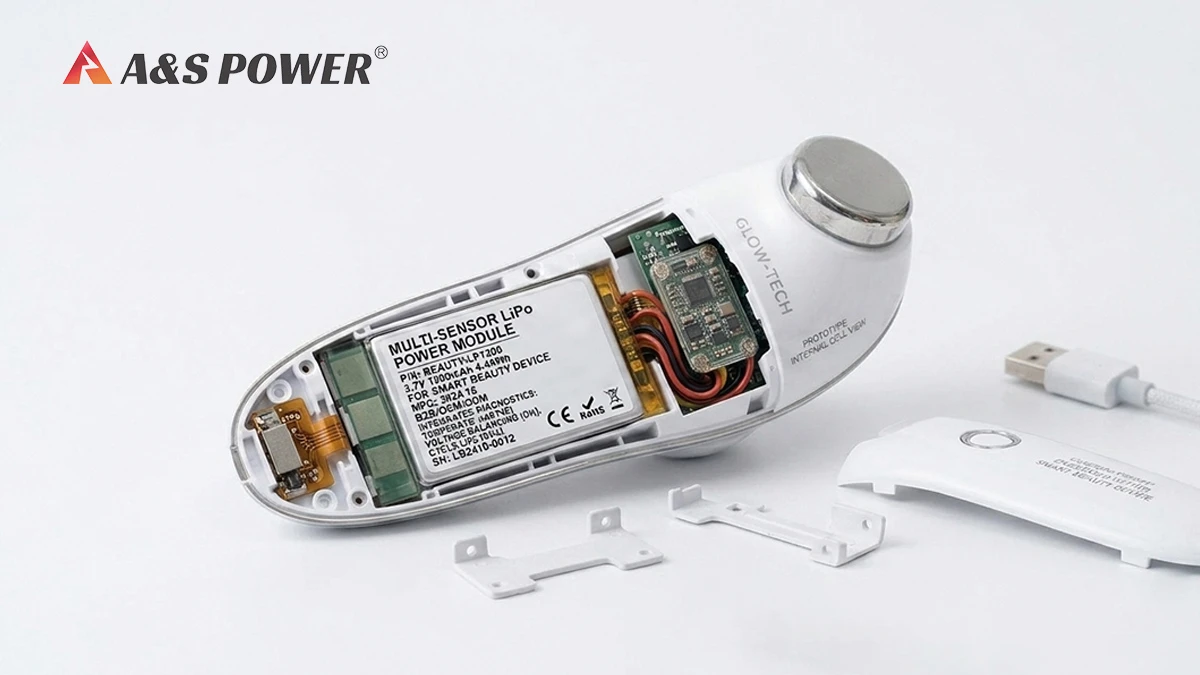 May.2026.08.04Smart Beauty Equipment Battery Pack ManufacturerLearn More
 -
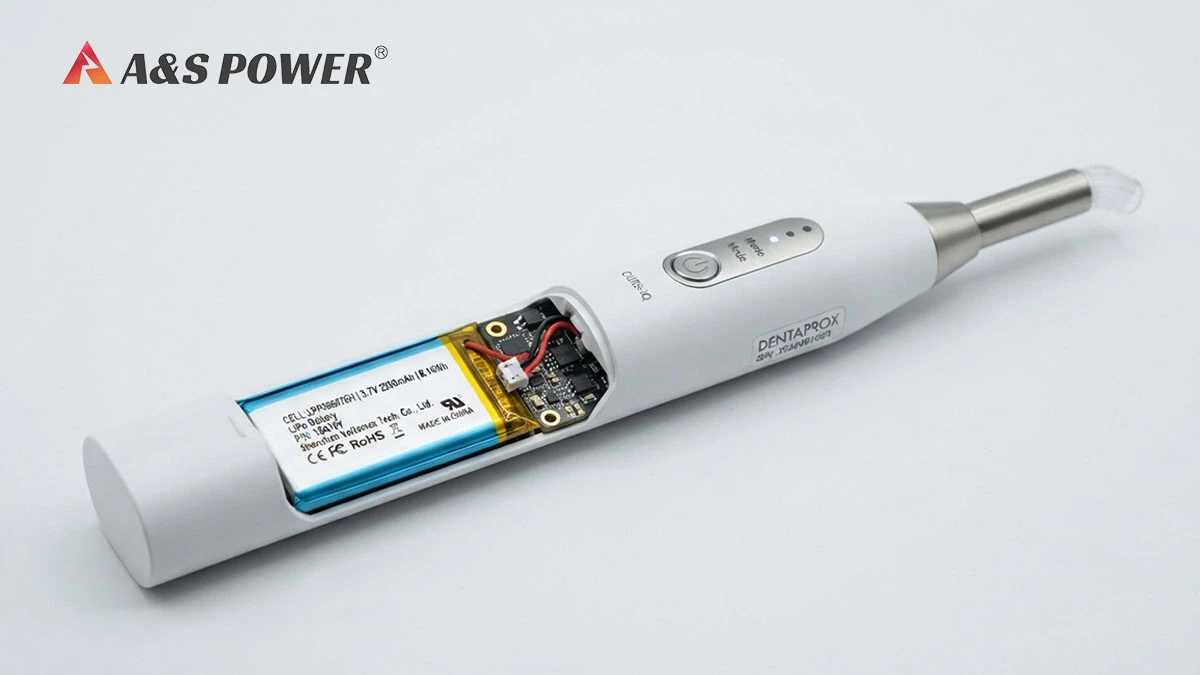 May.2026.08.04High Reliability Polymer Battery for Handheld Dental DevicesLearn More
 -
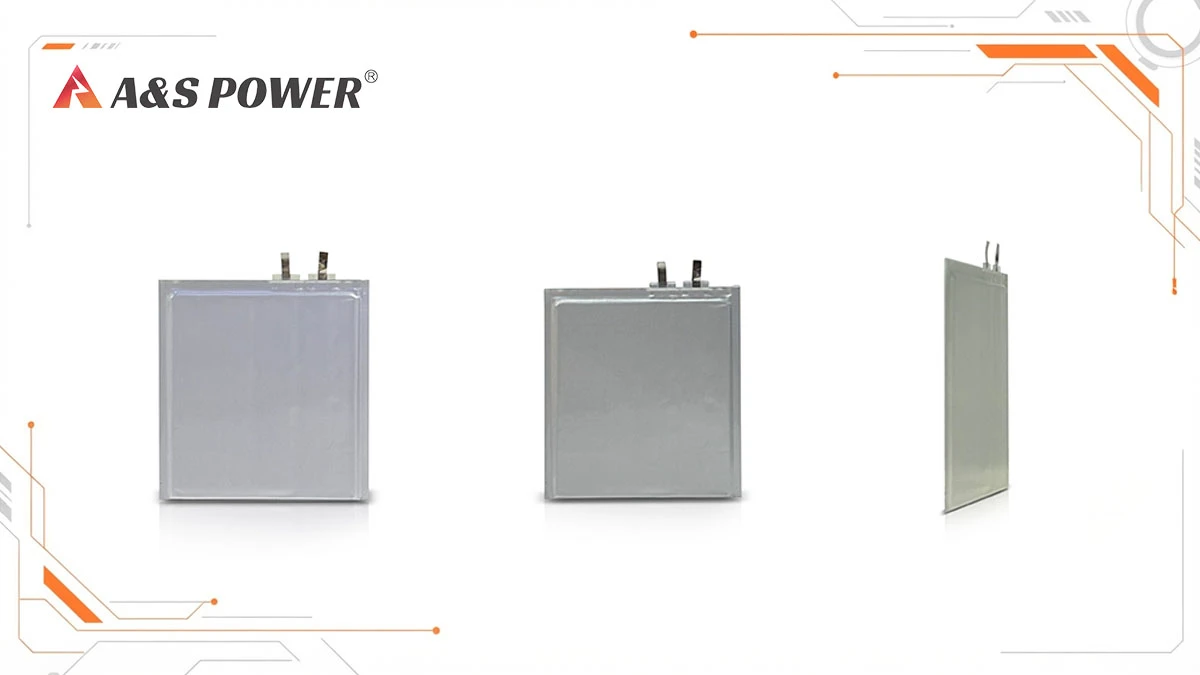 May.2026.08.04Ultra Thin Lithium Polymer Battery 0.4mm 0.5mm Custom GuideLearn More
 -
 May.2026.07.30Smoke Detector Battery Guide: Choosing the Right Battery for Reliable Fire ProtectionLearn More