




18650 Cell or LiPo Battery Cell: Choosing the Best Battery
Introduction
When selecting a lithium battery for your product or application, one of the most common questions I encounter is:
“Should I use an 18650 cell or a LiPo battery cell?”
This is not just a technical decision—it directly impacts:
- Product performance
- Safety compliance
- Cost structure
- Design flexibility
- Market competitiveness
In this guide, I will walk you through a real-world, engineering-level comparison between 18650 cells and LiPo (Lithium Polymer) battery cells, using industry data, application scenarios, and design considerations.
Quick Answer
If you want a quick conclusion:
- Choose 18650 cells if you need:
- High durability
- Lower cost
- Standardized production
- Long cycle life
- Choose LiPo battery cells if you need:
- Ultra-thin or custom shapes
- Lightweight design
- Flexible product integration
- Compact consumer electronics
What Is an 18650 Cell?
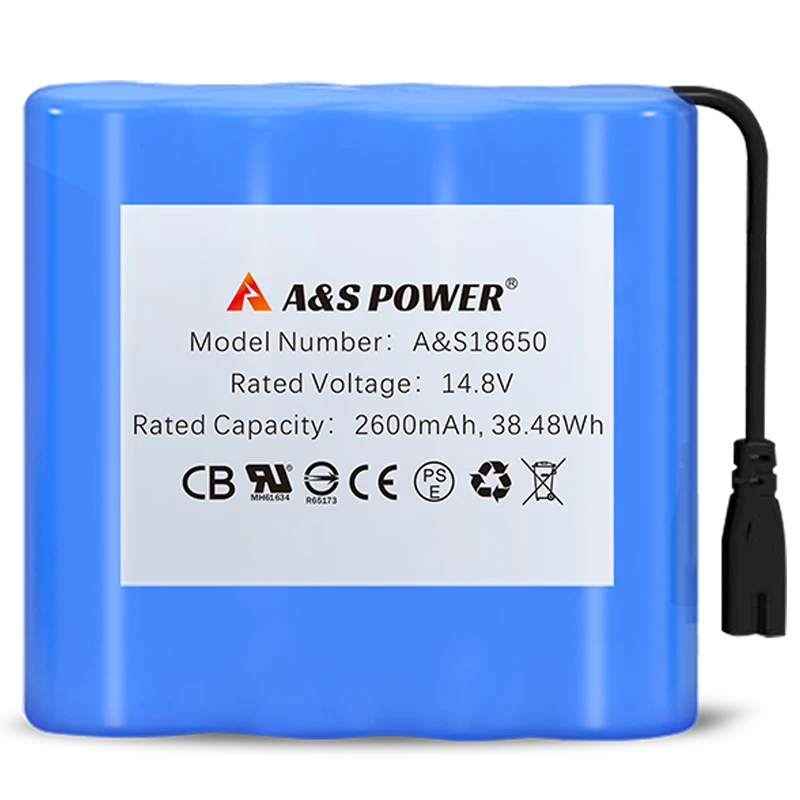
An 18650 cell is a cylindrical lithium-ion battery with:
- Diameter: 18 mm
- Length: 65 mm
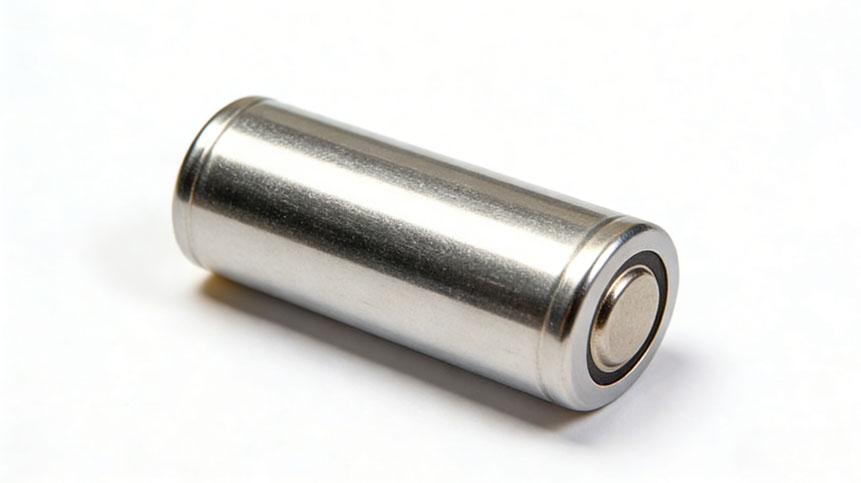
It is one of the most widely used battery formats globally.
Key Features
- Steel cylindrical casing
- Liquid electrolyte
- Standardized size
- High mechanical strength
Common Applications
- Power tools
- Electric vehicles (EV battery packs)
- Energy storage systems
- Flashlights
What Is a LiPo Battery Cell?
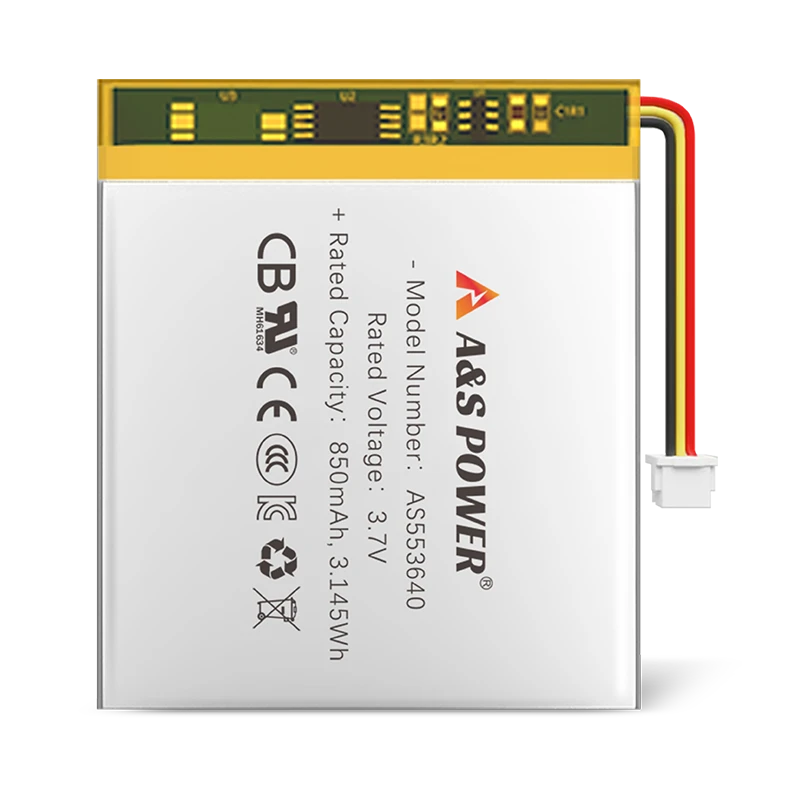
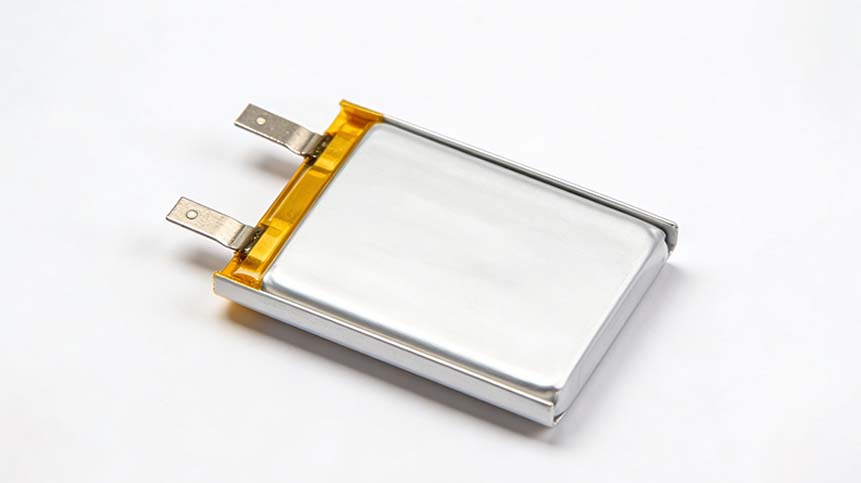
A LiPo (Lithium Polymer) battery uses a polymer electrolyte and comes in a pouch format, allowing flexible shapes.
Key Features
- Soft aluminum pouch casing
- Lightweight
- Customizable dimensions
- High energy density per volume
Common Applications
- Smartphones
- Wearable devices
- Medical equipment
- Drones
Core Differences Between 18650 and LiPo Cells
Below is a structured comparison based on real engineering metrics:
Technical Comparison Table
|
Parameter
|
18650 Cell
|
LiPo Battery Cell
|
|---|---|---|
|
Form Factor
|
Cylindrical
|
Pouch (flexible)
|
|
Energy Density
|
250–300 Wh/kg
|
150–250 Wh/kg
|
|
Cycle Life
|
500–1500 cycles
|
300–800 cycles
|
|
Weight
|
Heavier
|
Lighter
|
|
Shape Flexibility
|
None
|
High
|
|
Safety
|
More stable
|
More sensitive
|
|
Cost
|
Lower
|
Higher
|
|
Customization
|
Limited
|
Excellent
|
|
Thermal Management
|
Easier
|
More complex
|
Performance Analysis
Energy Density |
Discharge Performance |
Cycle Life
|
|
18650 cells generally offer higher gravimetric energy density, making them suitable for high-power applications.
However, LiPo batteries offer better volumetric efficiency in compact designs.
Insight:
|
LiPo batteries can support:
This makes them ideal for:
18650 cells:
|
18650 cells outperform LiPo in longevity due to:
|
Safety Comparison
18650 Safety Advantages
- Metal casing prevents swelling
- Better resistance to mechanical damage
- Lower risk of puncture
LiPo Safety Risks
- Swelling under stress
- Sensitive to overcharge
- Requires advanced BMS
Real-world insight:
Most battery failures in consumer electronics are linked to LiPo pouch swelling, especially in aging devices.
Cost Analysis
18650 Cost Advantages
- Mass production (Tesla-scale manufacturing)
- Standardized supply chain
- Lower per-unit cost
LiPo Cost Drivers
- Custom design tooling
- Lower economies of scale
- Higher quality control requirements
Design Flexibility and Customization
This is where LiPo batteries dominate.
LiPo Advantages
- Ultra-thin (as low as 3mm)
- Irregular shapes
- Space optimization
18650 Limitations
- Fixed cylindrical geometry
- Requires battery pack design
Application-Based Selection Guide
Choose 18650 If You Are Designing: |
Choose LiPo If You Are Designing:
|
|
|
|
Real-World Case Studies
Case 1 – Medical Device Battery |
Case 2 – Industrial Equipment
|
|
A portable ultrasound device required:
Solution: LiPo battery pack
|
A power tool manufacturer needed:
Solution: 18650 battery pack
|
Battery Pack vs Cell Consideration
Important note:
You rarely use a single cell in real products.
Instead:
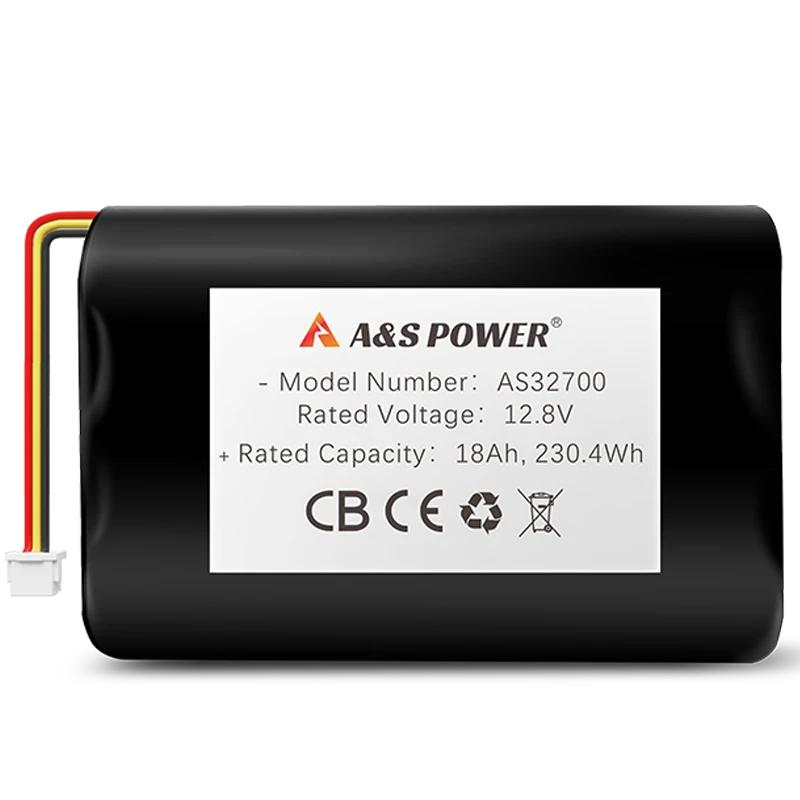
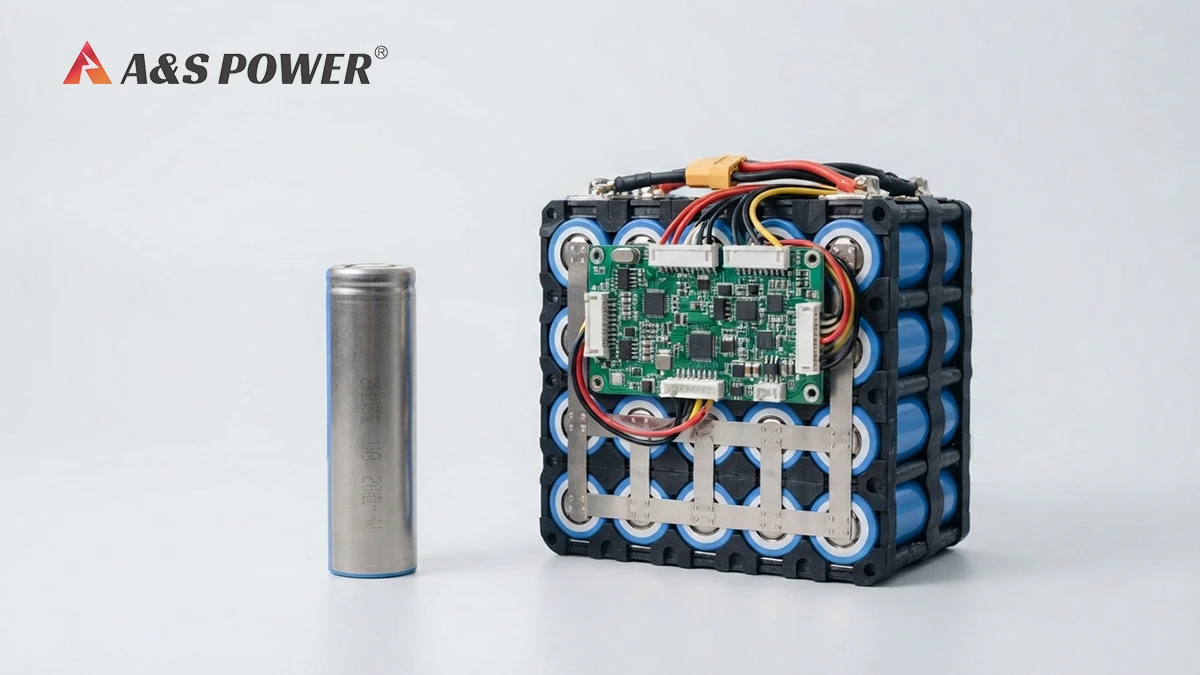
- 18650 → battery pack assembly
- LiPo → custom integrated pack
Regulatory and Certification Factors
Both battery types must comply with:
- UN38.3 (transport safety)
- IEC 62133
- UL certification
LiPo batteries often require stricter:
- Swelling tests
- Pouch integrity checks
Future Trends in Battery Technology
- 21700 replacing 18650 in EVs
- Solid-state batteries emerging
- High-density LiPo improving
FAQ Section
Is LiPo better than 18650?
Not necessarily. LiPo is better for compact designs, while 18650 is better for durability and cost.
Which battery is safer?
18650 cells are generally safer due to their rigid casing.
Can LiPo replace 18650?
Yes, but only if your design prioritizes size and weight over cost and durability.
Why are LiPo batteries used in phones?
Because they allow ultra-thin and lightweight designs.
Which battery lasts longer?
18650 batteries usually have a longer cycle life.
Conclusion
From our experience working with OEM and industrial battery projects, the choice between 18650 cells and LiPo batteries is not about which is “better”—it is about selecting the solution that best fits your specific application.
- 18650 = reliability + cost efficiency
- LiPo = flexibility + compact design
If you are developing a new product or optimizing an existing design and are unsure which battery is right for you, the smartest approach is to partner with an experienced manufacturer.
Contact A&S Power today to get expert guidance and a custom battery solution tailored to your exact requirements.
Our engineering team is ready to help you:
- Select the optimal battery type
- Design a high-performance custom battery pack
- Ensure compliance with global certifications
- Improve product reliability while reducing cost
Start your project with A&S Power and turn your battery challenge into a competitive advantage.
-

 May.2026.08.0521700 Battery Pack with BMS: Design, Safety and Custom SolutionsLearn More
 -
 May.2026.08.04Smart Beauty Equipment Battery Pack ManufacturerLearn More
 -
 May.2026.08.04High Reliability Polymer Battery for Handheld Dental DevicesLearn More
 -
 May.2026.08.04Ultra Thin Lithium Polymer Battery 0.4mm 0.5mm Custom GuideLearn More
 -
 May.2026.07.30Smoke Detector Battery Guide: Choosing the Right Battery for Reliable Fire ProtectionLearn More