




3.6 Volt Battery: Complete Technical Guide for Engineers & Buyers
Executive Summary
A 3.6 volt battery is a lithium-based power cell with a nominal voltage of approximately 3.6V. It can refer to:
• Rechargeable lithium-ion (Li-ion) cells
• Lithium polymer (LiPo) batteries
• Primary lithium thionyl chloride (Li-SOCl2) batteries
3.6V is a standard nominal voltage in lithium chemistry because the electrochemical potential of lithium-based systems naturally falls within the 3.6–3.7V range.
These batteries are widely used in:
• Industrial sensors
• Medical equipment
• IoT devices
• Smart meters
• GPS tracking
• Consumer electronics
In this guide, I will explain the chemistry differences, voltage behavior, performance data, safety standards, and OEM customization considerations to help you choose the correct 3.6V battery for your application.
What Does 3.6 Volt Mean in Battery Terminology?
The “3.6V” marking refers to the nominal voltage, not the maximum voltage.
Nominal voltage is the average operating voltage during discharge.
For rechargeable lithium-ion batteries:
-
Nominal voltage: 3.6V or 3.7V
-
Full charge voltage: 4.2V
-
Cut-off voltage: 2.75V–3.0V
For lithium thionyl chloride (Li-SOCl2):
-
Nominal voltage: 3.6V
-
Open circuit voltage: ~3.65V
-
Cut-off voltage: ~2.0V
The 3.6V standard exists because lithium chemistry provides high electrochemical potential compared to alkaline or NiMH systems.
Main Types of 3.6 Volt Batteries
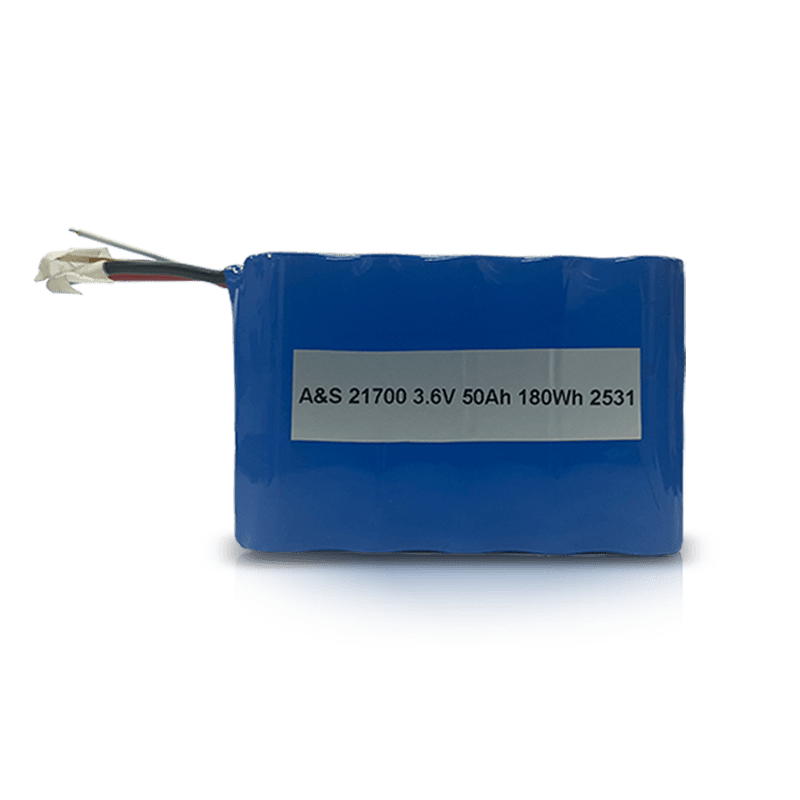
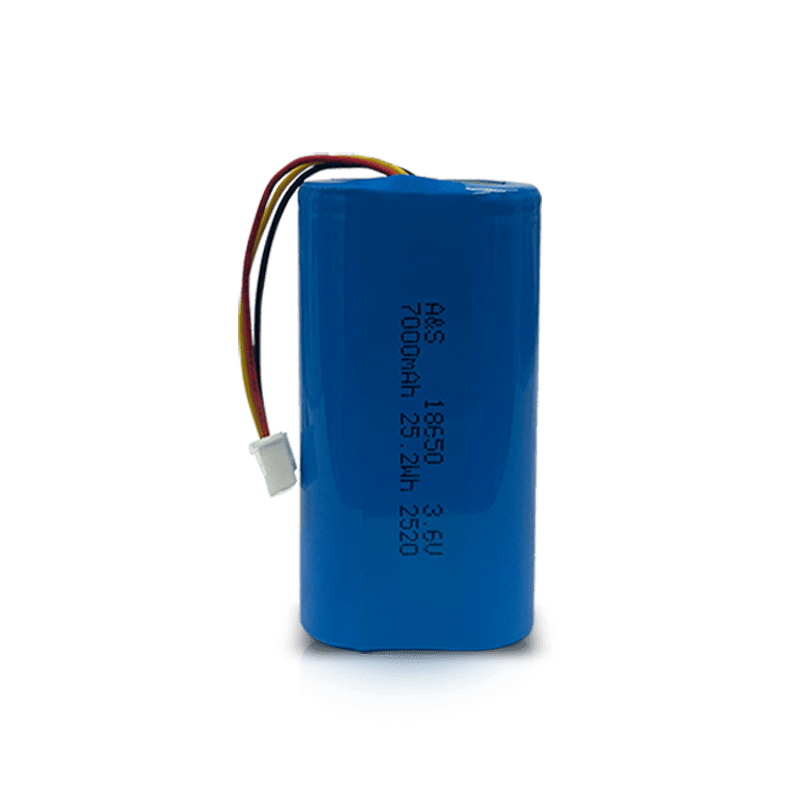
1. 3.6V Lithium-Ion (Rechargeable)
This is the most common rechargeable 3.6V battery type.
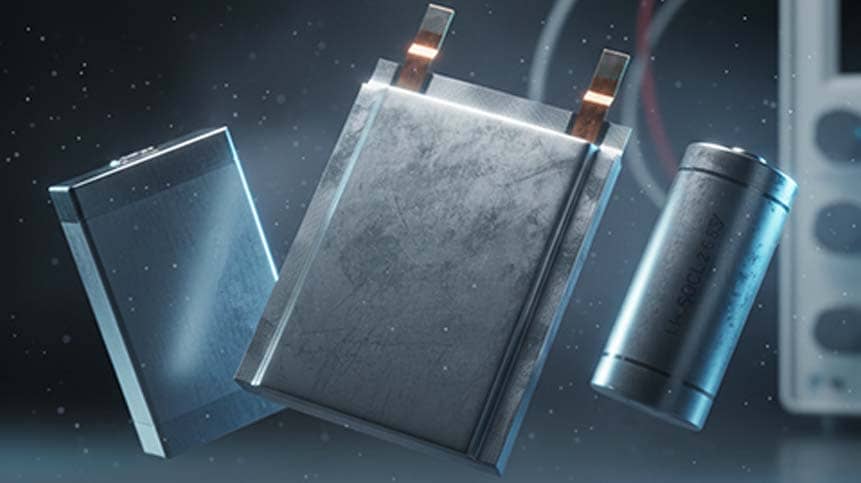
Typical formats:
-
18650 cylindrical
-
14500 cylindrical
-
Pouch cell (LiPo)
-
Prismatic cell
 |
 |
Characteristics:
-
Rechargeable (300–1000 cycles typical)
-
High energy density
-
Requires protection circuit
-
Used in electronics and battery packs
2. 3.6V Lithium Polymer (LiPo)
A subtype of lithium-ion using polymer electrolyte.
Advantages:
-
Ultra-thin
-
Lightweight
-
Custom shapes possible
-
High energy density
Common in:
-
Wearables
-
Smart devices
-
Medical equipment
3. 3.6V Lithium Thionyl Chloride (Li-SOCl2)
Primary (non-rechargeable) battery chemistry.
Common in industrial applications.
Advantages:
-
Extremely long shelf life (10–20 years)
-
Very low self-discharge (<1% per year)
-
High energy density
-
Wide temperature range (-55°C to +85°C)
Used in:
-
Smart meters
-
Utility systems
-
Remote monitoring
-
Military equipment
3.6V Battery vs 3.7V Battery — Are They the Same?
One of the most searched questions.
In rechargeable lithium-ion systems:
3.6V and 3.7V are often used interchangeably.
Both:
-
Charge to 4.2V
-
Operate in similar voltage ranges
-
Share same chemistry base
Manufacturers may label cells differently depending on:
-
Regional standards
-
Marketing conventions
-
Chemistry optimization
In practical terms, 3.6V Li-ion ≈ 3.7V Li-ion.
Technical Specification Data
Below is a performance comparison of common 3.6V battery types:
|
Parameter
|
Li-ion 3.6V
|
LiPo 3.6V
|
Li-SOCl2 3.6V
|
|---|---|---|---|
|
Rechargeable
|
Yes
|
Yes
|
No
|
|
Energy Density
|
150–260 Wh/kg
|
180–250 Wh/kg
|
400–700 Wh/kg
|
|
Cycle Life
|
300–1000
|
300–800
|
Not rechargeable
|
|
Self-Discharge
|
2–3% per month
|
2–3% per month
|
<1% per year
|
|
Temperature Range
|
-20°C to 60°C
|
-20°C to 60°C
|
-55°C to 85°C
|
|
Typical Capacity
|
1000–3500mAh
|
100–5000mAh
|
1200–19000mAh
|
These ranges reflect commonly published industrial data.
Voltage Discharge Characteristics
Rechargeable 3.6V lithium batteries:
-
Start at 4.2V when fully charged
-
Gradually decline
-
Remain stable around 3.6–3.7V plateau
-
Drop sharply near 3.0V
Li-SOCl2 batteries:
-
Maintain stable output near 3.6V
-
Exhibit flat discharge curve
-
Sudden drop near end-of-life
This stable plateau makes 3.6V lithium batteries ideal for electronics requiring consistent voltage.
Applications of 3.6 Volt Batteries
Based on market usage trends, common applications include:
Industrial
|
Medical
|
Consumer Electronics
|
IoT Devices
|
|
|
|
|
|
If your device operates between 3V–4.2V, a 3.6V lithium battery is typically the optimal power source.
Safety & Certification Requirements
For exporting to North America and Europe, 3.6V lithium batteries often require:
-
UN38.3 (transport testing)
-
IEC 62133 (safety standard)
-
CE marking
-
RoHS compliance
-
UL 1642 (cell level certification)
How to Select the Right 3.6V Battery
From my experience working with OEM device manufacturers, the selection process should evaluate:
-
Continuous discharge current
-
Peak current requirement
-
Temperature conditions
-
Expected lifespan
-
Rechargeability requirement
-
Physical size constraints
-
Compliance needs
For long-term industrial deployment (10+ years), Li-SOCl2 may be best.
For rechargeable consumer devices, Li-ion or LiPo is preferred.
Custom 3.6V Battery Pack Solutions
For OEM customers, custom solutions may include:
-
Series or parallel configurations
-
Protection circuit module (PCM/BMS)
-
NTC temperature sensor
-
Custom connectors (JST, Molex)
-
IP-rated casing
-
Laser branding
-
High-drain design
If your product requires certification support, early battery selection reduces redesign risk.
Market Trends & Industry Outlook
The global lithium battery market continues to grow due to:
-
IoT expansion
-
Smart infrastructure
-
Renewable energy storage
-
Medical device growth
3.6V lithium batteries remain foundational because they balance:
-
Energy density
-
Stability
-
Safety
-
Cost efficiency
They are unlikely to be replaced in low-power and portable applications in the near term.
FAQ
What devices use a 3.6 volt battery?
Common devices include IoT sensors, medical devices, industrial meters, GPS trackers, and rechargeable electronics.
Is a 3.6V battery rechargeable?
Some are rechargeable (Li-ion, LiPo). Others like Li-SOCl2 are primary and not rechargeable.
Can I replace a 3.7V battery with 3.6V?
In lithium-ion systems, yes — they are typically interchangeable if charging voltage is 4.2V.
How long does a 3.6V lithium battery last?
Rechargeable types last 300–1000 cycles. Primary Li-SOCl2 batteries can last 10–20 years in low-drain applications.
Is 3.6V battery safe?
Yes, when manufactured under certified standards and used with proper protection circuits.
Conclusion
A 3.6 volt battery is one of the most versatile and widely adopted lithium battery standards across industrial, medical, and consumer markets.
Choosing the right chemistry — Li-ion, LiPo, or Li-SOCl2 — depends on your product's power profile, lifecycle expectations, and compliance requirements.
If you are designing a new device or sourcing a reliable OEM partner for custom 3.6V battery packs, working with an experienced manufacturer ensures performance stability, regulatory compliance, and long-term supply consistency.
-

 May.2026.08.0521700 Battery Pack with BMS: Design, Safety and Custom SolutionsLearn More
 -
 May.2026.08.04Smart Beauty Equipment Battery Pack ManufacturerLearn More
 -
 May.2026.08.04High Reliability Polymer Battery for Handheld Dental DevicesLearn More
 -
 May.2026.08.04Ultra Thin Lithium Polymer Battery 0.4mm 0.5mm Custom GuideLearn More
 -
 May.2026.07.30Smoke Detector Battery Guide: Choosing the Right Battery for Reliable Fire ProtectionLearn More