




How to Choose the Right Battery for Medical Devices Complete Guide
Introduction
The best battery for medical devices must prioritize safety, reliability, and long-term stability over cost alone.
In medical applications, battery failure is not just a performance issue—it can directly impact patient safety, regulatory compliance, and product liability.
For OEM manufacturers and engineers, choosing the right battery requires a deep understanding of chemistry, certification standards, thermal behavior, and real-world usage conditions.
Why Battery Selection Is Critical in Medical Devices
Medical devices operate under strict requirements:
- Continuous operation
- High reliability
- Safety-critical environments
A poorly designed battery system can lead to overheating, capacity loss, or device malfunction.
Key Factors in Medical Battery Selection
1. Safety and Certification Requirements
Medical batteries must comply with:
- UN38.3 (transport safety)
- IEC 62133
- UL standards
Safety certification is non-negotiable in medical applications.
2. Battery Chemistry Selection
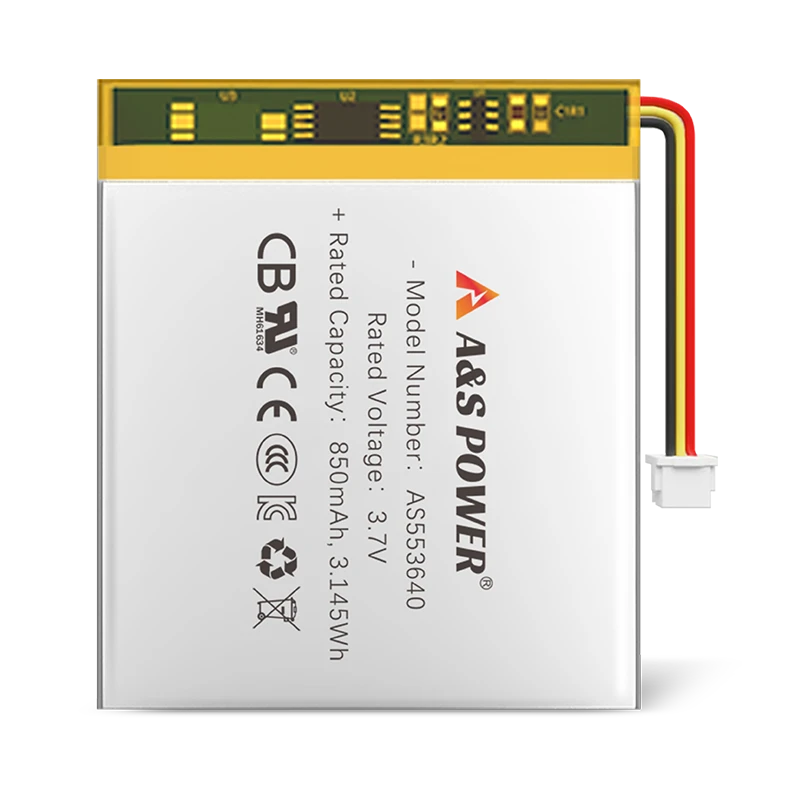
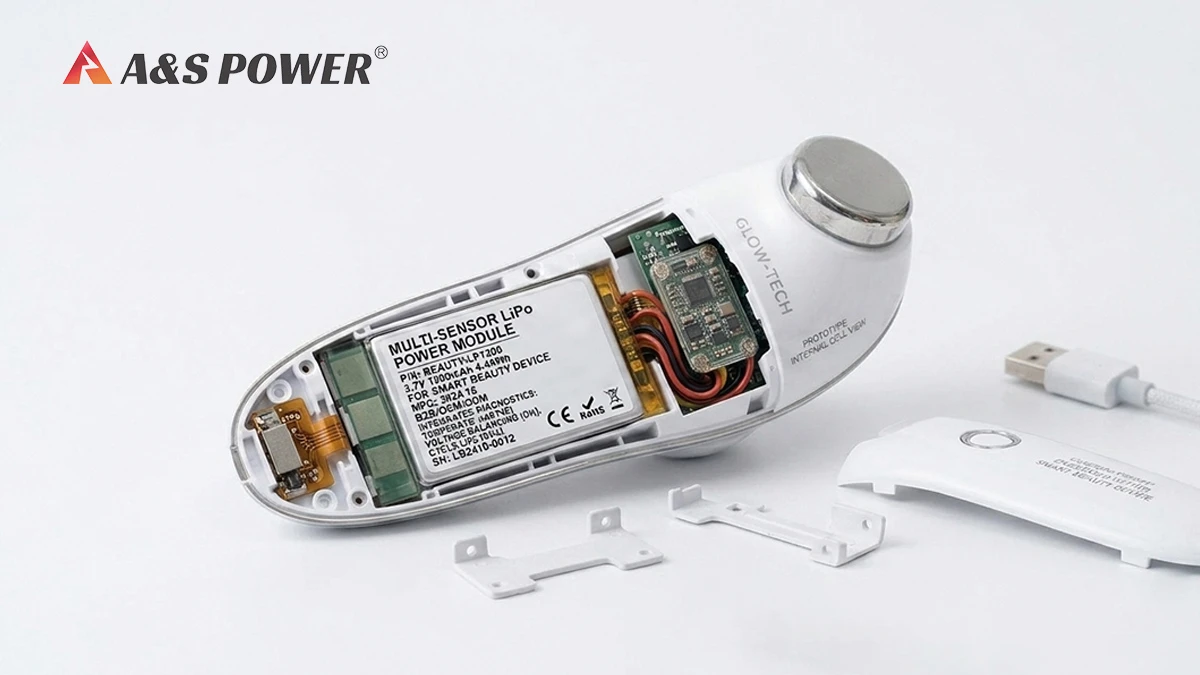
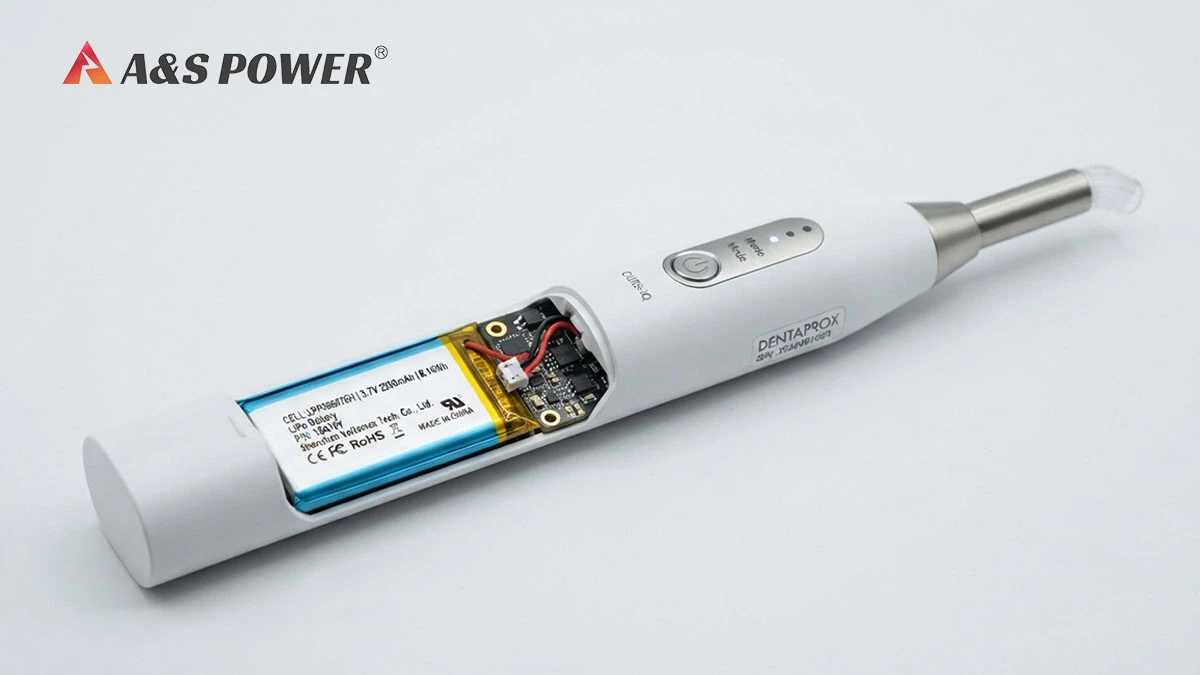
LiPo Batteries
- Compact and flexible
- Ideal for portable medical devices
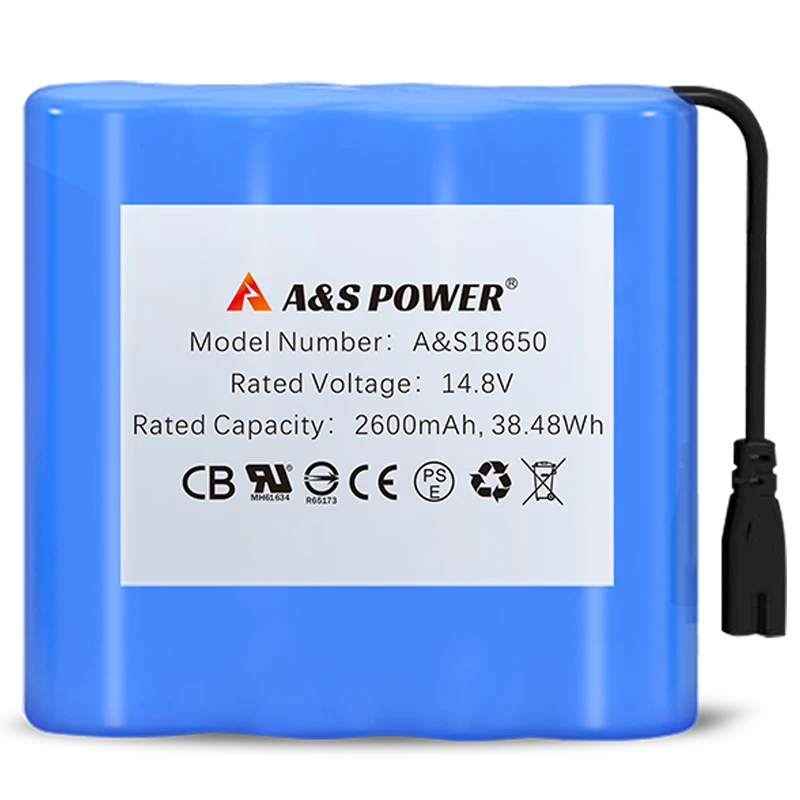
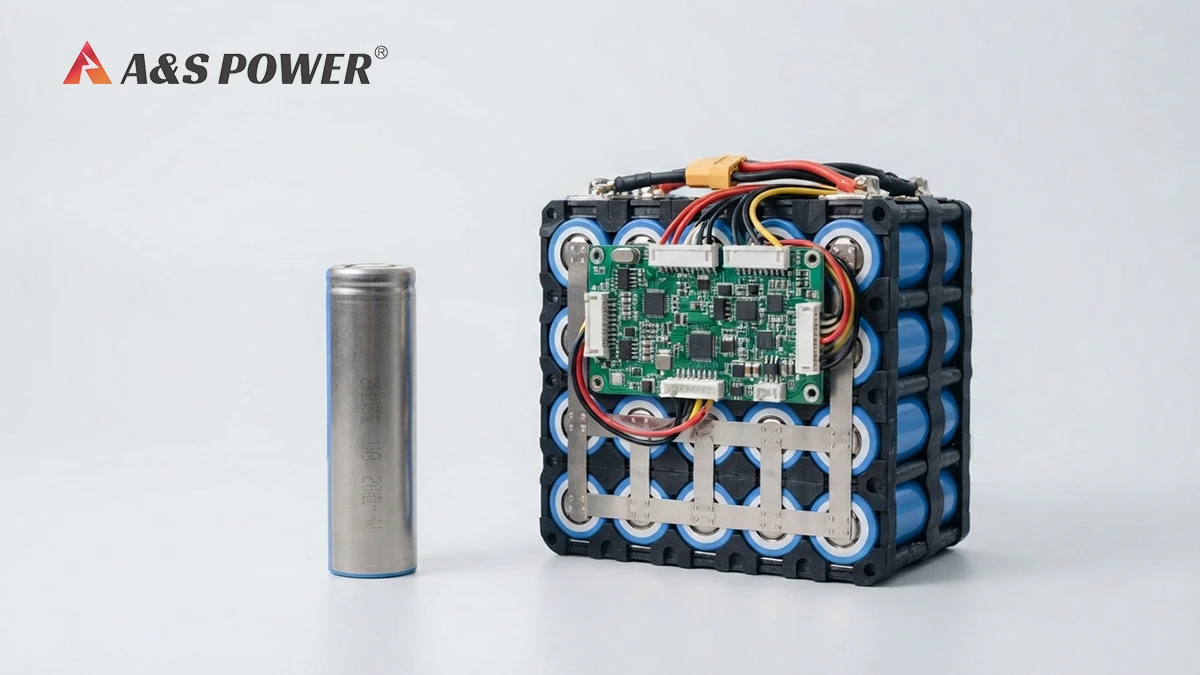
18650 Li-ion Batteries
- Durable and cost-effective
- Suitable for larger equipment
LiPo batteries are typically preferred for wearable and portable medical devices.
3. Size and Design Constraints
Medical devices often require:
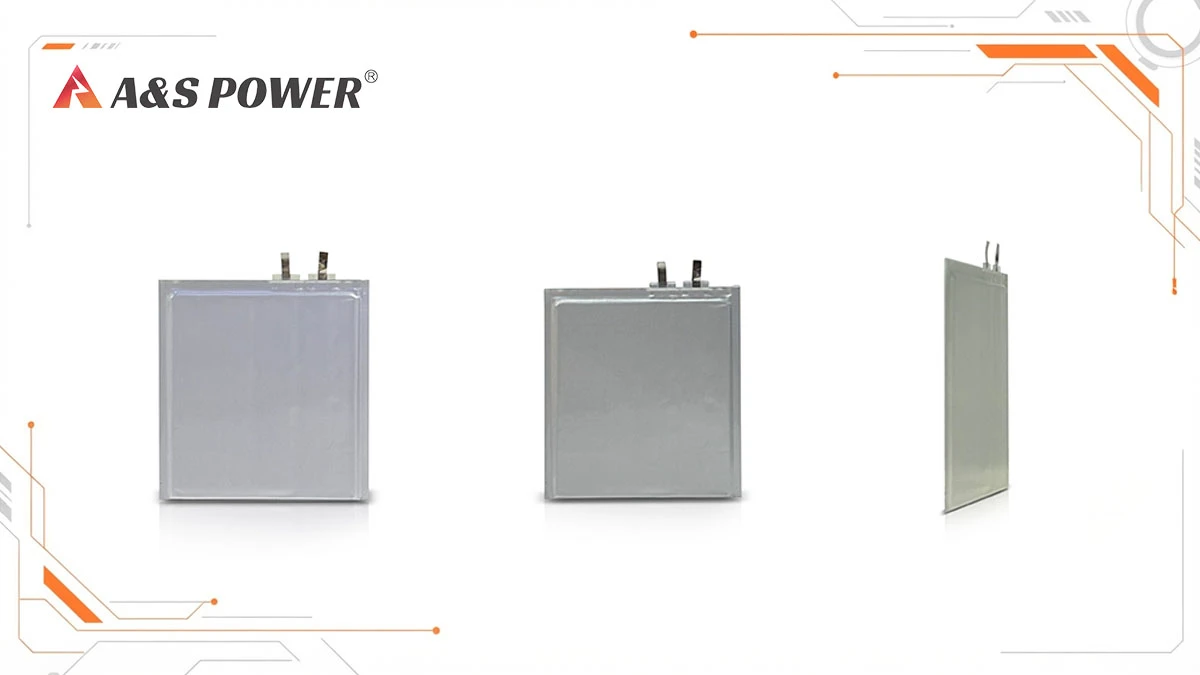
- Ultra-thin form factors
- Custom shapes
- Lightweight design
4. Battery Lifespan and Cycle Life
- Typical cycle life: 300–1000 cycles
- Must maintain stable performance over time
Battery degradation must be predictable and controlled.
5. Thermal Management
Heat is a major risk factor.
Effective thermal design is essential to prevent overheating and ensure safety.
Battery Types for Medical Devices
|
Battery Type
|
Advantages
|
Disadvantages
|
Applications
|
|---|---|---|---|
|
LiPo
|
Compact, flexible
|
Higher cost
|
Wearables
|
|
18650
|
Durable, low cost
|
Larger size
|
Equipment
|
Real-World Applications
Breast Pumps
Require:
- Lightweight
- Quiet operation
- Safe charging
LiPo batteries are the preferred solution.
Portable Monitoring Devices
Require:
- Long runtime
- Stable voltage
Wearable Medical Devices
Require:
- Ultra-thin batteries
- High safety
Common Mistakes in Medical Battery Selection
- Choosing cheapest option
- Ignoring certification
- Poor thermal design
These mistakes can lead to product recalls or regulatory issues.
Expert Insight
From an engineering perspective, battery design must align with device usage, environment, and safety requirements.
Custom Battery Solutions
At A&S Power, we specialize in custom battery solutions for medical devices, including:
- Breast pumps
- Wearable health devices
- Portable monitoring systems
We provide:
- Custom battery design
- BMS integration
- Certification support
Working with an experienced battery manufacturer reduces development risk and ensures compliance.
Contact A&S Power today to get expert guidance and a custom battery solution tailored to your exact requirements.
FAQ
What battery is used in medical devices?
LiPo and lithium-ion batteries are commonly used depending on application requirements.
Why is battery safety critical?
Because failure can directly impact patient safety.
Which battery is best for wearable medical devices?
LiPo batteries are preferred due to compact size.
Conclusion
Choosing the right battery for medical devices requires balancing safety, size, performance, and compliance.
-

 May.2026.08.0521700 Battery Pack with BMS: Design, Safety and Custom SolutionsLearn More
 -
 May.2026.08.04Smart Beauty Equipment Battery Pack ManufacturerLearn More
 -
 May.2026.08.04High Reliability Polymer Battery for Handheld Dental DevicesLearn More
 -
 May.2026.08.04Ultra Thin Lithium Polymer Battery 0.4mm 0.5mm Custom GuideLearn More
 -
 May.2026.07.30Smoke Detector Battery Guide: Choosing the Right Battery for Reliable Fire ProtectionLearn More