



Introduction: Why the Battery Pack Defines Heated Jacket Performance
If you work with heated jackets—whether as a brand owner, product manager, or OEM buyer—you already know this truth: the battery pack is the heart of the heated jacket.
From my experience working with lithium battery solutions for wearable and heated apparel, most product complaints don’t come from heating elements or fabrics. They come from:
-
Short heating time
-
Inconsistent temperature output
-
Battery overheating or sudden shutdown
-
Poor cold-weather performance
All of these issues trace back to battery pack design, cell quality, and protection logic.
This guide breaks down how heated jacket battery packs really work, what specifications actually matter, and how to choose or customize a battery pack that performs reliably in real outdoor conditions.
What Is a Heated Jacket Battery Pack?
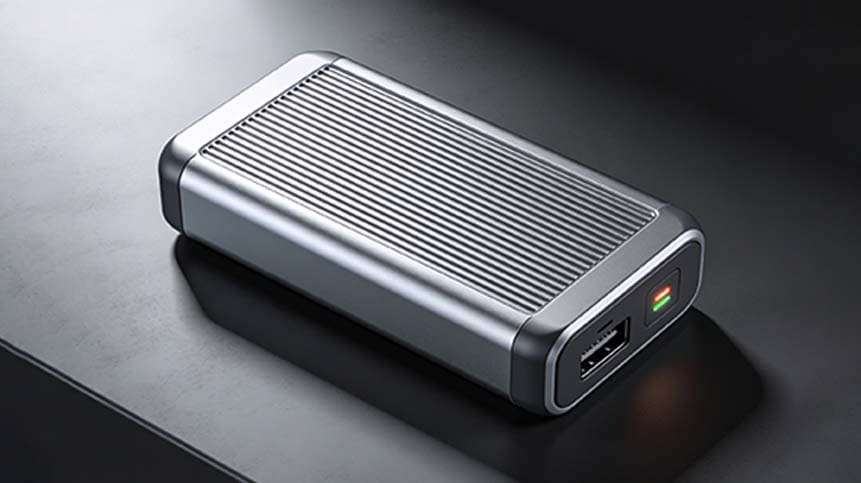
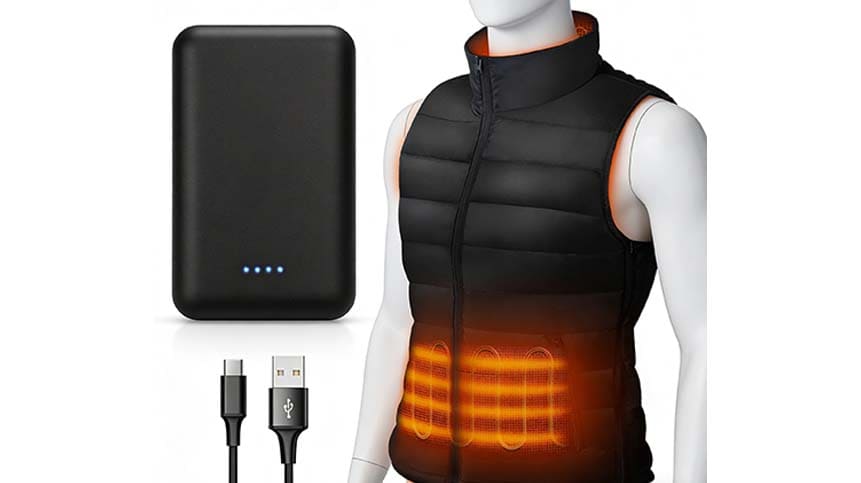
A heated jacket battery pack is a rechargeable lithium-based power source designed to supply stable low-voltage DC power to heating elements embedded in jackets, vests, and other heated clothing.
Unlike consumer power banks, a heated jacket battery pack must:
-
Deliver continuous current for hours
-
Operate safely at low ambient temperatures
-
Fit into compact garment pockets
-
Support multiple heating levels
Most heated jackets today use lithium-ion or lithium polymer battery packs with integrated protection circuits.
Why the Battery Pack Defines Heated Jacket Performance
In real-world usage, customers judge a heated jacket by three factors: how fast it heats, how long it lasts, and whether it feels safe. All three are controlled by the battery pack.
- Heating speed depends on voltage stability
- Runtime depends on usable capacity, not nominal mAh
- Safety depends on cell quality and BMS logic
Low-quality battery packs often look similar on paper but fail under cold weather load.
Battery Types Used in Heated Jackets
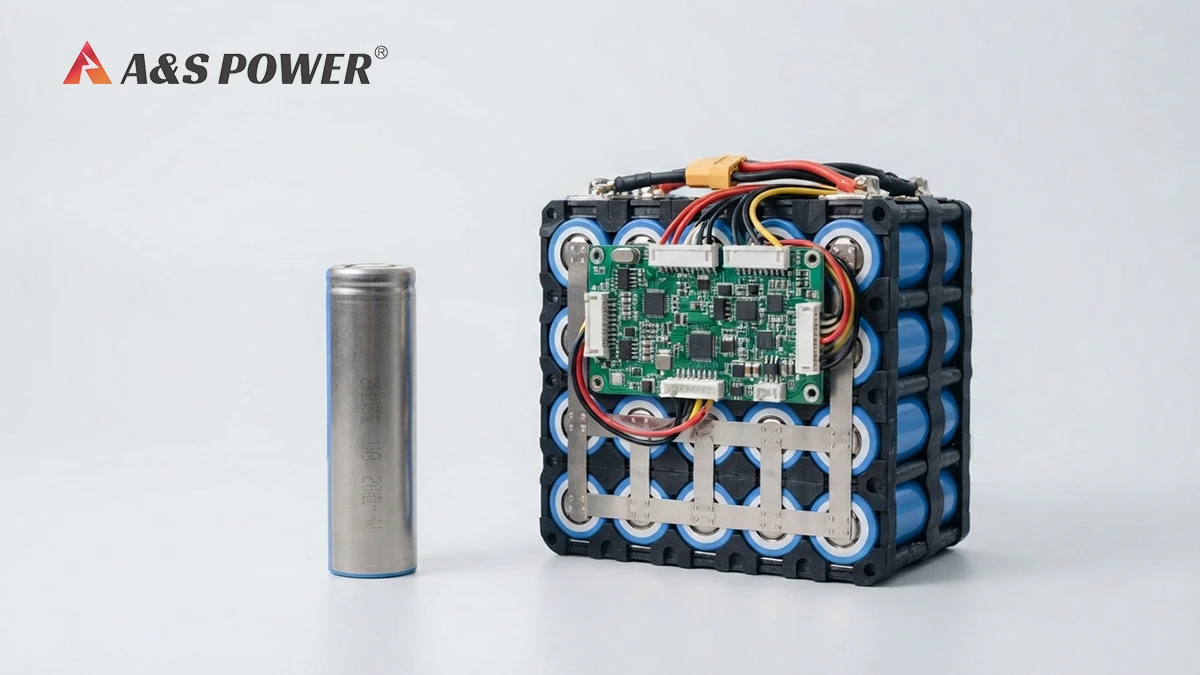
Lithium-Ion (Li-ion) Battery Packs
Li-ion battery packs are widely used due to:
-
High energy density
-
Stable discharge curve
-
Long cycle life
Typical configurations include:
-
18650-based packs
-
21700-based packs (higher capacity designs)
Pros
-
Longer runtime
-
Better cost efficiency for mass production
Cons
-
Slightly heavier than LiPo
-
Less flexible in shape
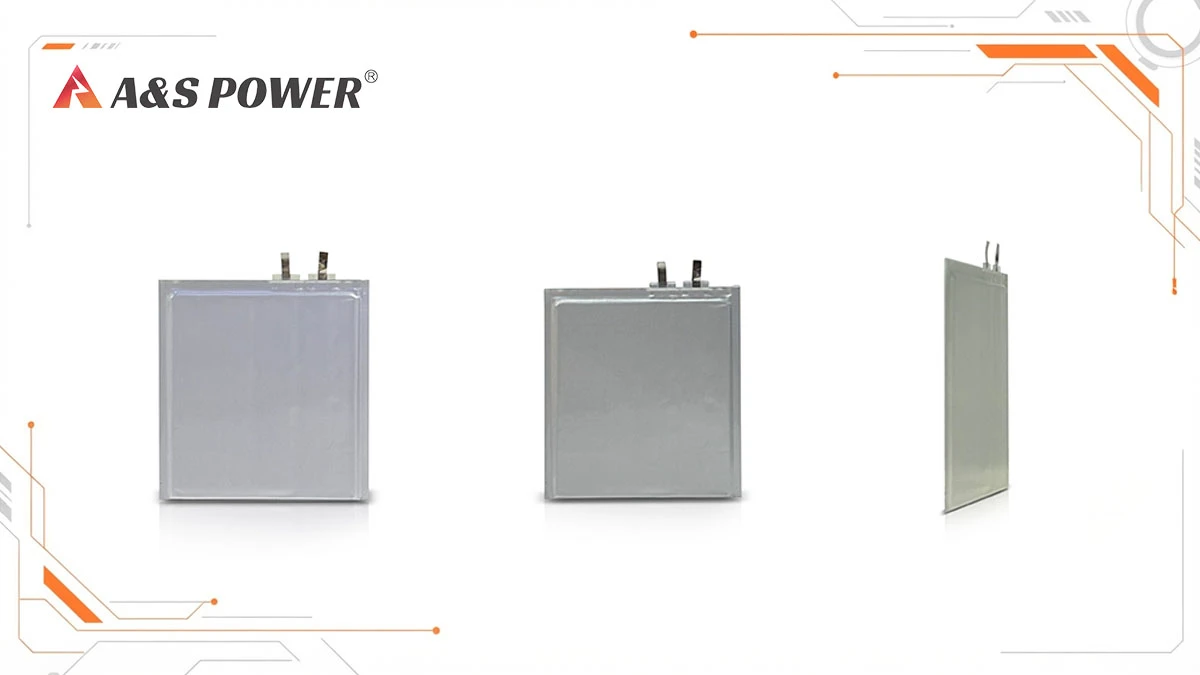
Lithium Polymer (LiPo) Battery Packs
LiPo batteries are increasingly popular in slim heated jackets.
Pros
-
Ultra-thin and lightweight
-
Flexible shape design
-
Better for fashion-oriented heated apparel
Cons
-
Higher cost
-
Requires stricter safety control
Voltage Standards for Heated Jacket Battery Packs
| Voltage | Typical Application | Notes |
|---|---|---|
| 5V | USB heated jackets | Slow heating, limited power |
| 7.4V | Mainstream heated jackets | Best balance of power & safety |
| 12V | Heavy-duty outdoor jackets | High heat output, larger pack |
Key Insight
From testing data, 7.4V systems provide a better balance between heating speed, safety, and battery size.
Battery Capacity vs Heating Runtime (Realistic Data)
Capacity alone does not determine heating time. Discharge rate, heating level, and ambient temperature all play critical roles. Below is realistic runtime data based on field usage.
| Capacity | Voltage | Heating Level | Runtime |
|---|---|---|---|
| 5000mAh | 7.4V | Low | 6–8 hours |
| 5000mAh | 7.4V | High | 2.5–3 hours |
| 10000mAh | 7.4V | Low | 10–12 hours |
Cold Weather Performance: The Hidden Problem
Lithium batteries naturally lose efficiency at low temperatures. At around -10°C (14°F), effective capacity loss of 20–30% is common.
Professional heated jacket battery packs mitigate this through:
- Low-temperature optimized cells
- Oversized capacity margins
- Smart BMS current control
Battery Management System (BMS)
A proper BMS protects against:
-
Overcharge
-
Over-discharge
-
Short circuit
-
Over-current
-
Over-temperature
Advanced BMS Features for Heated Jackets
-
Temperature-based power throttling
-
Auto shut-off below safe voltage
-
Heating-level synchronization
Without a well-designed BMS, even high-quality cells become unsafe.
Safety Standards & Certifications
- UN38.3 – Transportation safety
- IEC 62133 – Rechargeable battery safety
- UL 2054 / UL 1642 – North American compliance
Heated Jacket Battery Pack Design Considerations
Size & Ergonomics
|
Connector Types
|
Water Resistance
|
OEM & Custom Heated Jacket Battery Packs
From real OEM projects, customization usually includes:
-
Capacity tuning (mAh)
-
Voltage adjustment
-
Connector matching
-
Shell branding
-
BMS logic optimization
Custom solutions improve:
-
Heating efficiency
-
Safety margins
-
User experience
This is especially important for brand differentiation.
If you are sourcing heated jacket batteries for OEM or private-label production, working with an experienced lithium battery manufacturer can significantly reduce failure rates and certification risk.
Frequently Asked Questions
Can I use a regular power bank for a heated jacket?
No. Standard power banks are not designed for continuous heating loads or cold weather use.
How long does a heated jacket battery last?
Most quality battery packs support 500–800 charge cycles.
Are heated jacket batteries safe?
Yes, when properly designed, certified, and used with a dedicated BMS.
Can heated jacket batteries be customized?
Yes. Capacity, voltage, connectors, and housing can all be customized for OEM projects.