




The Ultimate Guide to 18650 Batteries in 2025: Custom Manufacturing, Wholesale Trends, and Performance Optimization
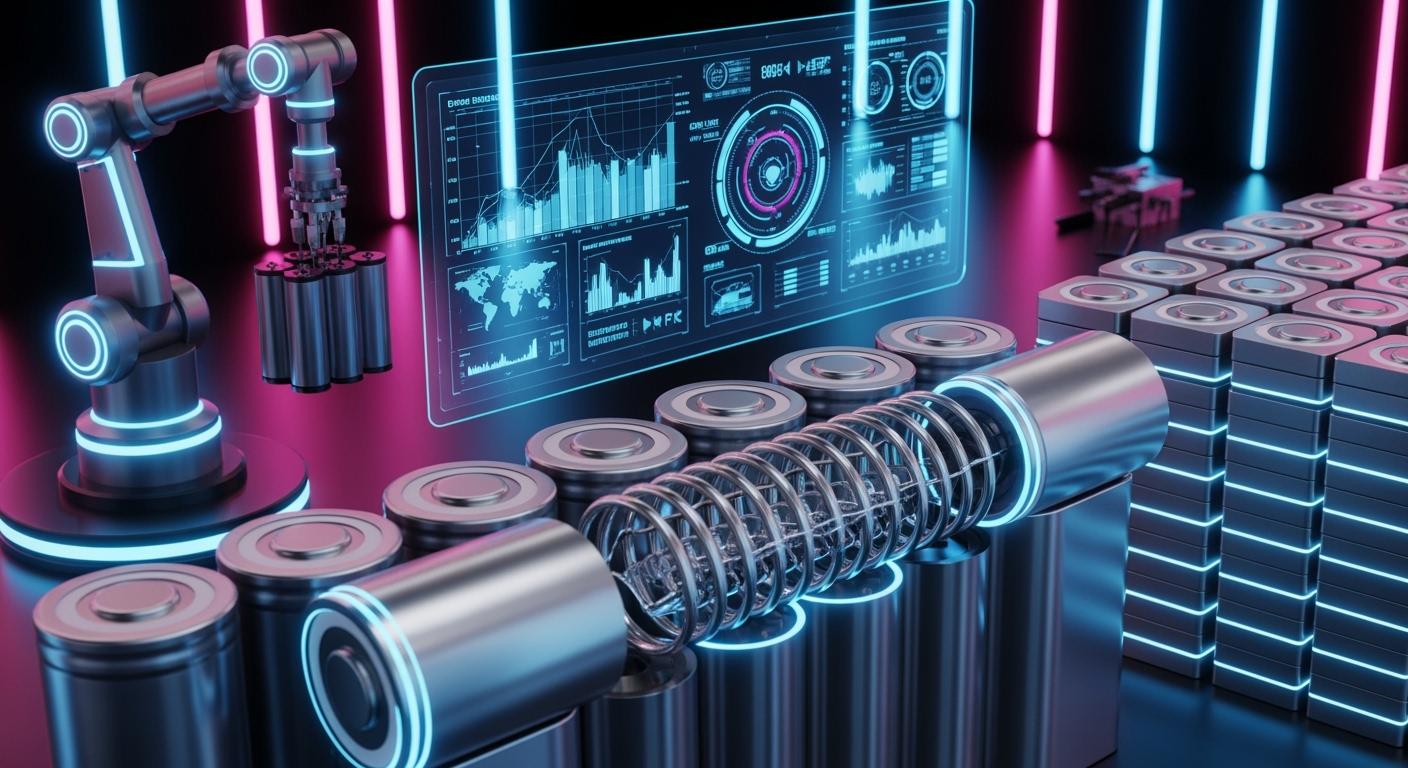
You see 18650 Batteries in more devices in 2025. These cells give strong power and can be used in many ways. Makers now try to make them hold more energy and charge quicker. This means electric vehicles go farther and charge in less time. You get safer and more dependable batteries because of better battery management and heat control. Custom manufacturing and buying in bulk help you get the right batteries for your needs.
- More energy in each cell brings in new industries.
- Quicker charging changes what people expect.
- Safer and stronger batteries help with important jobs.
Key Takeaways
- 18650 batteries are small and hold a lot of energy. This makes them good for many devices.
- Picking the right battery chemistry (ICR, IMR, INR) is important. It helps keep your device safe and working well.
- Always check if batteries are real by looking at labels and specs. Make sure they have the right certifications. This helps you avoid bad products.
- Using a Battery Management System (BMS) makes batteries safer and work better. It also helps your battery packs last longer.
- Keep learning about new battery technology and ways to help the environment. This helps you make better choices for your projects.
Understanding the 18650 Battery Landscape: Why It Remains the Industry Standard
The Anatomy of a High-Performance 18650 Cell
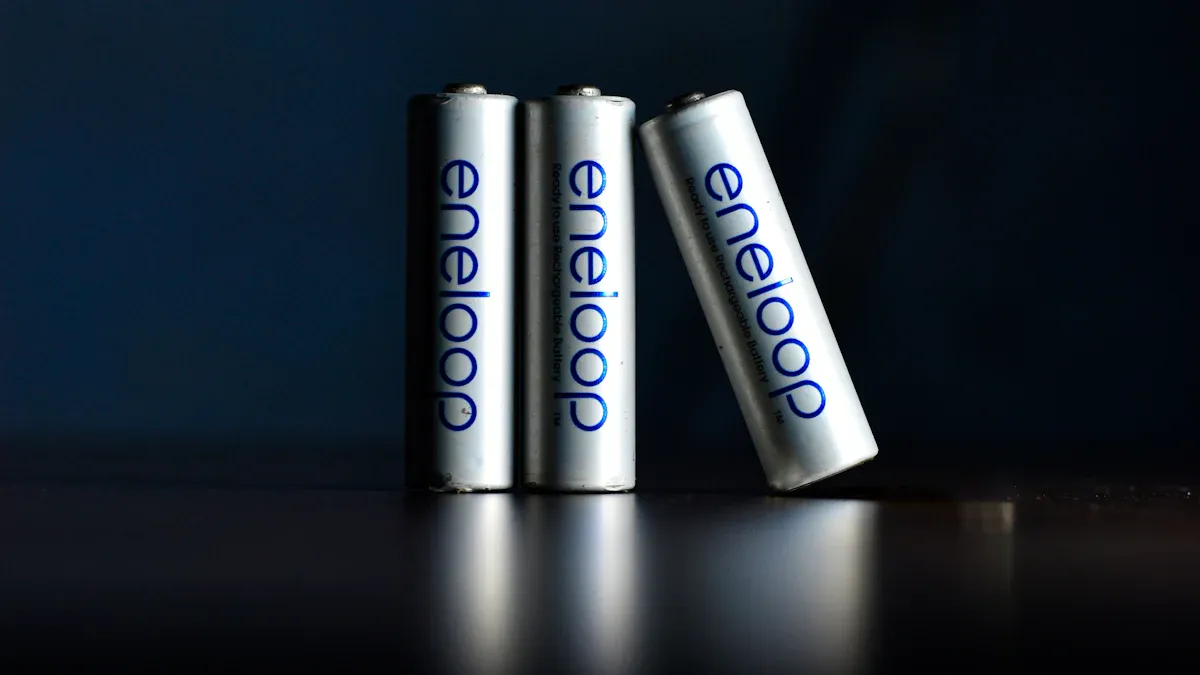
People pick 18650 Batteries because they are small, strong, and last long. Each cell is 18mm wide and 65mm tall. This size fits in many things you use every day. Inside, there is a round shape with layers rolled up. These layers are called anode, cathode, and separator. This setup lets the battery give steady power for a long time. It can be charged and used again many times.
Makers use new materials to make the battery hold more energy. Most 18650 Batteries can store between 1,800mAh and 3,500mAh. Some newer batteries, like 21700, can hold over 5,000mAh. But 18650 Batteries are still popular. They work well, do not cost too much, and are easy to find. You can get them from many places around the world. There are lots of choices for different needs.
Tip: When you pick a battery, look at how many times it can be charged and how much energy it holds. These things decide how long your device works and when you need a new battery.
| Feature | 18650 Batteries | Other Formats |
|---|---|---|
| Energy Density | High energy density in a compact form | Varies, often lower than 18650 |
| Cycle Life | Long cycle life, hundreds to thousands | Varies, often shorter |
| Application Versatility | Suitable for various applications | May be limited to specific uses |
| Supply Chain | Established global supply chain | Newer formats may lack this |
Key Applications: From E-Mobility to Industrial Energy Storage Systems (ESS)
18650 Batteries are used in many fields because they work well and fit many things. Their size and power make them a good pick for both small and big devices.
- 18650 Batteries are still picked because their size is standard.
- They work for many uses and do not cost a lot.
- Even though there are new types like 21700, 18650 Batteries are still important.
Here are some places where you see these batteries used:
| Industry | Key Applications |
|---|---|
| Automotive | Electric vehicles (EVs) |
| Consumer Electronics | Portable devices and gadgets |
| Energy Storage Systems | Renewable energy projects and storage |
You see 18650 Batteries in electric cars, tools, and backup power systems. They last a long time and hold a lot of energy. This helps your devices run longer and gives you more value.
Technical Specifications That Define Quality in 18650 Batteries
Chemistry Matters: Comparing ICR, IMR, and INR Cells
It is important to know your battery’s chemistry before picking one. There are three main types: ICR, IMR, and INR. Each type has its own good points. ICR cells can store a lot of energy, but they are not as safe. They might get too hot. IMR cells are safer and can give more power at once. This makes them good for things that need a lot of energy fast. INR cells are in the middle. They are safe, hold a fair amount of energy, and give steady power. You can see how they compare in the table below:
| Chemistry | Safety | Capacity | Discharge Rates |
|---|---|---|---|
| ICR | Lower safety due to overheating risks | High energy density | Lower discharge rates |
| IMR | Enhanced safety with lower thermal runaway risk | Moderate energy density | Higher discharge rates |
| INR | Improved stability and lower overheating risk | Moderate capacity | Balanced discharge rates |
Pick the chemistry that fits what your device needs. If you need a lot of power, IMR or INR cells are better.
Capacity vs. Discharge Rate: Finding the "Sweet Spot" for Your Device
You need to find a balance between how long the battery lasts and how much power it gives. A battery with more capacity will last longer. But if you need more power, you want a higher discharge rate. If you use more than 0.5 A, the battery may not last as long. Most devices work best if you keep the current under this level.
Understanding Continuous Discharge Rating (CDR) and Peak PulseLifecycle Longevity: Factors Affecting Cycle Life in Industrial Use
CDR shows the most power you can safely use all the time. If you use more than the CDR, the battery could stop working. Always check the CDR before using a battery in something that needs a lot of power.
How long a 18650 Battery lasts depends on its chemistry and how you use it. LiFePO4 cells can be used over 2,000 times and still keep most of their power. These cells work well in places where it gets very hot or cold. NMC cells can hold more energy but do not last as long. If you use less power at a time, the battery will last longer. For example, Tesla’s Model S uses a lower discharge rate to make the battery last longer and save money.
Tip: Always look at the technical specs before buying. Here are the normal specs for a good cell:
| Specification | Measurement |
|---|---|
| Diameter | 18 mm |
| Length | 65 mm |
| Total Volume | ~16.5 cm³ |
| Nominal Voltage | 3.6V–3.7V |
| Maximum Charge Voltage | 4.2V |
| Minimum Discharge Voltage | 2.5V |
| Capacity Range | 1500–3500 mAh |
Navigating the 18650 Battery Wholesale Market: How to Verify Manufacturer Credibility
Identifying Authentic vs. Grade B/C Cells
You do not want fake or bad cells for your project. Real cells work well and are safe. Grade B or C cells are not as good and can break early. You can check if a cell is real by doing these things:
- Look for clear words on the cell. If the words are wrong or blurry, it could be fake.
- Check the voltage, weight, and size. Compare them with the maker’s datasheet.
- Make sure the cell has the right certification labels. If labels are missing or wrong, it may not be real.
- Be careful if the price is very low. Real cells do not sell for super cheap.
- Watch how long shipping takes. OEM cells often take more time to arrive.
You can use a charger that shows mAh. Charge the cell and see if the number matches what you expect. For example, a real HG2 cell should show about 3000mAh. If it is much less, the cell is probably fake.
Tip: Always ask your seller for test reports and sample cells before you buy a lot.
Essential Certifications for Global Export (UL1642, UN38.3, CE, and RoHS)
Certifications show your battery packs are safe and good quality. You need these to ship batteries to other countries and sell in special markets. The most important certifications are:
| Certification | What It Proves |
|---|---|
| UL1642 | The cell is safe for lithium-ion batteries. |
| UN38.3 | The battery can handle shipping stress. |
| CE | The product meets EU safety and health rules. |
| RoHS | The battery does not have bad stuff like lead or mercury. |
For custom packs, you also need to think about these five things:
| Requirement | Description |
|---|---|
| Shape | The pack must fit your device’s shape. |
| Capacity | The pack must hold enough energy. |
| C-Rate | The pack must give the right power. |
| Temperature | The pack must work in your device’s temperature. |
| Development Time | The pack must be ready when you need it. |
Always ask for papers that prove these certifications. This helps your business and makes shipping easier.
The Role of the Battery Management System (BMS) in 18650 Pack Assembly
A battery management system (BMS) keeps your battery pack safe and working well. The BMS checks each cell and controls charging and using power. It stops overcharging, deep discharge, and short circuits. The BMS also balances the cells so they all work together.
| Feature | Impact on Safety and Performance |
|---|---|
| Overcharge/Overdischarge Protection | Stops cell damage or explosion, making it safer. |
| Short Circuit Protection | Cuts off power if there is a problem, keeping it safe. |
| Thermal Cutoff | Shuts down if it gets too hot, stopping danger. |
| Cell Balancing | Makes sure all cells have the same voltage. |
| Real-Time Data Analytics | Helps charge better and saves energy. |
| Thermal Management Integration | Keeps the battery at the best temperature. |
You need a BMS for packs in electric cars, medical tools, or big machines. The BMS helps you follow safety rules and makes your battery last longer.
Why Choosing the Right Cells Matters for Efficiency, Durability, and Cost-Effectiveness
Picking the right cells makes your battery work better and last longer. The right choice also saves you money over time. A good pack can grow with your needs and has safety features. This is important for things like laptops, tools, and electric cars.
- The 18650 battery is a good choice for small devices.
- The 21700 battery gives more energy and lasts longer for big jobs.
Applications in Defense, Aerospace, Medical, and Industrial Sectors
Custom battery packs must meet tough rules in special fields. You see these packs in defense, aerospace, medical, and industrial areas. Each field needs special safety, trust, and rules.
| Sector | Key Features | Compliance and Testing |
|---|---|---|
| Medical Devices | Gives steady power for important equipment | Needs medical safety, world certifications (UN38.3, CE, RoHS, UL), and safety tests |
| Aerospace | Custom packs for important missions | Needs strong quality checks |
| Defense | High power and trust for important jobs | Must follow world safety rules |
| Industrial | Custom packs for special projects | Needs lots of safety and trust tests |
You should work with sellers who know these rules. They should give you help, custom packs, and good quality. This makes sure your battery packs work well in hard places.
Note: Always check your seller’s experience and ask for examples from other projects.
Custom 18650 Battery Pack Manufacturing: A Look Inside SZASPOWER’s Process
The Design Phase: Engineering for Space and Thermal Efficiency
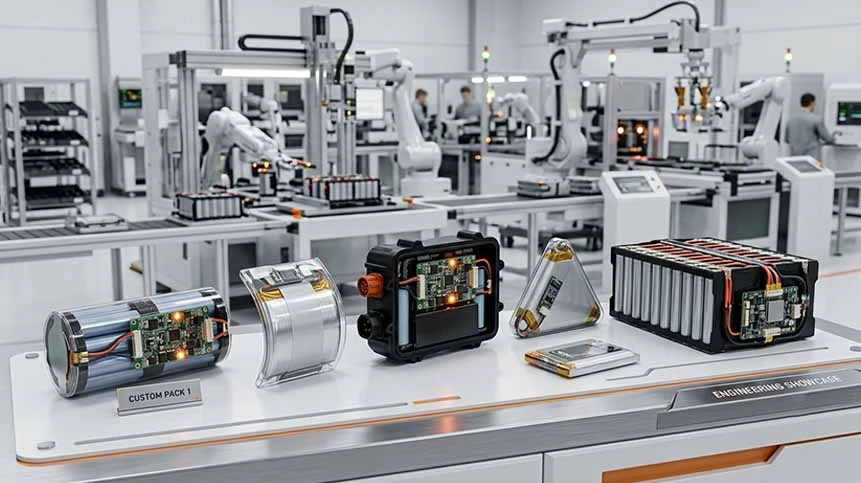
When you want a custom battery pack, design comes first. SZASPOWER engineers make sure the pack fits your device. They work to save space and keep the battery cool. They pick cell setups that hold more energy. Keeping batteries from getting too hot is very important. Engineers use thermal pads, heat sinks, and airflow to move heat away. Special cases help protect the battery and keep it safe. You get a battery pack that fits well and works safely.
- Good thermal protection helps batteries last longer.
- Pads, sinks, and airflow help move heat away.
- Special cases keep the battery safe and warm.
- Cell setup helps the battery hold more energy.
- Custom designs use space in the best way.
Advanced Spot Welding and Interconnect Technologies
Battery packs need strong connections to work well. SZASPOWER uses special welding and joining methods. You get resistance soldering, pulse arc welding, and nickel spot welding. These ways work with copper and other metals. Micro-resistance spot welding joins small parts together. This makes the battery pack stronger and last longer. Your battery works better and does not break as fast.
- Resistance soldering and pulse arc welding make strong joins.
- Nickel spot welding gives good connections.
- Micro-resistance spot welding helps the battery last longer.
Quality Control Protocols: From Cell Sorting to Final Aging Tests
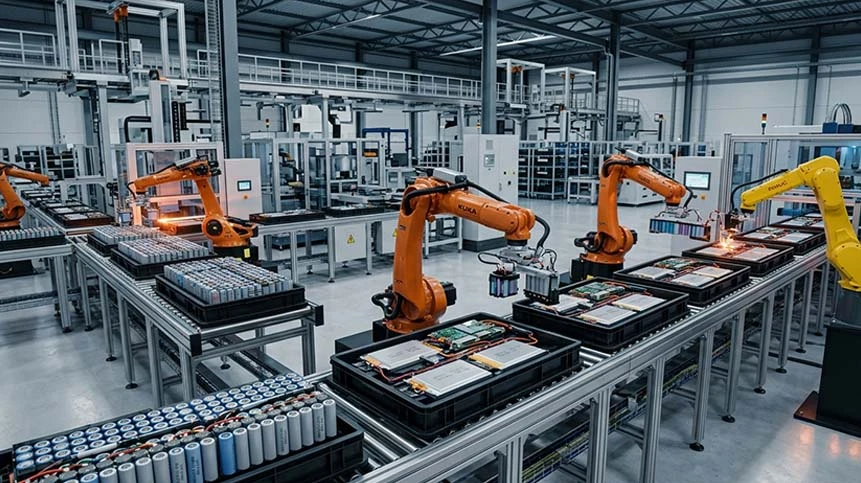
SZASPOWER checks quality at every step. They look at each part, from sorting cells to final tests. Special machines and lists help check everything.
| Stage | Check List | Machines |
|---|---|---|
| Raw materials | Original brand cells, cell specification | Battery Internal Resistance Tester, Aging Machine |
| Cell Sorting | BOM standard Guidance Manual | Cell Sorting Machine |
| Battery assembly | Welding and Insulation Process | Welding machine, aging machine |
| Battery testing | Capacity, Discharge rate, Cycle life, Safety | Aging machine, comprehensive test machine |
After testing, engineers look for problems. Cells are aged for hours or weeks in special rooms. You get batteries that are checked for power and voltage. These steps help the battery last longer and work better. Careful checks make sure your battery pack is high quality.
Internal Resistance (IR) Testing and Matching
Cells must have close internal resistance to work well together. SZASPOWER tests each cell’s IR. Cells with the same IR work together and do not get too full or empty. This keeps the battery safe and helps it last longer.
Automated Capacity Grading Systems
Machines sort cells by how much power they hold. You get packs with cells that match. This sorting finds bad cells and keeps the battery working well. Your battery gives steady power and lasts a long time.
Tip: Pick a supplier who tests and sorts cells carefully. You will get safer and better 18650 Batteries for your needs.
Future Trends: The Evolution of 18650 Battery Technology
Silicon Anode Innovations for Higher Energy Density
Silicon anode technology is making batteries much better. Companies are using new ideas to help batteries store more energy. For example, NanoGraf’s silicon-anode cells can reach 4.0 Ah and about 810 Wh/L. This means you get up to 28% more time before recharging. HPQ Silicon’s tests show a 36% increase in capacity. Their cells hold 3,734 mAh after 200 cycles. This is better than old graphite cells. NanoGraf’s newest 18650 cell has the highest energy density for this type. Your devices can run longer with these new batteries. These changes help you use stronger devices and charge less often.
Sustainable Manufacturing and Battery Recycling Initiatives
You can help the planet by picking batteries from companies that use green ways. Makers now recycle old batteries to get back important materials. This helps cut down on waste. It also makes getting battery parts safer and easier.
| Evidence | Description |
|---|---|
| Recycling methods adoption | Battery makers use recycling to reclaim materials and lower waste. |
| Improved recycling | Better recycling reduces supply risks and helps the planet. |
| Sustainable approaches | Green practices address environmental concerns in battery production. |
Performance Optimization: Longer Runtimes and Improved Efficiency
You can make your batteries last longer and work better by doing some easy things. Keep batteries close to your body when it is cold. Use cases that keep batteries warm. Do not leave batteries in cars at night. Warm up batteries before you use them. Try not to let batteries go below 20% in cold weather. Charge batteries in a room that is between 15 and 25°C. Never charge batteries if it is below 0°C. Use chargers that can change for temperature. Let batteries get warm before charging. Use less charging power when it is cold. Add foam or aerogel to keep heat in. Use more than one cell together for steady power. Think about using heaters for big jobs. Check your batteries often to find problems early.
Good heat control keeps batteries safe and helps them last longer. High heat can hurt battery parts and make them unsafe. The best range for batteries is between 20 and 40°C. If it gets hotter than 40°C, batteries do not work as well. If it goes over 60°C, batteries can break fast or even catch fire. Always plan your system to keep batteries cool and safe.
You can make good choices with 18650 Batteries if you follow some easy steps:
- Look for safety features like overcharge and short-circuit protection.
- Choose the right size and shape for your project.
- Buy from trusted suppliers and always ask for papers like UL, UN38.3, IEC, and RoHS.
- Test your custom packs before making a lot of them.
Stay up to date about what is changing in the market:
| Trend/Driver | Description |
|---|---|
| Technological Advancements | New research makes batteries safer and hold more energy. |
| Sustainability Concerns | Green ways and recycling are getting more important. |
Keep learning new things and be ready to change so you can do well with battery technology.
FAQ
What makes 18650 batteries different from lithium polymer batteries?
18650 batteries have a hard, round shape. Lithium polymer batteries are flat and bendable. 18650 cells last longer and are safer. Lithium polymer batteries fit thin devices. Pick the battery that matches your device’s size and power.
How do you safely store and transport 18650 batteries?
Keep batteries in a cool, dry spot. Use plastic cases to stop short circuits. Do not carry loose batteries in pockets or bags. Always follow UN38.3 rules when shipping these batteries.
Can you use 18650 batteries in place of lithium polymer batteries?
Check what your device needs first. 18650 and lithium polymer batteries are shaped differently and have different voltages. Never switch them without reading your device manual or asking a battery expert.
What certifications should you look for when buying 18650 battery packs?
Look for UL1642, UN38.3, CE, and RoHS certifications. These show the battery is safe and good for the environment. Always ask your seller for proof before you buy.
How do you maximize the lifespan of your 18650 battery pack?
Do not let batteries get too empty or too full. If you will not use them for a while, keep them at 40–60% charge. Store packs between 20°C and 40°C. Use a battery management system (BMS) for the best results.
-

 May.2026.06.10What Is a Battery Charge?Learn More
 -
 May.2026.06.10Custom Rechargeable Battery Pack: The Complete Guide for OEM ProjectsLearn More
 -
 May.2026.06.10Rechargeable Barcode Scanner Backup Battery Supplier: Complete OEM Buyers GuideLearn More
 -
 May.2026.06.10Industrial Custom Lithium Battery Pack Assembly FactoryLearn More
 -
 May.2026.06.09High Energy Density Micro Battery for Wearables OEM: The Complete Industry GuideLearn More