




3.7 Volt Lithium Rechargeable Battery: A Complete Technical & Application Guide
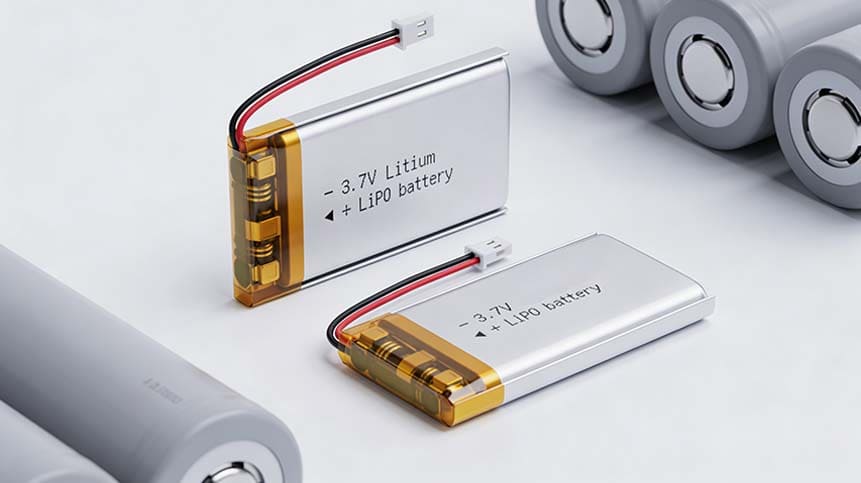
From an engineering standpoint, a 3.7 volt lithium rechargeable battery is built around a graphite anode and a lithium metal oxide cathode, with an organic electrolyte enabling lithium-ion transport during charge and discharge.
When the battery is charging:
-
Lithium ions move from cathode → anode
-
Electrons flow through the external circuit
-
Energy is stored electrochemically
During discharge, the process reverses.
What matters for real-world products is not theory, but how stable this process remains over hundreds of cycles under varying load, temperature, and mechanical stress.
This is exactly why nominal voltage (3.7V) is used instead of peak voltage (4.2V):
it reflects usable energy, not marketing numbers.
3.7V Lithium-Ion vs 3.7V Lithium Polymer Battery
One of the most common sourcing questions we receive is:
“Should I choose 3.7V Li-ion or 3.7V LiPo?”
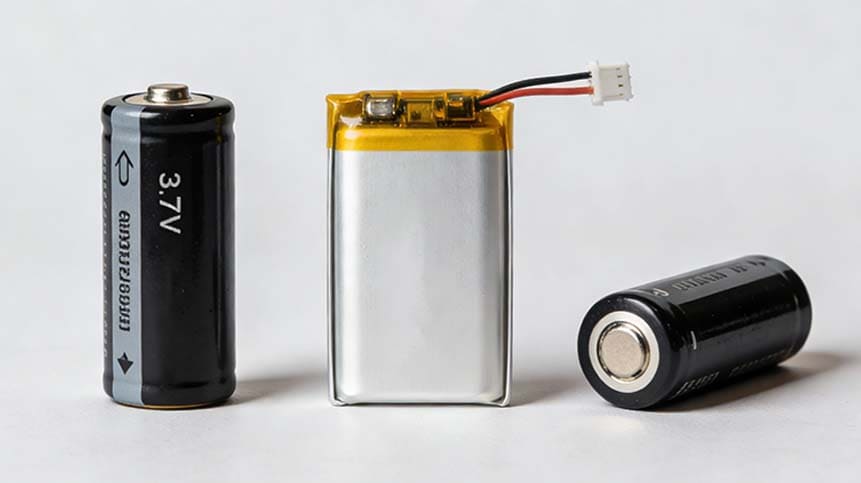
Technical Comparison Table
| Parameter | Li-ion (Cylindrical / Prismatic) | LiPo (Pouch Cell) |
|---|---|---|
| Nominal Voltage | 3.6–3.7V | 3.7V |
| Energy Density | High | Very High |
| Shape Flexibility | Limited | Excellent |
| Weight | Moderate | Lighter |
| Custom Size | Limited | Highly customizable |
| Swelling Risk | Low | Needs proper design |
| Typical Use | Power tools, laptops | Medical, wearables, IoT |
Conclusion:
If your product has space constraints, unique enclosure shapes, or wearable requirements, LiPo is usually the better solution.
If cost stability and mechanical rigidity are priorities, Li-ion may be preferable.
Capacity Is Not Everything: Understanding Real Runtime
Many buyers make the mistake of comparing batteries only by mAh rating.
In practice, runtime depends on:
-
Load current (continuous vs pulse)
-
Cut-off voltage
-
Internal resistance (IR)
-
DC-DC conversion efficiency
Example Calculation (Realistic Scenario)
| Parameter | Value |
|---|---|
| Battery | 3.7V 2000mAh |
| Load Current | 500mA |
| Ideal Runtime | 4 hours |
| Realistic Runtime | 3.2–3.5 hours |
Why the difference?
-
Voltage drop under load
-
Conversion losses
-
Safety cut-off margin
This is why experienced manufacturers never promise “theoretical runtime” without load profiling.
Cycle Life: What 300–1000 Cycles Actually Means
When we say a 3.7V lithium rechargeable battery has 500 cycles, it does NOT mean it stops working after 500 charges.
Industry standard definition:
Cycle life = number of cycles until capacity drops to 80% of original
Factors That Reduce Cycle Life
-
Charging above 4.2V
-
Deep discharge below 2.5V
-
High C-rate charging
-
Operating above 45°C
How We Extend Cycle Life in Custom Projects
-
Optimized PCM thresholds
-
Lower charging current design
-
Thermal insulation planning
-
Matched cell grading
This is where low-cost suppliers usually fail — and where long-term product reliability is decided.
Safety Design: More Than Just a Protection Board
A compliant 3.7V lithium rechargeable battery is a system, not just a cell.
Essential Safety Layers
-
Cell chemistry stability
-
PCM / BMS protection
-
Mechanical reinforcement
-
Thermal management
-
Compliance testing
Mandatory Certifications (Global Shipping)
-
IEC 62133 – Consumer & industrial safety
-
UL 1642 / UL 2054 – North America
Without these, batteries may:
-
Be blocked at customs
-
Cause device recalls
-
Void insurance coverage
Application-Specific Design Considerations
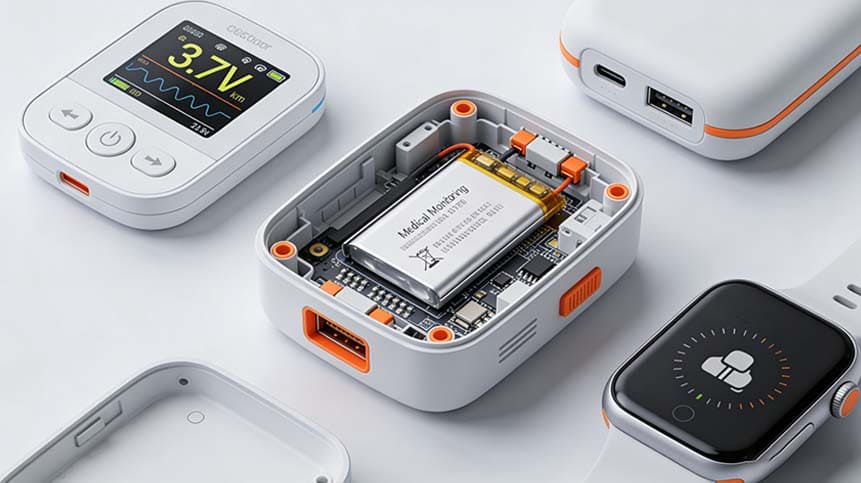
Medical Devices
|
IoT & Smart Sensors
|
Consumer Electronics
|
Each application requires different trade-offs — there is no universal “best” 3.7V battery.
How to Choose a Reliable 3.7V Lithium Battery Manufacturer
From a buyer’s perspective, ask these questions:
-
Do they design in-house PCM/BMS?
-
Can they provide real test data, not brochures?
-
Are certifications issued under their company name?
-
Can they support long-term supply consistency?
Cheap batteries are easy to buy.
Reliable batteries are engineered.
Frequently Asked Questions (FAQ)
Is 3.7V the same as 4.2V?
No. 3.7V is the nominal voltage. 4.2V is the fully charged voltage.
Can I replace a 3.6V battery with 3.7V?
In most cases, yes. They are considered interchangeable in practical applications.
How long does a 3.7V lithium battery last?
Typically 300–1000 charge cycles depending on usage conditions and battery quality.
Looking for a Reliable 3.7V Lithium Rechargeable Battery Supplier?
If you are developing a product and need a stable, certified, and customizable lithium battery solution, our engineering team is ready to help you reduce risk and accelerate your launch.
Contact A&S Power today for technical consultation and pricing.
-

 May.2026.08.0521700 Battery Pack with BMS: Design, Safety and Custom SolutionsLearn More
 -
 May.2026.08.04Smart Beauty Equipment Battery Pack ManufacturerLearn More
 -
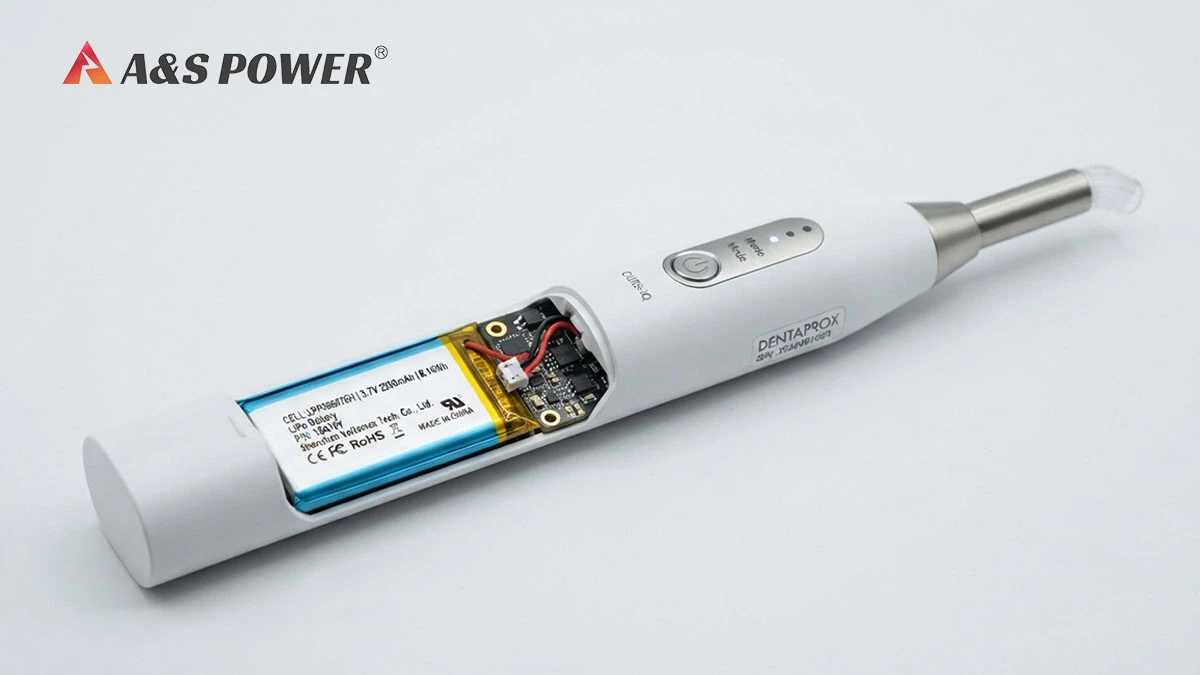 May.2026.08.04High Reliability Polymer Battery for Handheld Dental DevicesLearn More
 -
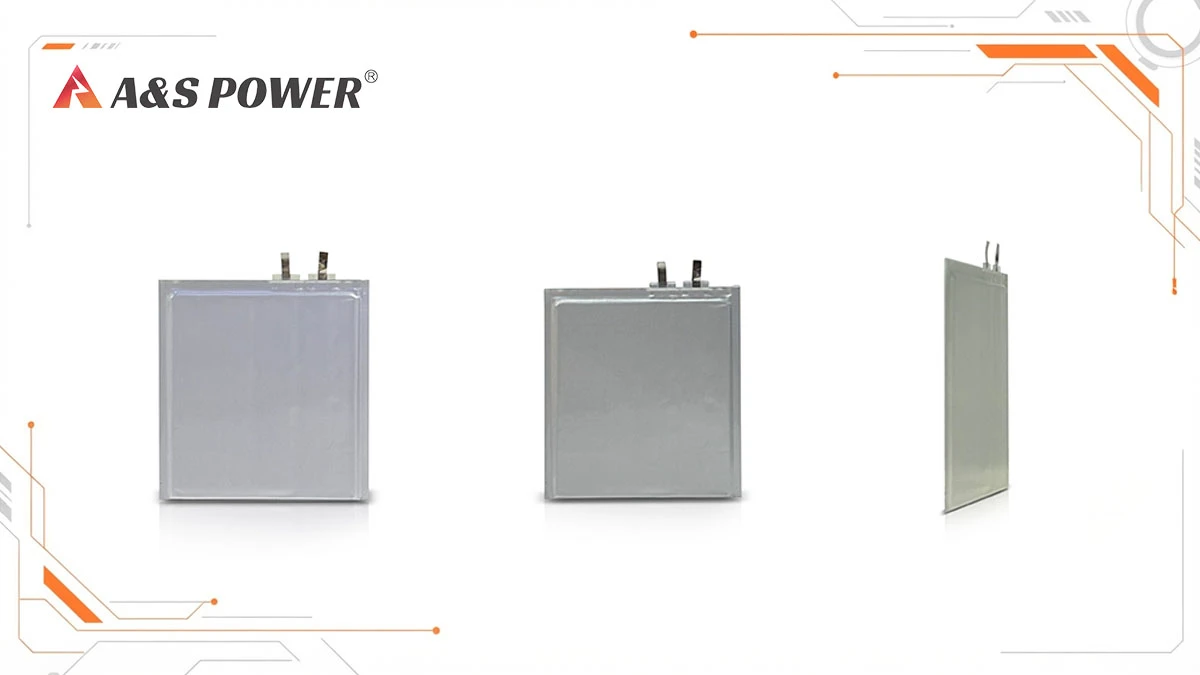 May.2026.08.04Ultra Thin Lithium Polymer Battery 0.4mm 0.5mm Custom GuideLearn More
 -
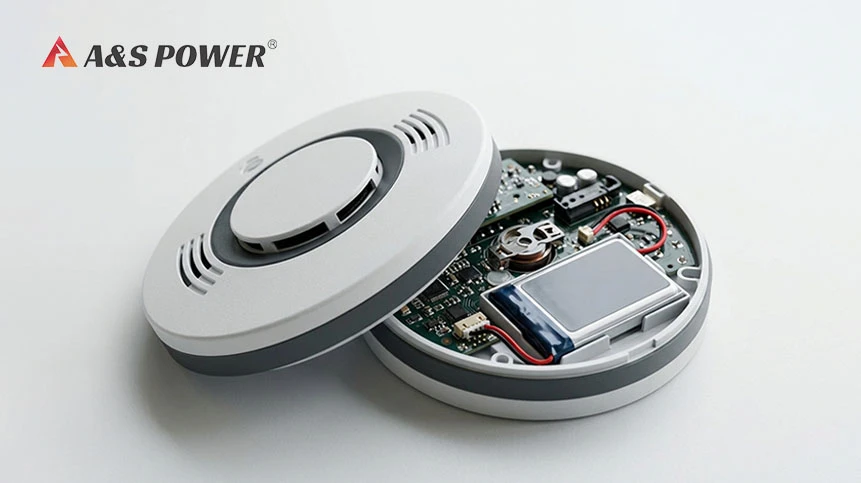 May.2026.07.30Smoke Detector Battery Guide: Choosing the Right Battery for Reliable Fire ProtectionLearn More