




How Rechargeable and Non-Rechargeable Button Batteries Compare
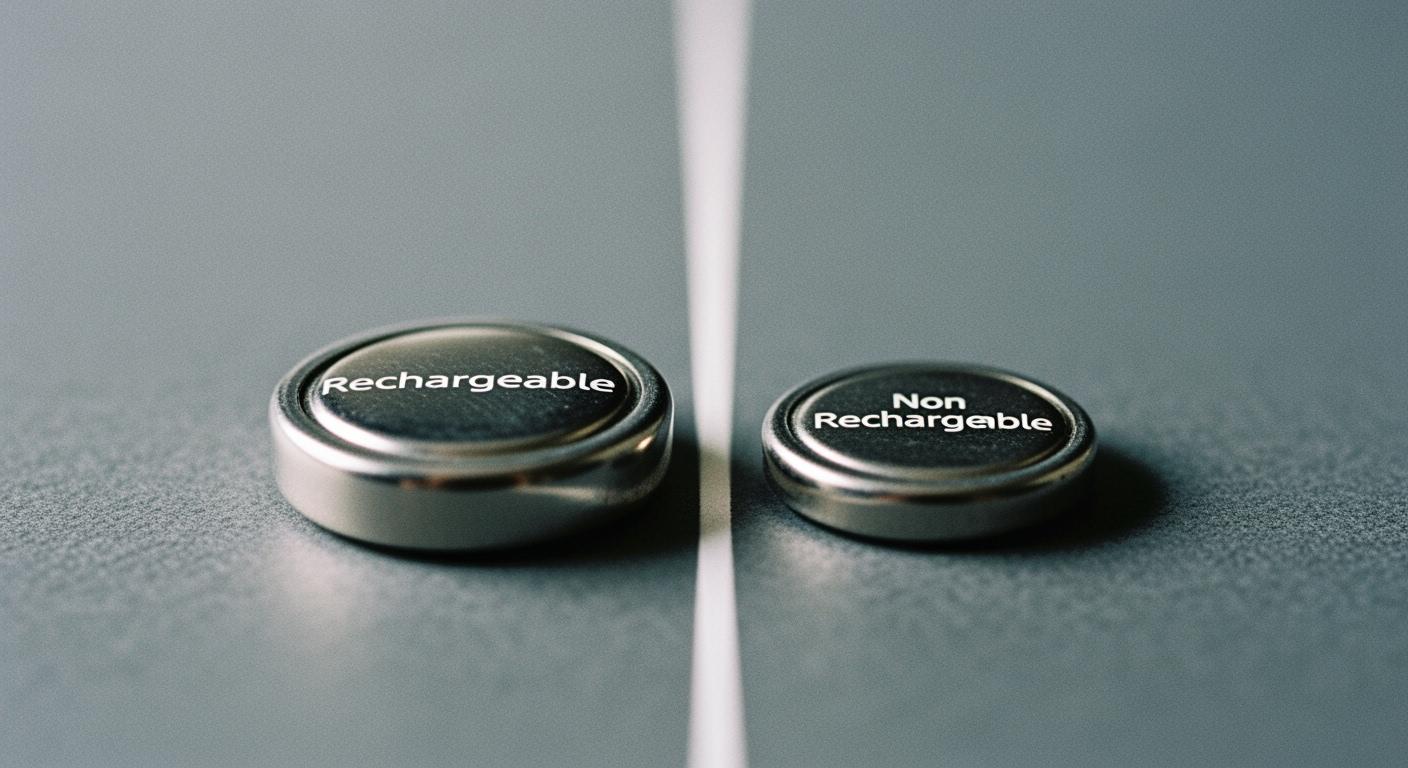
You can see the biggest difference between rechargeable and non-rechargeable button batteries in how you use them. Rechargeable batteries let you use your device again and again. Non-rechargeable batteries only work once. The chemistry inside each battery is different. Each type is made for certain electronic devices. Most advanced electronics still use non-rechargeable button batteries. This is clear from recent sales numbers:
| Market Insight | Description |
|---|---|
| Sales Growth | Button battery sales went up by £4.4m. Most of this was for non-rechargeable batteries. |
| Device Miniaturisation | Smaller gadgets made people buy 8% more non-rechargeable batteries. |
| Environmental Shift | Experts say more people want rechargeable batteries to help the planet. |
Knowing these differences helps you pick batteries for your device. It also helps you think about cost and the environment.
Key Takeaways
- Rechargeable button batteries work well in devices you use a lot. They help you save money and make less waste over time.
- Non-rechargeable button batteries are good for devices that do not use much power. They last a long time on the shelf and give steady power. You do not need to charge them.
- Always look at your device’s manual to find the right battery type. Check the size and voltage to keep your device safe and working well.
- Think about how your battery choice affects the environment. Recycling old batteries helps nature and cuts down on pollution.
- When you pick batteries, look at the chemistry, size, voltage, and cost. This helps you choose the best one for what you need.
Button Batteries Overview
What Are Button Batteries?
Button batteries are small and round. They give power to small electronic devices. You can find them in watches, hearing aids, car keys, and medical tools. Their name comes from their shape, which looks like a button or a coin. People also call them button cell batteries. Their shape helps them fit in places with little space.
There are different types of button batteries. Each type has its own chemical makeup. This chemistry changes how much energy the battery holds and how long it works. Some button cell batteries can be used again. Others are made for one use only.
Tip: Always read your device’s manual before changing a button battery. The wrong battery can harm your device or make it work badly.
How Button Batteries Work
Button batteries make electricity with a chemical reaction inside. When you put a button battery in a device, it closes a circuit. This circuit lets electrons move from one side to the other. The moving electrons give power to your device.
Most button cell batteries have two main ends. One is the positive terminal, called the cathode. The other is the negative terminal, called the anode. The chemical reaction between these ends gives a steady voltage. This voltage stays the same for most of the battery’s life. When the chemicals are used up, the battery stops working.
- Button batteries work well in devices that need a steady, low amount of power.
- Their small size makes them good for portable gadgets.
If you know how button batteries work, you can choose the right ones when you need new batteries.
Button Battery Types and Chemistries
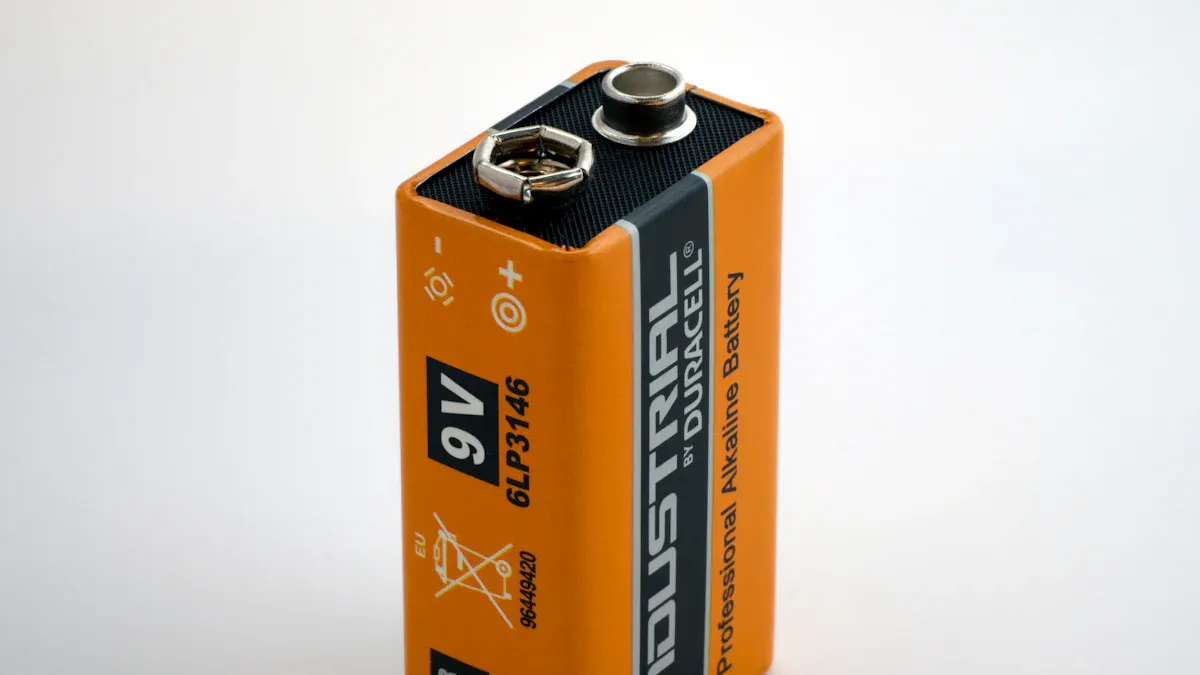
Rechargeable Button Batteries
Rechargeable button batteries are used in devices that need power often. These batteries use special chemistries like lithium-ion and nickel-metal hydride. Lithium is the most common choice. You can recharge these batteries many times. This saves you money and cuts down on waste. Rechargeable button batteries are found in hearing aids, smart watches, and fitness trackers. Lithium-based cells give steady voltage and last a long time. Picking rechargeable button batteries helps the planet and lowers your impact.
Note: Rechargeable button batteries need the right chargers. Always read your device manual before charging.
Non-Rechargeable Button Batteries
Non-rechargeable button batteries give power just once. You see these in remote controls, calculators, and medical devices. Most non-rechargeable button batteries use lithium, silver oxide, or alkaline chemistries. Lithium button batteries give lots of energy and last a long time. Silver oxide cells give steady voltage, good for precise tools. Alkaline batteries cost less but do not last as long. Choose non-rechargeable button batteries if your device cannot be charged.
Voltage and Capacity
Button battery types have different voltage and capacity. Lithium coin batteries usually give 3 volts, good for many gadgets. Silver oxide and alkaline cells give 1.5 volts. Rechargeable button batteries often have lower voltage, but you can use them again and again. Capacity shows how much energy a battery can hold. Lithium button batteries have more capacity, so your devices work longer. You must match voltage and capacity to your device for safe use.
| Chemistry | Typical Voltage | Common Applications |
|---|---|---|
| Lithium | 3V | Watches, car keys, toys |
| Silver Oxide | 1.5V | Hearing aids, calculators |
| Alkaline | 1.5V | Remote controls, clocks |
| Nickel-Metal Hydride | 1.2V | Rechargeable hearing aids |
Tip: Always check the battery label for voltage and chemistry before you buy.
There are many button battery types you can buy. Knowing about lithium and other chemistries helps you pick the right button cell batteries for your device.
Naming and Size of Button Batteries
Button Battery Naming Convention
Button batteries have a special naming system. This system helps you know the battery’s size, chemistry, and voltage. For example, a code like CR2032 gives you key facts. The first two letters show the battery’s chemistry. "CR" means lithium manganese dioxide. The next four numbers tell you the size. The first two numbers are the diameter in millimetres. The last two numbers are the height in tenths of a millimetre. So, a CR2032 battery is 20 mm wide and 3.2 mm tall.
Tip: Always use the same code as your old battery. This keeps your device safe and working well.
You might also see codes like SR44 or LR44. "SR" means silver oxide, and "LR" means alkaline. These codes help you pick the right chemistry for your device. Using the right code stops damage and keeps your device working.
Size and Compatibility
Button batteries come in many different sizes. Each size fits certain devices. You must check both the diameter and height before buying a new battery. Even a small change can stop your device from working.
Here is a quick guide for a popular button battery size:
| Specification | Details |
|---|---|
| Diameter | 11.6 mm |
| Height | 5.4 mm |
| Shape | Coin cell (cylindrical) |
| Weight | About 2 grams |
| Common Applications | Wristwatches, digital thermometers, laser pointers, calculators, toys, medical devices |
| Compatibility Notes | Not rechargeable. You can use silver oxide types (SR44, 357) for better voltage stability. Rechargeable types (LIR44) work at 3.6V and may harm 1.5V devices. |
Note: Rechargeable button batteries often have higher voltage. Using them in a device made for non-rechargeable batteries can cause problems.
You should always check your device manual or the code on the old battery. This helps you avoid mistakes and keeps your electronics safe.
Comparing Rechargeable and Non-Rechargeable Button Batteries
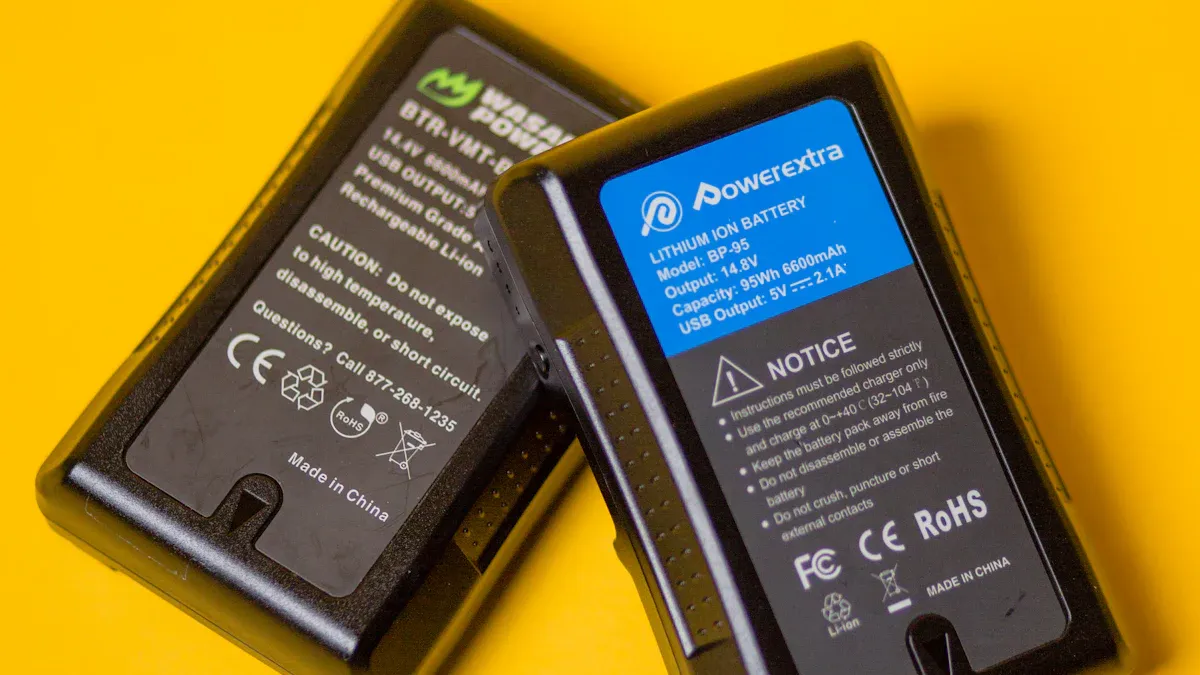
Chemistry and Design Differences
Button batteries have different chemistry and design. Rechargeable types use lithium-ion or nickel-metal hydride. These let you recharge the battery many times. Lithium-ion cells store energy with lithium compounds. These move ions between the battery’s electrodes. Nickel-metal hydride batteries use nickel and hydrogen-based materials. Both types are made for safe recharging and steady performance.
Non-rechargeable button batteries use lithium, silver oxide, or alkaline. Lithium primary batteries use lithium metal as the anode. This gives high energy and a long shelf life. Silver oxide cells use silver and zinc. These give steady voltage and work well for a long time. Alkaline batteries use zinc and manganese dioxide. These cost less but do not last as long as lithium or silver oxide.
Rechargeable button batteries have extra safety features. These include circuits that stop overcharging. Non-rechargeable types do not need these features. They are made for single use and long storage.
Note: Always check your device for the right chemistry. Using the wrong type can hurt performance or damage your device.
Usage and Device Suitability
You need to match the battery to your device. Rechargeable button batteries are best for devices used often. You see them in hearing aids, smart watches, and fitness trackers. These devices are good for recharging. You save money and make less waste over time.
Non-rechargeable button batteries are best for devices that use little energy. You find them in car keys, medical devices, and some watches. These devices are not used all the time. Lithium primary batteries keep their charge for years. This makes them good for emergencies or backup.
Button cell batteries come in many sizes and chemistries. Always check your device manual. Some devices need the steady voltage of silver oxide. Others need the long life of lithium. Using the wrong battery can lower performance or cause harm.
- Rechargeable batteries: Good for high-use, rechargeable devices.
- Non-rechargeable batteries: Good for low-drain, long-life devices.
Tip: If your device cannot recharge, use non-rechargeable button batteries.
Cost and Longevity
You will notice a difference in cost and how long they last. Rechargeable button batteries cost more at first. You save money later because you can use them again. Non-rechargeable button batteries cost less each time. You must buy a new one when it runs out.
Lithium batteries work well in both types. Lithium-ion rechargeable batteries last 3 to 12 months per charge. This depends on the device. Lithium primary batteries last 1 to 5 years in real use. This makes them good for devices that need to work for a long time.
Here is a quick comparison of runtime:
| Battery Type | Runtime per Charge/Use |
|---|---|
| Lithium-Ion Rechargeable | 3-12 months |
| Lithium Primary Batteries | 1-5 years |
Think about both the first cost and how long the battery lasts. Rechargeable batteries save money and make less waste if you use your device a lot. Non-rechargeable batteries last longer on the shelf and work better in devices that are not used often.
Callout: Always think about cost, how long it lasts, and how well it works when you pick button batteries for your device.
Pros and Cons of Button Batteries
Advantages of Rechargeable Button Batteries
Rechargeable batteries give you many good things. You spend less money over time. You do not buy new batteries often. This means less rubbish goes to landfill. You help keep the planet cleaner. Wearable technology feels more comfortable. The J.Flex battery can bend and roll. It fits well in smart watches and fitness trackers. Its flexible shape lets makers build slim, stylish gadgets. The battery works well even after bending many times. You can recharge these batteries again and again. Your device stays powered for longer.
- You save money by using batteries again.
- You help the planet by making less waste.
- You get flexible and comfy wearables.
- You enjoy steady power in devices that need charging often.
Advantages of Non-Rechargeable Button Batteries
Non-rechargeable batteries are good for many devices. They last a long time on the shelf. Your battery is ready to use even after years. Car keys, medical tools, and watches use these batteries for steady power. Lithium non-rechargeable batteries give lots of energy. They last longer than other types. You do not need to charge them. This makes them great for emergencies. These batteries work in products that need steady voltage and little care.
- You get power that lasts for devices you use less.
- You do not need chargers or charging routines.
- You trust lithium for strong energy and steady voltage.
Limitations and Drawbacks
There are some things to think about before you choose button batteries. Rechargeable batteries cost more at first. You need the right charger and must follow charging steps. This stops damage. Some devices cannot use rechargeable batteries. They may need lower voltage. Non-rechargeable batteries make more rubbish. You throw them away after use. You might spend more money if your device uses batteries quickly. Lithium batteries can be dangerous if swallowed or used wrong.
⚠️ Always read your device manual before changing battery types. Using the wrong battery can break your device or make it not last as long.
| Battery Type | Main Drawback |
|---|---|
| Rechargeable | Costs more at first, needs charger |
| Non-Rechargeable | Makes more waste, costs more over time |
You should think about these good and bad points. Pick the battery that fits your device best.
Environmental Impact and Safety
Disposal and Recycling
You must be careful with button batteries when they stop working. Many button batteries have chemicals that can hurt nature. Lithium batteries are a big worry. If you throw them in the rubbish, bad chemicals can leak out. These leaks can get into the ground and water. This can harm animals and people. Mercury from batteries can build up in fish. This is a problem that is getting worse.
If you do not throw away lithium batteries the right way, they can start fires. These fires put dirty smoke into the air. This smoke can make people sick. Towns, schools, and shops can have more pollution after battery fires. Breathing this pollution can cause heart attacks and strokes.
You can help by recycling old batteries. In Europe, 45.9% of button batteries were recycled in 2022. Twenty-three countries recycled almost half or more of their batteries. Eight countries did not reach this level. You should always take lithium and other button batteries to recycling points. This helps stop waste and keeps bad chemicals out of nature.
♻️ Always recycle your batteries at approved collection points to protect your community and the planet.
Safe Use of Button Cell Batteries
You must follow safety rules when you use button cell batteries. Many gadgets use lithium batteries because they last longer. These batteries give steady power. But they can be dangerous if you do not store or use them right.
| Requirement | Description |
|---|---|
| Battery Compartment Security | You need a tool or two hands to open the battery compartment. |
| Access Prevention | Devices must stop you from getting to the battery during normal use. |
| Packaging Warning | The box must show a clear warning. |
| Product Warning | The gadget should have a warning if possible. |
| Instructions | Manuals must have all safety warnings. |
New rules say you must look for new labels on batteries. These labels show who made the battery, the type, dangerous stuff inside, and a crossed-out bin sign. From August 2024, all batteries must pass a safety check. You should find instructions online for taking out and putting in batteries. These rules help you use lithium and other button batteries safely.
⚠️ Keep button batteries away from children and pets. Swallowing lithium batteries can cause serious injury.
Choosing the Right Button Battery
Matching Button Cell Batteries to Devices
Picking the right button battery helps your device work well and stay safe. You must think about a few things before you choose. Every device needs a certain amount of power. You should match the battery’s details to your device. The table below shows what you need to check:
| Factor | Description |
|---|---|
| Battery Charge Capacity | Measured in mAh, this value shows how much energy the battery can deliver. |
| Internal Resistance | This affects how efficiently the battery works, especially as it ages. |
| Environmental Considerations | Temperature and how often you use the device can change battery life and performance. |
| Energy Capacity Measurement | Accurate performance checks require you to measure both voltage and current at the same time. |
If you use a hearing aid or smart watch, pick a battery with high charge capacity. Look for low internal resistance too. Lithium button cell batteries need steady voltage and last a long time. If your device is used in hot or cold places, get a battery made for those conditions. Always read your device manual to see which battery is best.
? If you do not know which button battery to use, you can ask us for help. Use our website’s contact form or send an email for advice.
Selection Tips
You can choose better batteries by following some easy tips. First, always match the battery code and size to your device. Next, think about how much energy your device needs. Devices like electronic door locks or security cameras need batteries that give steady power. The table below shows which batteries work best for different things:
| Battery Type | Use Cases |
|---|---|
| Procell Alkaline Intense Power | Electronic door locks, Soap dispensers, Security cameras, Safe boxes, Automatic faucets, Motorised blinds, Paper towel dispensers, Automatic odourisers, Automatic hand sanitiser dispensers, Torches |
| Procell Alkaline General Purpose | Alarm panels, Motion sensors, Smoke detectors, Remote controls, Toilet flush valves, Two-way radios |
Think about the battery chemistry too. Lithium button batteries last a long time and give steady voltage. If you change batteries often, rechargeable button cell batteries with lithium or nickel-metal hydride chemistry can help you save money and make less waste. Keep spare batteries in a cool, dry place so they stay good.
? If you need more help, you can contact us using our website’s enquiry form. Our team will help you find the best button battery for your device.
You now know the main differences between rechargeable and non-rechargeable button batteries. Rechargeable batteries are good for things you use a lot. Non-rechargeable batteries are better for items that need to last a long time on the shelf. When you pick a battery, think about these things:
- Chemistry: Some batteries, like NMC, use cobalt and can hurt nature. LFP batteries are safer and last longer.
- Size: Batteries with high energy density fit into small gadgets.
- Voltage: Batteries with higher voltage power devices that need more energy.
- Cost: Batteries that last longer help you save money over time.
- Environmental Impact: LFP batteries help with green goals.
| Trend | Description |
|---|---|
| Safety Innovations | New designs make batteries safer for you and your family. |
| Alternative Energy | Solar and other choices may soon replace button batteries in some devices. |
You can use these ideas to choose the best battery for your needs. If you want more help, you can email us or use our website form to get expert advice.
-

 May.2026.06.10What Is a Battery Charge?Learn More
 -
 May.2026.06.10Custom Rechargeable Battery Pack: The Complete Guide for OEM ProjectsLearn More
 -
 May.2026.06.10Rechargeable Barcode Scanner Backup Battery Supplier: Complete OEM Buyers GuideLearn More
 -
 May.2026.06.10Industrial Custom Lithium Battery Pack Assembly FactoryLearn More
 -
 May.2026.06.09High Energy Density Micro Battery for Wearables OEM: The Complete Industry GuideLearn More