




What Is Better, Lithium Ion or Polymer?
As a battery manufacturer working daily with custom lithium-ion and lithium polymer battery projects, I’m often asked a deceptively simple question:
“Which is better — lithium-ion or lithium polymer?”
The honest answer is: it depends on the application, not the chemistry label.
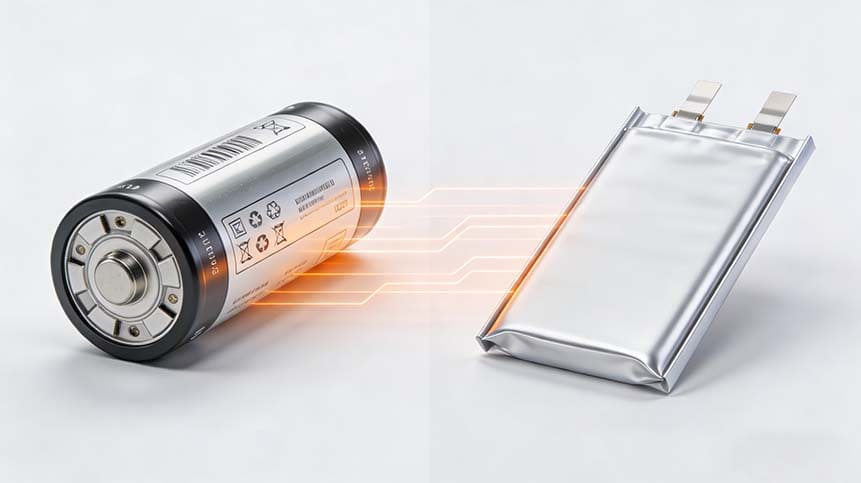
Both lithium-ion (Li-ion) and lithium polymer (LiPo) batteries dominate modern electronics, medical devices, industrial equipment, and IoT systems. They share similar electrochemistry, yet differ significantly in mechanical structure, safety behavior, energy density trade-offs, and customization flexibility.
In this in-depth guide, I’ll break down the real-world differences, backed by industry data and engineering experience, so you can confidently decide which battery technology is better for your specific product or market.
Quick Answer: Lithium Ion vs Lithium Polymer
If you’re looking for a fast decision guide:
| Application Priority | Better Choice |
|---|---|
| Lowest cost & mass production | Lithium-ion |
| Slim, lightweight, custom shape | Lithium polymer |
| Rigid structure & long-term stability | Lithium-ion |
| Wearables & medical devices | Lithium polymer |
| Power banks & laptops | Lithium-ion |
| Safety in compact designs | Lithium polymer (with proper BMS) |
But to make a correct engineering or procurement decision, we need to go much deeper.
Understanding the Core Difference
What Is a Lithium-Ion Battery?
A lithium-ion battery typically uses:
-
Liquid electrolyte
-
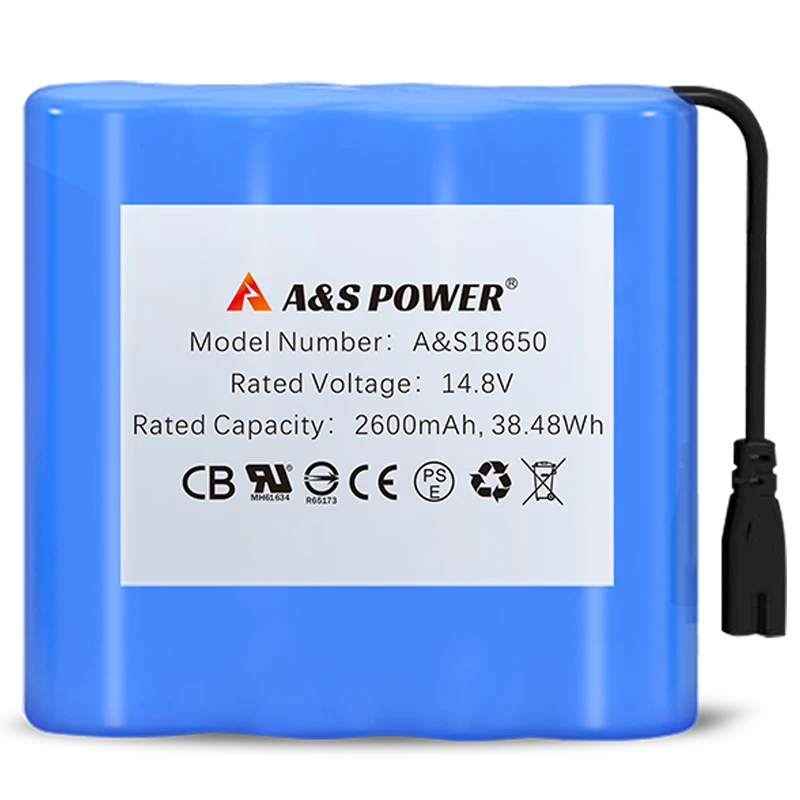
Rigid metal casing (cylindrical or prismatic)
-
Proven, standardized cell formats (18650, 21700, prismatic)
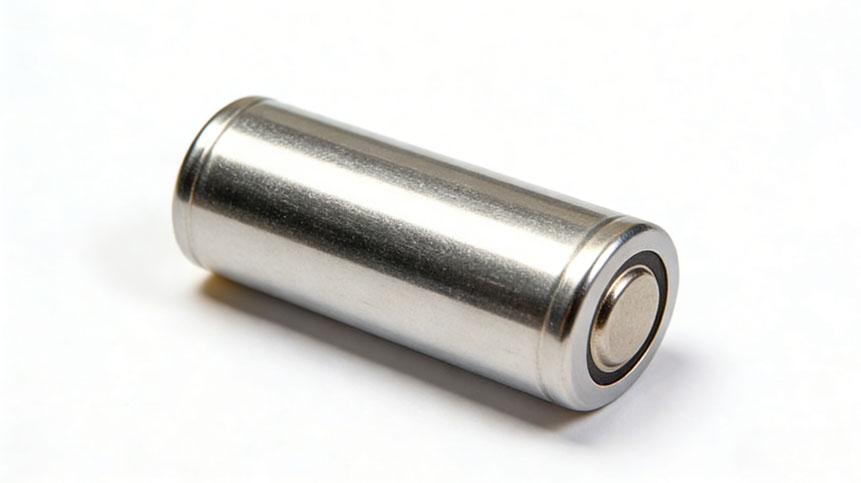
Key traits
-
High energy density
-
Excellent cycle life
-
Strong mechanical protection
-
Cost-efficient for large-scale production
What Is a Lithium Polymer Battery?
A lithium polymer battery:
-
Uses a polymer or gel-like electrolyte
-
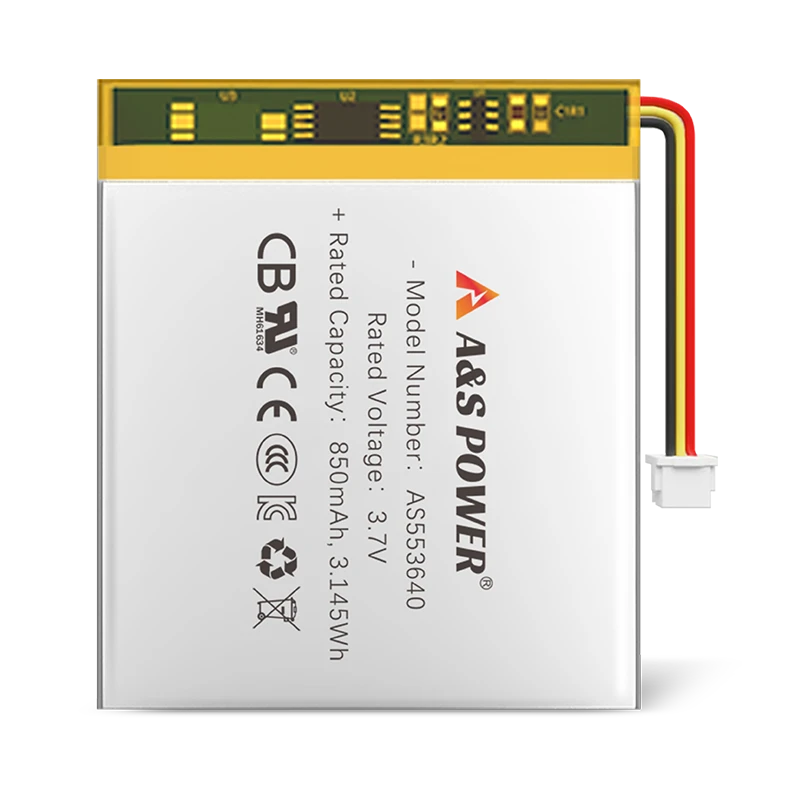
Enclosed in a soft aluminum-laminated pouch
-
Highly flexible in size and shape
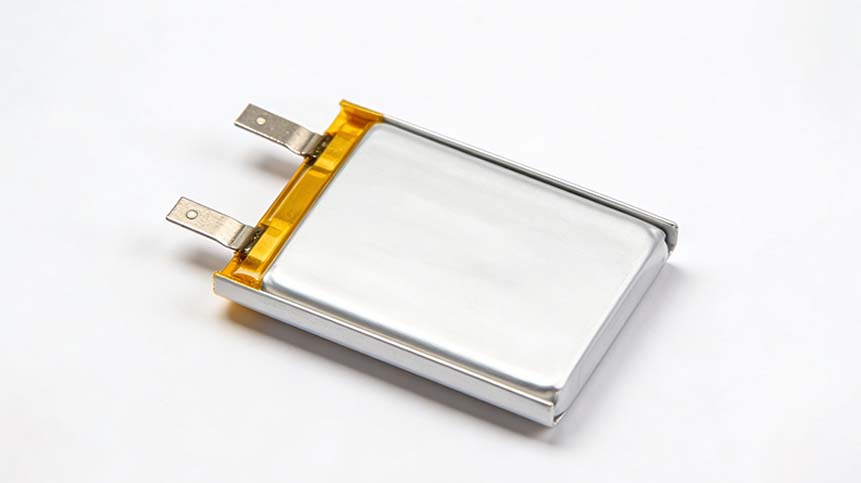
Key traits
-
Ultra-thin and lightweight
-
Customizable geometry
-
Better space utilization
-
Higher sensitivity to swelling and mechanical stress
Chemistry Comparison: More Similar Than You Think
A common misconception is that Li-ion and LiPo use entirely different chemistry.
In reality:
-
Both rely on lithium-ion intercalation reactions
-
Cathode materials (NMC, LCO, LFP, etc.) can be identical
-
Performance differences mostly come from packaging and electrolyte form
This is why many engineers today consider LiPo a structural evolution of lithium-ion, not a completely separate chemistry.
Performance Comparison (With Data)
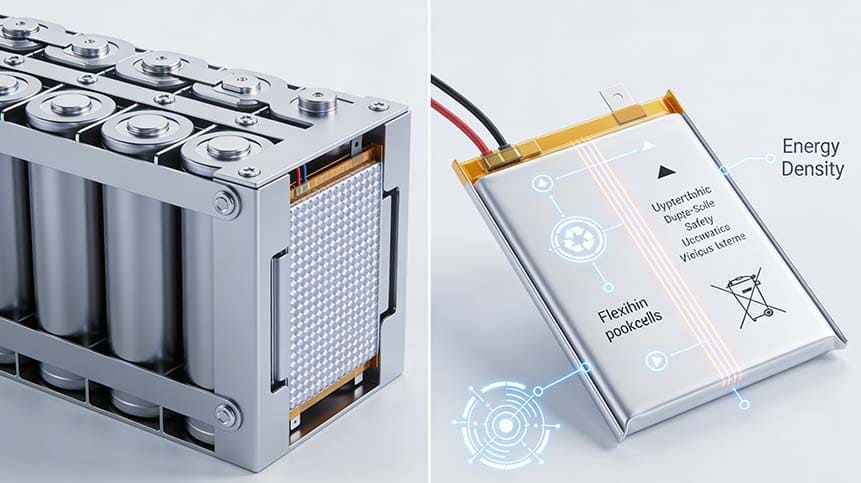
Energy Density
| Battery Type | Gravimetric Energy Density |
|---|---|
| Lithium-ion | 150–260 Wh/kg |
| Lithium polymer | 130–240 Wh/kg |
Insight:
Li-ion still leads slightly in peak energy density, especially in cylindrical cells, but modern LiPo cells have narrowed the gap significantly.
Cycle Life
| Battery Type | Typical Cycles (80% capacity) |
|---|---|
| Lithium-ion | 500–2000 cycles |
| Lithium polymer | 300–1000 cycles |
Li-ion batteries generally offer longer cycle life, making them preferable for:
-
Energy storage
-
Industrial equipment
-
Devices with daily charge cycles
Discharge Performance
Both technologies support:
-
High discharge rates
-
Stable voltage curves
-
Fast charging (with proper thermal design)
However, LiPo batteries excel in high C-rate, short-burst applications, such as drones and compact electronics.
Safety Comparison: Which Is Safer?
Safety is often the most critical concern for B2B buyers.
Lithium-Ion Safety Profile
Advantages
-
Rigid casing offers mechanical protection
-
Less prone to swelling
-
Mature safety standards (UL, IEC, UN38.3)
Risks
-
Thermal runaway under severe abuse
-
Explosion risk if casing is compromised
Lithium Polymer Safety Profile
Advantages
-
Lower internal pressure
-
Less violent failure modes
-
Better heat dissipation in thin designs
Risks
-
Swelling over time
-
Vulnerable to puncture
-
Requires precise BMS design
Professional takeaway:
Neither is “inherently safer.”
Battery safety is determined more by BMS design, cell quality, and pack engineering than by chemistry alone.
Size, Weight, and Design Flexibility
This is where lithium polymer batteries clearly outperform.
| Feature | Li-ion | LiPo |
|---|---|---|
| Thickness | Limited | Ultra-thin (<4mm possible) |
| Shape options | Standardized | Highly customizable |
| Weight efficiency | Moderate | Excellent |
| Industrial design freedom | Low | High |
That’s why LiPo dominates:
-
Medical wearables
-
Hearing aids
-
Smart sensors
-
Portable diagnostic devices
Cost Comparison
| Cost Factor | Lithium-ion | Lithium polymer |
|---|---|---|
| Cell cost | Lower | Higher |
| Tooling | Minimal | Custom tooling |
| MOQ | Lower | Higher |
| Long-term cost | More predictable | Application-dependent |
If cost sensitivity is your top priority, lithium-ion is usually the better choice.
Application-Based Recommendation
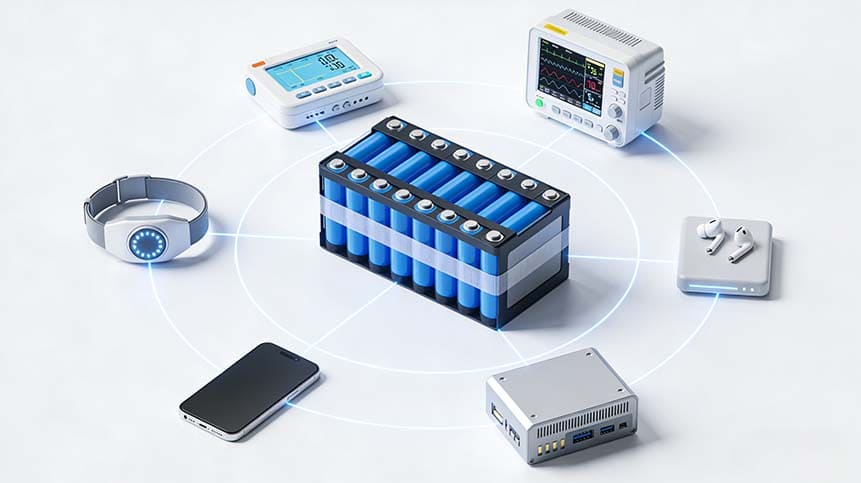
Medical Devices
Recommended: Lithium Polymer
Reasons:
-
Compact form factor
-
Lightweight
-
Flexible shapes for ergonomic design
Consumer Electronics
Mixed
-
Smartphones: LiPo
-
Laptops: Li-ion
-
Power banks: Li-ion
Industrial & Energy Storage
Recommended: Lithium-ion
Reasons:
-
Longer lifespan
-
Structural robustness
-
Easier thermal management
Environmental & Regulatory Considerations
Both battery types:
-
Are recyclable
-
Must comply with UN38.3, IEC 62133, UL 1642
-
Face increasing ESG and compliance scrutiny
Li-ion benefits from a more mature recycling ecosystem, which can matter for large-scale deployments.
What Professionals Actually Choose
From our real-world experience working with OEM and B2B clients:
-
Engineers choose LiPo for design freedom
-
Procurement teams prefer Li-ion for cost stability
-
Medical device companies prioritize LiPo + advanced BMS
-
Industrial buyers value Li-ion longevity
There is no universal “better” — only better alignment with your product goals.
Final Verdict: Which Is Better?
Lithium-ion is better if you need:
-
Lower cost
-
Longer cycle life
-
Standardized formats
-
High-volume production
Lithium polymer is better if you need:
-
Custom size and shape
-
Ultra-thin design
-
Lightweight solution
-
Wearable or medical-grade integration
FAQ: Lithium Ion vs Lithium Polymer
Is lithium polymer better than lithium-ion?
Not universally. Lithium polymer is better for slim, lightweight, and custom designs, while lithium-ion excels in cost and lifespan.
Do lithium polymer batteries last longer?
Typically no. Lithium-ion batteries usually offer more charge cycles.
Which battery is safer?
Both are safe when properly designed with a reliable BMS.
Why do smartphones use lithium polymer?
Because LiPo batteries allow ultra-thin designs and better internal space utilization.
-

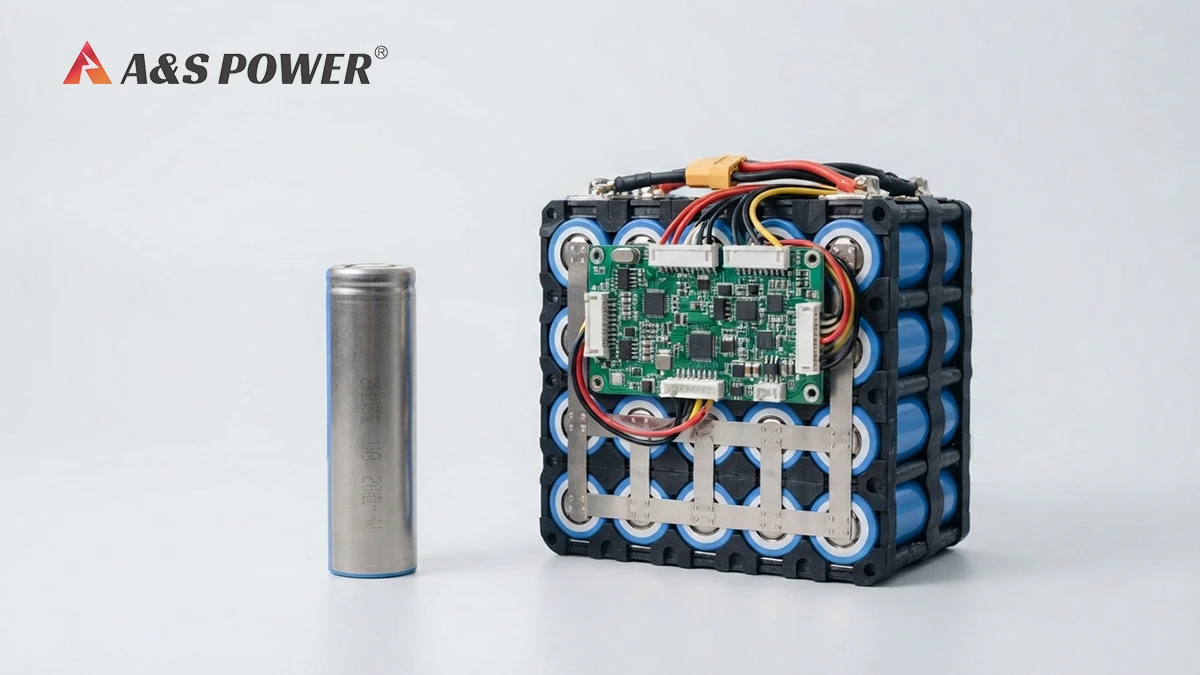 May.2026.08.0521700 Battery Pack with BMS: Design, Safety and Custom SolutionsLearn More
 -
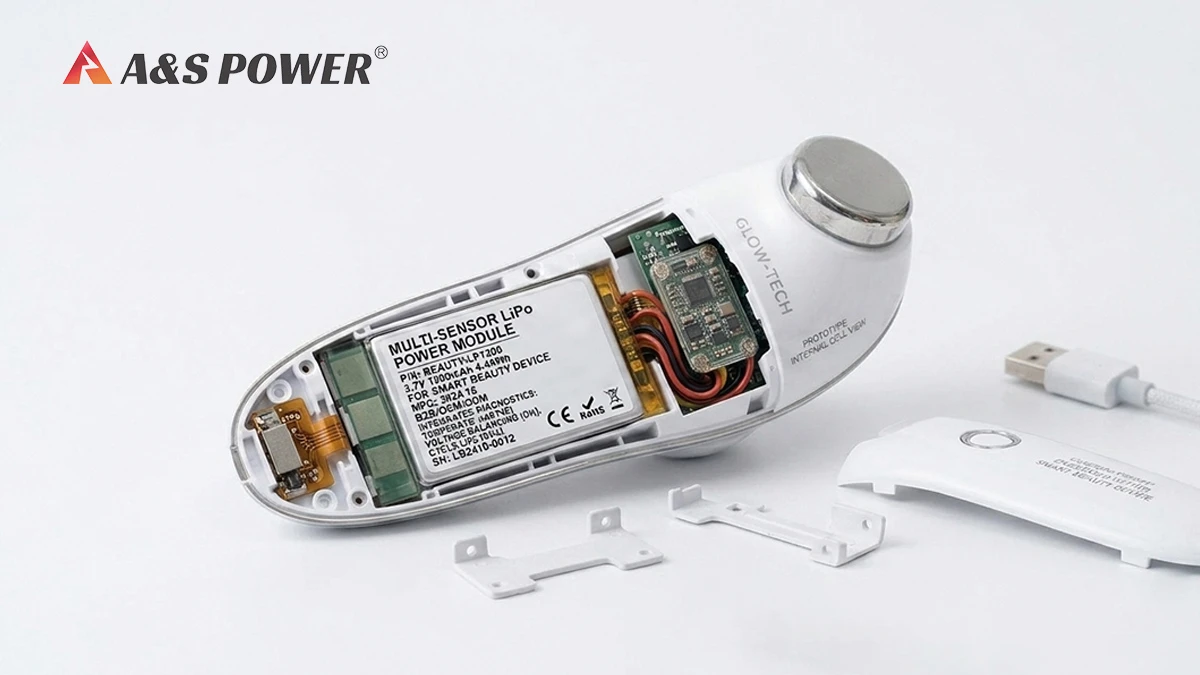 May.2026.08.04Smart Beauty Equipment Battery Pack ManufacturerLearn More
 -
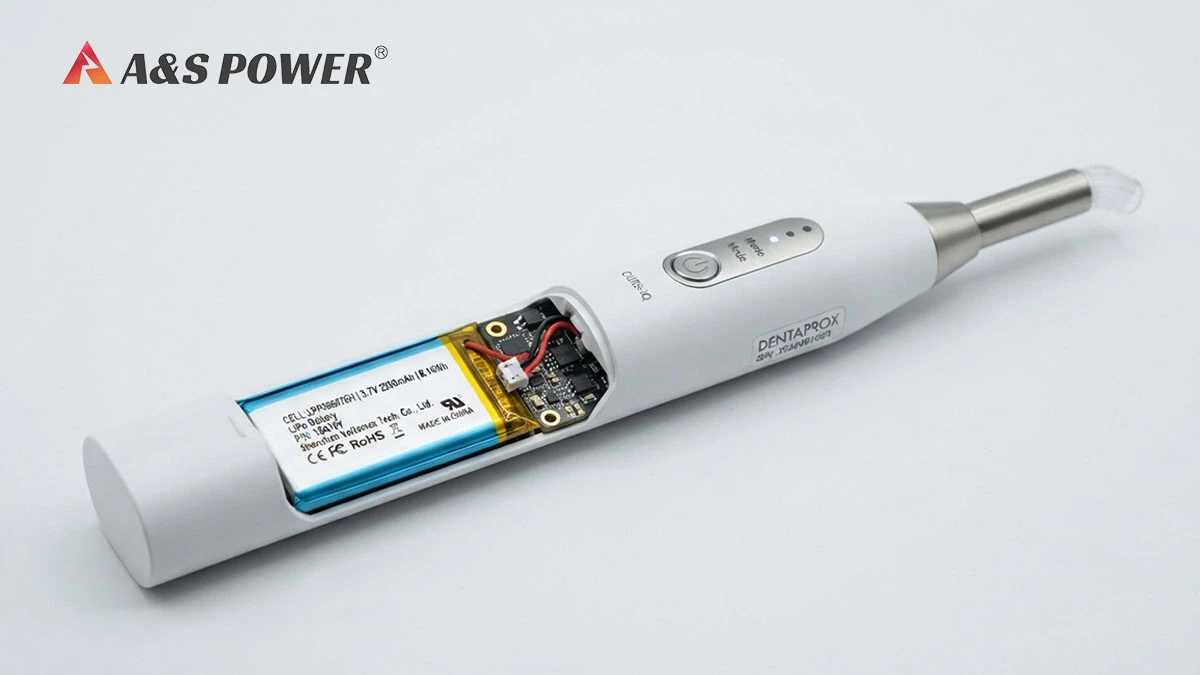 May.2026.08.04High Reliability Polymer Battery for Handheld Dental DevicesLearn More
 -
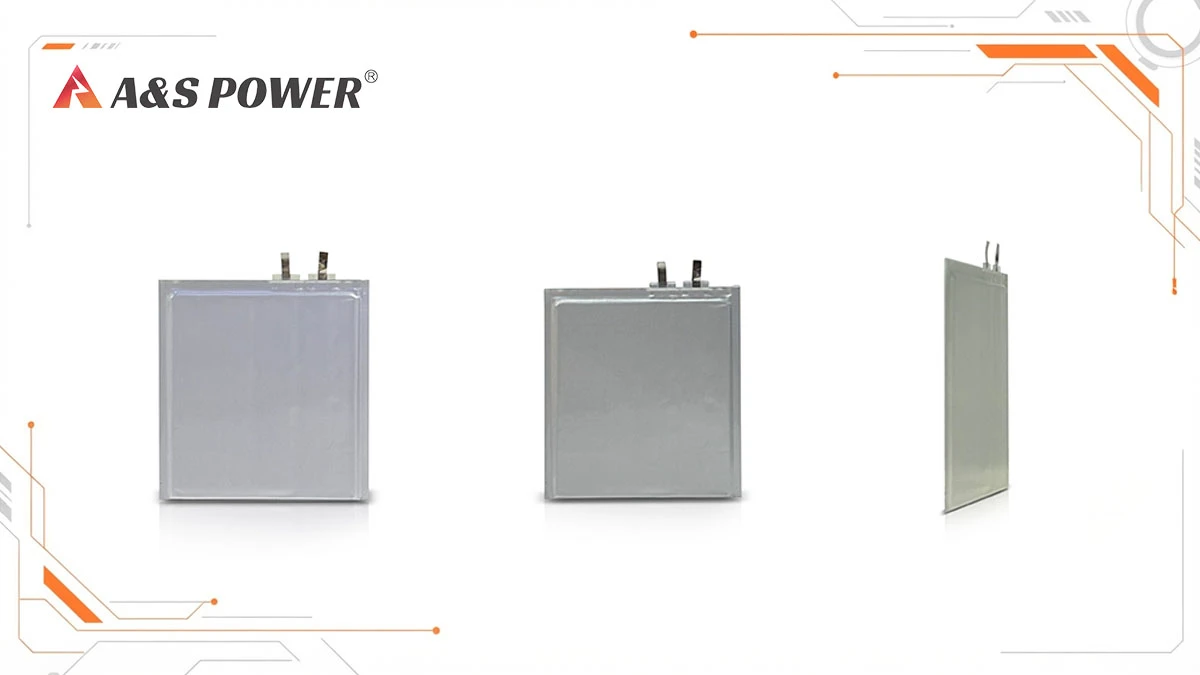 May.2026.08.04Ultra Thin Lithium Polymer Battery 0.4mm 0.5mm Custom GuideLearn More
 -
 May.2026.07.30Smoke Detector Battery Guide: Choosing the Right Battery for Reliable Fire ProtectionLearn More