


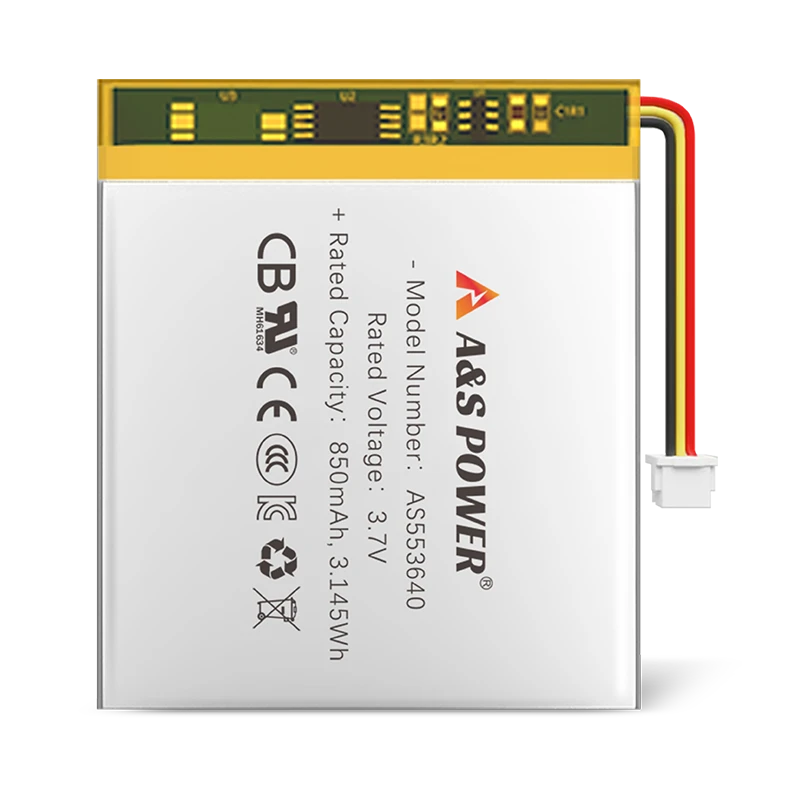
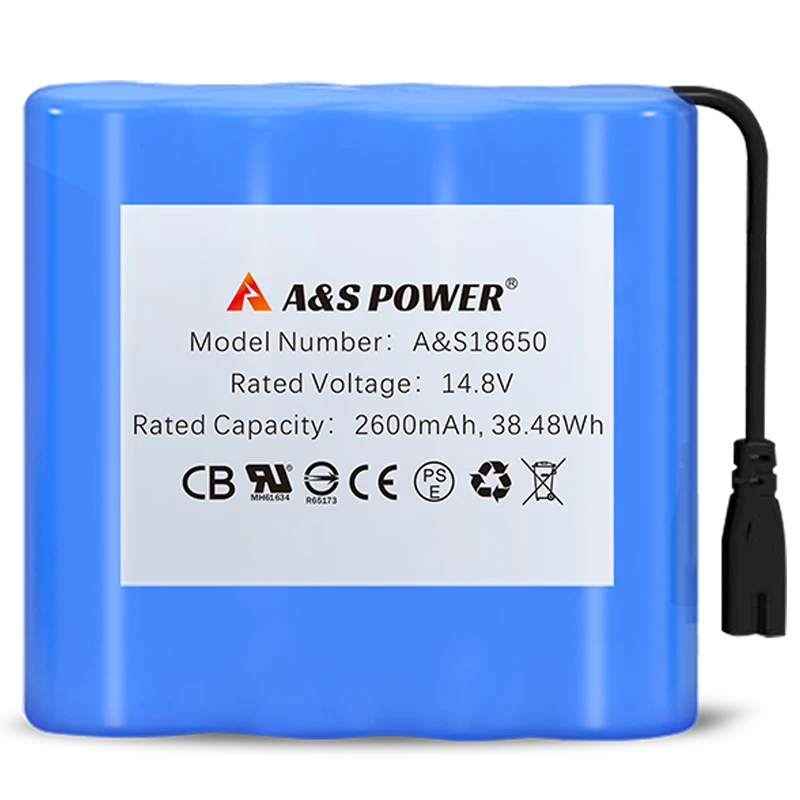
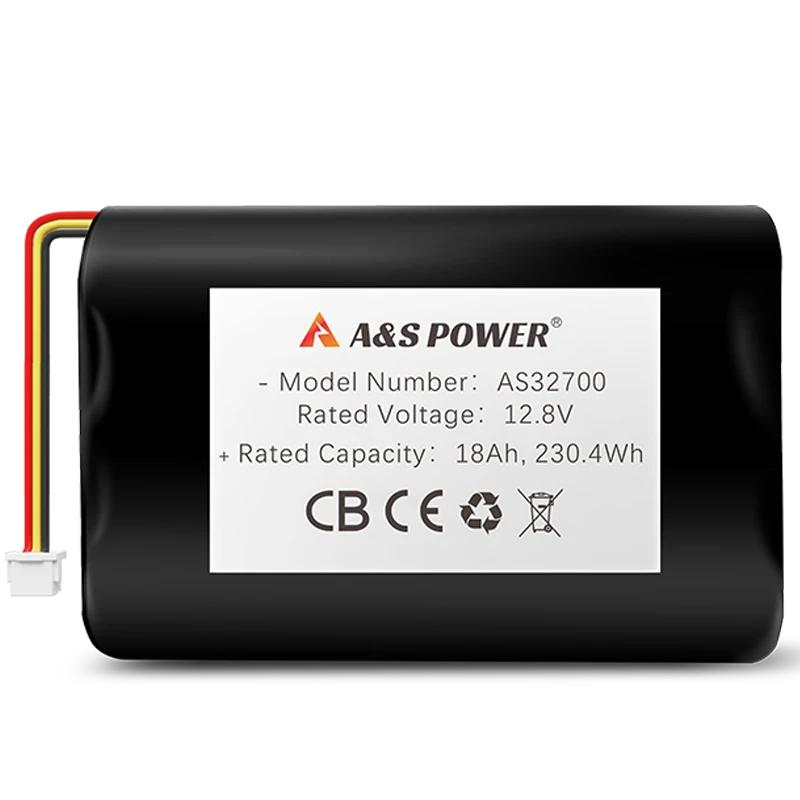


The Ultimate Guide to Lithium Polymer Batteries: Technology, Applications, and Custom Solutions
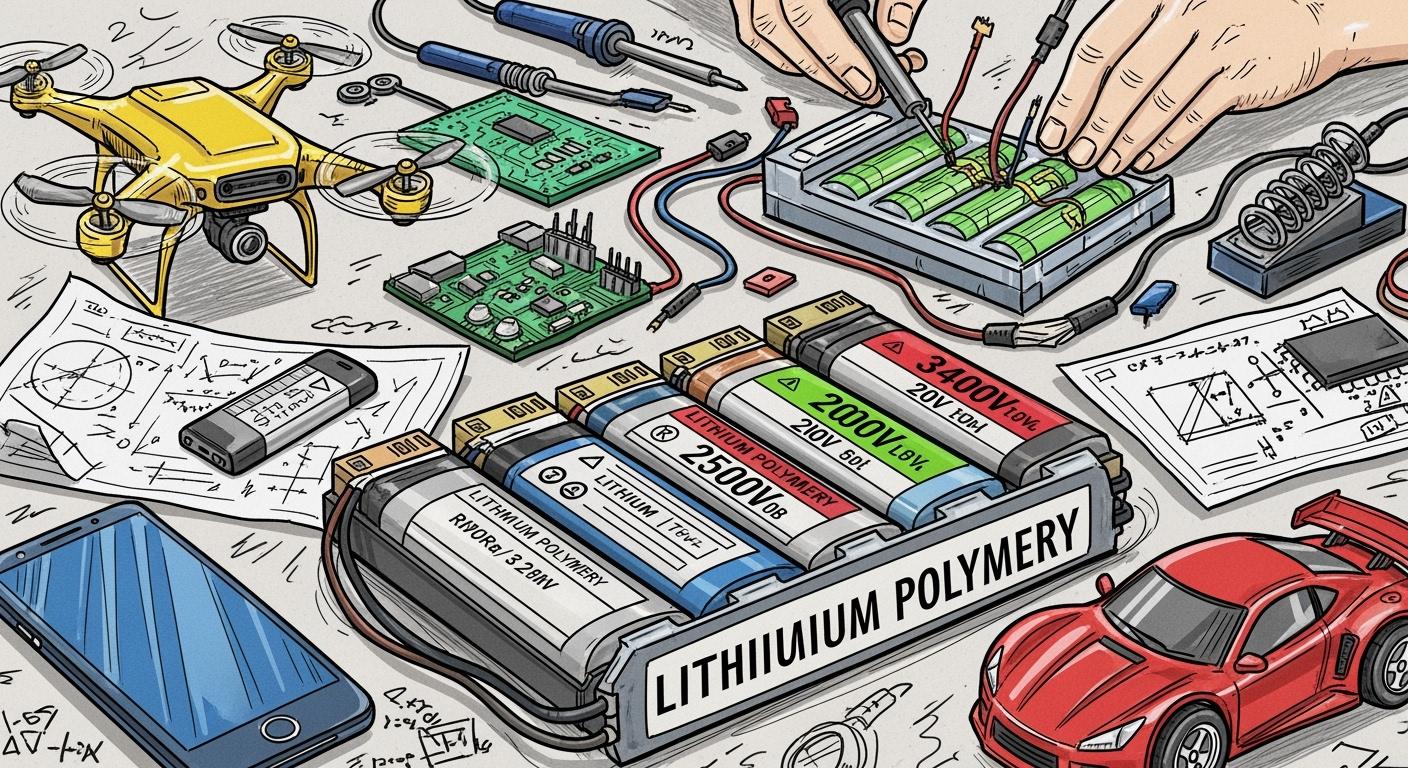
A lithium polymer battery uses a polymer-based electrolyte to deliver reliable power in a compact, lightweight form. You depend on lithium polymer batteries every day for high-energy, flexible solutions in portable electronics. Consider how your smartphone, laptop, or smartwatch stays charged throughout your busy schedule. These batteries power many essential devices, including:
- Smartphones
- Laptops
- Tablets
- Smartwatches
- Wireless headphones
- E-readers
- Portable gaming consoles
- Digital cameras
You need batteries that maximize performance, reduce weight, and adapt to modern design requirements.
Key Takeaways
- Lithium polymer batteries are lightweight and flexible, making them ideal for portable electronics like smartphones and wearables.
- These batteries use a gel or solid polymer electrolyte, enhancing safety by reducing risks of leakage and combustion.
- Understanding battery specifications, such as voltage and capacity, is crucial for selecting the right battery for your device.
- Lithium polymer batteries offer longer cycle life and better performance in high-drain applications like drones and medical devices.
- Custom lithium polymer battery solutions can be designed to meet specific needs, ensuring optimal performance and safety for various applications.
What is a Lithium Polymer (LiPo) Battery?

A lithium polymer battery stands out as a modern solution for powering your portable devices. You benefit from its advanced design, which uses a polymer-based electrolyte instead of the liquid electrolyte found in traditional lithium-ion batteries. This difference allows manufacturers to create thinner, lighter, and more flexible batteries that fit seamlessly into compact electronics. When you choose lithium polymer batteries, you gain access to high energy density and reliable performance, making them ideal for smartphones, wearables, and other lightweight applications.
The Chemistry Behind Polymer Electrolytes
You will notice a key distinction in the chemistry of lithium polymer batteries. These batteries use a gelled or solid polymer electrolyte, while standard lithium-ion batteries rely on a liquid electrolyte. The polymer electrolyte enables a flexible structure, which means you can enjoy batteries shaped to fit unique device designs. The table below highlights how polymer electrolytes enhance both flexibility and safety:
| Benefit/Characteristic | Description |
|---|---|
| Prevention of Dendrite Formation | Gel-based electrolytes help prevent short circuits caused by dendrites. |
| Reduced Flammability | Lower volatility minimizes risks of thermal runaway and fire. |
| Flexibility and Processability | Manufacturers can create custom shapes and sizes for various applications. |
| High Ion Conductivity | Fast ion transport improves battery efficiency and performance. |
| Mechanical Integrity | Strong structure withstands physical stress and maintains battery shape. |
| High Solvation Capacity | Efficient ion transport supports high performance in rechargeable batteries. |
| Operation at Higher Voltages | Some polymer electrolytes allow for increased energy density. |
You can see how these features make lithium polymer batteries a preferred choice for devices that demand safety, flexibility, and high performance.
Evolution of Pouch Cell Technology
The development of pouch cell technology has transformed the way you use li-po batteries. Here are the major milestones that shaped today’s lithium polymer battery market:
- In 1996, Bellcore introduced the Plastic Lithium-Ion (PLiON) battery, starting the era of modern lithium polymer cells.
- In the early 2000s, gel polymer electrolytes enabled flexible pouch designs and thinner batteries.
- Between 2000 and 2010, lithium cobalt oxide cathodes powered the smartphone revolution, though safety concerns remained.
- From 2010 to the present, lithium nickel manganese cobalt oxide improved thermal stability and cost efficiency, supporting high-performance applications like drones.
- Over the last 5-7 years, high-voltage lithium polymer batteries increased capacity without increasing size.
- Recent years saw the shift from winding to Z-stacking in manufacturing, boosting volumetric density and performance.
You now benefit from soft pouch formats that dominate the market, offering lightweight, customizable, and high-capacity solutions for a wide range of devices.
Lithium Polymer vs. Lithium-Ion Batteries: Key Differences
When you choose a battery for your device, you need to understand the differences between lithium polymer and lithium-ion batteries. Both types power modern electronics, but they offer unique advantages in energy density, weight, safety, and performance.
Energy Density and Weight Comparison
You will notice that lithium-ion batteries often provide greater energy density than lithium polymer batteries. This means lithium-ion batteries can store more energy for their size or weight, making them ideal for devices like laptops and electric vehicles that require long runtimes. However, lithium polymer batteries stand out for their lightweight and thin design. Manufacturers use flexible aluminum foil pouches instead of rigid metal casings, which allows you to enjoy slimmer and lighter devices.
| Battery Type | Weight & Volume | Flexibility |
|---|---|---|
| Lithium-Ion Battery | Heavier, bulkier | Rigid casing (steel/aluminum) |
| Lithium-Polymer Battery | Lighter, thinner | Flexible aluminum foil pouch |
You benefit from li-po batteries in applications where portability and custom shapes matter most, such as wearables and drones.
Safety Profile and Durability
Safety is a top priority when you select a battery. Lithium polymer batteries use solid or gel-like electrolytes, which reduce the risk of leakage and combustion. The flexible packaging also provides better mechanical stability, lowering the chance of damage from drops or punctures. In contrast, lithium-ion batteries use liquid electrolytes, making them more prone to thermal runaway and fire.
- Lithium polymer batteries:
- Use solid or gel-state electrolytes for enhanced safety.
- Offer flexible packaging that resists physical damage.
- Lithium-ion batteries:
- Use liquid electrolytes, increasing risks of leakage and combustion.
When you need a battery for high-performance or portable medical devices, the safety features of lithium polymer batteries give you peace of mind.
| Feature | Lithium Polymer Batteries | Lithium-Ion Batteries |
|---|---|---|
| Cycle Life | 800 - 1200 cycles | 500 - 1000 cycles |
| Degradation Rate | Slower | Faster |
| Self-Discharge Rate | < 1% per month | Higher |
Cost vs. Performance Analysis
You may find that lithium polymer batteries cost more to manufacture due to their advanced materials and flexible designs. However, the performance benefits—such as lightweight construction, high energy density, and improved safety—often justify the investment, especially in high-end or custom applications. Lithium-ion batteries may offer a lower upfront cost, but you might face higher replacement costs over time due to shorter cycle life and faster degradation.
Tip: For devices where weight, shape, and safety are critical, the extra cost of a lithium polymer battery can deliver long-term value.
By understanding these differences, you can select the right battery technology for your specific needs.
Critical Technical Specifications of LiPo Battery Packs
Understanding the technical specifications of lithium polymer battery packs helps you select the right power source for your application. You need to evaluate voltage, capacity, discharge rate, and cycle life to ensure optimal performance and safety.
Understanding Voltage and Capacity
Nominal Voltage (3.7V/3.8V/3.85V) explained
You will often see lithium polymer battery packs labeled with a nominal voltage, typically 3.7V, 3.8V, or 3.85V per cell. This value represents the average voltage during a standard discharge cycle. Most consumer electronics use single-cell packs with a nominal voltage of 3.7V. When you charge the battery, the voltage rises to a maximum of 4.2V. Discharging should stop at 3.0V to prevent damage and extend battery life.
| Parameter | Value | Notes |
|---|---|---|
| Nominal Voltage | 3.7V | Standard for single-cell LiPo packs |
| Capacity Range | 100–10,000 mAh | Supports small sensors to industrial devices |
| Charge Voltage | 4.2V | Maximum safe voltage per cell |
| Discharge Cutoff | 3.0V | Prevents deep discharge damage |
You should always match the nominal voltage to your device’s requirements. Using the wrong voltage can cause malfunction or reduce efficiency.
Calculating Capacity (mAh/Ah) for your device.
Capacity tells you how much energy the battery can store and deliver. Manufacturers measure capacity in milliampere-hours (mAh) or ampere-hours (Ah). For example, a 2,000 mAh battery can supply 2,000 milliamps for one hour or 1,000 milliamps for two hours. To calculate the right capacity for your device, estimate the average current draw and desired runtime.
Tip: Multiply your device’s average current (in mA) by the number of hours you want it to run. Choose a battery with a slightly higher capacity to account for efficiency losses and aging.
The Importance of C-Rating (Discharge Rate)
C-rating defines how quickly you can safely discharge or charge the battery. You must consider this value, especially for high-drain devices like drones or UAVs.
- Higher C-rates enable faster charging and discharging, essential for high power applications.
- Increased C-rates lead to higher internal resistance and heat generation, which can reduce efficiency and pose safety risks.
- Studies indicate that as the C-rate increases, the risk of thermal runaway also rises sharply, particularly when charging at high rates.
High Discharge Requirements for Drones and UAVs.
Drones and UAVs demand high bursts of power during takeoff and maneuvers. You need a battery with a high C-rating to deliver this energy without overheating or voltage drops. For example, a 2,000 mAh battery with a 30C rating can provide up to 60,000 mA (60A) in short bursts. Always check your device’s maximum current draw and select a battery that exceeds this requirement for safety.
Continuous vs. Burst Current Ratings.
Manufacturers specify two C-ratings: continuous and burst. Continuous C-rating shows the maximum current the battery can supply over an extended period. Burst C-rating indicates the peak current available for a few seconds. You should never exceed the continuous rating during normal operation. Use the burst rating only for short, high-demand situations.
Note: Exceeding the recommended C-rating can cause overheating, swelling, or even fire. Always follow manufacturer guidelines for safe operation.
Cycle Life and Internal Resistance
Cycle life measures how many charge and discharge cycles the battery can complete before its capacity drops below 80% of the original value. Most lithium polymer batteries offer 800 to 1,200 cycles under proper conditions. You can extend cycle life by avoiding deep discharges and managing temperature.
- High Depth of Discharge (DOD) cycles lead to greater degradation in lithium batteries, resulting in capacity loss and decreased State of Health (SOH).
- The internal structure of the battery experiences stress at higher DOD, causing cumulative degradation effects over time.
- LiFePO4 batteries have lower internal resistance compared to other lithium chemistries, which reduces internal heat generation during operation.
- This thermal stability minimizes stress on internal components, contributing to a longer operational life.
Internal resistance affects both performance and longevity. Lower internal resistance means less heat generation and higher efficiency. You should monitor internal resistance as the battery ages. A significant increase signals reduced performance and the need for replacement.
Pro Tip: Store your lithium polymer battery at moderate temperatures and avoid full discharges to maximize cycle life and maintain high energy density.
By understanding these technical specifications, you can choose the best rechargeable batteries for your application. You will achieve optimal performance, safety, and reliability for your devices.
Top Industrial Applications for High-Performance LiPo Batteries

You rely on high-performance lithium polymer batteries for critical battery applications across many industries. These batteries power advanced systems where reliability, energy density, and safety matter most. Explore how you benefit from these solutions in key sectors.
Medical Devices and Healthcare Equipment
You demand reliability and safety in medical devices. Lithium polymer batteries deliver high energy density, which supports continuous monitoring in compact spaces. Their ultra-thin and lightweight design ensures comfort for patients who wear devices for long periods. You also gain peace of mind from their high safety standards, which prevent swelling or leakage. These batteries operate consistently in temperatures from -20°C to +60°C, making them suitable for diverse healthcare environments. The table below highlights essential requirements:
| Key Requirement | Description |
|---|---|
| High energy density | Longer runtime in limited space |
| Ultra-thin & lightweight | Comfort and long-term wearability |
| High safety | Zero tolerance for swelling or leakage |
| Wide temperature adaptability | Reliable operation from -20°C to +60°C |
| Long cycle life | Fewer replacements, lower total cost |
IoT and Wearable Technology
You see rapid growth in IoT and wearable technology. Lithium polymer batteries stand out for their thin and flexible design. Manufacturers shape them into curved or irregular forms, which allows you to create ergonomic and attractive devices. These batteries also reduce the risk of leakage, which is important for wearables that stay in contact with the skin. You achieve greater design freedom and safety for your portable devices.
Drones, UAVs, and RC Hobbies
You need batteries that maximize flight time and payload capacity in drones and UAVs. Lithium polymer batteries provide high energy density, which extends flight duration. Their lightweight construction lets you carry heavier payloads without sacrificing performance. You also benefit from rapid energy discharge, which supports demanding maneuvers and quick acceleration. These advantages make them the preferred choice for drones, UAVs, and RC hobbies.
- Longer flight times
- Increased payload capacity
- Enhanced performance with rapid discharge
Portable Industrial Electronics
You depend on portable industrial electronics for productivity in the field. Lithium polymer battery applications include handheld scanners, POS terminals, and GPS units. These batteries offer high energy density and fast discharge rates, which support long shifts and demanding tasks. Their robust design withstands frequent use and harsh environments. You experience fewer interruptions and greater efficiency in your daily operations.
Tip: High-performance lithium polymer battery solutions power automated guided vehicles, robotic systems, and portable tools in manufacturing, transportation, energy, defense, and healthcare. You can trust these batteries for reliable and versatile applications.
Custom Lithium Polymer Battery Design and Manufacturing
The Process of Designing a Custom Battery Pack
You start by evaluating your application’s requirements. You determine the voltage, capacity, shape, size, and weight that your device needs. You select cells that match these specifications and configure them in series or parallel to achieve the desired output. Series configuration increases voltage, while parallel configuration boosts capacity. You integrate a battery monitoring system to enhance safety and reliability. This system tracks temperature, voltage, and current, providing essential safety mechanisms for your batteries. You test the pack under different conditions and refine the design to ensure optimal performance.
Cell Selection and Series/Parallel Configuration (S/P).
You choose cells based on your device’s voltage and capacity needs. You arrange cells in series to raise voltage or in parallel to increase capacity. This flexibility allows you to create custom-engineered batteries for specialized applications. You match cells carefully to maintain consistent performance and extend battery life.
BMS (Battery Management System) Integration for Safety.
You integrate a battery management system to protect your lithium polymer battery. This system monitors each cell, balances charge levels, and prevents overcharging or deep discharging. You rely on these safety mechanisms to reduce risks and comply with industry standards. The BMS also supports diagnostics and data logging, which helps you maintain your batteries in portable devices.
AS Power’s Manufacturing Capabilities
You benefit from AS Power’s expertise in custom lithium polymer batteries. AS Power offers strong engineering and quality control, supporting prototypes, pilot runs, and mass production. You receive fast responses for OEM and ODM projects, with engineers collaborating from the initial design phase. AS Power manages the supply chain, sourcing quality components from Tier-1 manufacturers. You can customize voltage, capacity, shape, connectors, and labeling to fit your applications. AS Power supports certification compliance, including UN 38.3, IEC 62133, CE, and RoHS, ensuring your batteries meet strict safety standards.
| Capability | Description |
|---|---|
| Custom Battery Solution | Proven experience in custom lithium battery pack design |
| Engineering and Quality Control | Strong engineering and quality control team |
| Production Support | Support for prototypes, pilot runs, and mass production |
| OEM and ODM Projects | Fast response for OEM and ODM projects |
| Collaborative Engineering Partnership | Engineers collaborate from the initial design phase to optimize the battery |
| Supply Chain Management | Strong relationships with Tier-1 cell manufacturers for quality components |
| Customization Options | Voltage, capacity, shape, BMS functions, connectors, enclosure, labeling |
| Prototype Support | Support for small batch or prototype orders |
| Certification Compliance | Certifications like UN38.3, IEC 62133, CE, RoHS depending on requirements |
You ensure your custom lithium polymer battery meets the highest safety and performance standards by choosing a manufacturer with proven capabilities and certification expertise.
Essential Safety Guidelines and Storage Protocols
Why Do Lithium Polymer Batteries Swell?
You may notice swelling in lithium polymer batteries during use or storage. Swelling happens when gas forms inside the battery pouch, often due to chemical reactions. The most common causes include overcharging, over-discharging, physical damage, high temperatures, and natural aging. You can review the table below to understand these risks:
| Cause | Description |
|---|---|
| Overcharging and over-discharging | Forces extra energy into the battery, creating gas. Over-discharging damages internal chemistry. |
| Physical damage | Can tear the separator, leading to short circuits and gas formation. |
| High temperatures | Accelerates chemical aging, increasing the risk of swelling. |
| Natural aging | Batteries degrade over time, potentially forming gas even with proper care. |
You should inspect batteries regularly for swelling and remove any damaged units from service to maintain safety.
Proper Charging and Discharging Practices
You extend battery lifespan and improve safety by following best practices for charging and discharging. You should:
- Keep battery levels between 25% and 80% to minimize depth of discharge.
- Track and control each charge/discharge event to manage cycles.
- Use partial cycles instead of full cycles to reduce wear.
- Charge to 80% to lower cell stress and slow capacity loss.
- Avoid deep discharge by keeping battery levels above 25%.
You also need to charge batteries at recommended temperatures and avoid exposing them to extreme heat or cold. You prevent overcharging by using chargers with built-in protection.
Tip: Always use certified chargers and monitor batteries during charging to reduce the risk of overheating or swelling.
Long-term Storage Voltage (3.8V)
You protect batteries during long-term storage by maintaining the correct voltage. The recommended storage voltage is between 3.7V and 3.85V per cell, which equals about 40% to 60% of the battery’s total capacity. You should store batteries in a cool, dry place and avoid direct sunlight.
- Set battery voltage to 3.8V per cell before shipping or warehousing.
- Check voltage every three months and recharge if needed.
- Store batteries in fireproof containers for added safety.
You follow these protocols to prevent degradation and ensure batteries remain reliable for future use.
Compliance and Certifications for US Markets
You must ensure your lithium polymer batteries meet strict compliance and certifications before entering the US market. These requirements protect consumers and guarantee product reliability. You will find that regulatory agencies demand thorough documentation and testing for every battery pack.
| Compliance Requirement | Description |
|---|---|
| 16 CFR Part 1263 | Safety standard for button cell or coin batteries, requiring secure battery compartments and warning labels. |
| General Certificate of Conformity | Mandatory document detailing compliance with CPSC regulations, including product information and testing details. |
| Consumer Product Safety Improvement Act (CPSIA) | Contains substance restrictions and testing requirements for children’s products powered by lithium batteries. |
| ASTM F963 | Standard for toy safety, including requirements for small parts testing and battery compartment security. |
| Children’s Product Certificate (CPC) | Document required for children’s products, based on test reports from CPSC-accepted labs. |
| Hazardous Materials Regulations (HMR) | Regulates transportation of hazardous materials, including lithium batteries, with specific testing and labeling requirements. |
| UN 38.3 testing | Criteria and procedures for the safe transportation of lithium batteries. |
UN38.3 Transportation Testing
You must pass UN38.3 testing to ship lithium polymer batteries by air, sea, or land. This certification ensures your batteries withstand common transportation hazards. The testing process includes:
- T1: Altitude Simulation
- T2: Thermal Test
- T3: Vibration
- T4: Shock
- T5: Short Circuit
- T6: Impact
- T7: Overcharge
- T8: Forced Discharge
Each test simulates real-world conditions, such as rapid temperature changes, vibration, and accidental short circuits. You reduce risks and improve safety by meeting these standards.
UL 1642 and UL 2054 Standards
You need UL 1642 and UL 2054 certifications for consumer products powered by lithium polymer batteries. These standards verify electrical, mechanical, and environmental safety. You will see tests for short-circuit, overcharge, impact, vibration, and temperature cycling. UL 2054 also reviews battery management systems and protection circuits. You demonstrate your commitment to safety and product quality by achieving these certifications.
| Test Type | Purpose |
|---|---|
| Electrical Tests | Ensures safety against electrical failures. |
| Mechanical Tests | Assesses physical durability and fire hazards. |
| Environmental Tests | Tests performance under extreme conditions. |
| Safety and Protection Circuit Evaluation | Reviews battery management systems and protective components. |
IEC 62133 International Safety Standards
You must comply with IEC 62133 for global market access. This certification covers design, construction, and testing of rechargeable batteries. You ensure your batteries meet international safety benchmarks and reduce liability risks. IEC 62133 focuses on electrical performance, mechanical integrity, and environmental resilience. You build trust with customers and partners by maintaining these certifications.
Tip: You should always verify that your batteries have up-to-date certifications before distribution. This step protects your business and ensures compliance with US and international regulations.
You gain unmatched flexibility and performance when you choose a lithium polymer battery for your portable devices. These batteries support a wide range of applications, from medical equipment to drones and wearables. You can request custom solutions that fit your unique applications and design needs. Custom lithium polymer batteries deliver reliable power and safety for advanced applications. If you need expert guidance, consult a specialist or request a quote to optimize your next project.
You unlock new possibilities for your applications with custom lithium polymer battery technology.
-

 May.2026.05.21IEC 62133 Rechargeable LiPo Battery for Medical Devices GuideLearn More
 -
 May.2026.05.20Custom UL2054 Certified Lithium Polymer Battery Pack: Complete OEM GuideLearn More
 -
 May.2026.05.20Battery for Portable PA System: Complete Guide to Lithium Battery Solutions for Professional Audio EquipmentLearn More
 -
 May.2026.05.19What Battery Is Used in Portable Guitar Amplifiers? A Complete Technical & Practical GuideLearn More
 -
 May.2026.05.15Complete Guide to Portable Amplifier Battery Packs (Li-ion & LiFePO4 Solutions)Learn More